Close menu
Ranking the best of African Literature



























Wicked debuted with a whopping 88% on Rotten Tomatoes. Let’s explore some of the factors that made the Wicked Movie a success.
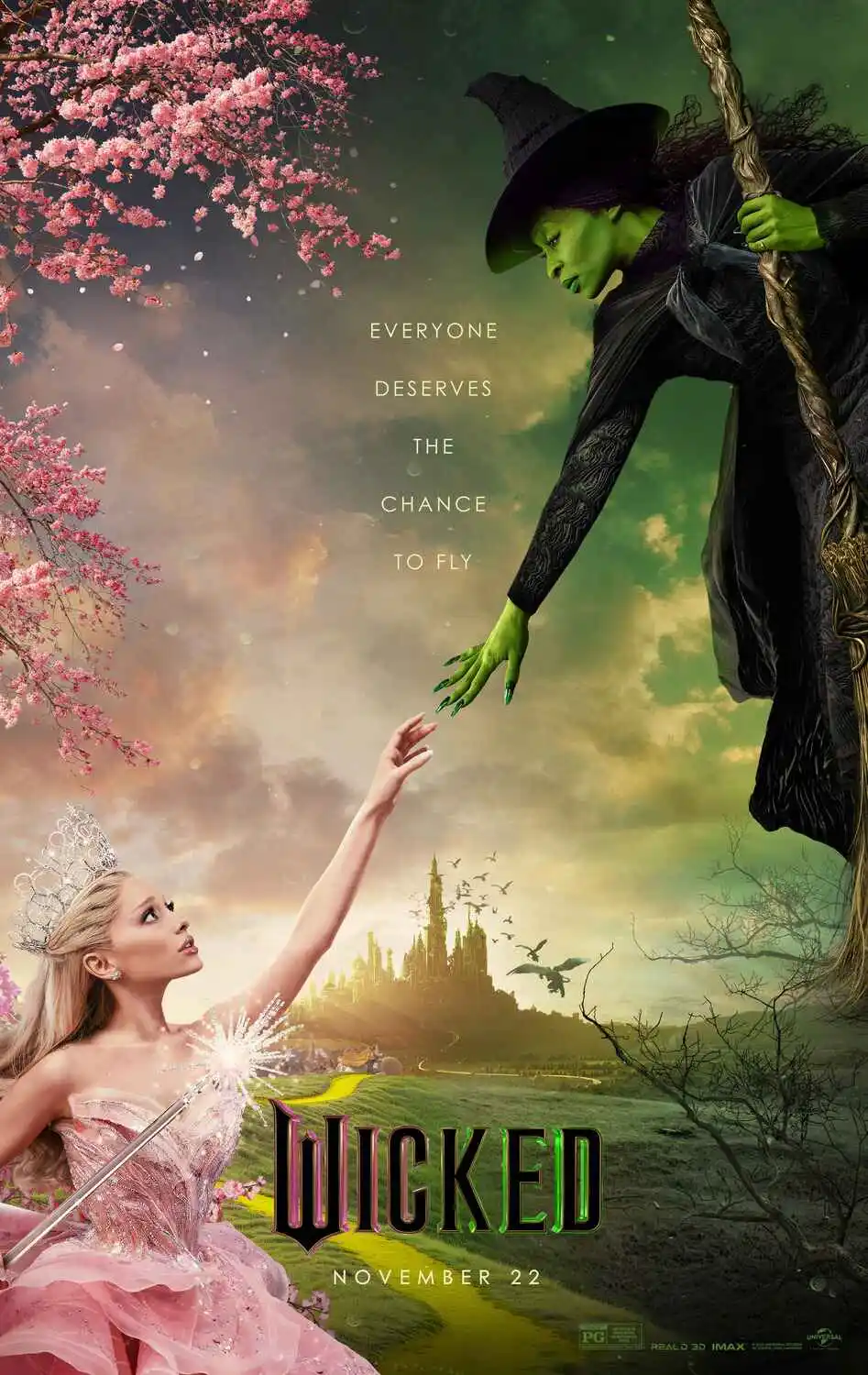
The Wicked Movie is well-known both for its unintentionally humorous press tour, which attracted attention for its many holding space and crying memes. Yet, the star of the show is the production itself.
Wicked has been airing on Broadway as Wicked: The Musical since 2003, but this is the first time it is on the big screen, with the first part released in November 2024.
The movie features a star-studded cast, a high production and marketing budget, and adequate preparation, with the two leads, Cynthia Erivo and Ariana Grande, ensuring that they treated the source material with as much respect as possible.
Wicked debuted with a whopping 88% on Rotten Tomatoes score, and honestly, it’s no shock: the storyline was truly enchanting and deeply emotional.
Let’s explore some of the factors that made the Wicked Movie a success.
Set in Oz, Wicked follows new students thrilled to be accepted into the esteemed Shiz University. The environment is beautiful, the diction is unique, the music is fabulous, and the opportunities seem endless.
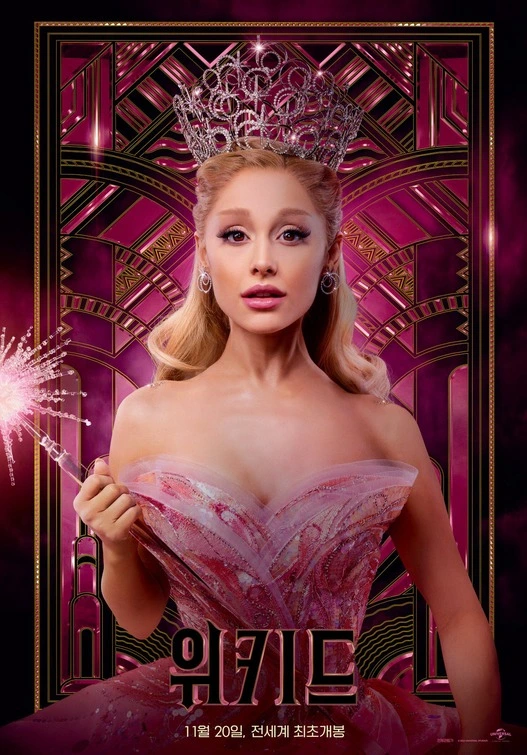
No one is more excited to be in Shiz University than Galinda Upland. Galinda (later known as Glinda) is the textbook popular girl, with a rich/influential background, spoiled, malleable, and ready to please whoever she needs to climb the social ladder.
As expected, she is a crowd favourite and attracts Fiyero Tigelaar, the charismatic university heartthrob. Everyone seems to like her except for Madam Morrible, the Headmistress. She desperately craves acceptance into the Headmistress’s sorcery class, but is shunned for not being good enough, at least at first. She eventually gets in through her roommate, Elphaba’s persuasion.
Galinda and Elphaba loathe each other, try to antagonise one another with pranks and arguments, but eventually become best friends.
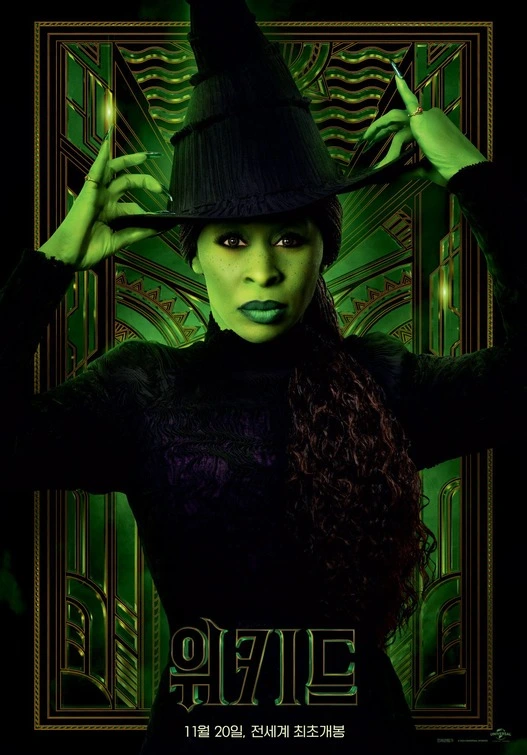
Elphaba Thropp is a unique case. She comes from an influential background as the daughter of the Governor of Munchkinland. Still, Elphaba has been ostracised and bullied her entire life by family and strangers alike. The reason? She has green skin and is the product of an illicit affair.
Consequently, she is used to being treated like she has leprosy. So, she goes the extra mile to introduce herself to new people to avoid unnecessary awkwardness.
Elphaba, a self-described commotion, enrolls at Shiz University after unintentionally revealing her magical ability while looking out for her sister, Nessarose. Thus, she becomes Galinda’s unwanted roommate. This upsets both Nessa and Galinda. Nessa wants her to quietly leave and not embarrass her as per ‘usual’, and Galinda doesn’t want a weird, undesired roommate.
Elphaba’s problem isn’t her ungrateful sister or her pampered, unwelcoming roommate. Her goal is to meet the Wizard of Oz so he can “degreenify” her and make her normal. She does meet him, but at a cost.
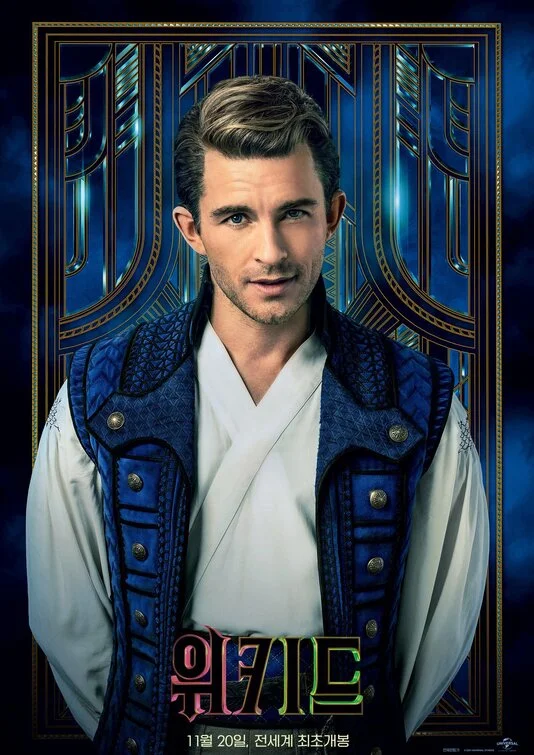
Fiyero is the stereotypical bad boy with exhausted parents, multiple school expulsions, a wealthy background, and undeniable charisma. He takes Shiz University by storm, dancing in the library, coupling with Galinda, and inviting his fellow students to illegal parties.
However, Fiyero is not as shallow as he seems. He helps Elphaba free some captured animals, showing that he is motivated to do the right thing when he realizes injustice.
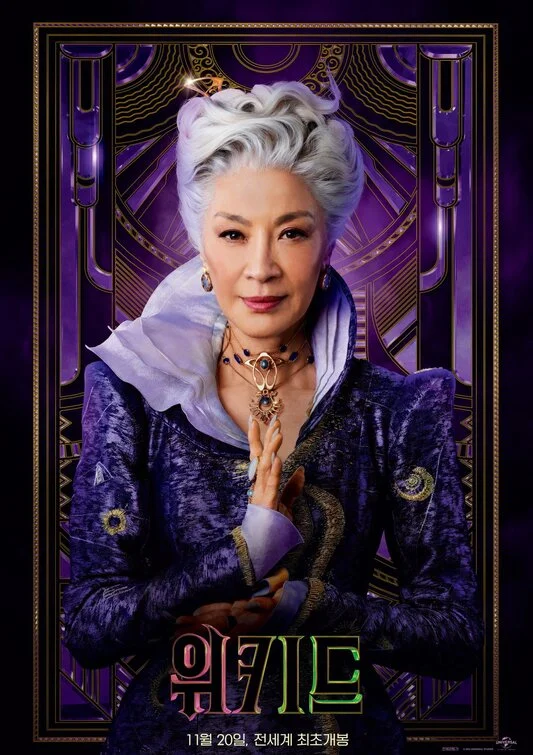
Assuming the “Morrible” in “Madam Morrible” is synonymous with “Horrible”, then it makes sense. Madam Morrible fits the bill of those corrupt leaders who will bend the rules as far as it benefits them. But they are efficient and have good enough social etiquette not to be suspected.
She initially comes off as a no-nonsense Headmistress skilled in sorcery and dedicated to Shiz University. Later events reveal that she is cunning and the backbone behind the unfolding calamity.
Spoiler: When Elphaba and Galinda discover the extent of her rottenness, one reacts by calling a spade a spade, while the other submits. Want to guess which is which?
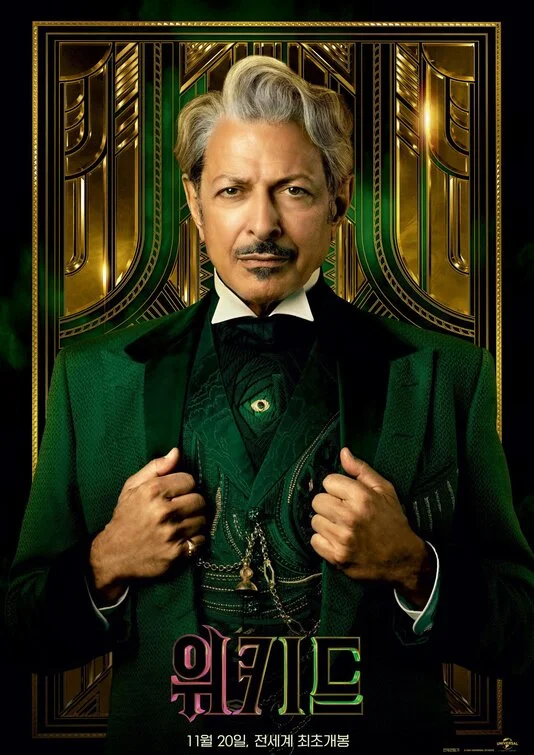
If Madam Morrible is the brain, then the Wizard of Oz is the puppet.
Spoiler: Behind his tricks and paparazzi, the Wizard does not have any magical ability, while Elphaba is the one who can read the Grimmerie.
Madam Morrible and the Wizard plan to use Elphaba to access the ancient book and continue to perpetuate evil, but they don’t get a favourable response.
Wicked plays heavily into the sad reality of conformity. Anyone who doesn’t fit societal standards or has something that makes them different, like Elphaba’s green skin, is shunned and intimidated until they fall in line.
It’s ironic because maturity expects group behaviour to end in high school. Unfortunately, it carries on well into adulthood; there is simply no grace for anyone who doesn’t follow the leader.
Genuineness is a key lesson in Wicked, as shown by Elphaba and Fiyero growing into their own version of backbone.
Elphaba started out believing that following rules would lead to acceptance, until she realised that no amount of bending would make anyone happy. Sometimes the rules need to be broken.
Fiyero’s change was more subtle. Because he heavily relies on social validation, his version of defying gravity was in helping to release unfairly captured animals and helping Elphaba when she was labelled an enemy of the state.
Leadership exists everywhere, and unfortunately, it is not always fair. As seen with Madam Morrible and the Wizard of Oz, the power conferred by position was used for corruption and to spread anarchy.
Also, society doesn’t always uphold justice when faltering authority is exposed. In real life, whistleblowers end up in jail, criminals get a slap on the wrist, and, in Elphaba’s case, she became an outcast, branded by her teacher as the Wicked Witch of the West.
Wicked is a great adaptation. As simple as it is, it is well-executed, keeping viewers’ interest and addressing real-life issues in a truly emotional manner that would touch even the harshest of critics.
P.S.: Part 2 (Wicked: For Good) is out now, so please binge both and share your thoughts!

15 Writing-Adjacent Careers for Writers Looking for a Career Change
Authors Spotlight: Khaled Hosseini
The Sound Souls Make When They Die by Chinemefun Chimuanya
If Nollywood Cast Our Favourite African Books: Who Would Play Who?
Best Films About Unexpected Age Gap Romance
Literary Awards and the Racism Card: A Wake-Up Call for Black Africa
Interview with the Vampire Relationships, Ranked
10 Top Recent Films for Action and Comedy Fans
Comma Rules Every Writer Should Know
10 Most Hype-worthy 2026 Book Releases (African Literature Version)
Five Gambling Films That Know the Bet Is Only Half the Story
Movies Where Poker Reveals Who a Character Really Is
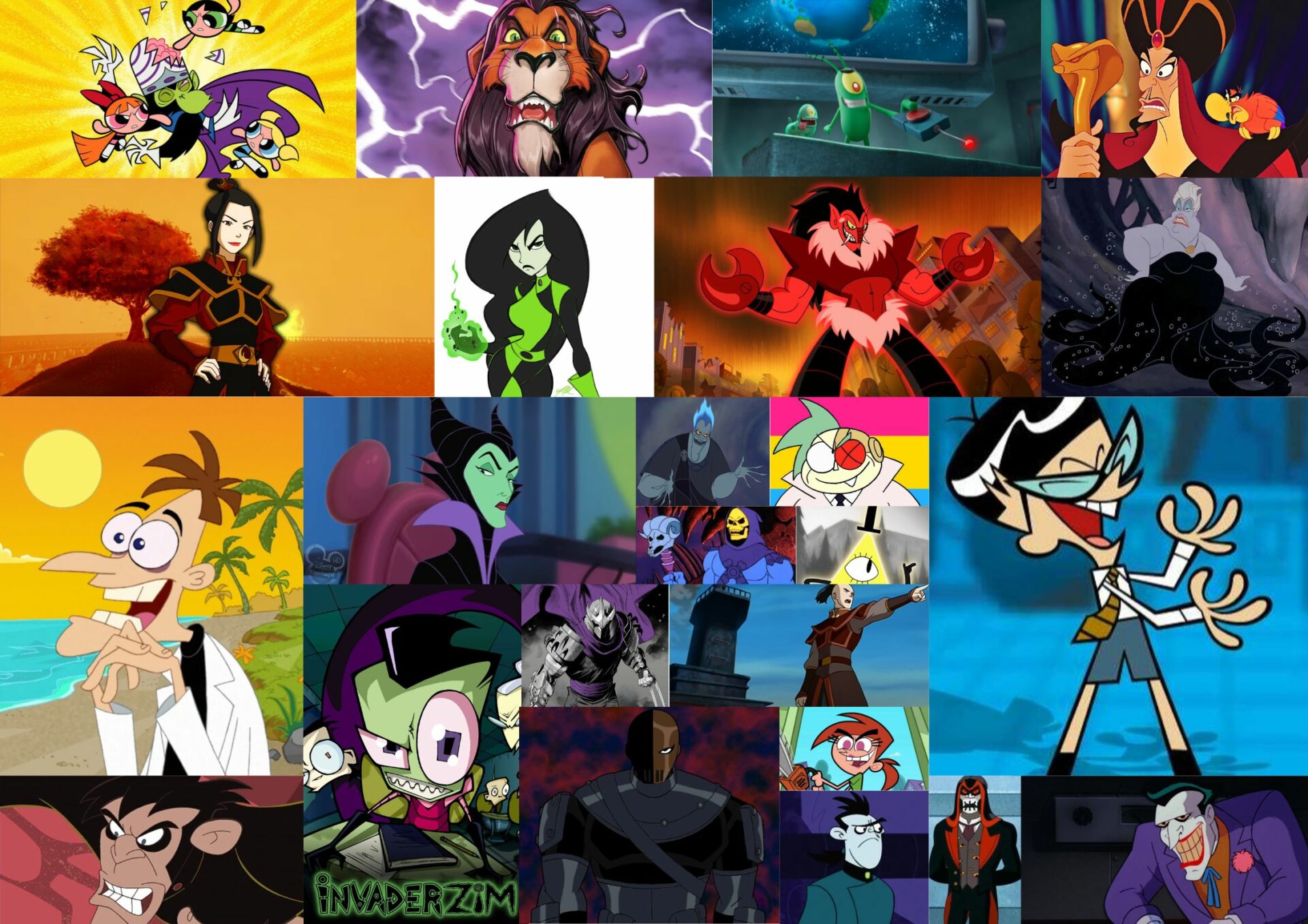
July 20, 2025 .
Animation, Lists
Our list rounds up the top 30 cartoon characters that were villains, each one more wonderfully wicked than the last.
READ MORE
November 27, 2025 .
Lists, Mythology
While this isn’t an exhaustive list, it comprises some of the most popular mythical creatures from around the world.
READ MORE
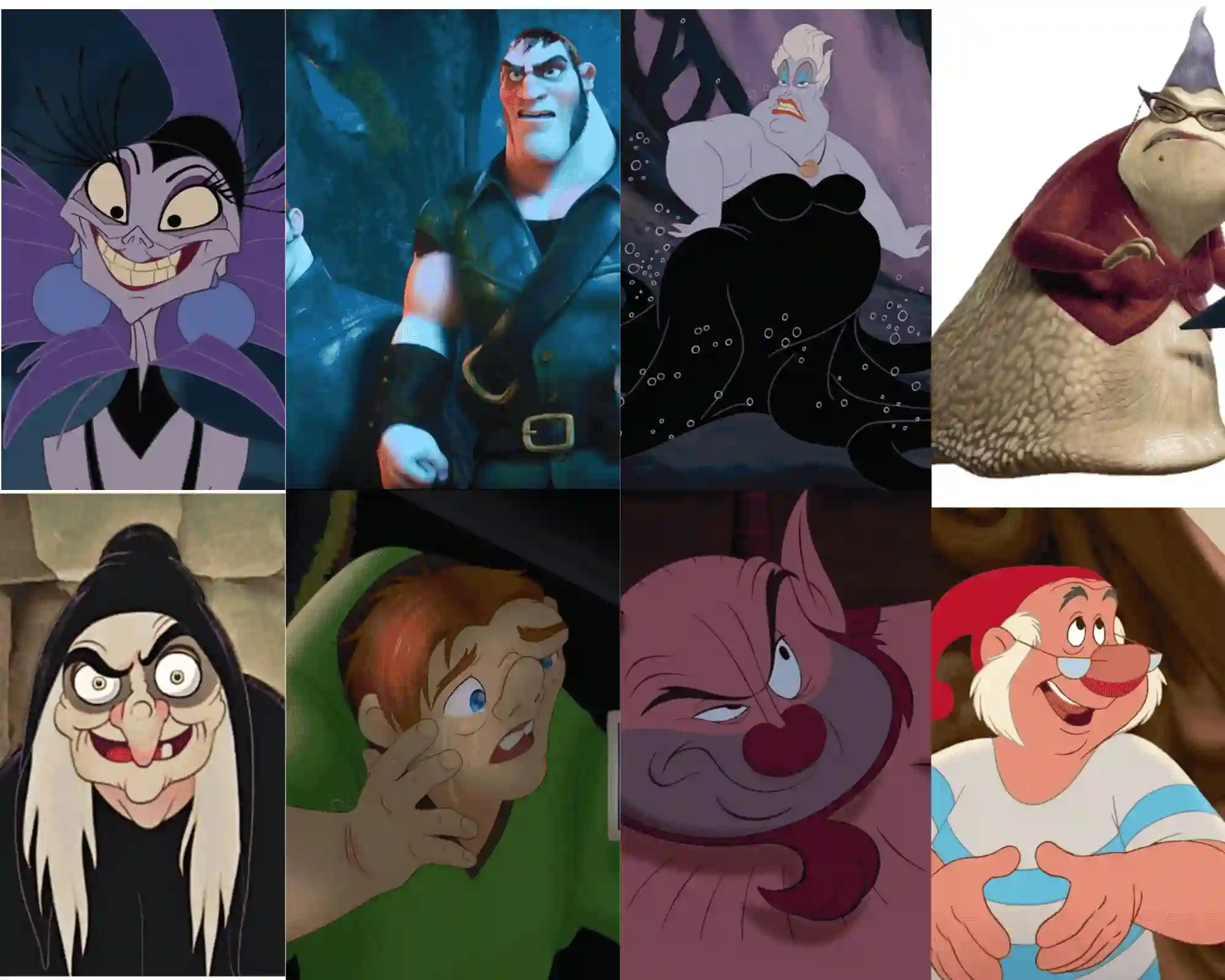
April 29, 2026 .
Lists, Opinions
The Mouse is famous for its princesses and princes. However, the studio’s true genius lies in its embrace of “ugly Disney characters”.
READ MORE
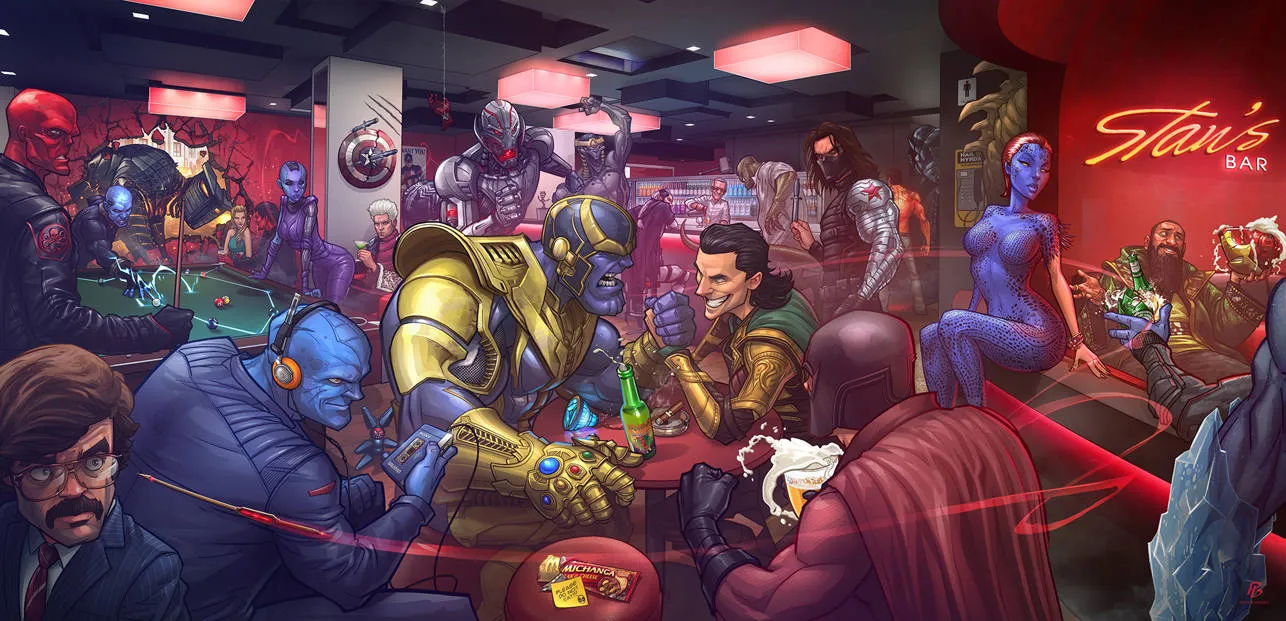
October 28, 2025 .
Lists, Marvel, MCU, Opinions
Let’s go through a list of the top 7 strongest Marvel villains, from the wickedly powerful to the absolutely unstoppable.
READ MORE
May 6, 2026 .
Lists, MCU
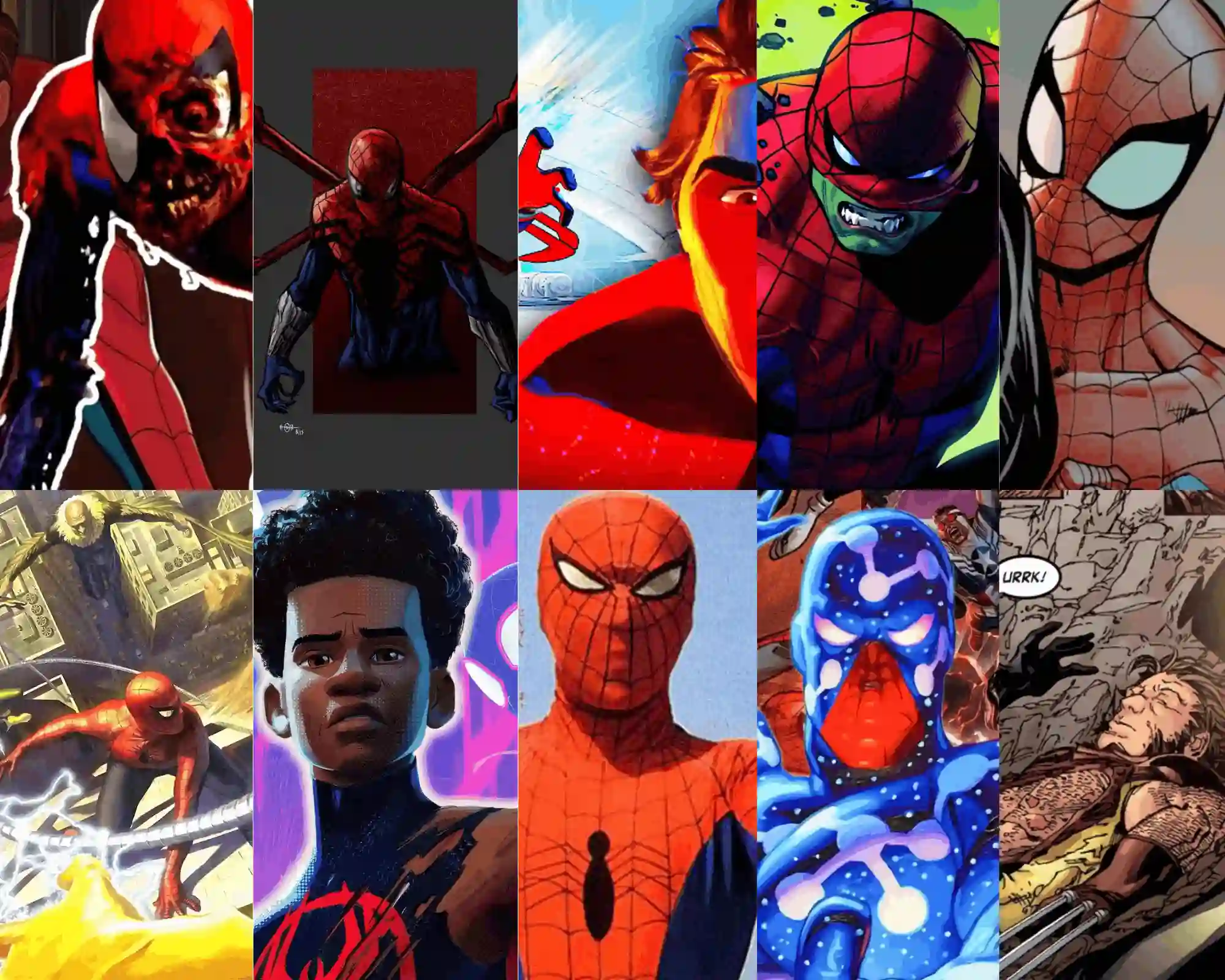
Spider-Man is one of the many superheroes from the Marvel Universe whose stories shaped many childhoods. Who is your strongest Spiderman?
READ MORE
November 3, 2025 .
Movie Reviews, Thriller
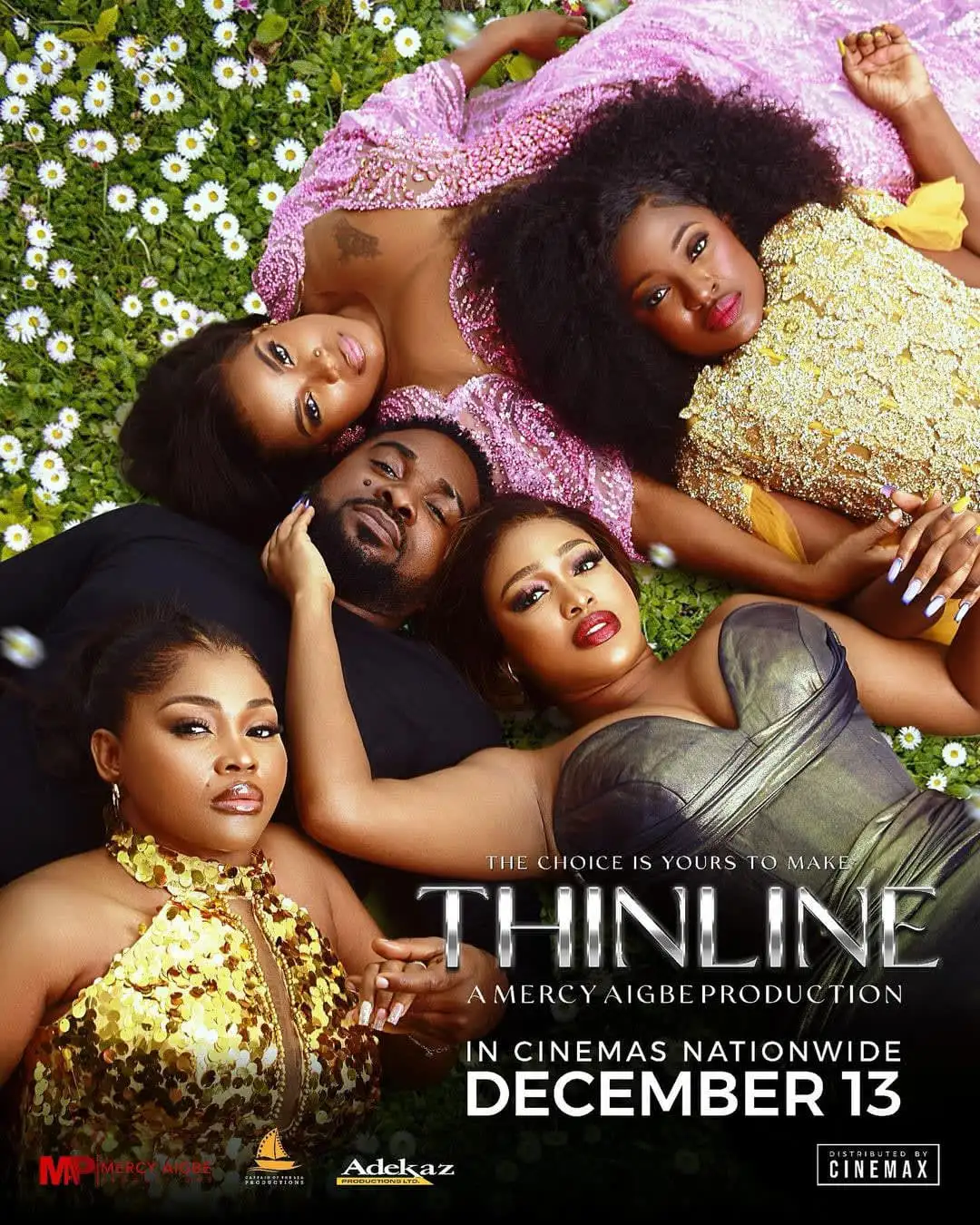
With Thinline, the future of Nigerian crime thrillers is in good hands. The storytelling, production, and casting? Tens across the board.
READ MORE
May 19, 2026 .
Drama, hollywood, Movie Reviews
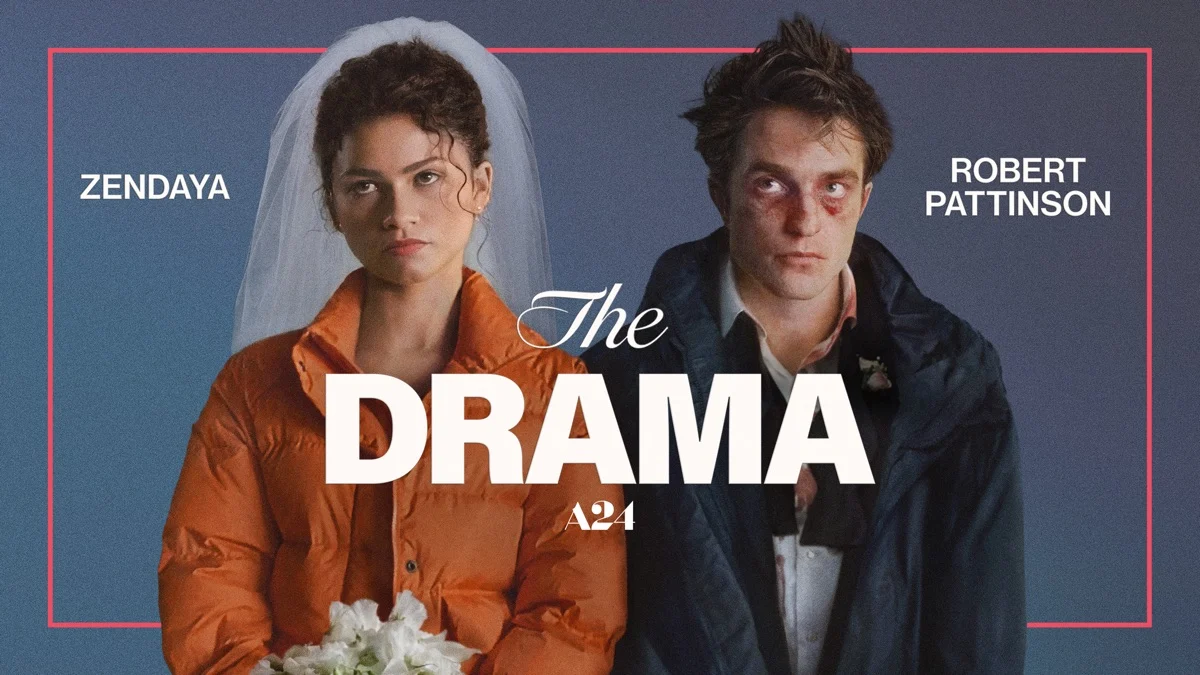
A24’s The Drama is a social commentary on secrets and our reactions to them.
READ MORE
August 14, 2026 .
Movie Reviews, Netflix
READ MORE
May 20, 2026 .
Movie Reviews, Nollywood
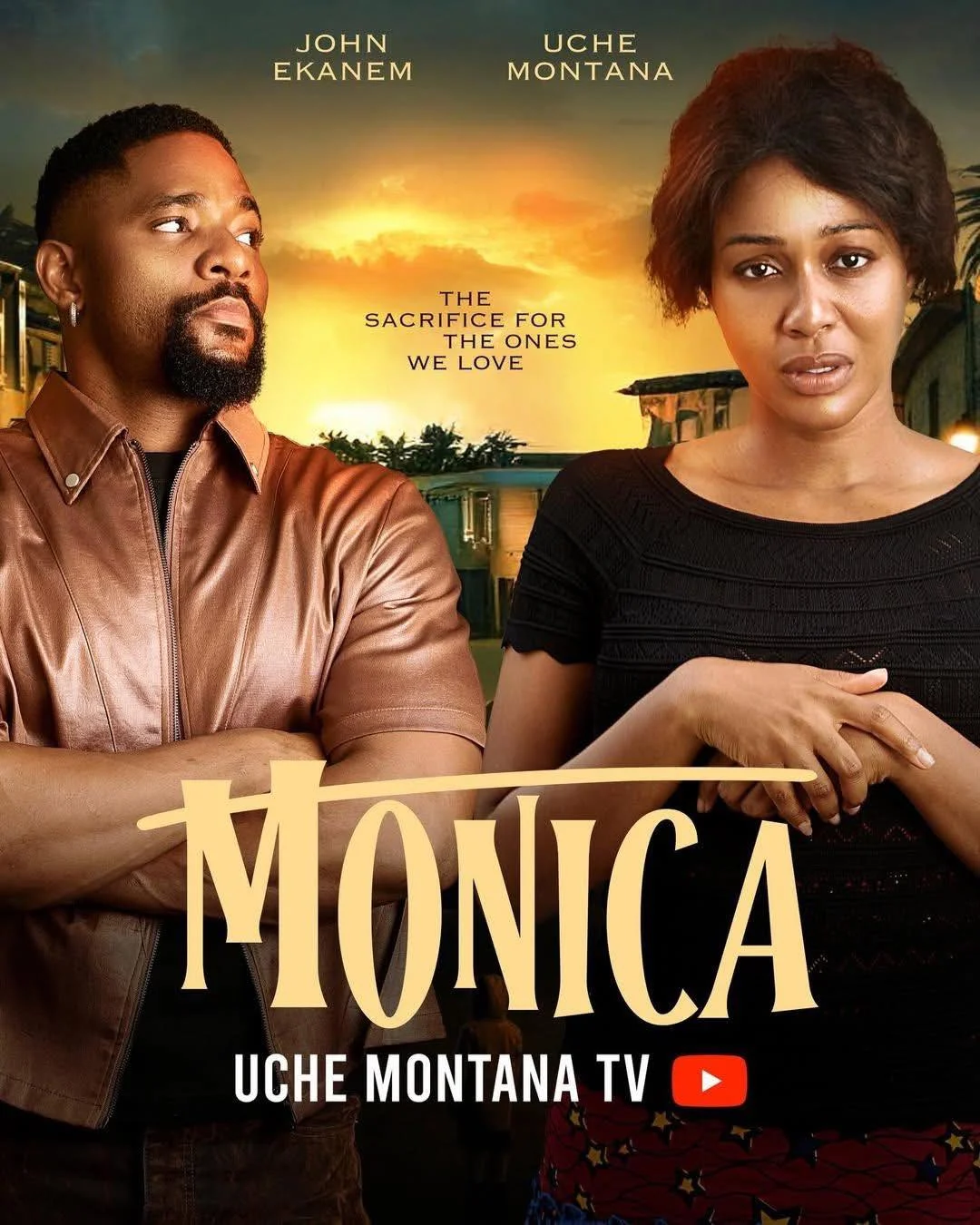
Production-wise, the movie delivers what it needs to. It relies heavily on its story, and that is where its strength lies.
READ MORE
May 28, 2026 .
A24 Movies, hollywood, Movie Reviews
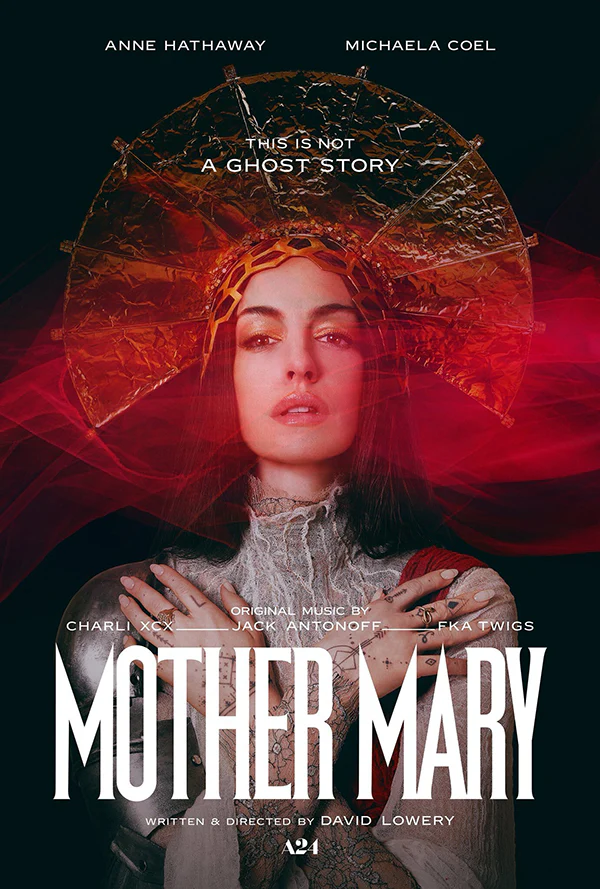
Some movies you watch. Some movies you feel. Mother Mary is the latter.
READ MORE
October 13, 2026 .
Lists, Movie Reviews
One of the show’s greatest achievements is refusing to divide its characters into heroes or villains. So we’re left with flawed characters in dire need of therapy.
READ MORE
June 10, 2026 .
HBO, Movie Reviews
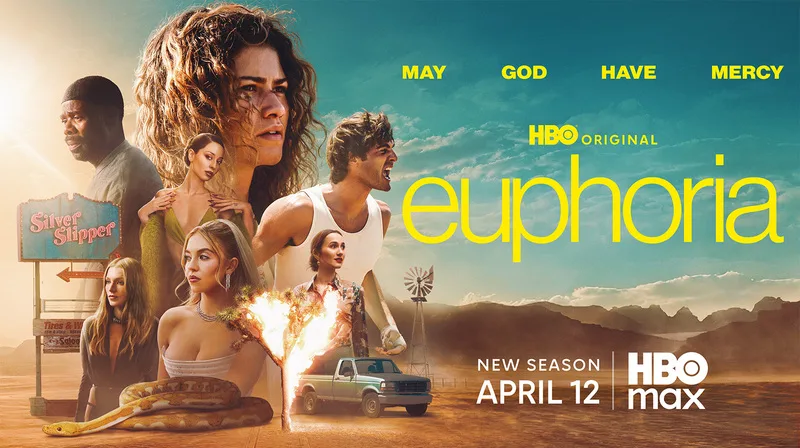
I watched Euphoria season three, so you don’t have to. You’re welcome.
READ MORE
Get our magazine for free!