

























Figuring out strengths can be confusing. Sometimes people think it’s obvious, but really, most don’t know until they try stuff, fail a bit, and notice what comes naturally. And yeah, tools like an amcat mock test free help—but not because they’re tests. They’re more like mirrors, reflecting what someone’s good at without judging. Kind of […]

Figuring out strengths can be confusing. Sometimes people think it’s obvious, but really, most don’t know until they try stuff, fail a bit, and notice what comes naturally. And yeah, tools like an amcat mock test free help—but not because they’re tests. They’re more like mirrors, reflecting what someone’s good at without judging. Kind of handy, actually.
Spotting strengths isn’t about perfection. It’s about noticing patterns, experimenting, and realizing small steps make a difference. You don’t have to have it all figured out on day one. No one does.
Spotting strengths highlights weaknesses too. That’s fine. It’s normal. But don’t dwell. Weaknesses are just data—they tell you where you might need support or improvement.
Ideas:
For instance, someone terrible at presentations but excellent at analysis can focus on roles where analysis counts first and gradually improve speaking skills. Balance beats panic every time.
The amcat mock test free is more than a test. It’s feedback. Gives clarity on skills—technical, reasoning, communication. Helps identify patterns and see where to improve.
Some people avoid these because “tests = stress,” but it’s really just information. Think of it as a cheat sheet to understand yourself better.
Knowing strengths is one thing. Using them? That’s the good part.
Example: Someone loves systems and processes but hates repetitive data entry. Simple solution—seek process improvement roles, not clerical jobs. Small alignment like that changes everything.
Sometimes strengths aren’t obvious until tested. Experimentation helps.
Even if something “fails,” it’s feedback. Failure often highlights hidden strengths, like resilience, creativity, or teamwork.
Reflection is huge, but it doesn’t have to be formal. Just a few minutes thinking about what worked, what didn’t, what felt natural.
Questions to consider:
Even short reflections build awareness over time. It’s like a dashboard of abilities that grows clearer every week.
Writing down accomplishments reinforces awareness.
Even small wins remind people—and themselves—of progress. Confidence grows from seeing tangible evidence of strengths.
Presenting strengths well is key. It’s not bragging—it’s showing value.
If a strength repeatedly delivers results, it naturally becomes part of professional identity.
No one’s perfect at everything. Understanding strengths in a team context matters.
This approach builds efficiency and shows contribution without forcing perfection.
Some hesitate to show skills, thinking it’s bragging. Confidence is key. Humility too.
Showing strengths carefully often opens doors that stay closed otherwise.
Priorities shift. Interests evolve. Awareness keeps skills relevant.
Adaptability keeps strengths valuable and professional growth continuous.
Spotting strengths and using them to grow is a journey, not a checklist. Tools like the amcat mock test free help, but real growth comes from awareness, reflection, trying new things, and documenting progress.
Small steps matter. Awareness, reflection, and practical action together build confidence, professional growth, and clarity. And really, that’s the point: being able to move forward without feeling stuck.

The Tyrant Overlord. Fantasy buff and avid football fan.
July 20, 2025 .
Animation, Lists
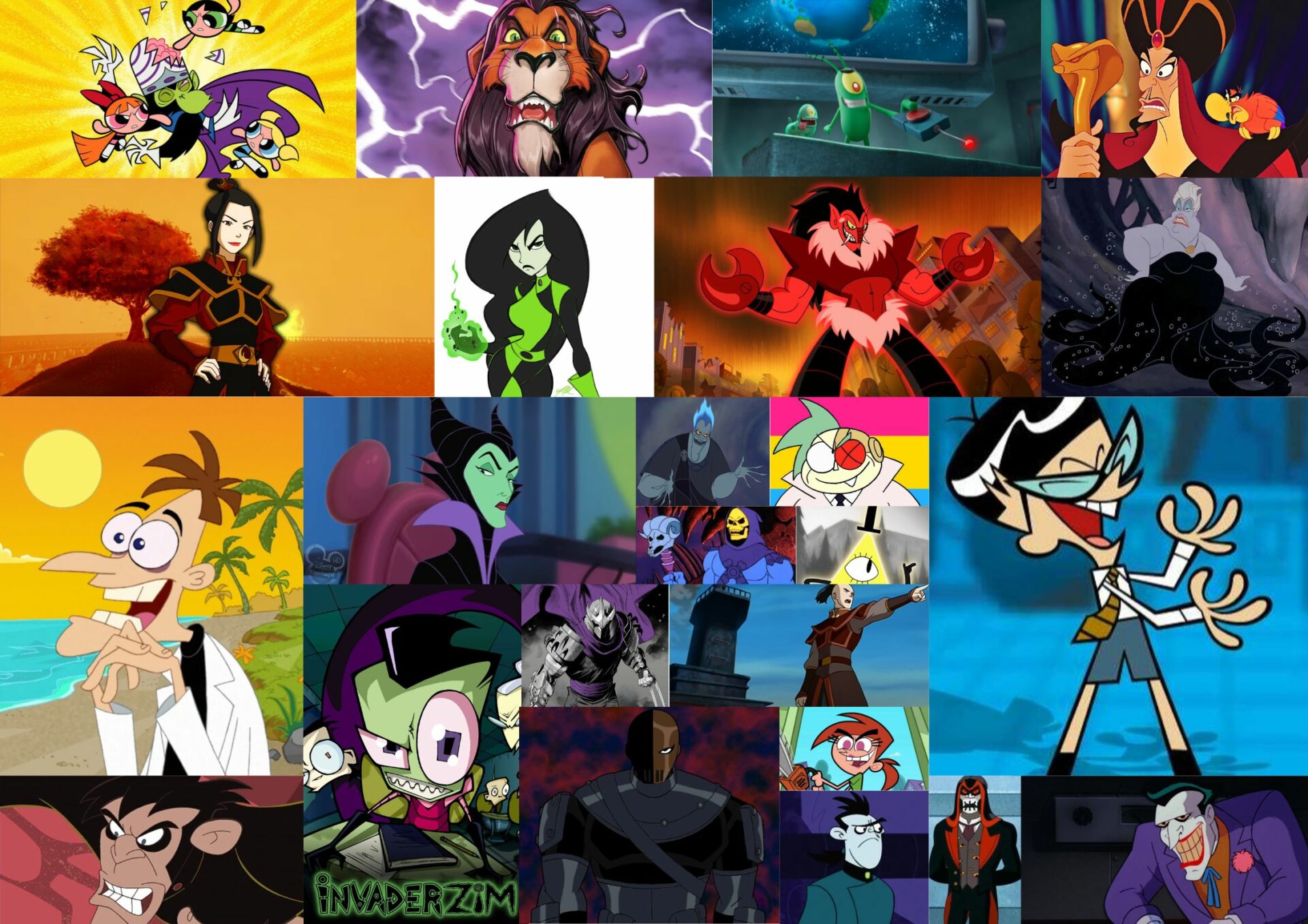
Our list rounds up the top 30 cartoon characters that were villains, each one more wonderfully wicked than the last.
READ MORE
May 6, 2026 .
Lists, MCU
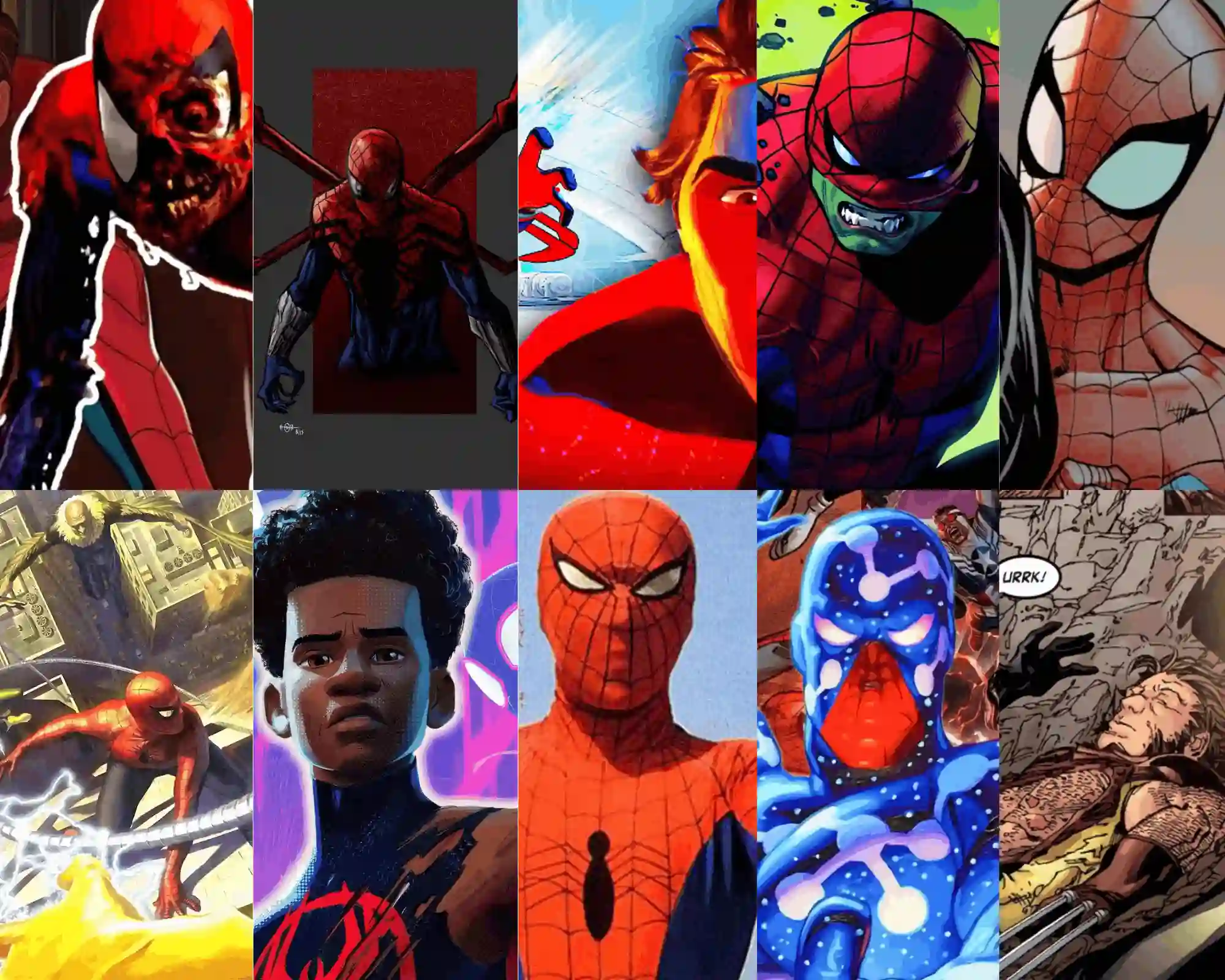
Spider-Man is one of the many superheroes from the Marvel Universe whose stories shaped many childhoods. Who is your strongest Spiderman?
READ MORE
October 28, 2025 .
Lists, Marvel, MCU, Opinions
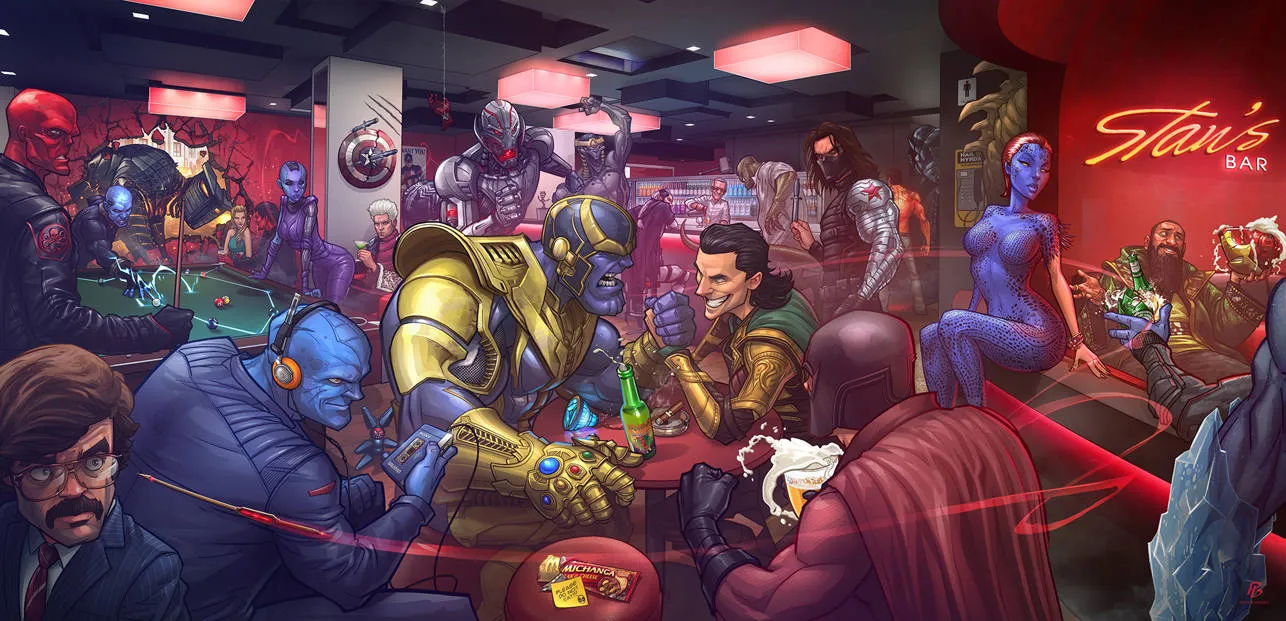
Let’s go through a list of the top 7 strongest Marvel villains, from the wickedly powerful to the absolutely unstoppable.
READ MORE
April 29, 2026 .
Lists, Opinions
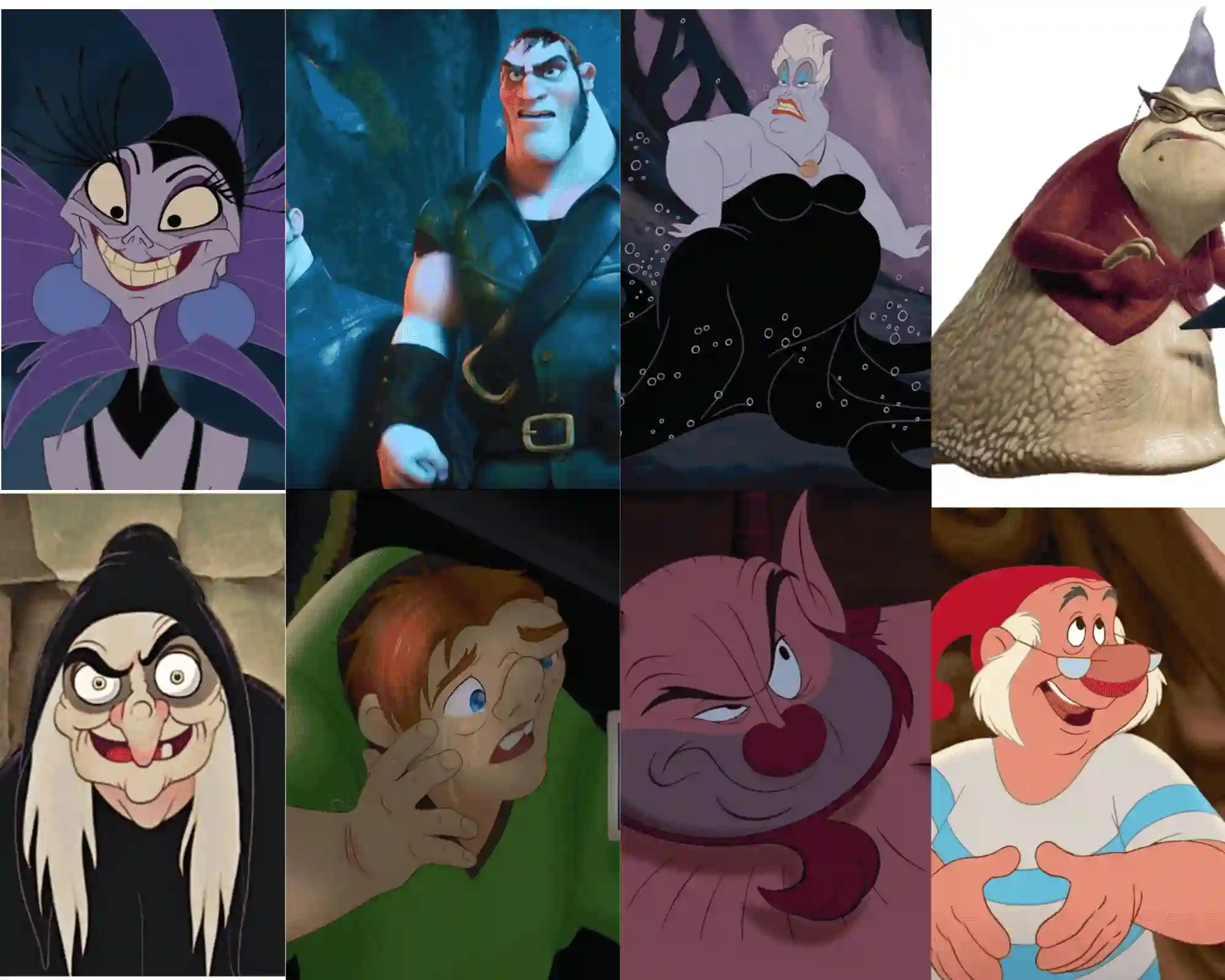
The Mouse is famous for its princesses and princes. However, the studio’s true genius lies in its embrace of “ugly Disney characters”.
READ MORE
November 27, 2025 .
Lists, Mythology
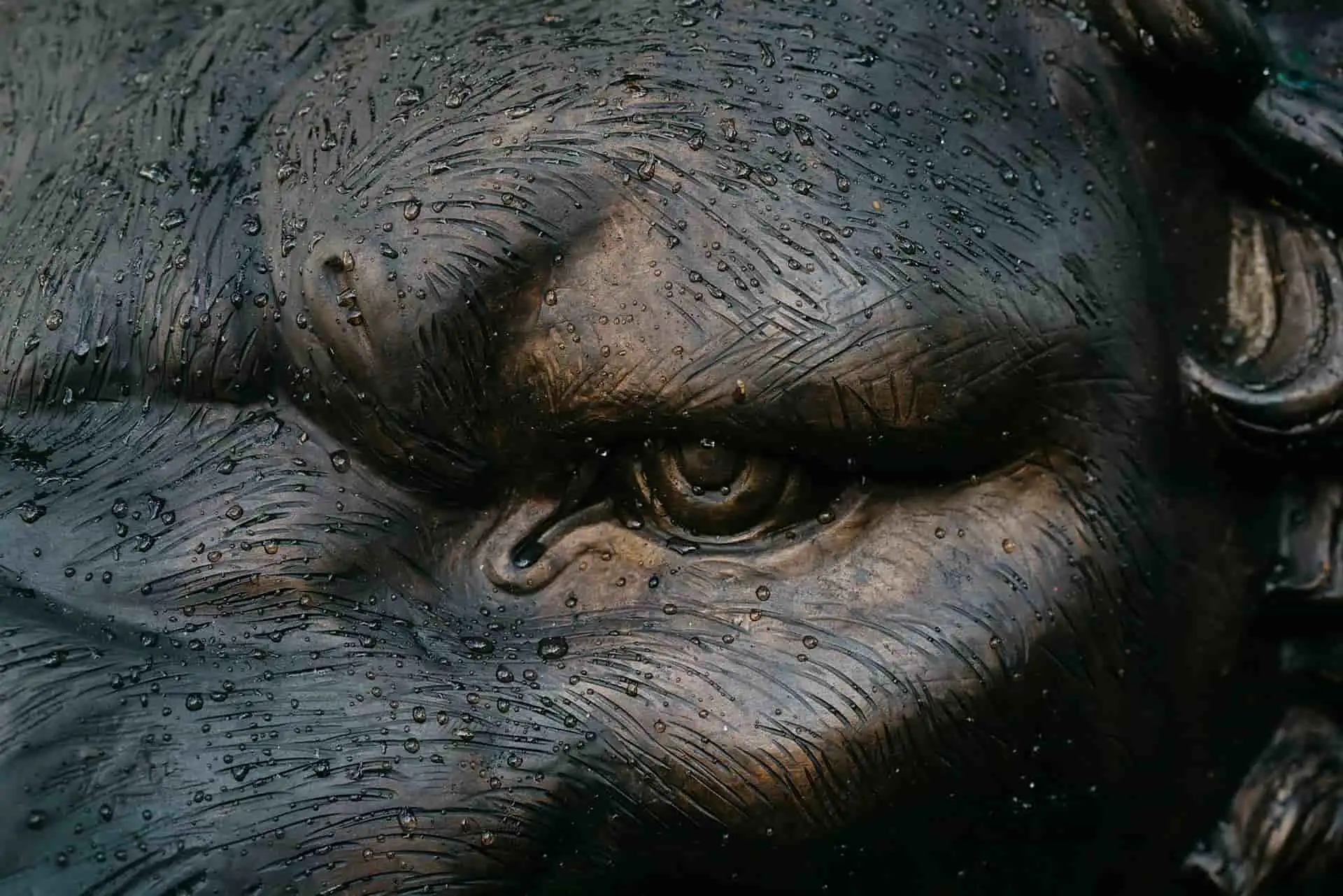
While this isn’t an exhaustive list, it comprises some of the most popular mythical creatures from around the world.
READ MORE
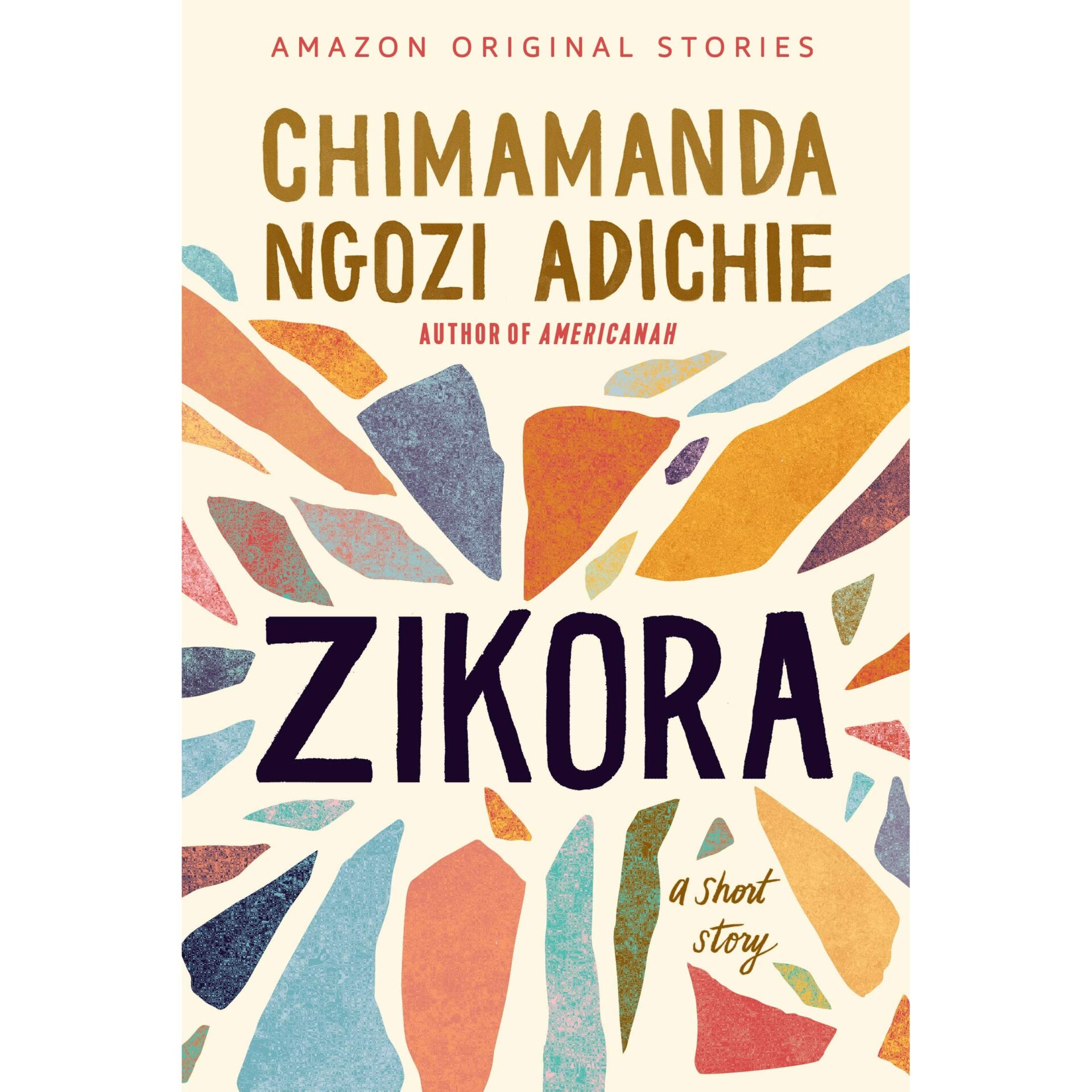
October 12, 2021 .
African Literature, chimamanda, cna, zikora
Hopefully, the reading of a book as this will enlighten men and generally educate people in the making of the right choices regarding amatory unions.
READ MORE

July 20, 2025 .
Opinions
Book recommendations from random places don’t always cut it, and you often end up feeling unsatisfied with them.
READ MORE
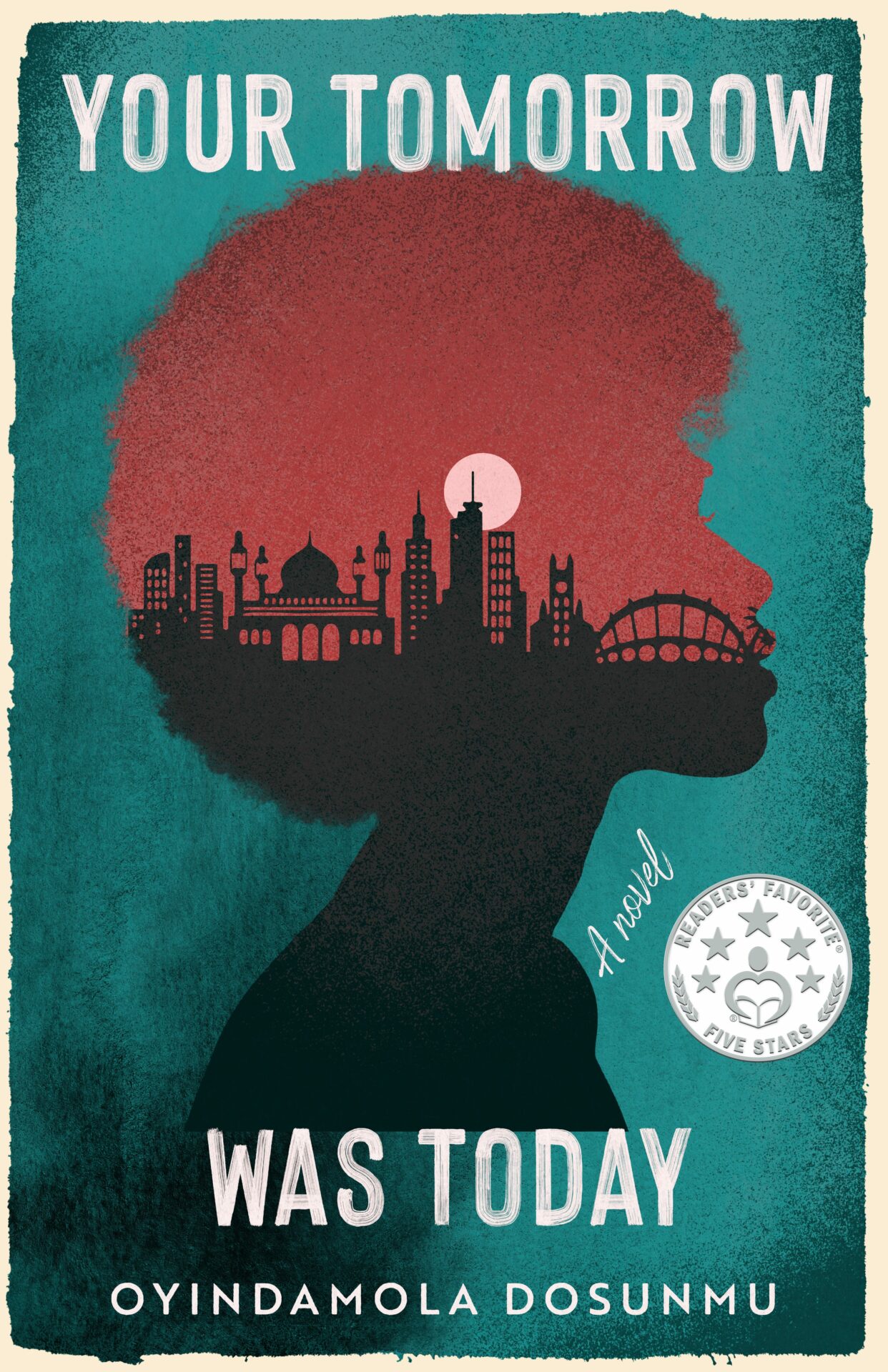
September 2, 2025 .
African Literature
So yes, Your Tomorrow Was Today is guaranteed to be a book that will touch you, regardless of gender, interests or philosophy.
READ MORE

October 24, 2021 .
Netflix, Psychopaths, Serial Killer, Thriller, You S3
READ MORE

November 2, 2025 .
Netflix, Psychopath, Serial Killer, You S1, You S2
Oh, and Joe is also a stalker and serial killer who believes he’s helping his ‘love interests’ by killing people he thinks are a threat or bad influence to them
READ MORE
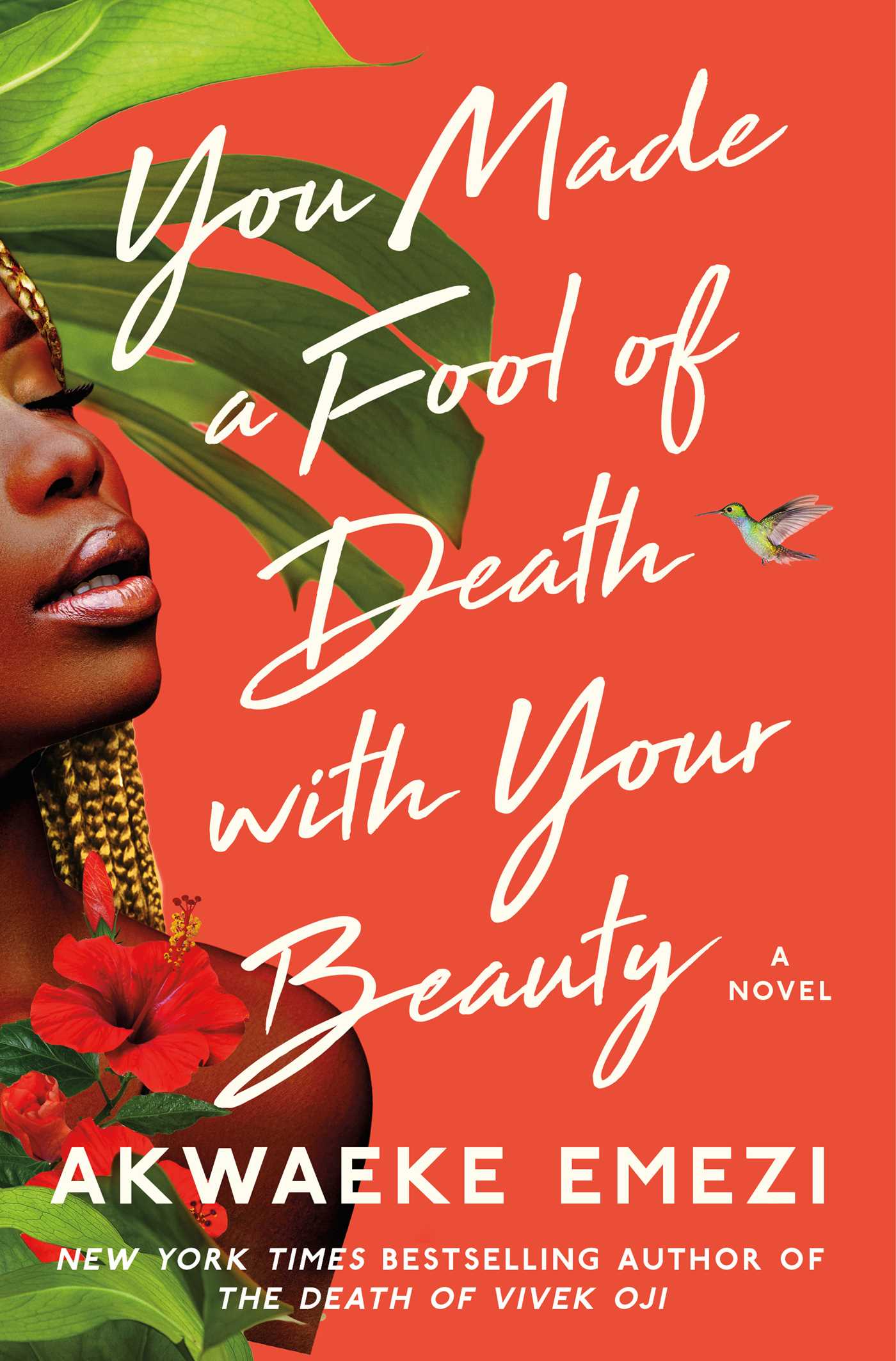
July 18, 2022 .
akwaekeemezi, youmadeafoolofdeathwithyourbeauty
I have reread it for the 100th time since its release, and I still do not feel full… I very much recommend this book with all the gods in my village backing me!
READ MORE
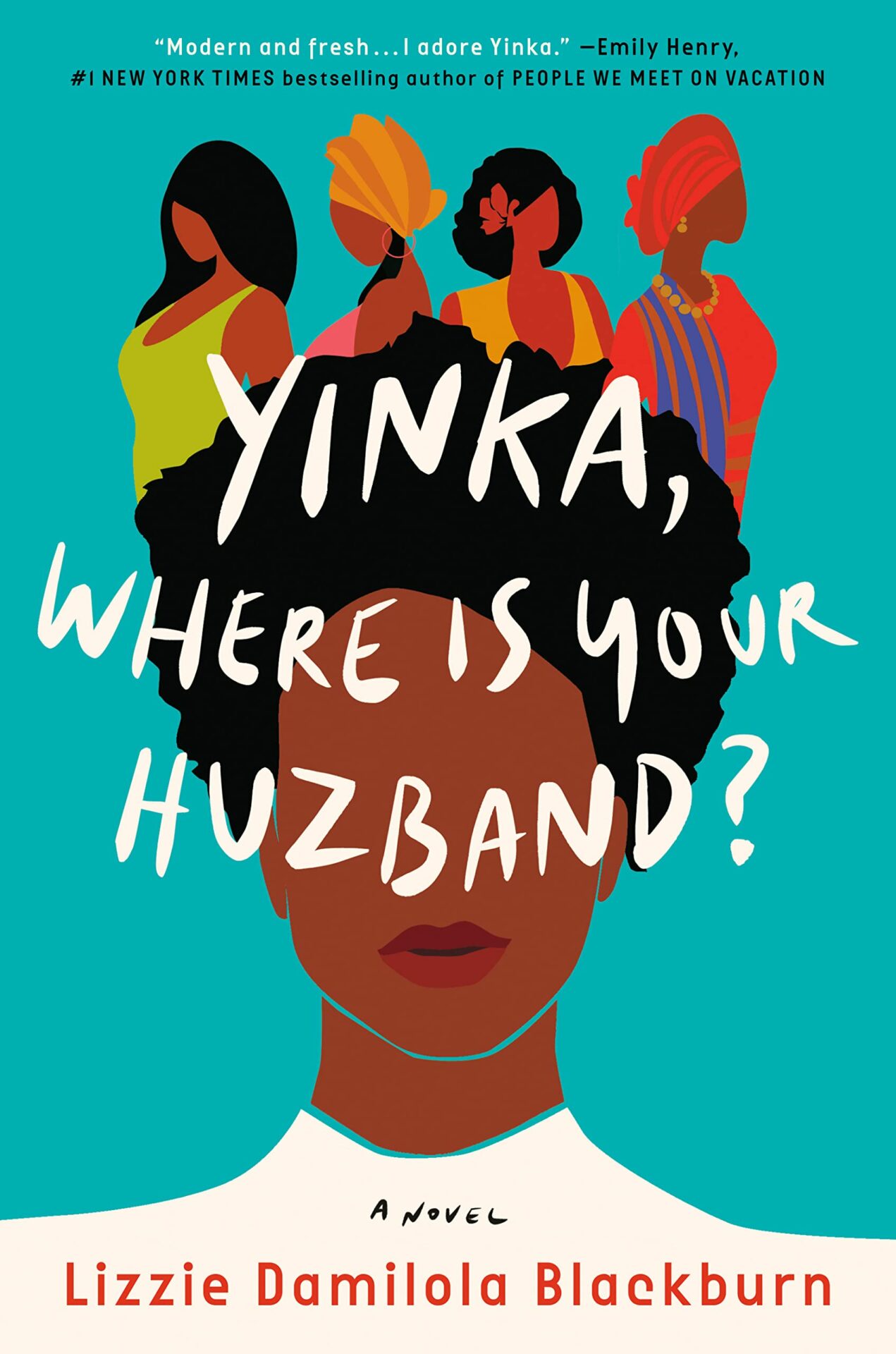
February 19, 2022 .
African Literature, Book Reviews, British Nigerian, lizziedamilolablackburn, Nigerian, Self growth, yinkawhereisyourhuzband
READ MORE

July 24, 2023 .
contemporary
The story exposed some of the tricks and techniques of the publishing world and how small and sometimes brutal the industry can be.
READ MORE
July 20, 2025 .
Writer Resources
Discover the differences in First-Person Point of View and Third-Person POV, and how each impacts character connection and narrative style.
READ MORE
Get our magazine for free!