Close menu
Ranking the best of African Literature
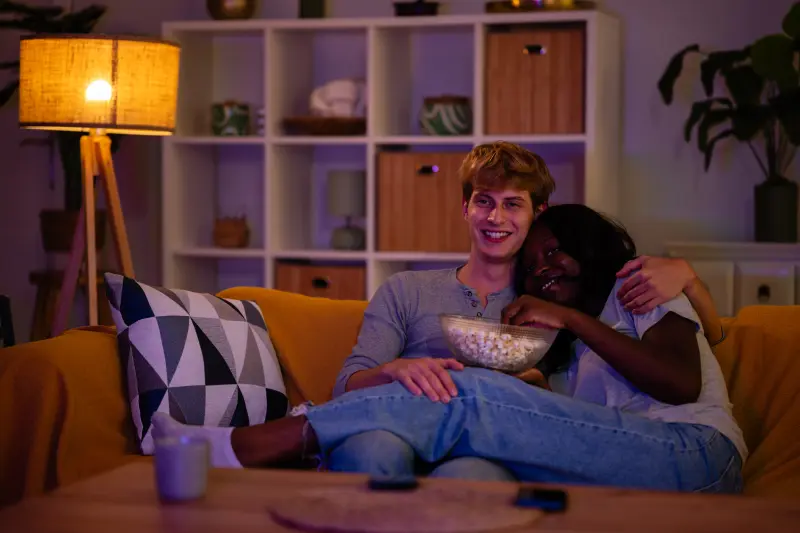
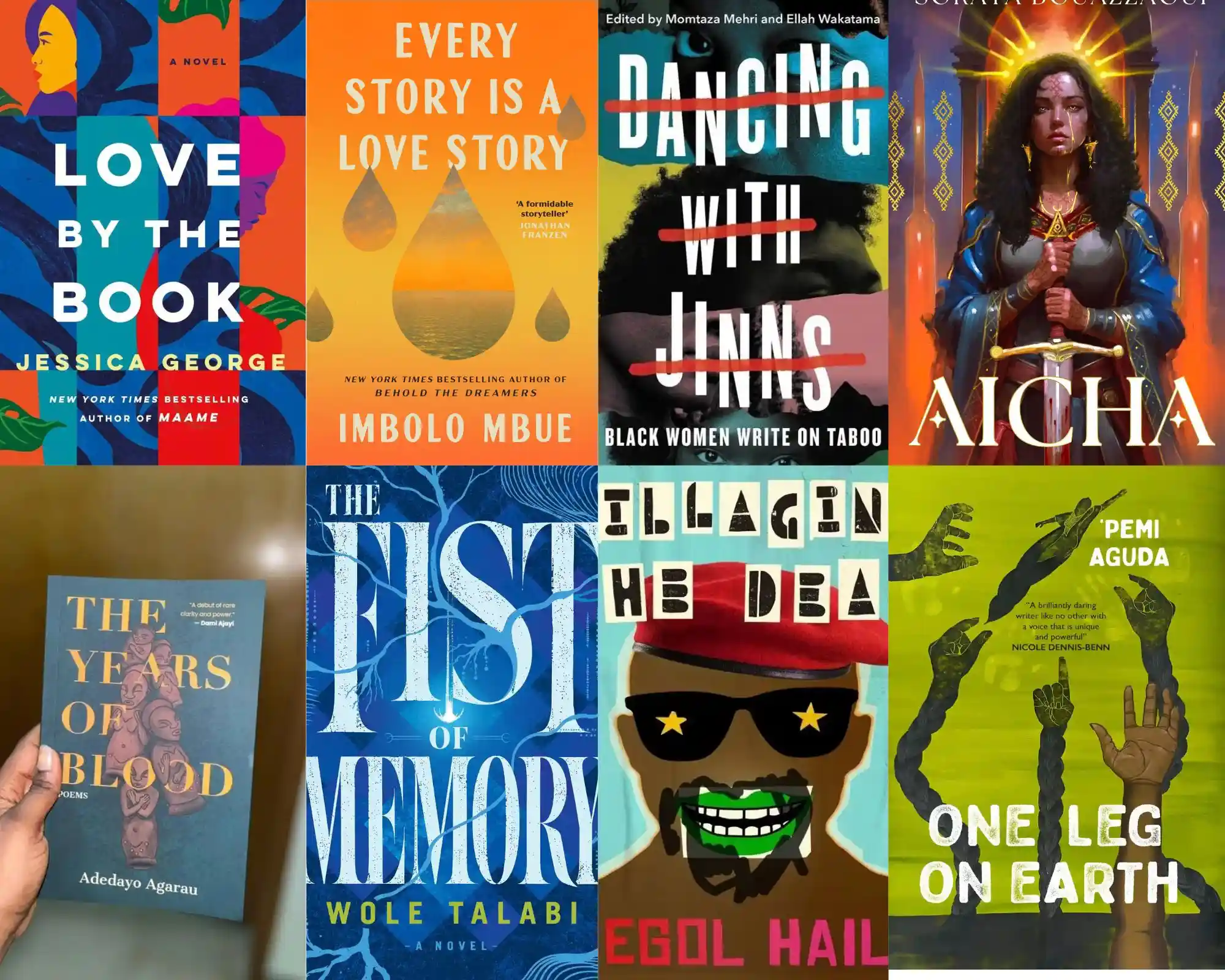






We didn’t just read books. We grew up inside them. And every now and then, when we open one again, we recognise ourselves right where we left off.
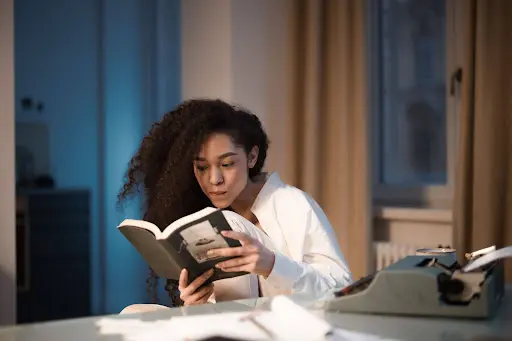
I don’t remember deciding to love reading. What I remember instead is the feeling of slipping away. The world would still be there, but the voices, movement, and chores, but suddenly it felt distant, like I had stepped slightly to the side of it.
A book was open, and my attention was fully claimed.
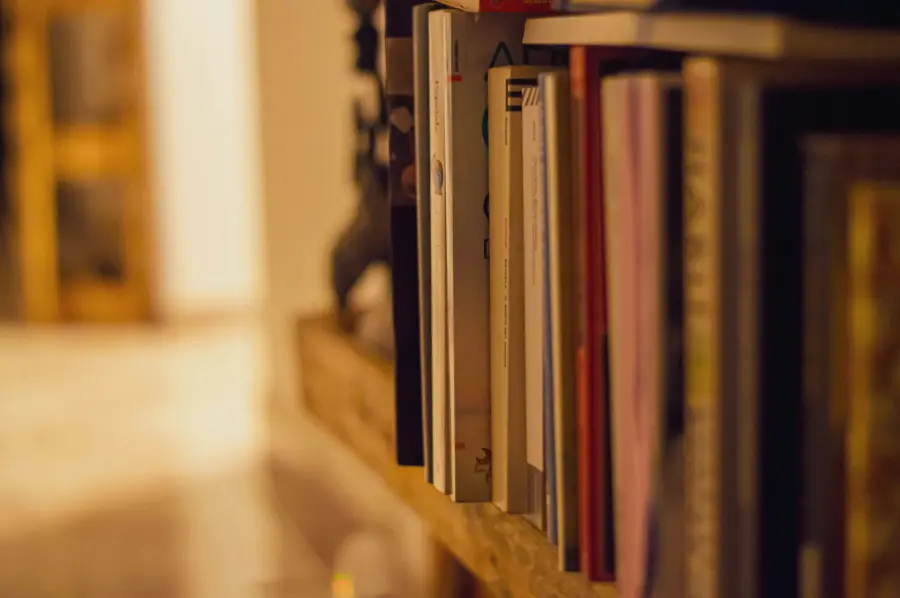
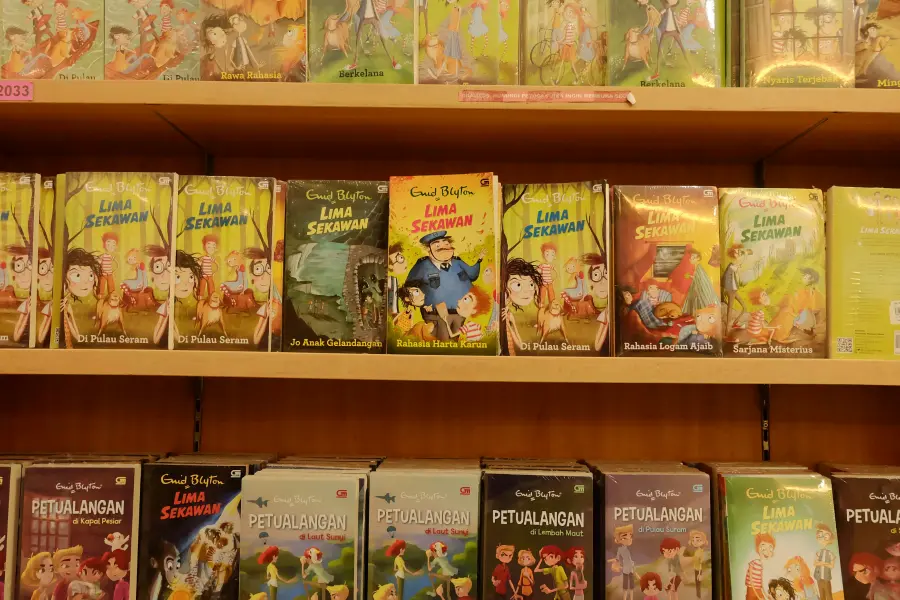
My earliest reading memories are tied to Enid Blyton, and to that peculiar mix of confusion and delight that only early reading brings. Her books assumed a world I didn’t fully recognise. Words like dandelion and ginger ale appeared casually, confidently, as if they were things everyone knew.
I remember pausing, rereading, trying to imagine what these things looked like, tasted like, what those words meant.
Nobody around me could explain them. There was no glossary. No quick answer. And yet, I kept going.
There was something quietly thrilling about that moment, the realisation that a book could be ahead of you and still trust you to follow. I didn’t need to understand everything immediately. I just needed to stay with it. That feeling of not quite knowing, yet wanting to, was what hooked me.
Around the same time, I was reading from the Usborne Young Reading Series, which felt like a soft landing. These books were considerate in the way they unfolded themselves. Jason and the Golden Fleece, The Swan Princess, The Emperor’s New Clothes, and The Princess and the Pea felt familiar even when they were new. You trusted them. You knew the story would take care of you.
These books were genuinely written for young readers, with a heart to help them get a better grasp of English. They were also graded by age, and as a kid, I always looked forward to getting them from school. The graphics were something to look forward to; I was filled with such delight as my teacher handed them out on Fridays.
I loved the contrast without knowing that’s what it was. Blyton stretched me. Usborne explained to me some sort of relatable manual. Somewhere between the two, reading stopped being something I did and became something I belonged to.
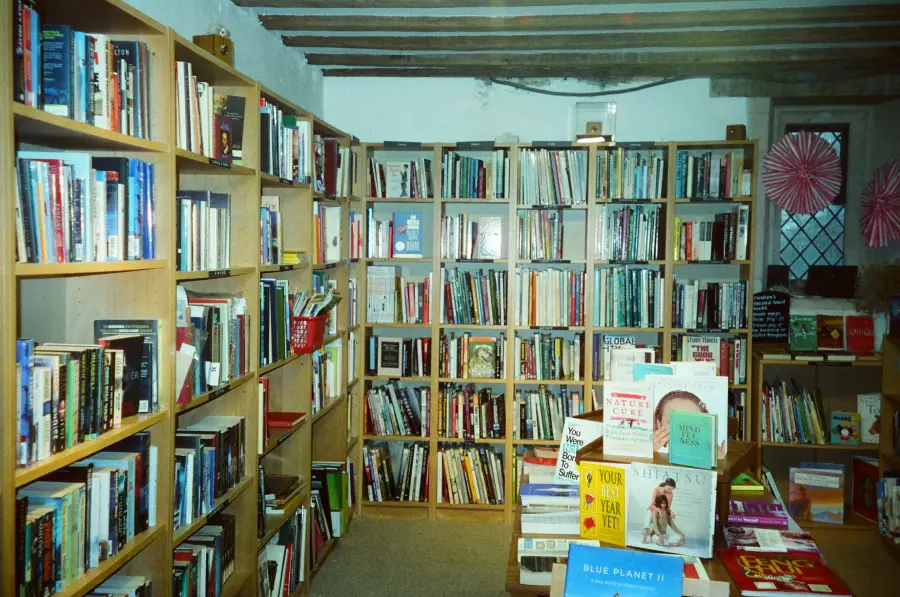
And then came the years when reading felt urgent.
The preteen and early teen phase had its own intensity. Books were no longer background entertainment; they were companions, some would say impractical ones, but they let our imaginations soar. The Harry Potter series was a shared experience, the kind where you knew exactly how it felt to wait for the next book, to ration chapters, to stay up later than you were supposed to.
The Baby-Sitters Club had a different appeal. These books felt like secrets passed between friends. You learned about personalities, misunderstandings, loyalty, and the quiet politics of friendship before you ever had to name them in real life.
And then there was the Goosebumps series by R. L. Stine, just scary enough to make your heart race, but safe enough to finish under the covers. The kind of fear that felt controlled, even comforting. You closed the book wide-eyed and satisfied.
There were the bustling Saturdays in boarding school, when well-loved copies were passed around, and promises were made to return them directly to their owners. Such fickle promises were usually broken, with the books passed on to the next friend who had begged for them.
Somewhere in this phase, romance slipped in and never quite left. Welcome to the teen years proper, sweet sixteens, and boyfriends! Oh, to be swept up the Irish heights of romance in a Nora Roberts saga.
I first fell in love through books, with authors like Nora Roberts, Danielle Steel, and Julia Quinn. These stories made love feel big and important and inevitable. We saw passion at its height, the breathlessness of well-written dialogue between lovers that made girls squeal under their bunks, discuss them at prep, and put on a torch to continue at lights out, all rooting that love would win in the end.
They made you believe that connection mattered, that timing mattered, that longing could be rewarded, and passion could be had. I think this is where delusions of what love should feel like sprouted in our minds. Lol
The Three Sisters Island trilogy, a personal fave, stayed with me in a special way. Dance Upon the Air, Heaven and Earth, Face the Fire, these were books you settled into. The friendships, the magic, and the slow-building relationships felt warm. Lived-in. The In the Garden trilogy carried the same comfort. You didn’t rush through them. You lingered.
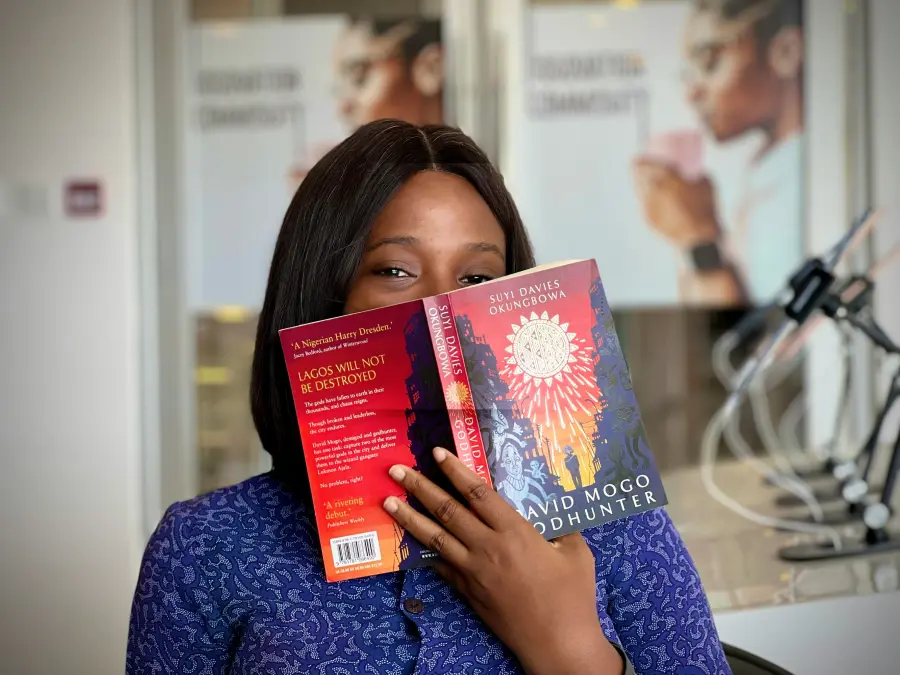
Then, without any announcement, reading shifted again. The discovery of self in African literature, up until then, we had little leaflets with titles like Ada the Good Girl, The Evil Stepmother, etc. They were intended to teach morals, but were never as fully developed as their foreign counterparts.
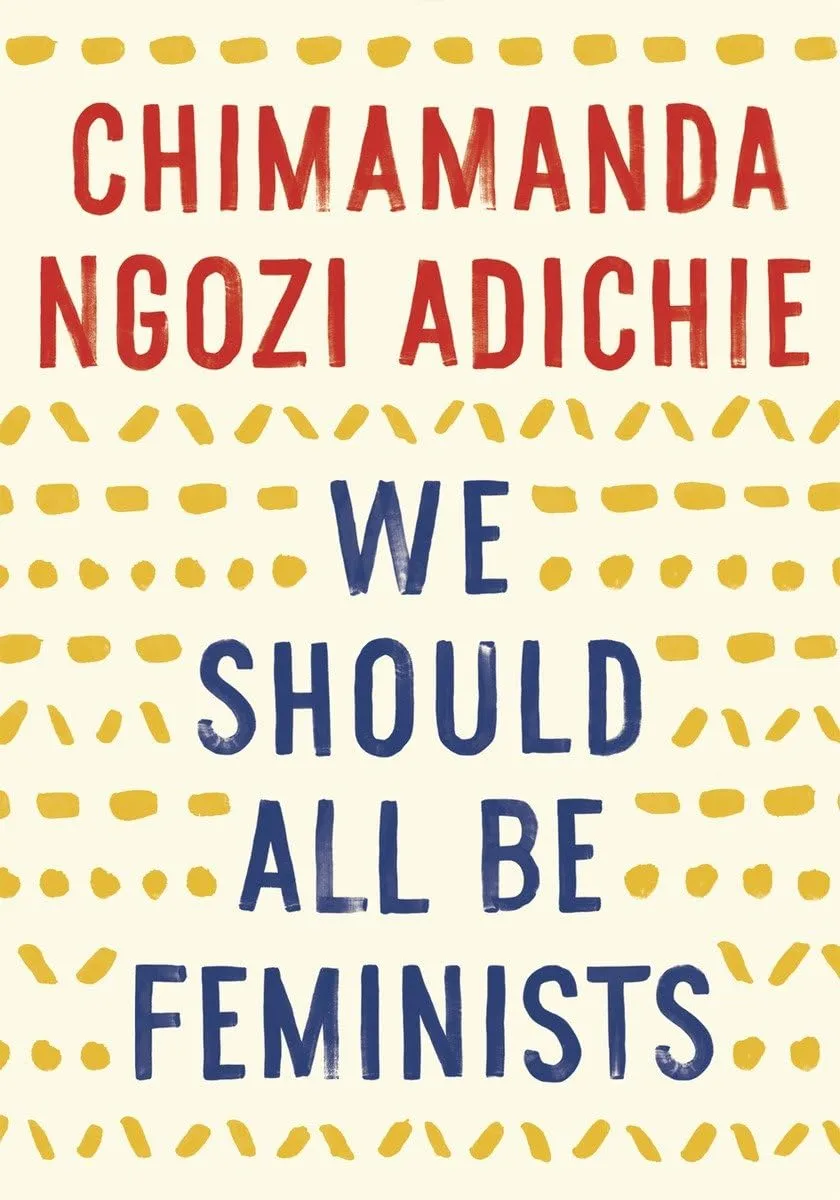
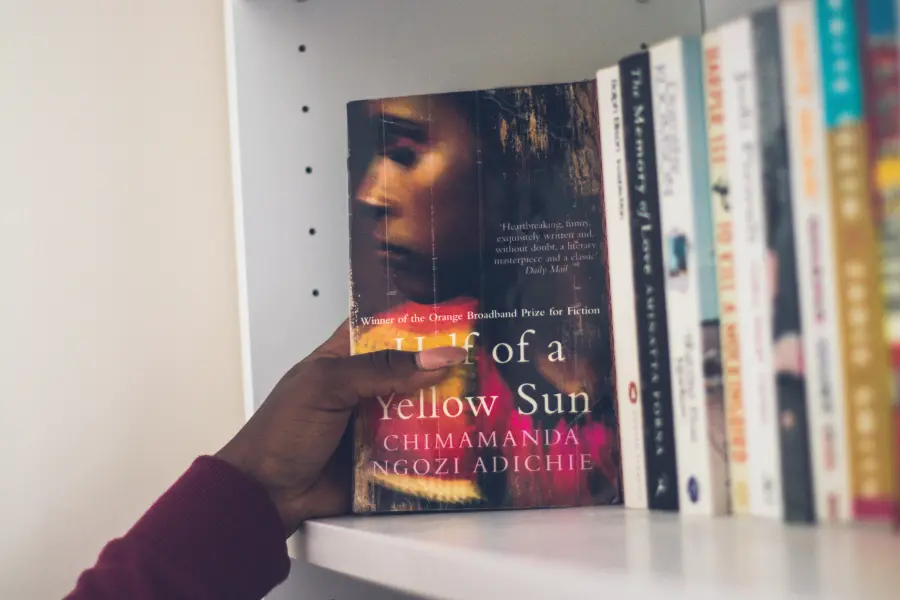
I found myself reaching for books that felt closer to home, in setting and in spirit. Writers like Chimamanda Ngozi Adichie, especially in Purple Hibiscus, brought a quieter intensity. These were books you didn’t speed through. You paused. You sat with them.
Then came a book that didn’t announce itself as important, but became so anyway.
I was in boarding school when I read Purple Hibiscus. It was one of those evenings when everything had finally settled, the noise of the day gone, the dorm quieter than usual, and everyone observing siesta. I was on my bed, reading without any particular expectation, just trying to get through a few chapters before lights-out.
Somewhere along the way, I had to slow down.
Not because the book was difficult, but because it felt familiar in a way I wasn’t used to. The thoughts on the page were thoughts I recognised. The hesitations, the careful observing, the way a Nigerian teenage girl might take in the world without always reacting to it. Nothing felt exaggerated. Nothing felt explained for effect.
At the time, I was that girl. And it was refreshing to see that inner life written so plainly. To have someone say the things you wanted to but didn’t have the words for, to be acknowledged.
When I finished the book, I didn’t reach for another one. I sat up on my bed and stayed there for a while, quiet, letting it sit. Not analysing it. No debate or internal monologue, just silence, aware that something had landed.
Call it self-obsession if you like. I’ve always thought of it as the relief of accurate representation. There’s a particular comfort in seeing your environment, family dynamics, and your emotional habits reflected without distortion. People like me, with experiences and feelings that weren’t dressed up or simplified, simply allowed to exist on the page.
What also stayed with me was how clearly the environment came through. The rooms. The homes. The quiet tension that lived in everyday spaces. The sense of wanting something, ease, freedom. The longing had always been there, understated but persistent.
That was the point where I began actively searching for African literature, like something I wanted to read. But because it felt honest. Familiar. Close.
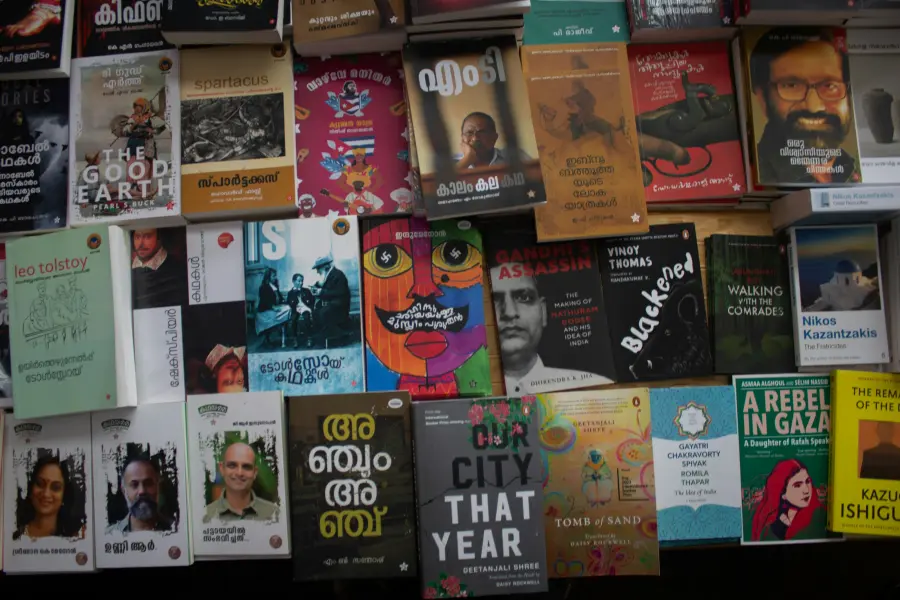
Young adult days in Uni brought a slight detour into the world of soft copies; we discovered Wattpad.
It didn’t feel like abandoning books, more like bending the rules a little. Stories moved from shelves to screens, from hard covers to soft copies, from deliberate reading time to stolen moments on our phones in 100-level ENT classes where you couldn’t hear the lecturer because of overcrowding, and simply slipped away into the next chapter of whatever adventure you were currently on. The writing was uneven, sometimes chaotic, often unfinished, but it was immediate and alive.
We read in comment sections. We waited for updates. We lowered our standards, raised our feelings, and guessed the next possible plot before the chapters were released.
And just like that, reading became something we could carry everywhere.
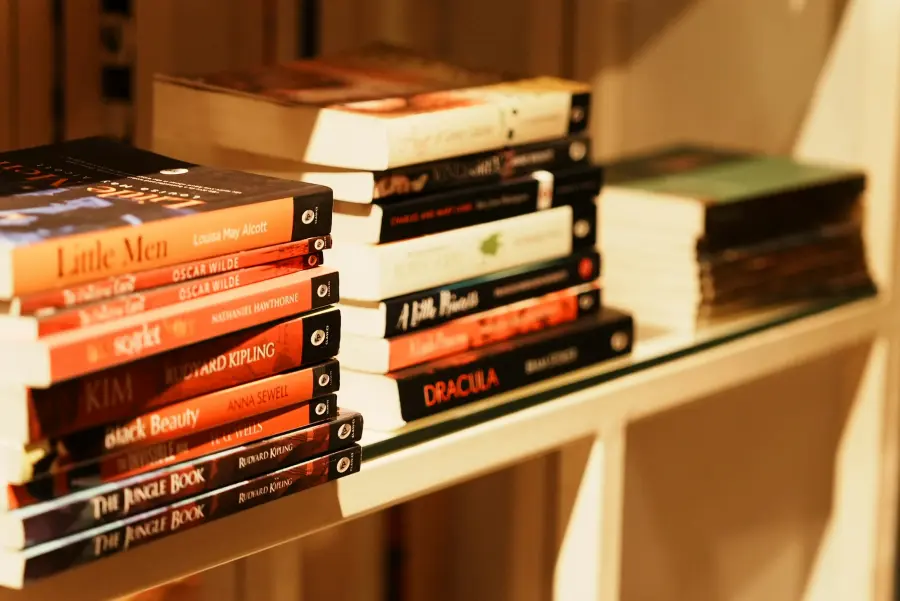
Then we matured, and once again we discovered a new angle to things; Welcome to the more mature years, where we experienced literature as a tool for advocacy.
Things Fall Apart, the classic of all classics, did something rare. It didn’t try to impress. It simply unfolded, calmly and devastatingly, and trusted you to feel what it was doing. You finished it aware that something had shifted, even if you couldn’t immediately name what. I had heard this book mentioned so many times in conversations that I decided to read it, and, of course, it was an education.
But as a reader, my favorite Achebe book has to be Arrow of God. The explorations of colonialism within that book were, for me, something of a passion at the time; it was a topic that wasn’t widely taught in schools, but the reparations dissected in that novel made so much sense ……
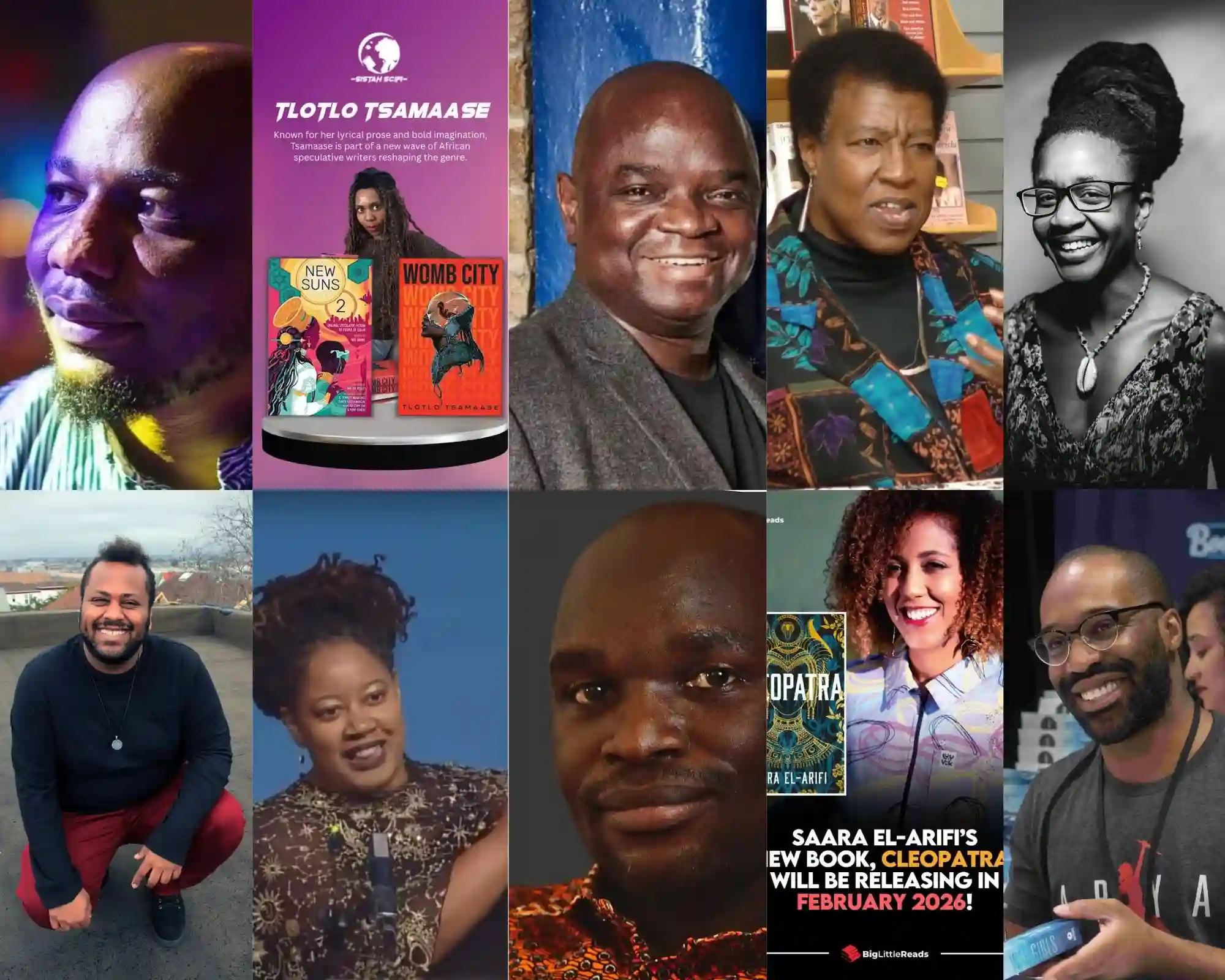
African literature began to feel especially intentional. The stories weren’t asking to entertain alone; they were asking to be considered. To be remembered and thought about. Then there was a deluge of modern African literature writers and their books, of which we couldn’t get enough of,
I did get around to fantasy. The Wheel of Time was immersive and demanding in the best way, the kind of commitment you entered knowingly, and we all know how deeply rewarding that series was. The Malazan Book of the Fallen, however, reminded me that admiration doesn’t always require completion. Kudos to those of you who stuck with it. Some worlds you visit. Some you bow to respectfully and leave.
What I love most, looking back, is how none of these reading phases cancel each other out. They layer. The child puzzling over unfamiliar words still exists in the adult reader. The teenager who believed fiercely in love didn’t stop craving passion; she just learned to want depth along with feeling.
If you’ve ever remembered a book and smiled without meaning to, if you’ve ever missed a fictional world after closing the cover, then you already understand this.
We didn’t just read books. We grew up inside them.
And every now and then, when we open one again, we recognise ourselves right where we left off.

Hi I'm Tega, I am a microbiologist with a lifelong passion for reading, I fell in love with books as child (where I was briefly obsessed with Enid Blyton, lol) reading is simply my escape and hobby and sometimes doubles as therapy for me . My favorite genres are African lit, historical fiction, memoirs/biographies and fantasy. I do beta reading and post book reviews which you can check out on my Instagram @ te_ga_o.
Best Films About Unexpected Age Gap Romance
Literary Awards and the Racism Card: A Wake-Up Call for Black Africa
Interview with the Vampire Relationships, Ranked
10 Top Recent Films for Action and Comedy Fans
Comma Rules Every Writer Should Know
10 Most Hype-worthy 2026 Book Releases (African Literature Version)
Five Gambling Films That Know the Bet Is Only Half the Story
Movies Where Poker Reveals Who a Character Really Is
Ranking the Top 20 Nigerian Romance Novels since 2020
In Defense of Reading and Gaming
8 Third-Person Omniscient Examples for the Plot
A Trade of Blood (Ana and Din Mysteries #3) by Robert Jackson Bennett
July 20, 2025 .
Animation, Lists
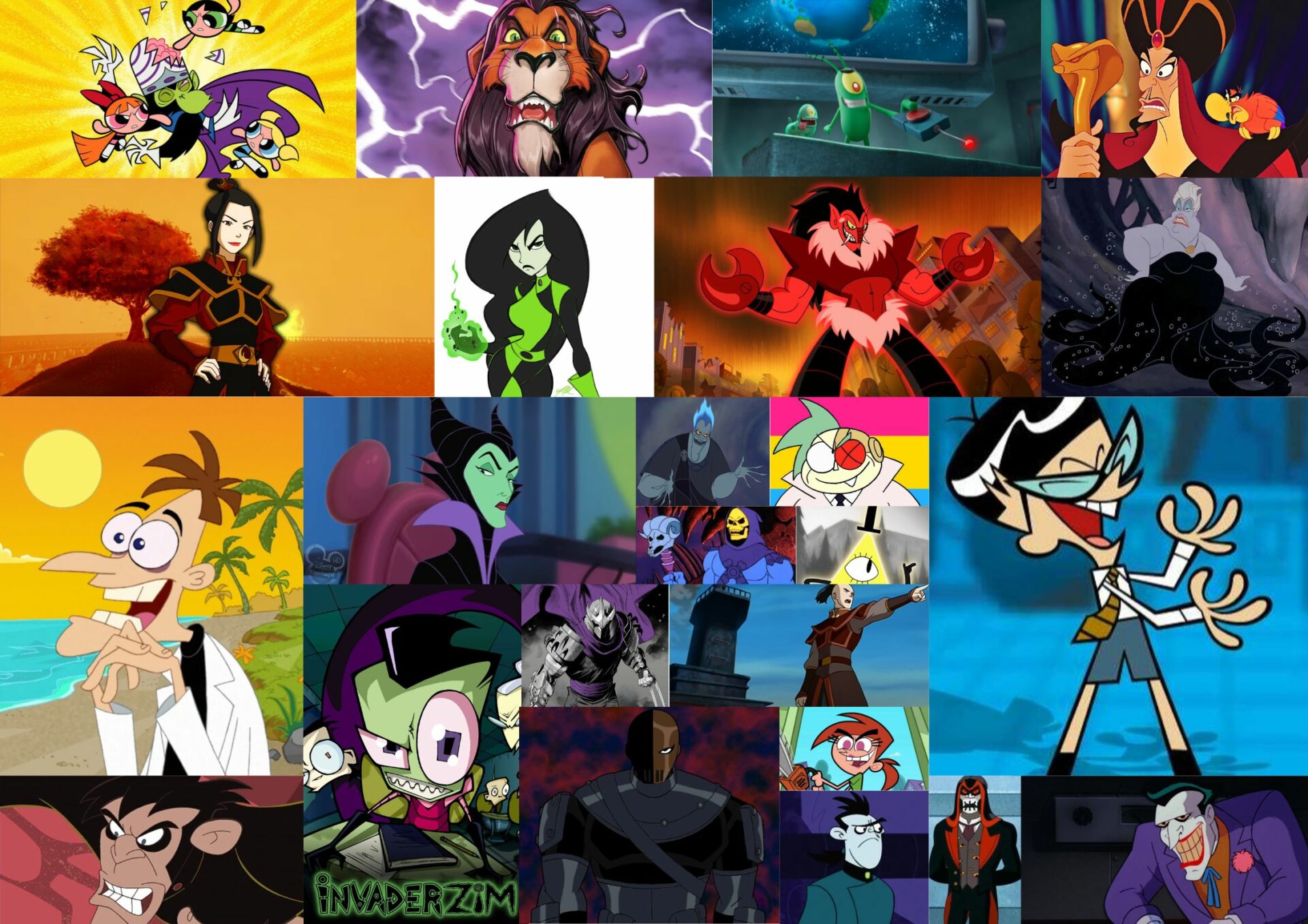
Our list rounds up the top 30 cartoon characters that were villains, each one more wonderfully wicked than the last.
READ MORE
October 28, 2025 .
Lists, Marvel, MCU, Opinions
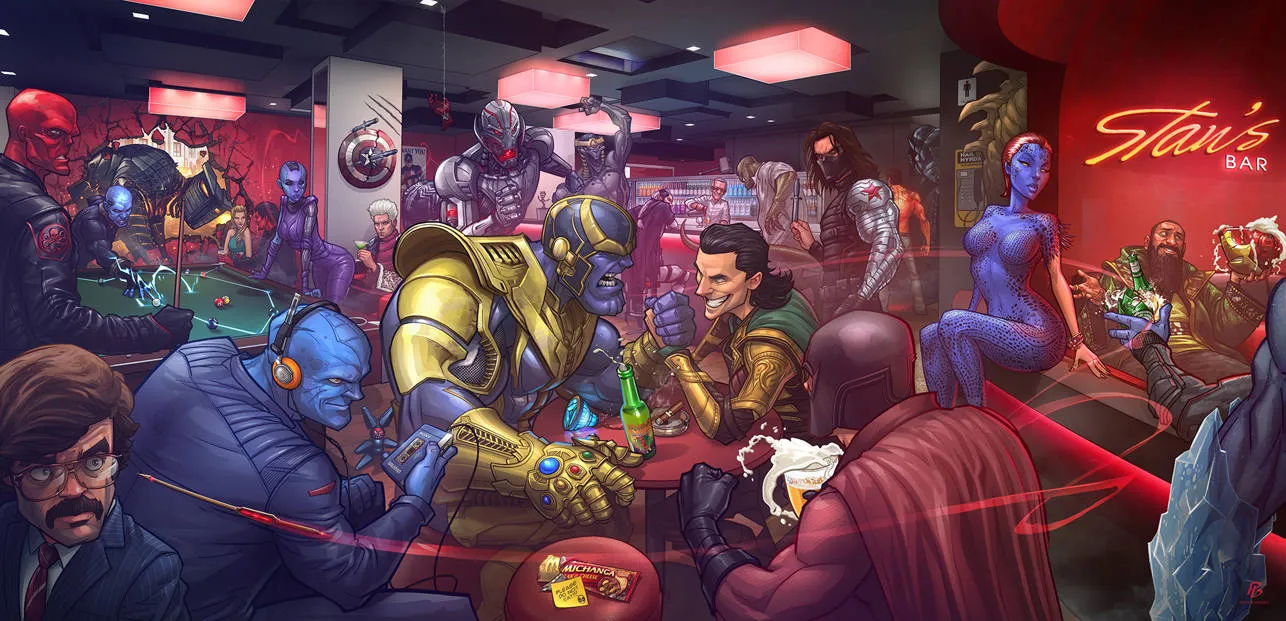
Let’s go through a list of the top 7 strongest Marvel villains, from the wickedly powerful to the absolutely unstoppable.
READ MORE
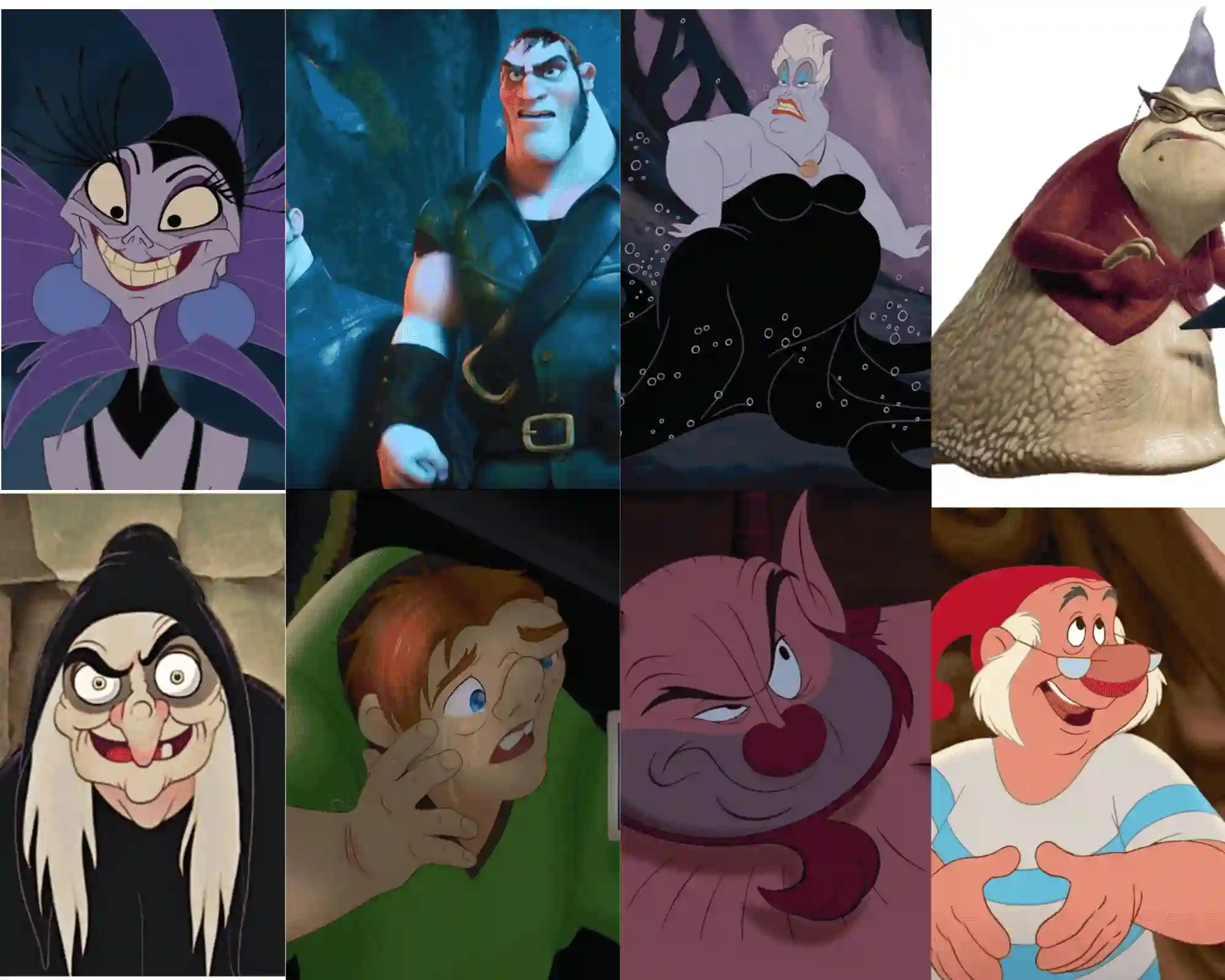
April 29, 2026 .
Lists, Opinions
The Mouse is famous for its princesses and princes. However, the studio’s true genius lies in its embrace of “ugly Disney characters”.
READ MORE
November 27, 2025 .
Lists, Mythology
While this isn’t an exhaustive list, it comprises some of the most popular mythical creatures from around the world.
READ MORE
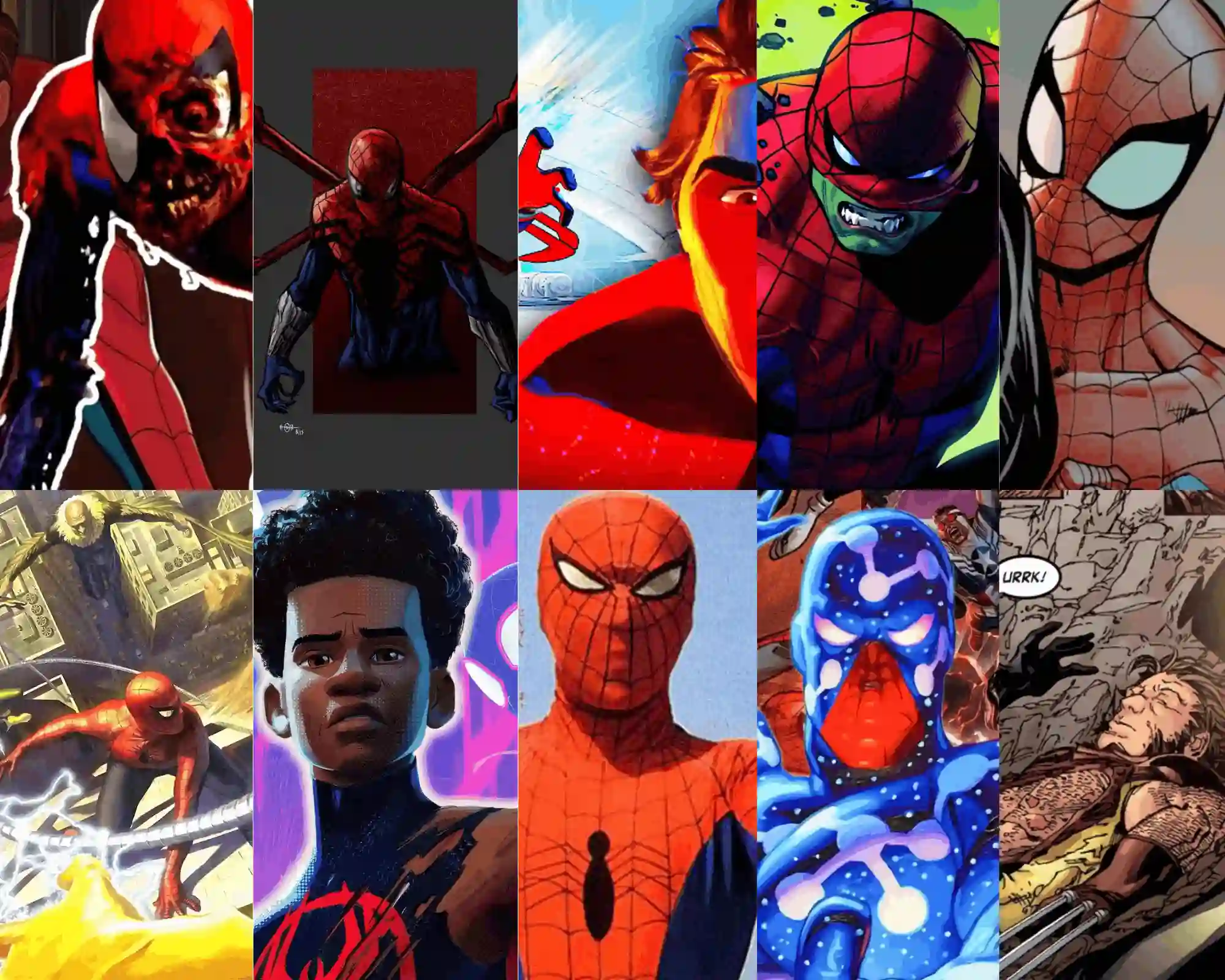
May 6, 2026 .
Lists, MCU
Spider-Man is one of the many superheroes from the Marvel Universe whose stories shaped many childhoods. Who is your strongest Spiderman?
READ MORE

July 20, 2025 .
Essays, Opinions
READ MORE

July 20, 2025 .
Essays, Opinions
READ MORE

July 20, 2025 .
Essays
Except if you have been living under a rock or in outer space since the beginning of time, there is no way you wouldn’t have heard of Wole Soyinka.
READ MORE

July 20, 2025 .
Essays, Opinions
READ MORE
September 12, 2025 .
Essays, Fantasy, Opinions
Fantasy is everything that lies in the realm of the fantastic. And, the more deviant from reality it is, the better.
READ MORE
July 20, 2025 .
Essays, Opinions
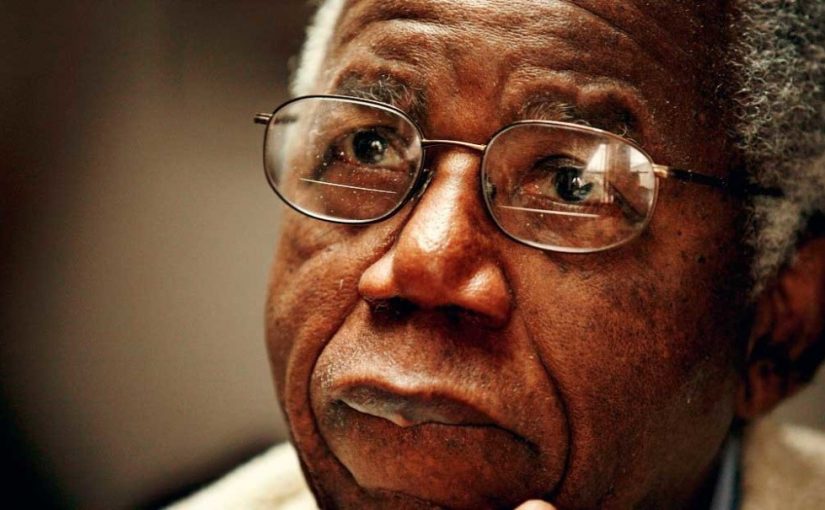
African literature embraces inclusivity, harnessing words as a medium to impart wisdom, preserve truths, and honor ancestral struggles.
READ MORE
October 22, 2025 .
Essays, Writer Resources
Ever found a book that looks like a comic but tells a complete, well-structured story? Congratulations, it’s a graphic novel.
READ MORE
July 18, 2026 .
Disney, Essays
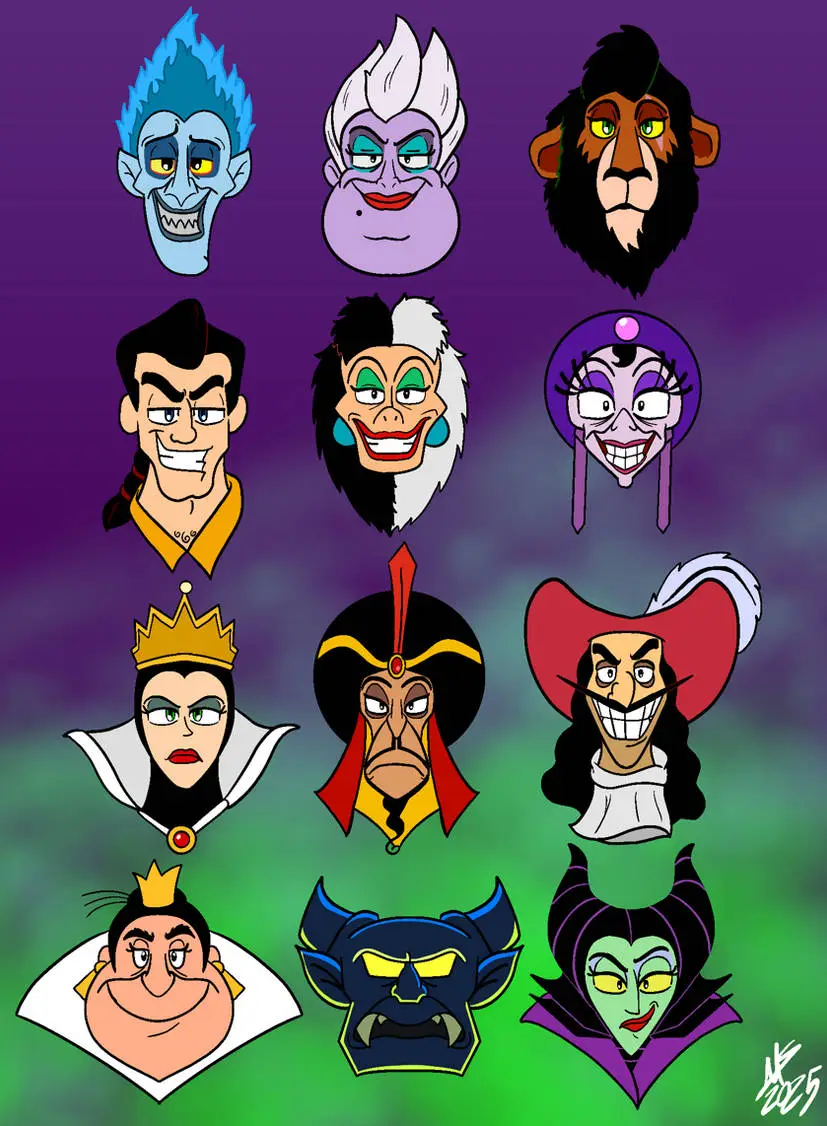
Let’s examine the trend of softening Disney villains, its implications, and viewers’ responses to less sensitive material.
READ MORE
July 24, 2025 .
Essays, Writer Resources
READ MORE
Get our magazine for free!