















Sometimes, the magic of a novel gets lost when filmmakers try to squeeze hundreds of pages into a two-hour film.
Hollywood loves turning bestselling books into movies. But let’s be honest—the book is almost always better. Sometimes, the magic of a novel gets lost when filmmakers try to squeeze hundreds of pages into a two-hour film. Characters get watered down, crucial plot points are removed, and deep themes are oversimplified.
While some adaptations do justice to their source material, many fall short. If you’ve ever watched a movie and thought, “The book was way better,” you’re not alone.
Here’s a list of 10 books that far surpass their movie versions—and why you should read them instead.
Why the book is better:
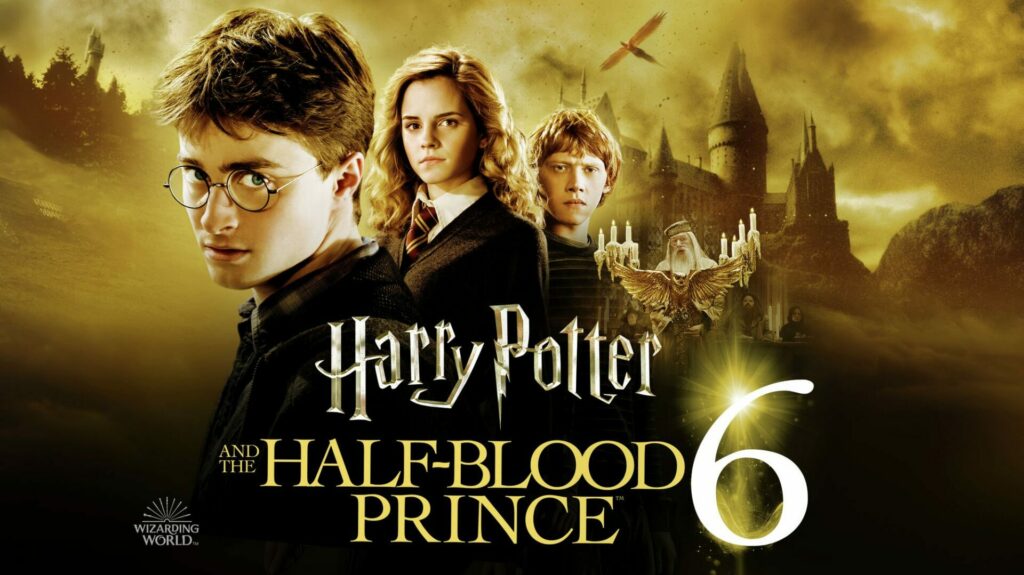
J.K. Rowling’s sixth book in the Harry Potter series is a masterpiece of character development and world-building. It reveals Voldemort’s past, showing how Tom Riddle became the Dark Lord. Dumbledore’s lessons with Harry are deep, emotional, and full of crucial backstory.
The movie’s problem:
The 2009 film adaptation stripped away many key moments from the book. Instead of focusing on Voldemort’s backstory, the movie emphasizes teenage romance, particularly Harry and Ginny’s awkward relationship. Dumbledore’s death scene also lacks the emotional impact it had in the book.
Biggest issues:
Final verdict:
The book offers a richer, more immersive experience than the film. If you want to understand Voldemort’s rise to power, read the book.
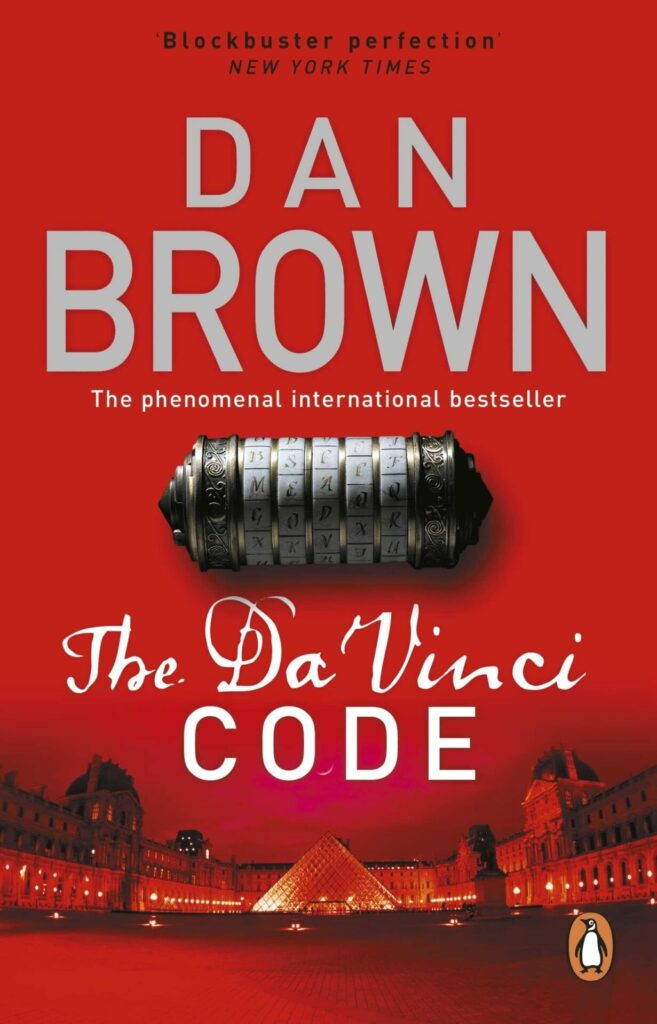
Why the book is better:
Dan Brown’s thriller novel keeps readers on edge with fast-paced action, complex puzzles, and historical mysteries. The book is engaging, intelligent, and layered with symbolism, making the reader feel like they’re solving the mystery alongside Robert Langdon.
The movie’s problem:
The film version, starring Tom Hanks, waters down the complexity of the story. The puzzles are oversimplified, and the movie rushes through crucial moments. The suspense and intellectual thrill that make the book so compelling are lost in translation.
Biggest issues:
Final verdict:
The book offers a more gripping and immersive mystery. The movie feels like a watered-down version of the original masterpiece.
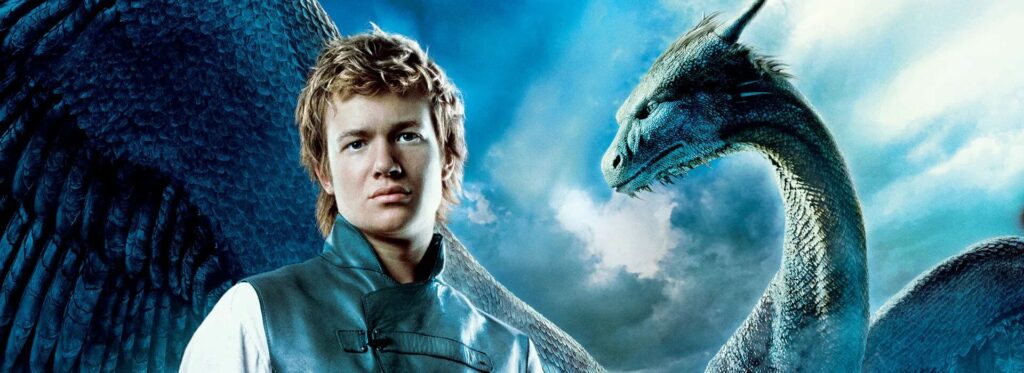
Why the book is better:
Paolini’s epic fantasy novel takes readers on an adventurous journey with dragons, magic, and an underdog hero. It’s rich in lore, world-building, and character depth.
The movie’s problem:
The 2006 film adaptation was a disaster. It ignored key characters, rushed the story, and butchered the world-building. Fans were outraged at how poorly the film handled the beloved book series.
Biggest issues:
Final verdict:
Skip the movie. If you want an immersive fantasy experience, read the book.
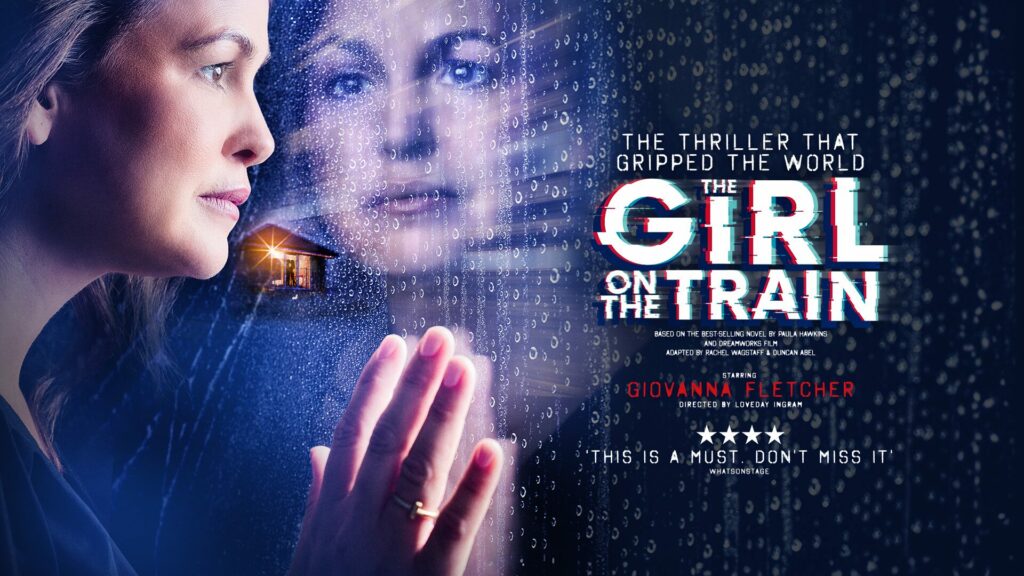
Why the book is better:
Paula Hawkins’ psychological thriller The Girl on the Train is a dark, gripping novel told from the perspectives of three unreliable female narrators.
The book pulls readers deep into Rachel Watson’s troubled mind, as she obsesses over the lives of strangers she sees from the train window. The shifting timelines, inner monologues, and slow-burning suspense make this book an intense page-turner.
The movie’s problem:
The 2016 film adaptation starring Emily Blunt had high expectations, but it failed to capture the book’s depth and psychological tension. One of the biggest issues is the setting—the book takes place in London, but the movie moves the story to New York, stripping away the British cultural atmosphere that played a key role in the book.
Additionally, the narrative structure was flattened in the movie, making the plot feel less immersive. Rachel’s perspective in the book allows the reader to question what’s real and what’s in her mind, but the film’s more straightforward storytelling loses that complexity.
Biggest issues:
Final verdict:
The book’s intricate storytelling and unreliable narration make it far superior to the movie. If you haven’t read The Girl on the Train, it’s worth picking up.
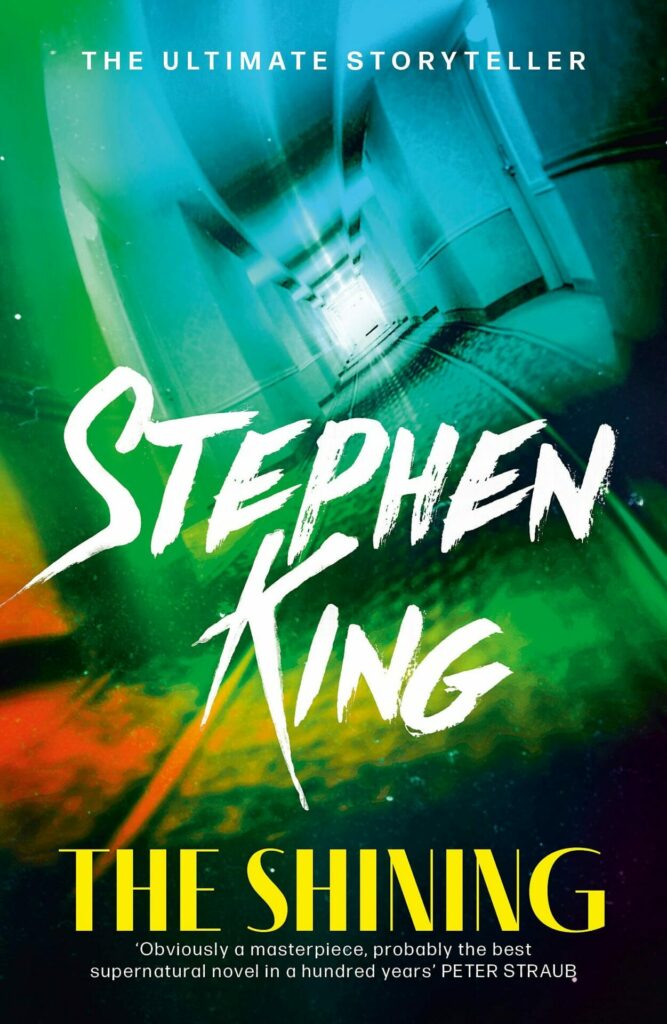
Why the book is better:
Stephen King’s The Shining is a terrifying, slow-burning psychological horror novel that dives deep into Jack Torrance’s mental unraveling.
It’s not just about ghosts—it’s a study of addiction, isolation, and descent into madness. King takes his time building atmosphere, dread, and character development, making the story as tragic as it is horrifying.
The movie’s problem:
Stanley Kubrick’s 1980 adaptation is a cinematic classic, but King himself has criticized it for changing too much from the book. While Jack Nicholson’s performance as Jack Torrance is iconic, the movie fails to capture the novel’s psychological depth.
Kubrick’s version removes much of Jack’s internal struggle, turning him into a straight-up villain rather than a deeply flawed man fighting his demons. Additionally, Wendy Torrance’s character is weakened, reducing her from a strong, resilient woman in the book to a helpless, hysterical victim in the film.
Biggest issues:
Final verdict:
Kubrick’s The Shining is visually stunning, but King’s novel is more terrifying, complex, and emotionally powerful.
Why the book is better:
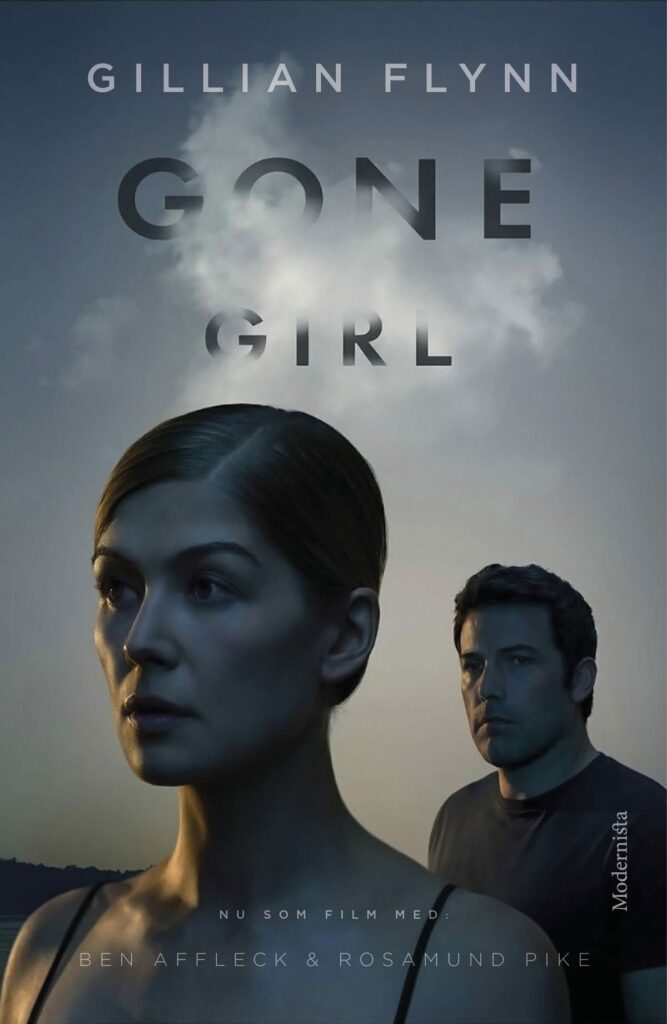
Gillian Flynn’s Gone Girl is a masterclass in psychological manipulation, with one of the most shocking plot twists in modern fiction. The book dives deep into toxic relationships, media influence, and sociopathic behavior, all told through the alternating perspectives of Nick and Amy Dunne. Amy’s diary entries add a layer of emotional and psychological depth that makes the book impossible to put down.
The movie’s problem:
The 2014 film adaptation, directed by David Fincher, is a faithful adaptation in many ways, but it lacks the book’s depth—particularly in Amy’s perspective. Rosamund Pike delivers an incredible performance, but without the detailed diary entries and inner monologues, the audience doesn’t get as much insight into her manipulative mind as they do in the book.
The ending is also less chilling in the movie. In the book, Amy’s psychological control over Nick is slow, methodical, and deeply unsettling, whereas the film’s rushed conclusion doesn’t quite deliver the same gut-punch.
Biggest issues:
Final verdict:
The movie is stylish and well-acted, but the book is a richer, darker, and more disturbing experience. If you loved the movie, you’ll be blown away by the novel.
Why the book is better:
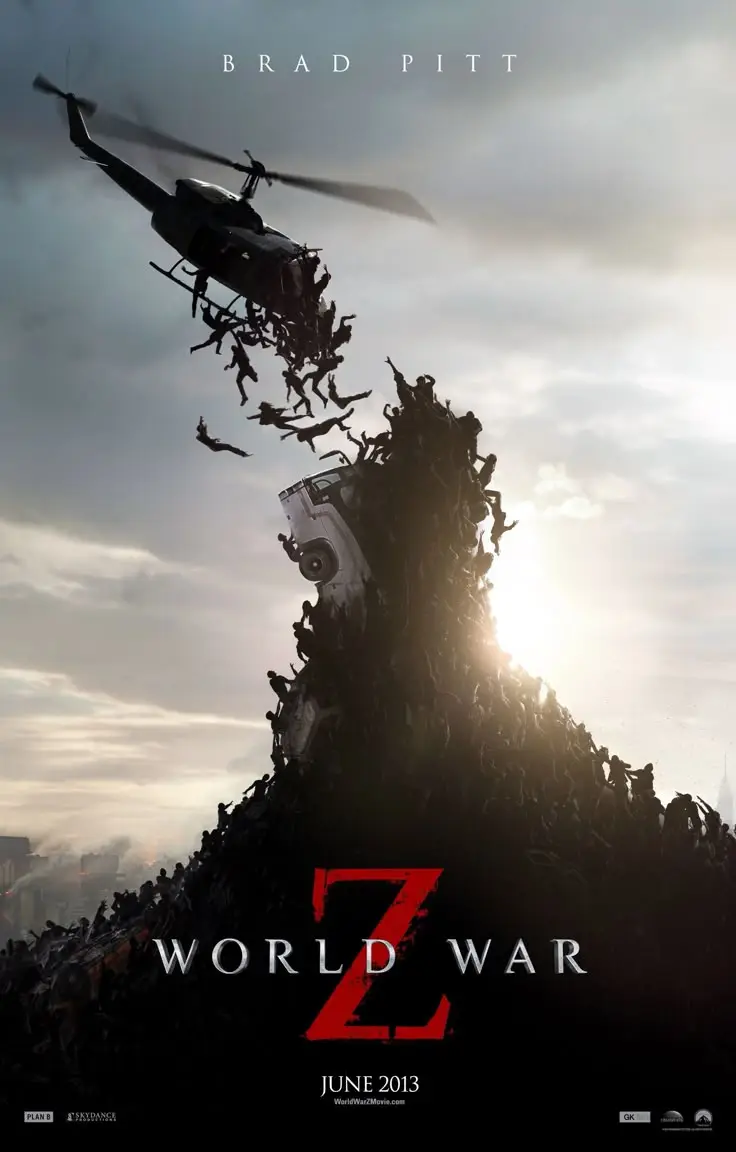
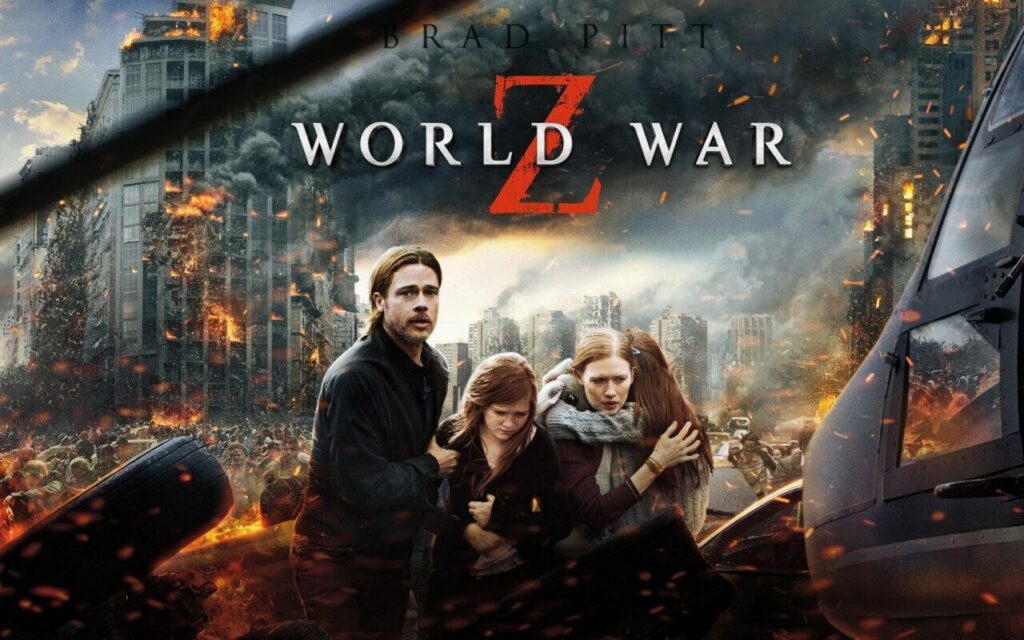
Max Brooks’ book is a unique take on zombie fiction. It’s presented as a series of interviews, making it feel realistic and chilling.
The movie’s problem:
The film completely changes the book’s structure. Instead of a thought-provoking narrative, the movie becomes a generic zombie action flick.
Biggest issues:
Final verdict:
For a more thought-provoking zombie experience, stick to the book.
Why the book is better:
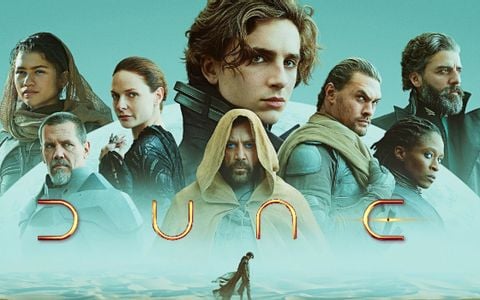
Herbert’s Dune is one of the greatest sci-fi novels ever written, packed with political intrigue, deep world-building, and powerful themes.
The movie’s problem:
Even the 2021 adaptation, though visually stunning, cannot fully capture the book’s depth. The 1984 version was even worse, failing to do justice to Herbert’s universe.
Biggest issues:
Final verdict:
To truly understand Dune, read the book.
Why the book is better:
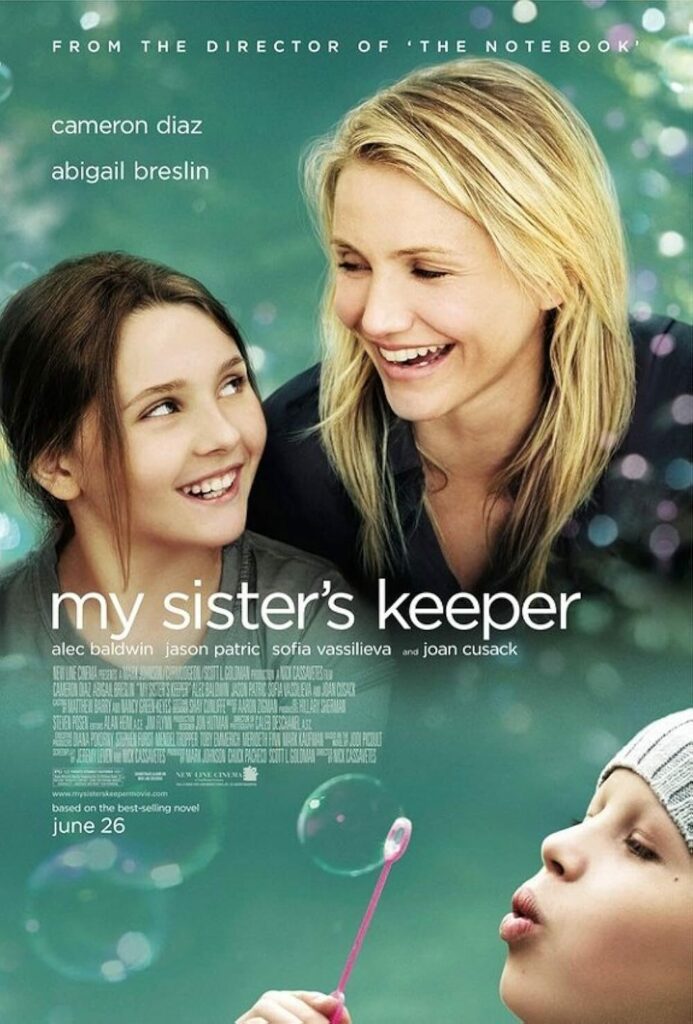
Jodi Picoult’s My Sister’s Keeper is a heart-wrenching novel about family, medical ethics, and the right to make choices about one’s own body.
One of the novel’s greatest strengths is its multiple points of view, allowing readers to see the situation from every character’s perspective. Picoult doesn’t offer easy answers, making the story emotionally complex and thought-provoking.
The movie’s problem:
The 2009 film adaptation starring Cameron Diaz and Abigail Breslin completely changes the book’s ending, removing one of the most shocking and heartbreaking twists in Picoult’s career.
The film also waters down the ethical dilemmas, making the story feel more like a typical drama rather than a deep, philosophical exploration of choice, sacrifice, and autonomy.
Biggest issues:
Final verdict:
The book’s unforgettable ending and thought-provoking themes make it far superior to the movie. If you want the full emotional impact of My Sister’s Keeper, stick to the novel.
Why the book is better:
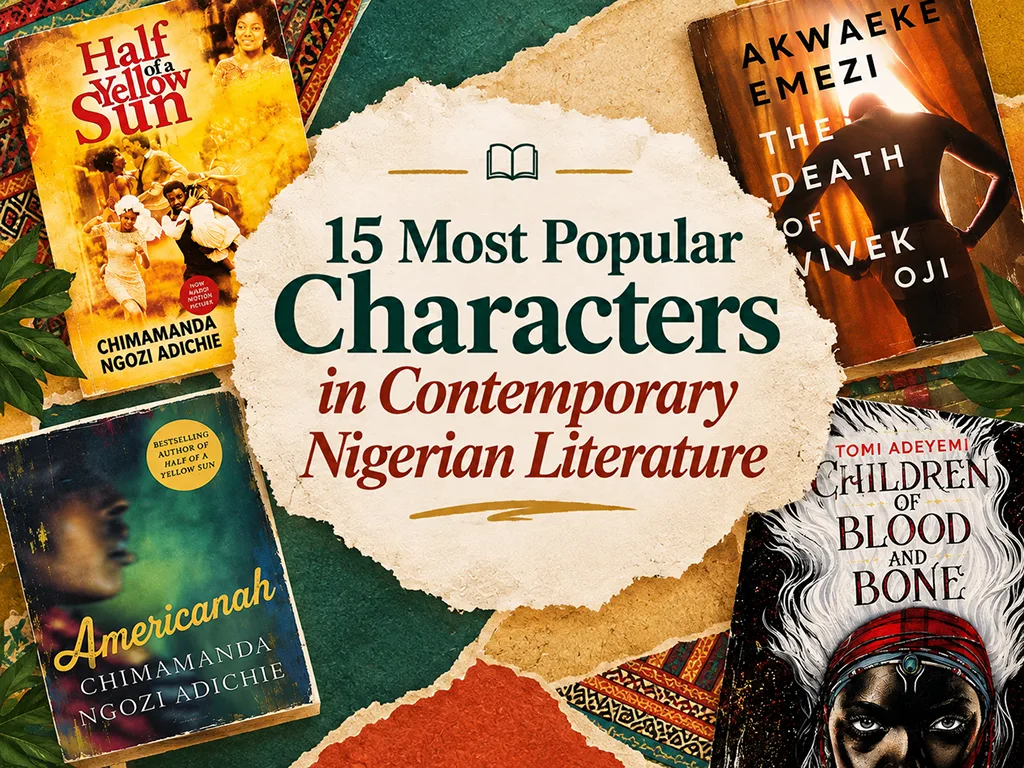
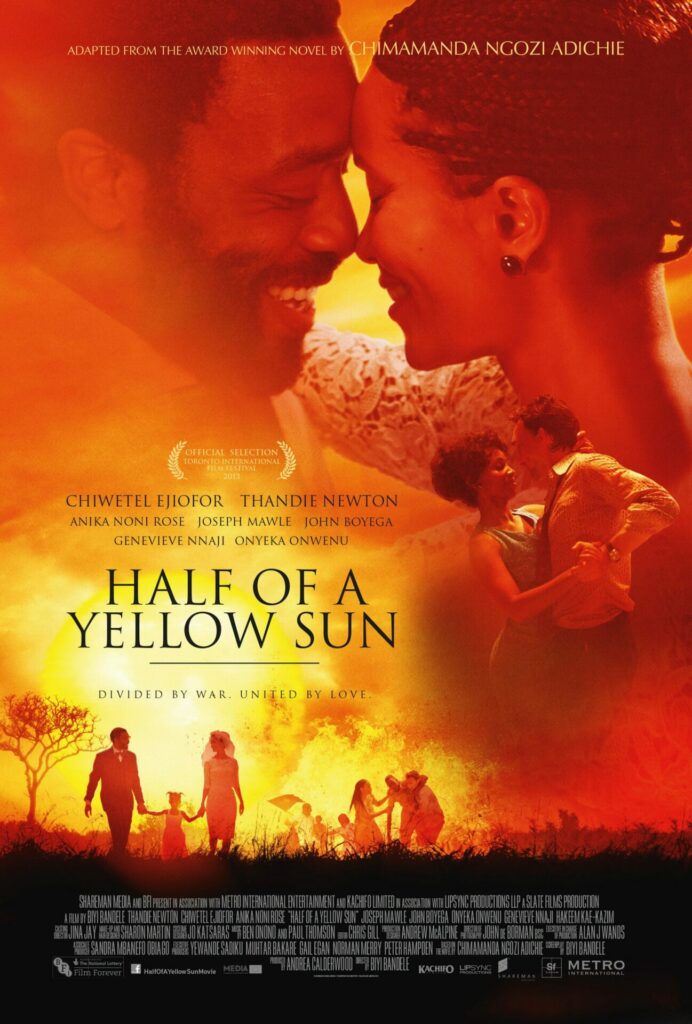
Chimamanda Ngozi Adichie’s Half of a Yellow Sun is a powerful historical novel set during the Nigerian Civil War (Biafra War).
The novel’s rich detail, political complexity, and emotional depth make it one of the greatest works of African literature. It offers a brutally honest look at war, colonialism, and identity, making the reader feel the pain, hope, and resilience of its characters.
The movie’s problem:
The 2013 film adaptation, struggles to balance historical context with character development, making it feel rushed and emotionally shallow.
A major flaw is that the Biafra War—a central aspect of the book—is underdeveloped, reducing the weight of the characters’ struggles.
Biggest issues:
Final verdict:
The book is far richer, more powerful, and emotionally gripping. If you want the full experience of Half of a Yellow Sun, read the novel.
Books provide richer details, deeper emotions, and stronger connections to characters. If you loved any of these films, you owe it to yourself to read the book—you won’t regret it.
Which book-to-movie adaptation disappointed you the most? Share your thoughts in the comments!

The Tyrant Overlord. Fantasy buff and avid football fan.
Literary Awards and the Racism Card: A Wake-Up Call for Black Africa
Interview with the Vampire Relationships, Ranked
10 Top Recent Films for Action and Comedy Fans
Comma Rules Every Writer Should Know
10 Most Hype-worthy 2026 Book Releases (African Literature Version)
Five Gambling Films That Know the Bet Is Only Half the Story
Movies Where Poker Reveals Who a Character Really Is
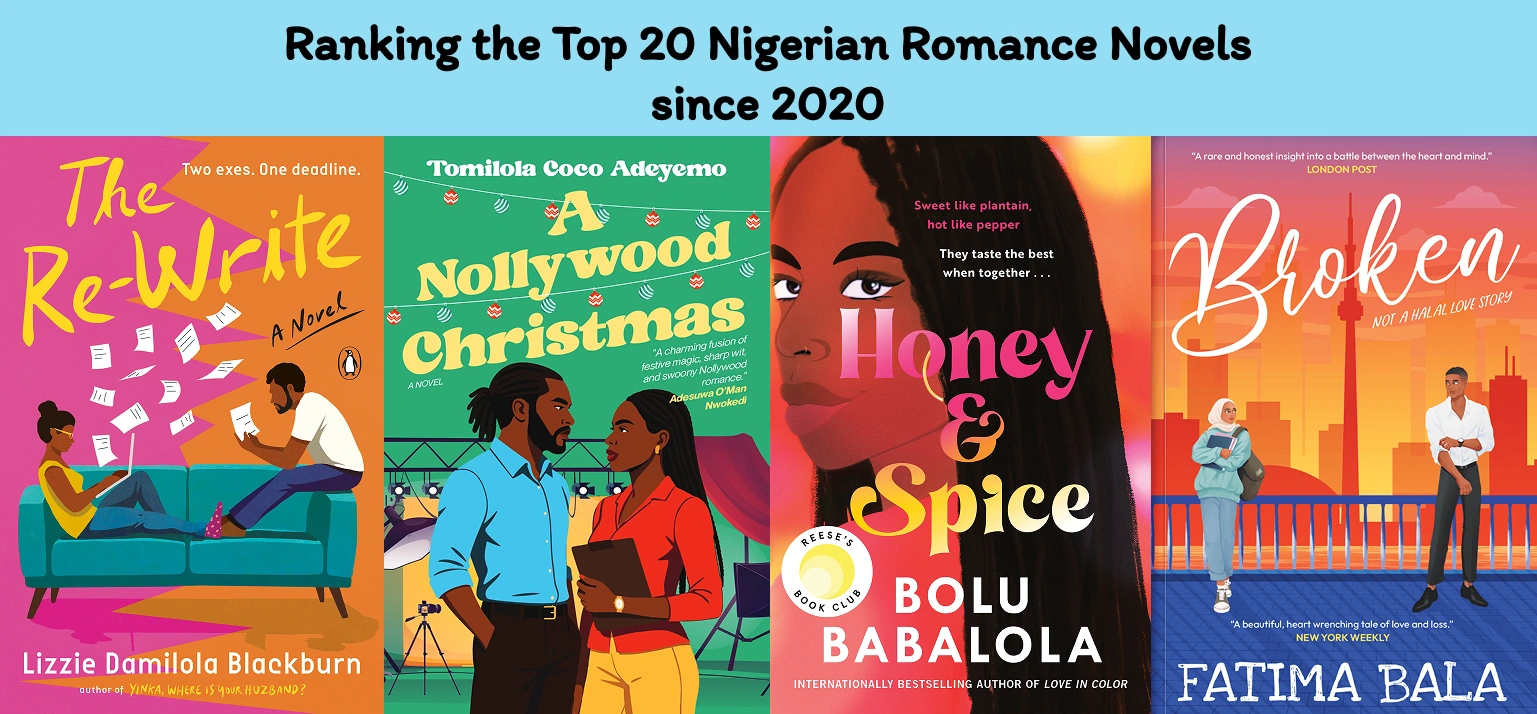
Ranking the Top 20 Nigerian Romance Novels since 2020
In Defense of Reading and Gaming
8 Third-Person Omniscient Examples for the Plot
A Trade of Blood (Ana and Din Mysteries #3) by Robert Jackson Bennett
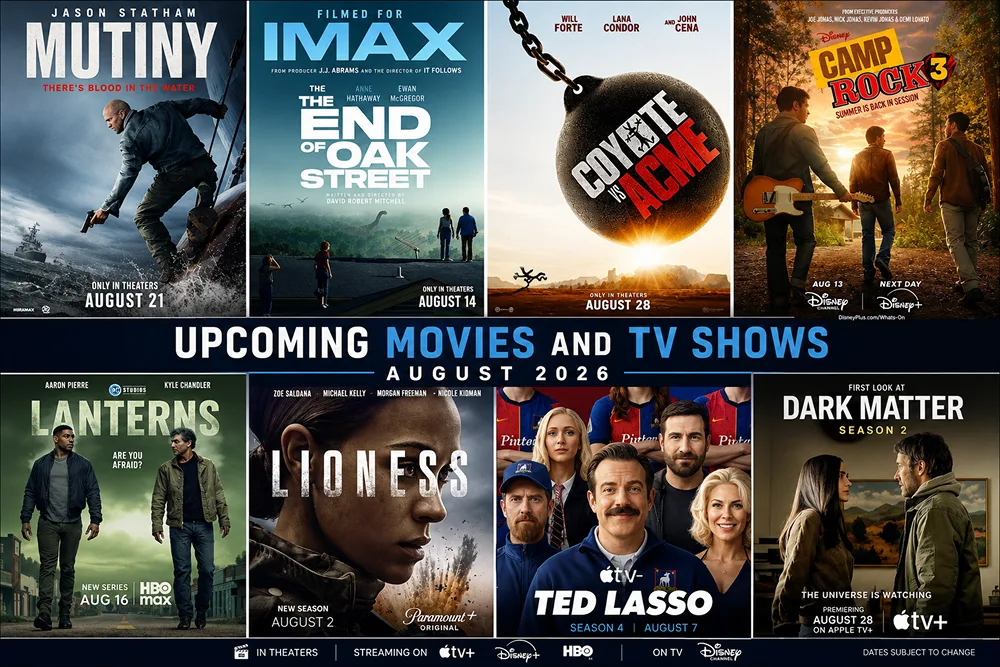
Upcoming Movies and TV Shows to Watch this October 2026
July 20, 2025 .
Animation, Lists
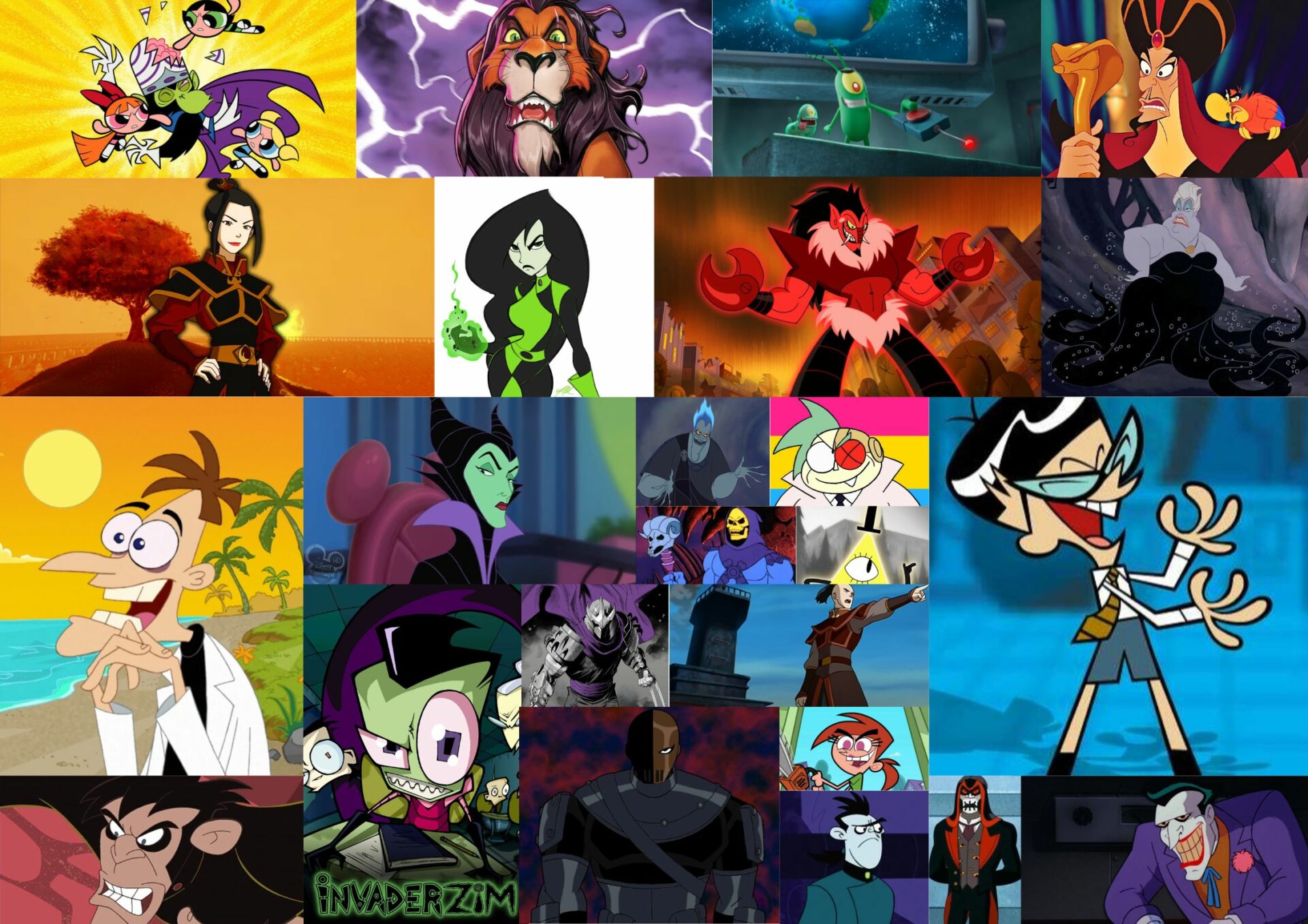
Our list rounds up the top 30 cartoon characters that were villains, each one more wonderfully wicked than the last.
READ MORE
October 28, 2025 .
Lists, Marvel, MCU, Opinions
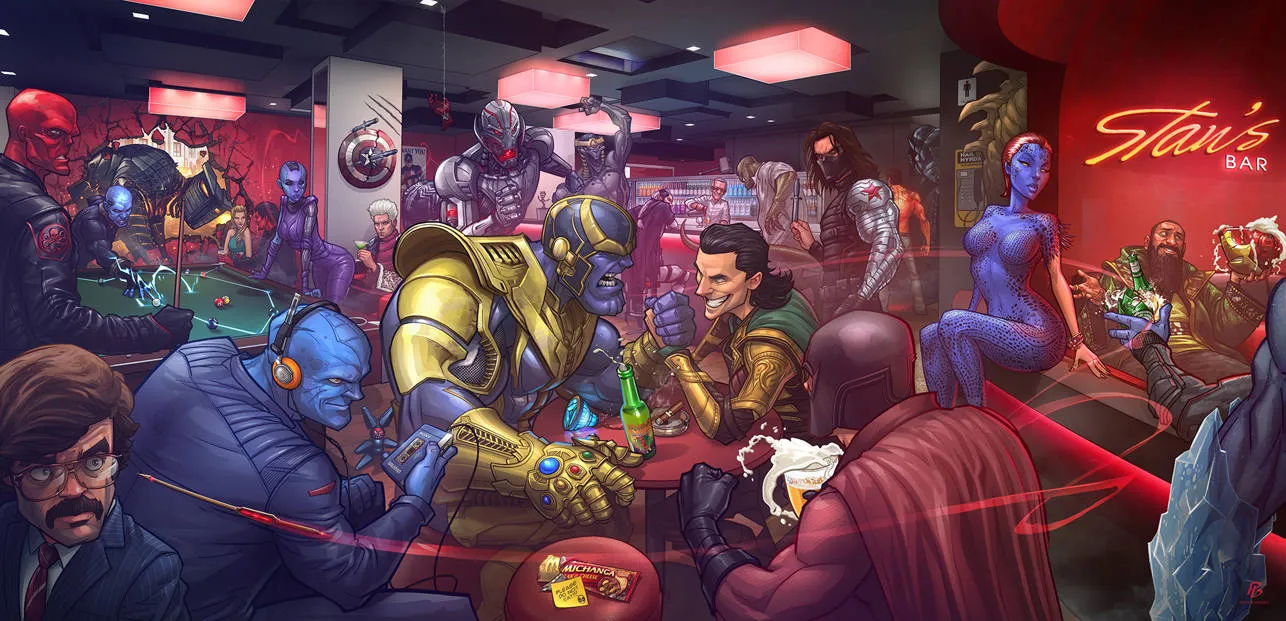
Let’s go through a list of the top 7 strongest Marvel villains, from the wickedly powerful to the absolutely unstoppable.
READ MORE
April 29, 2026 .
Lists, Opinions
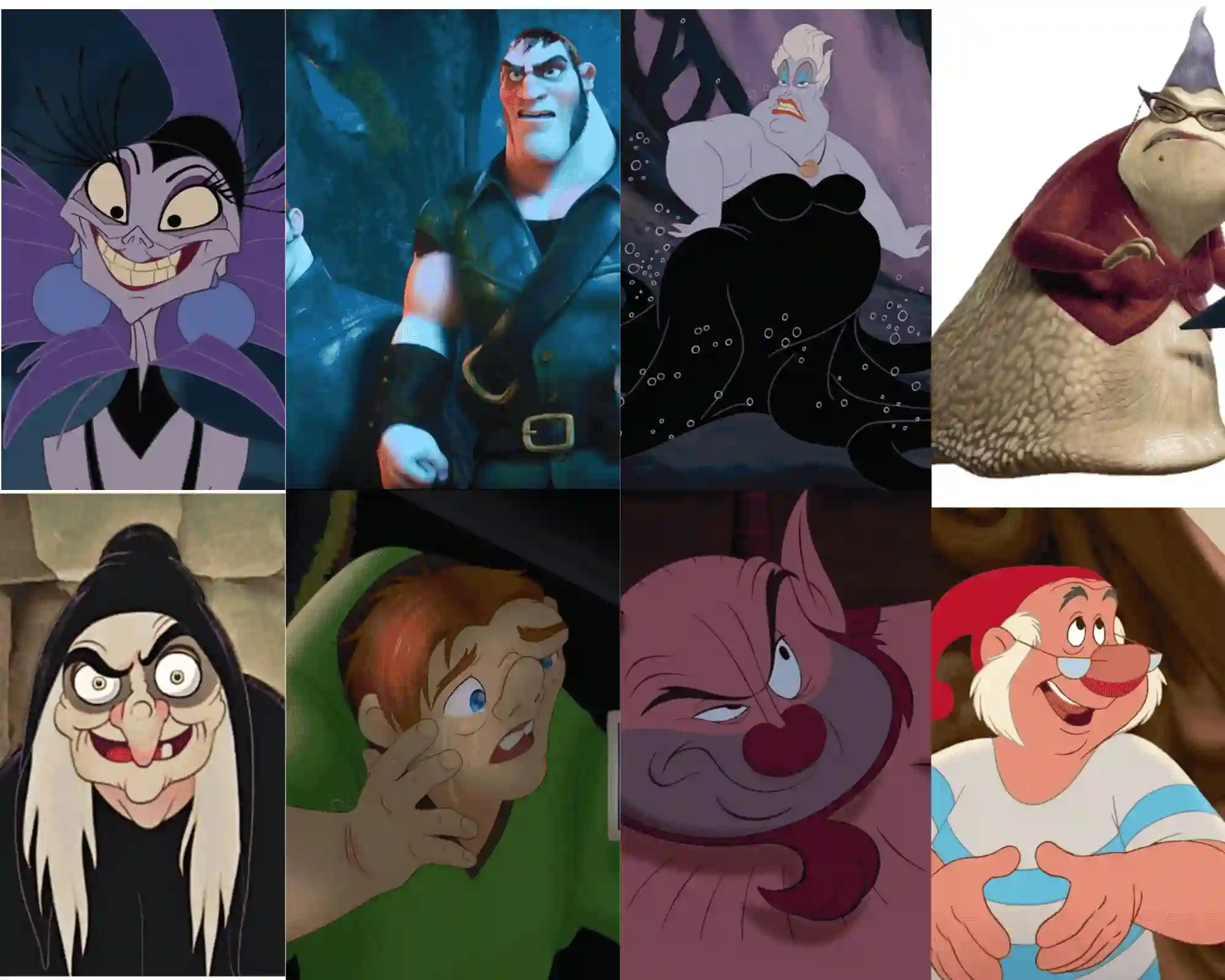
The Mouse is famous for its princesses and princes. However, the studio’s true genius lies in its embrace of “ugly Disney characters”.
READ MORE
May 6, 2026 .
Lists, MCU
Spider-Man is one of the many superheroes from the Marvel Universe whose stories shaped many childhoods. Who is your strongest Spiderman?
READ MORE
November 27, 2025 .
Lists, Mythology
While this isn’t an exhaustive list, it comprises some of the most popular mythical creatures from around the world.
READ MORE
September 30, 2026 .
Lists, TV Shows, Upcoming Movies
October isn’t celebrated as the official horror movie month for nothing, and some of these entries prove it.
READ MORE
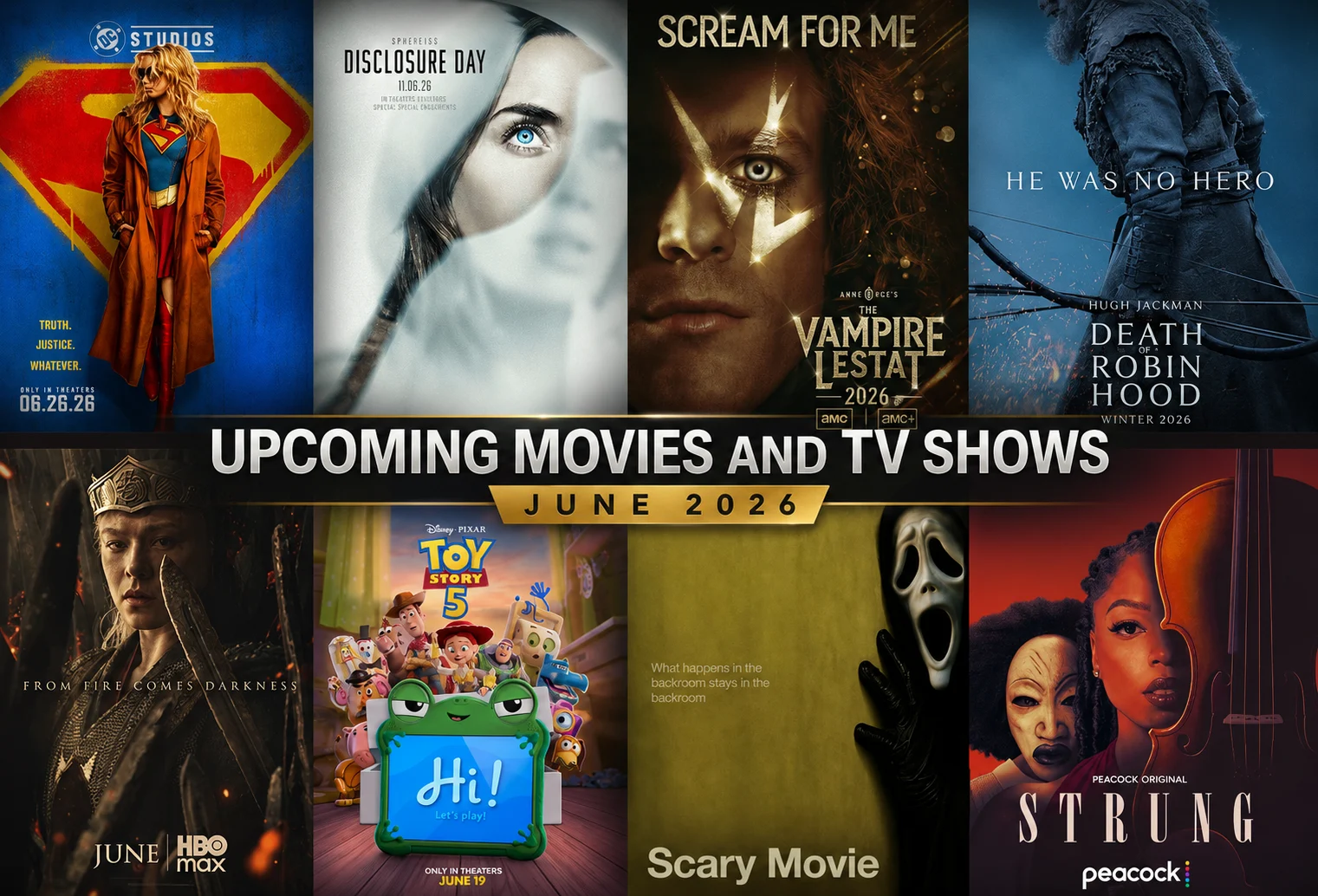
September 9, 2026 .
Lists, TV Shows, Upcoming Movies
There’s something for everyone from every genre you love.
READ MORE
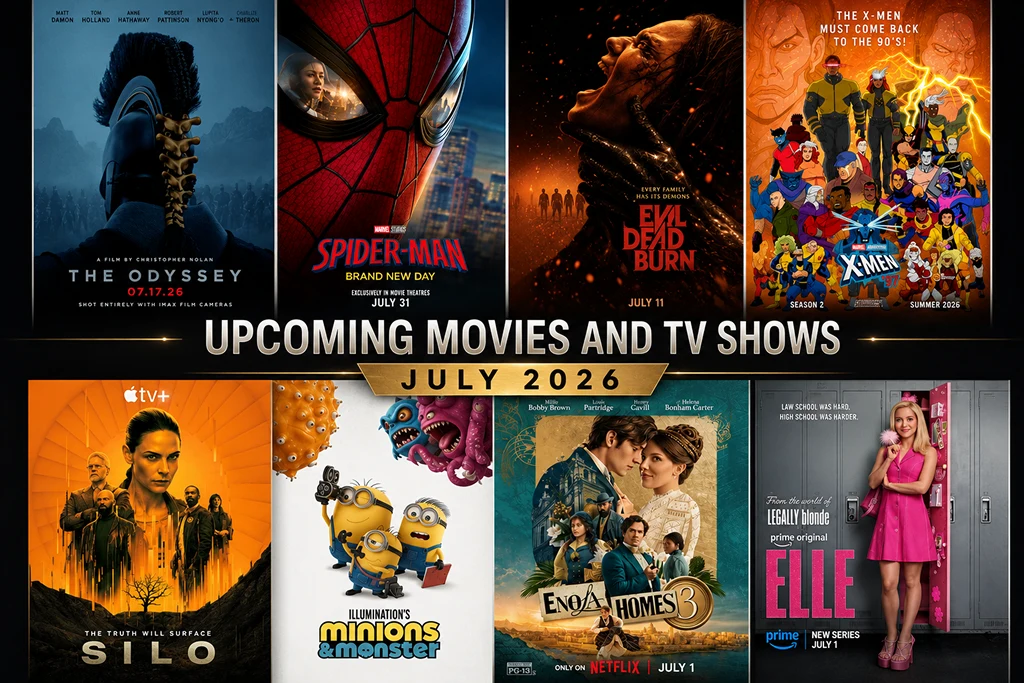
September 9, 2026 .
Lists, TV Shows, Upcoming Movies
July gears up with the hottest lineups of upcoming movies and TV shows.
READ MORE
September 9, 2026 .
Lists, TV Shows, Upcoming Movies
August line-up is here and they don’t disappoint.
READ MORE
April 29, 2026 .
Lists, Opinions
The Mouse is famous for its princesses and princes. However, the studio’s true genius lies in its embrace of “ugly Disney characters”.
READ MORE
September 9, 2026 .
Lists, Upcoming Movies
September’s lineup offers everything from action flicks to buddy comedy to romcom adaptations to keep you entertained all month long.
READ MORE
February 9, 2026 .
Lists
From Masobe to Narrative Landscape and Penguin Random House South Africa, here are the top 9 publishers of African Literature.
READ MORE

July 20, 2025 .
Lists
From Gardens of the Moon, it’s clear that the world of Malazan is richer in history and geographic detail, and than any other fantasy world.
READ MORE
February 23, 2026 .
African Literature, Lists
These are the books that could hold that kind of attention again. Not because they’re flawless, but because they can survive stillness.
READ MORE
Get our magazine for free!