

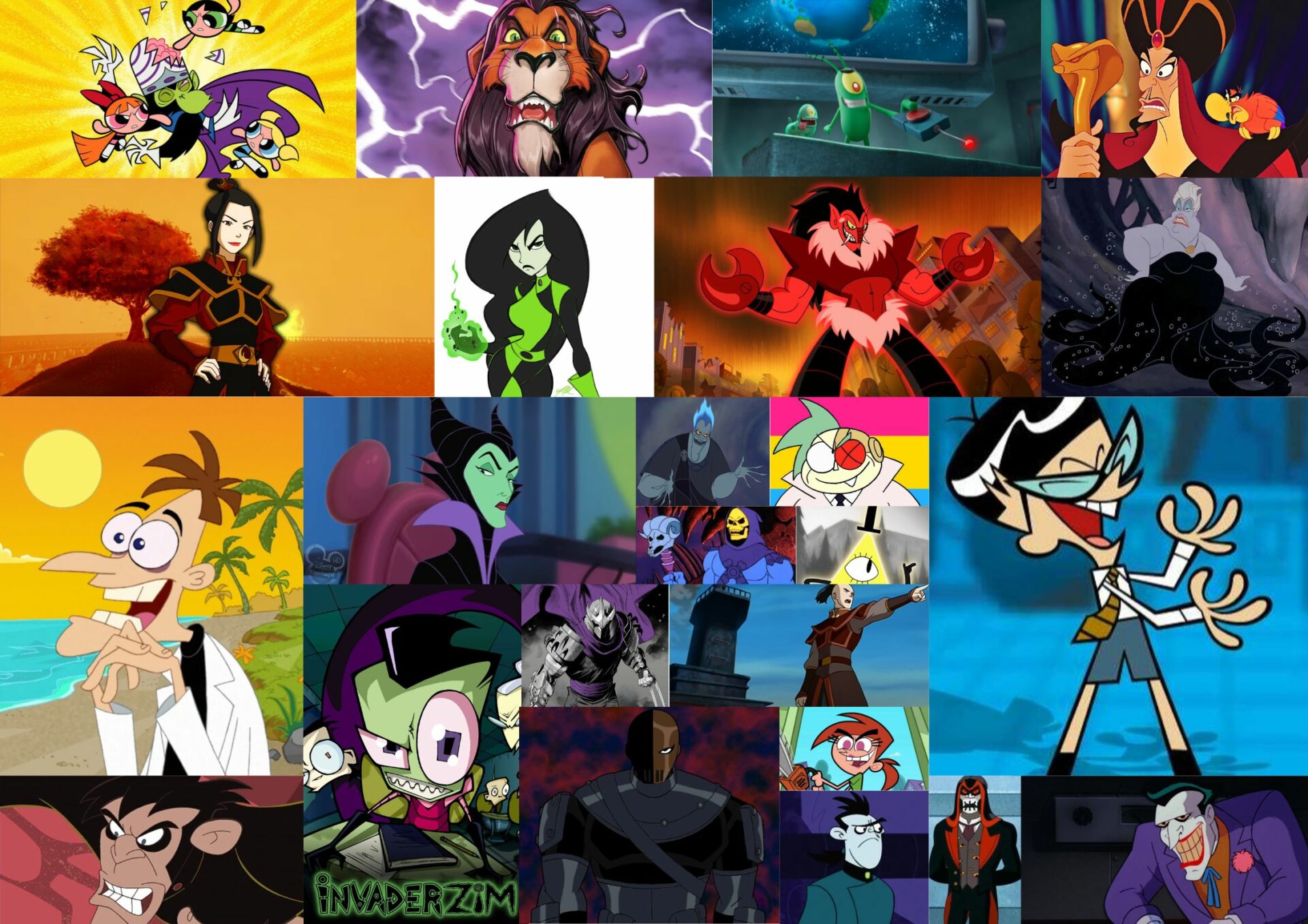
Top 30 Cartoon Characters That Were Villains
Our list rounds up the top 30 cartoon characters that were villains, each one more wonderfully wicked than the last.
Opinions
Adesuwa does exceptionally well and deserves credit for centering women over forty as worthy of love. Not consolation love. Not “settling” love. But real, expansive, desire-filled love.
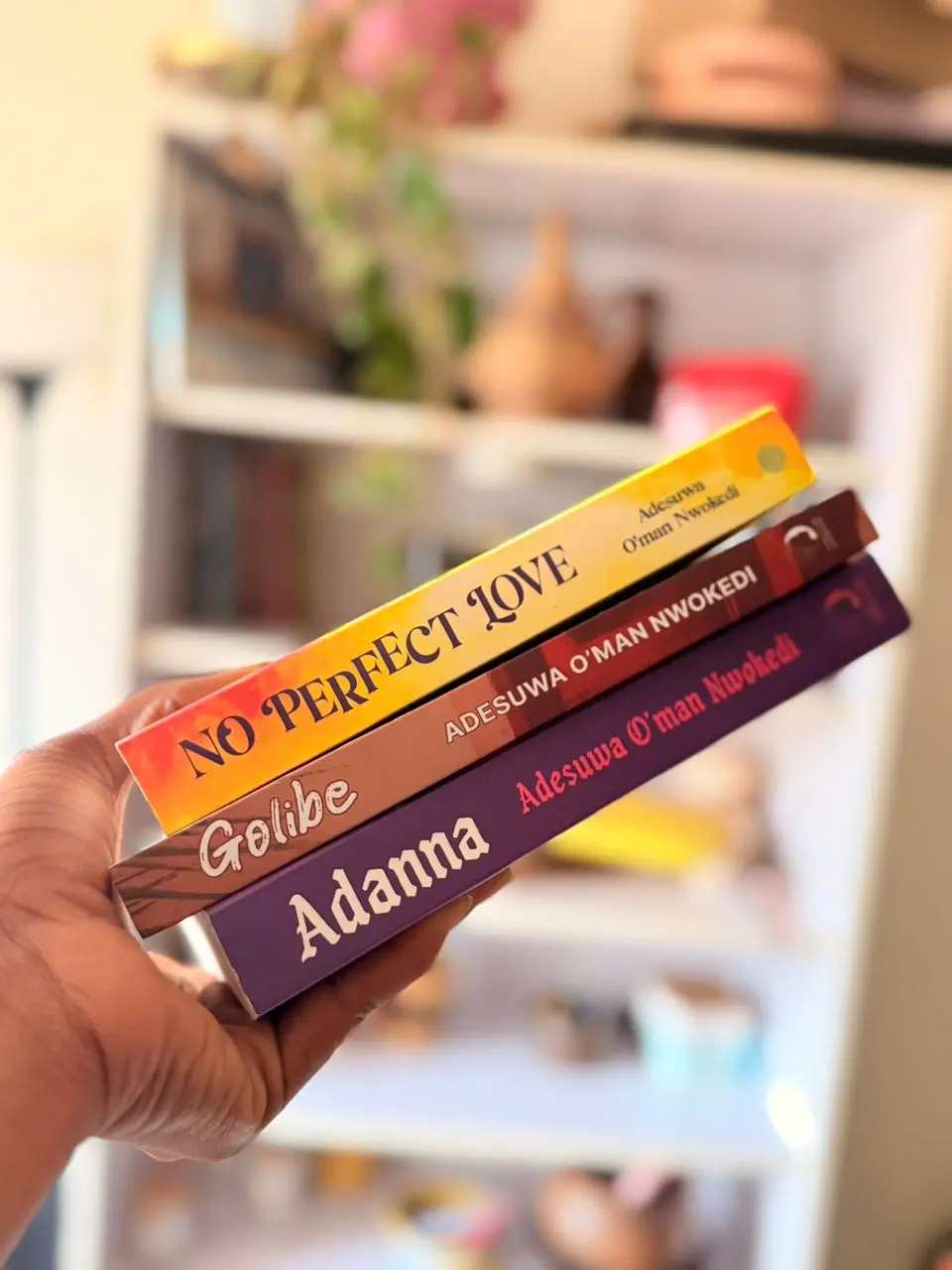
Last year, I made a very deliberate decision to read everything Adesuwa O’man Nwokedi had written. In fact, my decision to read a lot more romance came from my friend, who was and is still convinced I am emotionally deprived in the romance department and decided it was her life’s mission to fill in my supposed gaps.
According to her, I read too much grief, too much politics, too much seriousness. Romance, apparently, would fix me. Even when I made a case about reading Akwaeke’s You Made a Fool of Death with Your Beauty, that wasn’t enough romance for her. So I found myself here. Anyway, I digress.
Adesuwa mostly writes romance. I say mostly because Adanna is nowhere near romance, and anyone who has read it knows that. I started with the Ginika’s Bridesmaids series, then moved through all her standalone novels, and eventually landed at the Malomo High series. I have yet to read No Perfect Love and about two of her earlier books, which I will rectify soon.
However, I believe I’ve read enough of her works to attain the moral and legal justification (lol) to draw firm conclusions.
Adesuwa’s books are really enjoyable reads, and make a romantic of you if you aren’t already. They’re very mushy, messy romances, but you are guaranteed a wonderfully delicious ending that will leave you grinning from ear to ear. That is for sure.

Adesuwa does exceptionally well and deserves credit for centering women over forty as worthy of love. Not consolation love. Not “settling” love. But real, expansive, desire-filled love. That alone is a powerful intervention in African literature, especially romance.
There is a stereotype attached to women in this part of the world based on the idea that we are racing against a biological clock and that our worth is time-bound. Get married young. Have children early. Because if you don’t, then something must be wrong with you, or worse, your body has failed at its supposed purpose.
I have a theory about this: a significant part of the stereotype attached to women is the belief that women exist primarily for utility and nothing more. That our bodies are imagined as tools meant to pleasure men and produce children. This is why there is so much outrage about women sleeping with women, women who aren’t domestic, and about women who openly refuse to have children. It disrupts the script. It threatens the idea that our bodies must always be useful to someone else.
Society views women who are thirty-plus, unmarried, and childless with a mix of judgment and pity. We are seen as irresponsible, incomplete, or unfortunate. There is always sadness attached to us as though something essential has been missed. It does not matter if you are successful in your career or wealthy; you are seen as empty.
That is why women are constantly told to marry early, as if children are simply a by-product of marriage, and as if women’s bodies exist solely to fulfill that function. Even conversations around childbirth are painfully narrow. The imagined path is rigid and linear: sex with a man, conception, pregnancy, and delivery. Full stop.
There is little room for conversations about IVF, surrogacy, or alternative ways of building families, even though modern medicine has expanded what is possible.
This is where Adesuwa’s romance novels push back.

Adesuwa’s women fall in love at forty and beyond. And not just any kind of love. It’s the earth-shattering, toe-curling, butterflies-in-your-stomach kind of love we are taught belongs to people in their early twenties who are dating recklessly and dramatically.
Adesuwa gives that love to women who are older, financially stable, emotionally complex, and fully formed. Some of her women don’t know how to cook, or can’t cook; the men cook for them or hire chefs. They are loved just for existing, not for some utility. That alone feels like a reclamation.
She also challenges the fear-mongering around childbirth. Her characters get pregnant at forty and above. They have healthy children. They don’t spend years struggling to conceive. Some of them use IVF. Some use surrogacy, like Abolore and Bioye’s twins in Malomo High. These narratives matter. They disrupt the idea that women “expire,” and they offer alternative futures that are rarely male-centered.
I love Adesuwa’s romance for many reasons. The love is rich, mature, and reflects relationships between adults who know themselves and have resources. The wooing is fairytale-like, yes, but it is a fairytale grounded in possibility, not fantasy. These are love stories where stability exists, and that is refreshing.
But…
One thing about Adesuwa’s writing that irked me was what ultimately sent me on a reading sabbatical. At first, I found Adesuwa’s books genuinely enjoyable. They were comforting, familiar, and indulgent, as good romance often is. Until they weren’t.
I had to take a few months’ sabbatical before I could return to them this year, because the enjoyment slowly turned into irritation, and I needed distance to understand it.
Why do her women always have to self-sabotage?
It came up repeatedly in Ginika’s Bridesmaids. We saw it in Golibe, Call me Lagachi, in the first four stories of the Malomo High series, and even in Adanna, which isn’t a romance book. At some point, it stopped feeling like character depth and began to feel lazy.
I understand the impulse to show that women over forty are still vulnerable, still flawed, still capable of emotional meltdowns. But must it always take the form of self-destruction? Must it always be the woman making the most irrational choices while the man is positioned as patient, reasonable, and redeemable?
What frustrated me even more was how the men were written. Even when they were foolish and terrible people, they were still framed in ways that made them likable, or at least forgivable. The women, on the other hand, were written in ways that made you want to scream at them, curse them, or abandon them entirely.
Take Karibi, for example. He was an asshole. Plain and simple. A character who should not have been liked. And yet, the narrative softened him so effectively that it became easy to forget how unlikeable he actually was. That imbalance bothered me deeply, because if we are going to tell stories about women reclaiming love, agency, and desire later in life, then surely we can also allow them to be flawed without punishing them more harshly than the men.
And that, I think, is where my love for Adesuwa’s work becomes complicated.
I admire what Adesuwa’s stories make possible. I loved the last two stories in the Malomo High series, especially Nonso and Zinna. They were great and refreshing. I just wish she trusted her women enough to let them fail without making them unbearable for it.
Regardless of my reservations about the stories, Adesuwa is doing great for African literature and older women, and she definitely deserves all her flowers and more. Hats off to her. She is a breath of fresh air, and I always recommend her work.
hi i am nasiba .
Our list rounds up the top 30 cartoon characters that were villains, each one more wonderfully wicked than the last.
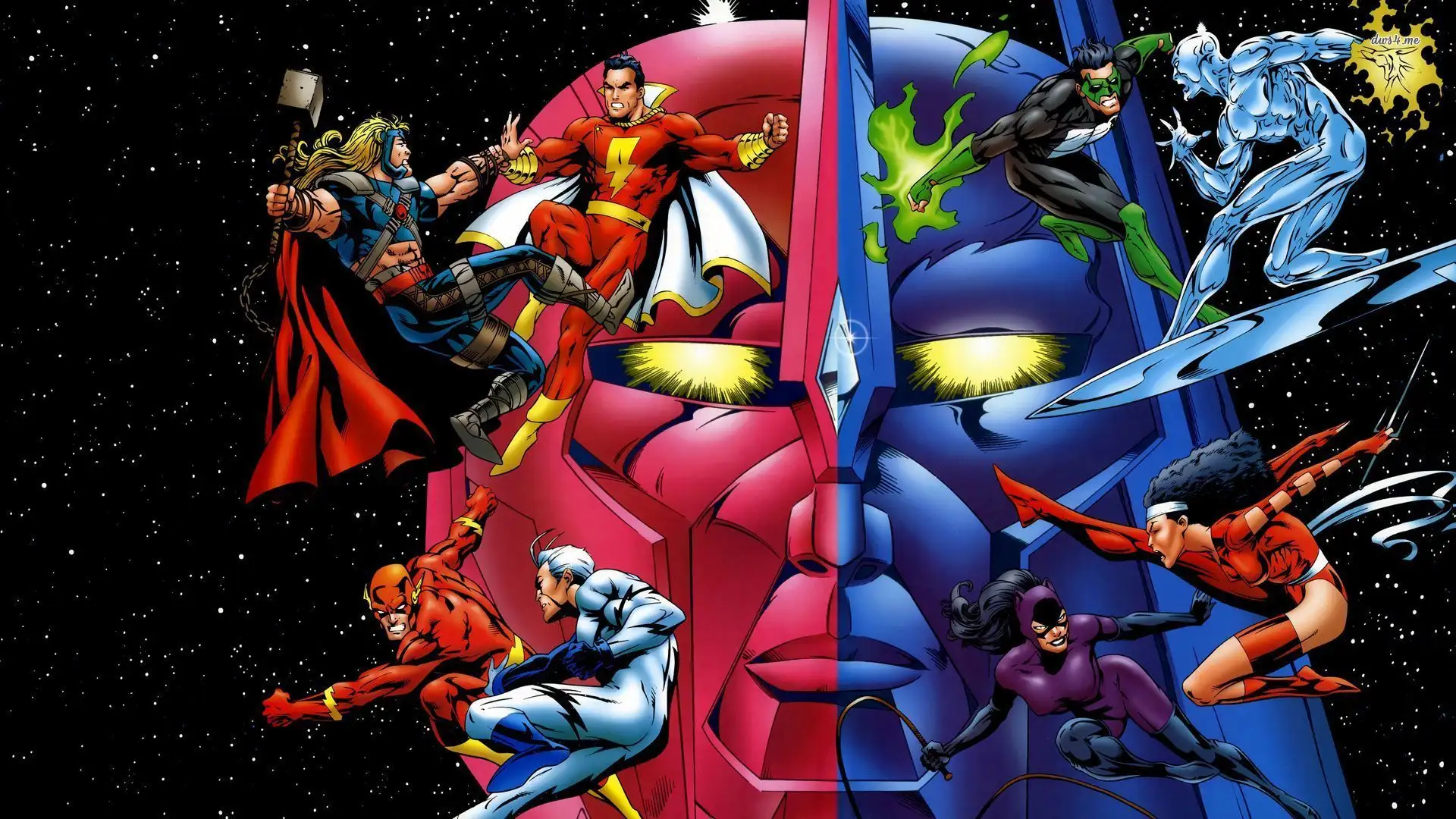
DC is great at making comics and animated movies, while the MCU has the upper hand in its cinematic aspects
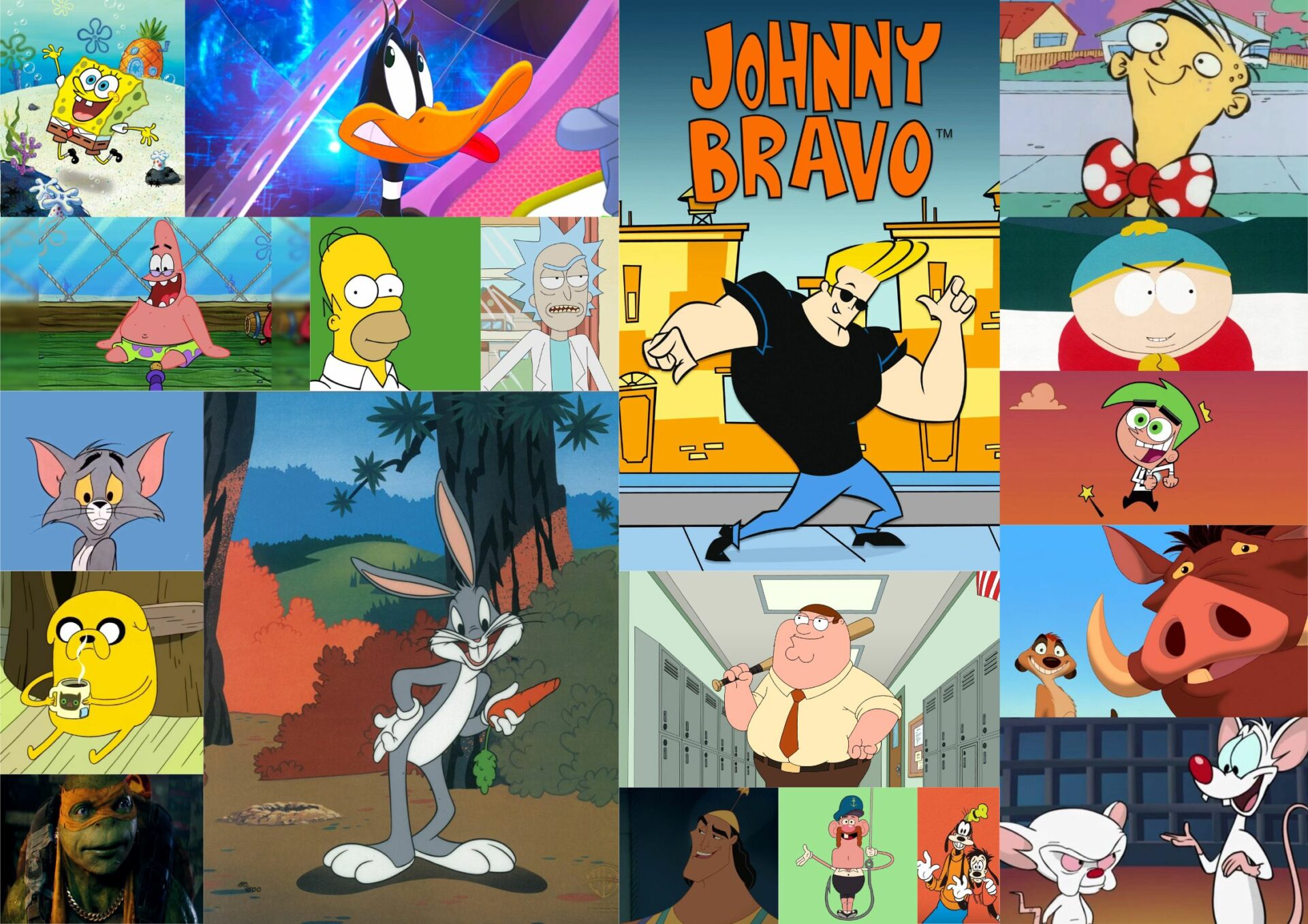
There are some outright funny cartoon characters who exist solely to crack you up, loud, hard, and with zero apology.

Discover the best apps to read books for free in 2025. Access thousands of free e-books and audiobooks on your phone or tablet. ...

Things Fall Apart is for the colonizers as well as the colonized, helping to understand the role of colonialism in the realization...

While many of the Nollywood movies on our list are quite old, it’s a testament to the capabilities of the industry’s p...
While this isn’t an exhaustive list, it comprises some of the most popular mythical creatures from around the world.
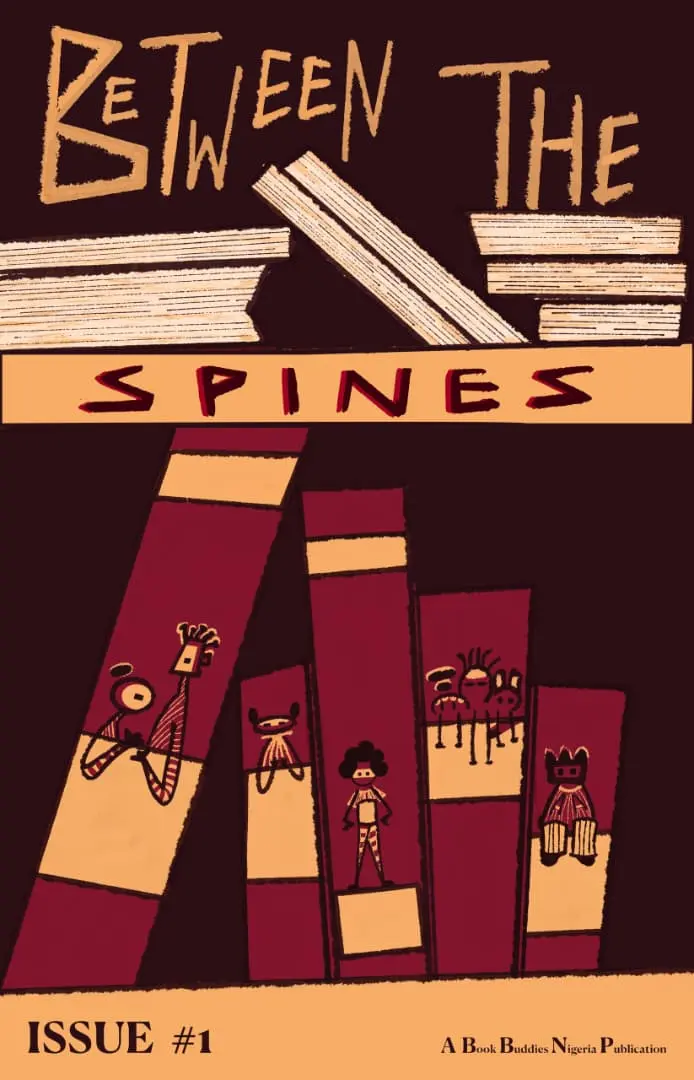
Get our magazine for free!