

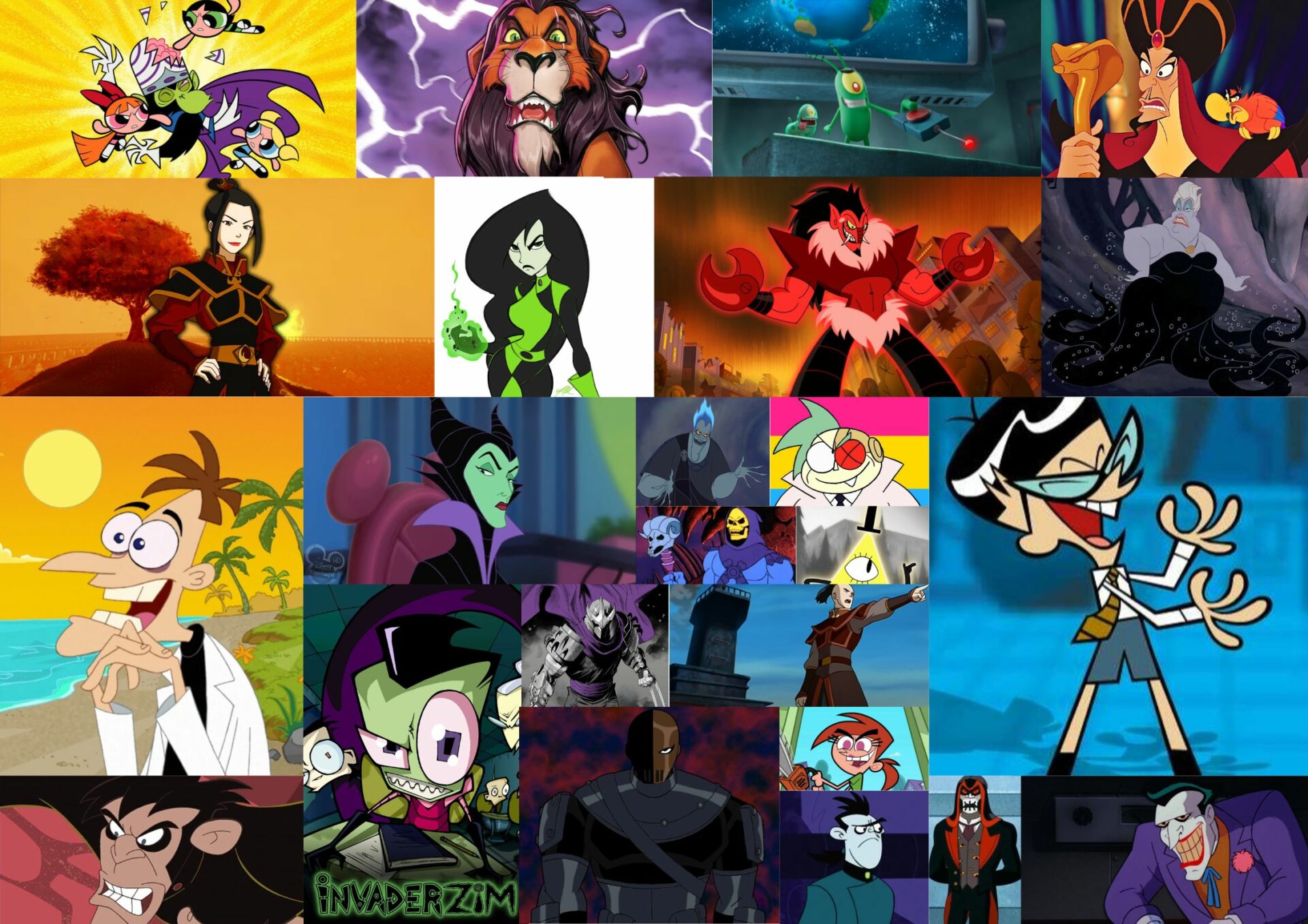
Top 30 Cartoon Characters That Were Villains
Our list rounds up the top 30 cartoon characters that were villains, each one more wonderfully wicked than the last.
Essays
African literature does not need religious propaganda, nor does it need to rehabilitate Christianity’s image.
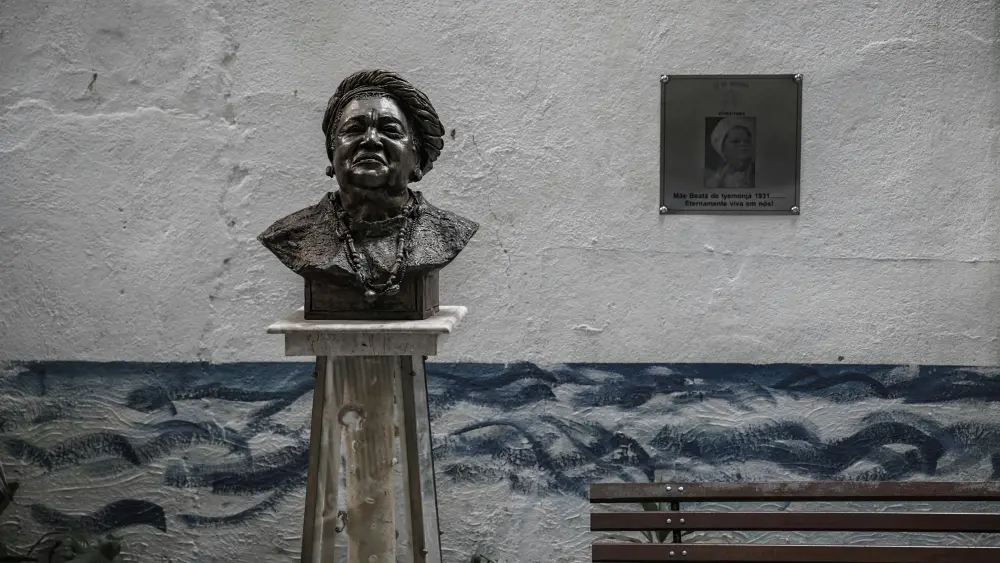
African literature has never been gentle with Christianity. From the late twentieth century onward, the church has often appeared on the pages as a site of excess, hypocrisy, and quiet violence.
The figures are immediately recognisable: the pastor who preaches sacrifice while living in comfort, who uses armed escorts while invoking divine protection; the congregation disciplined more by fear than by love; faith misrepresented as a tool for control rather than care. These portrayals did not emerge from nowhere. They were responses to real histories, real harms, and real betrayals.
For that reason, many readers, myself included, initially welcomed this literary reckoning. For far too long, Christianity occupied an almost untouchable position in African writing, treated with automatic reverence and protected from scrutiny by fear of blasphemy and retribution for challenging a “Man of God.”
This posture was inherited from colonial respectability and missionary influence. To see writers finally interrogate religious power, expose abuse, and name manipulation felt necessary, even overdue. Literature, after all, has always been one of our safest tools for saying what cannot be said aloud.

Over time, something else began to surface: repetition.
What began as exposure slowly hardened into expectation. The Christian figure in African literature became increasingly predictable.
The church, regardless of context or denomination, often arrived already guilty; its characters functioned less as people than as narrative devices, carrying a pre-packed can of worms, their scandals assumed rather than uncovered. Faith ceased to function as a complex human practice and was reduced to a shorthand for moral decay.
In many cases, this angle proved narratively convenient. It allowed writers to buttress their arguments quickly, justify predetermined plots, and signal their ideological stance on certain topics. This is especially visible in works where Christianity is positioned primarily as an antagonistic force against other identities, becoming a foil rather than a subject in its own right.
The result is not fabrication, but compression: half-truths elevated to total explanation.

Over time, writers reproduced what sold, what circulated easily, and what readers had come to expect. The critique lost texture. It lost curiosity.
This is not a claim that such portrayals are false. Many of them are painfully accurate. The problem is not truth, but range. When a single experiential account dominates long enough, it stops being revelation and begins to pass for the whole story.
Over time, that partial account hardens into inherited knowledge, shaping how young readers and especially foreign ones understand African religious life, as though corruption and harm were the only realities that ever existed.
Growing up within my church community, I encountered both beasts and beauties. The church was not simply a place of worship but the centre of my social life, shaping my routines, friendships, and sense of safety.
Care was expressed less through spectacle than through consistency: people showing up, offering correction, and absorbing human error within the community rather than weaponising it. I also witnessed failure and contradiction, moments when leadership faltered, and decisions were imperfect. None of this negates the experiences of those harmed by religious institutions. It simply attests that the experience was not singular.
Having lived within Christian spaces for most of my life, I was therefore not shocked to encounter African literature’s indictment of Christian excess. What surprised me the more I explored these books, instead, was what I did not encounter: balance. Across novels, short stories, and essays, I struggled to find representations of Christian figures whose faith was neither fraudulent nor fanatical, but simply lived quietly, albeit imperfectly, humanly.
The absence is striking. African literature is otherwise generous with complexity. Mothers are allowed to be loving and cruel. Nations can be imagined as wounded yet resilient. Tradition is written as both shelter and suffocation. Yet Christianity, particularly in contemporary writing, is rarely granted the same narrative generosity, more like an absolute verdict has already been passed on how it is to be written, with everyone in agreement.
The pastor, especially, has hardened into a fixed type. He appears less as a character than as a warning. His role is not to be understood but to be exposed. Once the harm is revealed, there is little else to say. The story moves on, satisfied.

This narrowness produces a representational imbalance. For millions of Africans, Christianity has not been primarily experienced as spectacle or scam, but as structure: a place of routine, moral language, communal care, and refuge.
Churches have functioned as schools, shelters, grief spaces, and social anchors. None of this erases abuse. But ignoring it erases reality just as effectively.
We have also witnessed churches operate as quiet backbones of society rather than spectacle. During the 2020 lockdown, many congregations supported families with little expectation of recognition, often in the absence of meaningful government intervention. These actions were not framed as miracles or moral victories, but as responsibility.
In recent years, some church communities have confronted internal failures directly, insisting on accountability when leaders were exposed for abuse or insensitivity. These are not dramatic stories, which may explain their absence from fiction. But they are real ones, and their omission narrows how faith is imagined on the page.
This is where the question of representation becomes urgent. Literature does not only mirror life; it also shapes memory. When only one experiential account of Christianity is preserved in fiction, it quietly teaches readers what is worth remembering and what can be discarded. Nuance is lost through neglect.
There is also a creative cost to this repetition. Tropes, once overused, dull the force of critique. The corrupt pastor no longer unsettles; he reassures the reader that they already know how the story will end. What was once subversive becomes safe. Predictable. Almost lazy.
African literature does not need religious propaganda, nor does it need to rehabilitate Christianity’s image. What it requires is the courage to pursue fuller, composite accounts, so that we, as readers, can see characters whose faith does not exist solely to be unmasked, but to complicate, challenge, and sometimes steady them. Characters whose belief shapes their lives in ways that are neither heroic nor monstrous, but recognisably human.
Literature is at its most powerful when it resists the convenience of a single story. It can expose harm while still holding space for contradiction. It can criticise institutions without flattening the people who inhabit them. Balance is not softness; it is accuracy.
African literature owes Christianity no praise. But it does owe its readers honesty. Representation becomes distortion not because one account is false, but because it is allowed to stand in for the entirety of the truth.

Hi I'm Tega, I am a microbiologist with a lifelong passion for reading, I fell in love with books as child (where I was briefly obsessed with Enid Blyton, lol) reading is simply my escape and hobby and sometimes doubles as therapy for me . My favorite genres are African lit, historical fiction, memoirs/biographies and fantasy. I do beta reading and post book reviews which you can check out on my Instagram @ te_ga_o.
Our list rounds up the top 30 cartoon characters that were villains, each one more wonderfully wicked than the last.
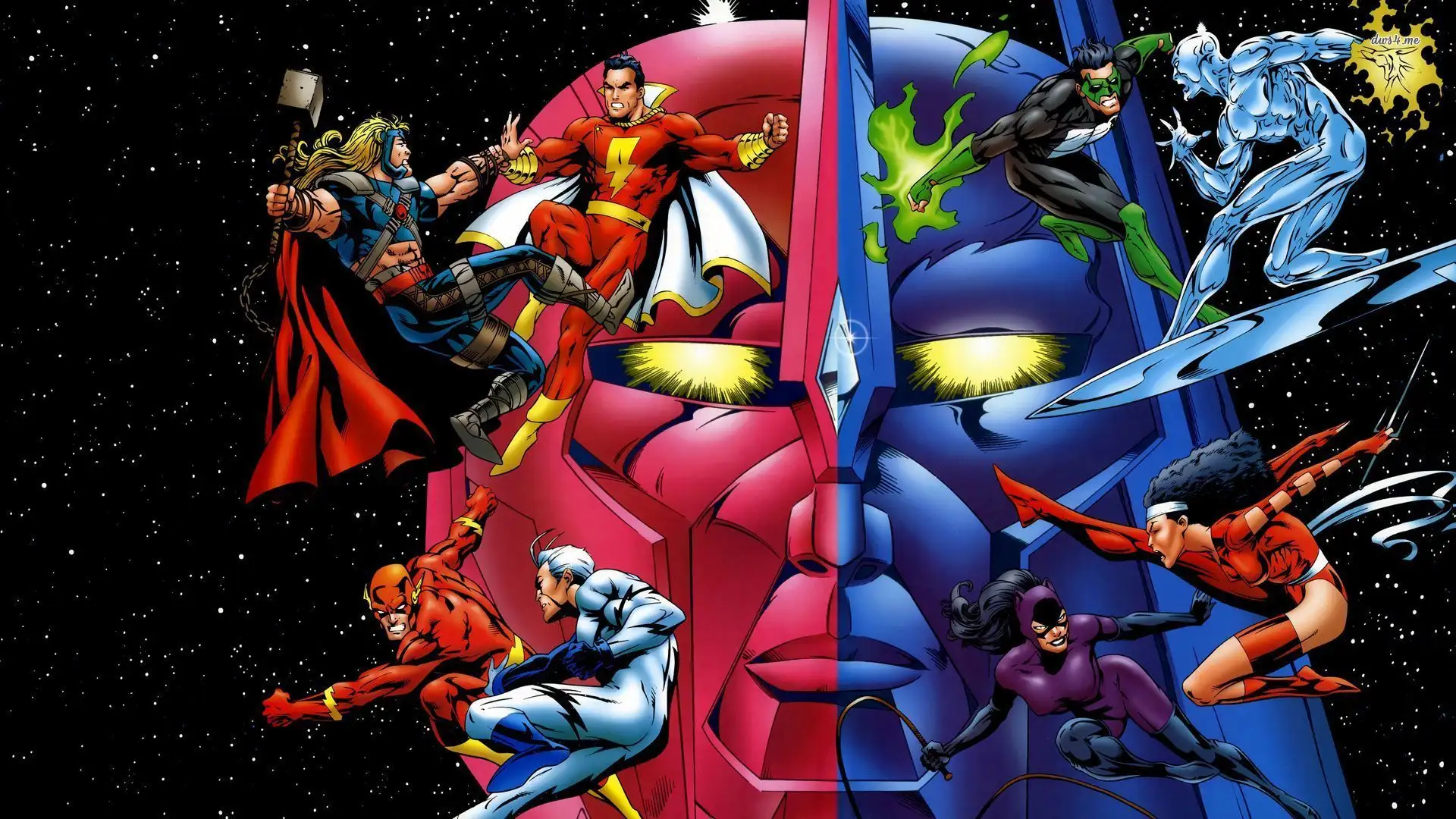
DC is great at making comics and animated movies, while the MCU has the upper hand in its cinematic aspects

Discover the best apps to read books for free in 2025. Access thousands of free e-books and audiobooks on your phone or tablet. ...
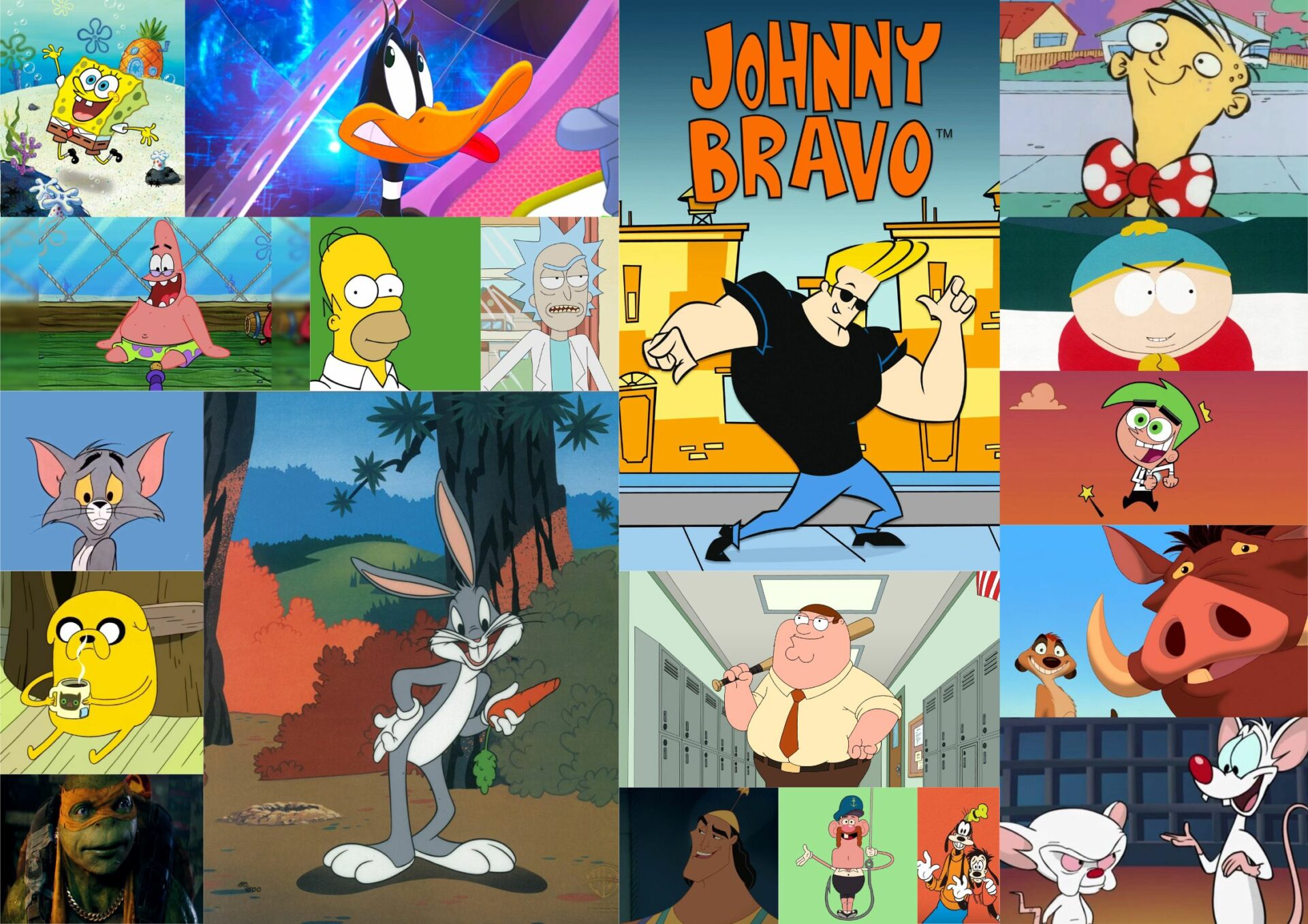
There are some outright funny cartoon characters who exist solely to crack you up, loud, hard, and with zero apology.

Things Fall Apart is for the colonizers as well as the colonized, helping to understand the role of colonialism in the realization...

While many of the Nollywood movies on our list are quite old, it’s a testament to the capabilities of the industry’s p...

While this isn’t an exhaustive list, it comprises some of the most popular mythical creatures from around the world.
Get our magazine for free!