




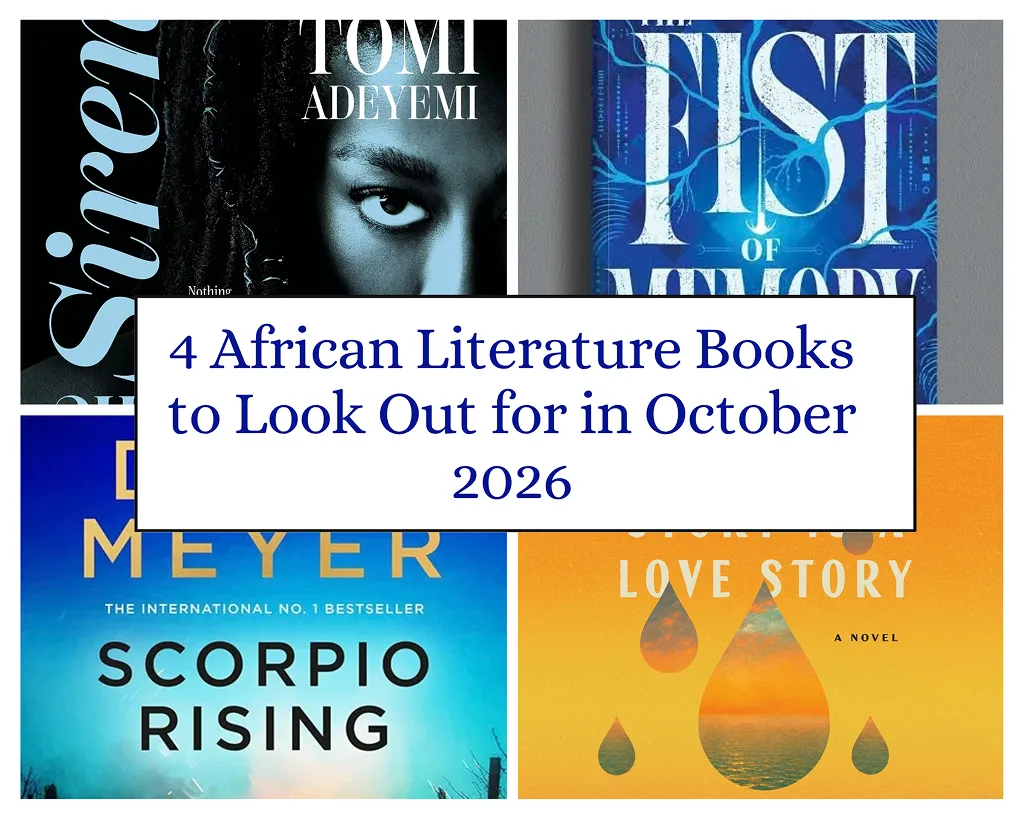



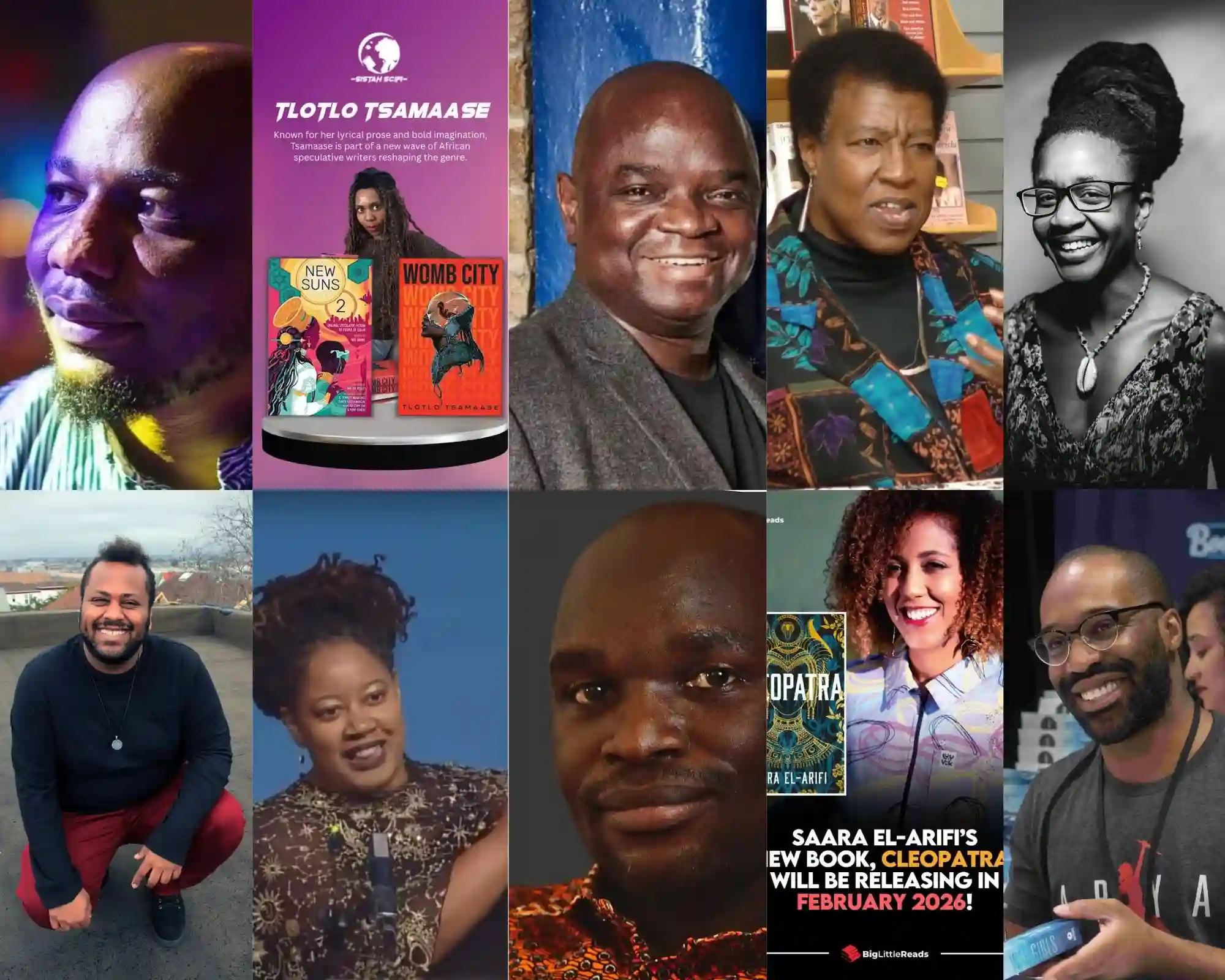
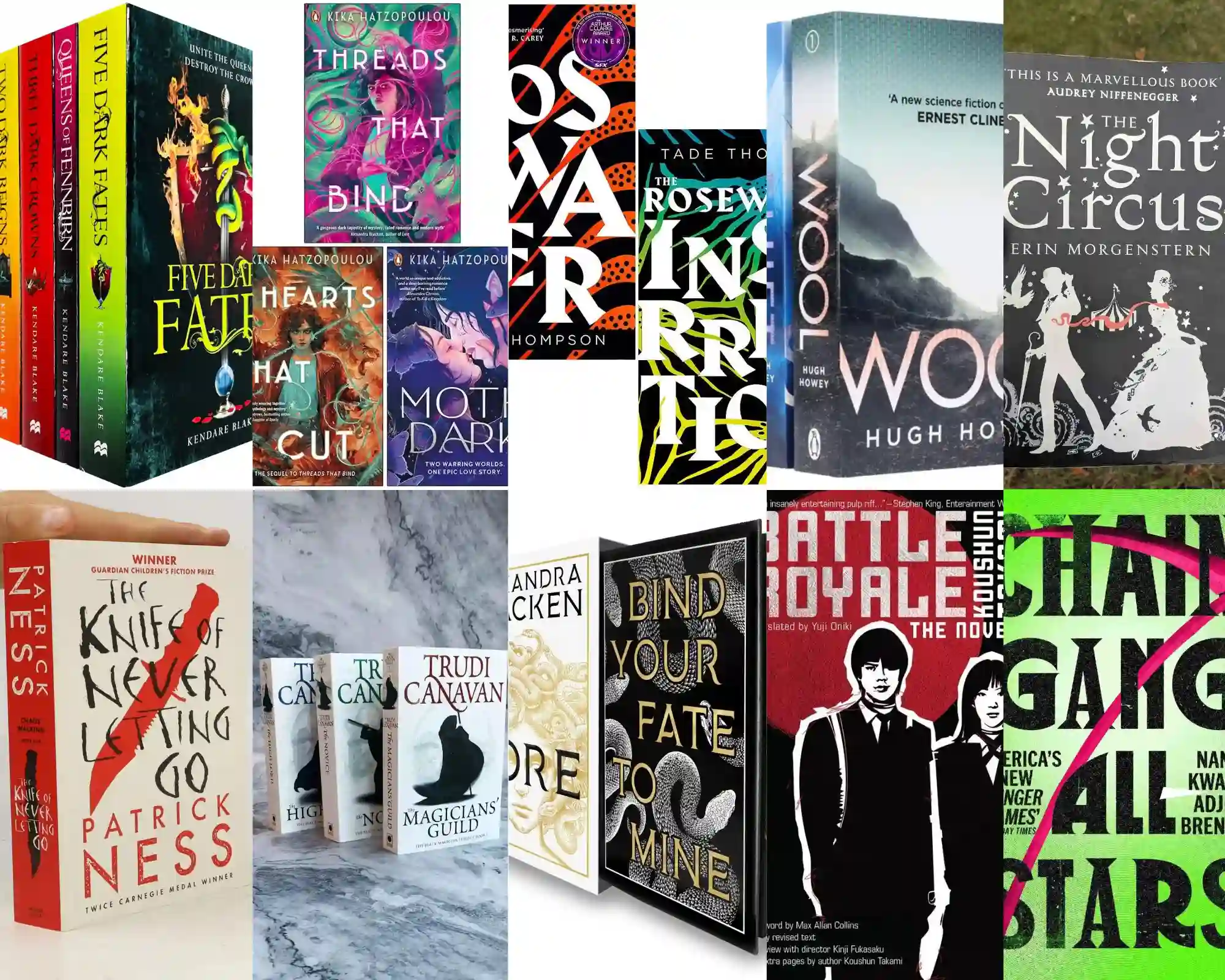








After centuries of subjugation through colonialism and, more recently, neo-colonialism, African Literature writers owe it to their heritage to tell the most authentic narratives possible.

The accurate literary depiction of cultures in an ethnic melting pot like Africa was always going to be imperfect at best. The errors and false labels are just too much, whether it’s names, food, experiences, language, or simple spellings.
Storytellers are saddled with the responsibility of curing the malady of misrepresentation, better reflecting authentic African narratives, and resonating with local and international audiences.

African stories are unique and diverse. Over the decades, they have evolved accordingly to reflect the realities of Black communities globally.
The genre’s classics, including the works of stalwarts like Buchi Emecheta, Chinua Achebe, and Ngũgĩ wa Thiong’o, all sought to explore themes of socio-political upheaval, coming-of-age, and precolonial and 20th-century African experiences.
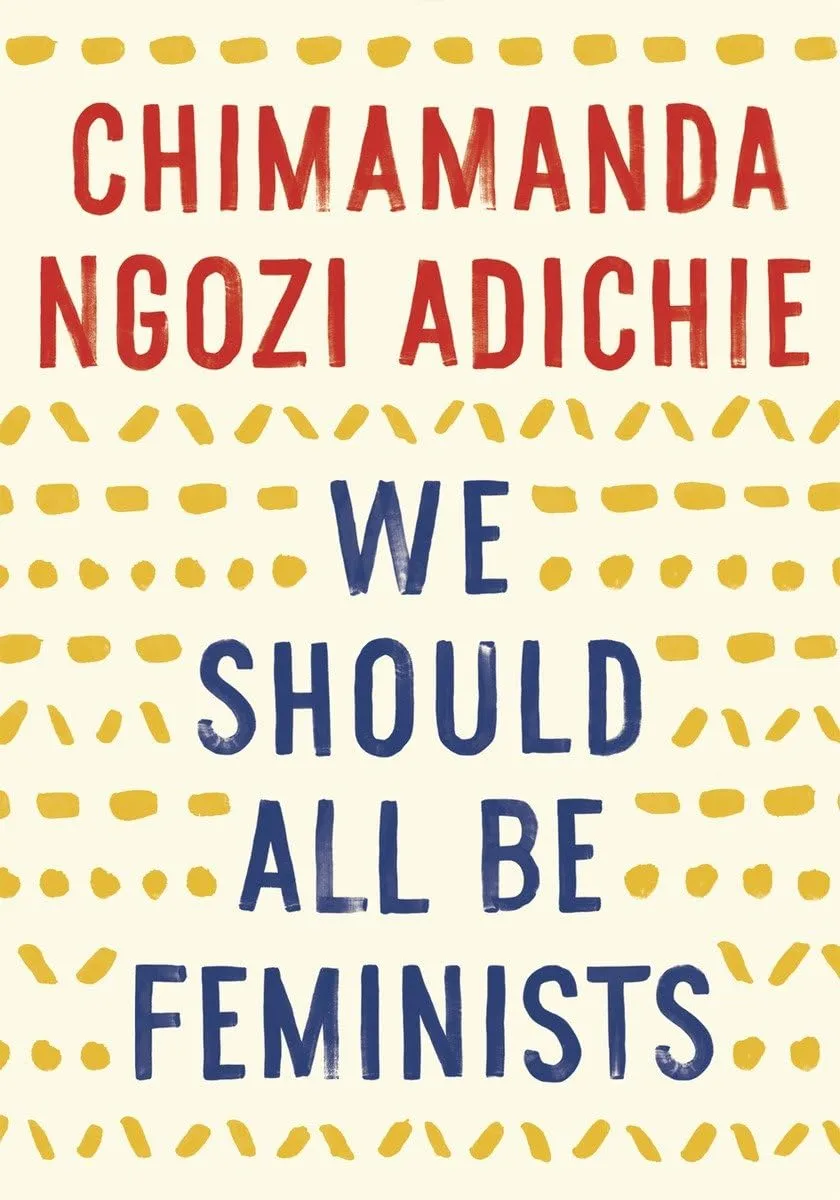
In recent years, there has been a shift in literary consciousness and reading tastes, arguably pioneered by Chimamanda Ngozi Adichie’s rise to stardom.
Books like Second Class Citizen and The Joys of Motherhood, which belong to the class of traditional African literature told by the first set of writers in English, contrast in focus with contemporary works, which, while not too dissimilar, have evolved into something unique.
Indeed, it is this uniquely diverse storytelling that has evolved into the many forms of Black Literature today. However, the question remains:
How accurately are these stories being told?
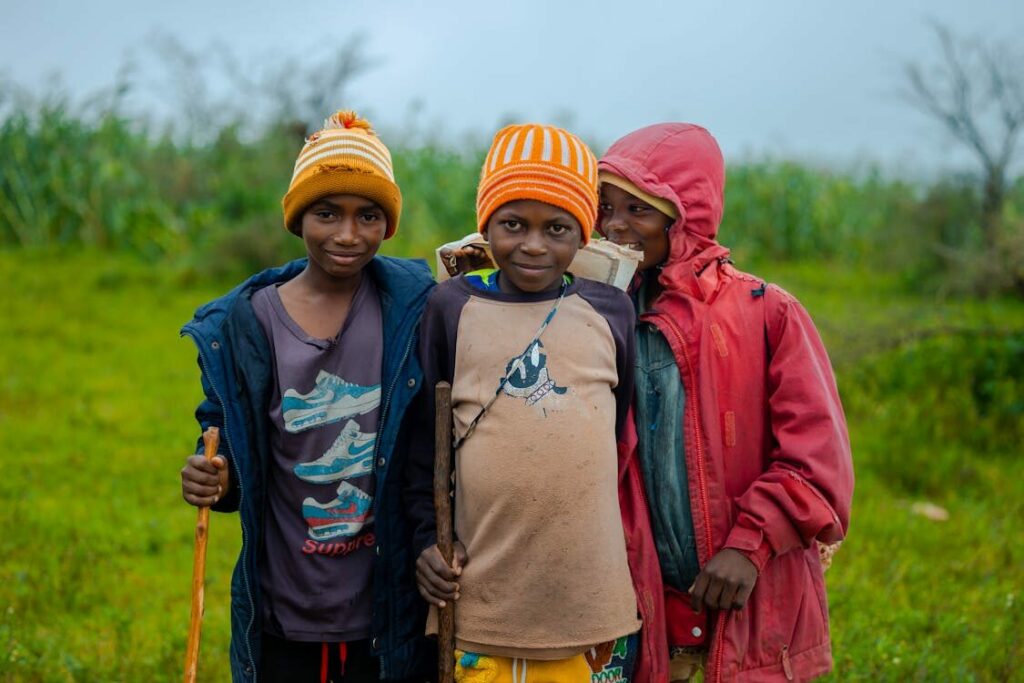
The outcry over overlooked and misrepresented cultural phenomena in the writing of Black literature worldwide is not without merit.
Africa as a whole is beset with problems of history and cultural identity. Despite the ongoing renaissance of African art, both books and movies often struggle to accurately depict key elements of worlds, places, people, and mythologies.
With most popular African literature written in English, issues often arise when translating the names of people and places.
From alien spellings to errors in geographical descriptions, many storytellers get sucked into the cesspool of inaccuracy. While there are no “standards” for writing genre fiction, such cultural misappropriation does not do justice to the African narrative.
Nor does it improve the knowledge of foreign audiences about Africans, said knowledge of which mostly lies in the realm of delusion and misconception, even in a world where accurate information is available with only a few clicks of a button.
There’s a school of thought in African Literature criticism that abhors italicizing Indigenous words. This line of thinking resonates with the argument that italicizing text written in local dialects in English-written African Literature is redundant.
This may seem like the smallest issue on the list- some minor formatting preference. But, to African Literature bibliophiles, it’s a way of standing against all forms of cultural erasure.
Recent trends suggest an ongoing renaissance of African historical narratives and myths, especially those relating to the Yoruba, Bini, and other tribes in modern-day Nigeria.
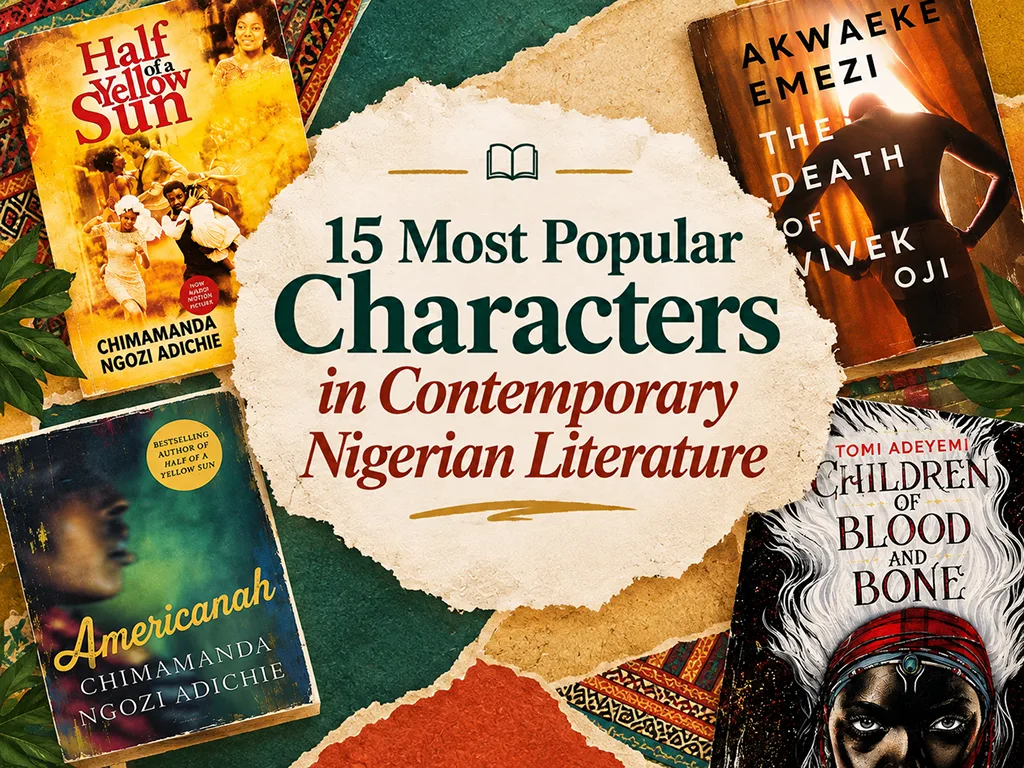
From Jagun Jagun to House of Ga’a, Children of Blood and Bone, and The Woman King, legends and stories once relegated to the realm of idle fantasy have come to the fore, and the industry is furiously milking it.
Still, the overall feeling suggests that these histories and mythologies are being partly bastardized. In writing these themes into African narratives, many storytellers continue to ignore what makes them authentic.
As the current primary source of African stories in art culture, books authored by African-based and diaspora writers are obliged to spare no effort in ensuring the efficient transmission of authentic narratives that appeal to international and African-based audiences.
Despite holding such a strategic position in African storytelling, there’s been deep satisfaction in the faithfulness of diaspora writers to the soul of the source of their literary inspiration. In other words, there’s a lack of trust from some audiences in the ability of this category of writers to pen the most compelling stories accurately.
This concern will continue to be a major talking point in the future, especially given the infrastructure privilege diaspora writers have over their Africa-based counterparts.
Nothing that’s hidden stays in the dark forever. Especially if it’s the treasure trove that lies in African stories.
To derive maximum value from the lessons written in them, it’s important to tell these narratives in their most authentic possible form. This can be possible through:
In African literary fiction, it may not always matter or even be obvious that certain facts in the story aren’t accurate. But, in genre fiction such as Afrojujism, African Fantasy and African Futurism, precision is almost non-negotiable.
From the reader’s point of view, it’s usually easy to tell if an author hasn’t experienced what they’re writing about. Details like names of people, landmarks, and demographics always give them away.
As a result, it’s important to go the extra mile in sourcing accurate data in some stories to capture the essence of the experience better.
The nature of fiction means that authors don’t necessarily need to have experienced something to actually write about it. However, the less familiar with an experience an author is, the less they’re able to write accurately about it.
With African culture chock-full of profound stories across various themes, including feminism, politics, spirituality, and violence, it’s almost impossible for authors of African Literature to write authentic stories without first-hand experience.
And it shows, especially with books written by black writers in the diaspora!
However, this does not mean that this category of storytellers does not have the right to tell our stories. Rather, this fact should serve as a wake-up call for writers to be mindful of the perspectives they write from and the potential limitations involved.
Who are these stories intended for?
For any writer whose source of literary inspiration is the Black Continent, the above is often a difficult question to answer. Torn between the expectations of foreign publishing imprints and local audiences, many authors of African Literature struggle to find the best writing voice for the most authentic yet commercially appealing stories.
The result is often badly misrepresented literature primarily written with foreign audiences in mind and at the expense of accurate storytelling.
While the big bucks have to be made, fairer literary tradeoffs can still be made to cater to the reading tastes of diverse readers, all without compromising on what makes these stories unique.
African Literature is meant to be read and enjoyed by readers across the world. But what happens when these narratives aren’t told in their truest form?
After centuries of subjugation through colonialism and, more recently, neo-colonialism, African Literature writers owe it to their heritage to tell the most authentic narratives possible.
It’s not merely about accuracy for its sake. It’s about placing African Literature in its rightful place among the pantheon of the world’s greatest literary works.
It’s about elevating original African narratives and having the rest of the world sit up keenly, with minds ignited in wonder at the unique realities of stories from the very cradle of life itself.

The Tyrant Overlord. Fantasy buff and avid football fan.
Best Films About Unexpected Age Gap Romance
Literary Awards and the Racism Card: A Wake-Up Call for Black Africa
Interview with the Vampire Relationships, Ranked
10 Top Recent Films for Action and Comedy Fans
Comma Rules Every Writer Should Know
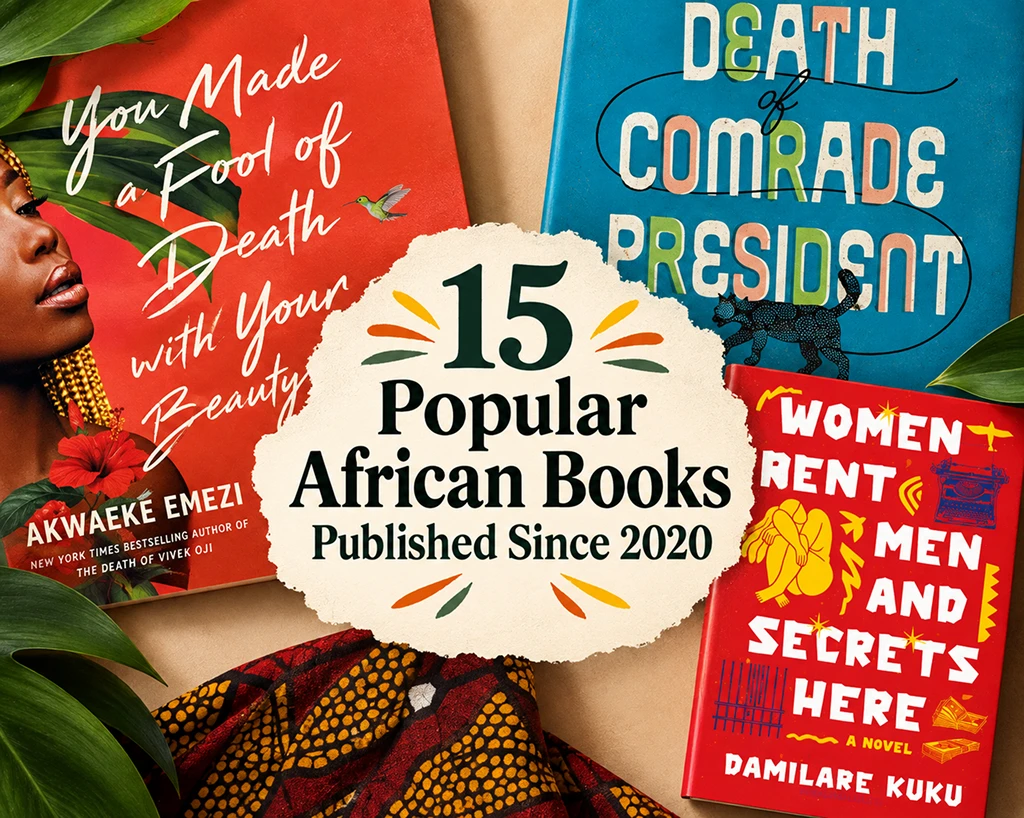
10 Most Hype-worthy 2026 Book Releases (African Literature Version)
Five Gambling Films That Know the Bet Is Only Half the Story
Movies Where Poker Reveals Who a Character Really Is
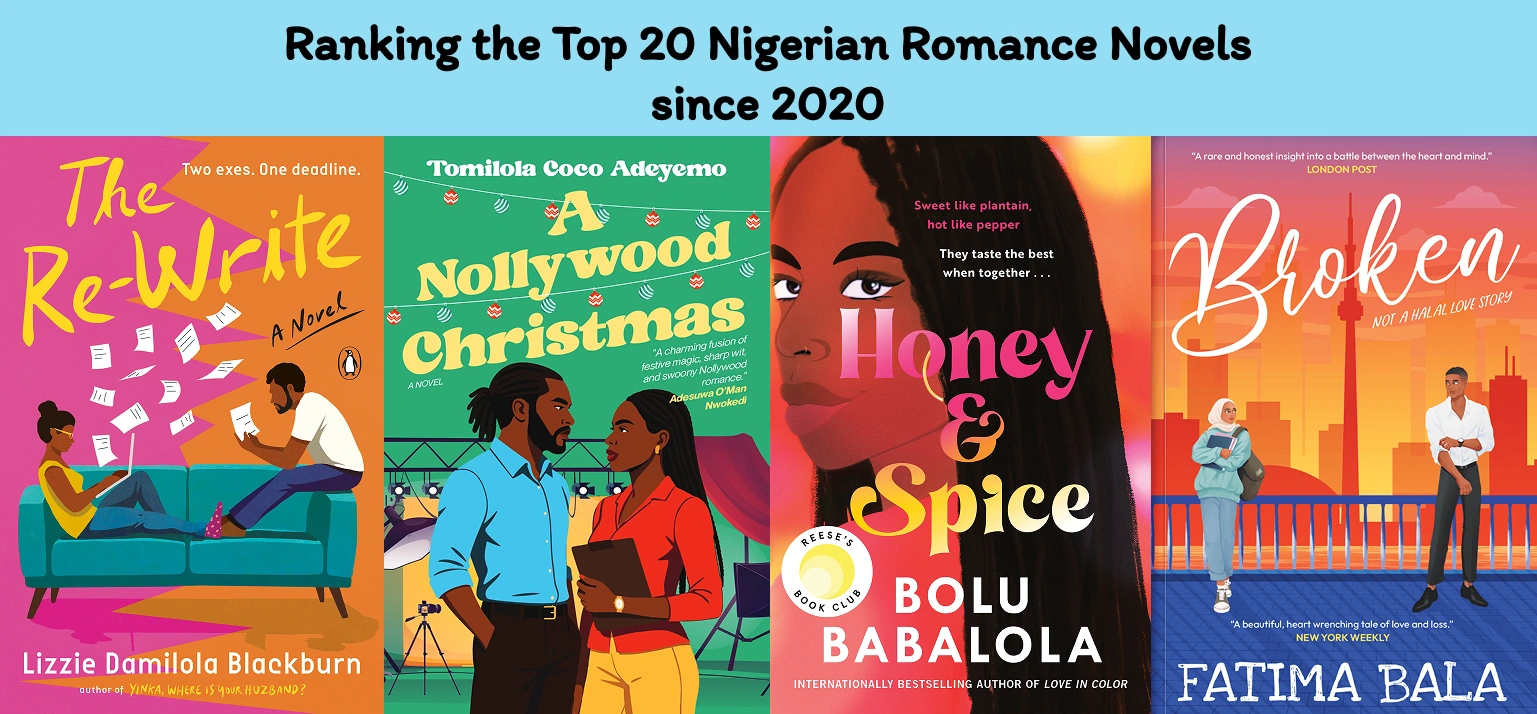
Ranking the Top 20 Nigerian Romance Novels since 2020
In Defense of Reading and Gaming
8 Third-Person Omniscient Examples for the Plot
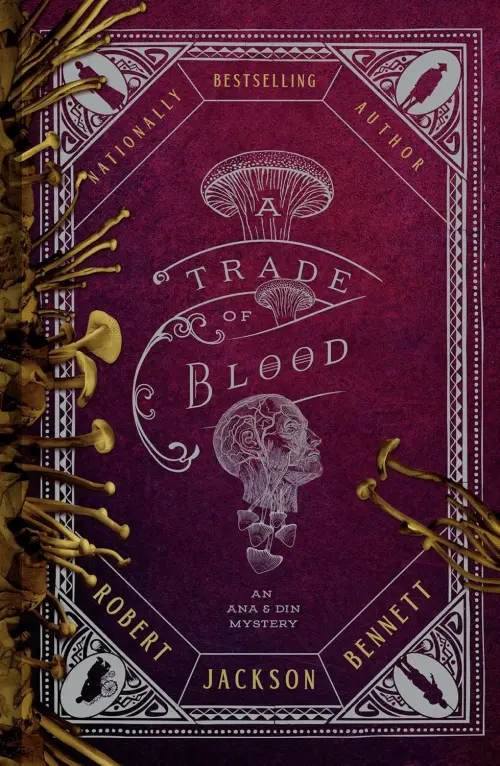
A Trade of Blood (Ana and Din Mysteries #3) by Robert Jackson Bennett
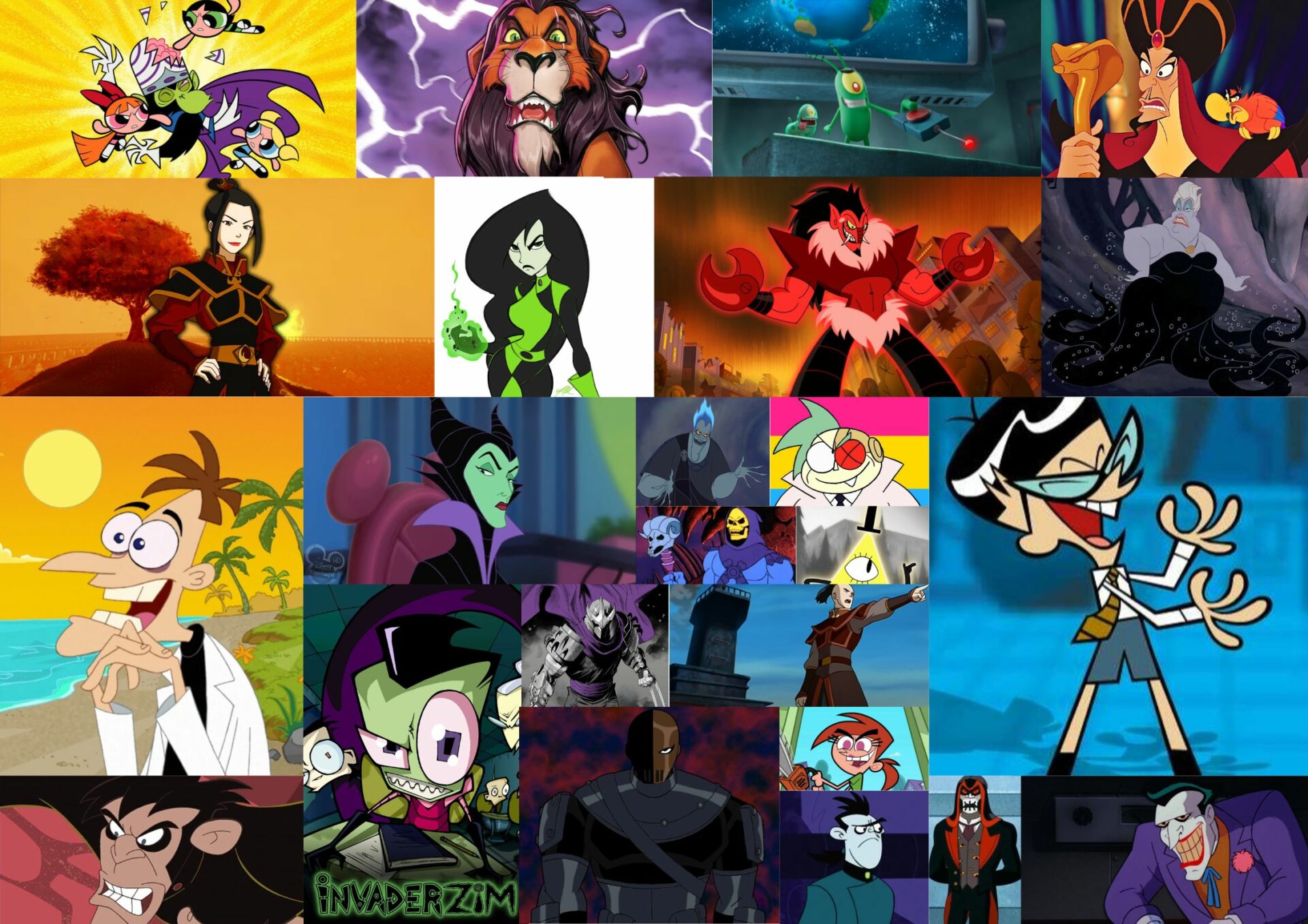
July 20, 2025 .
Animation, Lists
Our list rounds up the top 30 cartoon characters that were villains, each one more wonderfully wicked than the last.
READ MORE
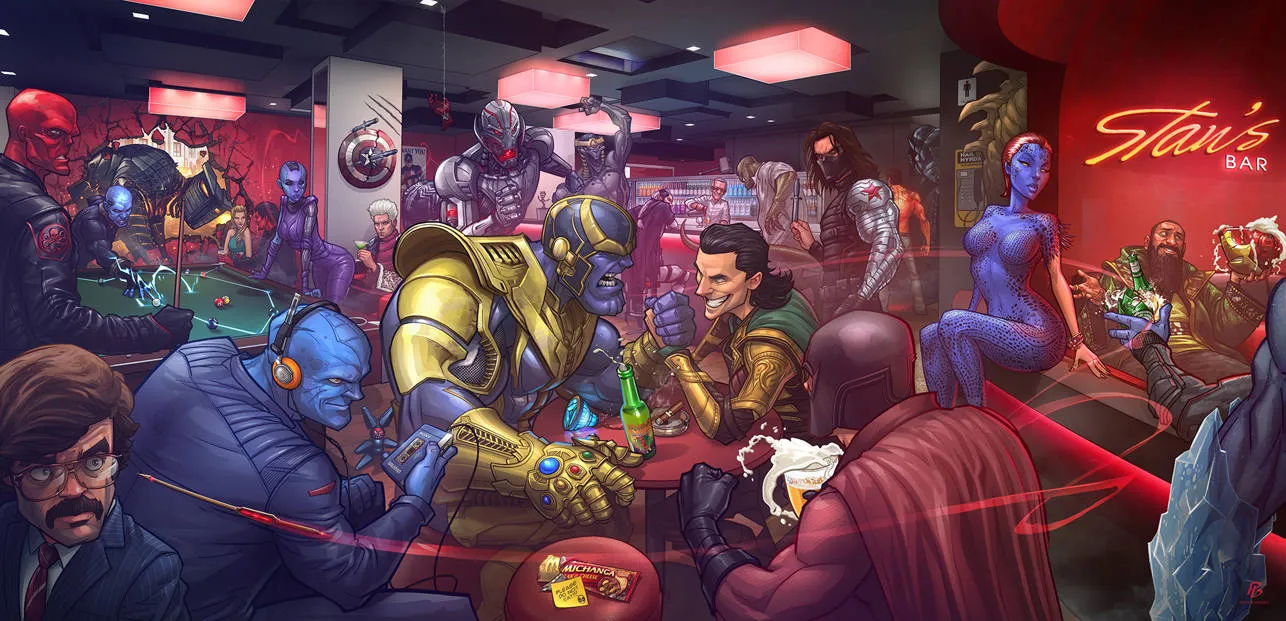
October 28, 2025 .
Lists, Marvel, MCU, Opinions
Let’s go through a list of the top 7 strongest Marvel villains, from the wickedly powerful to the absolutely unstoppable.
READ MORE
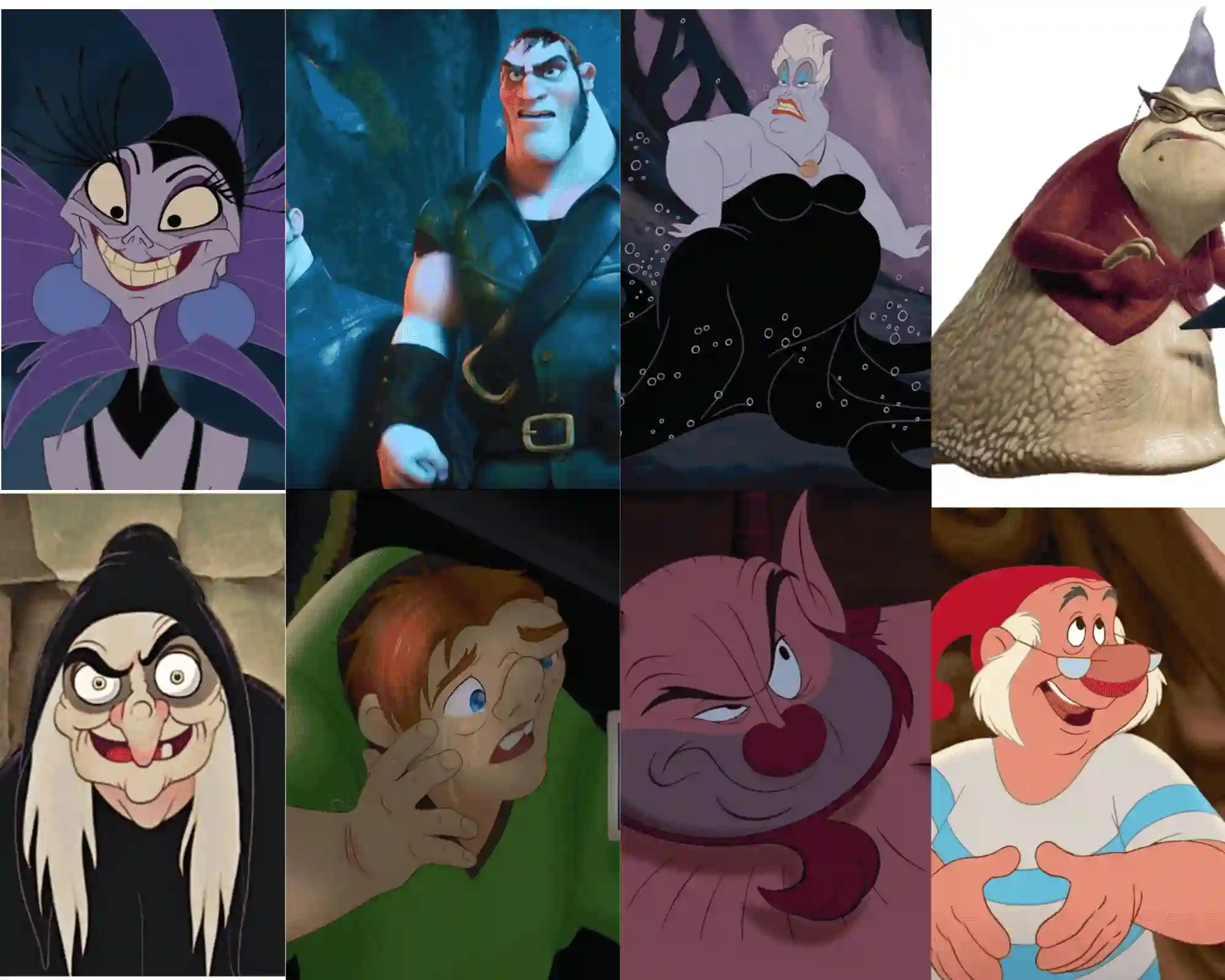
April 29, 2026 .
Lists, Opinions
The Mouse is famous for its princesses and princes. However, the studio’s true genius lies in its embrace of “ugly Disney characters”.
READ MORE
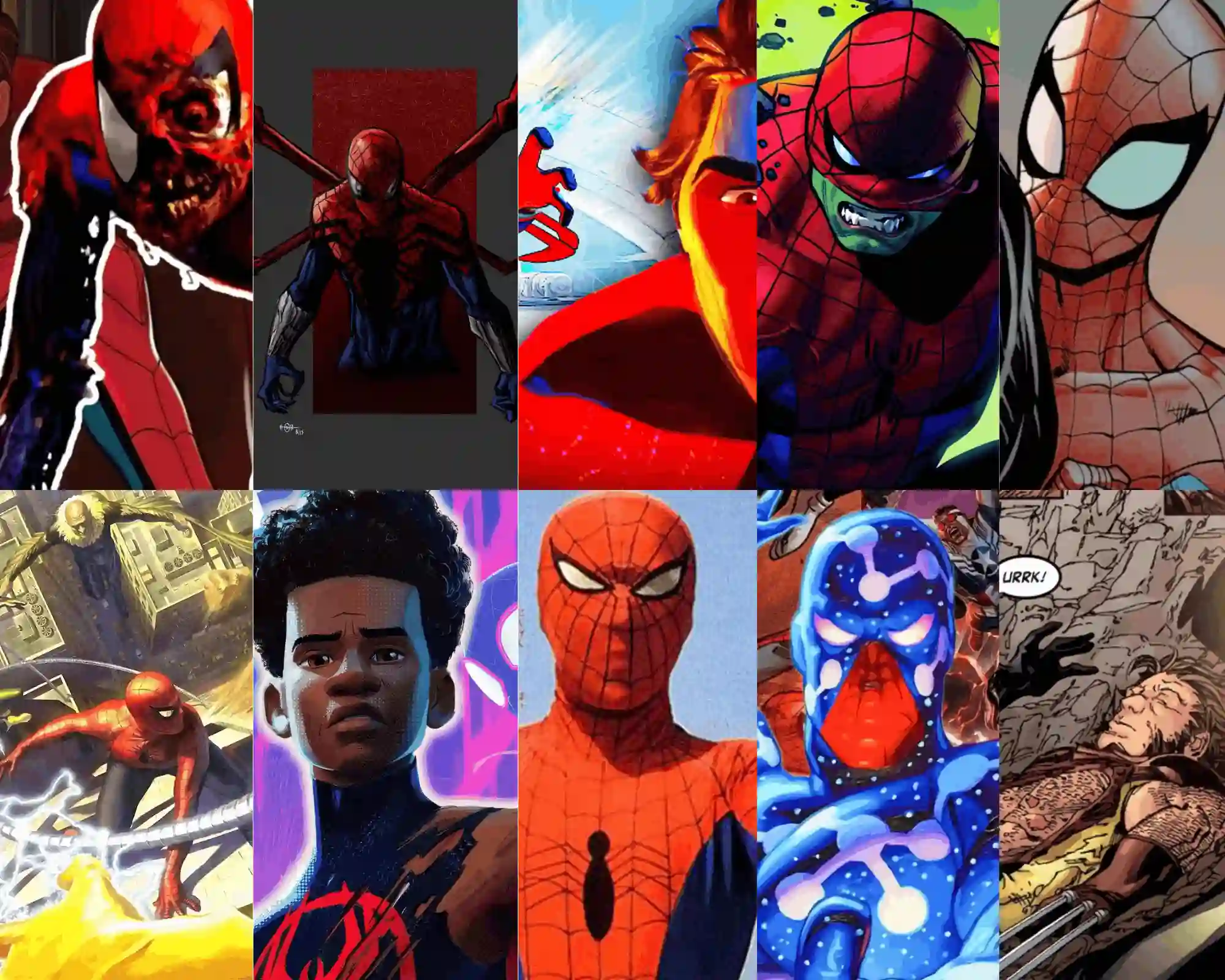
May 6, 2026 .
Lists, MCU
Spider-Man is one of the many superheroes from the Marvel Universe whose stories shaped many childhoods. Who is your strongest Spiderman?
READ MORE
November 27, 2025 .
Lists, Mythology
While this isn’t an exhaustive list, it comprises some of the most popular mythical creatures from around the world.
READ MORE

July 20, 2025 .
Opinions
Book recommendations from random places don’t always cut it, and you often end up feeling unsatisfied with them.
READ MORE

July 20, 2025 .
Essays, Opinions
READ MORE

July 20, 2025 .
Essays, Opinions
READ MORE

July 20, 2025 .
Essays
Except if you have been living under a rock or in outer space since the beginning of time, there is no way you wouldn’t have heard of Wole Soyinka.
READ MORE

September 11, 2026 .
Opinions
Book reviews aren’t just a jumble of words on how a book made you feel but also a veritable document that you can quickly refer to when your memories temporarily fail you.
READ MORE

July 20, 2025 .
Opinions
Reading hundreds of pages for a single book can be like facing Smaug, Chiefest of Calamities, but a short story is a small dragon that you can easily conquer.
READ MORE

July 20, 2025 .
Debates, Opinions
Reading nonfiction about what interests you can provide more color and context that might make your fiction reading experience more enjoyable.
READ MORE
September 12, 2025 .
Opinions
In a fast-paced world, reading asks us to slow down, surrender, and sit with another person’s words long enough for them to settle inside us.
READ MORE
November 24, 2025 .
Debates, Opinions
Reading is active while watching movies is passive. The act of turning pages creates a pause that enhances understanding.
READ MORE
Get our magazine for free!