
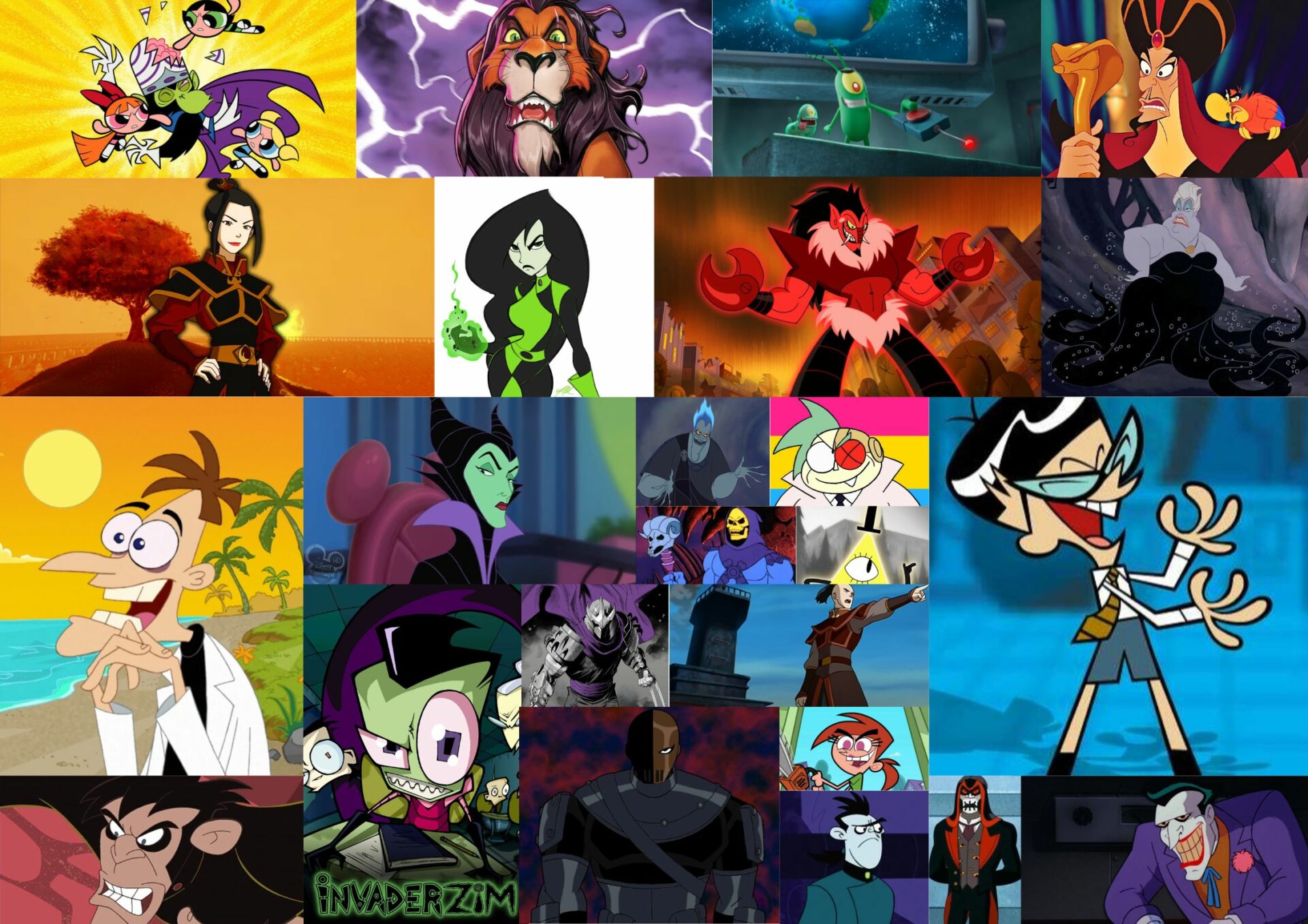
Top 30 Cartoon Characters That Were Villains
Our list rounds up the top 30 cartoon characters that were villains, each one more wonderfully wicked than the last.
Writers Resources
Here comes the part most writers dread: getting people to actually notice it. And in self publishing, promotion isn’t optional.

Let’s be honest. Writing a book feels amazing. Publishing it feels even better. But then comes the part most writers dread: getting people to notice it. And in self publishing, promotion isn’t optional. It is the bridge between your manuscript and readers flipping through the pages or tapping on their screens.
This guide takes a deep dive into promotion strategies that go way beyond “post something.” We’ll talk about what works now, what’s worth testing, and why building real visibility matters more than chasing quick hacks.
Self publishing means control and freedom. You decide everything, especially how your book reaches readers. But that also means you are the primary driver of your book’s visibility, credibility, and long-term success. Promotion is not just a launch-week exercise; it is about ongoing momentum.

Think of your promotional efforts like building a foundation: a strong author platform, a clear audience, and consistent visibility make every other strategy more effective. Without these, ads, giveaways, and social posts often fail to reach their potential.
Promotion isn’t something you do after the book launches. Some of the most effective tactics start weeks or even months before publication.

Ask revealing but straightforward questions about your audience:
Your answers inform every promotion decision, from where you post to what tone you use. A clear reader profile prevents you from guessing and saves time.
Look at books similar to yours, especially best sellers on platforms like Amazon and Goodreads. Please take note of:
This comparison shows what resonates with readers and where your book fits. It also informs metadata and keyword choices for online listings.
A roadmap keeps your efforts focused. Kindly focus on:
Planning lets you stagger promotions so readers see regular updates rather than a last-minute scramble.
Start gathering an audience before launch through an email list or social media community. Email lists are especially valuable because they are yours and unaffected by changing algorithms.
Offer incentives to sign up, like:
Even a small number of engaged readers early on can create momentum and credibility when your book launches.
Sharing teasers, cover reveals, quotes, and behind-the-scenes insights warms readers up and piques curiosity. Offering Advance Review Copies (ARCs) to bloggers, influencers, or dedicated readers before launch helps get reviews out into the world fast.
These early voices provide social proof that will make your book feel legitimate and compelling to new readers. Positive reviews and mentions also boost your book’s visibility on retail platforms.
Your author platform is where readers experience you as a creator. It’s not simply a website or social media account. It’s a hub of credibility and engagement.

A dedicated author website is where everything lives visually and logically. Each book should ideally get its own page with:
Search engine optimisation (SEO) helps new readers discover your work over time. Tools like WordPress with Yoast or Rank Math plugins make SEO easier for authors.
You don’t need every platform, just the ones that make the most sense. For many authors, these include:
Whatever you choose, consistency beats random posting. Post regularly, interact with followers, and focus on meaningful engagement rather than sheer follower numbers.
Content variety helps maintain interest. Mix up your Content with quotes, short videos, behind-the-scenes posts, polls, and questions. Avoid constant “buy this book” posts and instead aim to invite readers into the story world or your author journey.
Podcast interviews and guest blog posts expose you to new audiences. Pitch to shows and sites relevant to your book subject with a short, clear proposal explaining why your story or insight matters to their listeners/readers.
Your launch week is critical for algorithmic visibility and initial sales momentum. The strategies below help maximise impact.

The launch week sets the tone for your book’s visibility. Key components include scheduled email blasts with clear calls to action, coordinated social media posts, and discounted launch pricing or bonuses. A concentrated push during launch week helps retail algorithms and increases momentum.
Virtual launch parties, live readings, or Q&A sessions create excitement. Platforms like Zoom and Facebook Live enable global participation and offer opportunities for direct interaction with readers.
Short-term incentives help attract readers. Limited-time discounts, free chapters, or contests build urgency. These tactics can boost visibility, especially when paired with social campaigns. These strategies also encourage reviews and shares, amplifying your reach.
Book clubs can act as micro-influencers. Reach out to book clubs, both local and online, with compelling book blurbs and direct links. Offer discussion guides or virtual sessions to increase adoption. Book club members can become super fans and influential word-of-mouth promoters.
Most authors mistakenly think promotion ends once the book hits shelves. It doesn’t. Sustained engagement is where your book keeps earning attention long-term.
Leverage Reviews Everywhere: Encourage readers to post reviews on retail sites and Goodreads. Reviews not only influence new readers but also improve search visibility and algorithmic ranking.

Keep Content Fresh: Regularly share blog posts, newsletters, and social media updates tied to your book’s themes. Consistency maintains interest without overwhelming the audience.
Collaborations and Influencer Connections: Partner authentically with bloggers, bookstagrammers, or micro-influencers. Offer guest posts, interviews, or shared events. These relationships expose your book to established audiences that already enjoy the genre.
Grow Your Author Brand Over Time: Your author identity is your long-term asset. Every new book, newsletter, blog post, and social interaction adds to your brand. Readers are more likely to buy future books if they feel connected to you.
Ads can help, but they’re not magic. Start with small budgets. Test what works. Look at the results before you commit more money. Paid ads are most effective when:
Slots like Amazon ads, Facebook ads, and TikTok promotions each have different audiences and strengths, so measure what works for your genre.
Know what success looks like for you. It might be: Email signups, website visits, engagement rates, or book sales. You don’t need every metric. Pick a few, track them, and adjust your strategy based on real results. Analytics show what’s working and what needs adjustment, allowing smarter promotion over time.
Marketing is iterative. Drop ineffective tactics, double down on what works, and keep experimenting. The self-publishing landscape is constantly changing, so staying flexible keeps your strategy current.
Promotion in self publishing is like gardening: it requires preparation, planting, tending, and patience. Not everything grows overnight, but with strategy, consistent effort, and authentic engagement, your book can reach the right readers.
Our list rounds up the top 30 cartoon characters that were villains, each one more wonderfully wicked than the last.
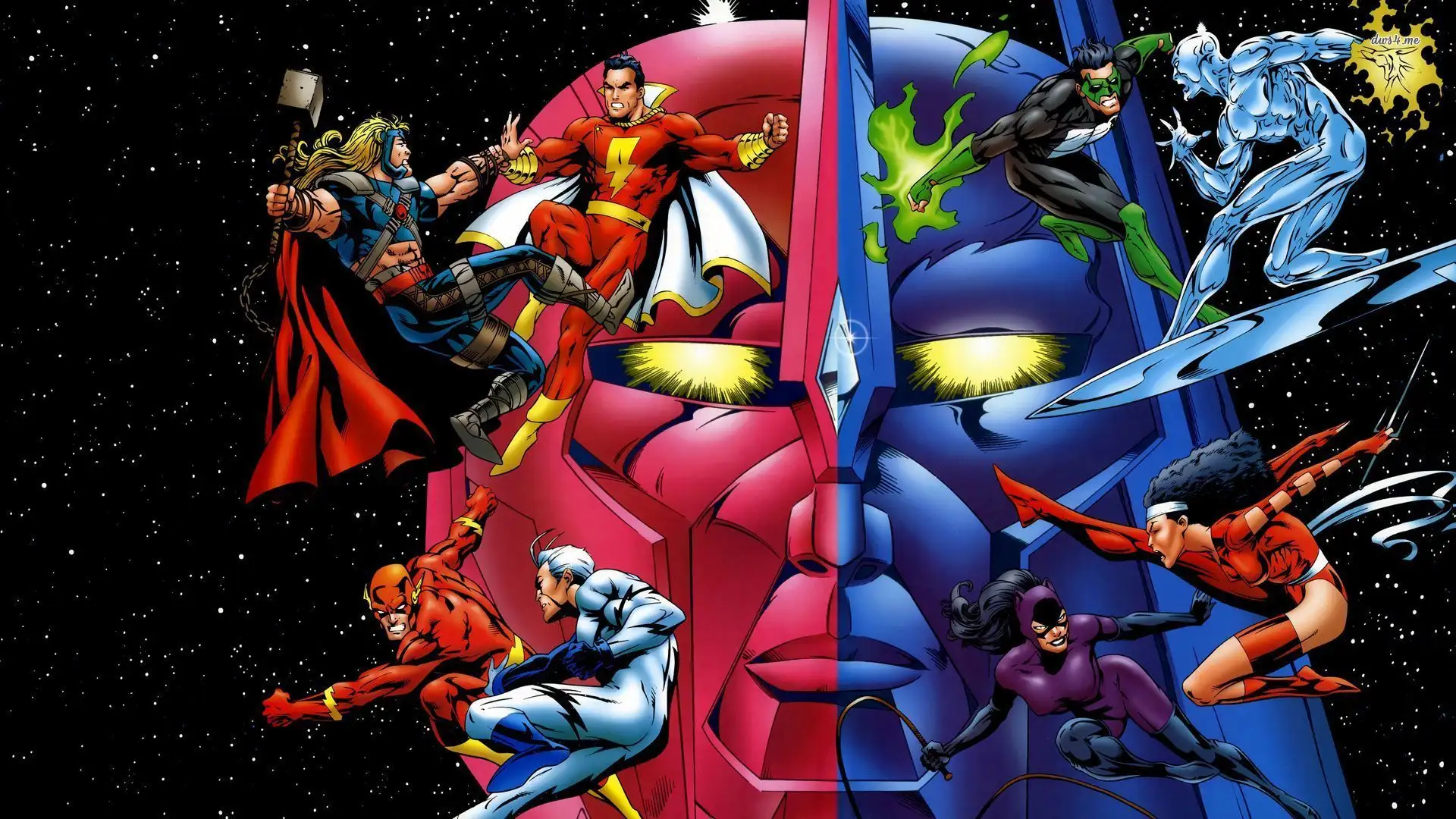
DC is great at making comics and animated movies, while the MCU has the upper hand in its cinematic aspects
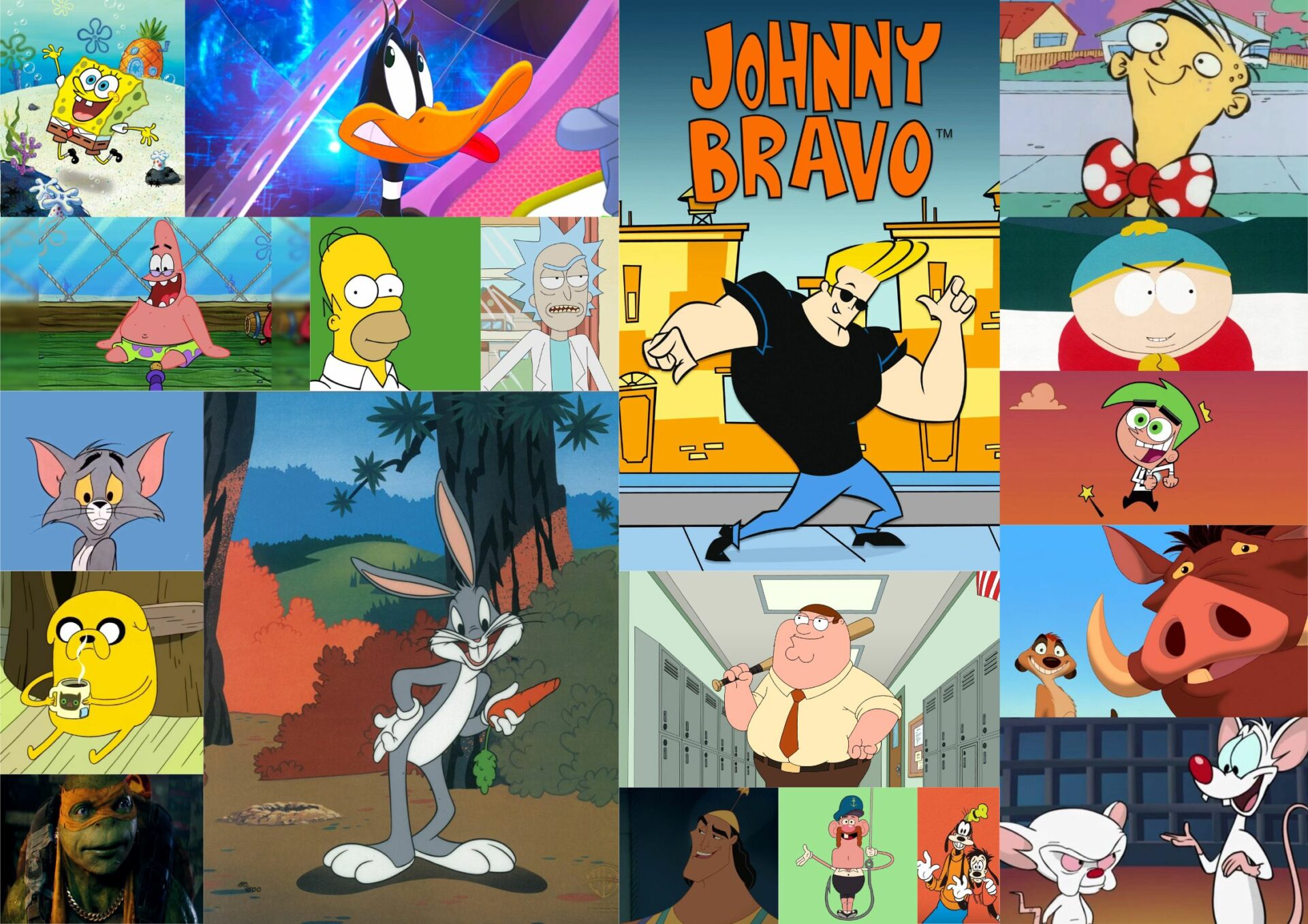
There are some outright funny cartoon characters who exist solely to crack you up, loud, hard, and with zero apology.

Discover the best apps to read books for free in 2025. Access thousands of free e-books and audiobooks on your phone or tablet. ...

Things Fall Apart is for the colonizers as well as the colonized, helping to understand the role of colonialism in the realization...

While many of the Nollywood movies on our list are quite old, it’s a testament to the capabilities of the industry’s p...

While this isn’t an exhaustive list, it comprises some of the most popular mythical creatures from around the world.
Get our magazine for free!