















As an African woman, I have lived in shame, and shame has lived in me. I told myself I was keeping my virginity for my husband. I needed to be a virtuous woman to be appreciated, I did not know what virtue meant, and honestly, I still don’t.

The Sex Lives of African Women is a 2021 release that I thoroughly enjoyed. It is raw and brutally honest- a rebellion. It is a book where women tell undiluted stories about their sex lives and what sex means to them.
I am particularly grateful to the author Nana Darkoa for sharing these life-changing stories with us, for braving the odds, and putting women and sex in the same plot where women are the active tellers; for sharing the stories of women who have gone and demanded pleasure, who realized what sex meant to them and promptly went to get it; who have called the shots in their lives on a subject they have been groomed to be silent about.
From the journey of self-discovery to freedom to healing, we were opened up to raw, undiluted accounts of what sex meant to women. For so long have people told women what to do, how to live our lives, the meaning of our lives, and the utility we exist to serve.
We have not really known ourselves for ourselves. The much we have known is due to people’s telling, and so to read about women who have also struggled and are on this journey of self-discovery, sexual freedom, and Healing make us feel like we are not alone. It makes us realize that we are not demanding too much from life and that difference isn’t bad. After all, the rainbow is one of the most beautiful things you see in the sky.
The journey to sexual freedom, as rightly expressed, is not linear. It is a lot of unlearning of shame, obligations, and disgrace to get there. To read of women who have been there or who are there was such a great experience for me. I enjoyed it. I laughed, I yelled, and I got angry simultaneously. I became aware too, and more sensitive. My favorite section is Healing. I felt I was reading stories of myself in people’s telling. I could find fragments of myself in everybody’s life.
I didn’t agree with some of the women’s choices, like sleeping with people when you knew you might have HIV. Aside from that, I appreciated the book.
I recognize that some people are healing. Actually, all women are healing: from childhood trauma, bad sex, toxic relationships, among others.
For me reading this book is a step to my sexual freedom. It has given me a window into another life I thought was only possible in fictional books and movies.
As an African woman, I have lived in shame, and shame has lived in me. I told myself I was keeping my virginity for my husband. I needed to be a virtuous woman to be appreciated, I did not know what virtue meant, and honestly, I still don’t. I also got soaked in the concept of your pleasure being for someone else and not for you. You don’t talk about sex, and you don’t dream about it; it’s not for me.
Constantly I was reminded of my status as a woman; hence, I wasn’t allowed to indulge in or be caught talking about things like sex. Although I lived in it, I was told that my body did not belong to me but belonged to a man and I must take care of it for that man that will marry me. It felt stupid and ridiculous, but I listened and obeyed because I wanted to be “good,” but that lasted only for a very short while. It took me years of unlearning to peel the shame off me gradually. It will probably take me my entire lifetime to completely rid myself of it
I carried these wishful thoughts to my adult life, cursing and judging people who had sex but secretly wishing I was them till I woke up one day with the epiphanic thought, “what if I never got married? ” I didn’t even like marriage then and I still don’t, and frankly speaking, I am not marriage material.
I am a bad woman and unashamed 😂. I always said I must marry the person I have sex with because, like the author Nana Darkoa I didn’t want people to say, “dem clear me.”
My thoughts were nobody would want me if I had sex unmarried because I would be damaged.
I also woke up to the thought that why did I have to preserve myself for someone else other than myself.? Was I that insignificant? Was that how much I didn’t matter, to anyone, even to myself? That my own body cannot do what I want but should do what someone else wants?
Then, I gradually began to unlearn shame. It was as if for so long I carried the burden of the world on my shoulders, and finally, I was letting go. I began to talk about sex, read about it, and not feel disgusted by it. I began to appreciate self-pleasure and then found out I liked it here, the bold and unashamed in this new world I was in.
So for me, The Sex lives of African women were stories of women I envied, who broke boundaries and explored their sexuality and sensuality, women who broke free of abusive relationships and who demanded to be lived fully and wholly.
My disappointment with this book- which is really my fault and no fault of the author- is that it had most stories of African women living in the diaspora. The disappointment is not on the author but me because somehow, I was expecting stories of women who live in Africa, their sex lives, and stories of older women. You know, living in Africa and exploring sex and sexuality is hard. So I was looking forward to reading something I could directly relate with, which is my fault. I should not have concluded quickly by the title or let my imagination run wild. Because of that prejudice, I could not connect very well with the characters. You know, I wanted to live in them and them in me, but it felt like I was reading the stories of people outside of me.
I truly wanted more

hi i am nasiba .
July 20, 2025 .
Animation, Lists
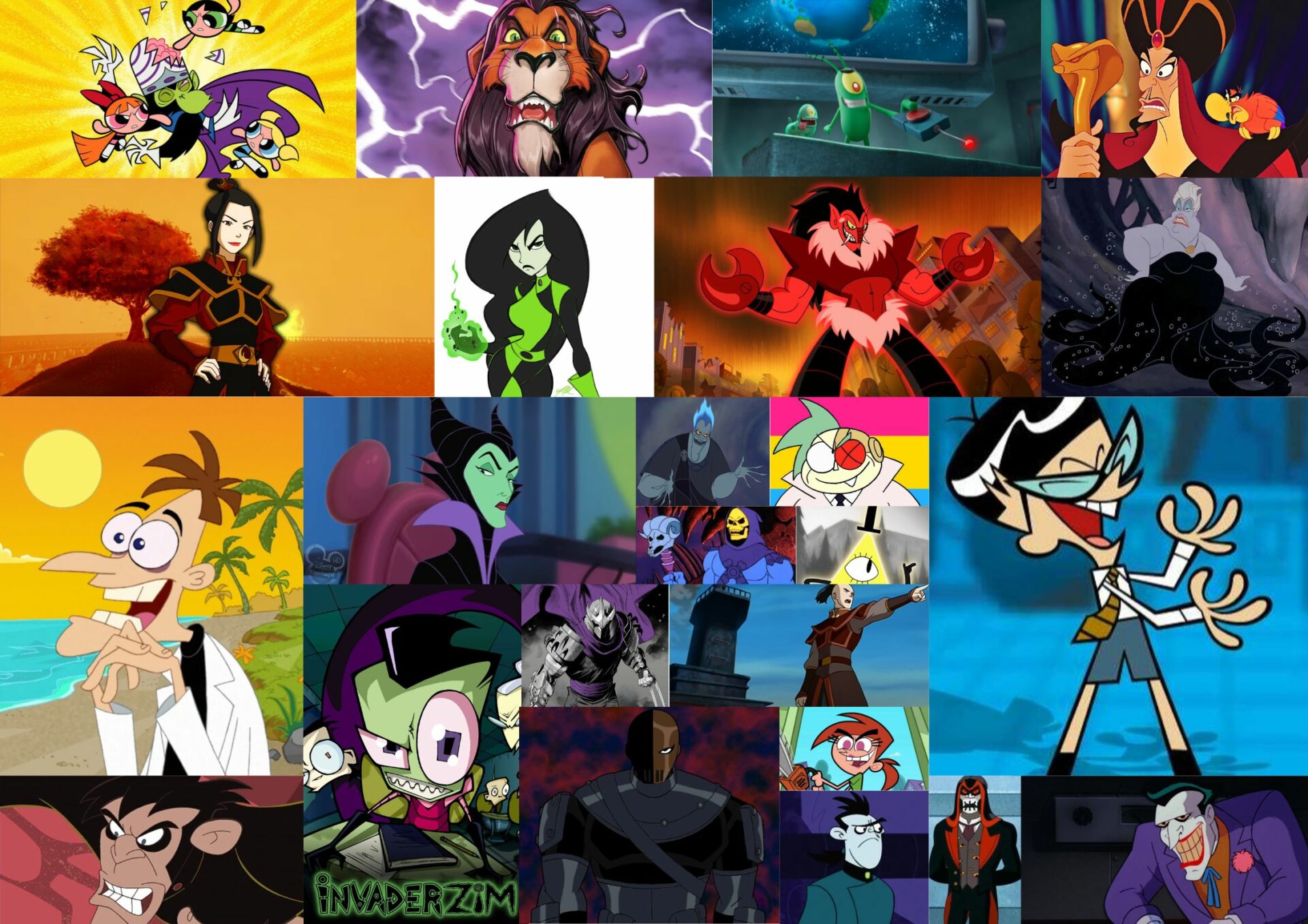
Our list rounds up the top 30 cartoon characters that were villains, each one more wonderfully wicked than the last.
READ MORE
April 29, 2026 .
Lists, Opinions
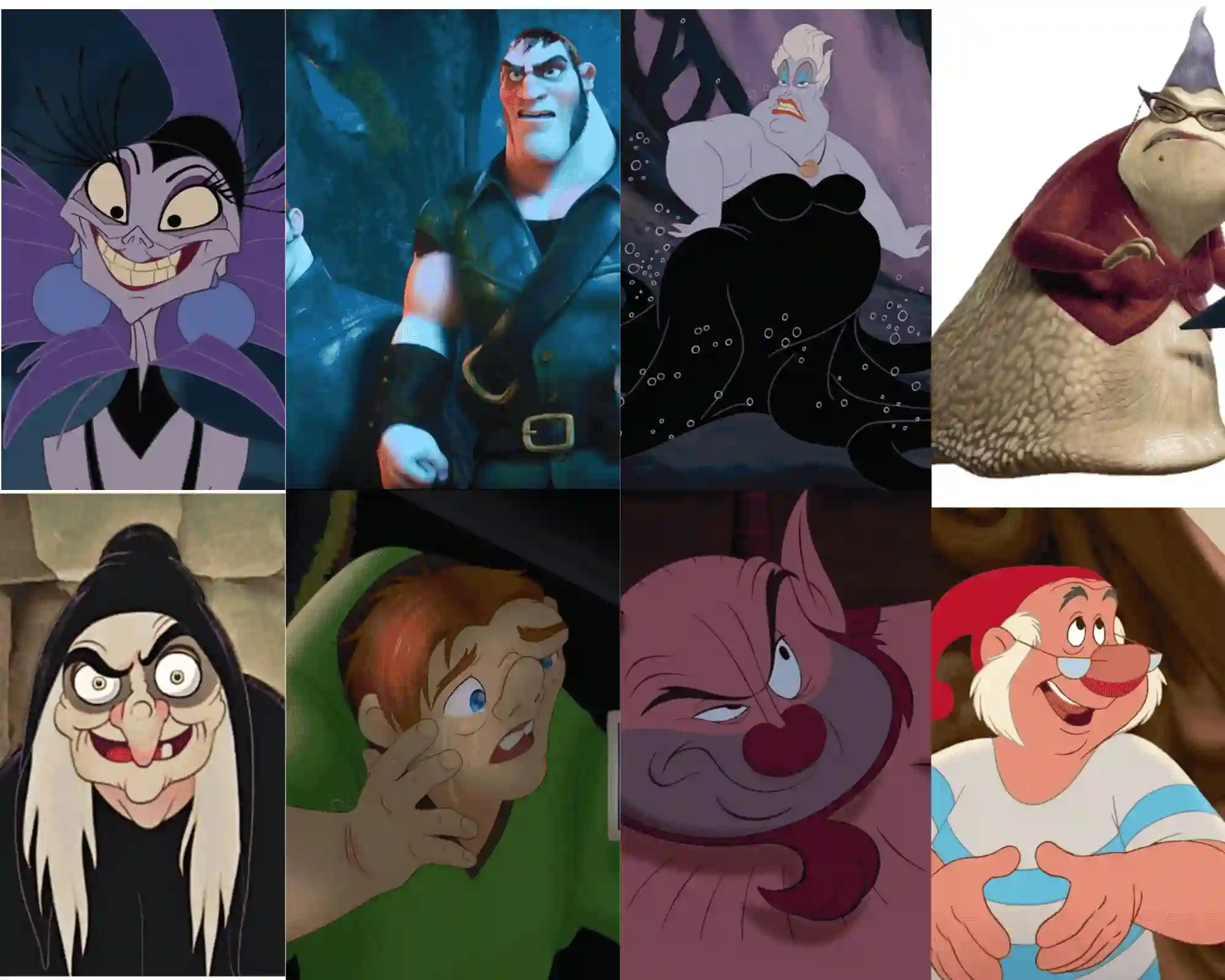
The Mouse is famous for its princesses and princes. However, the studio’s true genius lies in its embrace of “ugly Disney characters”.
READ MORE
October 28, 2025 .
Debates, Lists, Marvel, MCU
Every Marvel hero brings something to the table. But if we had to pick the top 8 most popular Marvel superheroes, who would make the cut?
READ MORE
November 27, 2025 .
Lists, Mythology
While this isn’t an exhaustive list, it comprises some of the most popular mythical creatures from around the world.
READ MORE
May 6, 2026 .
Lists, MCU
Spider-Man is one of the many superheroes from the Marvel Universe whose stories shaped many childhoods. Who is your strongest Spiderman?
READ MORE
October 12, 2021 .
African Literature, chimamanda, cna, zikora
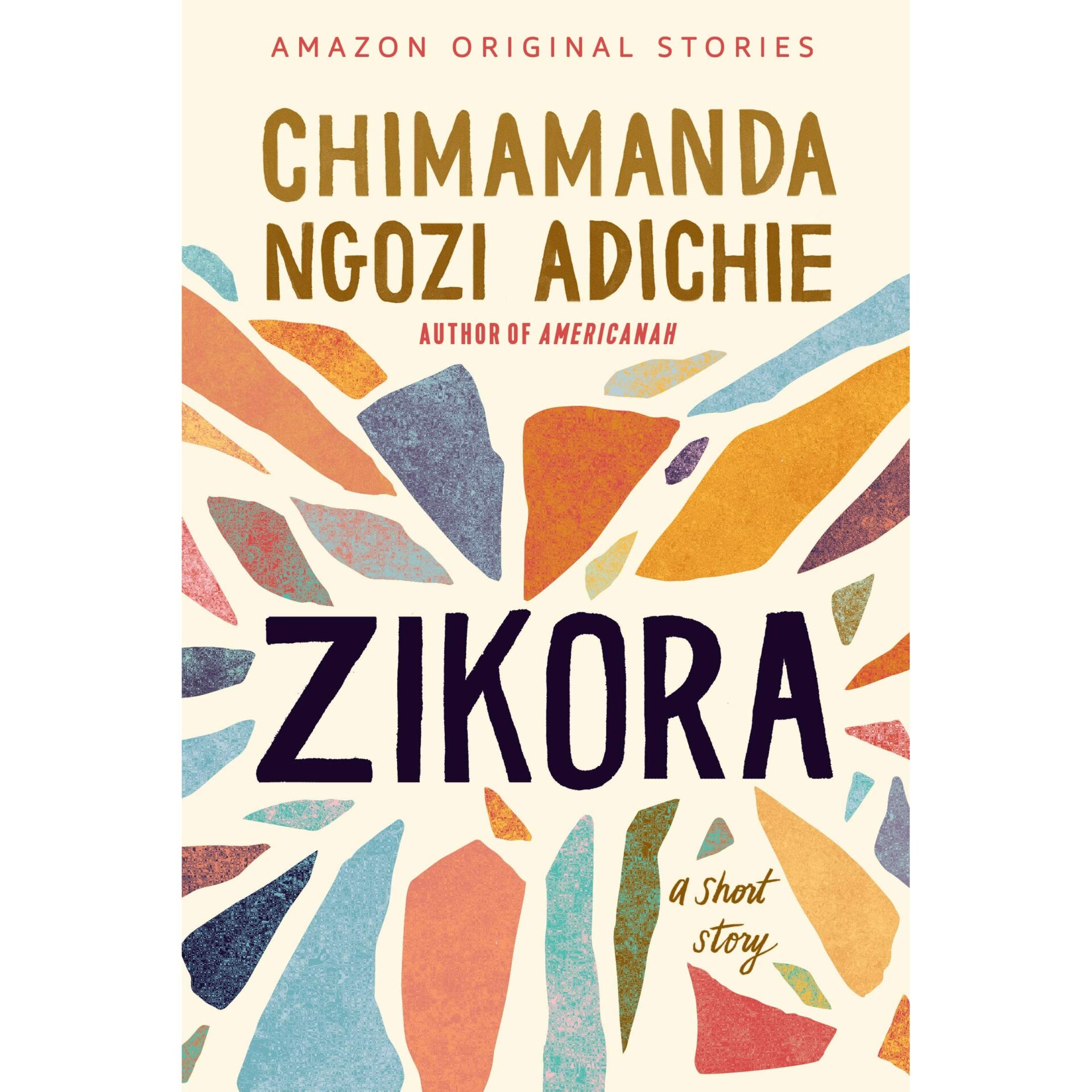
Hopefully, the reading of a book as this will enlighten men and generally educate people in the making of the right choices regarding amatory unions.
READ MORE
September 2, 2025 .
African Literature
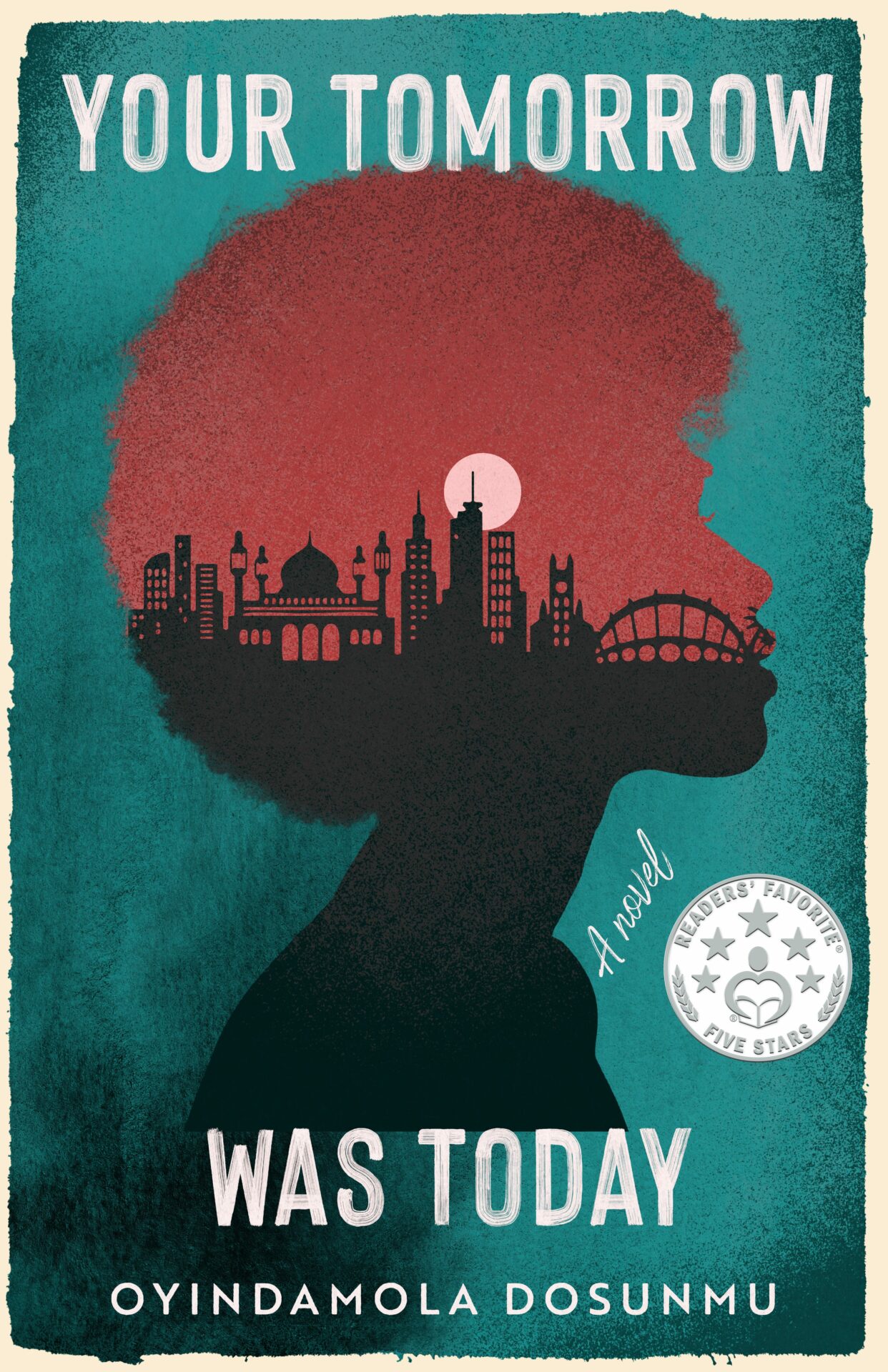
So yes, Your Tomorrow Was Today is guaranteed to be a book that will touch you, regardless of gender, interests or philosophy.
READ MORE
February 19, 2022 .
African Literature, Book Reviews, British Nigerian, lizziedamilolablackburn, Nigerian, Self growth, yinkawhereisyourhuzband
READ MORE

January 26, 2025 .
African Literature, sharjah
READ MORE
November 12, 2023 .
African Literature
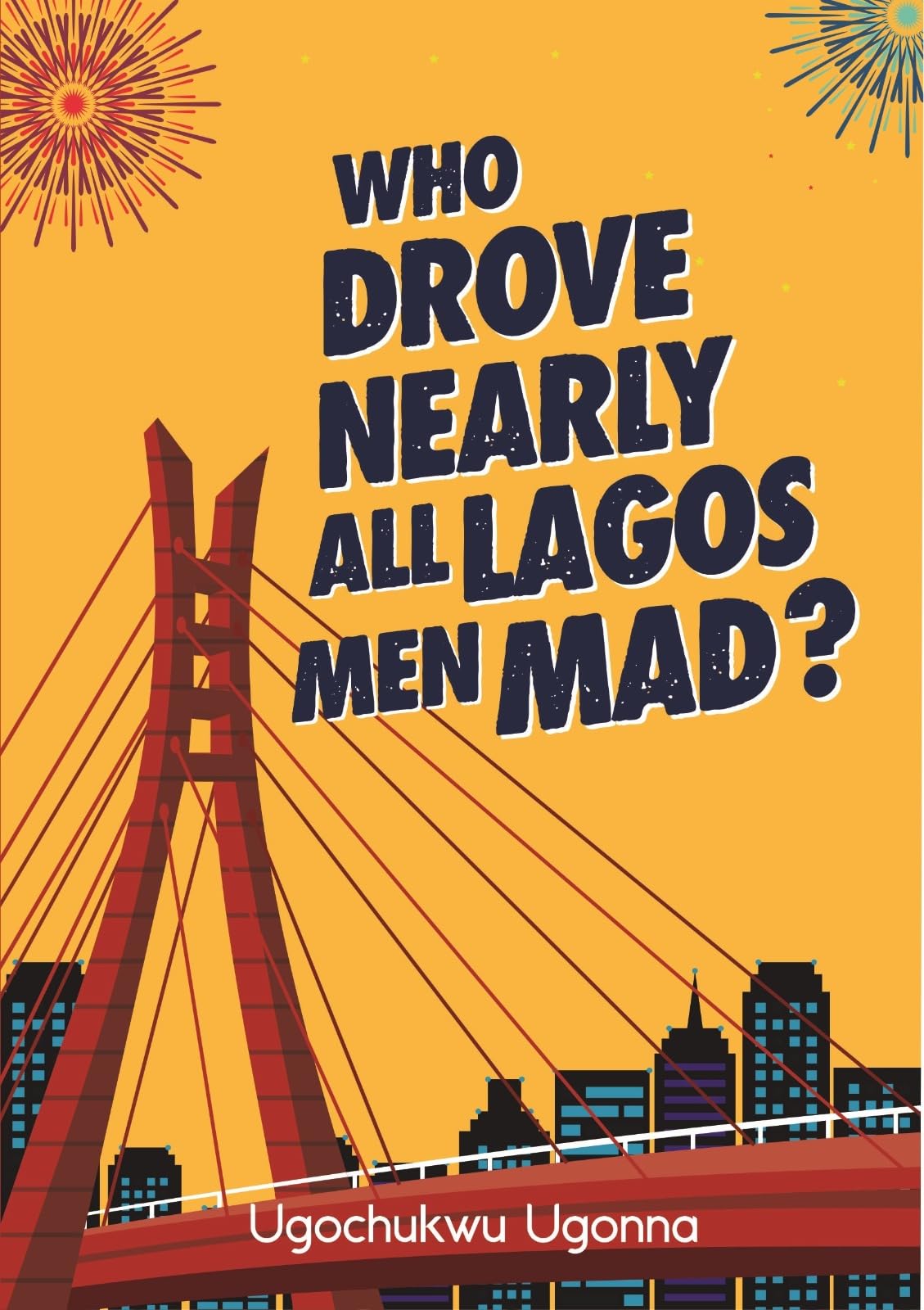
In these tales, women are portrayed as clever and tricky individuals, while men’s descent into madness is often a response to these traits.
READ MORE

December 4, 2023 .
African Literature
READ MORE
February 3, 2025 .
African Literature
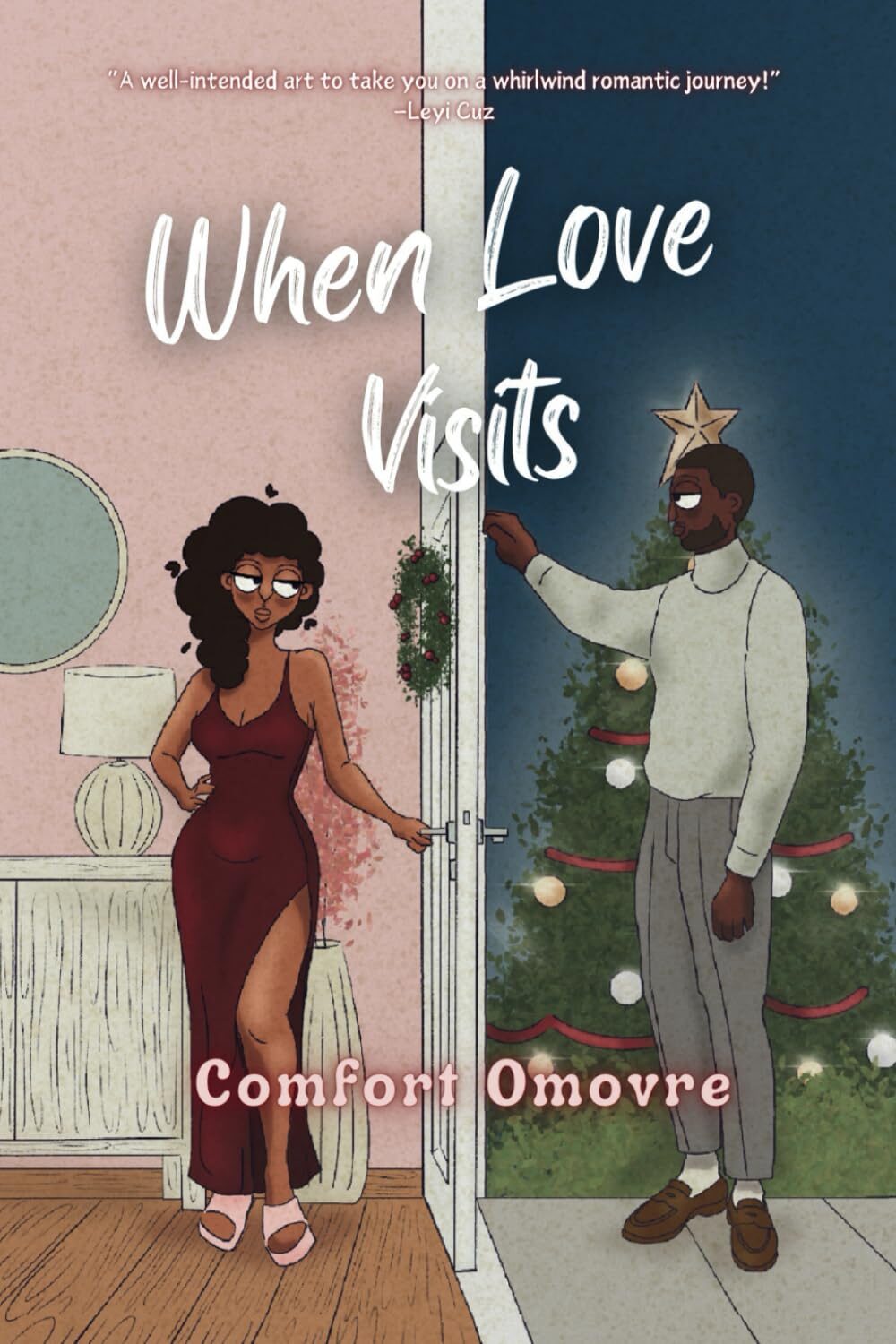
When Love Visits is a contemporary romance novel that narrates how Uju and Tade, both in their thirties and successful fall in love at first sight.
READ MORE

May 7, 2022 .
African Literature, miracleemekankwor, whathappenedtojanetuzor
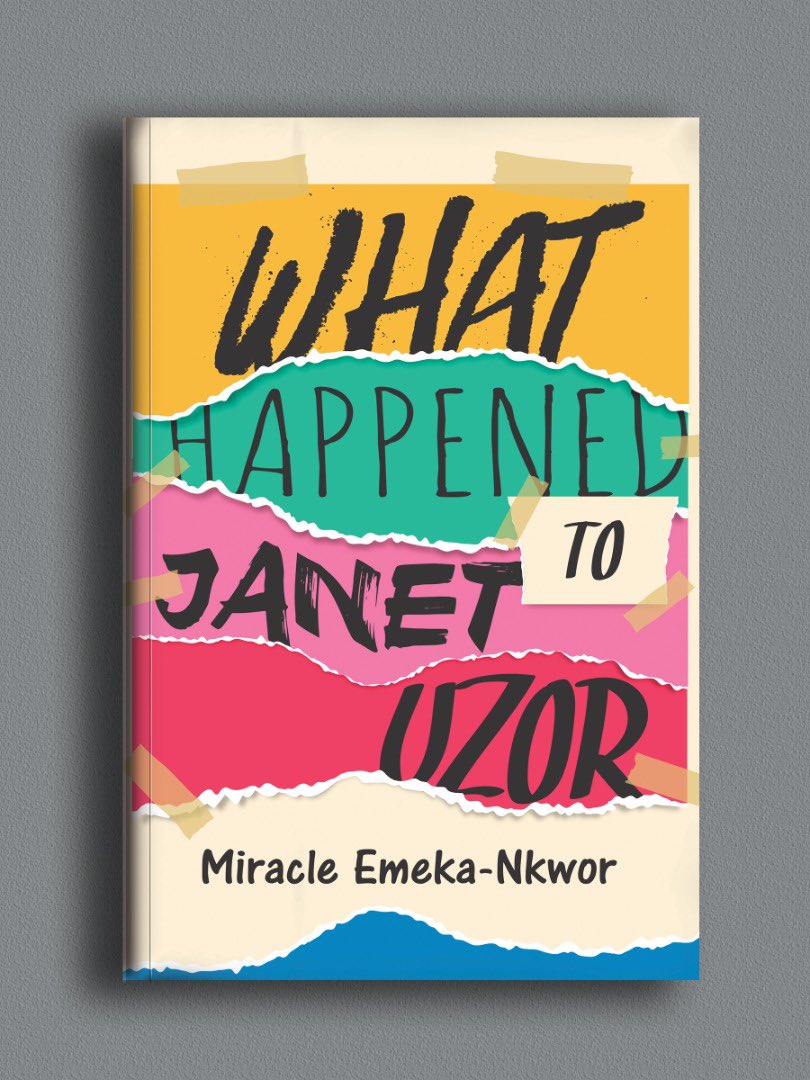
Ebere has a theory that a killer is out there that claims his victim every Christmas, and she believes their best friend Janet was one of his victims.
READ MORE
December 4, 2023 .
African Literature
I don’t find What Happened to Janet Uzor very hair-raising thrilling, but it has ENOUGH suspense to get you flipping.
READ MORE
Get our magazine for free!