Close menu
Ranking the best of African Literature










We assume that people are either gay or lesbians, forgetting that the queer spectrum is broad and there are so many intersections. The rainbow has so many different colors, not just red and yellow.
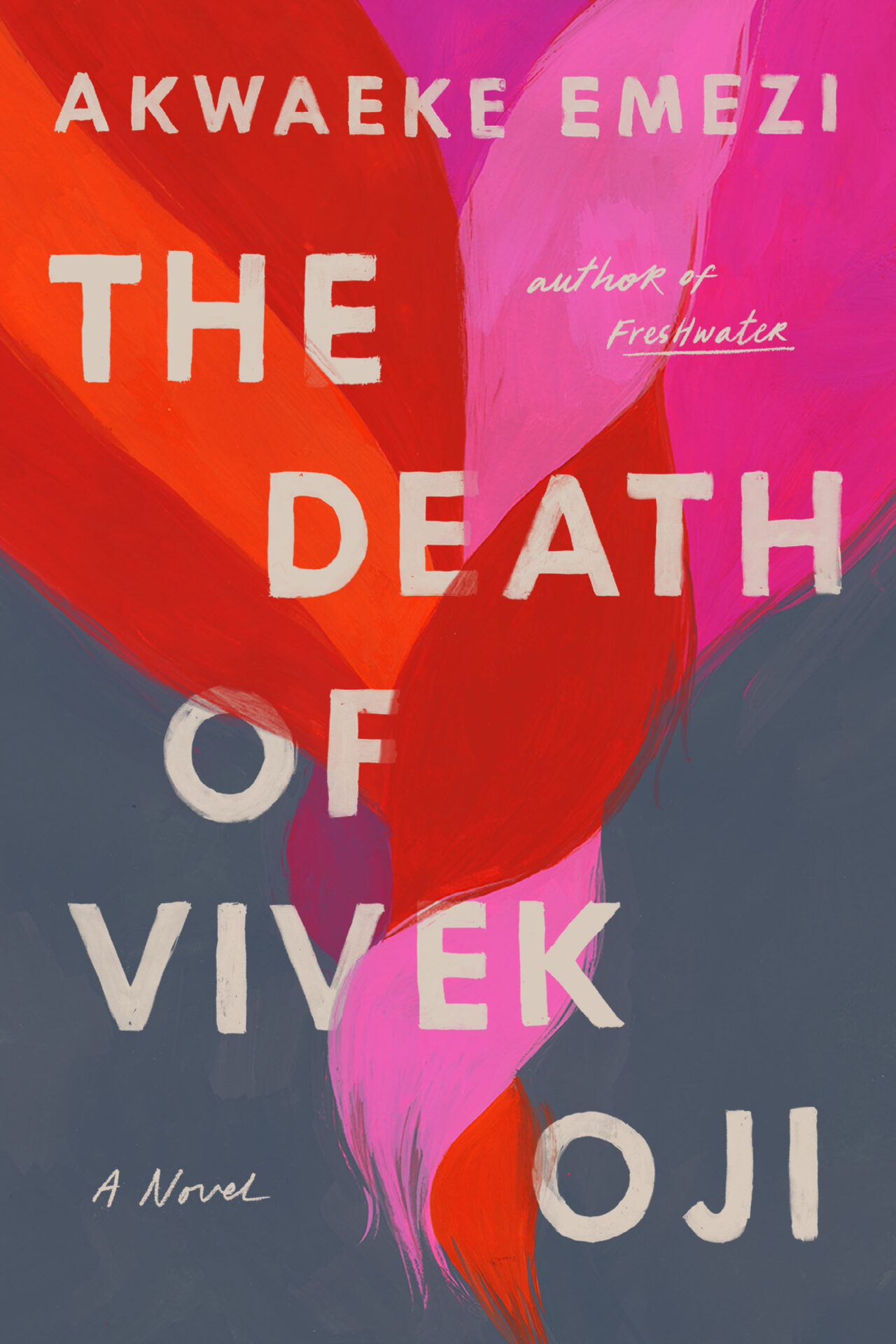
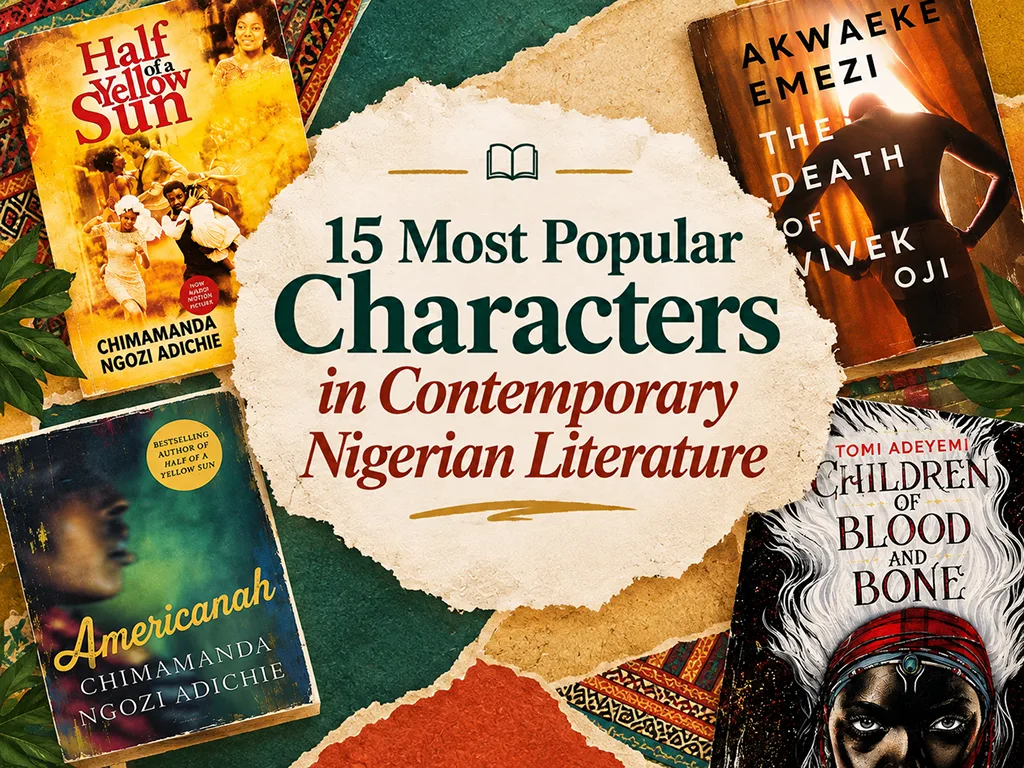
Thé death of Vivek Oji explores important societal issues that we must begin to talk about.
Akwaeke explores parenting. It is high time parents realize that their children do not belong to them. Sompto explained it better in the book. Children are full human beings on their own and do not exist for their parents. Like Vivek’s parents, most parents have a certain image of who they want their children to be that they miss out on what they actually are.
There is also the issue of queerness. I liked that Osita asked Vivek if he knew what he, Osita, truly was when he accused him of liking men. It is the reality of queer people. We assume that people are either gay or lesbians, forgetting that the queer spectrum is broad and there are so many intersections. The rainbow has so many different colors, not just red and yellow.
Another reality of queerness amid homophobia is not expressing yourself and owning your relationship. It’s a heartbreaking reality. Real experiences that people go through for no fault of theirs. Chinelo Okparanta, in her book Under the Udala Trees, through the life of Ijeoma, aptly shows us what it means to be queer in a heavily homophobic country like Nigeria. And that’s to say that Juju is not alone in this feeling.
Yes, they were girlfriends, but who could they even go and say that to? And if you didn’t tell other people, was it real or just something the two of you were telling yourself? Sometimes Juju found it easier to think of them as other people did, as close friends.
Community. Having a community of people who hold space for you while navigating your identity is very important. I liked that Vivek found a community of people he felt at ease with. He could be himself without judgment.
I did not cringe about the relationship between Osita and Vivek even though they were cousins, and it would be considered incest. I did not cringe because it isn’t “disgusting” to me as people tried to have me believe, and this is why:
I am a Ghanaian and in Ghana there are certain ethnic groups that endorse cousin – cousin marriages like the Ashantis. The Ashantis in Ghana have a matrilineal system of inheritance or family. This means that if I were an Ashanti, I could marry my fathers brothers son or my father’s sister’s daughter because it is assumed we are not of the same blood. However I cannot marry my mother’s brother’s son or sister’s son because we are considered as blood related. That is why with the royals, only children whose mothers are royals are eligible to be the Asantehene (Ashanti King) or smaller chiefs in the Ashanti kingdom. In fact when it comes to inheritance, per the Ashanti culture, I can inherit from my mother’s sibling . They place emphasis on the women as women mean a lot them, and blood relations is only recognized matrilineal and not patrilineal as opposed to other ethnic groups. That is to say , if Vivek and Osita were Ashantis and either one of them was a girl it would not be incest. I do not know the cultural context from which Akwaeke sets her book but I want to assume it’s Igbo, I’m not sure if the Igbo people ever had a matrilineal system of inheritance however I am not in a hurry to judge because I understand the possibility of cousin-cousin relationships which is accepted in different cultures.
Also, somehow, I always get excited when other authors mention books of authors I have read. Me seeing Ayi Kwei Armah’s book featured made me so happy, but it’s in the way Vivek explained the title: The Beautyful ones are not yet born.
Longing, empty, emotional, and sad.
I kept the book for the title, for how it was spelled: Beautyful. I had no idea why that spelling was chosen, but I liked it because it kept the beauty intact. It wasn’t swallowed, killed off with an ‘i’ to make a whole new word. It was solid. It was still there, so much of it that it couldn’t fit into a new word, so much fullness. You got a better sense of exactly what was causing that fullness. Beauty.
Beauty. I wanted to be as whole as that word.
I enjoyed the book, except that I wondered what was happening to Vivek in the initial stages (what was that about?) What was the significance of that “illness?”. It was never explained why we needed that decoy in the book, and it just confused me.
Also, initially, the story made us understand that Vivek was growing his hair because he felt heavy from whatever was worrying him, and he wanted the hair to sort of shroud it, and then later we are told he was growing his hair because he was queer. Did it mean that whatever was worrying him was his identity?
I liked the language, the fusion of Igbo. I liked that even though the book was a blend of the present and past, it never got confusing.
I really liked the story, and I totally, totally and shamefully recommend it. With my shameful self, I stand with Akwaeke!

hi i am nasiba .
15 Writing-Adjacent Careers for Writers Looking for a Career Change
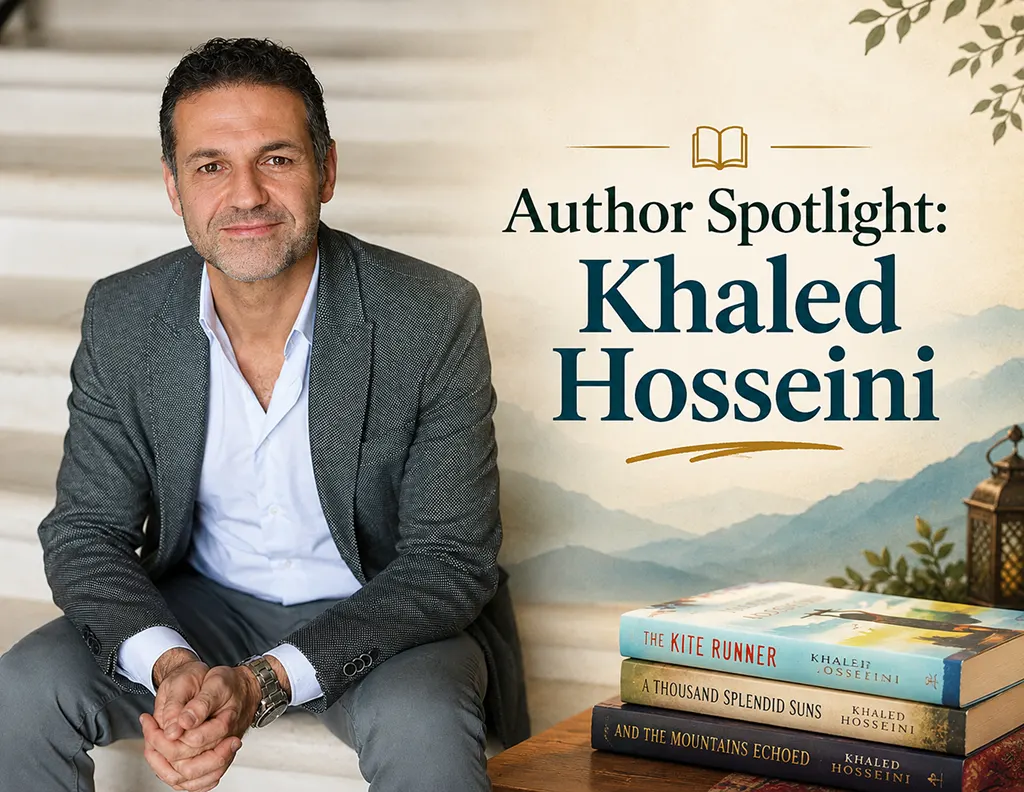
Authors Spotlight: Khaled Hosseini
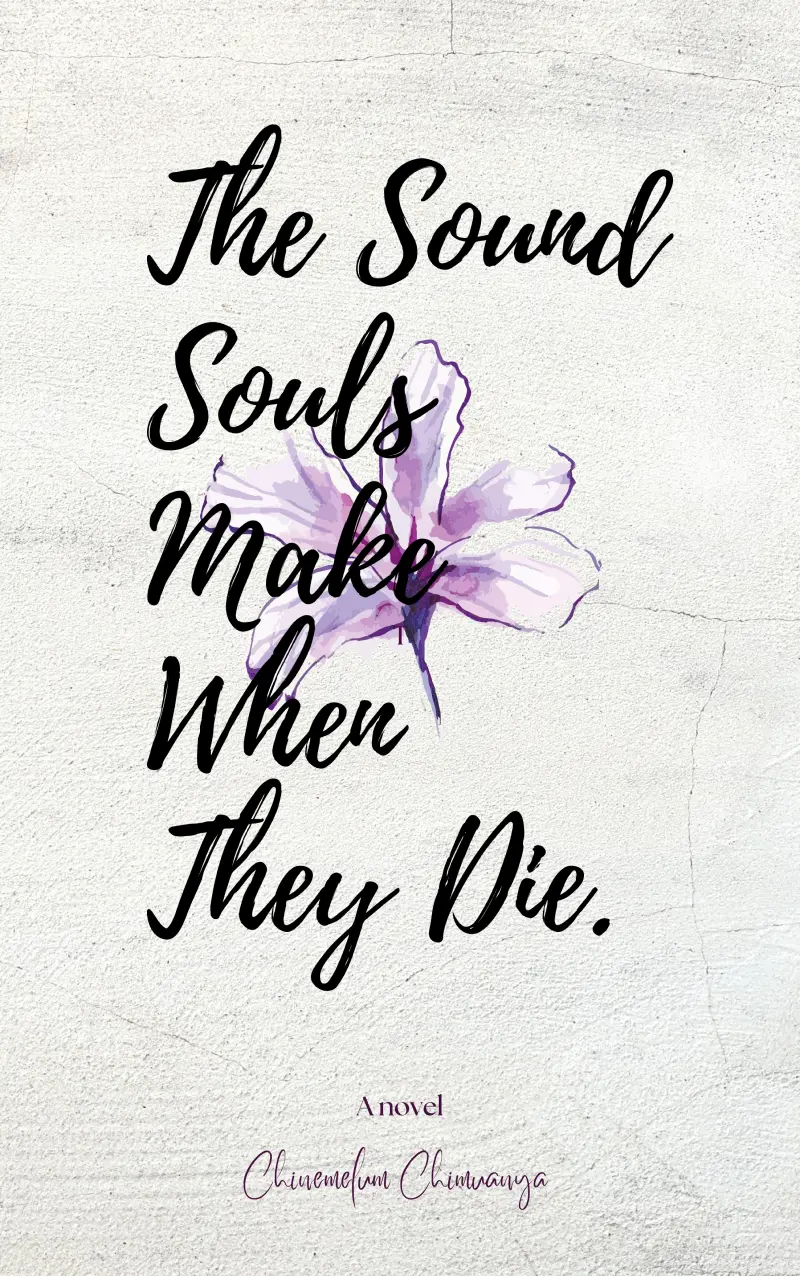
The Sound Souls Make When They Die by Chinemefun Chimuanya
If Nollywood Cast Our Favourite African Books: Who Would Play Who?
Best Films About Unexpected Age Gap Romance
Literary Awards and the Racism Card: A Wake-Up Call for Black Africa
Interview with the Vampire Relationships, Ranked
10 Top Recent Films for Action and Comedy Fans
Comma Rules Every Writer Should Know
10 Most Hype-worthy 2026 Book Releases (African Literature Version)
Five Gambling Films That Know the Bet Is Only Half the Story
Movies Where Poker Reveals Who a Character Really Is
July 20, 2025 .
Animation, Lists
Our list rounds up the top 30 cartoon characters that were villains, each one more wonderfully wicked than the last.
READ MORE
November 27, 2025 .
Lists, Mythology
While this isn’t an exhaustive list, it comprises some of the most popular mythical creatures from around the world.
READ MORE
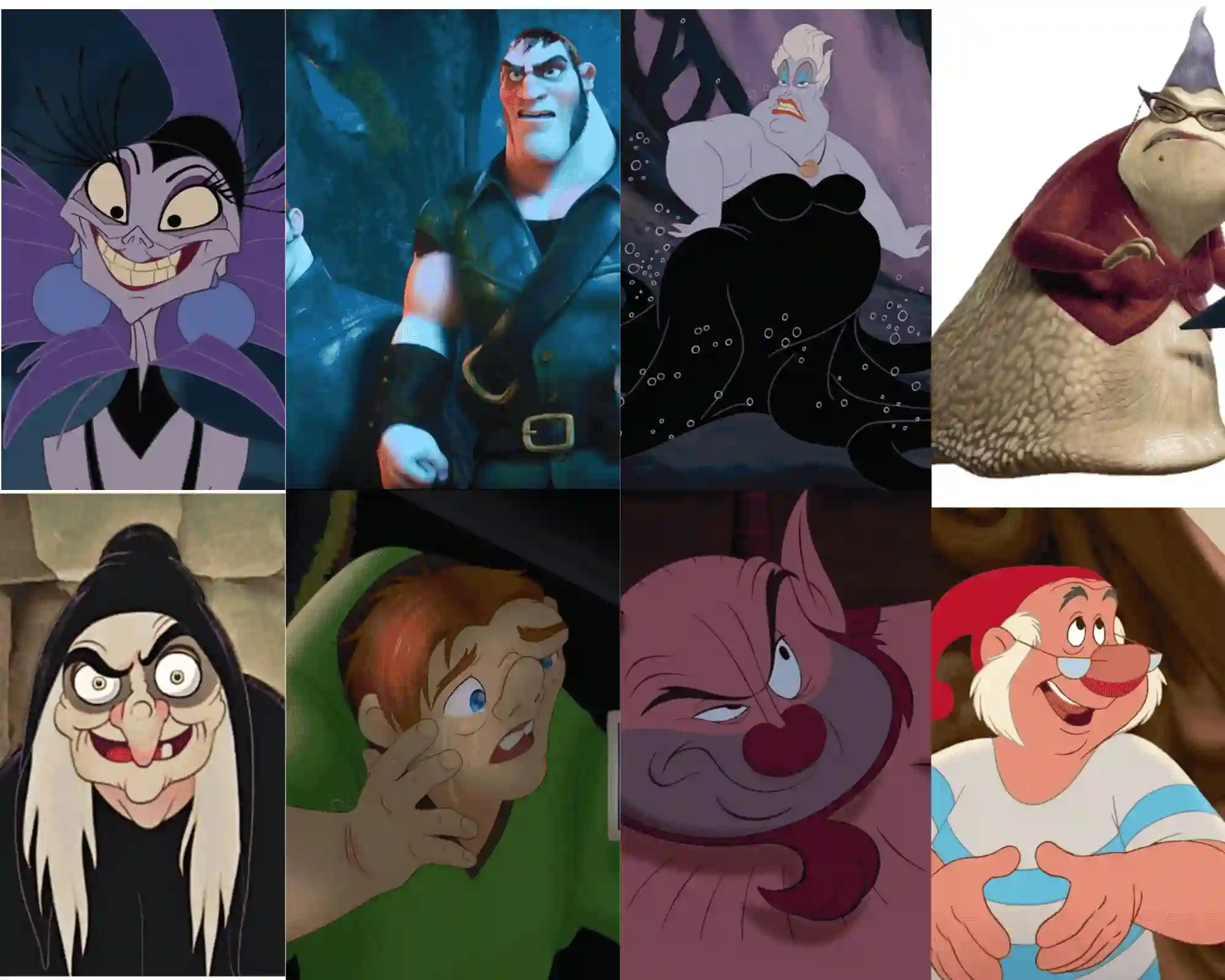
April 29, 2026 .
Lists, Opinions
The Mouse is famous for its princesses and princes. However, the studio’s true genius lies in its embrace of “ugly Disney characters”.
READ MORE
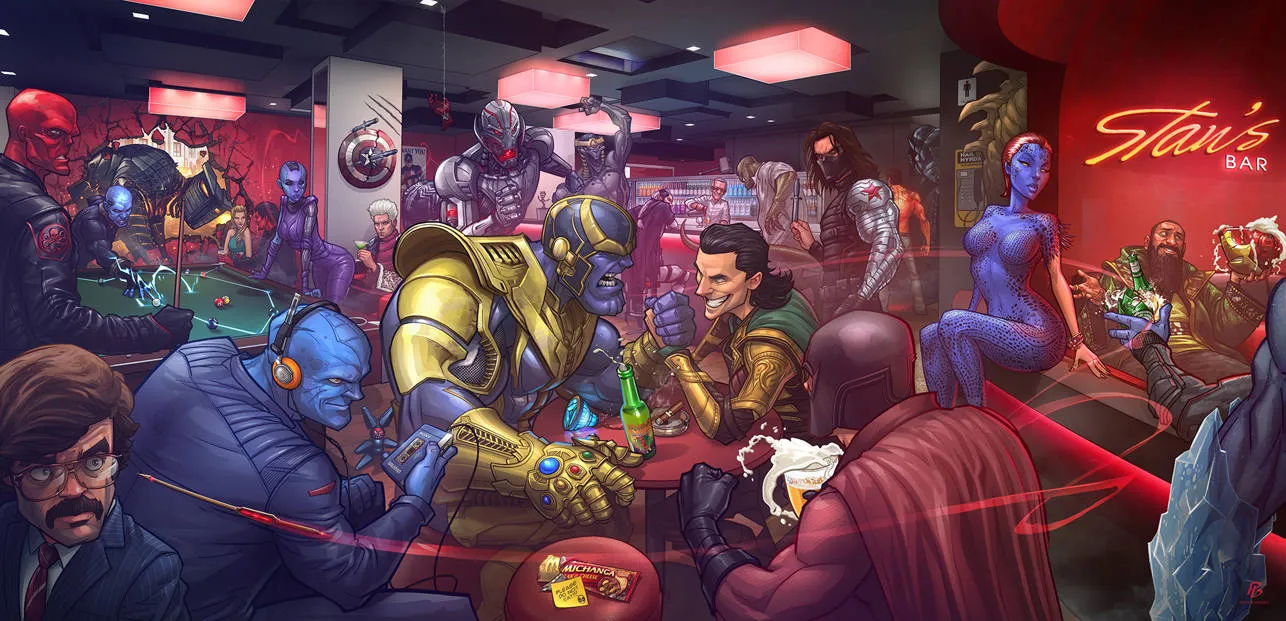
October 28, 2025 .
Lists, Marvel, MCU, Opinions
Let’s go through a list of the top 7 strongest Marvel villains, from the wickedly powerful to the absolutely unstoppable.
READ MORE
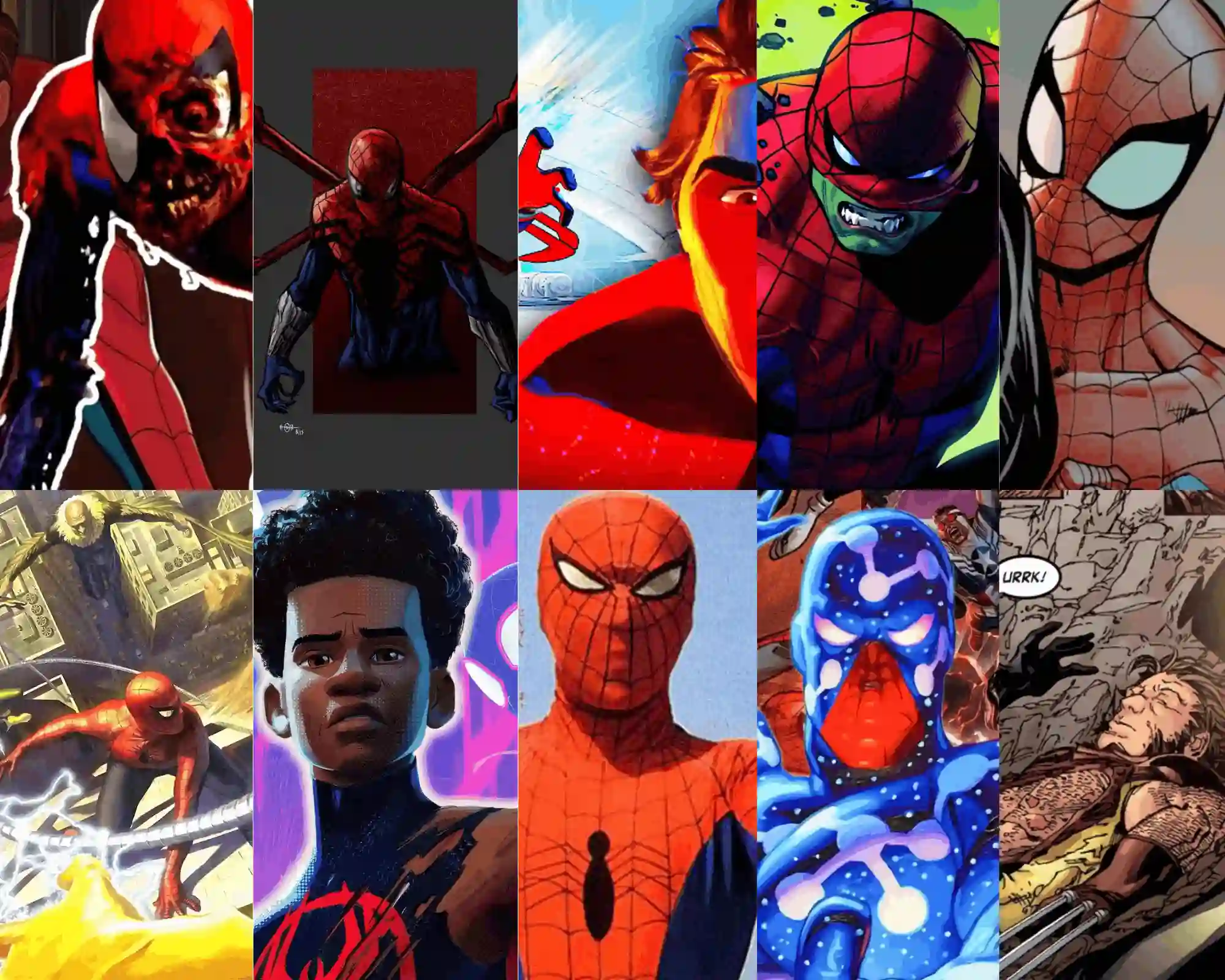
May 6, 2026 .
Lists, MCU
Spider-Man is one of the many superheroes from the Marvel Universe whose stories shaped many childhoods. Who is your strongest Spiderman?
READ MORE
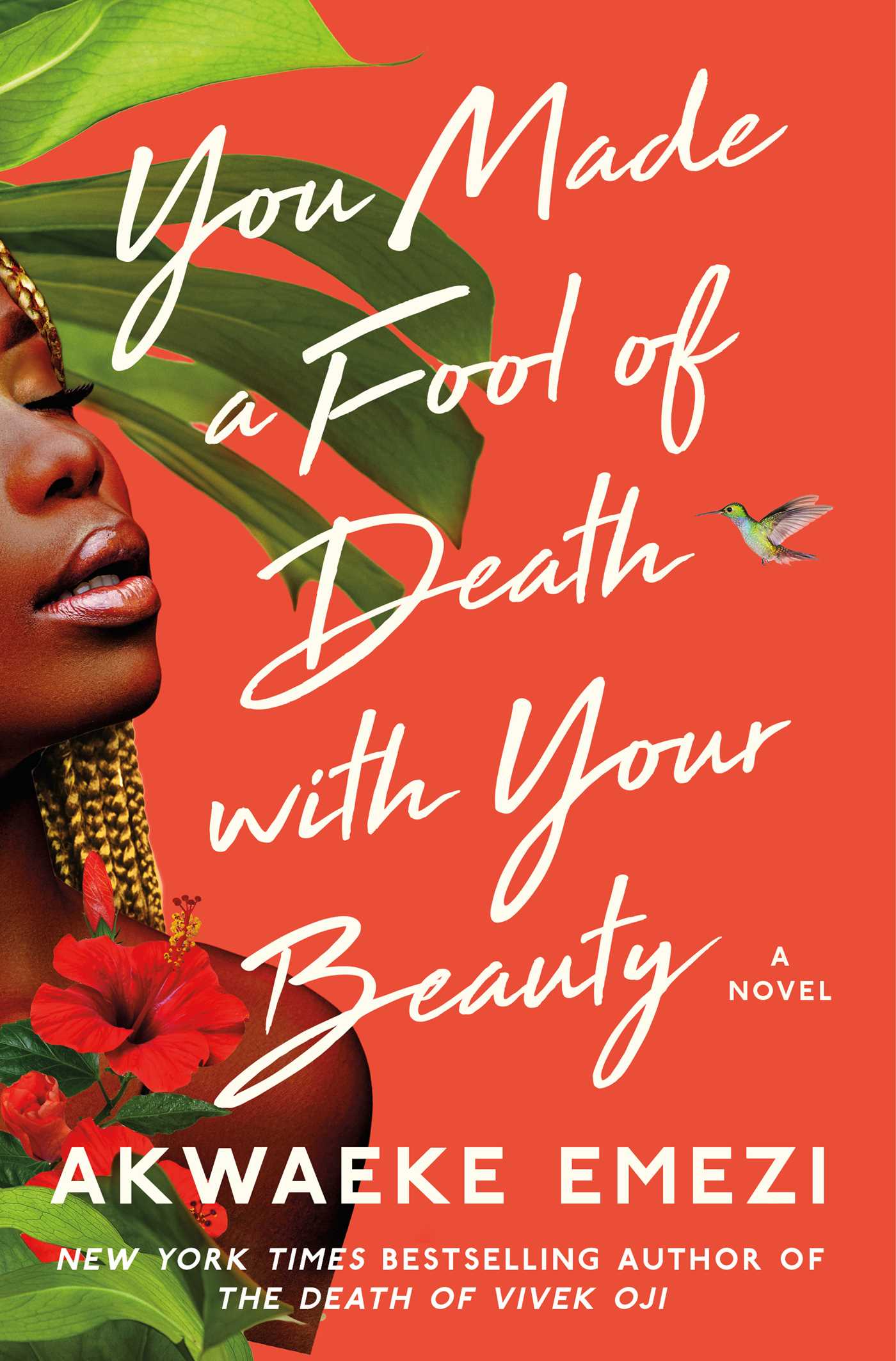
July 18, 2022 .
akwaekeemezi, youmadeafoolofdeathwithyourbeauty
I have reread it for the 100th time since its release, and I still do not feel full… I very much recommend this book with all the gods in my village backing me!
READ MORE
January 1, 2023 .
queer, vagabonds
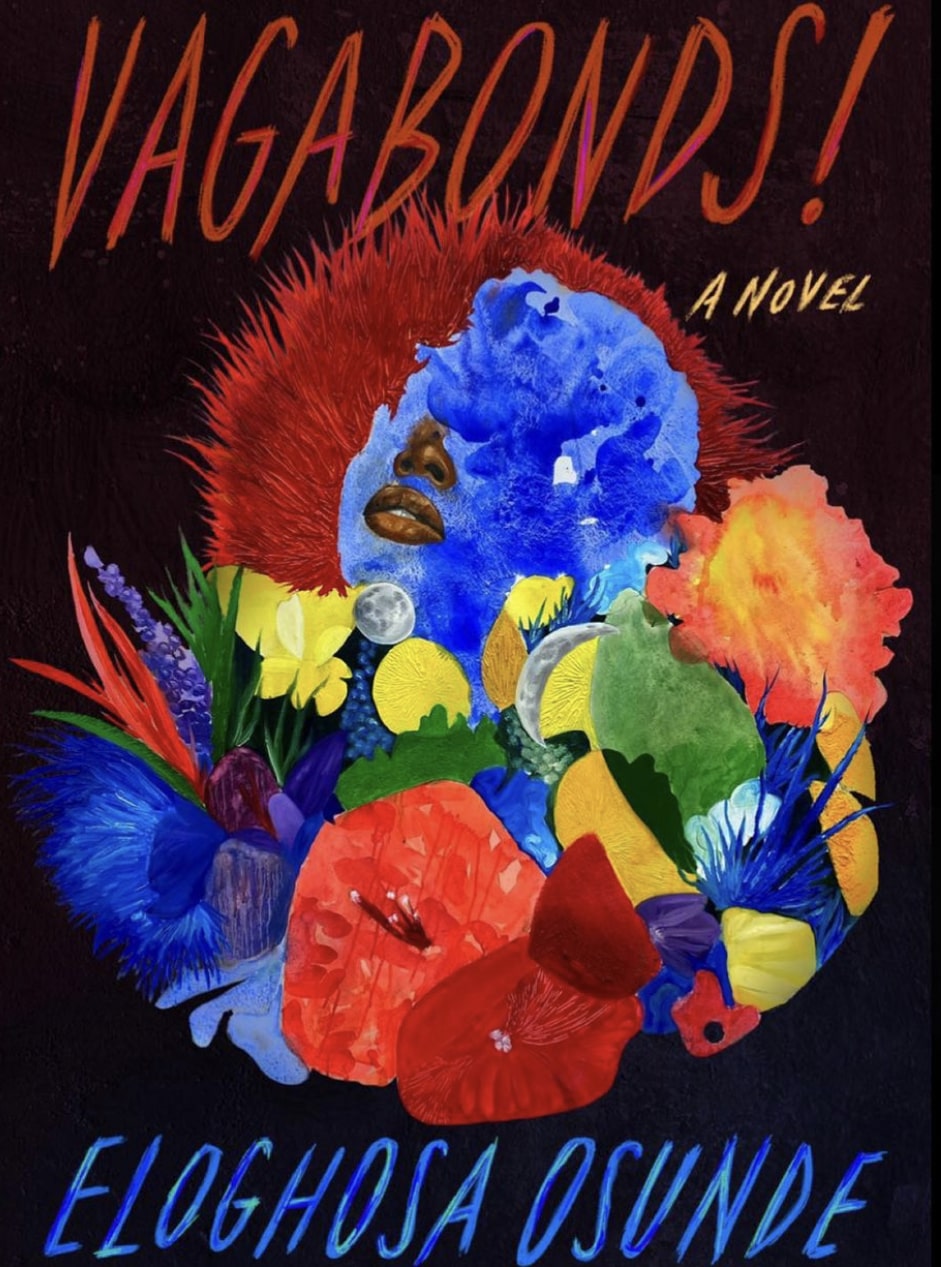
I know my heart races fast and constricts when it comes to Vagabonds! This book is activism in literary form.
READ MORE

January 10, 2022 .
queer, speaknoevil, uzodinmaiweala
READ MORE
March 23, 2025 .
contemporary, queer, YA, Young Adult
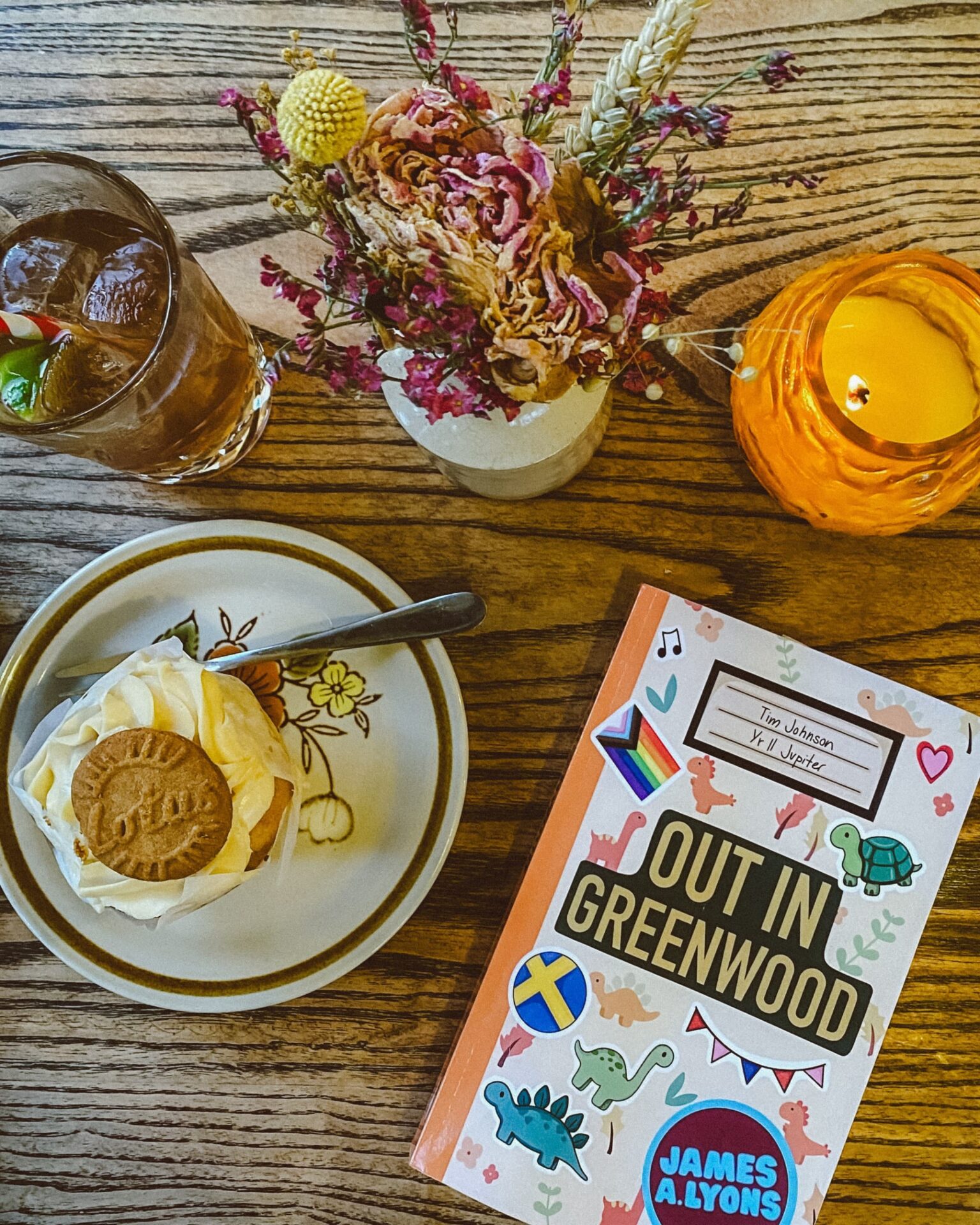
Out in Greenwood is fun, heartfelt, engaging, and leaves you with that nostalgic feeling of remembering what it’s like to be young and full of possibility.
READ MORE
July 15, 2025 .
African Literature, queer
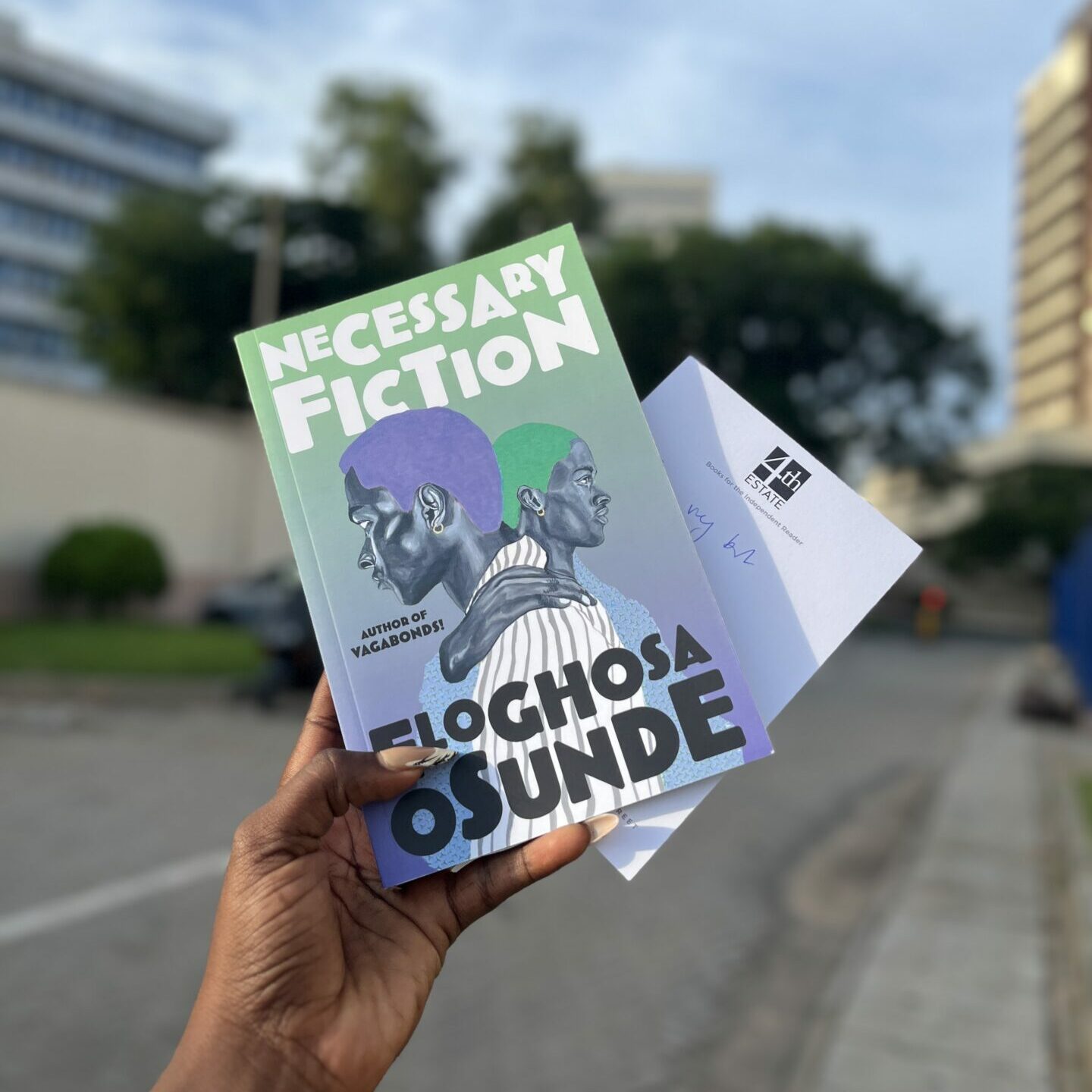
Necessary Fiction is a Communion of Truth. It demands that we slow down, listen deeply, and absorb not only what is said, but what is felt.
READ MORE
January 1, 2023 .
butterhoneypigbread, queer
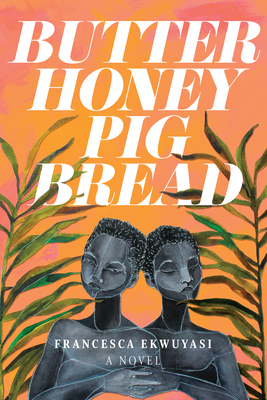
I have never read anything as honest and raw as this book. The emotions carried in this book are so real that readers can literally feel the characters’ emotions.
READ MORE
January 28, 2024 .
African Literature, queer
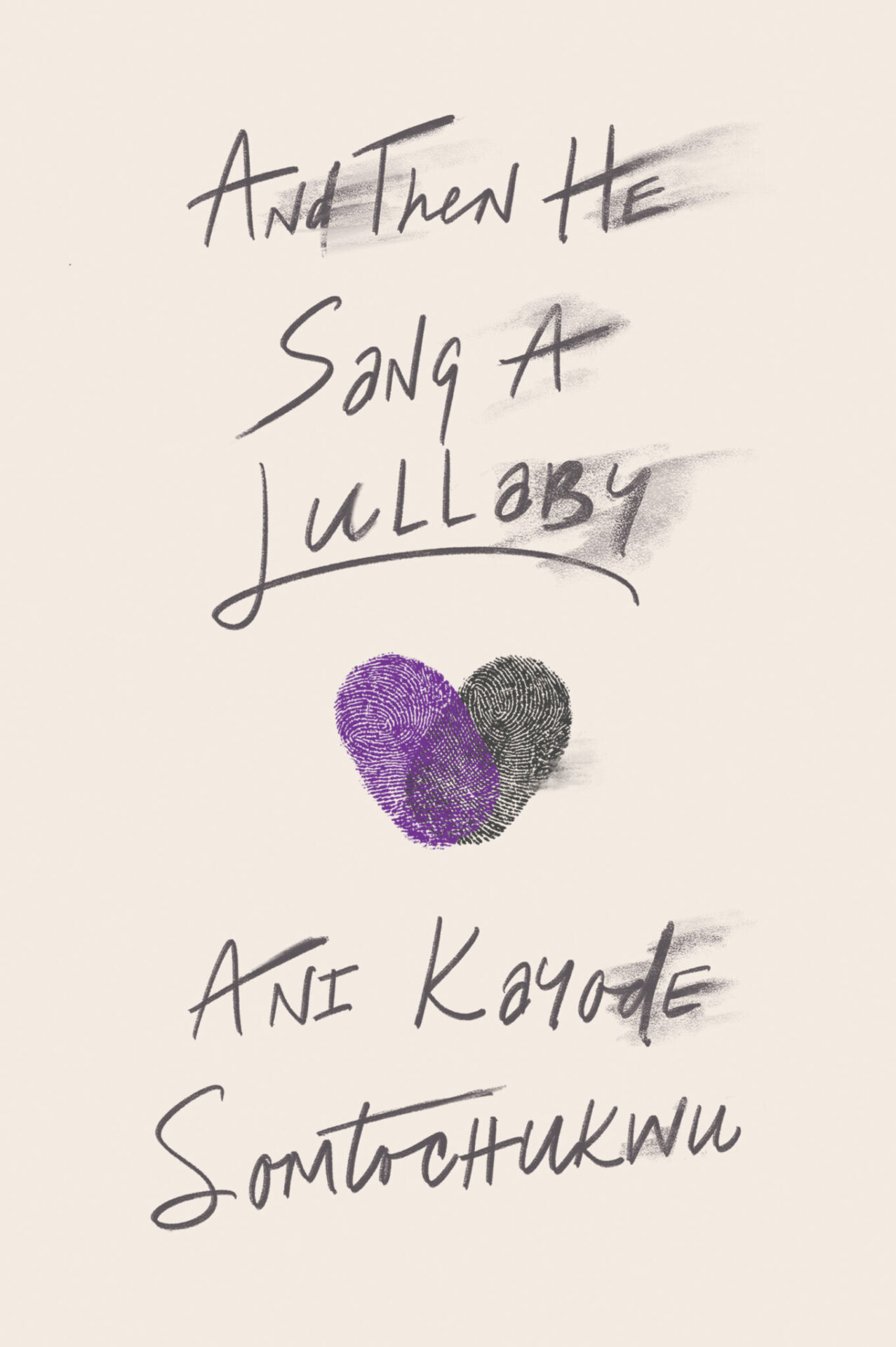
And Then He Sang a Lullaby raises vital questions about love’s authenticity and confronts hate, impunity, and violence against queer individuals.
READ MORE
Get our magazine for free!