

















Today, the Yoruba Demon is not merely a meme born from online banter. He has become a recurring, sometimes overused, fixture in contemporary Nigerian storytelling. His presence reflects Nollywood’s ongoing engagement with modern relationships, shifting gender expectations, and the cultural shortcuts we create to make sense of emotional behaviour.
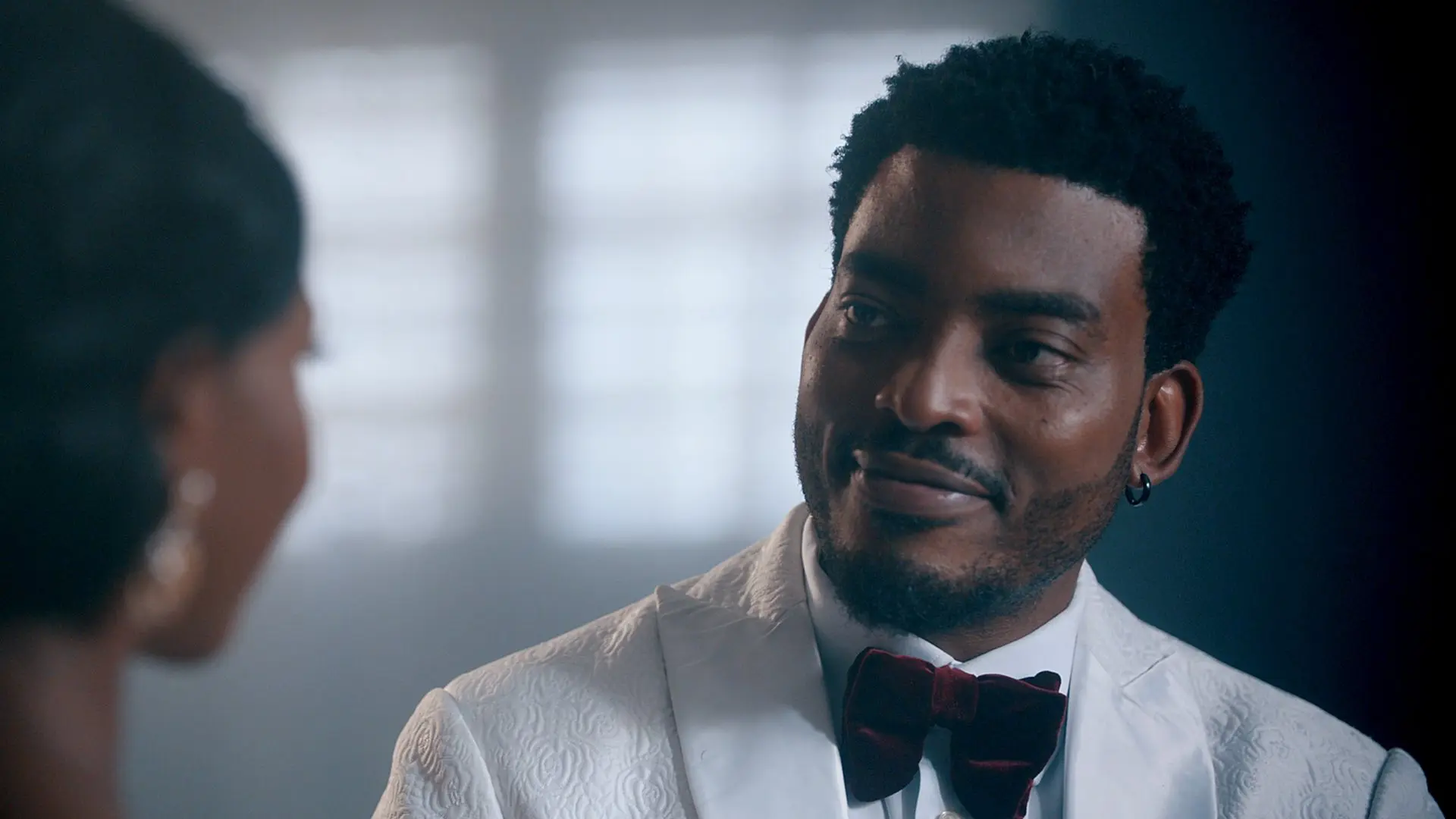
Across Nigeria’s pop-culture landscape, few modern expressions have travelled as far and as fast as Yoruba Demon.
What began as lighthearted social media banter about charismatic, agbada-wearing young men gradually evolved into a cultural shorthand for a particular romantic persona: charming, confident, emotionally articulate, but often unreliable.
The phrase captured not just a type of man, but an entire social dynamic, the push and pull between attraction and caution, admiration and suspicion.
Nollywood, ever attentive to the pulse of public conversation, quickly recognised the narrative potential of this emerging archetype. Filmmakers embraced the term, weaving it into plotlines, character sketches, and comedic subplots. On screen, the Yoruba Demon became a figure audiences instantly recognised. He barely needed an introduction; a well-cut outfit, polished diction, and a knowing smile usually did the work.
Today, the Yoruba Demon is not merely a meme born from online banter. He has become a recurring, sometimes overused, fixture in contemporary Nigerian storytelling. His presence reflects Nollywood’s ongoing engagement with modern relationships, shifting gender expectations, and the cultural shortcuts we create to make sense of emotional behaviour.
Early Nollywood portrayals kept the Yoruba Demon relatively simple. He appeared as the effortlessly stylish man who drifted through romantic relationships with ease, often juggling multiple partners in a predictable, dramatic, and nonchalant fashion.
Characters such as Lanre in Reloaded or Tunde in Games Men Play exemplified this mode. They delivered eloquent declarations of affection, avoided difficult conversations with impressive dexterity, and handled emotional fallout as if it were a minor inconvenience.
These men were more symbol than person. They represented charm without commitment, emotional presence without emotional responsibility, the ultimate African dandy. Their inner lives were rarely explored. Audiences were not invited to consider why they avoided commitment, how they justified emotional evasiveness, or what vulnerabilities lay beneath the polish.
As a result, the Yoruba Demon functioned less as a character to be understood and more as a narrative trigger. He caused heartbreak, but was never required to explain it. The trope was effective and entertaining, but flat.
Social media fundamentally altered this dynamic. As conversations expanded online, the Yoruba Demon gained new layers. Memes gave way to commentary, and commentary hardened into critique. The term stopped being merely funny and also became diagnostic.
Viral tweets crystallised this shift in perception. One widely shared post joked that “the Yoruba Demon will explain your trauma in perfect English and still ghost you,” a line that resonated precisely because it named a familiar pattern: emotional fluency without emotional follow-through.
Another popular refrain described him as “emotionally intelligent but intentionally unavailable,” reframing charm as performance rather than sincerity.
Perception became central. The Yoruba Demon was no longer defined only by what he did, but by how he was read. He existed at the intersection of desirability and distrust, entertaining to watch, but accompanied by a mental warning label.
Nollywood paid attention. Characters began to display awareness of their reputations, sometimes leaning into it, sometimes bristling against it. The feedback loop between social media discourse and film storytelling became unmistakable, with online language shaping on-screen characterisation and vice versa.
Recent Nollywood productions have shifted the Yoruba Demon from caricature to a complex figure. Rather than presenting him as a one-note heartbreaker, writers now situate him within broader social and emotional contexts.
Television series such as Skinny Girl in Transit illustrate this evolution with particular clarity. The character Mide, for instance, is initially positioned as confident, emotionally aware, and deeply appealing. He listens. He affirms. He seems present.
Yet over time, through repeated scenes of emotional avoidance and selective accountability, the gap between his words and actions becomes increasingly visible. The charm remains, but it begins to crack.

Similarly, characters like Tokunbo in Before 30 embody a more restrained but equally telling version of the archetype. His stability and maturity are attractive, yet his reluctance to fully engage emotionally complicates his relationships.
These portrayals move away from dramatic betrayal and instead focus on patterns, missed conversations, delayed decisions, defensive humour, and the subtle behaviours that slowly erode trust.
This shift signals Nollywood’s growing interest in interiority. The Yoruba Demon is no longer written solely as a romantic obstacle but as a subject of inquiry, shaped by social conditioning, personal insecurity, and the pressures of urban life.
Contemporary audiences are far less patient with charm that goes unchecked. Nollywood has adjusted accordingly. Today’s Yoruba Demon is no longer allowed to glide through narratives untouched, leaving emotional damage in his wake.
Instead, consequences emerge. Social circles tighten. As one viral tweet neatly put it, “Charm opens the door, but patterns close it.” Another joked that “if he has great communication skills but no consistency, that’s the premium version,” a humorous line that nonetheless underscored a serious cultural impatience with emotional ambiguity.
Feminist commentary has been central to this shift. Nigerian women online have repeatedly questioned why emotional labour is so unevenly distributed, why women are expected to communicate, adapt, and endure, while men are applauded for minimal vulnerability. In this discourse, the Yoruba Demon emerges less as a singular villain and more as a symptom of socialised emotional avoidance.
Nollywood increasingly reflects this perspective. Female characters are now more likely to articulate boundaries, withdraw consent, or refuse to romanticise inconsistency. The Yoruba Demon remains desirable, but no longer unquestioned. Desire is tempered by discernment.

The evolution of the Yoruba Demon mirrors broader conversations about dating, trust, gender roles, and communication in contemporary Nigerian life. What began as humour has become a framework for interpreting relational dynamics.
By stretching the stereotype into a fuller character, Nollywood invites audiences to confront difficult questions. Why does charm remain so culturally seductive, even when it signals risk? Why do we oscillate between attraction and caution? And what do our recurring archetypes reveal about what we tolerate, excuse, or fear in intimacy?
Feminist critiques sharpen these reflections, drawing attention to the double standards embedded in dating culture, the celebration of male charisma versus the scrutiny of female vulnerability, and the applause for emotional articulation versus the silence around emotional responsibility.
From meme to movie trope to nuanced character study, the Yoruba Demon has undergone a notable transformation. Nollywood has taken a playful label and turned it into a narrative tool for examining identity, intimacy, and emotional maturity.
His evolution reflects ours: our changing values, growing self-awareness, and heightened expectations of relational honesty. And while the archetype will undoubtedly continue to evolve, its presence on screen remains a revealing mirror, inviting laughter, recognition, and occasionally, uncomfortable self-reflection.

Hi I'm Tega, I am a microbiologist with a lifelong passion for reading, I fell in love with books as child (where I was briefly obsessed with Enid Blyton, lol) reading is simply my escape and hobby and sometimes doubles as therapy for me . My favorite genres are African lit, historical fiction, memoirs/biographies and fantasy. I do beta reading and post book reviews which you can check out on my Instagram @ te_ga_o.
Literary Awards and the Racism Card: A Wake-Up Call for Black Africa
Interview with the Vampire Relationships, Ranked
10 Top Recent Films for Action and Comedy Fans
Comma Rules Every Writer Should Know
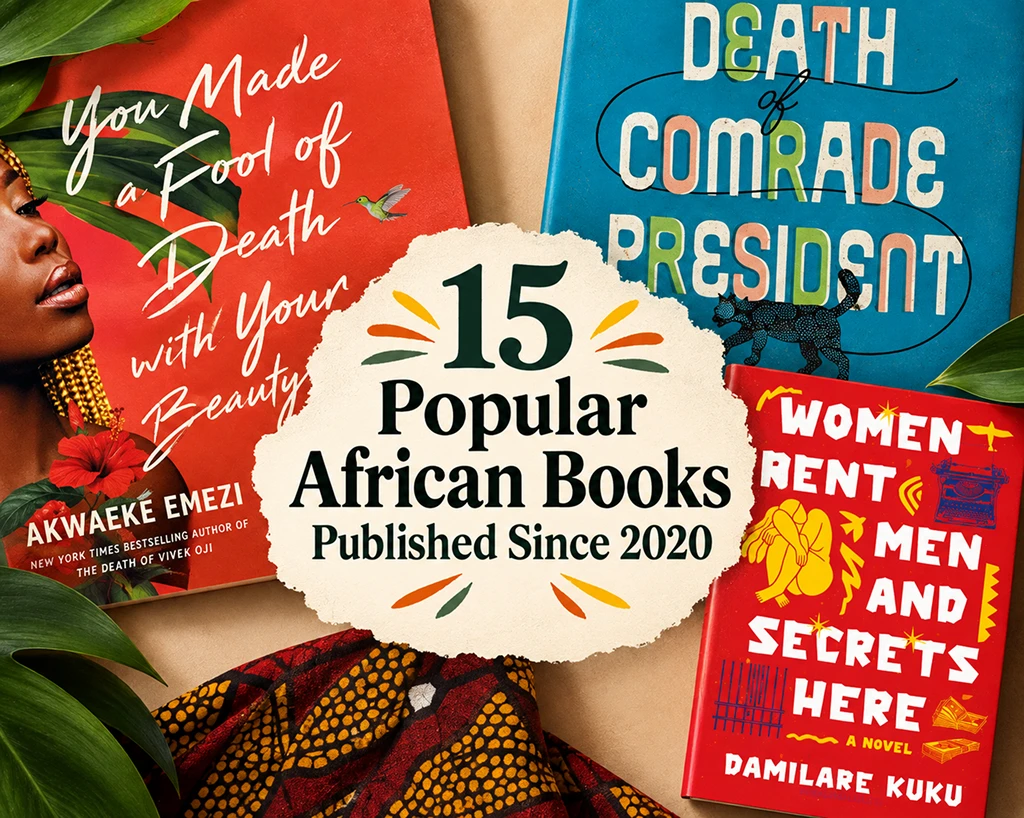
10 Most Hype-worthy 2026 Book Releases (African Literature Version)
Five Gambling Films That Know the Bet Is Only Half the Story
Movies Where Poker Reveals Who a Character Really Is
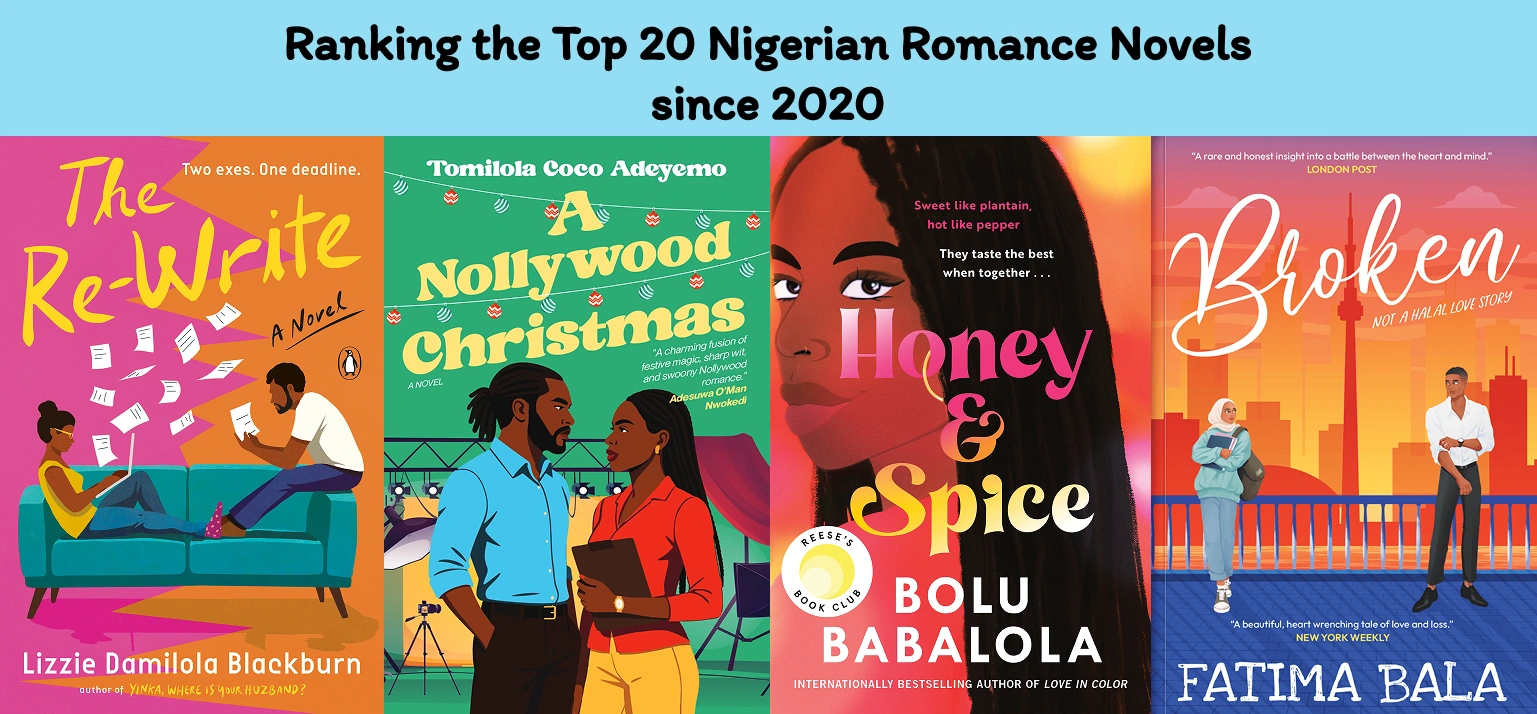
Ranking the Top 20 Nigerian Romance Novels since 2020
In Defense of Reading and Gaming
8 Third-Person Omniscient Examples for the Plot
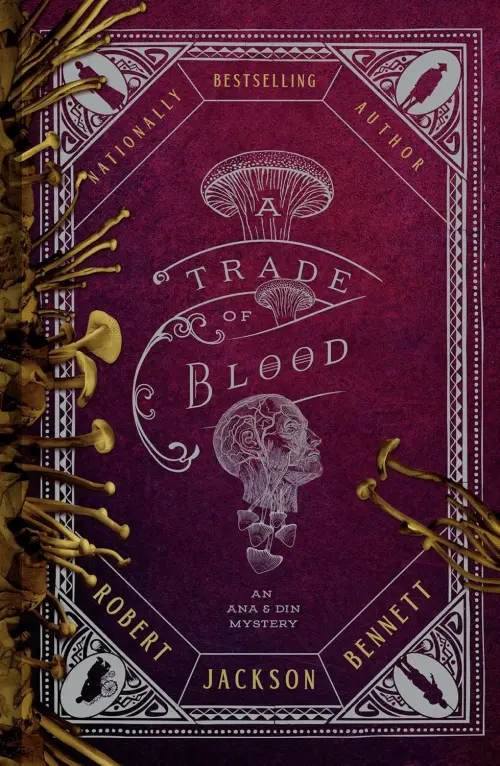
A Trade of Blood (Ana and Din Mysteries #3) by Robert Jackson Bennett
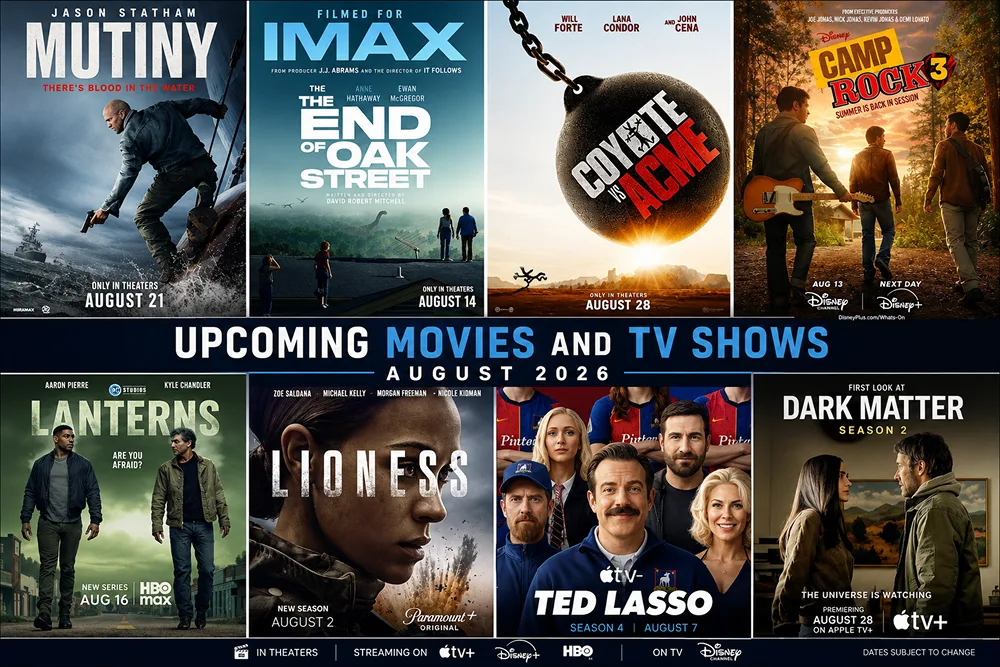
Upcoming Movies and TV Shows to Watch this October 2026
July 20, 2025 .
Animation, Lists
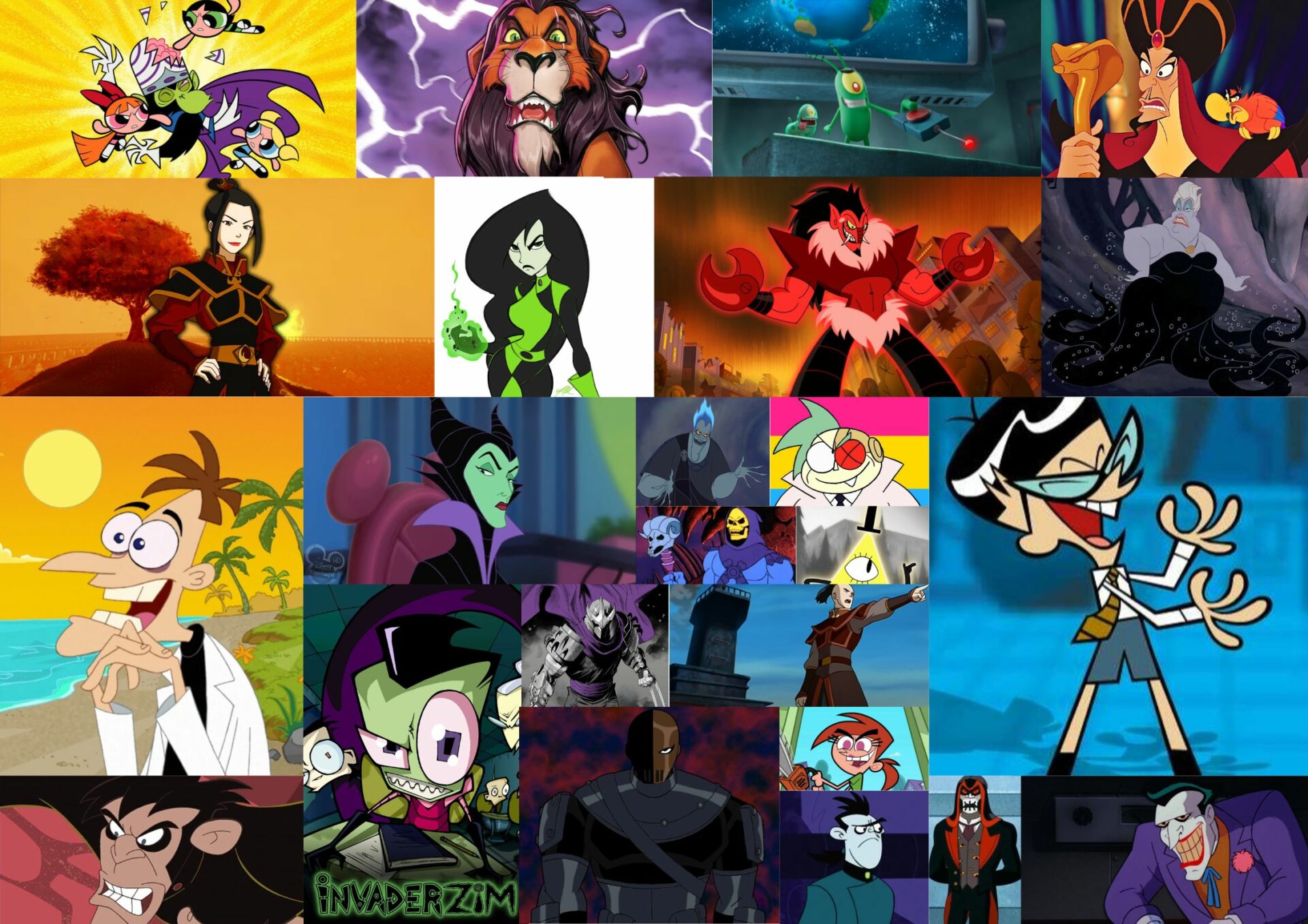
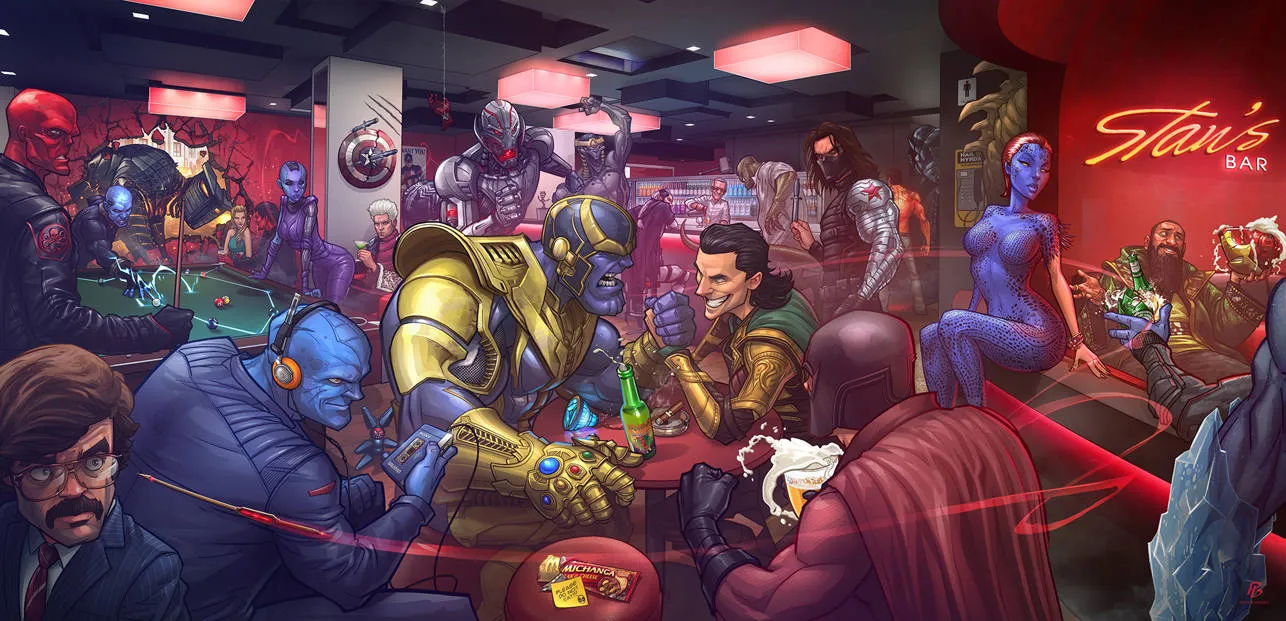
Our list rounds up the top 30 cartoon characters that were villains, each one more wonderfully wicked than the last.
READ MORE
October 28, 2025 .
Lists, Marvel, MCU, Opinions
Let’s go through a list of the top 7 strongest Marvel villains, from the wickedly powerful to the absolutely unstoppable.
READ MORE
April 29, 2026 .
Lists, Opinions
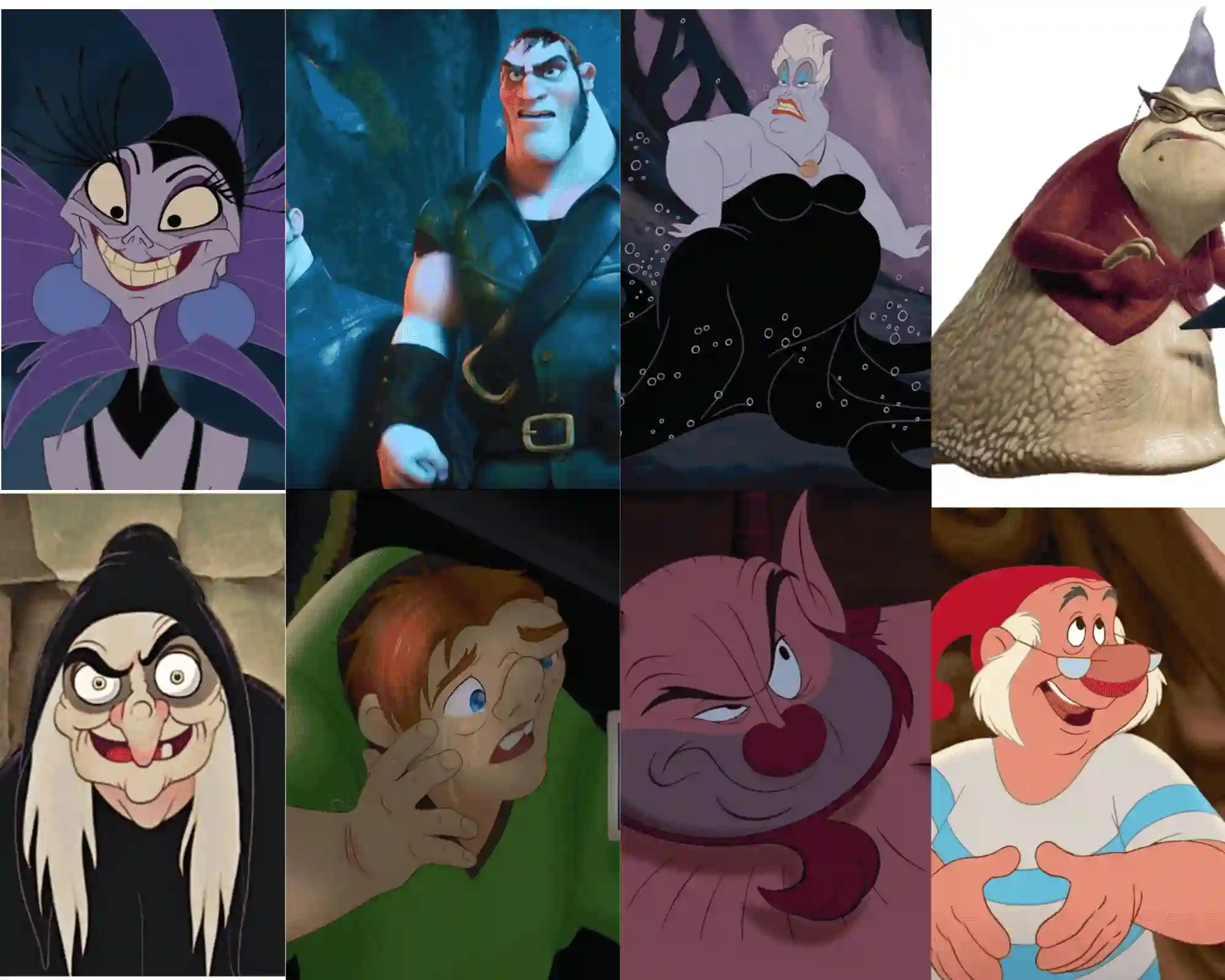
The Mouse is famous for its princesses and princes. However, the studio’s true genius lies in its embrace of “ugly Disney characters”.
READ MORE
May 6, 2026 .
Lists, MCU
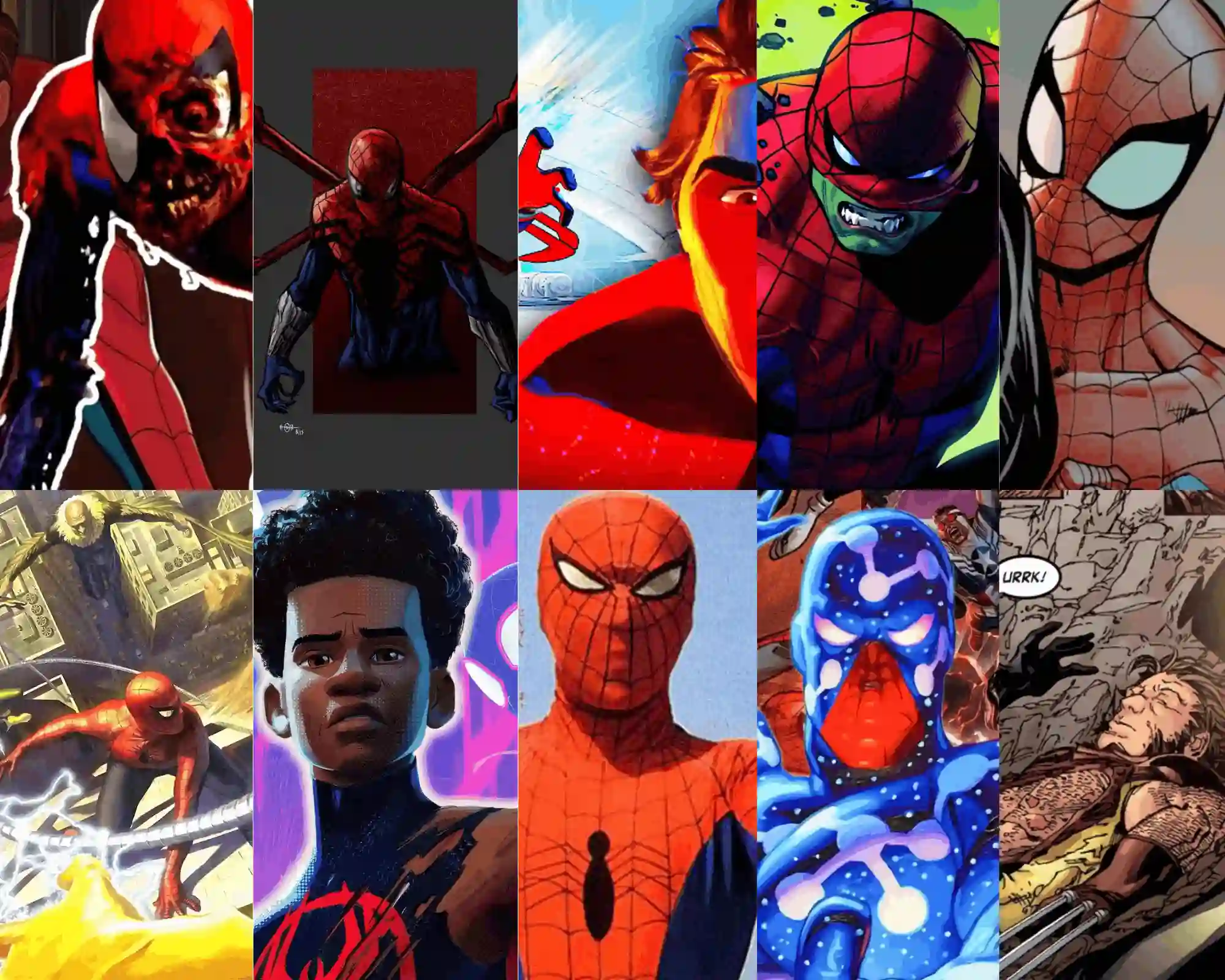
Spider-Man is one of the many superheroes from the Marvel Universe whose stories shaped many childhoods. Who is your strongest Spiderman?
READ MORE
November 27, 2025 .
Lists, Mythology
While this isn’t an exhaustive list, it comprises some of the most popular mythical creatures from around the world.
READ MORE

July 20, 2025 .
Essays, Opinions
READ MORE

July 20, 2025 .
Essays, Opinions
READ MORE

July 20, 2025 .
Essays
Except if you have been living under a rock or in outer space since the beginning of time, there is no way you wouldn’t have heard of Wole Soyinka.
READ MORE

July 20, 2025 .
Essays, Opinions
READ MORE
September 12, 2025 .
Essays, Fantasy, Opinions
Fantasy is everything that lies in the realm of the fantastic. And, the more deviant from reality it is, the better.
READ MORE
July 20, 2025 .
Essays, Opinions
African literature embraces inclusivity, harnessing words as a medium to impart wisdom, preserve truths, and honor ancestral struggles.
READ MORE

October 22, 2025 .
Essays, Writer Resources
Ever found a book that looks like a comic but tells a complete, well-structured story? Congratulations, it’s a graphic novel.
READ MORE
July 18, 2026 .
Disney, Essays
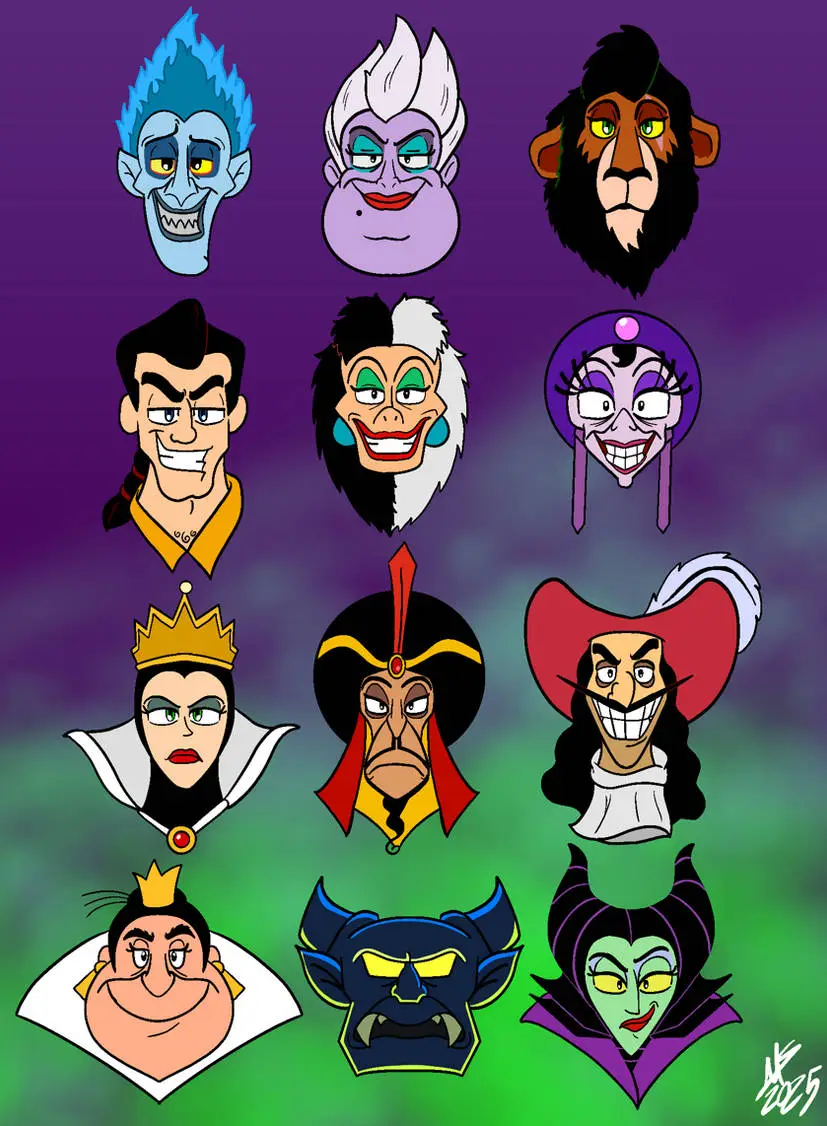
Let’s examine the trend of softening Disney villains, its implications, and viewers’ responses to less sensitive material.
READ MORE
July 24, 2025 .
Essays, Writer Resources
READ MORE
Get our magazine for free!