Close menu
Ranking the best of African Literature






Let’s examine the trend of softening Disney villains, its implications, and viewers’ responses to less sensitive material.
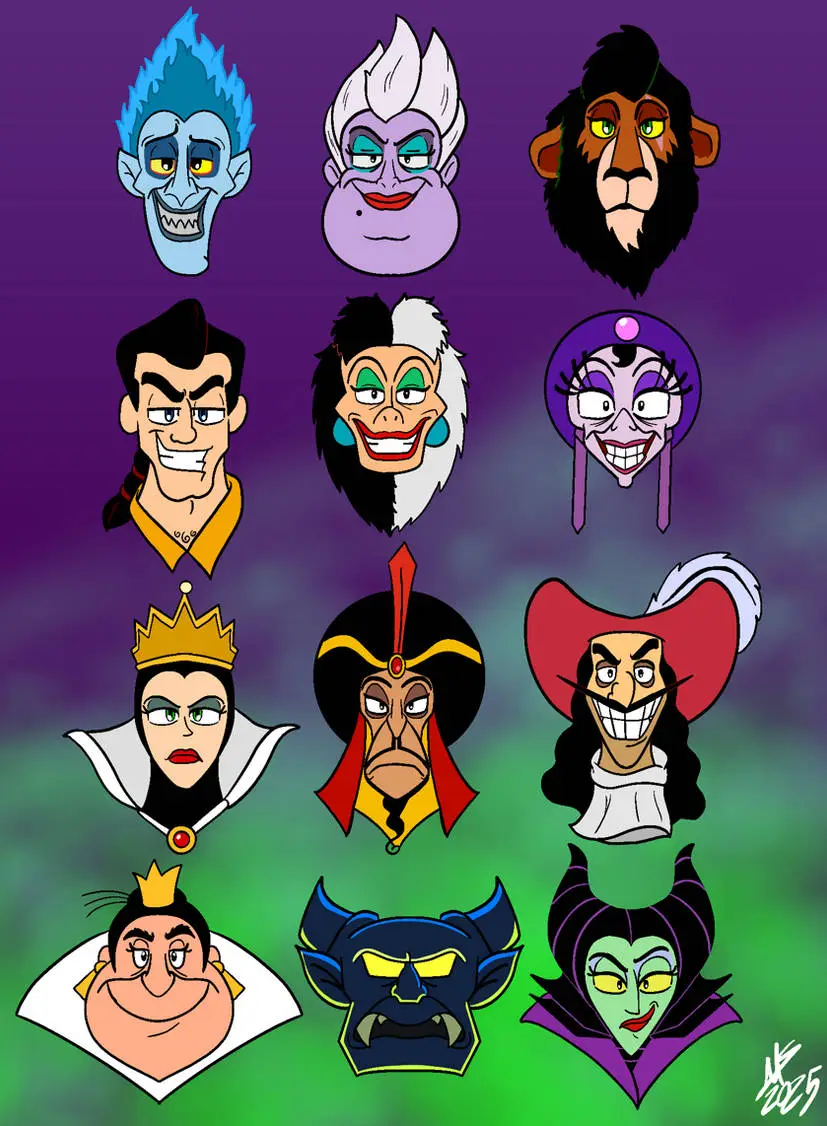
Anyone who grew up on the Disney material of the early 90s to 2000s will attest that, at some point, the villains stopped being skin-itching scary and became more… soft.
This trend is more evident in live-action remakes. The newer material is shifting toward morally ambiguous heroes who don’t want to be evil but have become so because of painful circumstances. Conflicted isn’t necessarily a bad thing, but it raises the question: When did villains stop being villains?
Let’s examine the trend of softening Disney villains, its implications for new productions, and viewers’ responses to less sensitive material.
There was a point when the villain was immediately apparent. They were people who carried out heinous acts because of greed, jealousy, power, malice, or simply boredom with little or no conscience.
It wasn’t even the act itself that pointed to the villain. It was the demeanour: an over-the-top outfit with a scary-looking entourage, an unsettling presence, bothersome attractiveness or lack thereof, imposing lairs or castles, and memorable soundtracks.
Some instances of this are:

Jafar is the epitome of a walking commotion. In the 1992 Aladdin cartoon, Jafar was tall and slender, with a long, angular face that sparks fear. To top it off, he wore a turban with red and black accents and carried a snake-headed staff.
It’s somewhat surprising that the Sultan never realized he posed a problem until it was too late.
He was cunning, manipulative, and calculating, pursuing his ambition to overthrow the rule of Agrabah to a disturbing degree. He had no loyalty and will throw anyone under the bus to get what he wants.

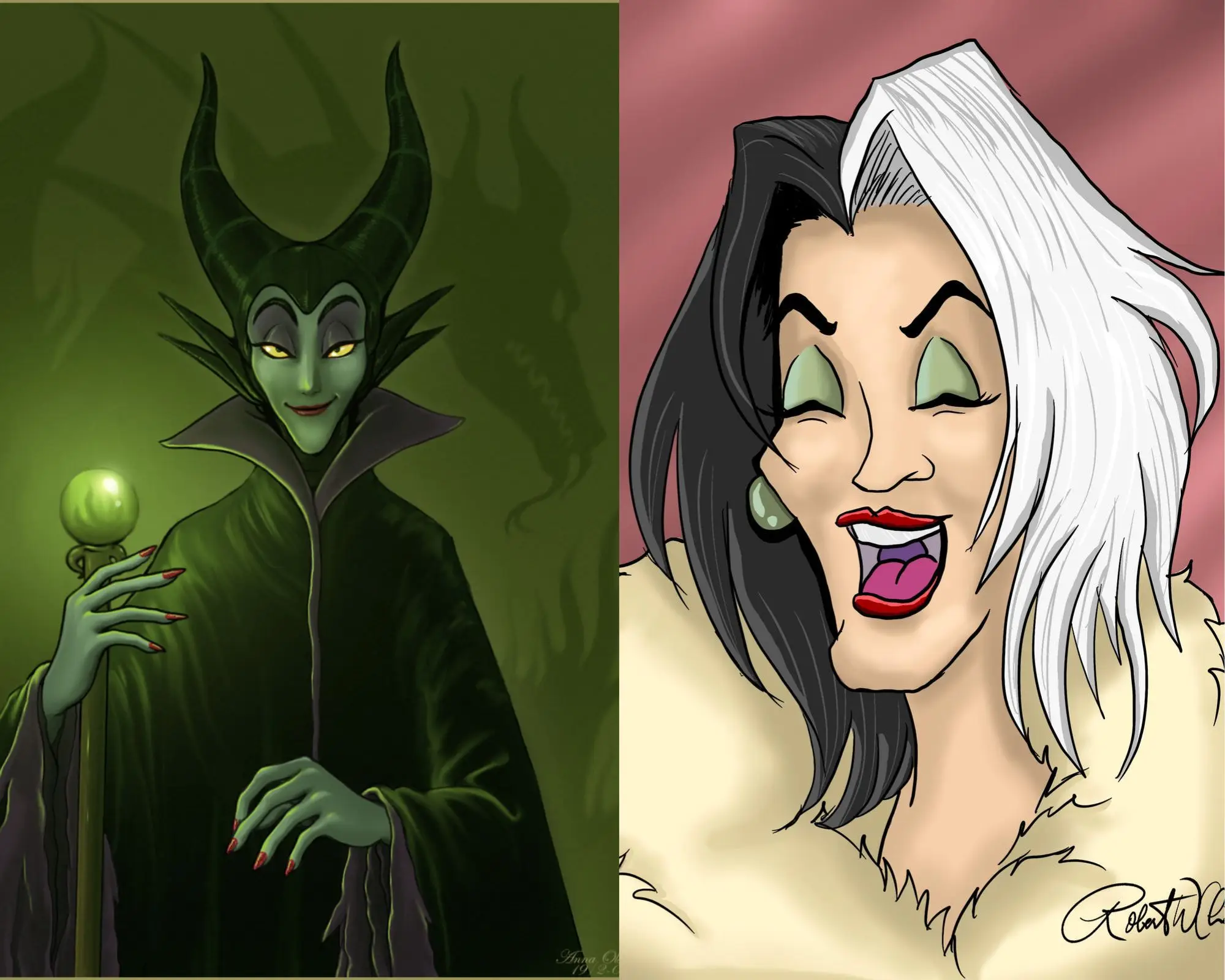
Cruella De Vil is one of the more fashion-forward Disney villains. The 1961 animated film 101 Dalmatians depicts her as a tall, paper-thin woman with half-white, half-black hair. She constantly wears a dalmatian fur coat, long gloves, and a cigarette holder. Her speech is as dramatic as theatrical.
While normal people buy fake fur coats, Cruella wanted hers made from real dalmatians she coincidentally didn’t own. To facilitate her closet upgrade, she used many direct and indirect methods to steal another family’s dogs. Cruella’s brand of evil is more selfish, greedy, vain, and unrelenting.
Yet, the tyranny never became overwhelming. The characters were fearsome, yet entertaining. Cruella Vil’s strut, exaggerated gestures, over-the-top temper, and wild driving scenes were as funny as they were concerning.
Jafar, too, was an interesting individual. After plotting to steal the genie lamp and turning himself into a genie, he chose to do everything but accept the consequences of his actions.
To understand the differences in characterization, compare the earlier productions with the more recent ones.

Maleficent from the 1959 cartoon was a tall, imposing woman with green-tinted skin and a horned headdress. She wore black and lived in an evil forest with creatures as companions.
Her diabolical, vengeful, and calculating nature drove her to curse a baby because she didn’t receive a christening invitation, further cementing her role as “the Mistress of Evil.”
The 2014 and 2019 versions, however, present a more morally conflicted Maleficent. She was once young and innocent, but betrayal by the beloved king pushed her into villainy. So, when she cursed Baby Aurora, she meant every word.
As time passed, her pain subsided, and she grew to love Aurora as her own. She attempted to reverse her curse but failed and ultimately sacrificed herself to save her.
In contrast, the 1959 Maleficent would never. She would rather chew wet jeans with dangerous embroidery than help the young princess in a dire situation.

In the 1937 Snow White animation, the Evil Queen is Villainy personified. She was tall, regal, imposing, and beautiful. She has pale, flawless skin and sharply defined facial features. Her flaw was that she could not allow anyone be more attractive than her. This weakness explains her motivation to kill her stepdaughter.
The 2012 version showed viewers a different side of the Evil Queen. She suffered abuse as she grew up and quickly learned that beauty and power were her only chances of survival. So, she clung to them for dear life.
In a twisted way, her murder of Snow White’s father and attempt on her more beautiful stepdaughter were rooted in fear and trauma.
However, unlike Maleficent, the 2012 Evil Queen would still end Snow White with a blunt knife. Sadly, some people never learn from their pain.

Cinderella’s stepmother is Nollywood’s Mama G’s inspiration. She is deeply cruel to Cinderalla, but in a more psychological than physical form.
She calmly makes suggestions that everyone knows aren’t really suggestions and allows Cinderella to be mistreated by her stepsisters. Moreso, she values social status. Thus, she demeans Cinderella when she becomes more beautiful and graceful, showing no remorse.
Lady Tremaine in the 2015 live-action remake of Cinderella is more…understandable. She initially married for love, then lost her first husband, leaving her with two children to raise. So, she marries Cinderella’s father, seeking stability.
Regrettably, her new husband is still in love with his dead wife and adores his daughter more than hers. On top of that, she loathes poverty and does not want to be the second choice again. So, she viciously controls Cinderella when her father is out of the picture.
Unlike her earlier counterpart, she is strategic. As soon as the prince discovers Cinderella, she attempts to negotiate for titles and protection for herself and her daughters. Fortunately, she is exiled.
Disney villains have shifted from simplistic portrayals to more nuanced characters. Several prominent factors contribute to this change, including:
Times have changed, and so have people’s sensibilities. There was a time when more touchy jokes could be made in movies (cough, cough, Rush Hour), and they would be taken in good faith. At present, if such a program were to air, the network would cancel it the next day.
Disney faces the same predicament. It cannot write villains who are too hostile; otherwise, they will lose the favour of their paying audience and possibly face backlash.
Additionally, because some of these programs are for children, there are considerations regarding the portrayal of behaviours that young viewers may imitate.
Storytelling today has shifted from black-and-white morality to full shades of grey. Because previous rollouts were more focused on good and evil plots, there is a demand for more multifaceted characters. As a result, the villains shift from evil to misunderstood or even sympathetic.
Case in point: Encanto. The actual antagonist, Abuela Alma Madrigal, obsesses over safety following the loss of husband and home. This need for control leads her to ignore dire warnings and to encourage her family members with gifts.
In addition, she disregards her granddaughter and son, who lack visible abilities and ones that aren’t favourable.
Disney was first and foremost a family-friendly brand, so its content naturally reflects that value system. Consequently, the esteemed company designed many of the earlier villains with children in mind, making the parallels clear and the stories simple, without excessive emotional baggage.
Nonetheless, this audience has expanded globally and needs spin-offs, live-action remakes, and merchandise to generate profit and develop fresh takes on classics. This feat cannot be accomplished with one-dimensional characters and predictable storylines.
Disney not only profits from diversifying its characters but also appeals to Gen Z, who appreciate more emotionally nuanced, trauma-exploring, inclusive storylines.
Over the past decade, the focus shifted to more complex characters. Tarzan (1999) and The Hunchback of Notre Dame (1996) explored themes such as childhood trauma, identity development, and moral ambiguity. It’s no wonder Gen Z is so mental-health focused.
Later, narratives such as Tangled (2010), Frozen (2013), and Maleficent (2014) capitalized on this trend, representing the shift from pure evil to more traumatized Disney villains. The significant evolution to the “Therapy Age” occurred when films such as Inside Out (2016), Moana (2016), and Encanto (2021) highlighted emotional regulation, intergenerational trauma, and grief.
The Disney fandom has the ‘for’s who want the old villain recipe back, and the ‘against’s who love the more complex version. These are some of their reactions.
The discourse surrounding more rounded antagonists leaves an information gap: why are the old Disney villains still fan favourites?
Pure evil villains served narrative and emotional purposes that modern portrayals often overlook. Their intentions were unmistakable, allowing stories to establish firm boundaries between right and wrong. This clarity was especially important in children’s media, where younger audiences are taught to choose good over evil.
Secondly, the villains were emotionally simple. They lacked tragic backstories or lingering trauma, which allowed audiences to be wary, laugh, cry, or root for their downfall with a clear conscience.
Moreover, they were campy. Their theatrics and exaggeration acted as a distraction from the trail of mayhem, transforming what could have been a heavy character into a more entertaining one, and it worked.
There was no need to analyse their motivations. If it looked like a pig and ate like a pig, then it was a pig. Perhaps that is why the earlier Disney villains are still missed: they offered variety, clarity, and a form of escapism that required no emotional gymnastics.
Disney Villains have shifted from pure evil to humanized characters. While we understand the financial and societal reasons for the change in creative direction, some fans still reminisce about the antagonists who were foul because they could.
That said, Disney, we need to talk again. How about a compromise? Let’s go 80-20 on the nuanced-to-plain-evil ratio. Taking this route, revenue can be generated while satisfying the segment of the audience that prefers more one-dimensional characters.


July 20, 2025 .
Essays, Opinions
READ MORE

July 20, 2025 .
Essays, Opinions
READ MORE

July 20, 2025 .
Essays
Except if you have been living under a rock or in outer space since the beginning of time, there is no way you wouldn’t have heard of Wole Soyinka.
READ MORE

July 20, 2025 .
Essays, Opinions
READ MORE
January 24, 2026 .
Disney, Opinions
The evolution towards more identifiable characters has flattened the Disney heroes into milder versions of themselves. The question is: When?
READ MORE
September 12, 2025 .
Essays, Fantasy, Opinions
Fantasy is everything that lies in the realm of the fantastic. And, the more deviant from reality it is, the better.
READ MORE
July 20, 2025 .
Essays, Opinions
African literature embraces inclusivity, harnessing words as a medium to impart wisdom, preserve truths, and honor ancestral struggles.
READ MORE
May 6, 2026 .
Lists, MCU
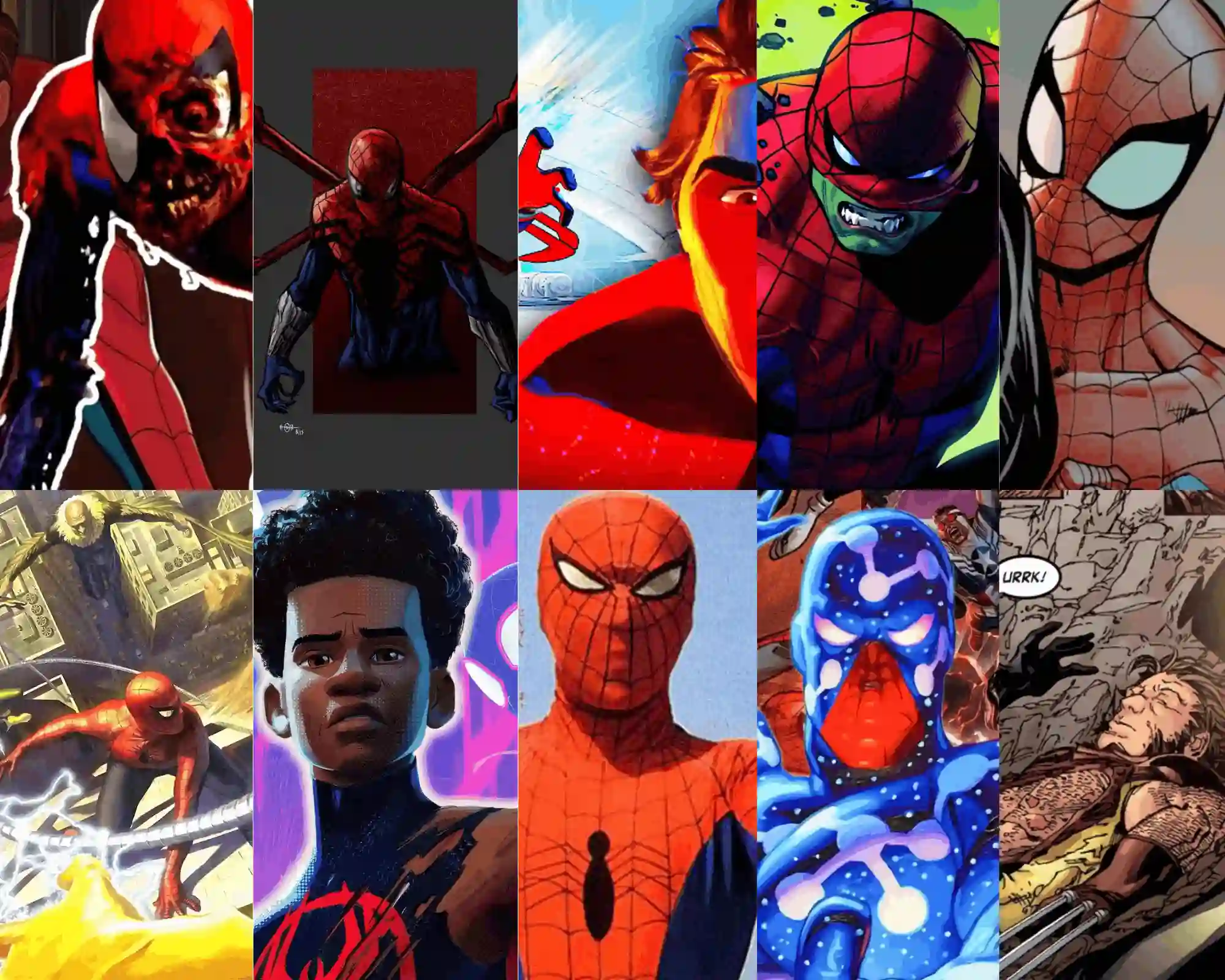
Spider-Man is one of the many superheroes from the Marvel Universe whose stories shaped many childhoods. Who is your strongest Spiderman?
READ MORE
October 28, 2025 .
Lists, Marvel, MCU, Opinions
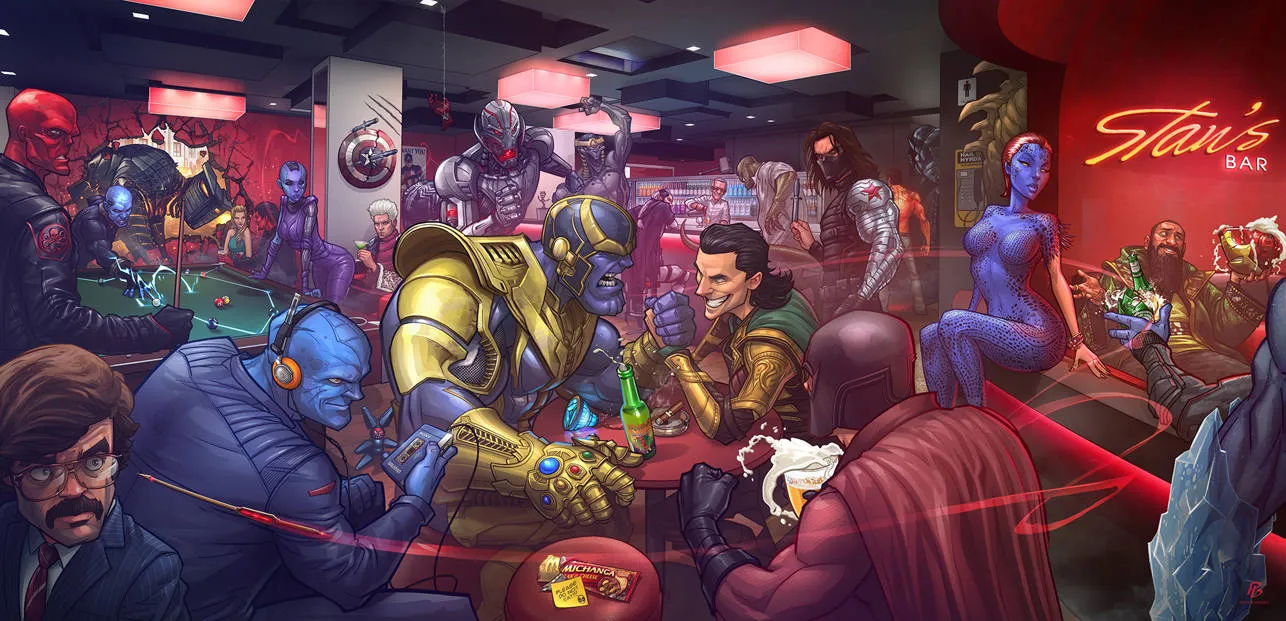
Let’s go through a list of the top 7 strongest Marvel villains, from the wickedly powerful to the absolutely unstoppable.
READ MORE
July 20, 2025 .
Animation, Lists
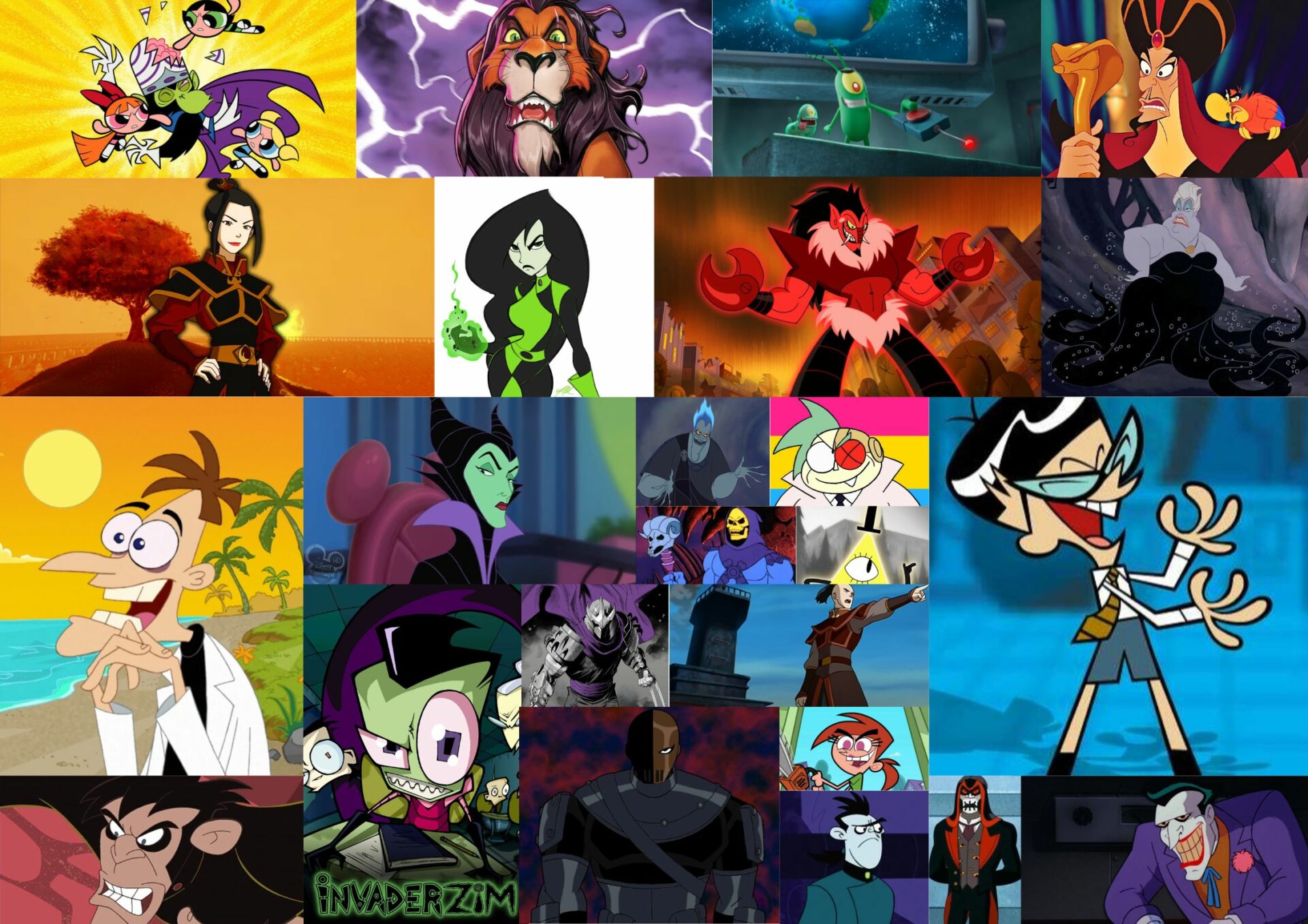
Our list rounds up the top 30 cartoon characters that were villains, each one more wonderfully wicked than the last.
READ MORE
April 29, 2026 .
Lists, Opinions
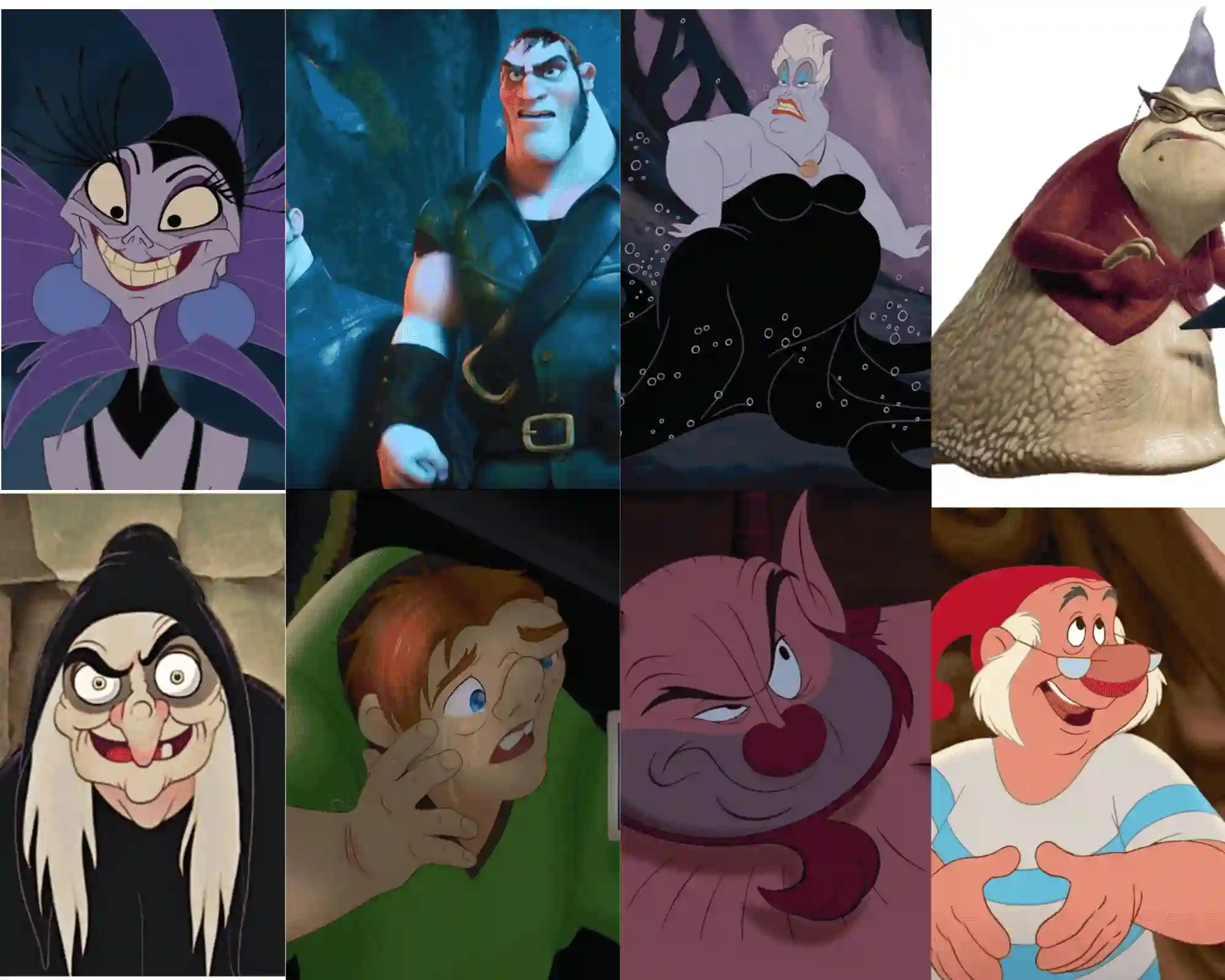
The Mouse is famous for its princesses and princes. However, the studio’s true genius lies in its embrace of “ugly Disney characters”.
READ MORE
June 25, 2026 .
Lists, Opinions
If Game of Thrones taught us anything, it’s that the characters we hate the most tend to outlive everyone else.
READ MORE
Get our magazine for free!