
























If everyone minded their business, sadly, many Nigerian novels would end by chapter three. Peace, unfortunately, does not move the plot.
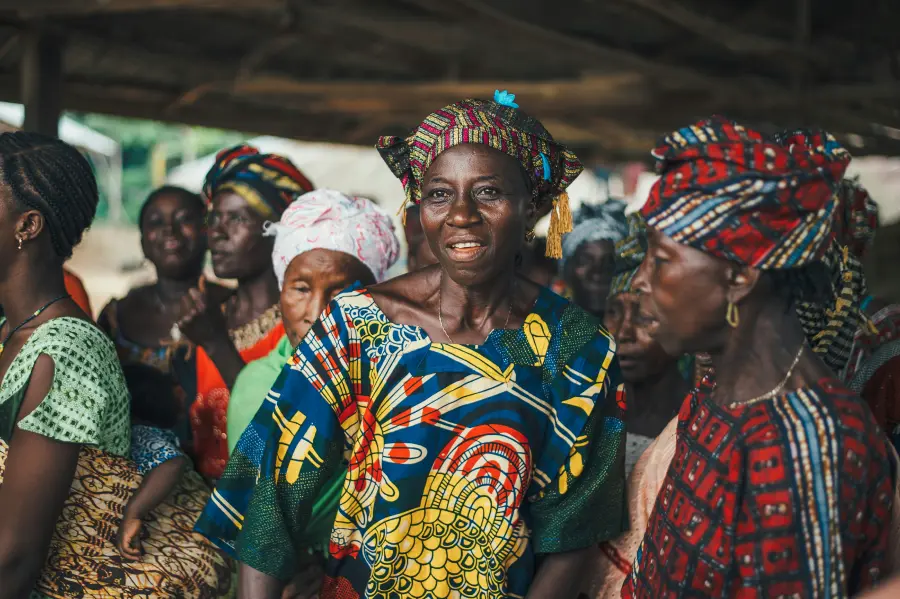
In Nigerian Literature, privacy is a myth.
At some point in Nigerian writing, personal business is rarely personal, and a person ceases to belong to themselves. It might happen after a certain birthday, when the body changes in the “wrong” way, or after too many festive seasons pass without the expected announcements. That is when the watchers appear, and the commentary starts.
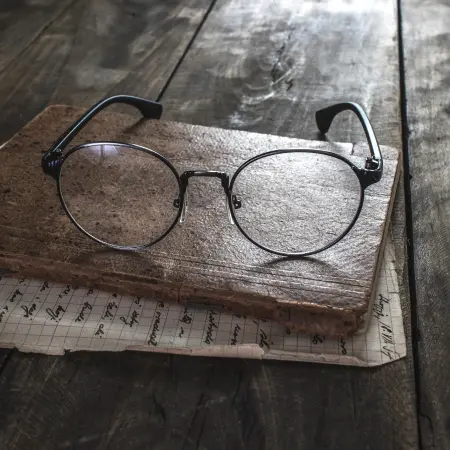
Aunties begin to ask questions that are not really questions. Friends offer concern disguised as advice. An in-law is sitting, watching from the corner, moon glasses perched halfway down her nose, her gaze lifting over the lenses in that particular way that suggests interest, judgment, and a story already forming.
These characters are not villains. They are simply… involved. Excessively. And this is vital, at least for African storytelling. Imagine a plot without our dear busy bees?
The explanation for this phenomenon is that our society is basically built on community and communal living, we look out for each other, and if that means no privacy and a bit of poke nosing, and being the subject of gossip sprinkled with a dose of bad mouthing, I guess we have to put up with the inconveniences as much as its perks.
Nigerian literature uses these characters not merely to observe the protagonist’s life but also to exert pressure on it. Under that pressure, characters bend, crack, resist, or grow. Peace is pleasant, but conflict is productive.

In Lizzie Damilola Blackburn’s Yinka, Where Is Your Huzband?, Yinka’s primary struggle is not heartbreak or poverty, but extended family commentary.
Characters such as Aunty Comfort and other family elders regard Yinka’s unmarried status as a personal failure on their part. Their concern is relentless: phone calls, side comments, prayer points disguised as insults. Everyone has a solution; no one has boundaries.
The humor here is quiet but sharp. The aunties are consistent, tireless, and almost professional in their interference. One gets the sense that if Yinka were to marry, they would immediately move on to children. Or weight. Or silence.
Something must always be corrected.
Structurally, these aunties are not background characters; they are the reason the plot exists. Their pressure manufactures Yinka’s anxiety, which in turn produces Operation Find-A-Date and forces her into a series of choices she might never have made otherwise.
Yinka’s growth does not lie in escaping them, but in learning which voices deserve authority over her life.
In Aiwanose Odafen’s We Were Girls Once, there is no single auntie figure, but a collective presence, parents, relatives, and elders who monitor women’s lives with unnerving attention.
These unnamed but familiar figures ask the same rotating questions:
This form of interference deepens the narrative by shaping the protagonist’s interior life rather than the external drama. Ego’s evolution happens through confrontation with memory, silence, and inherited trauma. The watching eyes of family and community create the conditions under which truth becomes unavoidable.
Without this collective scrutiny, the novel would lose its emotional urgency.
Damilare Kuku’s Nearly All the Men in Lagos Are Mad is full of friends who insert themselves into each other’s romantic lives with startling confidence.
In stories like Only Big Bum Bum Matters Tomorrow, unnamed female friends operate as a Greek chorus of Lagos survival logic, analysing men, bodies, and relationships like economic forecasts. Advice is loud, fast, and often unfiltered.
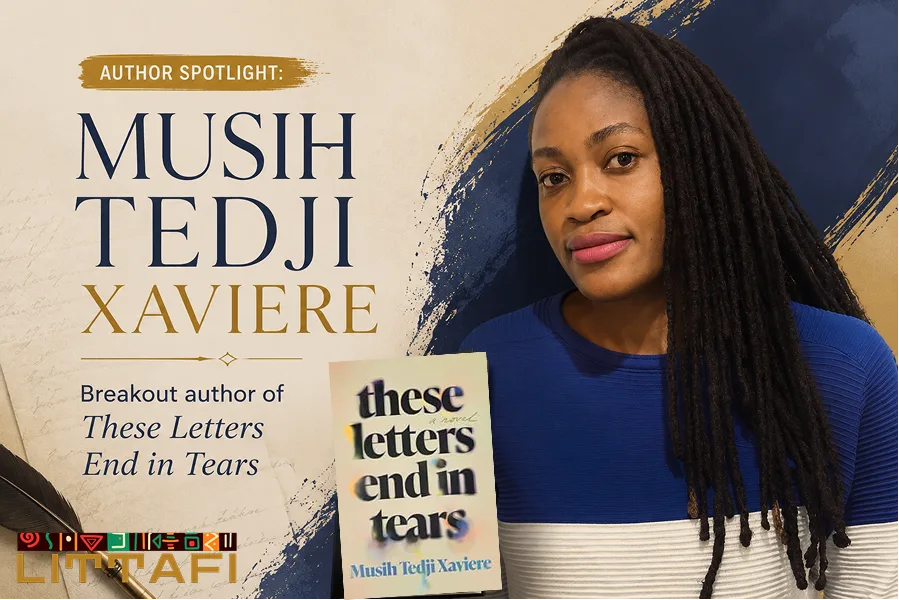
These characters are funny because they are recognizable and relatable to us. They mean well, but their commentary reduces complex emotional experiences to rules: what men want, what women should offer, what will “end in premium tears.” This feels helpful, until it isn’t.
These characters are used to add rhythm and context to the storytelling. The friends’ voices compress societal expectations in dialogue, turning private insecurity into communal debate.
The protagonists emerge not because the advice is correct, but because they eventually learn its limits.

Nigerian literature recognizes a fundamental truth: community breeds commentary.
Aunties interfere because they believe silence is neglect. Friends interfere because they believe love requires involvement. In-laws interfere because marriage, in this context, is never between two people, and as we like to say, you don’t only marry a man, you also marry his family.
These characters also serve an essential literary function: they externalize pressure. Rather than relying solely on internal monologue, Nigerian narratives allow social voices to speak aloud, giving shape to cultural expectations and accelerating character development.
If everyone minded their business, sadly, many Nigerian novels would end by chapter three. Peace, unfortunately, does not move the plot.

These characters can be frustrating, but they make the stories feel real. Nigerian life is communal and noisy, and people are deeply involved in one another’s choices. What affects one person is quickly noticed, discussed, and interpreted by many.
Privacy is not absent, but it is often poorly negotiated, and while literature does not invent this dynamic, it sure does recognize it.
So the aunty asks. The friend advises. The in-law comments.
Over time, this concern can morph into pressure. Advice begins to narrow the range of acceptable choices. A life starts to move not only according to desire, but also according to what will quiet the room, what will satisfy the observers, what will end the conversation; we often settle just so that attention can die down or at least shift to the next source of concern.
And this is where the story reaches its turning point, with a slight internal shift—a decision made too early. A compromise is explained as maturity. Or, just as often, a quiet resistance that refuses to give a satisfactory reaction to their concern
This is the height Nigerian literature returns to again and again: the moment when a person realises that the noise around them is not neutral. It shapes outcomes and leaves marks. And after all has been said, the character yields or resists, something has been altered permanently.

Hi I'm Tega, I am a microbiologist with a lifelong passion for reading, I fell in love with books as child (where I was briefly obsessed with Enid Blyton, lol) reading is simply my escape and hobby and sometimes doubles as therapy for me . My favorite genres are African lit, historical fiction, memoirs/biographies and fantasy. I do beta reading and post book reviews which you can check out on my Instagram @ te_ga_o.

July 20, 2025 .
Opinions
Book recommendations from random places don’t always cut it, and you often end up feeling unsatisfied with them.
READ MORE
September 2, 2025 .
African Literature
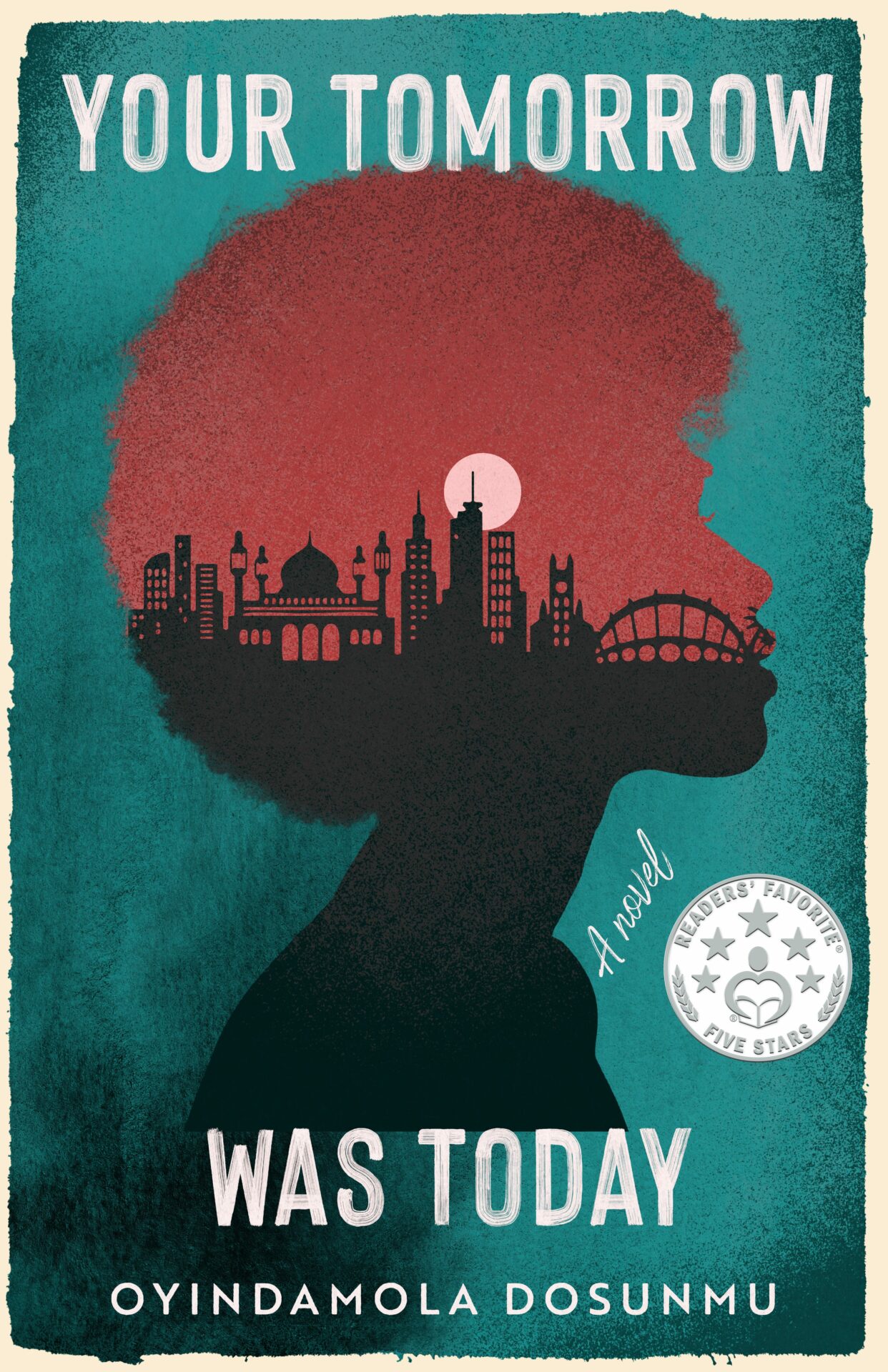
So yes, Your Tomorrow Was Today is guaranteed to be a book that will touch you, regardless of gender, interests or philosophy.
READ MORE

July 20, 2025 .
Essays, Opinions
READ MORE

July 20, 2025 .
Essays, Opinions
READ MORE

July 20, 2025 .
Essays
Except if you have been living under a rock or in outer space since the beginning of time, there is no way you wouldn’t have heard of Wole Soyinka.
READ MORE

July 20, 2025 .
Opinions
Book reviews aren’t just a jumble of words on how a book made you feel but also a veritable document that you can quickly refer to when your memories temporarily fail you.
READ MORE

July 20, 2025 .
Opinions
Reading hundreds of pages for a single book can be like facing Smaug, Chiefest of Calamities, but a short story is a small dragon that you can easily conquer.
READ MORE
May 6, 2026 .
Lists, MCU
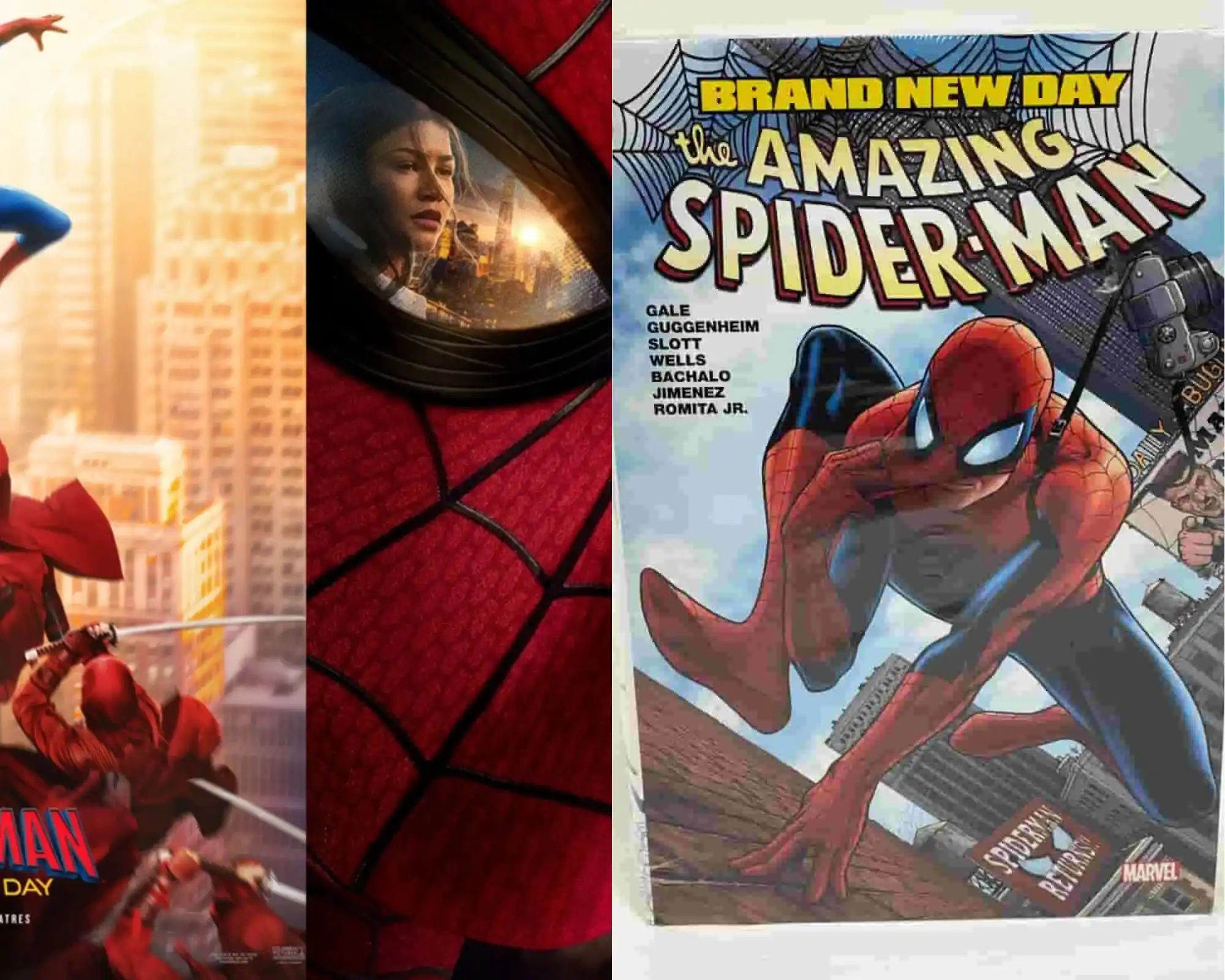
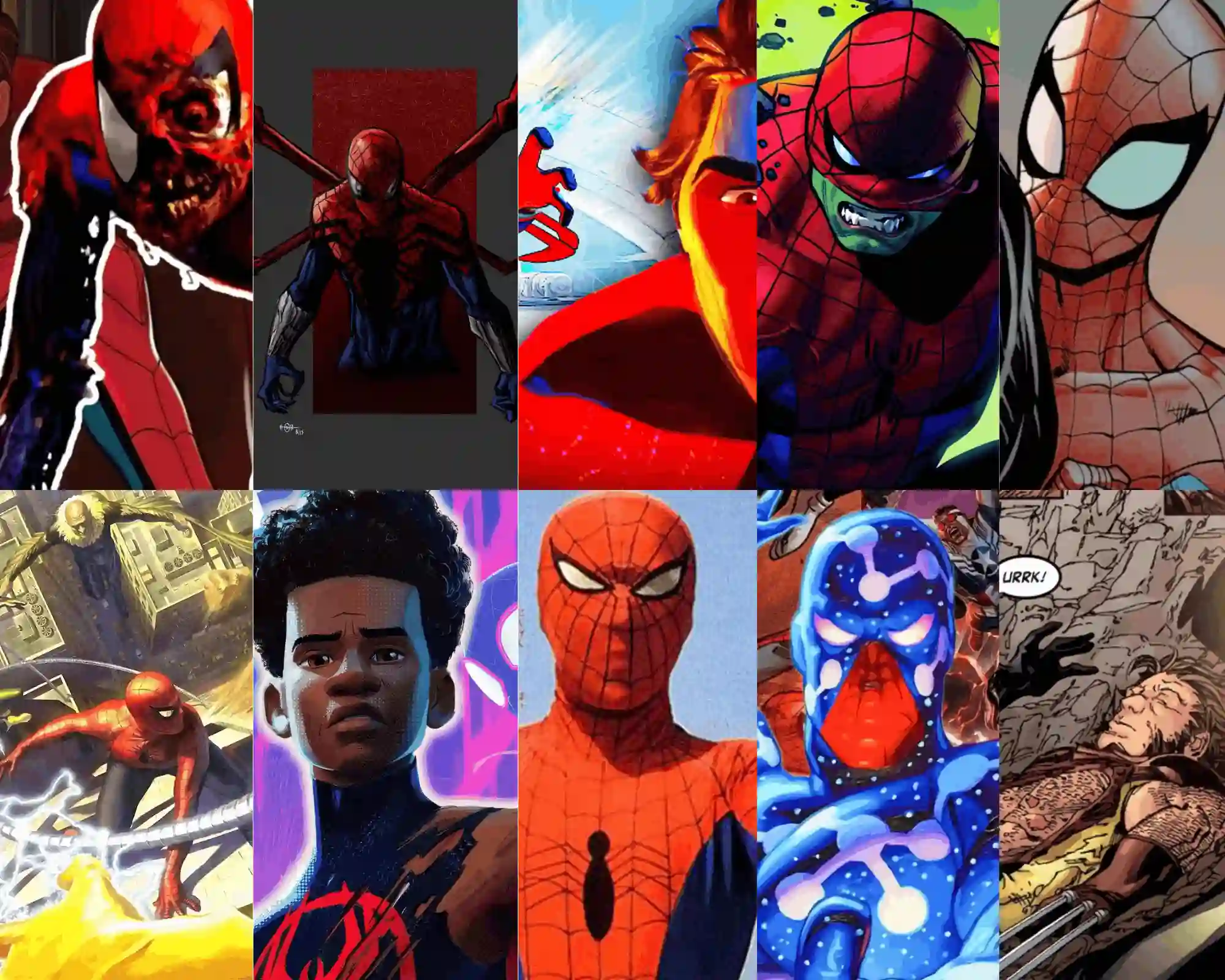
Spider-Man is one of the many superheroes from the Marvel Universe whose stories shaped many childhoods. Who is your strongest Spiderman?
READ MORE
July 20, 2025 .
Animation, Lists
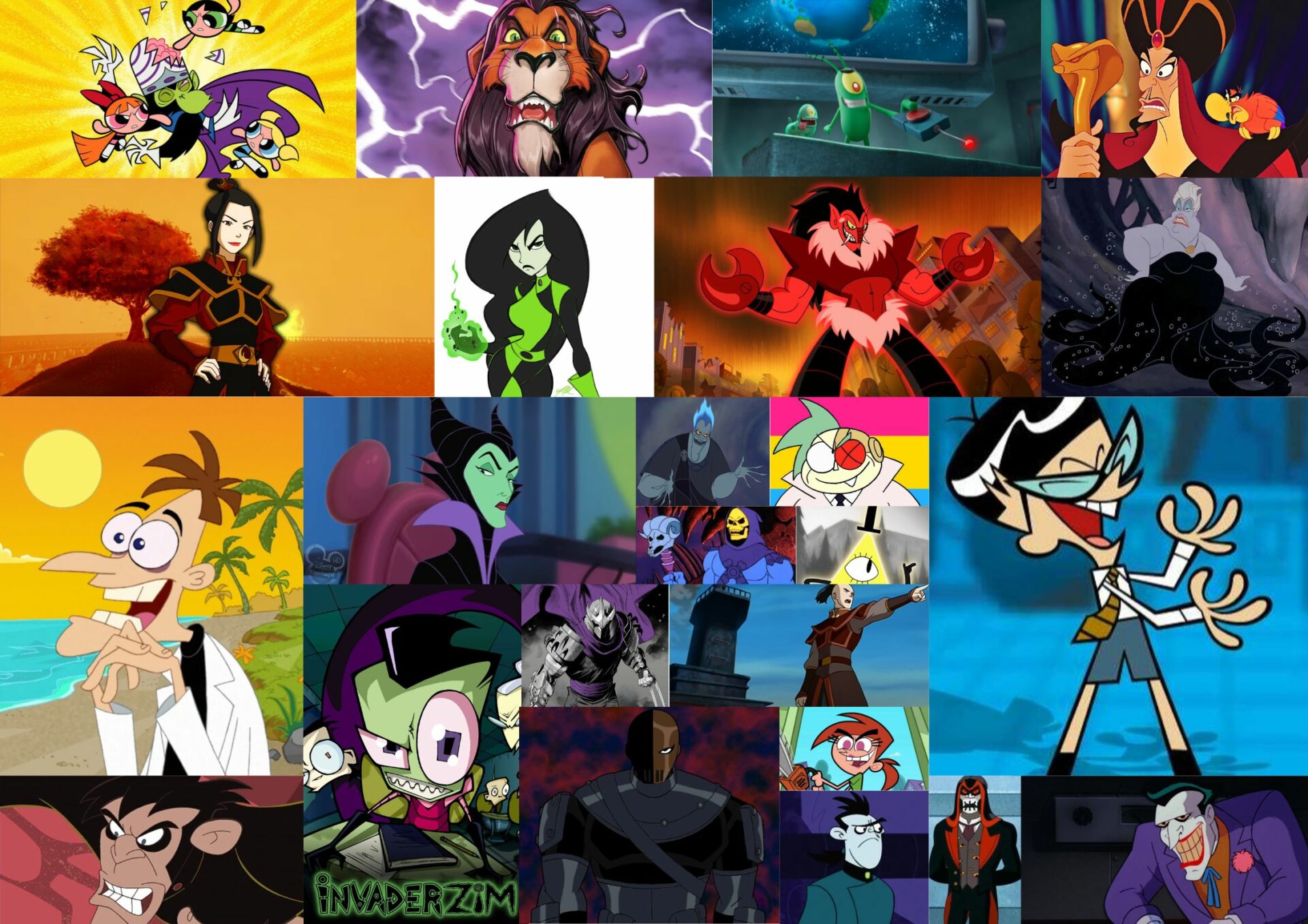
Our list rounds up the top 30 cartoon characters that were villains, each one more wonderfully wicked than the last.
READ MORE
October 28, 2025 .
Lists, Marvel, MCU, Opinions
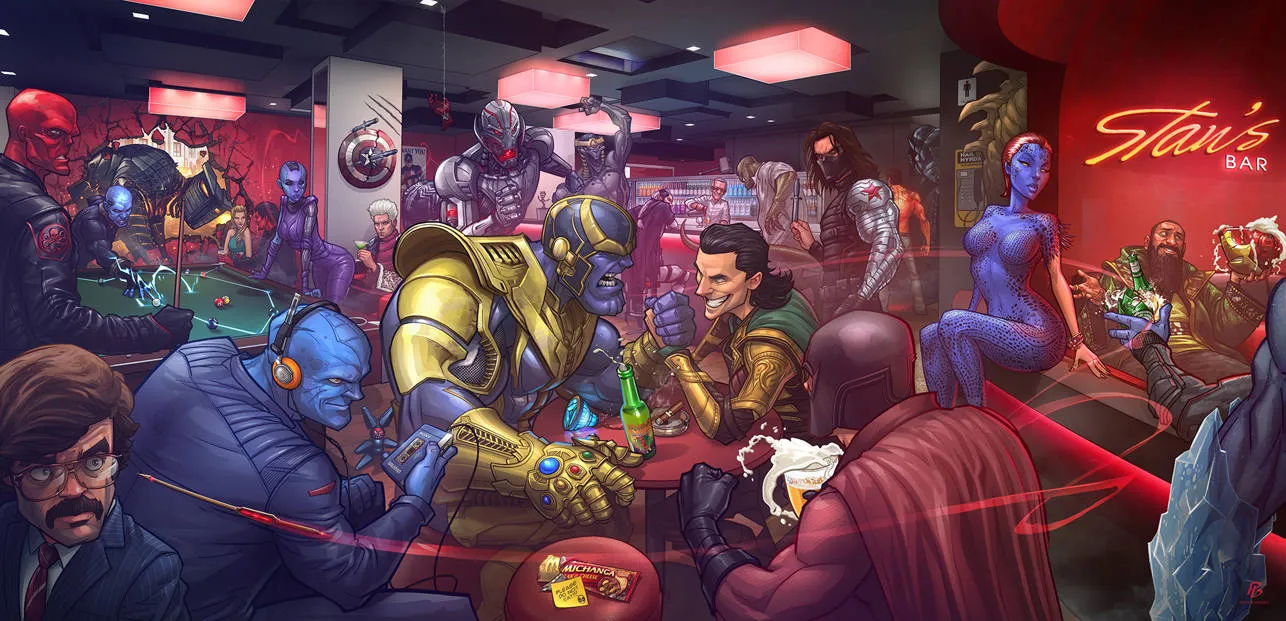
Let’s go through a list of the top 7 strongest Marvel villains, from the wickedly powerful to the absolutely unstoppable.
READ MORE
April 29, 2026 .
Lists, Opinions
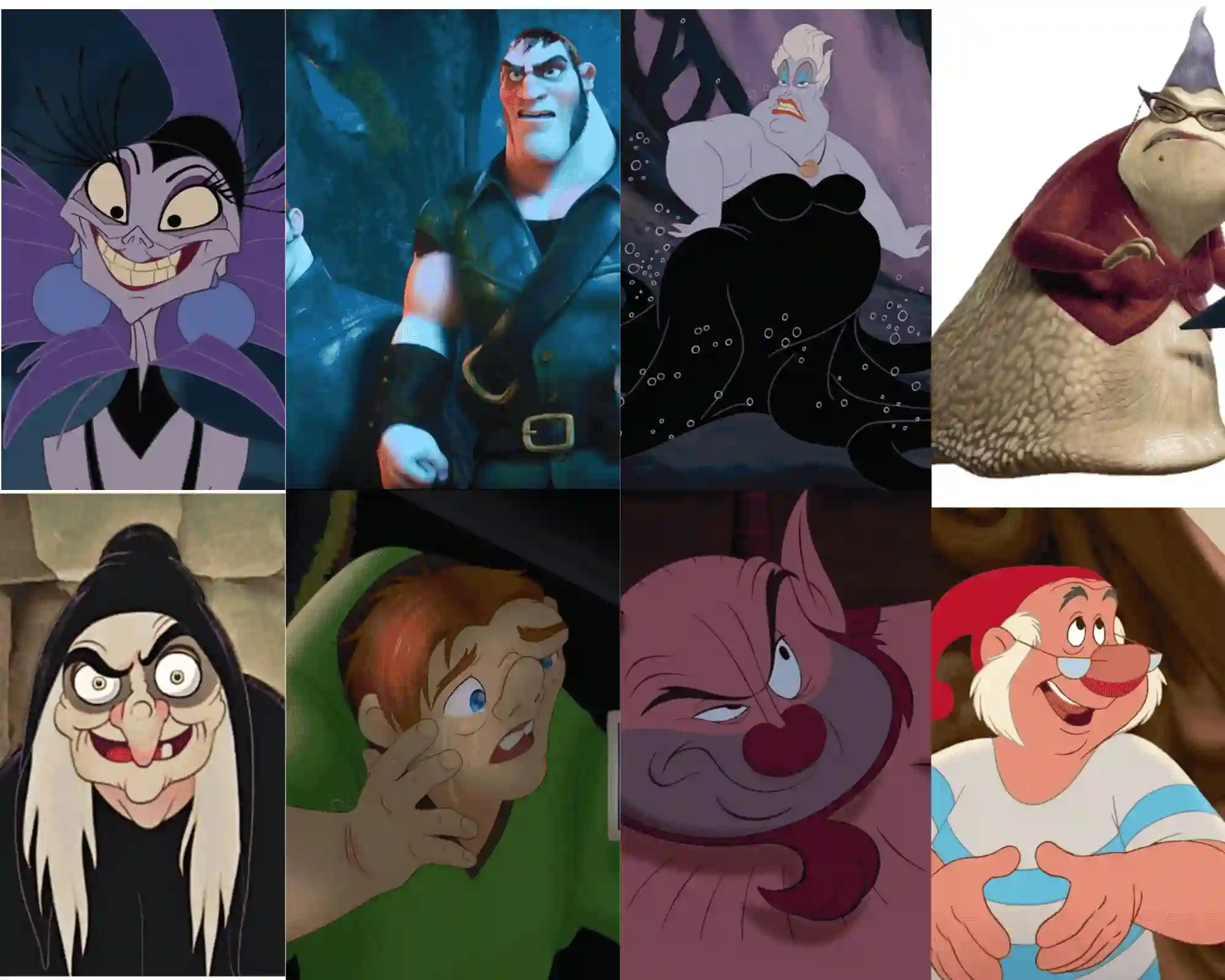
The Mouse is famous for its princesses and princes. However, the studio’s true genius lies in its embrace of “ugly Disney characters”.
READ MORE
June 25, 2026 .
Lists, Opinions
If Game of Thrones taught us anything, it’s that the characters we hate the most tend to outlive everyone else.
READ MORE
Get our magazine for free!