
















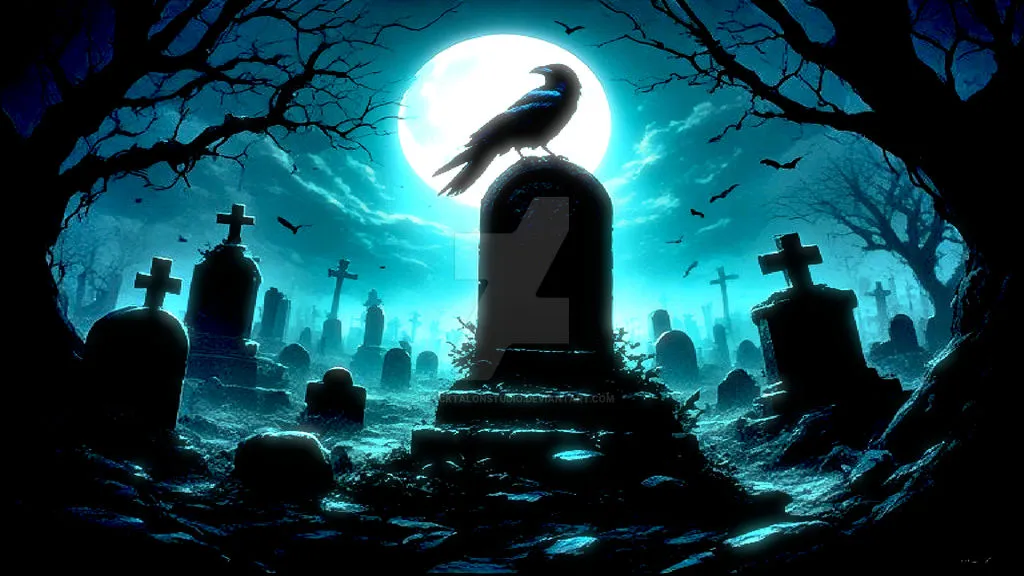








Classic horror novels acted as mirrors of their time, but not always fairly, reflecting fear and distortion.
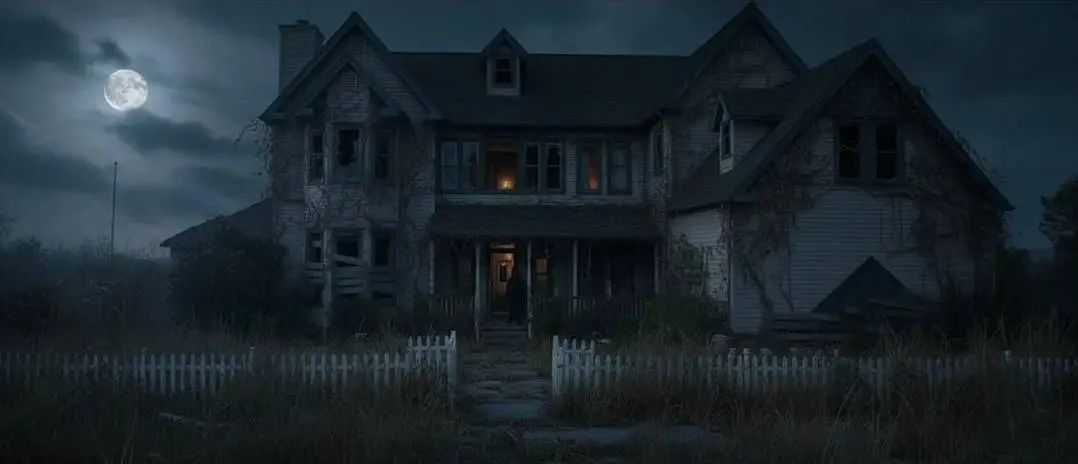
The shadows of literature’s past often feel longer than the stories themselves. When looking closely at classic horror novels, a troubling pattern emerges. The monsters that fill these pages often resemble people from distant places (read: outsiders).
Classic horror novels acted as mirrors of their time, but not always fairly, reflecting fear and distortion. The worry of the unknown slowly turned into wariness of the “Other.”
Modern horror, by contrast, tends to look inward, exploring trauma, identity, and social breakdown. This shift raises a hard question: do these stories merely reflect historical context, or actively contribute to a xenophobic worldview?
In the golden age of Gothic and Victorian terror, horror often stemmed from a breach of the border. This gave rise to “Imperial Gothic,” a subgenre of classic horror novels in which the sins of colonial expansion come home to roost. The fear was that by venturing into the “unknown” corners of the earth, the West had inadvertently invited a predatory force back to its pristine shores.
This was the era of the British Empire at its peak, yet the literature of the time betrays a fragile psyche, terrified that the cultures it sought to subdue would eventually retaliate or, worse, assimilate and corrupt.

Take Bram Stoker’s Dracula as an example. While the Count is a vampire, he is also an aristocratic foreigner from the “East” who moves to London to buy up English property.
He is not merely a supernatural predator; he is a demographic threat. His ability to blend into London society while maintaining a “primitive” power mirrored Victorian fears of the “primitive” infecting the “civilized.”
The subtext of many classic horror novels from this period is the fear that the “alien” would infiltrate and eventually replace the native population. The horror in Stoker’s work is specifically the Count’s desire to “infect” English women, effectively turning them into vessels for a foreign, ancient bloodline that stands in direct opposition to British Victorian values.
If Stoker dealt with the fear of the invading outsider, H.P. Lovecraft focused on the horror of proximity and biological contamination. Lovecraft’s contribution to classic horror novels is undeniable for its atmosphere, but his work is perhaps the most egregious example of xenophobia masquerading as cosmic dread.
For Lovecraft, the unnamable horror often functioned as a thinly veiled metaphor for miscegenation and the perceived decay of the Anglo-Saxon race.

In The Shadow Over Innsmouth, the horror stems from a seafaring community that has interbred with deep-sea entities.
However, the descriptions of the residents, their “narrow heads,” “receding foreheads,” and “staring eyes” borrowed heavily from racist caricatures of immigrant communities and Pacific Islanders prevalent in the 1920s.
To Lovecraft, the “monster” was the result of a blurred boundary between races. The dread in these stories isn’t just about the universe being indifferent, but specifically about the narrator’s purity being compromised by lesser or alien lineages. This is not a fear of a ghost in the attic; it is a dread of the neighbor in the apartment next door.
A similar motif appears in works such as Richard Marsh’s The Beetle and Arthur Machen’s The Great God Pan, where ancient, non-European cultures are depicted as possessing decadent or threatening magic that endangers modern rationality.

This trope relies on the Ignoble Savage myth, framing the religious practices of the Global South as satanic, atavistic, or monstrous.

These stories often cast the villain as a cultural representative of a region the West had colonized but couldn’t fully control. By portraying foreign spirituality as madness or as a form of transformation, the novels justified colonialism.
They suggested that, if left unchecked, these outsiders’ atavistic tendencies would unravel modern society. Here, xenophobia serves a political purpose, reinforcing the idea that safety lies only in excluding or subjugating the foreign.
Another factor shaping these narratives was the influence of 19th- and early 20th-century pseudosciences, such as social Darwinism and physiognomy (the debunked belief that physical features reveal moral character).

These sciences bled into classic horror novels, where writers often gave villains atavistic features such as low brows, dark skin, or hooked noses associated with non-European ethnicities.
By coding evil as a physical, inherited trait of outsiders, these novels offered a logical basis for bigotry, disguising it as a survival instinct. They shifted fear from the spiritual to the biological, making the “monster” an inescapable fact of birth.
One might argue that these authors weren’t explicitly xenophobic but were instead reflecting a generalized, deep-seated intolerance for anything that deviated from the Victorian norm. However, the distinction is often semantic.

In classic horror novels, xenophobia was an active narrative engine. It provided a shorthand for ‘evil’ that required no character development; if a character came from a mysterious Eastern background, readers expected treachery.
Indeed, modern scholarship suggests that these tropes served as a reactionary safe space. As the traditional certainties of class and race were challenged by a globalizing world and burgeoning independence movements in the colonies, these novels allowed the “Other” to be identified, hunted, and defeated.
The narrative arc usually restores the status quo: it kills or drives the foreigner back to their land, momentarily preserving the purity of the Western setting.
These enduring themes in classic horror novels can be traced, in part, to the human brain’s evolutionary tendency toward tribalism.
By making the monster an outsider, the author creates an “us versus them” dynamic that bypasses intellectual critique and hits a primal nerve. However, when narratives repeatedly ostracize specific groups of people, they transcend simple storytelling and become propaganda.

The “monster” in these texts often serves as a scapegoat for internal societal failures. Instead of addressing the cruelty of the class system or the brutality of industrialization, the horror is projected onto the stranger.
This displacement allowed readers to feel a sense of unity against an external threat, ignoring the rot within their own walls.
Ultimately, the genre’s history is a tapestry of brilliance and bias. The central thesis of this essay is that the xenophobia present in many foundational texts was not accidental. For many readers of the time, it was the primary source of horror.
These stories tapped into collective anxieties about a changing world and the fear of cultural loss, demonstrating how literature can both reflect and entrench social prejudices.
In the 1890s, it was the immigrant, and in the 1920s, it was the “mixed” neighborhood. By acknowledging that these monsters were often proxies for marginalized people, we can appreciate the craft of the suspense while rejecting the bigotry of the subtext.
By moving from passive reading to critical analysis, we ensure that horror evolves into a more nuanced form. The real terror, these stories reveal, is not the stranger, but humanity’s tendency to demonize difference, a pattern we must acknowledge and move beyond in modern storytelling.


July 20, 2025 .
Opinions
Book recommendations from random places don’t always cut it, and you often end up feeling unsatisfied with them.
READ MORE

July 20, 2025 .
Essays, Opinions
READ MORE

July 20, 2025 .
Essays, Opinions
READ MORE

July 20, 2025 .
Opinions
Book reviews aren’t just a jumble of words on how a book made you feel but also a veritable document that you can quickly refer to when your memories temporarily fail you.
READ MORE

July 20, 2025 .
Opinions
Reading hundreds of pages for a single book can be like facing Smaug, Chiefest of Calamities, but a short story is a small dragon that you can easily conquer.
READ MORE

July 20, 2025 .
Debates, Opinions
Reading nonfiction about what interests you can provide more color and context that might make your fiction reading experience more enjoyable.
READ MORE
September 12, 2025 .
Opinions
In a fast-paced world, reading asks us to slow down, surrender, and sit with another person’s words long enough for them to settle inside us.
READ MORE
May 6, 2026 .
Lists, MCU
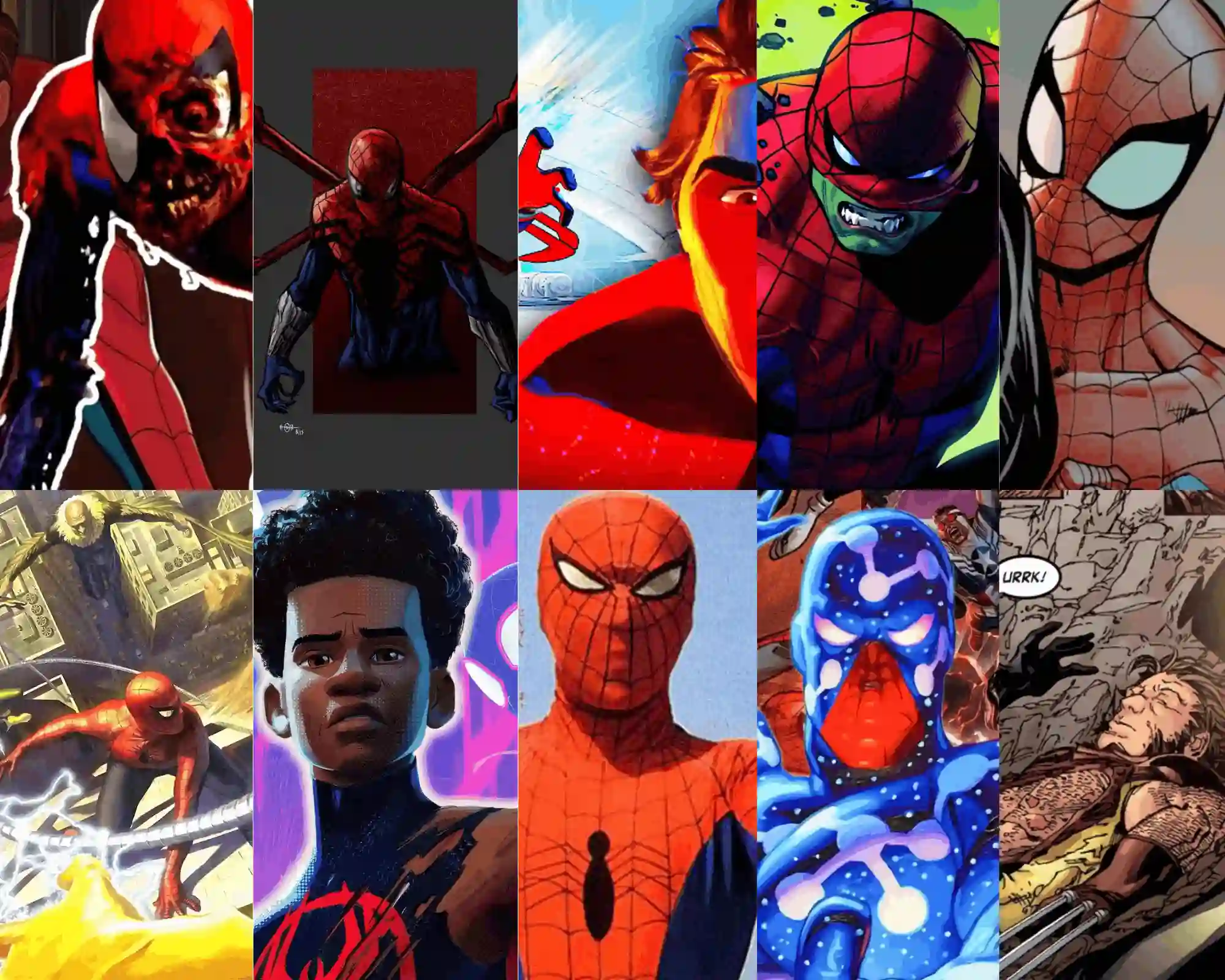
Spider-Man is one of the many superheroes from the Marvel Universe whose stories shaped many childhoods. Who is your strongest Spiderman?
READ MORE
July 20, 2025 .
Animation, Lists
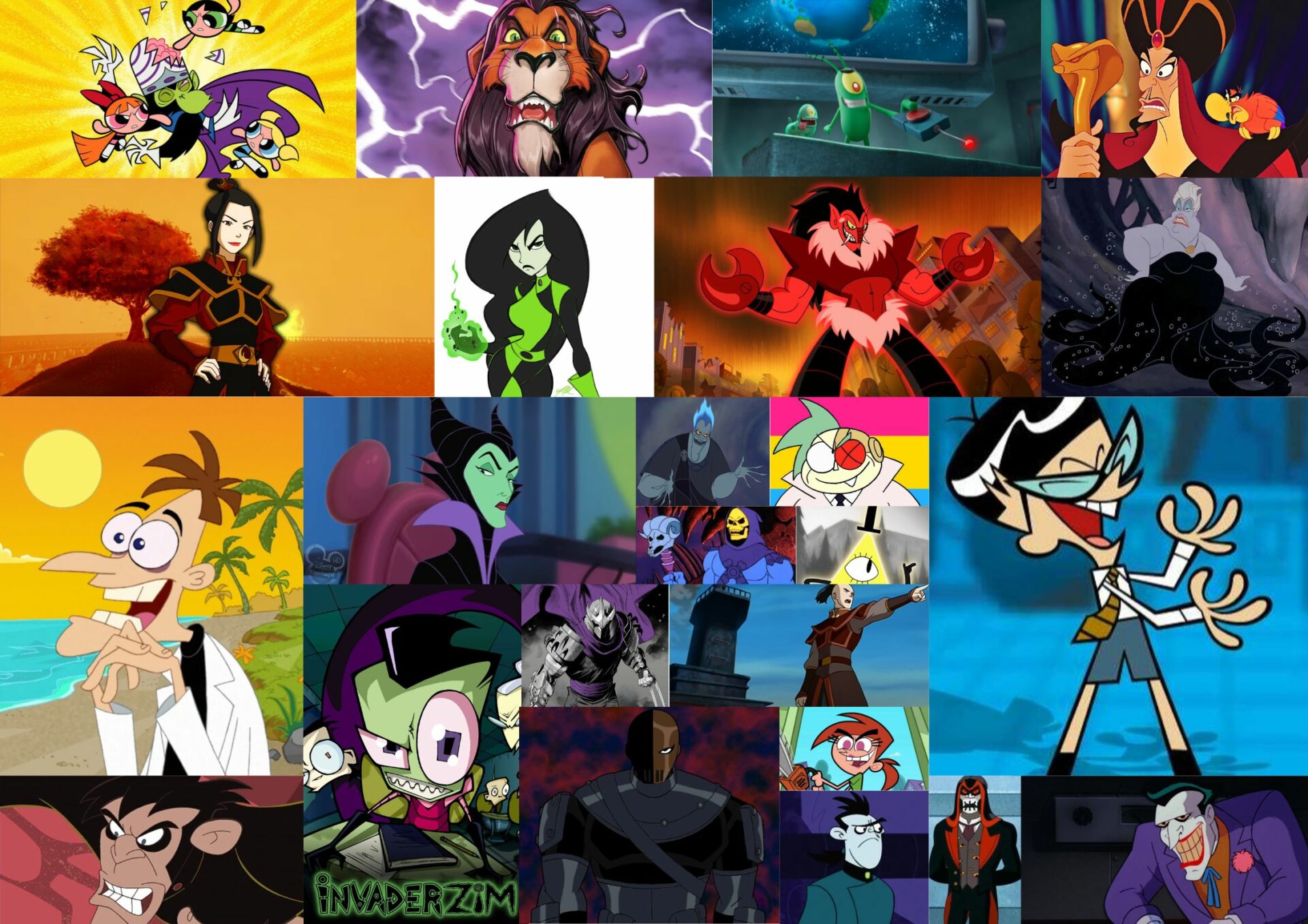
Our list rounds up the top 30 cartoon characters that were villains, each one more wonderfully wicked than the last.
READ MORE
October 28, 2025 .
Lists, Marvel, MCU, Opinions
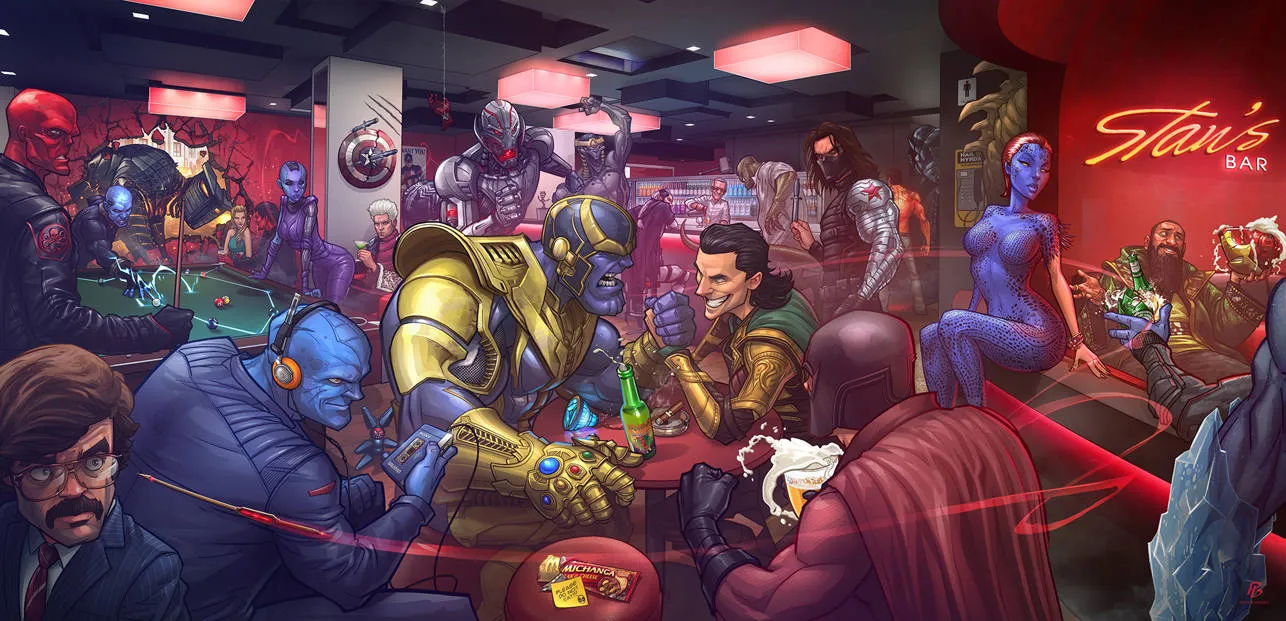
Let’s go through a list of the top 7 strongest Marvel villains, from the wickedly powerful to the absolutely unstoppable.
READ MORE
February 26, 2026 .
Cartoons, Lists
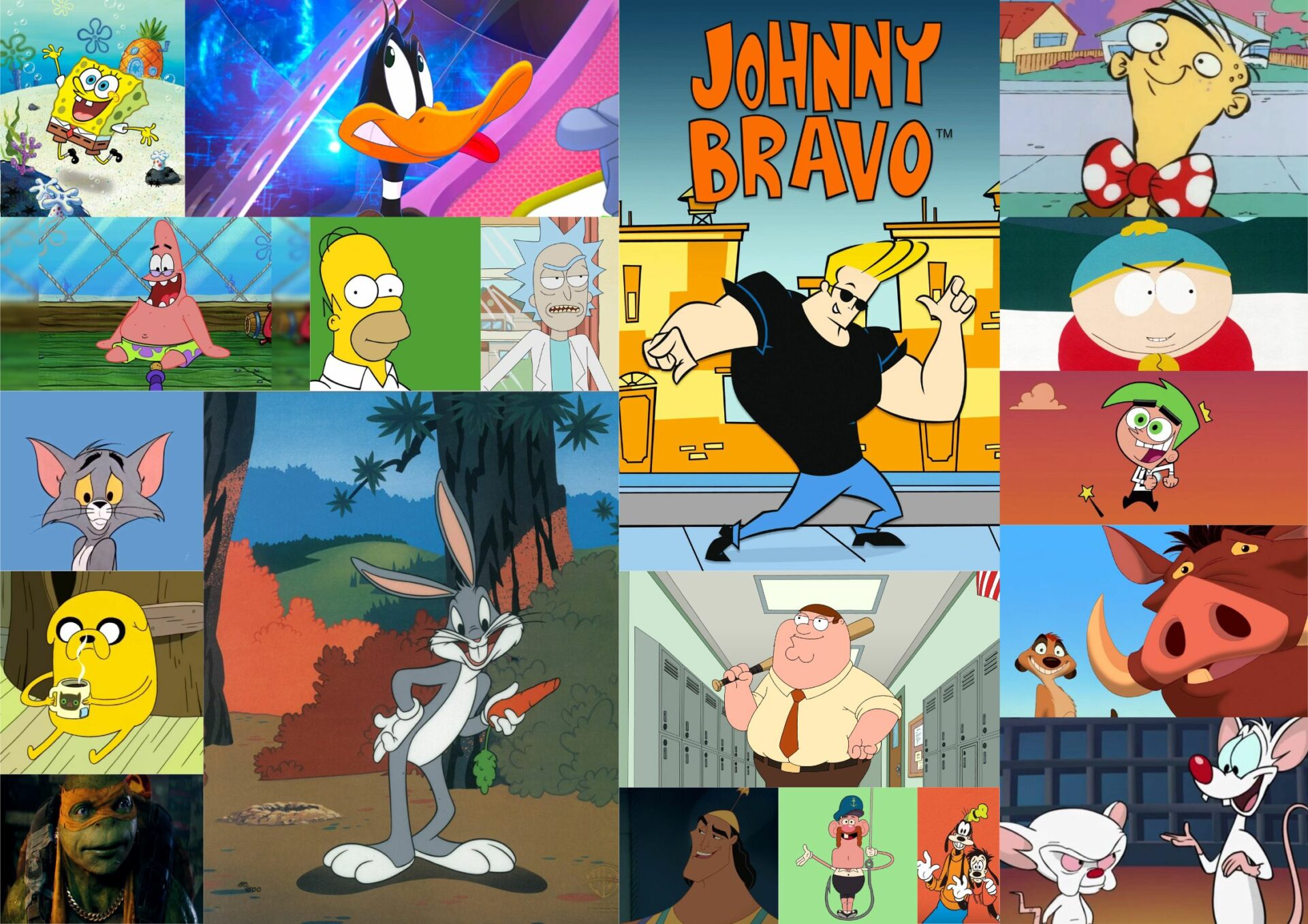
There are some outright funny cartoon characters who exist solely to crack you up, loud, hard, and with zero apology.
READ MORE
April 29, 2026 .
Lists, Opinions
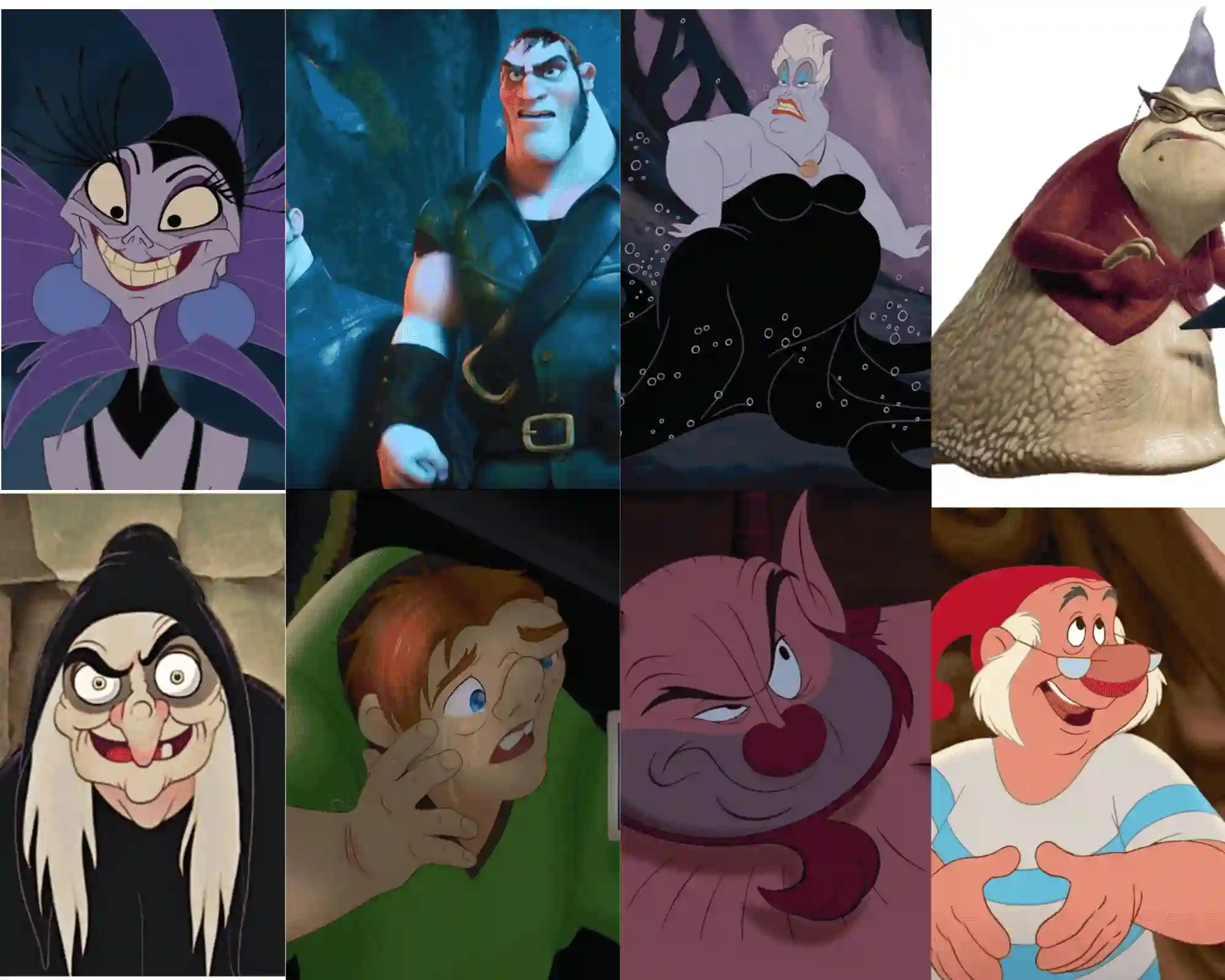
The Mouse is famous for its princesses and princes. However, the studio’s true genius lies in its embrace of “ugly Disney characters”.
READ MORE
Get our magazine for free!