

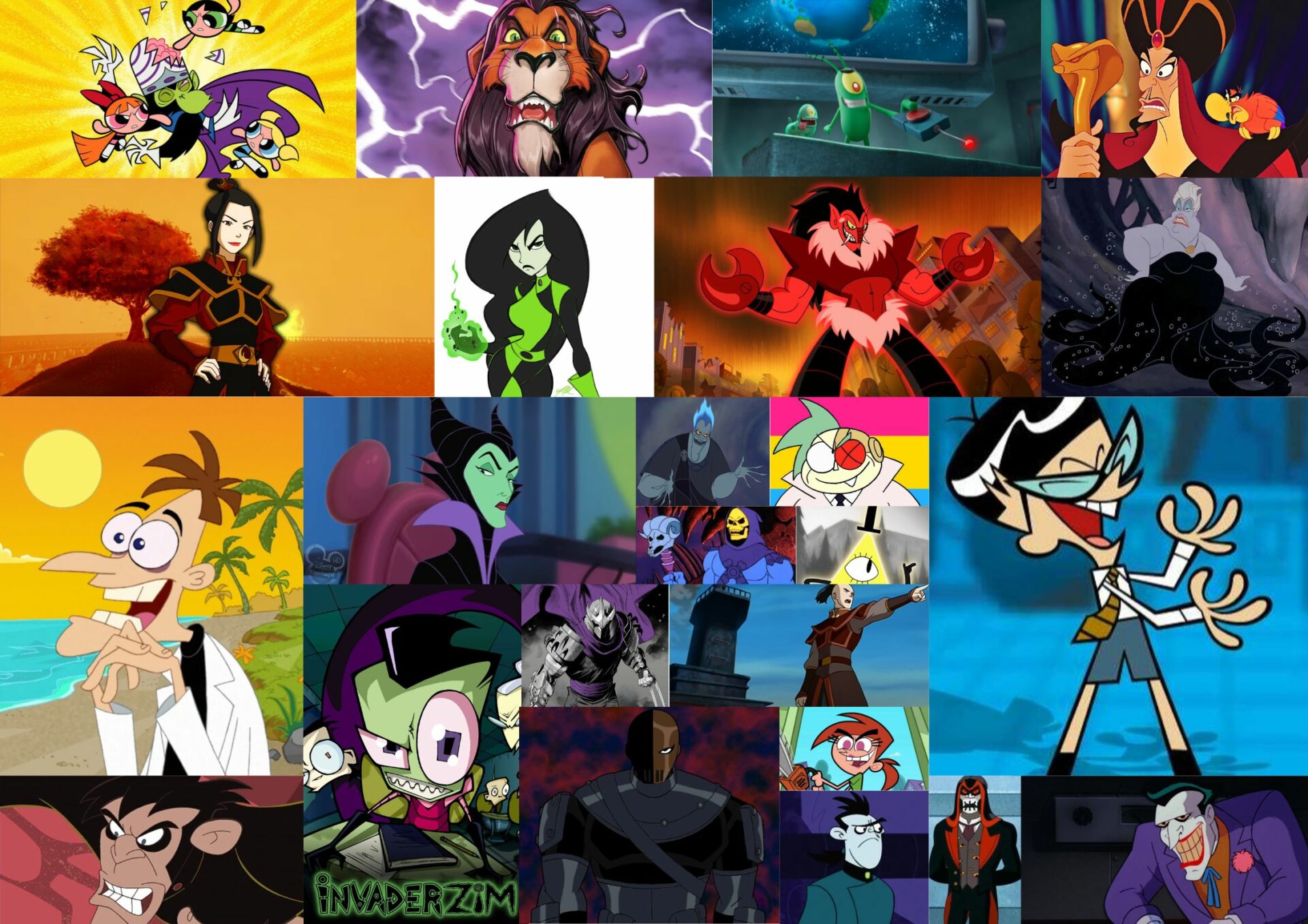
Top 30 Cartoon Characters That Were Villains
Our list rounds up the top 30 cartoon characters that were villains, each one more wonderfully wicked than the last.
The non-reader may argue that representations in books don’t matter beyond the page. However, every reader is aware of the short-sightedness of this statement. Literature has traditionally played an impressive role in shaping cultural narratives. Often, it is a mirror of our society, showcasing prejudices and deeply held beliefs more clearly than other forms of […]
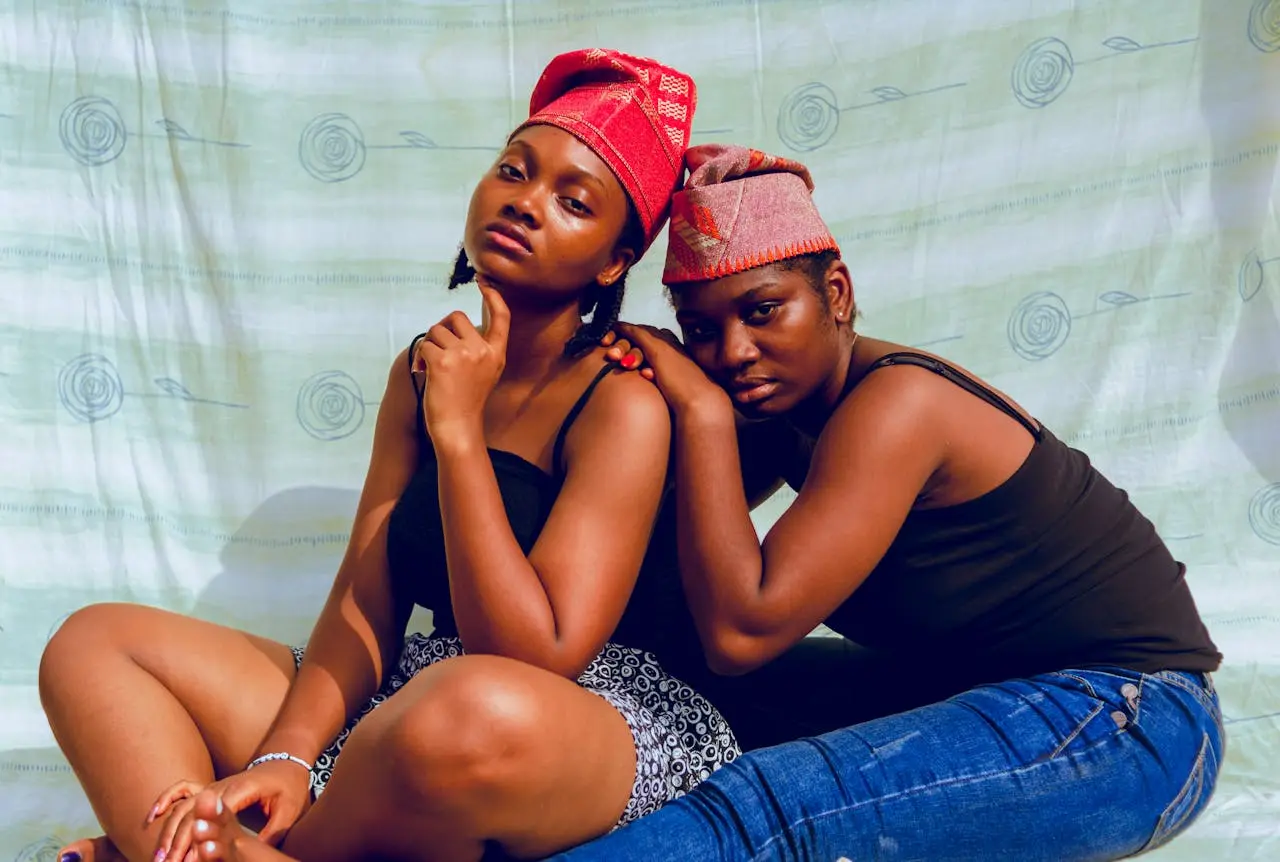
The non-reader may argue that representations in books don’t matter beyond the page. However, every reader is aware of the short-sightedness of this statement.
Literature has traditionally played an impressive role in shaping cultural narratives. Often, it is a mirror of our society, showcasing prejudices and deeply held beliefs more clearly than other forms of communication.
In popular media, the depiction of African women has come a long way from the performative racism of Gone With The Wind (1936). Many argue that the film adaptation drove this home even more deeply than the book. Portrayals have moved on to Lemonade (2016), an exquisite celebration of the lives of Black women, told cinematically by Beyoncé.
In fiction, too, we can see concrete changes that reveal a lot about the increasing respect African women command. These changes also show the continent’s growing significance in the world order.
For the longest time, African women were presented as submissive characters in novels. Many books remained rooted in colonial depictions of being exploited and having little agency to make a change in their lives.
Contemporary fiction breaks away from this narrative to celebrate the beauty in the modern African woman’s resilience. She is not afraid to break the erstwhile shackles of patriarchy and leave behind stereotypes of non-resisting submission.
Consider The Vanishing Half by Brit Bennett, widely regarded as essential reading for Black History Month. The book tells us about two twin sisters who ran away from their small town as teenagers. Years later, one sister feels tied to the barriers of ‘performative whiteness’ in perpetually ironed clothes. The other is raw and real.
There’s immense beauty in such freedom. The mental unburdening manifests in everything they do and how they appear to the world.
Many popular works of fiction and non-fiction have criticized plastic surgery for its alleged futility and vanity. In the context of Black women, cosmetic procedures may often be showcased as desperate to conform in some way.
Remember how The Beauty Myth observed that popular breast augmentation could lead to a loss of nipple sensitivity? Painful procedures were not a form of redemption for the ‘sin of ugliness,’ it noted.
More recently, the obsession with impossible beauty standards pushed the protagonist of Rouge, Mona Awad’s latest, to desperate measures in a far-off spa center.
However, what many overlook is that choices pertaining to our bodies are ours alone. We don’t have to explain ourselves to anyone.
New writing does assign bolder decision-making to Black protagonists. This syncs with industry reports that suggest more people in Africa now explore plastic surgery or cosmetic procedures. The sector is growing at over 8 percent and is expected to surpass US$ 2,300 million by 2033.
It is also heartening to see that newer authors are moving away from harping on about the ‘voluptuousness’ of African women. We have heard enough about the curves and their sexual connotations that diminish multidimensional women.
While cosmetic choices remain highly personal, caution is important, especially amid developments such as the internal bra mesh lawsuit in the US. It is a cautionary case brought by women who faced pain and other complications after augmentation and lift procedures.
TorHoerman Law observes that the manufacturers likely failed to conduct adequate testing of the materials involved. They also may not have communicated the possible side effects to the patients.
Perusing non-fiction works and memoirs of people who have ‘gone under the knife’ can be illuminating. It can also keep people safe and well-informed.
Recommendation: Christine Slobogin’s Putting Plastic Surgery on Paper, a revealing historical account of the meanings cosmetic surgery can hold for different people. Whether you choose it for restoration or enhancement is not the focal point.
More books are also moving toward emphasizing Africa’s influence on the global fashion industry.
These developments are not limited to the Black stereotypes that Donald Bogle presented in “Toms, Coons, Mulattoes, Mammies, and Bucks” back in 1973. African men and women are no longer portrayed as a uniform category with homogenous ways of dressing and talking. They experiment, and they inspire.
In 2025, the BBC reported that many US teenagers covet prom dresses from Africa. Some of them commission outfits from Nigeria, requesting sequins, beads, and lace fabric. These facets of traditional Yoruba designs are now known well outside Africa.
Readers can now expect to learn more about African fashion than just colorful wax prints and bulky jewelry. The women in new works of literature are not confined to monolithic fashion trends.
For example, in Bolu Babalola’s Honey & Spice, the protagonist is stylish and confident as she navigates relationships. The idea is to eliminate the ‘whiteness’ of the romance fiction genre. Love and passion make everyone beautiful, regardless of color. And campus chic or effortless glam aren’t only for the West.
These literary efforts are a meaningful way to depict the impact Africa has on the world’s cultural growth: not just from the fringes but also in the mainstream.
Inspiring as these changes are, they may seem precarious amid the current sociopolitical turbulence. Long-held relationships are coming apart, with justice and human rights taking on lesser meaning with each new atrocious act.
As writers and readers, our jobs assume even greater importance at this time. Literature, when sufficiently powerful, can gradually dissolve toxic, discriminatory beliefs. It can also precipitate necessary changes for all people, in Africa and beyond.
The Tyrant Overlord. Fantasy buff and avid football fan.
Our list rounds up the top 30 cartoon characters that were villains, each one more wonderfully wicked than the last.
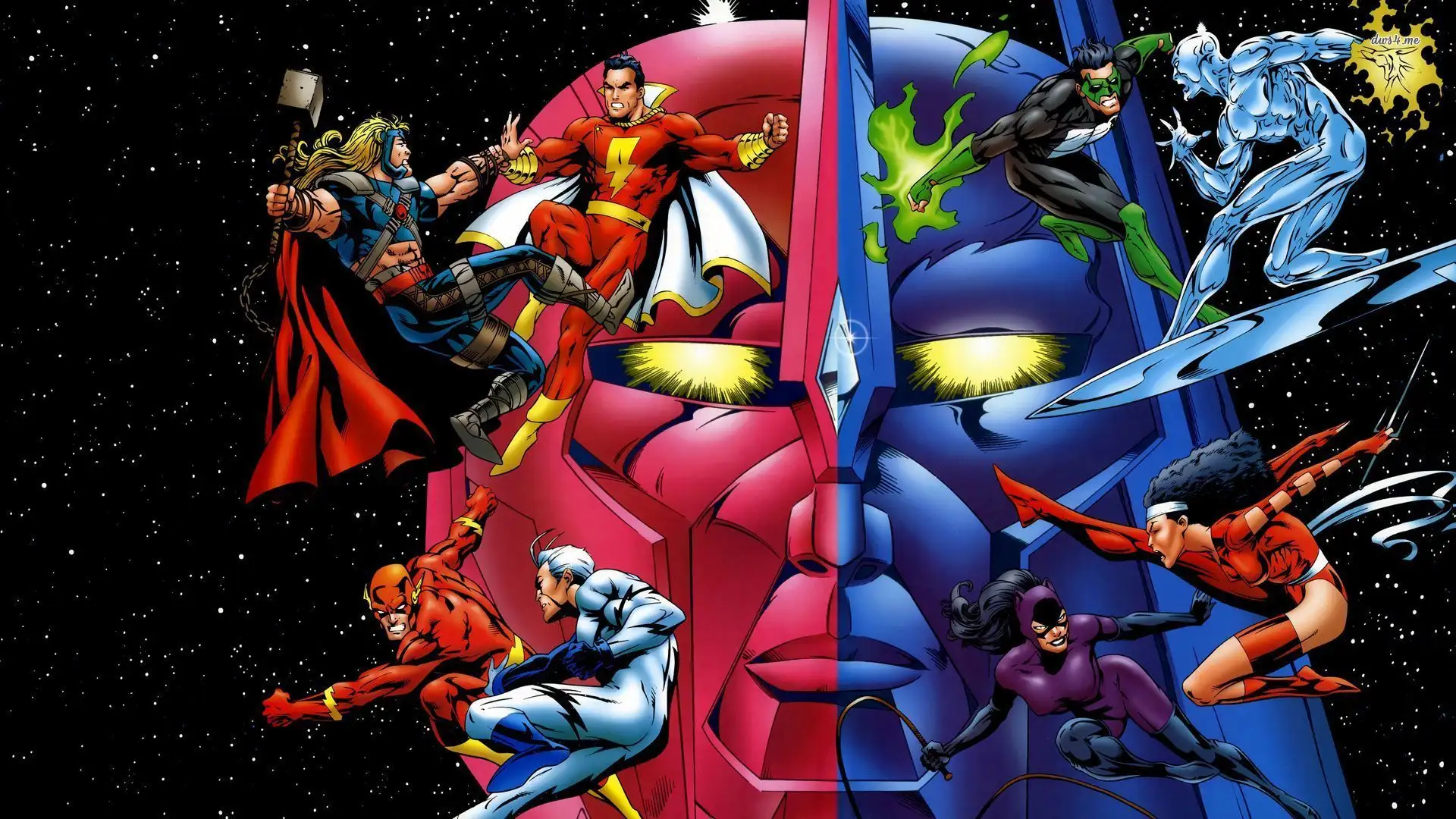
DC is great at making comics and animated movies, while the MCU has the upper hand in its cinematic aspects
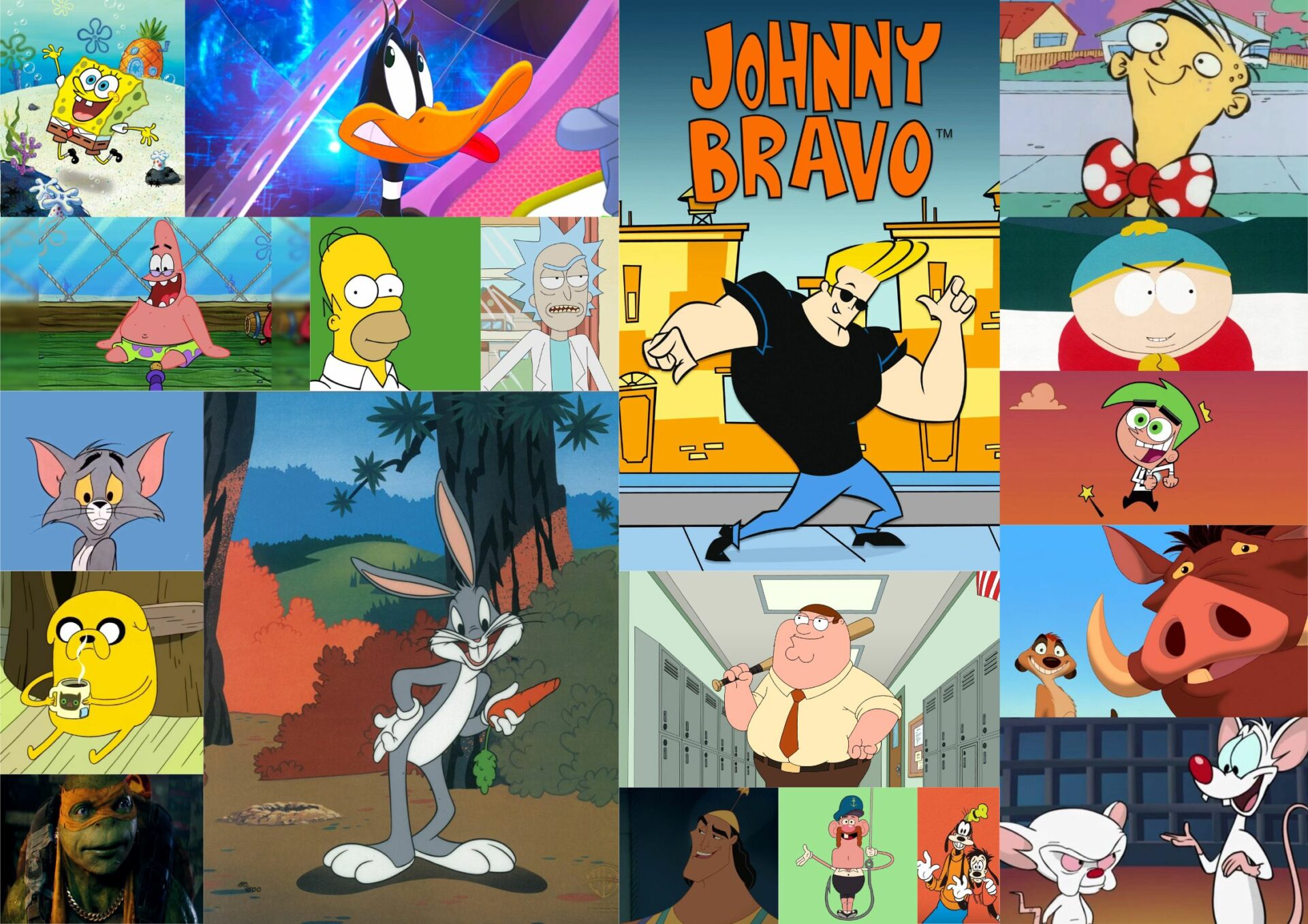
There are some outright funny cartoon characters who exist solely to crack you up, loud, hard, and with zero apology.
Discover the best apps to read books for free in 2025. Access thousands of free e-books and audiobooks on your phone or tablet. ...

Things Fall Apart is for the colonizers as well as the colonized, helping to understand the role of colonialism in the realization...
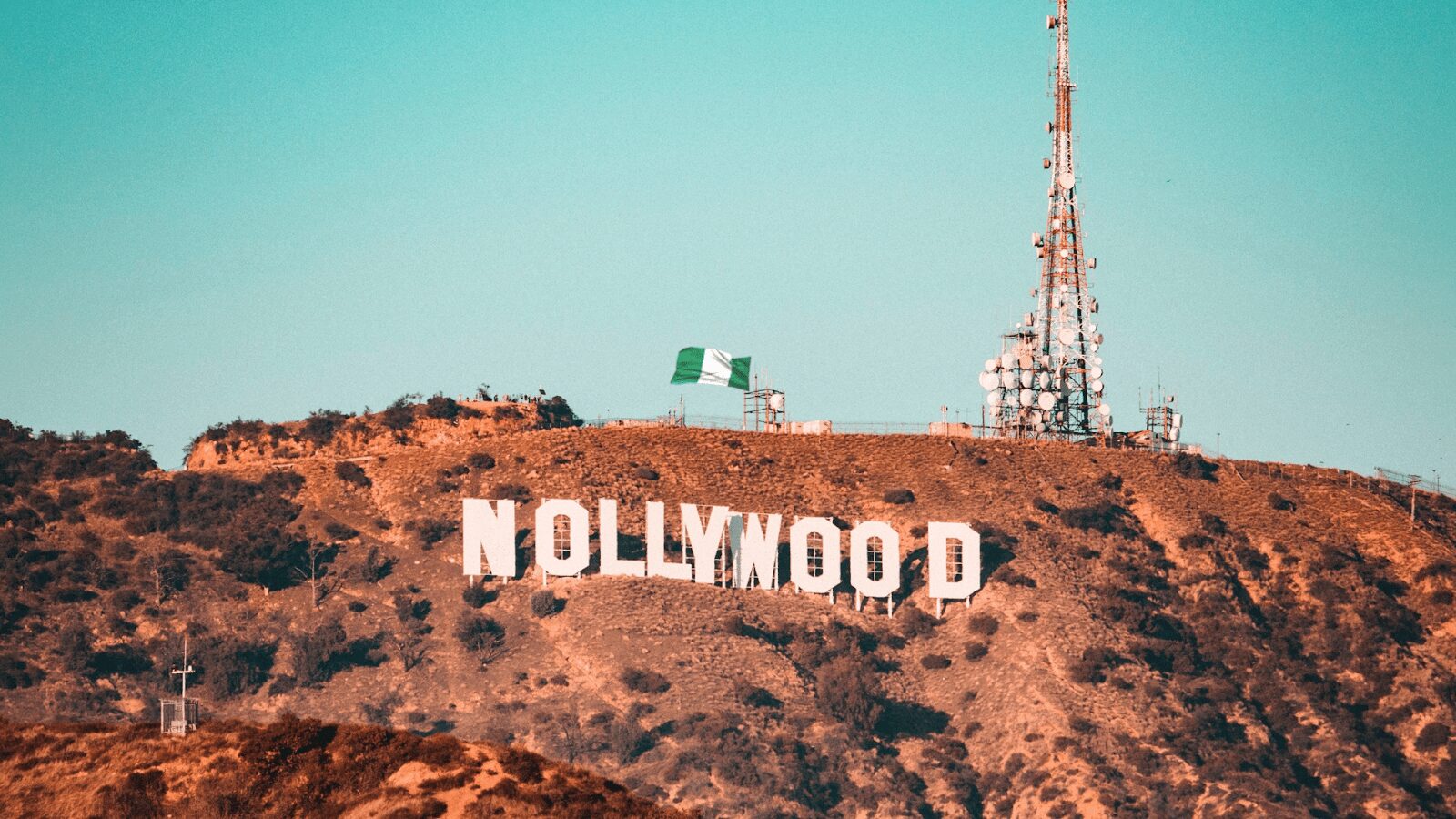
While many of the Nollywood movies on our list are quite old, it’s a testament to the capabilities of the industry’s p...
While this isn’t an exhaustive list, it comprises some of the most popular mythical creatures from around the world.
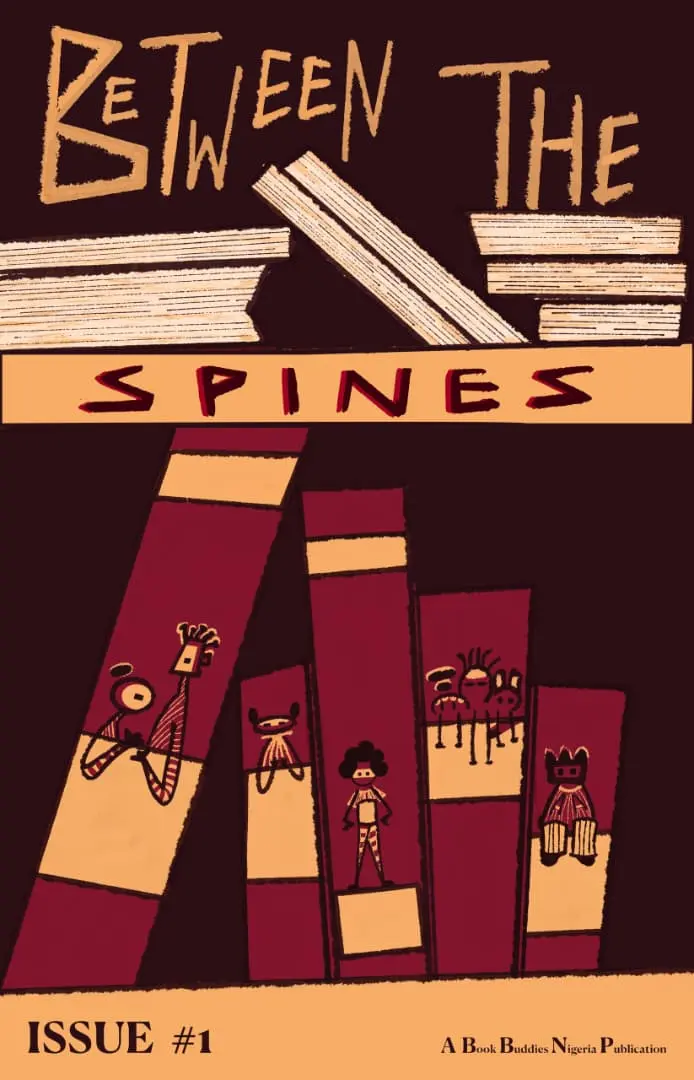
Get our magazine for free!