

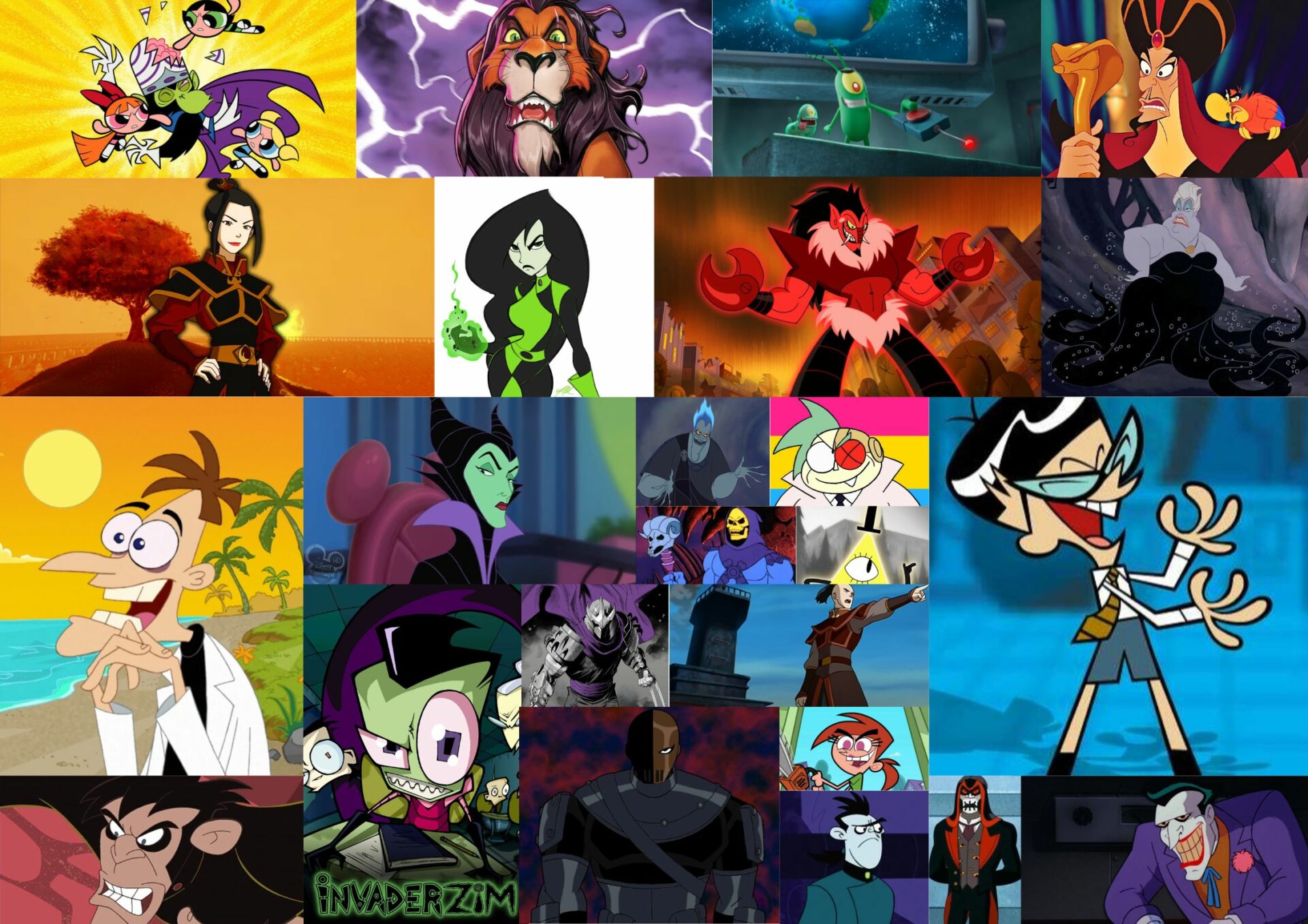
Top 30 Cartoon Characters That Were Villains
Our list rounds up the top 30 cartoon characters that were villains, each one more wonderfully wicked than the last.
Lists, MBTI
ESFP characters are entertainers by nature, performers by instinct, and emotional powerhouses in both admirable and chaotic ways.

If there’s a personality type that knows how to make an entrance, it’s the ESFPs. ESFP stands for Extraversion, Sensing, Feeling, and Perceiving, one of the 16 Myers-Briggs Type Indicator (MBTI).
ESFPs are also called “The Performers” or “The Entertainers” due to their outward expression of emotion and presence. Their personality naturally externalises emotion, experience, and presence. What they feel on the inside usually shows on the outside. The reason for these labels is not because they are putting on an act, but because their essence is visible and impactful.
The entertainers are among the most magnetic personalities on screen, thanks to their spontaneity, charisma, sensory-driven awareness, and ability to turn the ordinary into spectacle. They are lively by nature, performers by instinct, and emotional powerhouses in both admirable and chaotic ways.
Cinema is filled with ESFPs: charmers, rebels, hedonists, and unpredictable personalities who make movies more exciting. Some use this energy positively, while others use it destructively. This blend of light and dark makes ESFPs characters compelling.
Without further ado, here are five standout ESFP characters on the big screen who embody the essence of this vibrant personality type, from heroic figures to delightful disasters.

Jack Dawson feels like the soft, golden-hour version of the ESFP archetype: Warm, open, and impossible to ignore. He walks through life guided by instinct and feeling with no plans, no safety net, and just a blind trust in the moment.
As ESFP characters go, Jack is driven almost entirely by experience, such as art, physical movement, and laughter. His relationship with Rose is one such example. He does not first analyze her situation. Instead, he responds emotionally to her. Then sees someone trapped and reacts.

If Jack Dawson is the soft side of ESFP energy, Harley is its unfiltered chaos. Her Se (Sensing extroversion) is far too dominant to be healthy. She is impulsive, thrill-chasing, emotionally driven, and wildly expressive. And yet, under the explosions, glitter, and mayhem, there is a deep core making decisions at full emotional volume.
Harley’s ESFP nature shows up in how she attaches, how she loves fast, how she reacts fast, and how she survives through sensation.

Ferris is a charm weaponized. He navigates the world through timing, confidence, and social intuition rather than strategy or caution. Rules are suggestions to him.
His ESFP nature is evident in his engagement with the present. He seeks every experience: the parade, the restaurant, the excitement, and the risks. He quickly reads people and adjusts in real time with no long-term strategy, based on energy and momentum.
His famous quote, “Life moves pretty fast. If you don’t stop and look around once in a while, you could miss it,” reflects his focus on experiencing life and not getting bogged down by seriousness or rules.

Peter Quill is ESFP energy at its loudest, most unfiltered. He uses humour as a form of deflection, music as a source of emotional grounding, and impulsivity as both a strength and a weakness. He reacts first and reflects later, if at all.
What makes his aura so effective is that his emotional core is always exposed. Even when he is being ridiculous, the feelings are right there on the surface.
That vulnerability makes his recklessness forgivable. The team does not follow him because he is the most disciplined leader. They follow him because his emotional gravity pulls them into motion.
ESFP characters like Quill often look chaotic from the outside. Inside, though, they are usually moving with sharp emotional clarity.

Danny Zuko exists at the intersection of performance and vulnerability. He lives for attention, laughter, and the stage.
His ESFP qualities are displayed in his expressiveness, willingness to take risks, and desire for approval, which he struggles to admit. Beneath his confident exterior lies the tension between his image and his true feelings.
He wants to be admired, but he also wants to be understood. That push and pull gives his charm an edge of emotional fragility.
Decades later, his energy remains recognizable because performing confidence while secretly seeking connection is a common human contradiction.
Big aura energy is a casual way of describing high emotional visibility and strong present-moment engagement. Here’s why it shows up so strongly in ESFPs:

The ESFP’s Sensing trait locks them firmly into the present, not distracted by the future or lost in over-analysis. This intensity is immediately felt upon entering a room, and as a result, people are drawn to their magnetic presence.
Because of the Feeling function, ESFPs process life emotionally first. But unlike more private feeling types, they express those emotions outwardly: joy is loud, sadness is visible, excitement is physical. With little emotional buffering, this openness can appear as confidence, even when it’s simply honesty.
The Perceiving function leads ESFPs to prioritize flexibility over control, allowing them to respond to life as it unfolds. This proclivity for spontaneity makes them appear bold on screen and in real life, often appearing fearless even when they are not.
Their instinctive extraversion gives ESFPs a strong social presence. They quickly pick up on emotional cues, such as tension or curiosity, making their interactions feel alive and authentic. Even short encounters leave others feeling seen.
ESFPs bring colour and life to every story, whether as heroes, comedic relief, rebels, or morally ambiguous characters who dance on the edge of danger. Their big, energetic aura makes them irresistible on screen because ESFP characters don’t just exist in a film; they perform within it, bringing the audience along for the ride.
Our list rounds up the top 30 cartoon characters that were villains, each one more wonderfully wicked than the last.
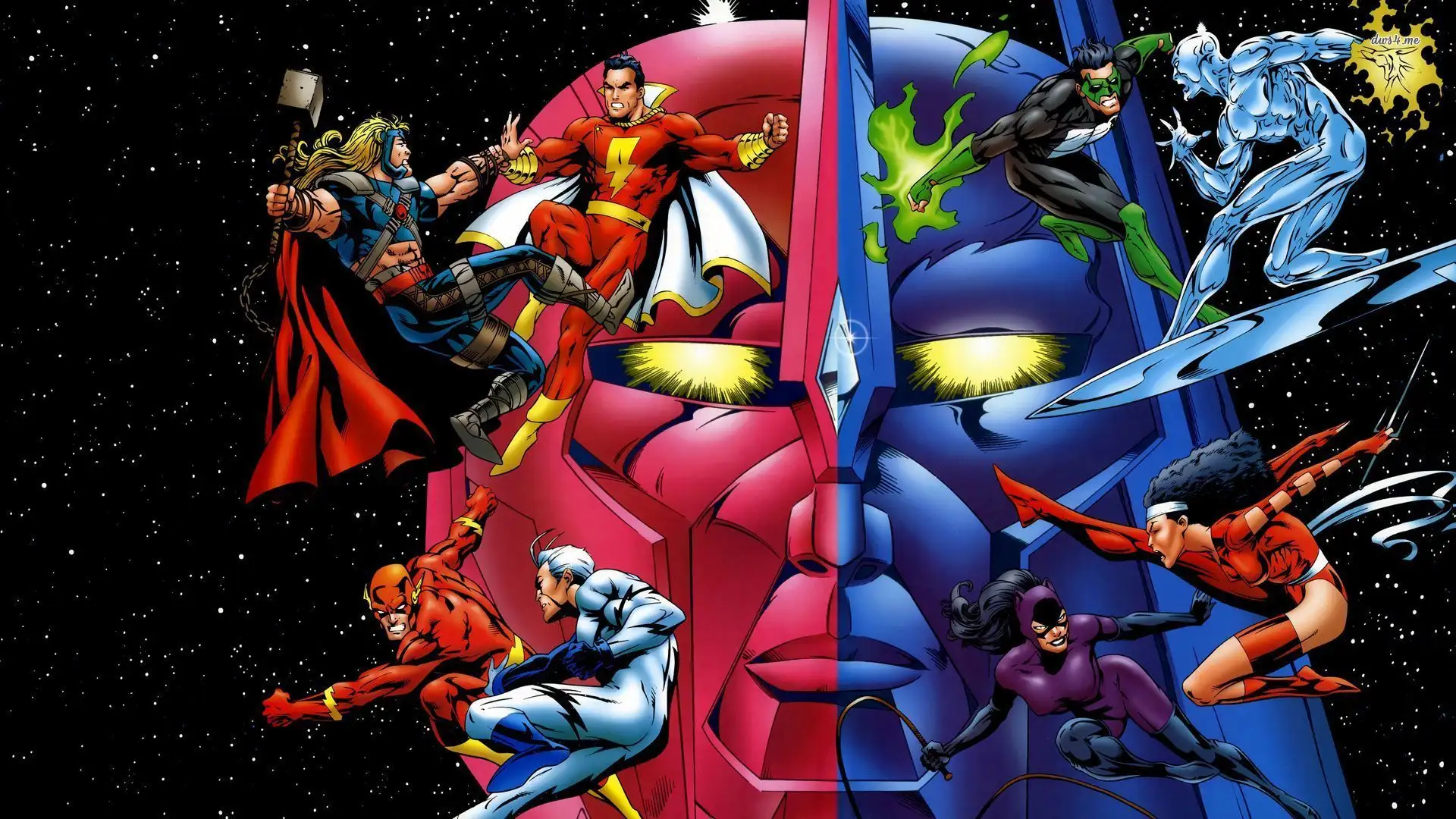
DC is great at making comics and animated movies, while the MCU has the upper hand in its cinematic aspects
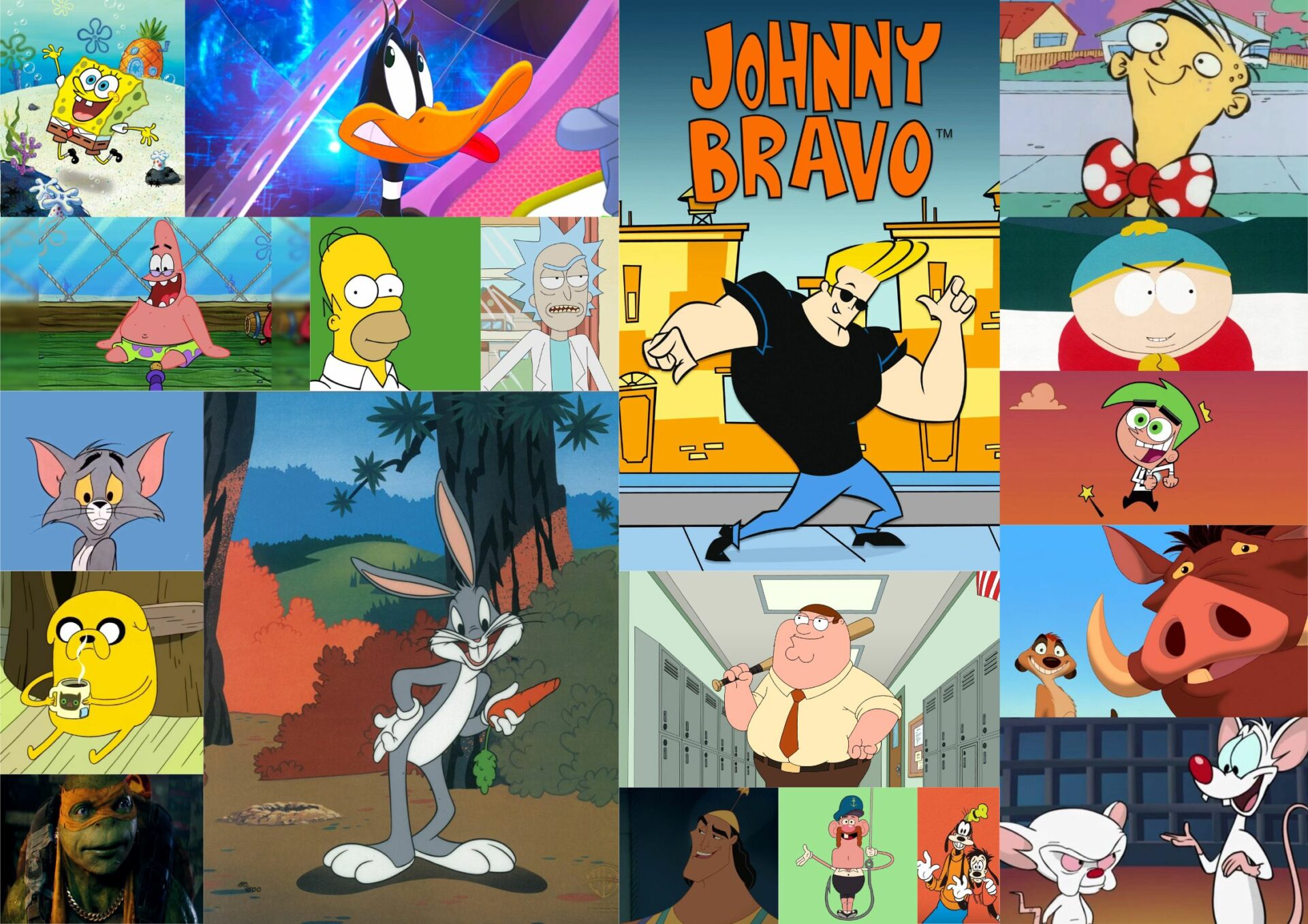
There are some outright funny cartoon characters who exist solely to crack you up, loud, hard, and with zero apology.

Discover the best apps to read books for free in 2025. Access thousands of free e-books and audiobooks on your phone or tablet. ...

Things Fall Apart is for the colonizers as well as the colonized, helping to understand the role of colonialism in the realization...

While many of the Nollywood movies on our list are quite old, it’s a testament to the capabilities of the industry’s p...

While this isn’t an exhaustive list, it comprises some of the most popular mythical creatures from around the world.
Get our magazine for free!