


Top 30 Cartoon Characters That Were Villains
Our list rounds up the top 30 cartoon characters that were villains, each one more wonderfully wicked than the last.
Essays
The influence of ancient Egyptian architecture persists in modern structures as an integration of core concepts, forms, and philosophies.

Architecture, as a discipline, is uniquely positioned to connect the past and the present. The influence of ancient Egyptian architecture persists in modern structures not simply as an aesthetic choice but as a deliberate integration of core concepts, forms, and philosophies.
Ancient Egyptian architecture expresses permanence, divine connection, and cosmic alignment. These structures bridged the earthly and eternal. Today, these designs, once carved in stone, now appear in wood and steel. As a result, one no longer needs to visit Cairo to see the pyramids because versions exist worldwide. Thus, what began at the Nile is now a global language.
By recognizing how modern structures reinterpret Egyptian forms and ideas, identifying the culture’s influence will become second nature.
Ancient Egyptian architecture dates to 3100 BC, evolving over time and connecting people to the divine. Structures aligned with celestial bodies and landscapes, reinforcing spiritual beliefs about stars, the sun, prominent mountains, and rivers. These layouts added meaning and strengthened spiritual and cultural beliefs.
Every structure conveyed power, eternity, or order, which is why ancient Egyptian architecture has such distinctive features.

The Egyptians built on a massive scale, creating monuments that reached the skyline. The Great Pyramid of Giza, for example, stands over 450 feet tall.

Obelisks are monumental stones with pyramidal peaks, symbolizing the sun’s beam and serving as a link between the earthly and divine realms.

Images were carved into surfaces, often depicting historical events. The Temple of Seti I features exquisite examples.
Egyptian architecture often uses a hierarchical plan, with spaces and buildings precisely ordered. Another significant characteristic is elaborate columns, often inspired by papyrus and lotus plants, creating dramatic interior spaces.
Modern architects infuse buildings with Egyptian inspiration, reinterpreting rather than copying. An example is the pyramids, a hallmark of Egyptian architecture.
Originally, pyramids like those at Giza were tombs for pharaohs and elites, symbolizing power and ascent to the afterlife. Today, the form reappears worldwide. A notable instance is the Luxor Hotel in Las Vegas, designed as a massive black glass pyramid. Steel and glass may define the structure, but Egypt’s history still remains evident.

Egyptian temples, with soaring ceilings and vast interiors, evoked awe for the divine. The intention of the size was to make worshippers feel small in the presence of their gods. This principle continues in modern religious buildings, including churches, mosques, and cathedrals.
Egyptian architects demonstrated an advanced understanding of climate; one could even say they were the pioneers of climate action. The buildings were engineered to allow natural light to enter specific spaces at meaningful times.
Another reason for the climate-friendly design choices was the belief. The sun held deep religious significance in ancient Egypt, associated with powerful deities such as Ra. Many temples were aligned in the sun’s path, allowing illumination in sacred spaces during specific times of the year.
For example, they positioned the Temple of Abu Simbel to capture the rising sun on specific days. Thick walls and strategic openings were in place to help regulate temperature.

Architects today draw inspiration from this. By strategically positioning windows, skylights, and light wells, architects maximise natural light in buildings, reducing the need for artificial lighting and creating a pleasant environment for occupants.
In modern architecture, this reverence for the sun has taken a practical and technological form through the use of solar energy. Solar panels are integral in the building design to generate renewable energy and decrease reliance on traditional power sources. Even though the motivation today is sustainability rather than spirituality, it follows the same principle, harnessing the power of the sun.
Egyptian architects built structures that will last for eternity. The use of stone, combined with monumental scale, was intended to ensure that their structures would endure over time, and, quite frankly, many have.
Their mastery of materials, tools, and techniques has left an indelible mark on the world of modern architecture. The use of symmetry, proportion, and alignment in their designs has influenced architectural styles across the world, from classical to contemporary. This legacy is evident in iconic structures such as the Washington Monument and the Louvre Pyramid.
Their designs have survived wars, empires, and centuries of change. When architects borrow from Egypt, they’re borrowing from a visual language that has already stood the test of time.
The fascination lies in copying designs from the past while reinterpreting them. Stone pyramids become glass, and sandstone columns become steel and concrete, while solar alignments in temples inspire energy-efficient designs. By integrating elements of ancient Egyptian architecture, modern structures connect us with a rich cultural heritage.
Ancient Egyptian architecture does not exist merely in history textbooks or archaeological sites. It now lives in city skylines, public monuments, and modern cultural institutions. Each pyramid-shaped roof, towering column, or symmetrical façade is a reminder that great ideas endure beyond their time. The profound conversation between ancient Egypt and the modern world continues, reminding us that architecture bridges the past and the present. By carrying forward these timeless principles, architects ensure that the ingenuity and vision of ancient Egypt will continue to shape and inspire generations to come.
Our list rounds up the top 30 cartoon characters that were villains, each one more wonderfully wicked than the last.
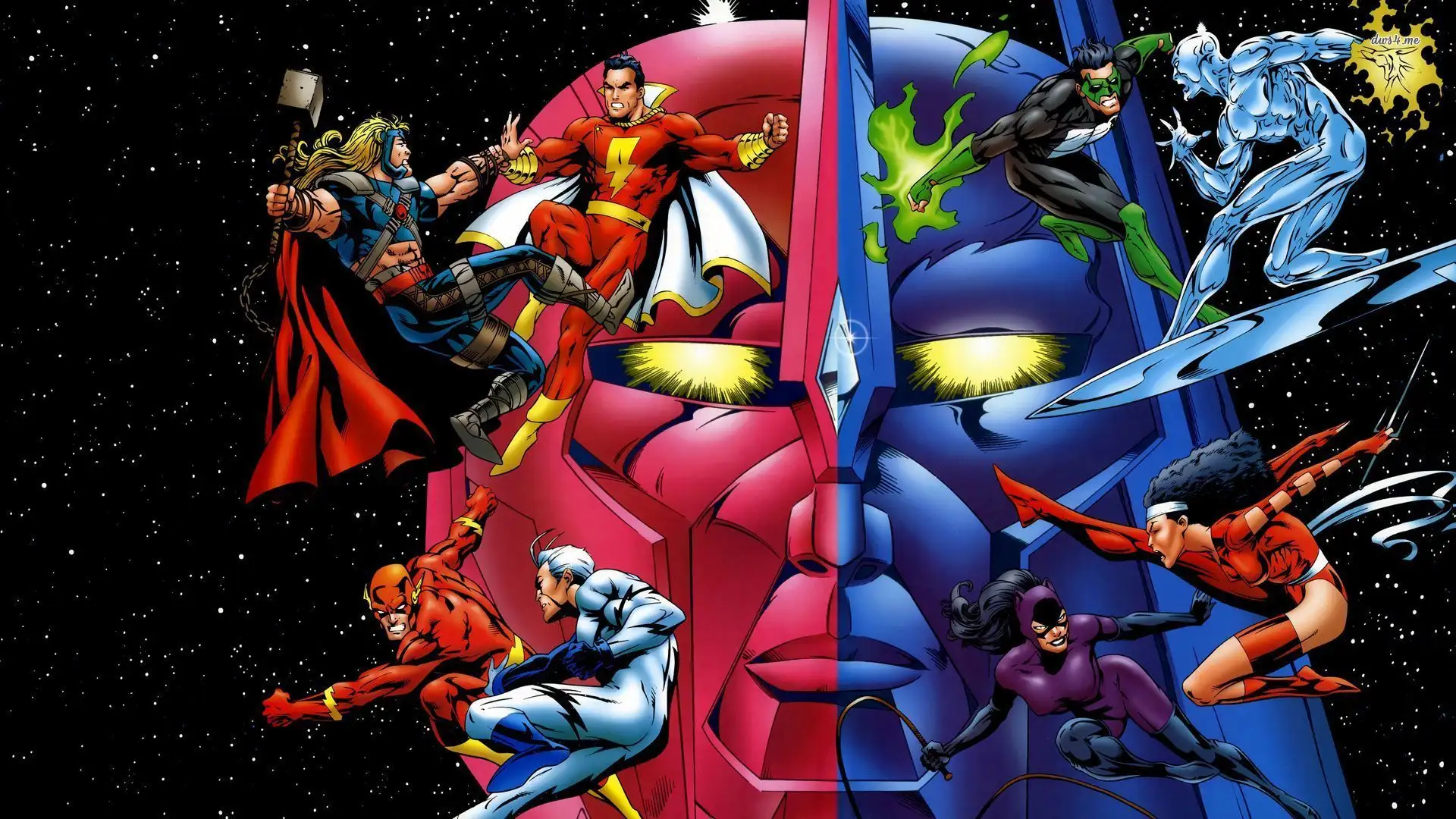
DC is great at making comics and animated movies, while the MCU has the upper hand in its cinematic aspects

There are some outright funny cartoon characters who exist solely to crack you up, loud, hard, and with zero apology.

Discover the best apps to read books for free in 2025. Access thousands of free e-books and audiobooks on your phone or tablet. ...

Things Fall Apart is for the colonizers as well as the colonized, helping to understand the role of colonialism in the realization...

While many of the Nollywood movies on our list are quite old, it’s a testament to the capabilities of the industry’s p...

While this isn’t an exhaustive list, it comprises some of the most popular mythical creatures from around the world.
Get our magazine for free!