

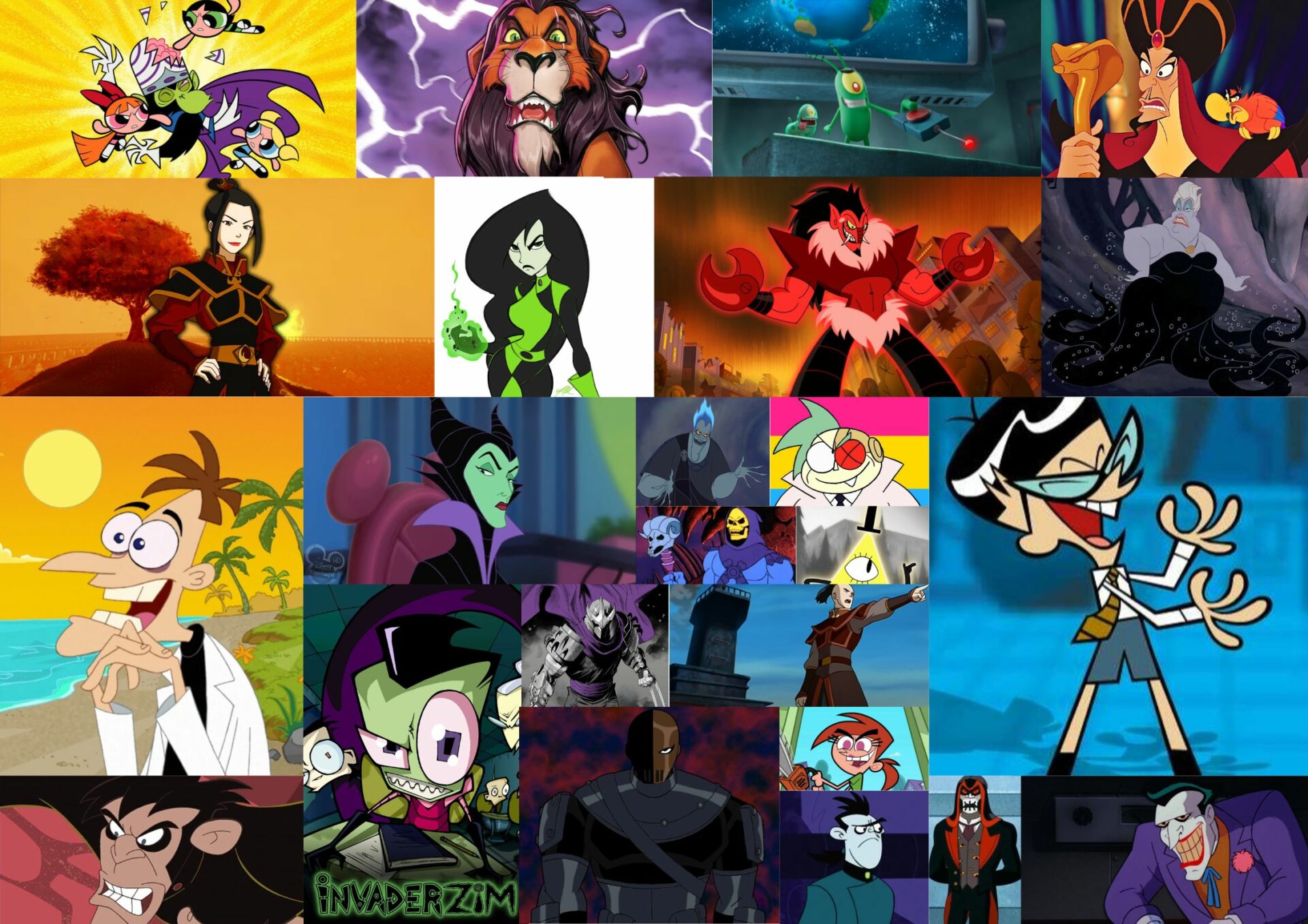
Top 30 Cartoon Characters That Were Villains
Our list rounds up the top 30 cartoon characters that were villains, each one more wonderfully wicked than the last.
Writer Resources
Drafting is a difficult yet rewarding task. Once the main plot is set, developing character ideas is the next major hurdle.
Drafting is a difficult yet rewarding task. It takes immense effort, but a good book brings readers joy. Once the main plot is set, developing character ideas is the next major hurdle. Creating fresh, unique characters can feel turbulent.
Navigating the complexities of characters and characterisation can be tricky, and getting a reader’s attention requires originality, emotional connection, and surprise.
Often, lead characters are stereotypical. A brilliant way to keep readers engaged is to go against the grain. A protagonist does not have to be a good person or a warrior running away from their destiny. The most fascinating perspectives come from making protagonists from marginalised groups.
Instead of the traditional saviour, use a satirical lens to look at society through an unconventional protagonist.

This could be a cockroach that orchestrates a political revolution or an unconventional saviour. Such character ideas allow writers to blend biting social commentary with a sharp, comical feel. This approach focuses on humour found in daily survival.
Protagonists that are morally grey have a way of intriguing readers. They do not have to be on the good side, or their actions necessarily justifiable.

For example, the main character believes that they are good, but everything they do hurts the people they love, and because of this, they are hated.
Also, it is important to note that the protagonist is only as strong as their supporting characters. They provide necessary conflict, warmth, and depth to the narrative world.

They should feel like they possess rich, complicated lives outside the main plot. They can serve as a mentor, a challenging foil, or a reliable ally. It can also be characters’ ideas that readers naturally gravitate towards, such as individuals who stand for something larger than themselves and refuse to compromise their beliefs.
Children in literature are often in the backgroundround or used as mere plot devices to heighten narrative stakes. Making a young person an active, observant participant is an effective storytelling strategy.

An engaging character is a child who absorbs the cultural wisdom around them. This grounds the story in cultural reality and highlights the observer’s innocence.
Villains require just as much development as the heroes they are in conflict with. A reader wants to understand that the opposing force, pure evil, is not always as compelling as justified opposition.
A terrifying antagonist wields power through rules, regulations, and paperwork. They thrive on order and systemic oppression, such as the official who denies a crucial permit or a manager enforcing cruel policies as “efficiency.”

A calm, rational antagonist contrasts a passionate protagonist and mirrors real-world systemic frustrations, making the conflict relatable and compelling.
Finding the right individuals for a storyline requires a mixture of keen observation and unrestricted imagination. Also, inspiration is never really spontaneous; it must be actively cultivated through deliberate practice.
Writers are natural observers of the human condition, and they can note the peculiar habits of strangers to build their character ideas. A simple conversation overheard on a bus might provide the voice for a new supporting role. This captures the fleeting moments of reality, and merging the disconnected traits is a superb way to generate new ideas. The personalities of real people translate into beautiful stories when written, providing a level of detail that pure imagination can miss.
History is filled with unique figures that rival any work of fiction. Dive into historical records, local folklore, or regional myths to find inspiration. The plot of a traditional folk tale can also be modernised to fit a contemporary setting. Fictional personas grounded in historical reality have a hedge on their weight and credibility.
When brainstorming, it is easy to slip into familiar plot holes. Specific pitfalls must be consciously avoided to ensure the cast remains dynamic and interesting from the beginning to the end.
Perfect people are fundamentally boring to read about. Readers want to see struggle, failure, and eventual growth. Ensure every individual has weaknesses that stand them out and hinder their goals. A brilliant detective might be terribly disorganised, or a brave leader might suffer from crippling social anxiety. This is important because flaws make characters undeniably human and infinitely more relatable.
Diversity in thought, background, and speech enriches a fictional world. Ensure the characters don’t sound alike; they should have unique dialects, differing levels of education, and contrasting worldviews. Differentiating voices is a crucial step in the editing process. Consider how an individual’s upbringing dictates their vocabulary, such as the difference in diction between a medical doctor and a bus conductor. Paying attention to these markers makes the characterisation vibrant.
Ideating character ideas is a delicate balancing act of imagination, empathy, and structural planning. Look beyond mundane tropes and embrace traits that resonate deeply with the audience because the memorable characters come from the most unexpected places.
Keep experimenting with different ideas, remain observant of the surrounding world, and let the characters themselves guide the narrative toward a brilliant conclusion. A well-crafted cast is the greatest gift a writer can offer their readers.
Our list rounds up the top 30 cartoon characters that were villains, each one more wonderfully wicked than the last.
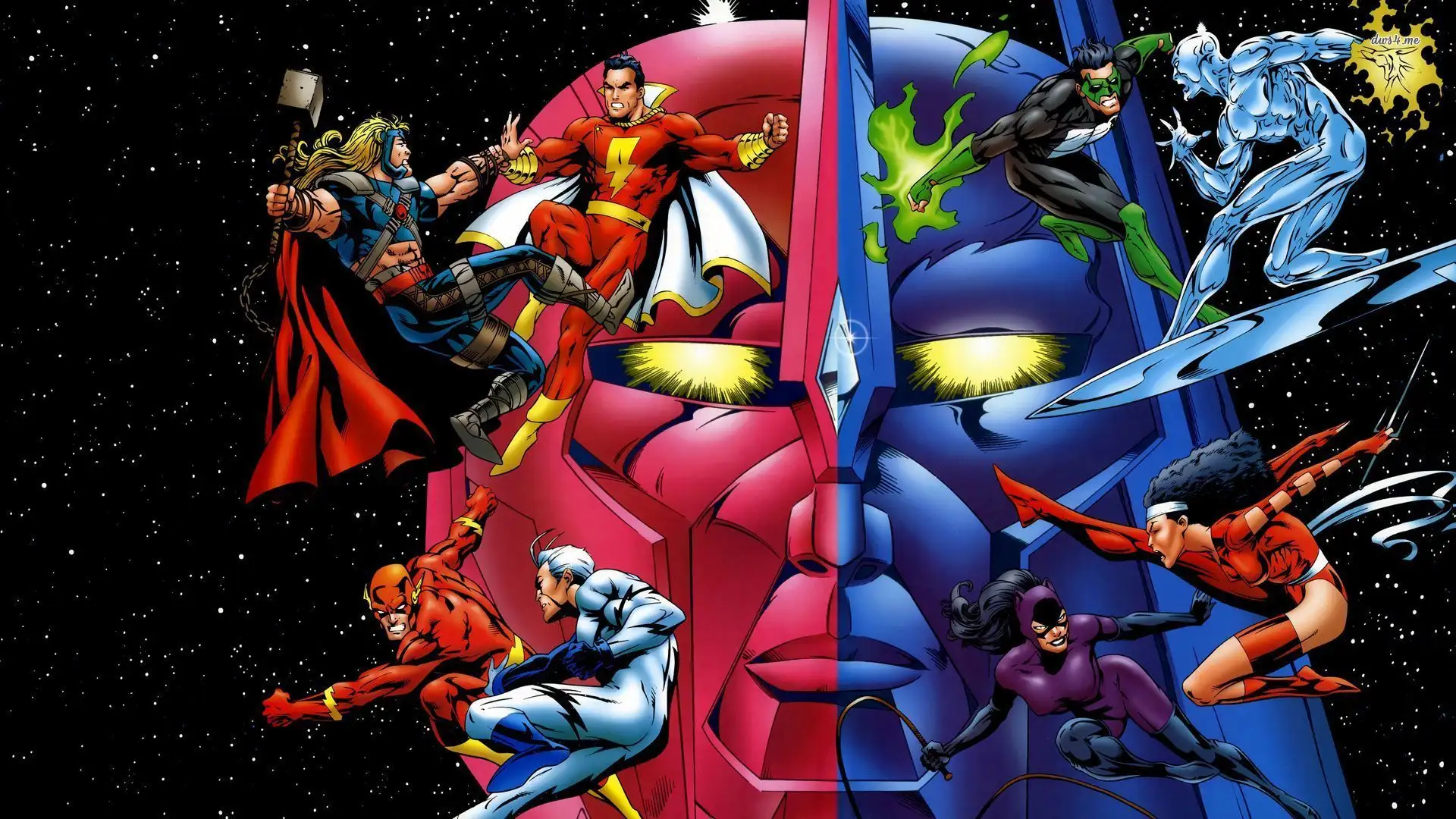
DC is great at making comics and animated movies, while the MCU has the upper hand in its cinematic aspects
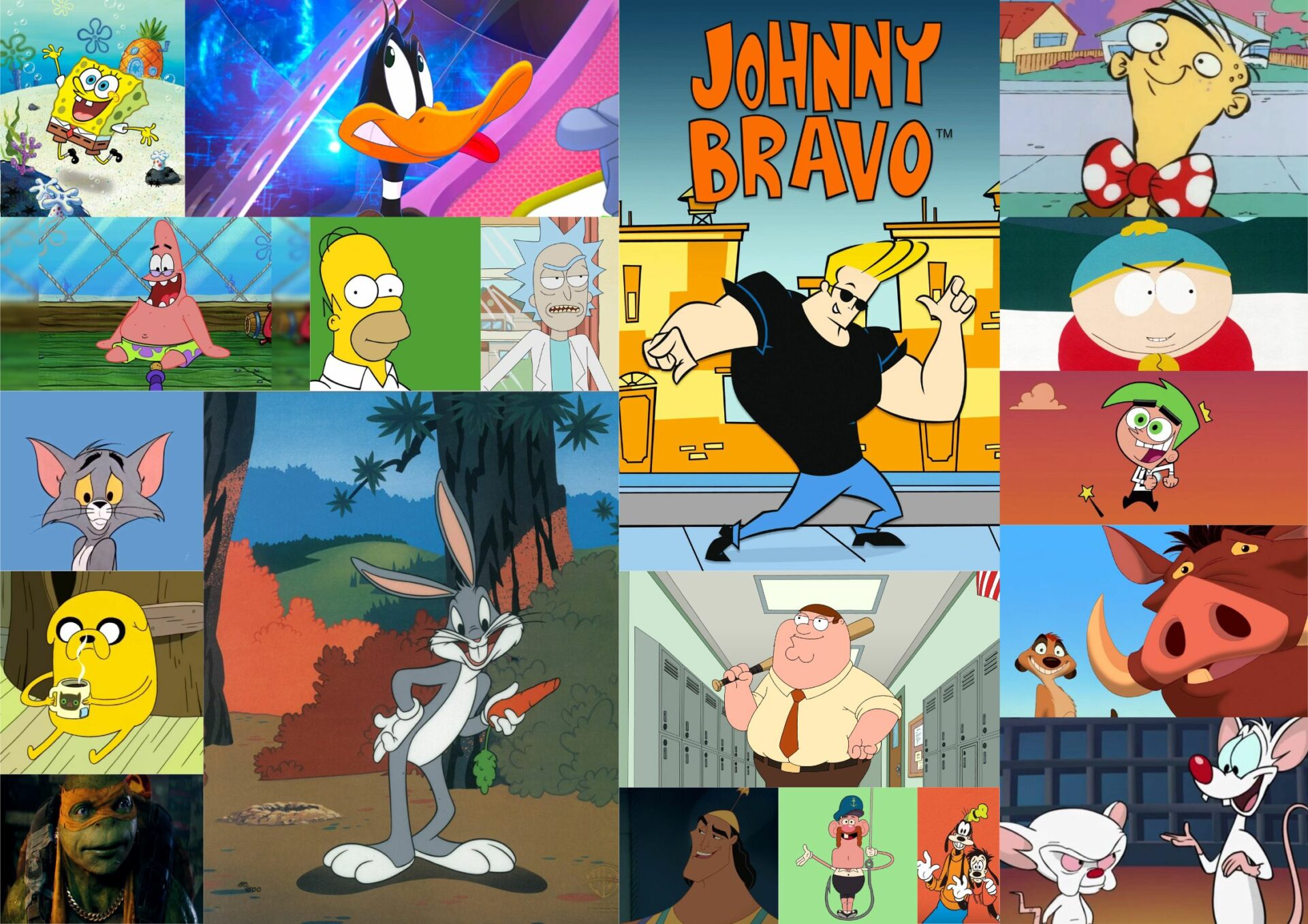
There are some outright funny cartoon characters who exist solely to crack you up, loud, hard, and with zero apology.

Discover the best apps to read books for free in 2025. Access thousands of free e-books and audiobooks on your phone or tablet. ...

Things Fall Apart is for the colonizers as well as the colonized, helping to understand the role of colonialism in the realization...

While many of the Nollywood movies on our list are quite old, it’s a testament to the capabilities of the industry’s p...
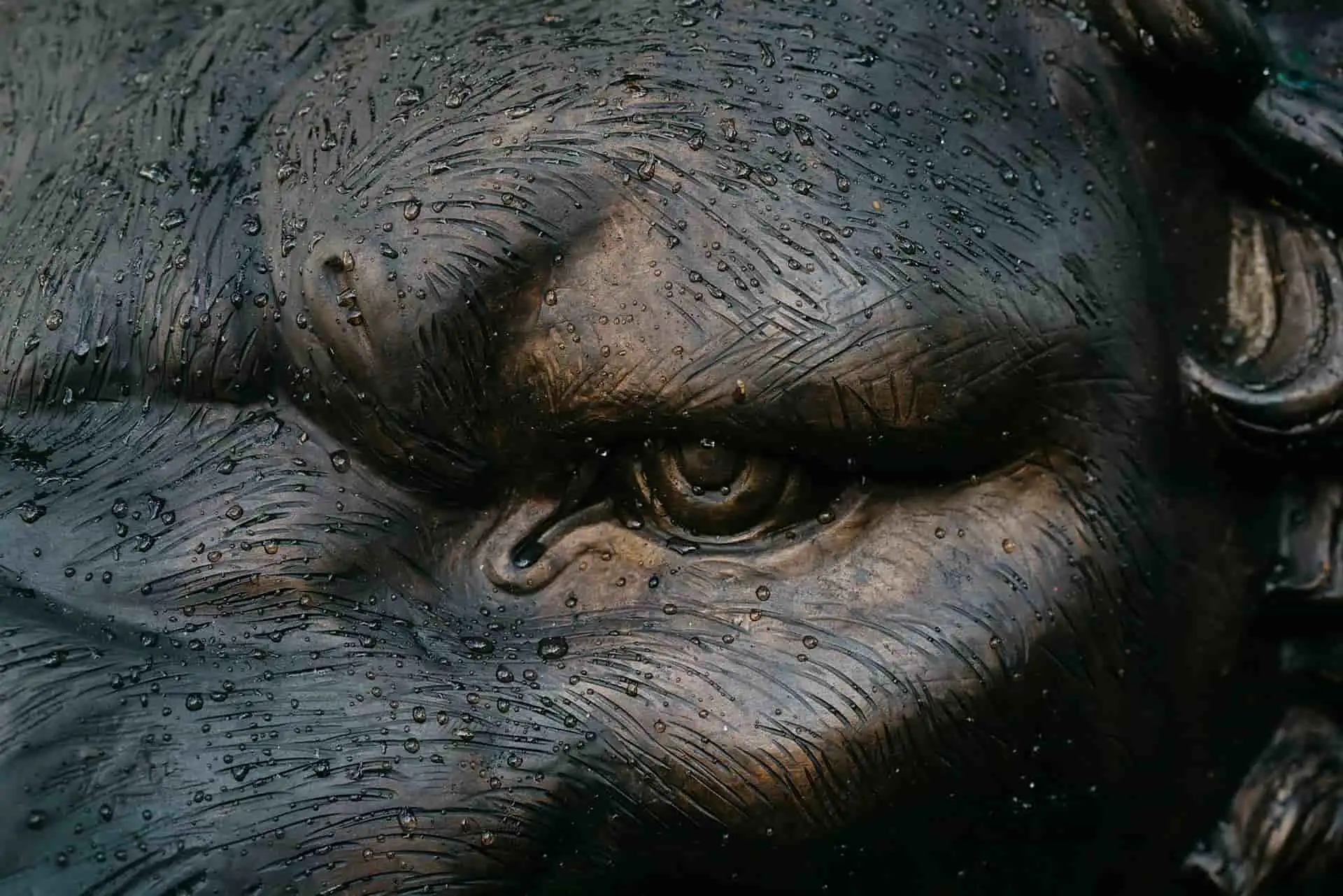
While this isn’t an exhaustive list, it comprises some of the most popular mythical creatures from around the world.
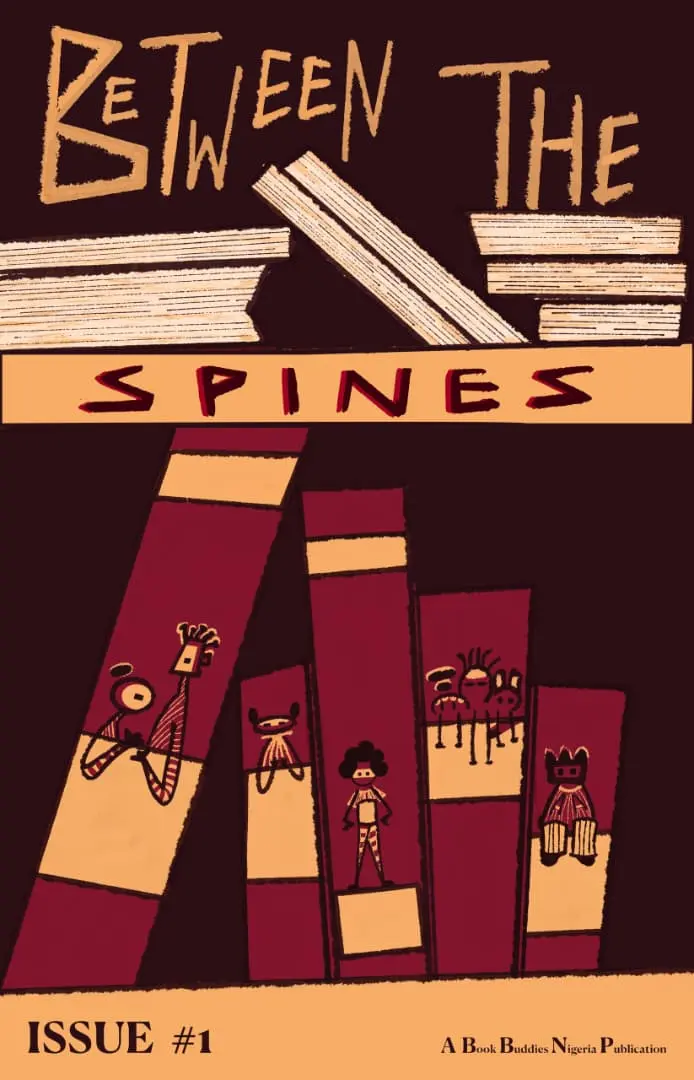
Get our magazine for free!