

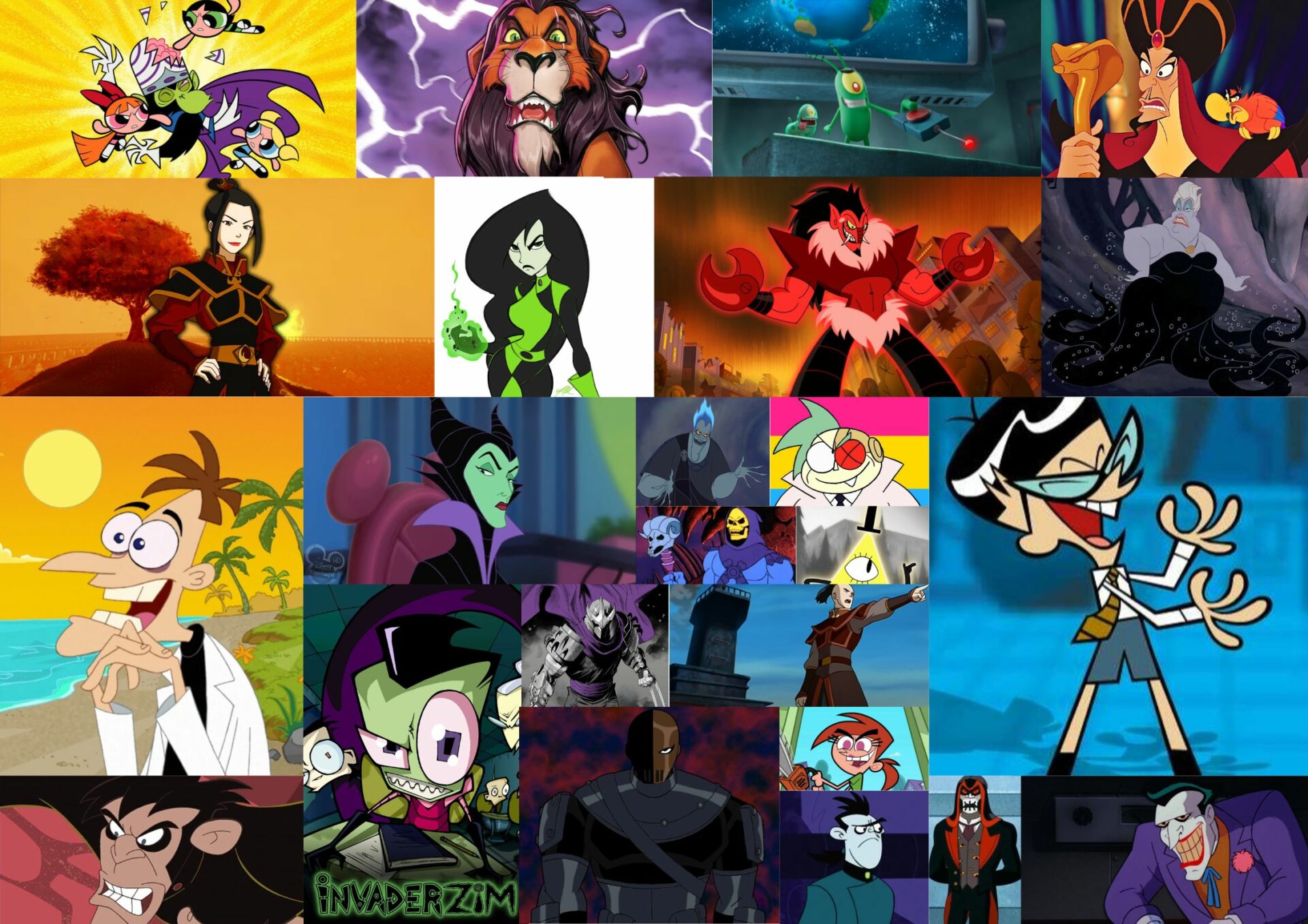
Top 30 Cartoon Characters That Were Villains
Our list rounds up the top 30 cartoon characters that were villains, each one more wonderfully wicked than the last.
Essays
And perhaps one day, a girl’s first encounter with patriarchy will not come in a wrapper and gele. Hopefully, it will not come at all.

Have you ever noticed that sometimes your first encounter with patriarchy will come in a wrapper and gele?
Picture this: It’s Sunday afternoon. You’re hanging with friends. Your heart is light. Upon a sudden, a gust of wind causes your skirt to ride up. What does it matter if you’re a kid?
The aunty side-eyes you and calls you to the corner. “Do you want to cause trouble?” Don’t you know you are a woman?” she asks scornfully
Sorry, aunty. At age thirteen?
But that’s not all. She goes on chastising you about your intent, the one you never knew you had. And then, suddenly, it dawns on you. Oh, I should be decent, or else men will lose control. As though self-control could be outsourced.
The conversion ends with you being encouraged to be mindful at all times, so your skirt doesn’t ride up, exposing thirteen-year-old thighs and tempting grown men.
I may not have understood it at the time, but that was the first time I realized it wasn’t always men. Women carried this matter on their heads, like plantain chips.
It’s always been easy to put the blame on men. But with age, I have come to understand that these systems don’t run themselves. They need people who will do the dirty work of enforcing them.
Notice how every time there’s an issue in a romantic relationship, an older woman is called to talk sense into the younger one. She encourages endurance and agreeability. It is usually disguised as submission, the African man’s favorite word.
What would happen if women began to want relationships where accountability is upheld and they can be led without being bullied?
However, the kick comes when the backlash sets in. The man may hold the whip. But behind him, you’ll often find respectable women urging him on, trying to “gentle” her. “Poorly behaved ladies cannot be allowed to roam free.”

It was not always this subtle, and this message is not new to literature
In older stories, the enforcement was loud and public. Almost ceremonial, so much so that women’s subconscious has been conditioned to expect hardship.
In Tomorrow I Become a Woman by Aiwanose Odafen, girlhood is shaped early by expectations. The body is monitored, and desire is regulated. The rules here are not whispered; they are spoken plainly, and what society expects must be done. Women in those spaces often repeat what they themselves were subjected to, a twisted way of paying it forward. No one pretends it is kindness.
But when you move into A Girl Is a Body of Water by Jennifer Nansubuga Makumbi, the tone changes. The policing is still there, but it is layered. It is quieter. It lives in correction, in comparison, in the shaping of a girl’s understanding of herself. Women enforce respectability not always with force, but with reminders. With warnings.
The difference between these texts is not whether patriarchy exists. It is how it moves and how the people in it respond to it. In one, it is direct and firm. In the other, it is woven into daily life. Both show that enforcement does not always wear a male face.
And that is the uncomfortable part.
Because many of these women are not villains. They are simply products of a system. They survived by mastering the rules. They learned how to bend without breaking. They passed on what they believed kept them safe. Shame is disguised as guidance, and since no one wanted to live as an outcast, there was an incentive to conform.
In Tomorrow I Become a Woman, the older women largely repeat what they were taught. They prepare girls for endurance. They rarely question the rules themselves. The shaping feels inevitable. But in A Girl Is a Body of Water, refusal begins to come forward. Through Sisi, there is questioning. She interrogates beauty, shame, and the quiet expectations placed on her body. She does not accept every inherited warning as truth.
The resistance is not dramatic, but it is deliberate. And that difference matters. It shows that while systems recruit women to sustain them, women are also capable of stepping aside.

We must understand that survival is not the same as freedom.
Something is shifting now. Women are beginning to ask different questions. Why must endurance always be praised? Why is agreeability rewarded more than honesty? Why is submission framed as virtue, but accountability framed as rebellion? Why, Why, Why?
Writers are also shifting. Younger voices refuse to romanticize suffering. Female characters speak back. They name control for what it is. They question inherited silence.
And perhaps that is where change begins.
Not by pretending men are not responsible. They are. But by deciding that women do not have to be the tools that keep the system running. We can choose not to be the ones called in to “gentle” another woman into shrinking herself.
The point is not to erase culture. Rather, it is to recognize agency. Literature reminds us that systems are inherited, but so also is change. Just as behavior can be taught, it can be unlearned.
And perhaps one day, a girl’s first encounter with patriarchy will not come wearing a wrapper and gele.
Hopefully, it will not come at all.
Hi I'm Tega, I am a microbiologist with a lifelong passion for reading, I fell in love with books as child (where I was briefly obsessed with Enid Blyton, lol) reading is simply my escape and hobby and sometimes doubles as therapy for me . My favorite genres are African lit, historical fiction, memoirs/biographies and fantasy. I do beta reading and post book reviews which you can check out on my Instagram @ te_ga_o.
Our list rounds up the top 30 cartoon characters that were villains, each one more wonderfully wicked than the last.
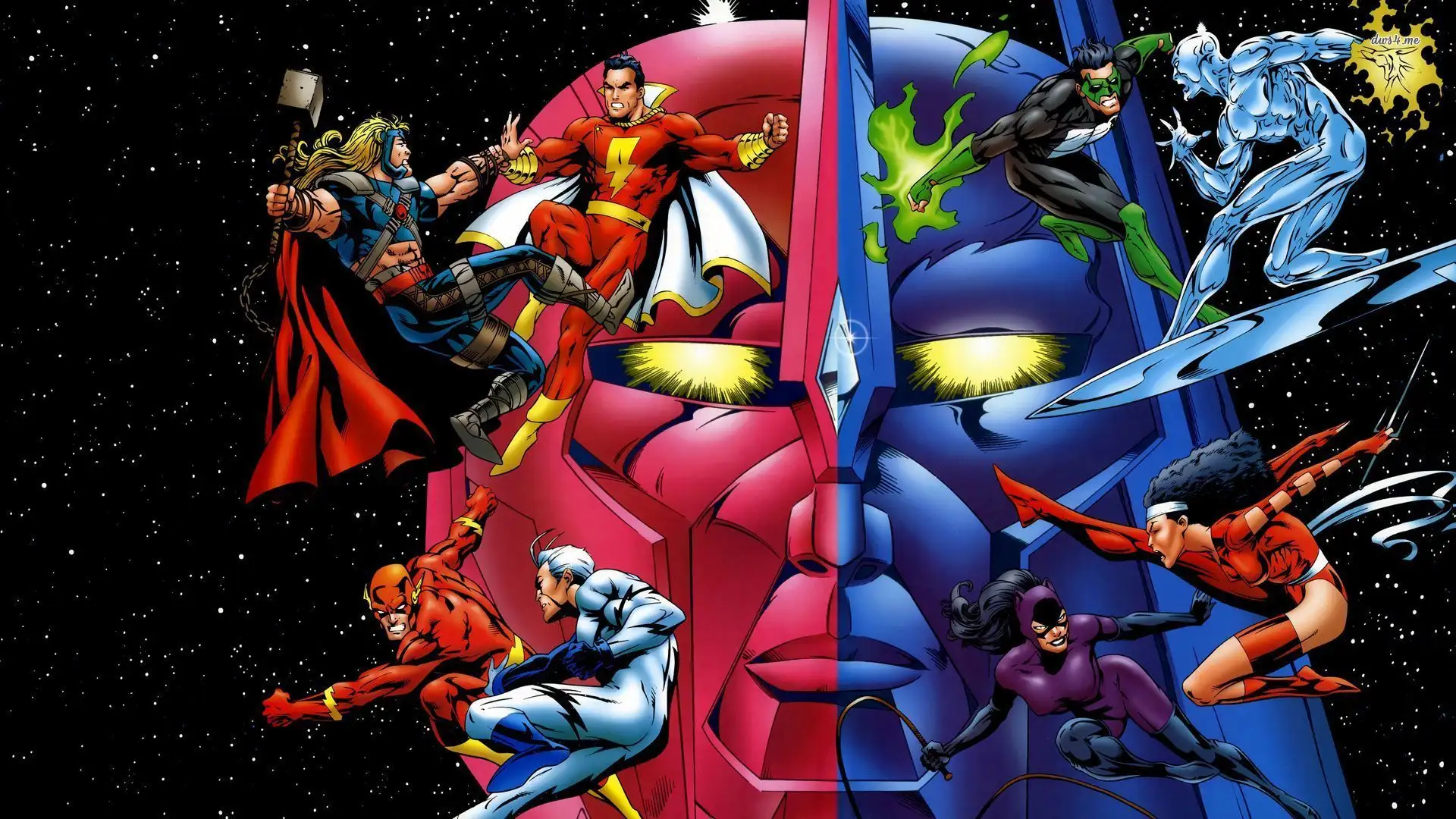
DC is great at making comics and animated movies, while the MCU has the upper hand in its cinematic aspects
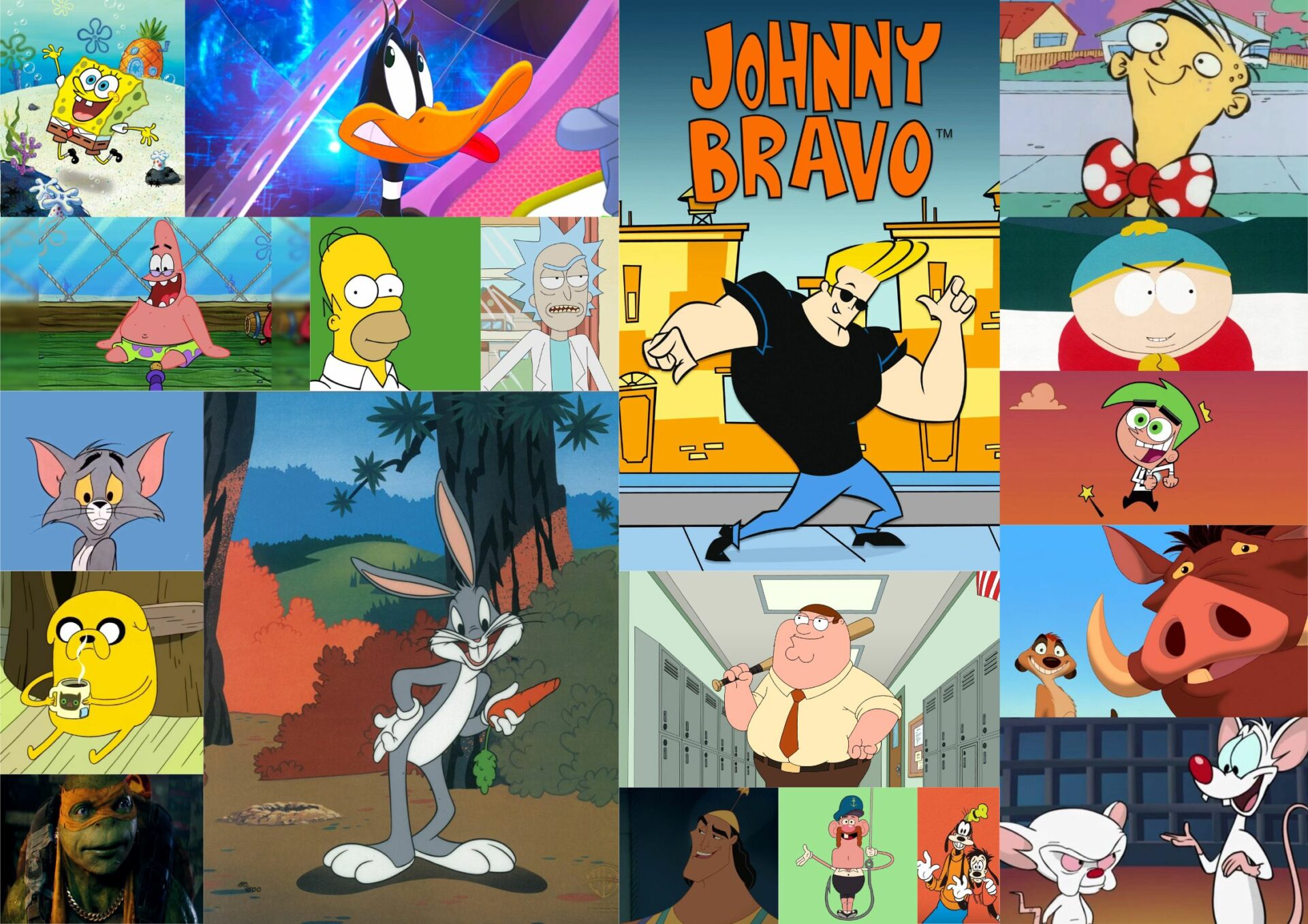
There are some outright funny cartoon characters who exist solely to crack you up, loud, hard, and with zero apology.

Discover the best apps to read books for free in 2025. Access thousands of free e-books and audiobooks on your phone or tablet. ...

Things Fall Apart is for the colonizers as well as the colonized, helping to understand the role of colonialism in the realization...

While many of the Nollywood movies on our list are quite old, it’s a testament to the capabilities of the industry’s p...

While this isn’t an exhaustive list, it comprises some of the most popular mythical creatures from around the world.
Get our magazine for free!