

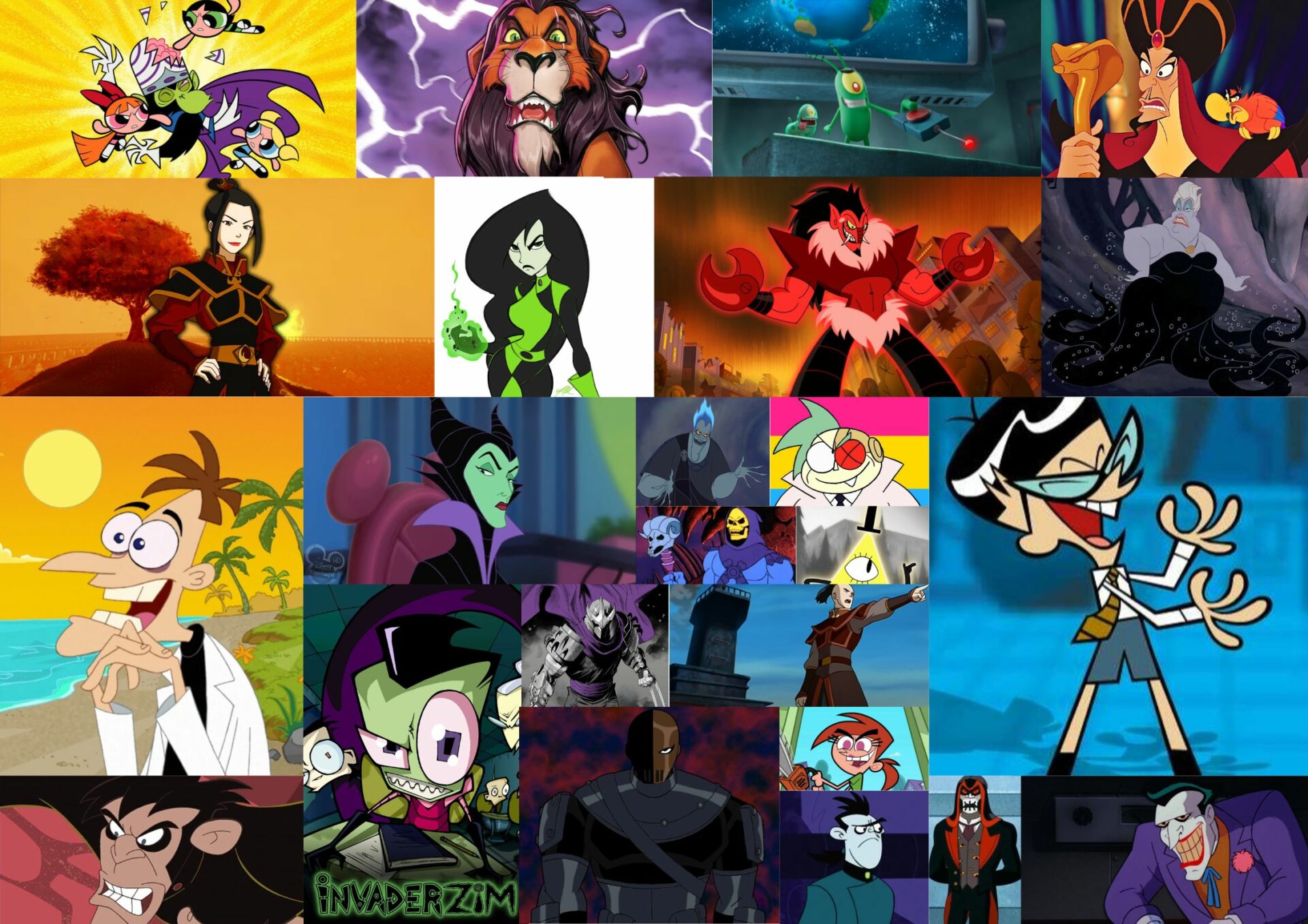
Top 30 Cartoon Characters That Were Villains
Our list rounds up the top 30 cartoon characters that were villains, each one more wonderfully wicked than the last.
Essays, MBTI
Few archetypes command as much respect, fear, and admiration as INTJ characters. They turn vision into structure with unsettling precision.
In fiction, few archetypes command as much respect, fear, and admiration as INTJ characters.
Known as “The Architects” or “Masterminds,” these figures often sit at the centre of strategy and control. They think ten steps ahead, shaping outcomes while others react.
Whether navigating galactic politics, orchestrating heists, or dismantling systems, INTJ characters embody a power that is not loud or impulsive.
Rather, it is controlled, deliberate, and logical. They turn vision into structure, and structure into results, often with unsettling precision.
The INTJ type is analytical, independent, and future-focused, favouring vision and structure over emotion.
This ability to anticipate outcomes is often linked to Introverted Intuition, a cognitive process that focuses on underlying meaning and long-term implications. In fiction, this creates characters who seem almost ahead of the story.
They often:
This sentimental distance is not always a lack of feeling. In many cases, it reflects a preference for internal processing. These characters feel deeply, but they reveal those emotions selectively, usually when they align with a larger goal.
The appeal of INTJ characters lies in their unique combination of cognitive functions, specifically Introverted Intuition (Ni) paired with Extraverted Thinking (Te).

This combination enables them to look at a situation and immediately see the underlying patterns and future possibilities. Unlike impulsive protagonists, INTJs excel at contingency planning, creating backup plans for their backup plans.
They often appear stoic, cold, or aloof, yet this external demeanour hides an intense, passionate focus on their inner vision. They do not just plan; they execute with precision, often disregarding social pleasantries to ensure their strategies are effective. This makes them ideal for roles such as:
INTJ characters often win before the conflict even begins. This is due to their preparation, operating from a position of knowledge, where information becomes their most powerful tool.
Fiction is filled with memorable INTJ characters who embody the strategist role in different forms. A closer look makes the archetype easier to understand in practice.
INTJ characters offer a different kind of satisfaction in storytelling. Their stories unfold through decisions, consequences, and carefully revealed intentions.

There is a strong intellectual appeal. Watching a character predict and build systems draws on fascination with mastery. These figures often feel powerful because they understand how things work beneath the surface.
In the same vein, they are not limited to villain roles. Although the “mastermind” label suggests this, many of these characters are heroes, anti-heroes, or morally complex. Their role hinges on how they apply strategic thinking.
Despite their strengths, INTJ characters are not flawless. Their reliance on logic and independence can distance them from others. Relationships may suffer, not for lack of care, but for lack of expression.
Psychological interpretations often suggest that a focus on ideas over emotions can make them appear disconnected. In fiction, this creates tension, presenting a gap.
Strategy gives control but creates blind spots. Human behaviour isn’t always predictable. When plans fail, emotion or irrationality upends the system, exposing the character’s limits.
While INTJ characters are often heroic, the “Architect” moniker frequently lends itself to villainy. Their ability to disregard emotional consequences in favour of logical, long-term outcomes can make them terrifying antagonists.

Unhealthy INTJs in fiction often become manipulative, arrogant, and socially detached, like Littlefinger from Game of Thrones, who views the world solely as a ladder to climb.
However, the best-written INTJ characters, such as Severus Snape, show that the type’s capacity for intense, quiet loyalty and moral conviction (Fi) can make them heroic, even if they remain aloof and misunderstood
The continued presence of INTJ characters in fiction reflects how naturally this personality aligns with strategy. Stories often need a person who can see beyond the present, someone who can organise chaos into direction.
These characters do more than participate in events. They guide them, influence outcomes, reshape conflicts, and often determine how the story unfolds.
In that sense, the title “Architect” feels earned. Not because every INTJ character builds something physical, but because they construct the logic that holds everything together.
INTJ characters remain compelling because they balance control and limitation. They show what it means to think ahead, but also what it costs to live that way.
Recognising these traits early, both in fiction and in character design, makes it easier to understand their role. The strategist is not just the planner; they are the ones shaping the entire path, often long before anyone else realises it.
Our list rounds up the top 30 cartoon characters that were villains, each one more wonderfully wicked than the last.
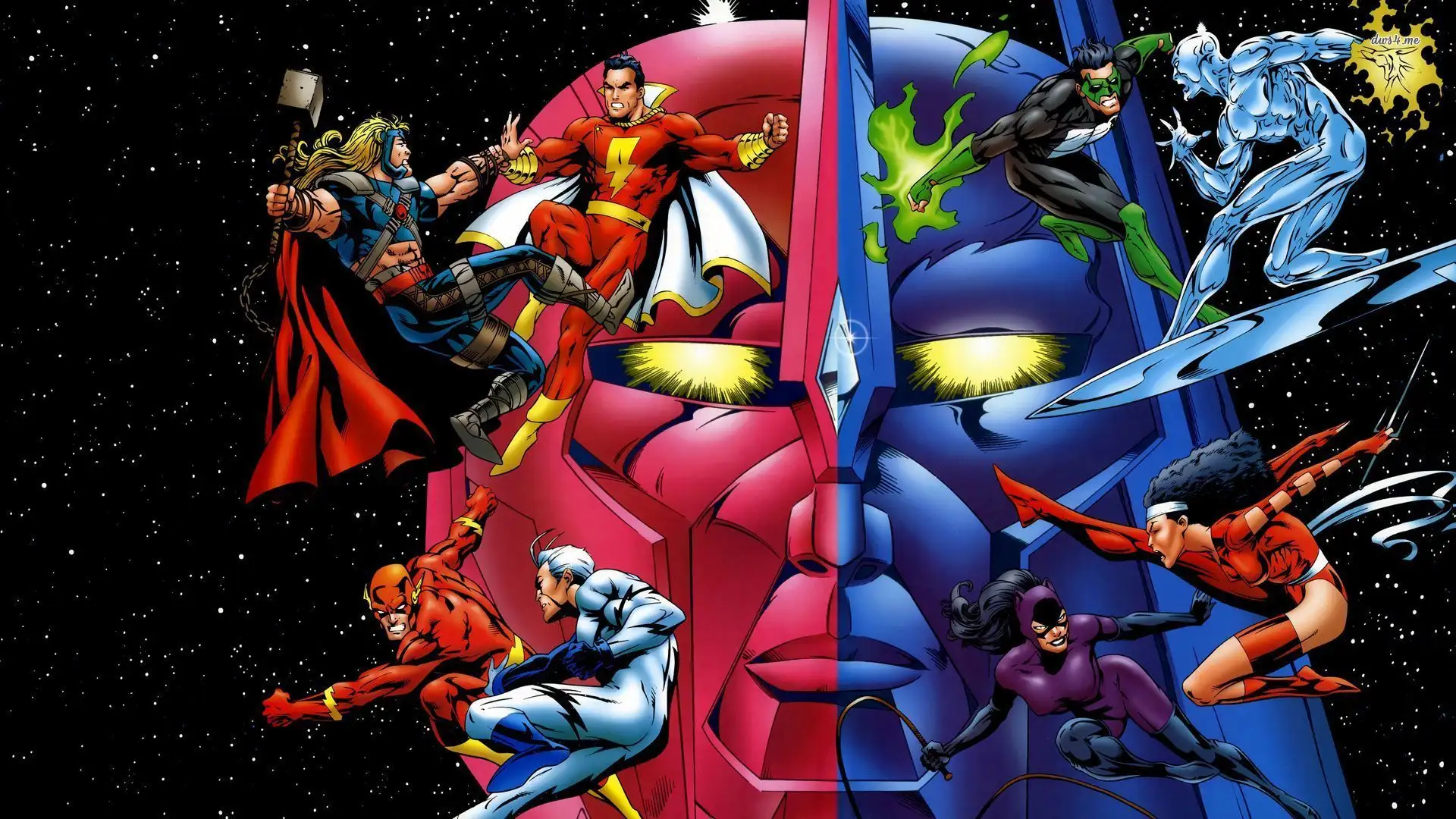
DC is great at making comics and animated movies, while the MCU has the upper hand in its cinematic aspects
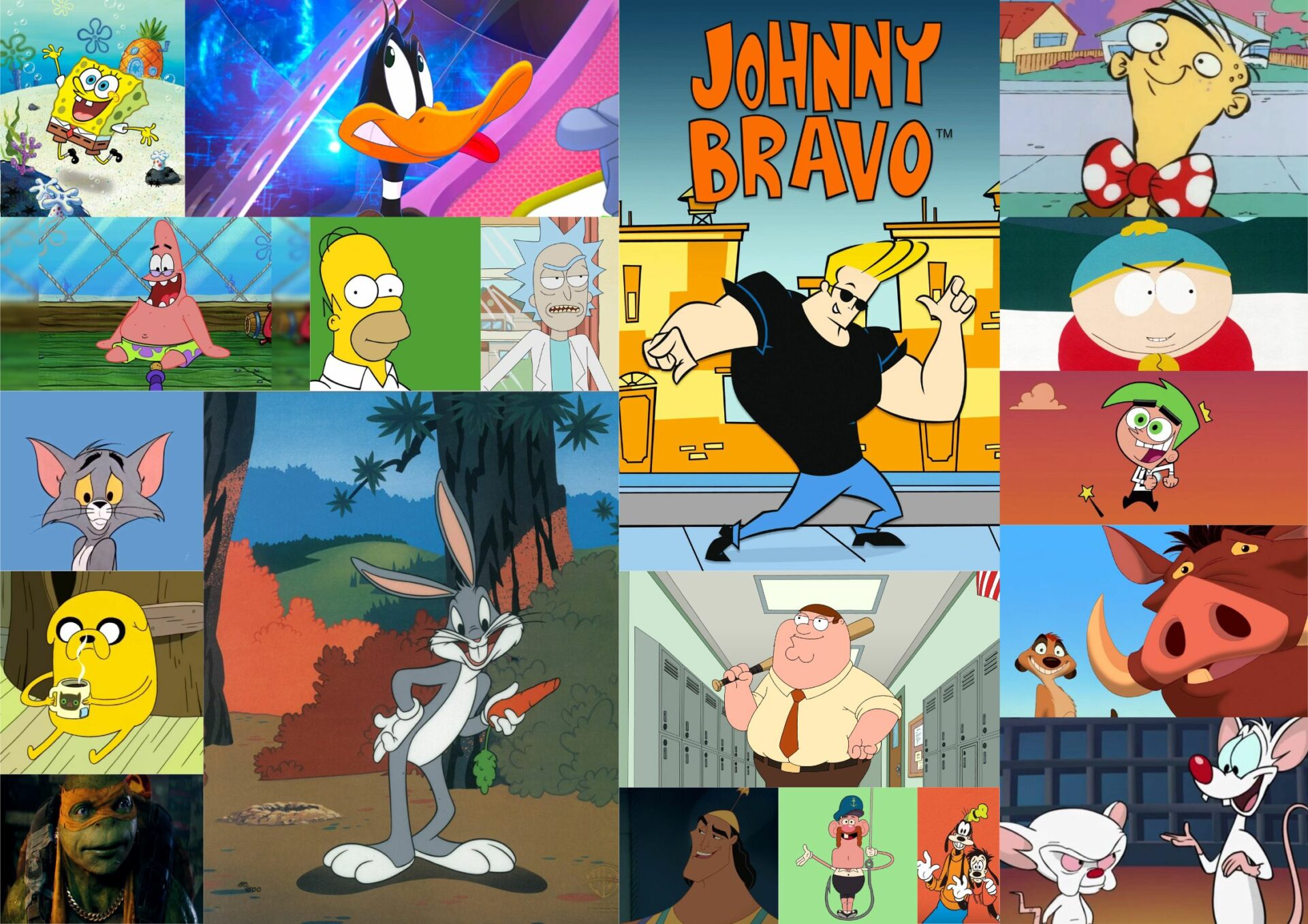
There are some outright funny cartoon characters who exist solely to crack you up, loud, hard, and with zero apology.

Discover the best apps to read books for free in 2025. Access thousands of free e-books and audiobooks on your phone or tablet. ...

Things Fall Apart is for the colonizers as well as the colonized, helping to understand the role of colonialism in the realization...

While many of the Nollywood movies on our list are quite old, it’s a testament to the capabilities of the industry’s p...
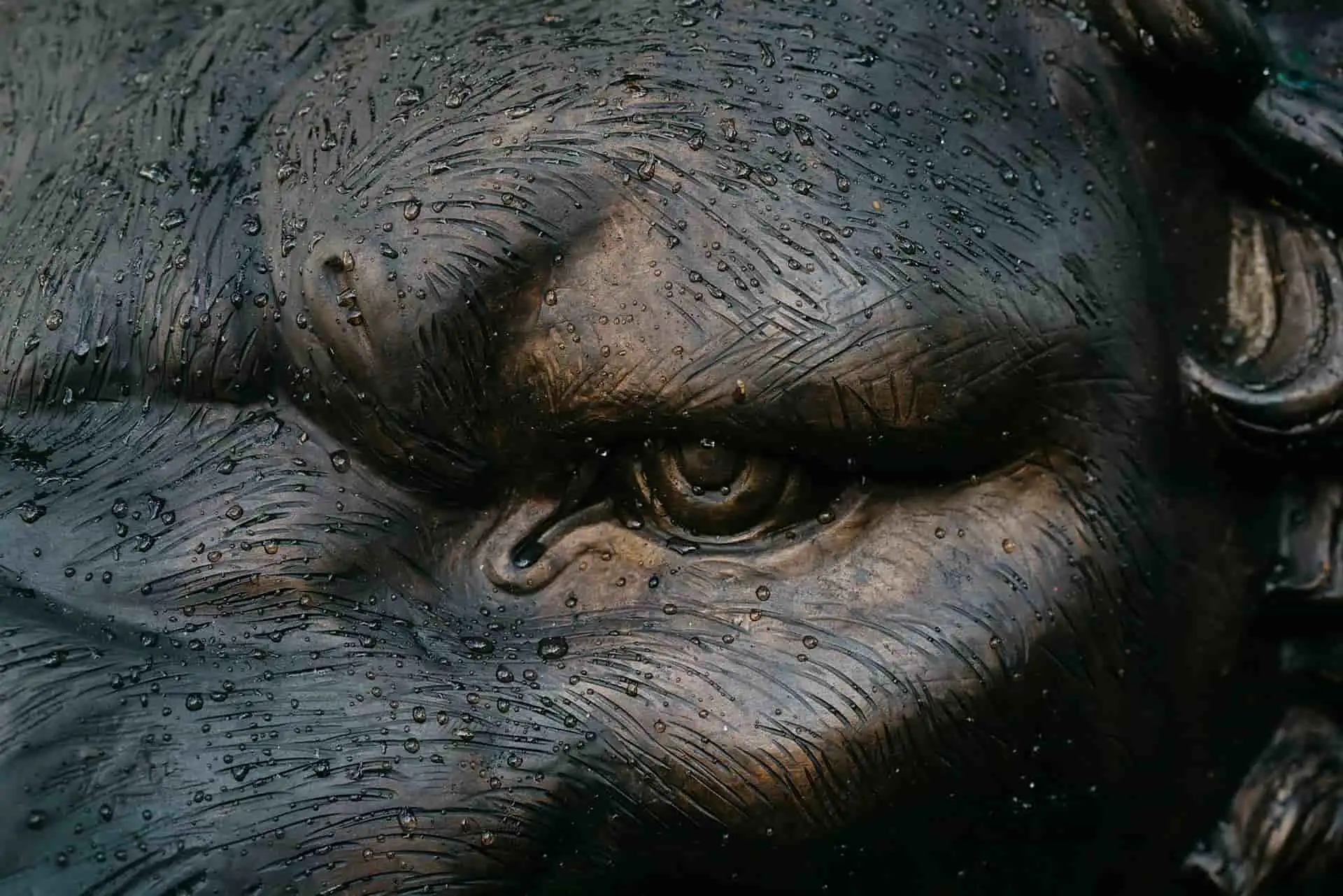
While this isn’t an exhaustive list, it comprises some of the most popular mythical creatures from around the world.
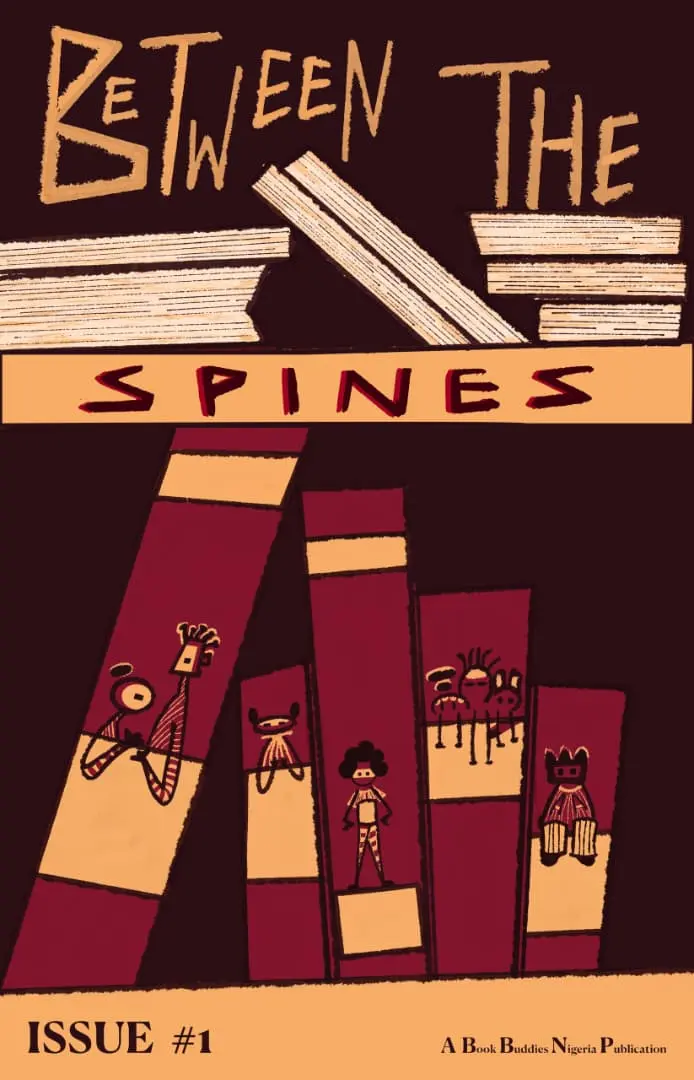
Get our magazine for free!