

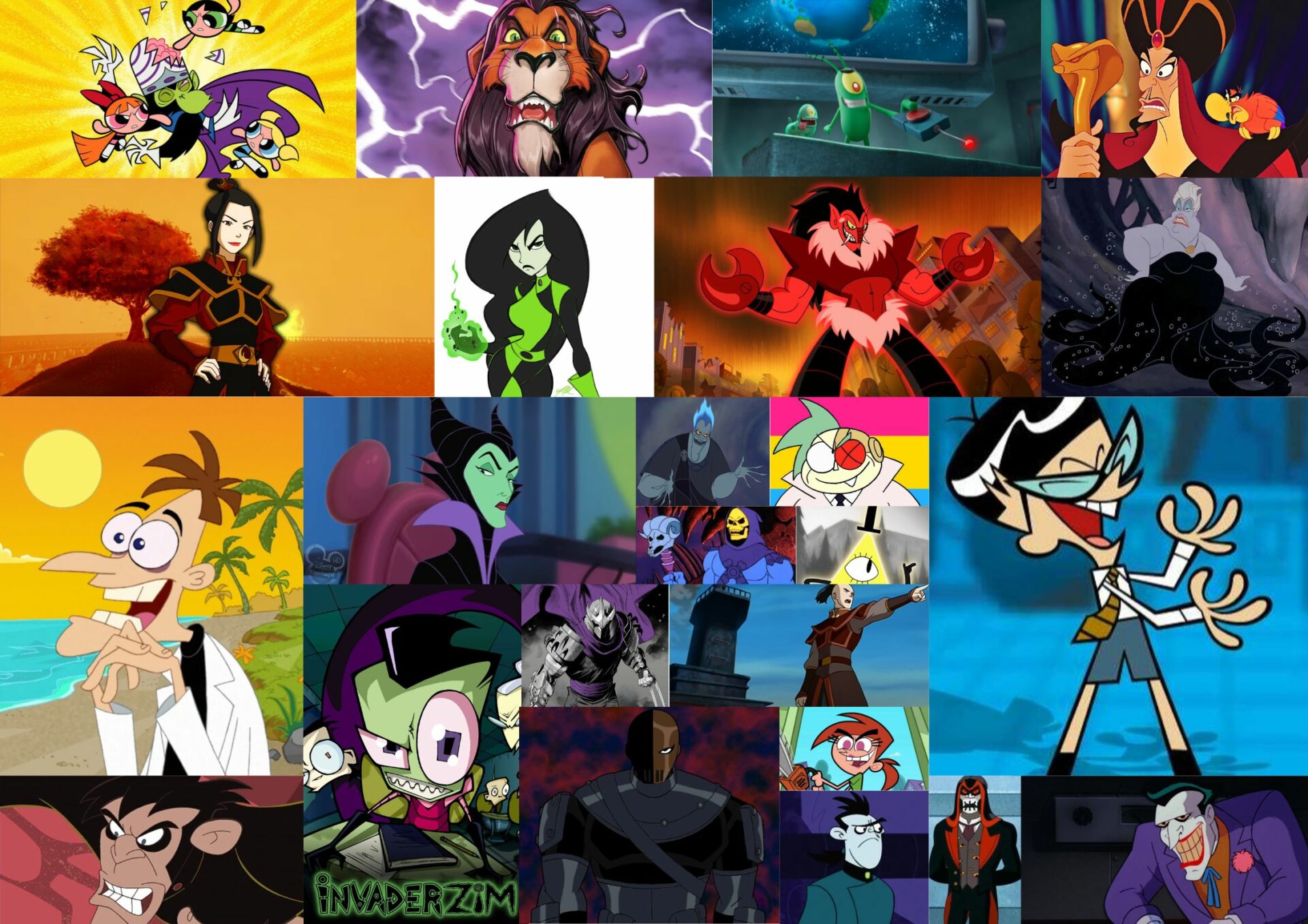
Top 30 Cartoon Characters That Were Villains
Our list rounds up the top 30 cartoon characters that were villains, each one more wonderfully wicked than the last.
Essays
Murals are among the oldest art forms. From early cave paintings to modern city streets, these creations have changed in form and meaning.
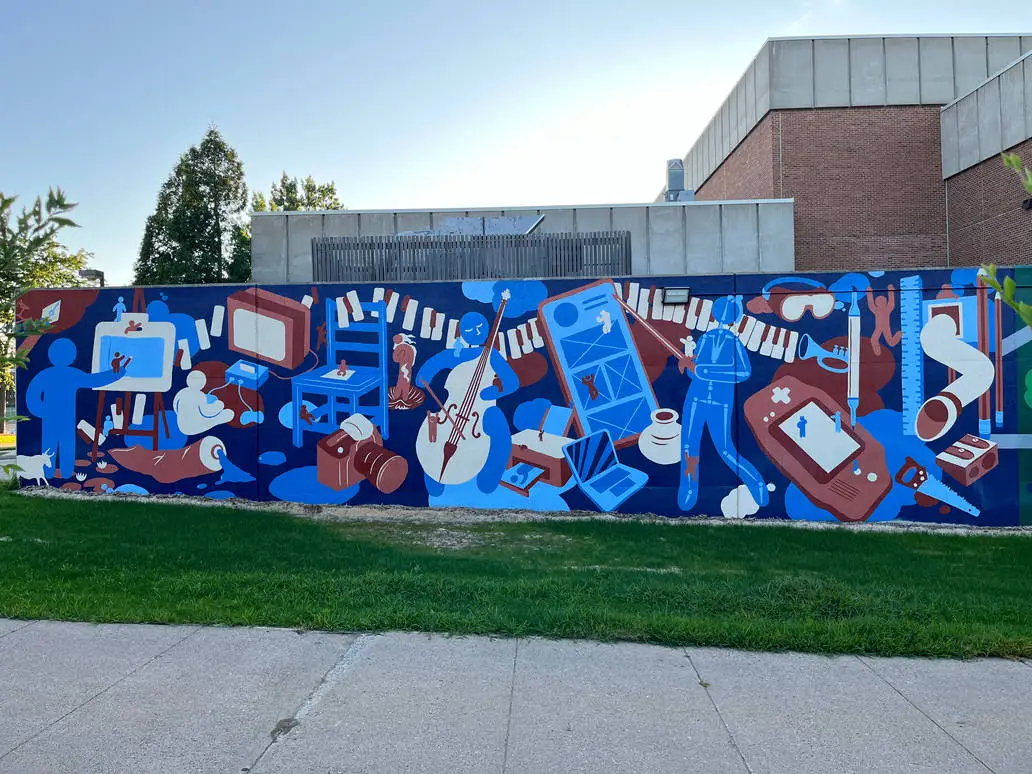
Murals are among the oldest art forms known to humanity. From early cave paintings made with simple pigments to vast works on modern city streets, these wall-based creations have changed in form, purpose, and meaning.
Across time, these large wall paintings have reflected human belief, identity, power, and conflict. They have served sacred, political, public, and personal roles at different moments. More than decoration, murals connect people to places in ways few art mediums can.
This long relationship between humans and walls did not happen by chance. Murals emerged from a need to record stories and mark identity long before written language existed. Early designs documented animals, hunts, and rituals, helping communities share meaning and memory.
Over time, this same impulse expanded into religion, politics, and urban life, making the depictions visible to people of all ages and backgrounds. Because of this, these masterpieces reflect more than artistic change, mirroring the growth of human societies.
As communities moved from small groups to organized civilizations, wall art shifted from survival imagery to symbols of power, belief, and resistance. Viewed together, these layers show how murals follow the development of human thought.
A mural is any painting applied directly to a wall or other permanent surface. Unlike framed artworks, murals are part of the architecture. They interact with the space and audience in a living environment. This gives them a unique role in human societies. The word “mural” comes from the Latin “murus”, meaning wall.

Murals have appeared where people live, work, worship, and protest. They tell us about everyday life and big ideas. They can celebrate community or criticize power. Some are hidden deep inside caves, while others stretch across entire city blocks. Their scale and placement make them part of everyday life rather than separate from it.
The earliest murals predate written history. Tens of thousands of years ago, humans painted directly onto cave walls using natural pigments such as ochre. These early images often showed animals, hunting scenes, and ritual symbols.
In Europe, famous cave systems like Chauvet, Lascaux, Altamira, and Bhimbetka contain hundreds of images of bison, horses, and other animals painted on rock. These works were not decoration alone. They were part of community life, stories, and beliefs about hunting and spiritual worlds.
In the Stone Age, painting walls was an innovation. Working on stone surfaces required artists to adapt to curves, shadows, and texture. This shaped how figures were drawn and how stories were told. Even at this early stage, these paintings were deeply tied to space and experience.
As human societies grew more complex, murals moved into built environments such as temples, tombs, and palaces. They became tools for recording power, religion, and daily life.
In ancient Egypt, narrative wall painting covered walls with scenes of gods, rulers, and everyday activities. These images followed strict rules and carried symbolic meaning related to the afterlife and order.

In the Minoan world, murals filled palaces with scenes of nature, ritual, and movement, using techniques that bonded pigment to wet plaster.
Greek and Romans took another direction. They often focused on mythology, luxury, and civic identity. In Roman homes and public buildings, murals created illusions of space and landscape, shaping how people experienced architecture and status.
During the medieval period, religious institutions became the main patrons of murals. Churches and cathedrals were filled with painted biblical scenes. At a time when many people could not read, murals acted as visual storytelling tools that guided belief and behaviour.
Following the fall of ancient empires, murals took on new roles in medieval Europe. As literacy declined, wall paintings inside churches became visual teaching tools. Biblical scenes guided worshippers through religious narratives, reinforcing belief through imagery rather than text. These visual chronicles shaped how people understood morality, judgment, and salvation.
These religious pictographs were immersive by design, with dark interiors illuminated by painted saints and symbolic colour, creating emotional experiences that reinforced faith. Walls surrounded viewers with spiritual stories, making belief feel immediate and unavoidable. In this context, murals served both as instruction and atmosphere.
With the Renaissance came a new shift. Giotto di Bondone began treating walls as spaces for lifelike storytelling. His frescoes in the Scrovegni Chapel, completed in 1305, introduced emotional depth and spatial realism.
This marked a turning point where murals began reflecting human experience alongside religious themes. Visual compositions in chapels and public buildings became grand statements of human creativity and spiritual ambition.
These works were still about belief and narrative, but they also celebrated human skill and imagination. They explored depth, light and emotion in ways that would influence art for centuries.
Later Renaissance masters expanded this approach. Leonardo da Vinci and Michelangelo combined anatomy, perspective, and movement to transform walls into dynamic visual narratives.
Murals became statements of intellectual and artistic achievement, influencing how art and architecture interacted for centuries to come.
As societies modernized, murals gradually moved beyond religious and elite spaces. In the early 20th century, they became tools of political expression. In post-revolutionary Mexico, state-sponsored mural programmes between 1923 and 1939 aimed to educate the public and unify national identity.
Artists such as Diego Rivera, José Clemente Orozco, and David Alfaro Siqueiros led this movement. They painted huge murals celebrating indigenous history, labour, revolution, and resistance. These works belonged to the public and voiced the struggles and aspirations of everyday people.
Rivera’s History of Mexico murals, painted between 1929 and 1935, illustrate centuries of conquest, resistance, and revolution. These works centred on ordinary people rather than rulers, redefining whose stories deserved space on public walls. This shift influenced mural movements across the Americas.

Building on this, murals became tools of political expression worldwide. In the United States, the Works Progress Administration (WPA) funded murals during the Great Depression. Artists like Victor Arnautoff painted public works that explored history and identity. His Life of Washington depicts complex and controversial scenes in American history.
Murals also merge religion and radical commentary. In Pennsylvania, artist Maxo Vanka painted social critique and spiritual themes at St. Nicholas Church. These images show war, immigrant hardship, and inequality wrapped in sacred vision.
Murals also became tools of protest. A restored 1934 anti-fascist mural by Philip Guston and Reuben Kadish in Morelia, Mexico, depicts oppression across historical periods. Such works demonstrate how murals evolved into platforms for resistance, allowing artists to challenge power directly in public space.
In the late twentieth century, murals moved fully into urban streets. Cities themselves became canvases. Artists began painting on factory walls, underpasses, and neglected spaces.
This shift was influenced by graffiti culture and social change. What was once dismissed as vandalism gradually gained recognition as public expression. Street murals began reflecting local struggles, identity, and memory. In cities like Berlin, London, New York, and São Paulo, their street murals reflected those.
In Pisa, Italy, the Tuttomondo mural painted in 1989 by American artist Keith Haring celebrates peace and humanity with playful figures covering a church wall. It shows how street murals can bring art back into everyday life in joyful and grassroots ways.
Murals on city streets are often described as democratic. They are free to see and accessible to everyone walking by, reflecting the public spirit of a place more than a private gallery ever could.
In many cities, murals are created with community input. Residents help choose themes that reflect shared history, values, and hopes, giving murals deep local meaning.

Murals can transform neighbourhoods. Areas with many murals feel more welcoming and alive. They can become landmarks that residents recognize themselves in and feel connected to.
Through these images, communities communicate who they are and what they value. Murals become visual statements of identity that resonate with locals and visitors alike.
Mural techniques have changed alongside society. Early artists used natural pigments mixed with water, fat, or plant oils. Simple tools such as fingers and sticks were common.
Later civilizations refined methods such as fresco painting, in which pigment is applied to wet plaster, becoming part of the wall. Renaissance artists pushed these techniques further, using perspective, light, and shadow to create depth and emotion.
Modern muralists work with acrylics, spray paint, mixed media, and digital planning tools. Technology allows artists to plan large works and share them widely, expanding the possibility of murals.
From prehistoric caves to modern city streets, murals have evolved over time and across cultures. They are not just painted surfaces. They are records of belief, struggle, memory, and identity.
Murals show who people were, who they are, and what they care about. Whether created with natural pigments or modern spray paint, they remain powerful forms of expression, revealing a shared human desire to leave marks that matter for those who come after.
Our list rounds up the top 30 cartoon characters that were villains, each one more wonderfully wicked than the last.
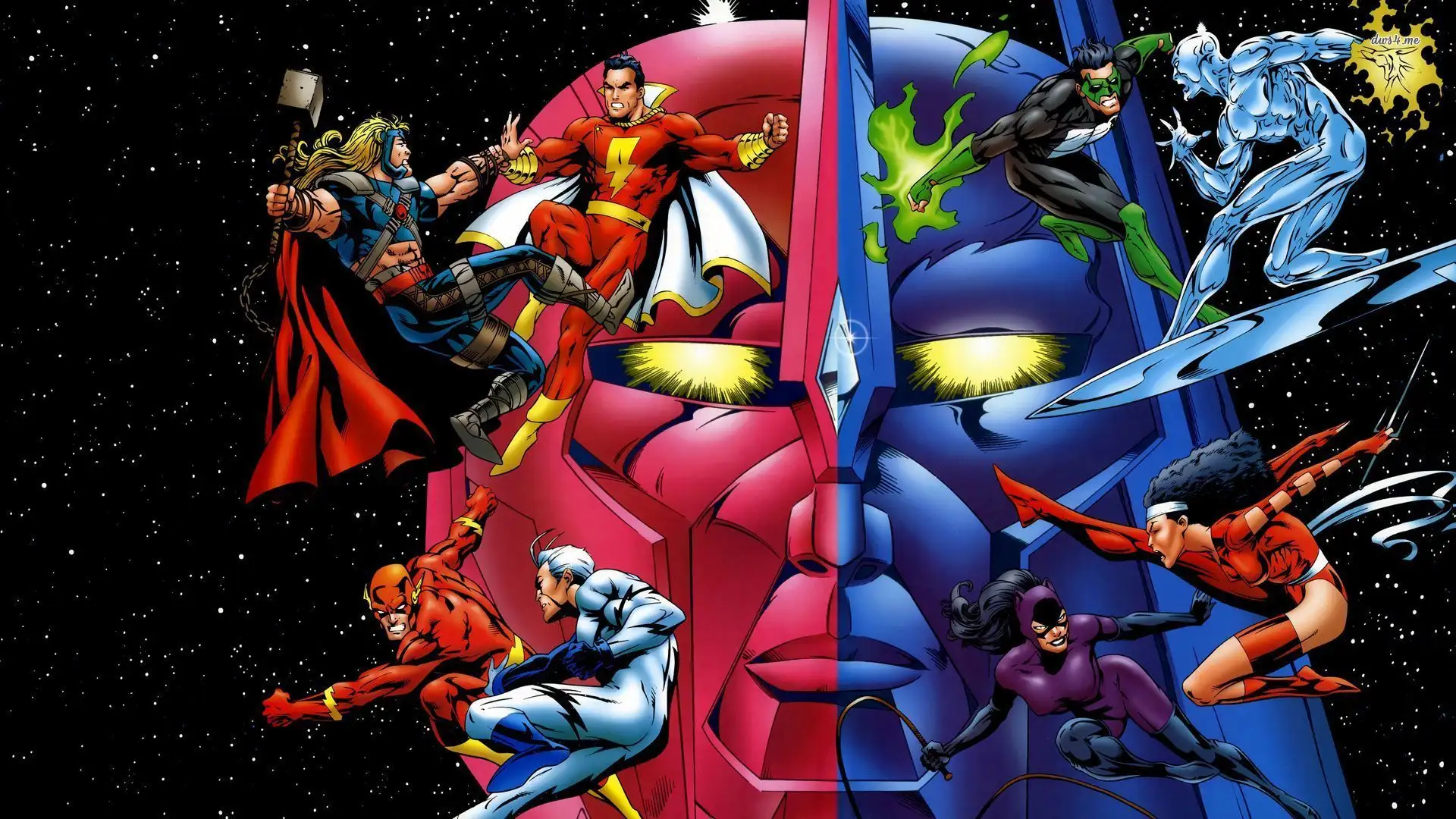
DC is great at making comics and animated movies, while the MCU has the upper hand in its cinematic aspects
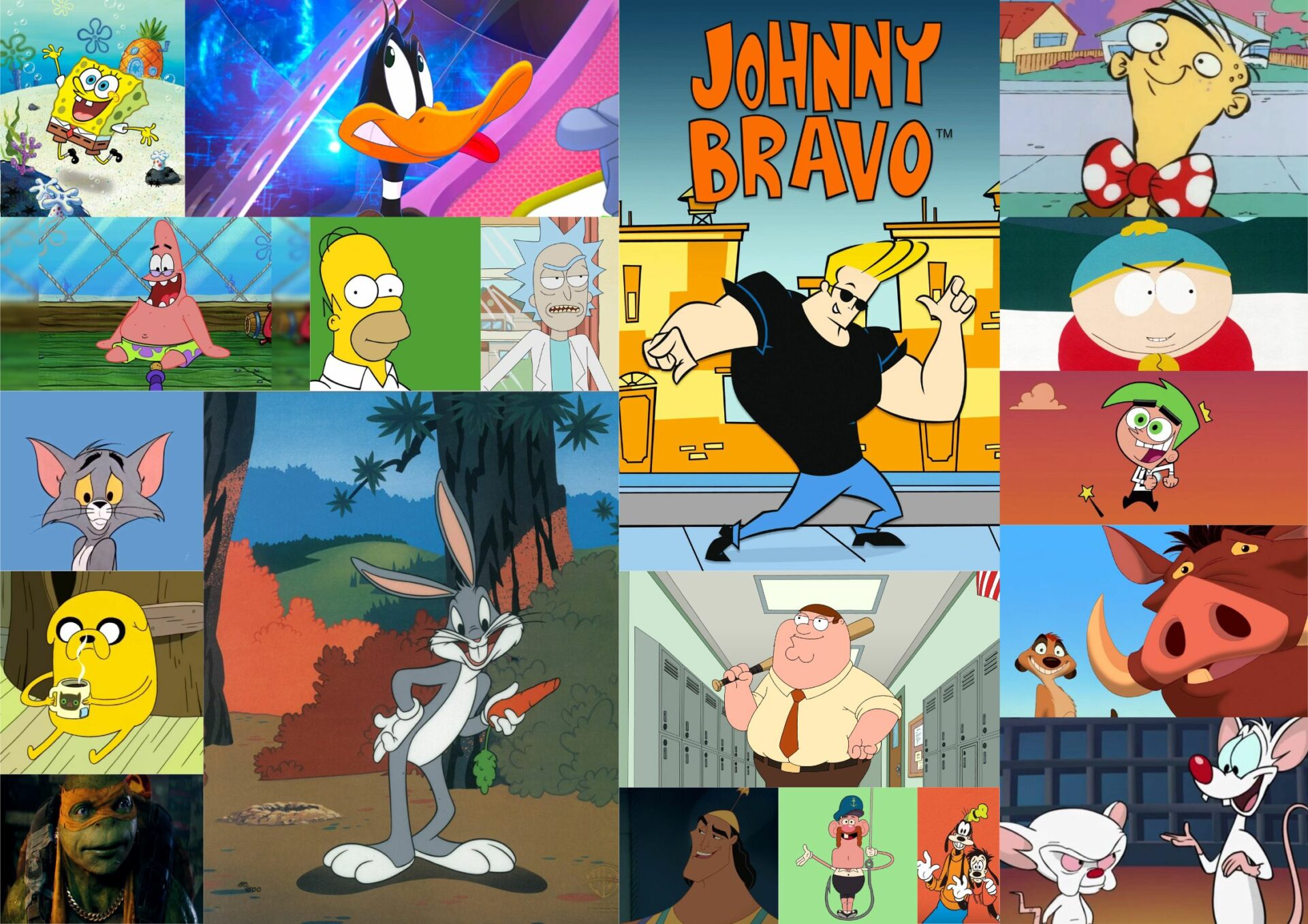
There are some outright funny cartoon characters who exist solely to crack you up, loud, hard, and with zero apology.

Discover the best apps to read books for free in 2025. Access thousands of free e-books and audiobooks on your phone or tablet. ...

Things Fall Apart is for the colonizers as well as the colonized, helping to understand the role of colonialism in the realization...
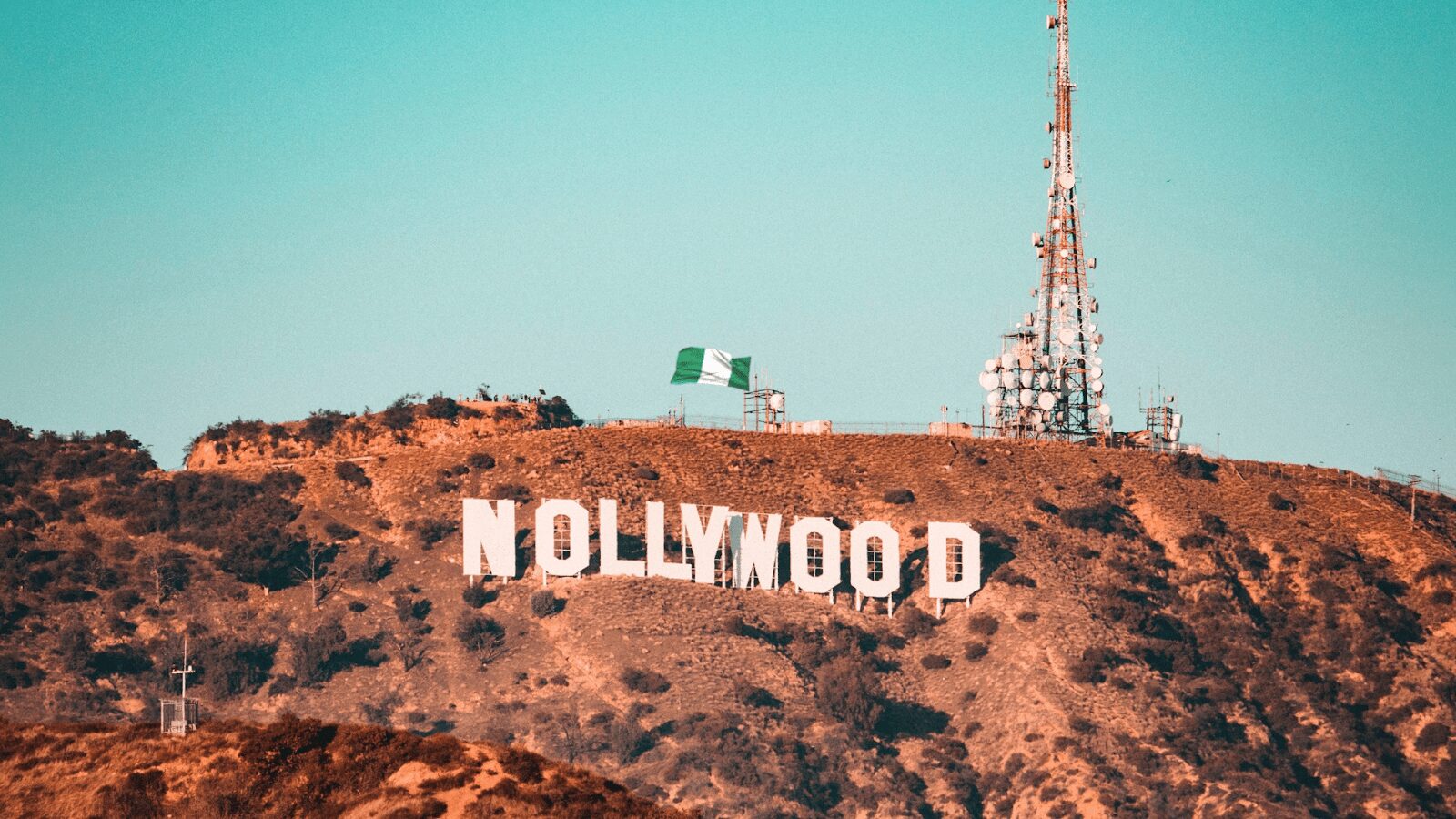
While many of the Nollywood movies on our list are quite old, it’s a testament to the capabilities of the industry’s p...

While this isn’t an exhaustive list, it comprises some of the most popular mythical creatures from around the world.
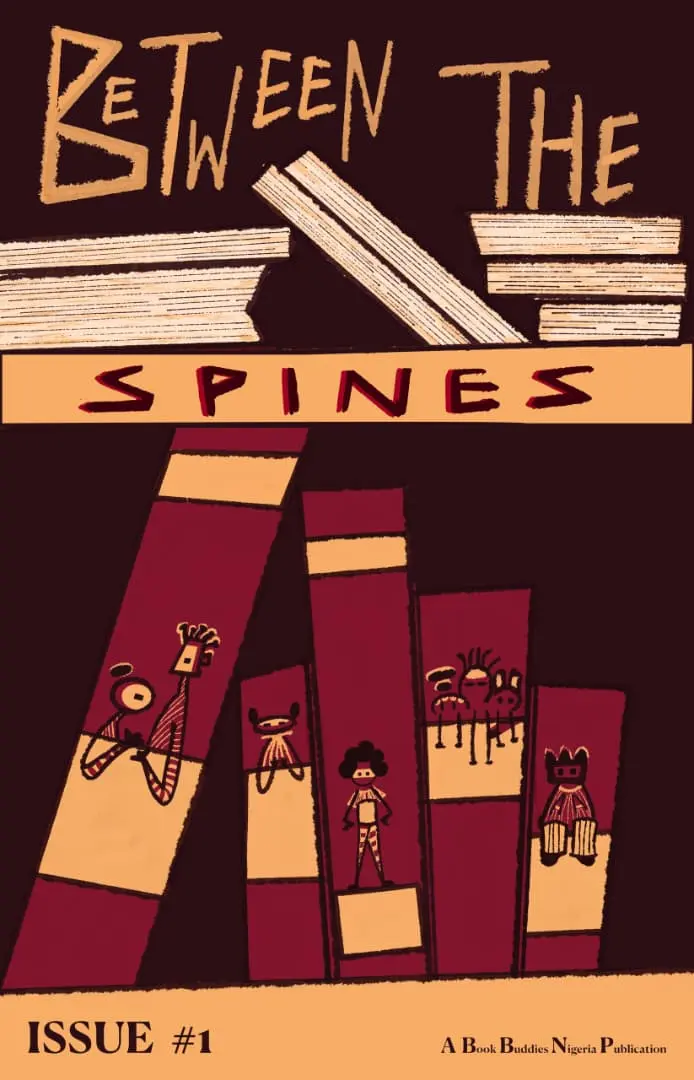
Get our magazine for free!