

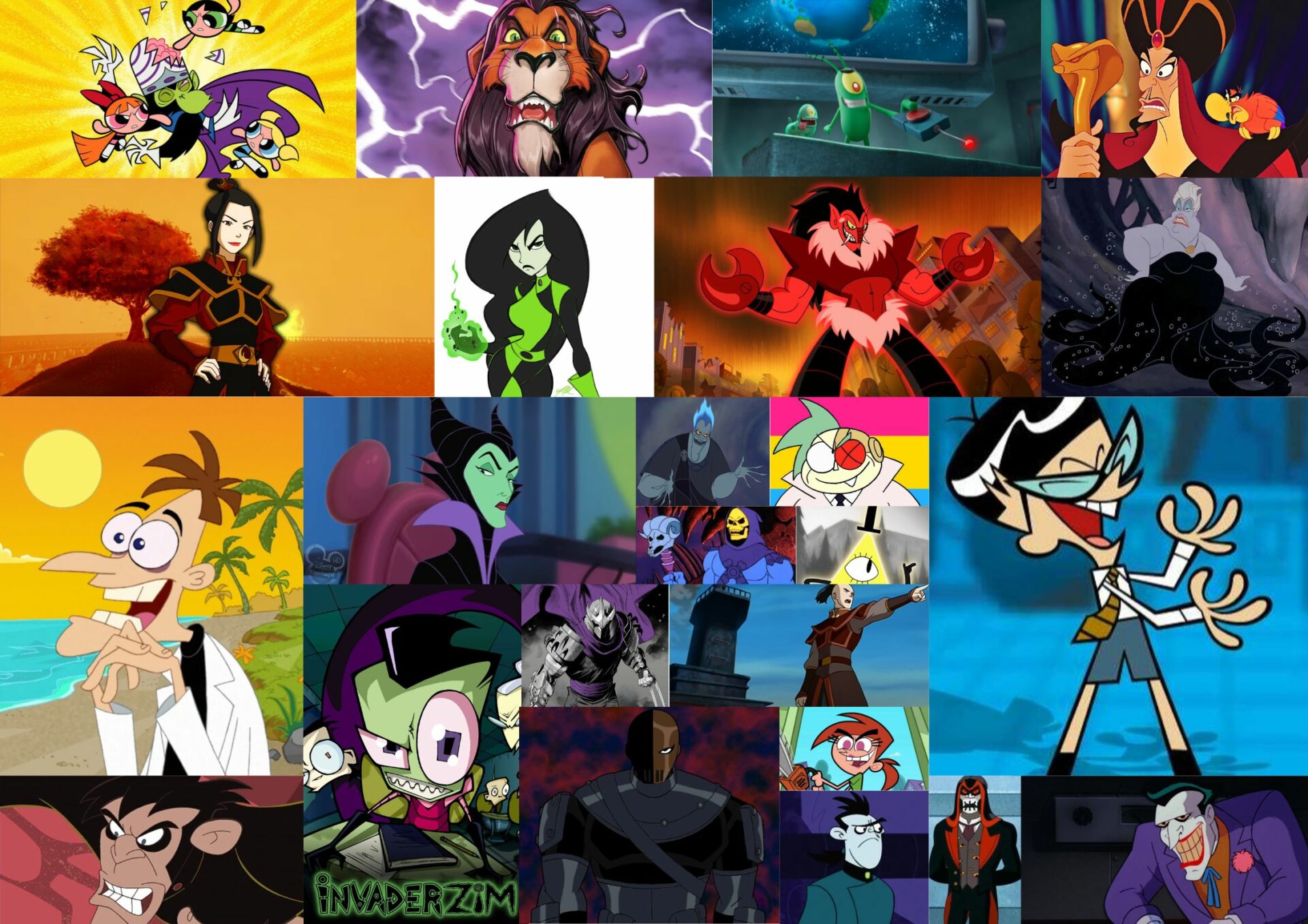
Top 30 Cartoon Characters That Were Villains
Our list rounds up the top 30 cartoon characters that were villains, each one more wonderfully wicked than the last.
Essays
Art was judged by how accurately it could recreate the visible world. Post Impressionism art challenged previous definitions of art’s purpose

For centuries, art was judged by how accurately it could recreate the visible world. Painters spent years mastering techniques that allowed them to capture landscapes, portraits, and historical scenes with impressive realism.
By the late nineteenth century, some artists began to question if perfect visual accuracy should be art’s main goal. Post Impressionism art emerged as a group of styles following Impressionism, but it moved beyond its focus on light and fleeting effects.
Though rooted in Impressionism, Post-Impressionism is seen as both a continuation and a critique of Impressionist ideals. Artists challenged previous definitions of art’s purpose in their own ways.
This shift was pivotal. While Impressionists captured light and fleeting moments rather than strict realism, Post-Impressionists pushed those boundaries even further.
Artists developed unique styles to evoke emotion, joining the ‘Post Impressionists.’ This new direction influenced movements like Cubism, Expressionism, and Fauvism, transforming art’s creation and experience.
While not a formal movement, Post-Impressionism became a vital part of art history. It emerged in France in the 1880s, growing out of Impressionism.
Some artists saw Impressionism as limited, and so began experimenting with more abstract, expressive approaches. Their colors remained bold and intense, while their scenes moved away from naturalism to focus on real-life themes and personal subject matter, giving the art renewed depth and emotion.
Post Impressionism represented a decisive break with the Renaissance conception of painting as a “window”.

Although the movement included many different styles, several key ideas shaped post-impressionist art and set it apart from earlier traditions.
Post-Impressionist art focused on emotional depth. Artists used distorted forms, intense colors, and expressive brushwork to convey inner feelings rather than just reality.
Themes often explored anxiety, alienation, and soul searching. A bright yellow sky or swirling brushwork might capture emotion that realism could not. This idea shaped many modern art movements.
Colour played an entirely new role in post impressionism art. Instead of simply mirroring nature, artists used colour as a powerful expressive tool.
They explored its psychological and emotional effects. Bright, intense colours could suggest warmth, tension, excitement, or melancholy. For example, Van Gogh’s use of yellow in the “Yellow House” expressed warmth and comfort.
Some Post-Impressionist artists also explored the structural foundations of painting. They experimented with simplifying objects into geometric shapes and organizing compositions in new ways.
The emphasis was on the arrangement of pictorial elements to create balanced compositions. The use of geometric forms explored the relationship between two-dimensional and three-dimensional forms. For example, Seurat used geometric shapes to organise his pointillist composition.
Several influential artists shaped the movement and helped pave the way for modern art.
Seurat developed Pointillism, arranging small dots of colour to create images. His scientific approach to colour relationships opened new possibilities for visual experimentation.

Notable works include Sunday Afternoon on the Island of the Grand Jatte and Bathers at Asnières.
If Seurat offered science, then Van Gogh supplied the soul of Post‑Impressionism. Probably known for cutting off his own ear, he is described as an “expressionist” because he uses paint to express what he feels rather than what he sees. He did this through expressive color, expressive brushstroke, and the exaggeration/distortion of form.

For Van Gogh, the country was a rejuvenating antidote to the alienation of modern city life, and he expressed this in many of his works. The country represented an escape from the impersonality of modernity, offering solace and a return to a pre-modern paradise. Some of his works include Wheatfield with Cypresses (1889), Starry Night (1888), The Night Café (1888), et cetera.
At the heart of Post‑Impressionism stands Paul Cézanne, a painter obsessed with order. Cézanne approached painting with a strong interest in structure and form. His goal was to make Impressionism something solid and durable, like the art of the museums.

By reducing natural objects to geometric shapes, he introduced ideas that inspired Cubism and other modern artistic experiments. His paintings are like a “mosaic” of changing and shifting viewpoints, resulting in dynamic compositions.
Some of his works include: The Basket of Apples 1893, The Bay of Marseilles, Seen from L’Estaque 1885, Mont Sainte Victoire 1902-1904, and others.
The greatest impact of post impressionism art lies in the way it transformed artistic thinking and paved the way for modern art movements.
Cubism is primarily concerned with depicting the structure of objects, often through thick blocks of color and strong lines. Cezanne’s experiments with structure encouraged later artists to reconsider how objects could be represented.

Instead of showing a subject from one viewpoint, Cubist artists began breaking forms into geometric fragments and presenting multiple perspectives simultaneously. His influence is strong in Pablo Picasso’s work.
Picasso saw natural forms as an accumulation of cubes, spheres, and cones, and by piling them up, he “composed” rather than “reproduced” his subjects.
The Fauvist movement embraced the use of vivid, non-naturalistic colours, a concept strongly influenced by Gauguin’s symbolic palette.

A tree could be red, a face could be green, a sky could be orange. What mattered was the expressive power and harmony of the color itself.
In particular, they considered color important for expressing human inner feelings and sensations, and studied the autonomous world it creates. Henri Matisse’s “Dance (I)” is a very good example, especially with the development of modern painting.
Van Gogh and Munch directly influenced German Expressionism through their emotional intensity and bold colour choices, which later encouraged artists to use art to express inner psychological states rather than objective reality.

Russian painter Wassily Kandinsky was one of the first 20th-century artists to explore a purely “non-objective” style of painting: pictures with no recognizable subject matter, relying instead on line, color, and form as a means of direct expression.
Post-Impressionism changed how artists approached creativity. Instead of focusing solely on representation, artists began exploring emotion, symbolism, abstraction, and structure. In many ways, nearly all of modern art traces its roots back to this moment of creative liberation.
By breaking free from the need to faithfully imitate the visible world, these artists changed the course of painting entirely. They ventured into uncharted domains, adding emotions and symbolic meaning to their art.
It marked the turn of the last century by transforming art, and its importance and influence are bound to last well beyond that point. What began as a group of artists pushing beyond the limits of Impressionism ultimately helped redefine the future of art itself.
Our list rounds up the top 30 cartoon characters that were villains, each one more wonderfully wicked than the last.
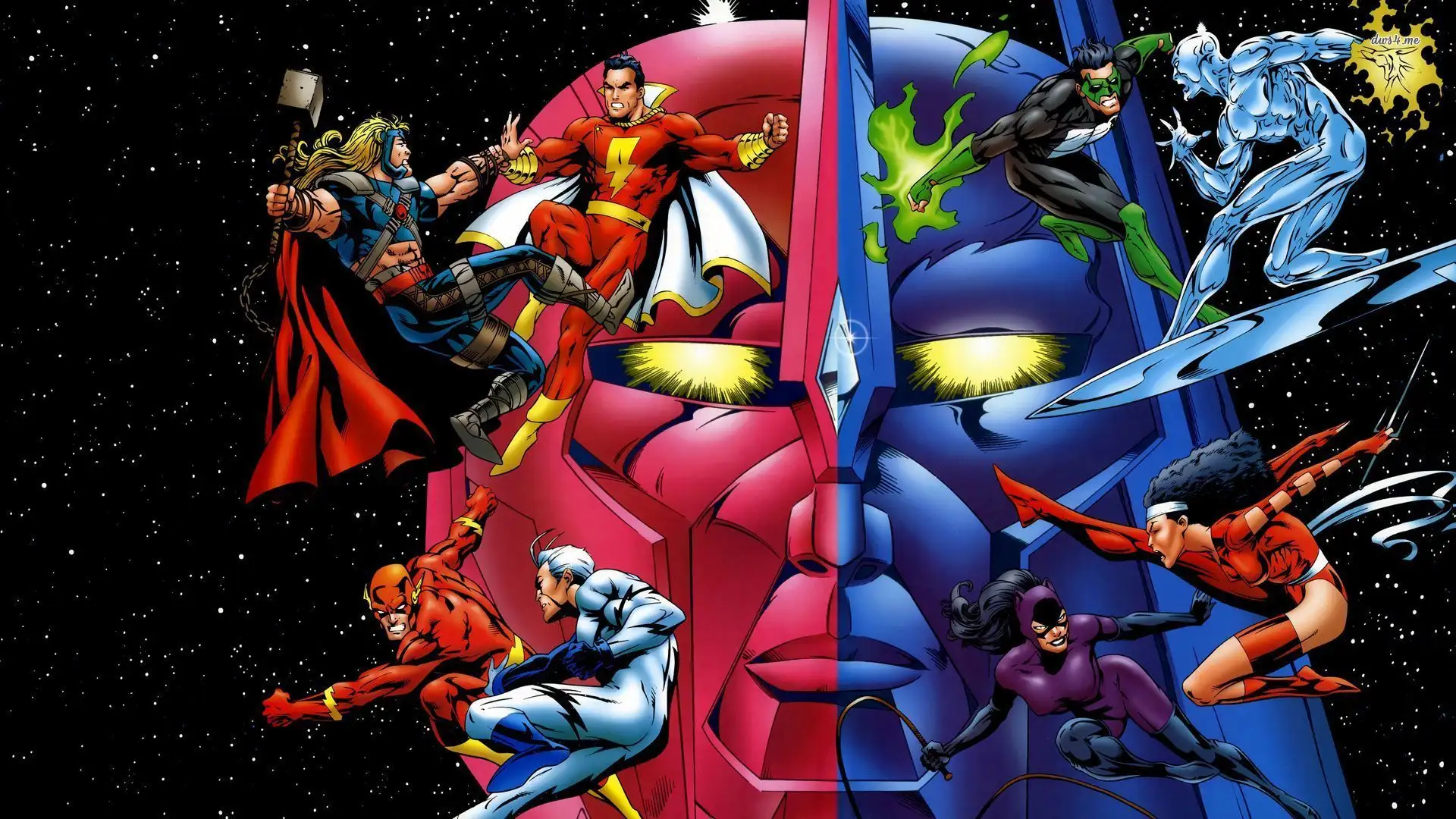
DC is great at making comics and animated movies, while the MCU has the upper hand in its cinematic aspects
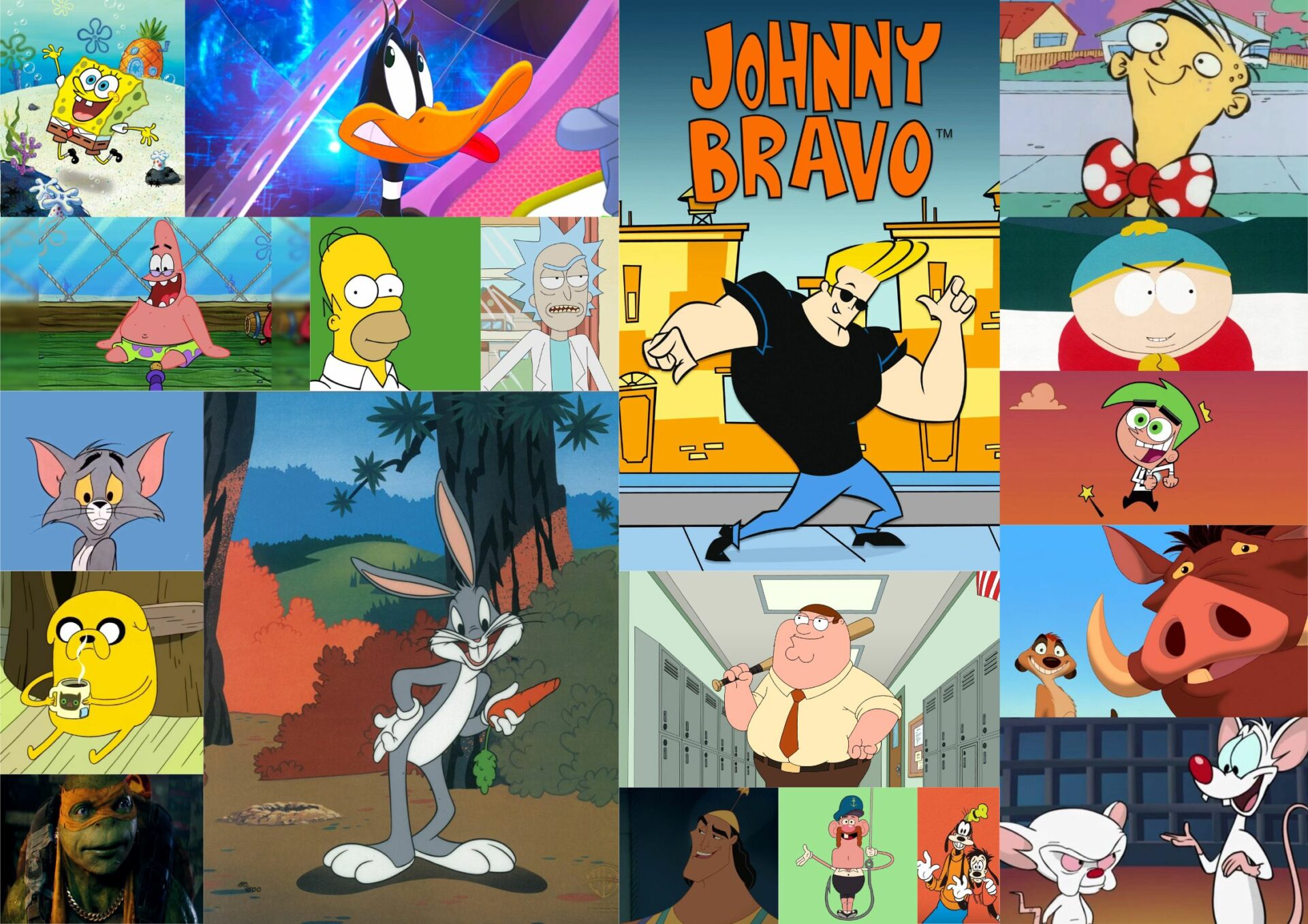
There are some outright funny cartoon characters who exist solely to crack you up, loud, hard, and with zero apology.

Discover the best apps to read books for free in 2025. Access thousands of free e-books and audiobooks on your phone or tablet. ...

Things Fall Apart is for the colonizers as well as the colonized, helping to understand the role of colonialism in the realization...

While many of the Nollywood movies on our list are quite old, it’s a testament to the capabilities of the industry’s p...
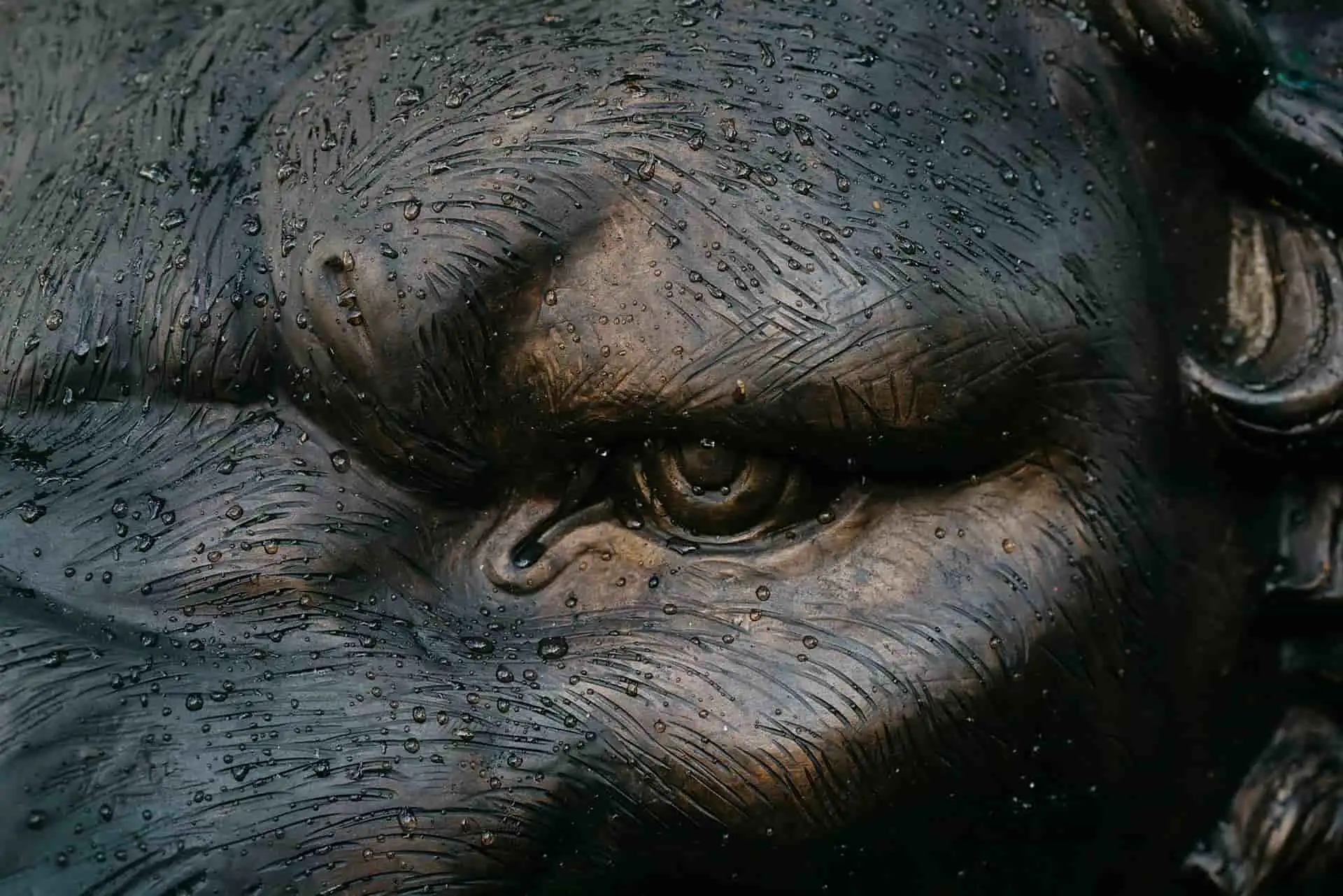
While this isn’t an exhaustive list, it comprises some of the most popular mythical creatures from around the world.
Get our magazine for free!