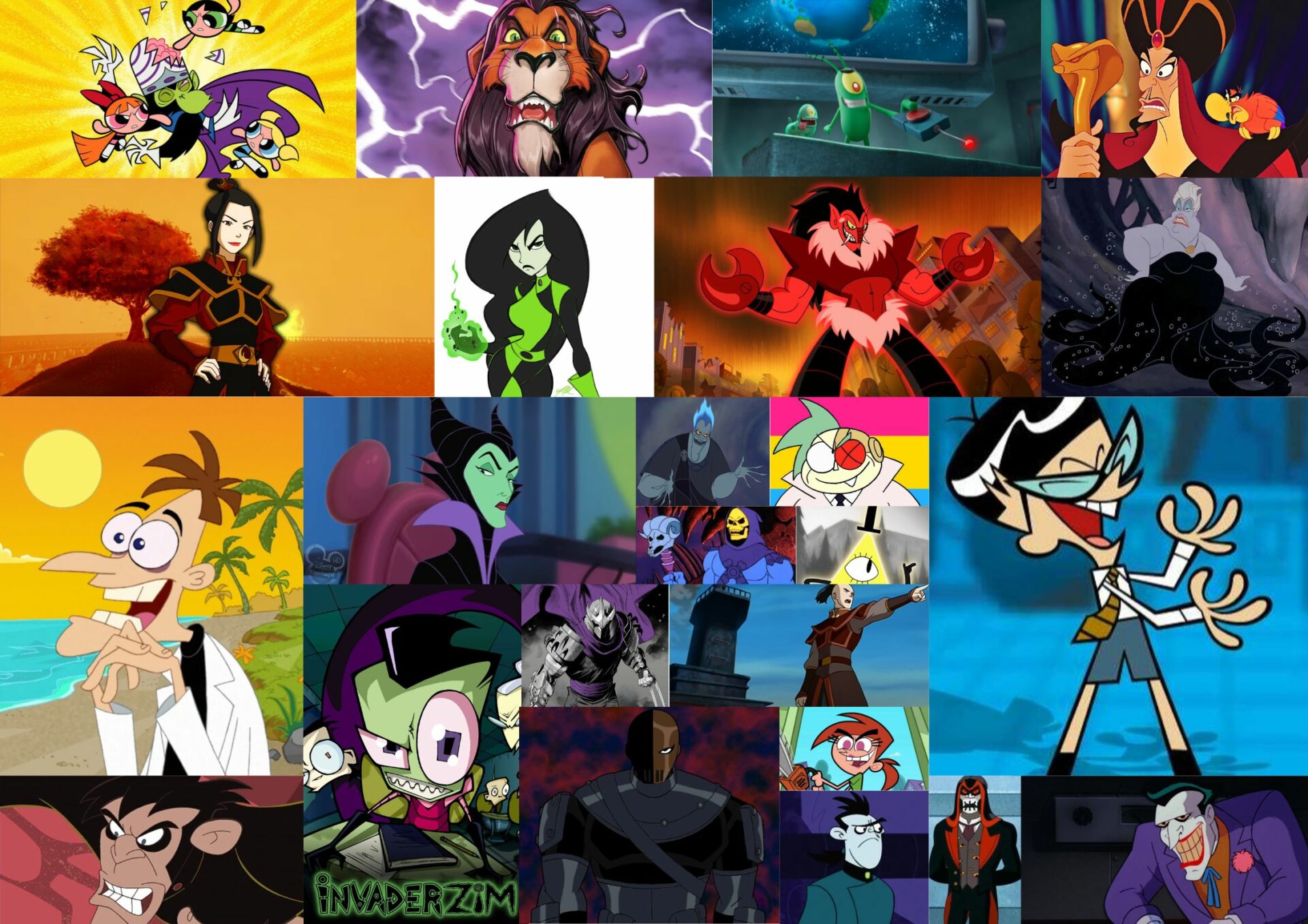
Top 30 Cartoon Characters That Were Villains
Our list rounds up the top 30 cartoon characters that were villains, each one more wonderfully wicked than the last.
Debates
Some debates in publishing never quite go away, and one of these topics is board book vs hardcover. Which format truly serves its purpose?
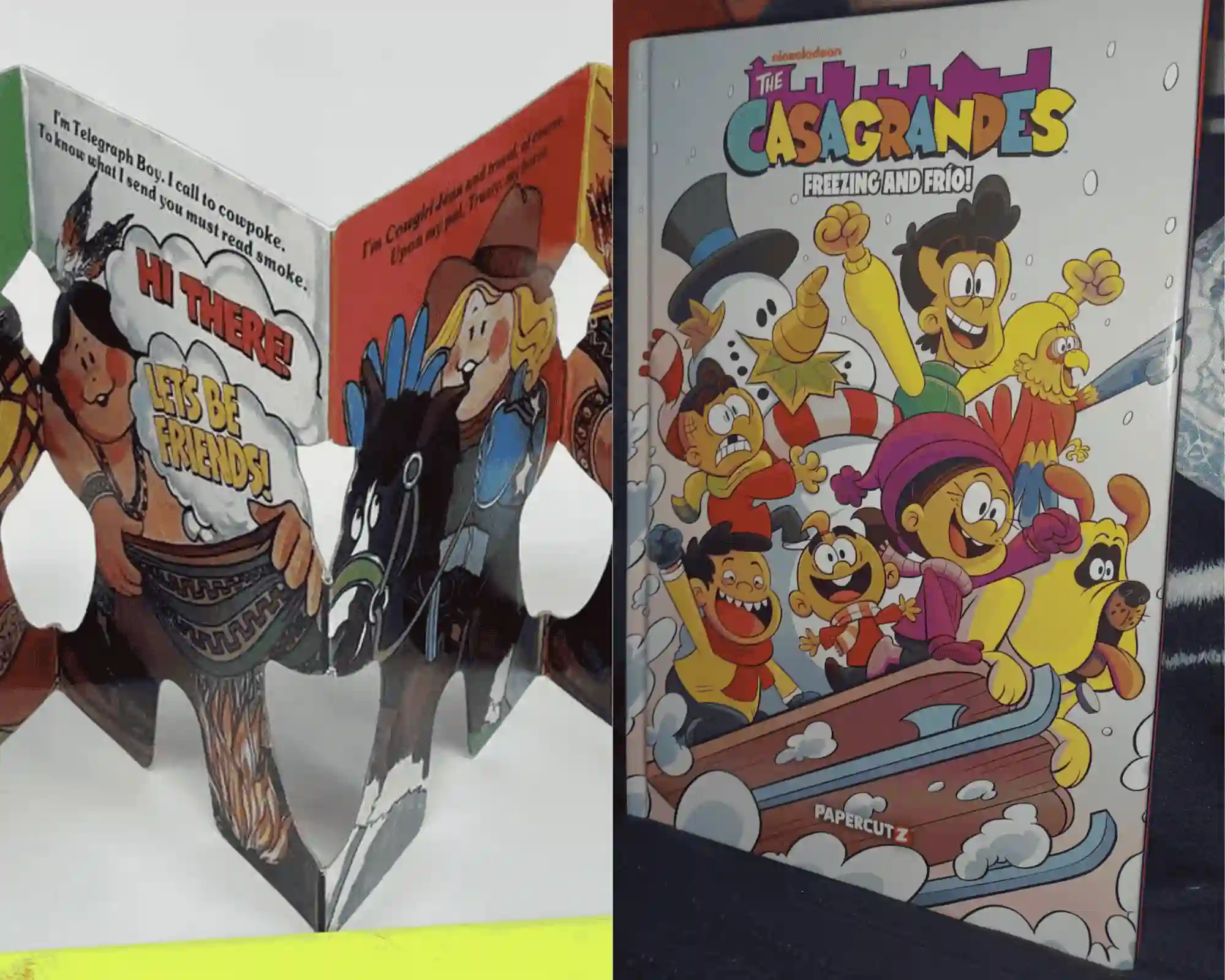
Some debates in publishing never quite go away, and one of these topics is board book vs hardcover.
In the world of children’s books, this question surfaces time and again: which format truly serves its purpose better? At first glance, it may seem like a straightforward comparison, but both formats bring unique attributes and cater to different reading experiences and preferences.
Rather than a rivalry, these formats should be seen as strategic options suited to different audiences and storytelling needs. Each offers advantages, so choosing between them requires understanding what each is designed to do. With this in mind, let’s explore the specific contrasts and how each format can best support a story.
Before diving into deeper comparisons, it helps to have a clear understanding of both options. So, what does “board book” mean, and how does it compare to hardcovers?
Board books are simply books with thick, sturdy pages, often laminated for durability. They are typically made for little children and are designed to withstand the wear and tear of their little hands.

These books can endure the inevitable accidents of childhood, whether that’s spills, bites, or rough handling, often featuring bright colours, textures, and interactive flaps to engage young readers. They are mostly learning books or bedtime stories with a short overall length.
Typically, a hardcover book features a thick, tough exterior that protects its more delicate inner pages. They are popular for kids ages five and up and are found in many genres.

Hardcover binding involves glueing or sewing the pages together to create a book block, which is then bound into a hardcover. How, then, does one spot the difference?
One of the most important considerations in the board book vs hardcover discourse is the intended reader. Board books are tailored for infants and toddlers, featuring colourful, captivating content. Engagement at this stage is as physical as it is visual: grabbing, flipping, even chewing.
Hardback books, by contrast, cater to older children, young adults, and beyond. Picture books in hardcover often target ages 3–8 and allow for more complex narratives, richer vocabulary, and layered illustrations.
If the goal is early sensory engagement, a board book aligns well. If the story relies on narrative depth or targets older children, a hardcover becomes the more suitable option.
Not every story fits every format. Board books often contain fewer than 20 pages and have limited text per page. They’re ideal for delivering short, engaging stories or concepts in a format that very young readers can easily handle. Concepts like numbers, colours, or simple routines particularly work well.
Hardcovers provide more space for story development, detailed illustrations, and complex themes, enabling richer narratives and deeper educational content.
Stories that are simple, rhythmic, and concept-driven are well-suited to board books. Stories that require narrative development and visual detail benefit from hardcover formatting.
The physical nature of each format significantly influences design choices. Board books often incorporate interactive features, such as pop-ups, flaps, textures, or sound devices, and rounded edges to prevent injuries during the enthusiastic play of toddlers and young children.
With hardcover books, what you see is what you get. Dust jackets, varied trim sizes, detailed spreads, and typographic experimentation. They have a premium appearance and are versatile, suitable for a range of applications, including novels, textbooks, high-end marketing materials, and collectors’ items.
One difference is that while board books require precision and simplicity in design, hardcovers allow creative expansion.
From a production perspective, choosing between board book and hardcover affects cost and pricing. Board books often cost more per unit to make but are usually sold at lower prices to improve accessibility, while offering durability for frequent use.
Hardcovers generally have higher retail prices, reflecting their production quality, which requires more complex printing and assembly processes and often uses more expensive materials like cloth or leather covers. They are often positioned as gifts, keepsakes, or premium reading experiences.
Board books emphasise accessibility and everyday use. Hardcovers lean toward premium positioning and long-term value.
Each format serves a different role over time. Board books are designed for a specific developmental stage, and their impact lies in early engagement and foundational learning. As children grow, the limited themes and simpler content may not hold their interest for long periods.
Hardcovers often remain on shelves for years, revisited and sometimes passed down. They’re suited for older, more careful children, and their role extends to memory and legacy.
Board books excel in immediate, hands-on use, while hardcovers offer lasting value and reusability.
Ultimately, the board book vs hardcover decision is one of alignment, not preference.
Intending authors should consider:
In some cases, a story may even evolve across formats, starting as a hardcover and later adapted into a board book for younger audiences.
Framing the discussion as board book vs hardcover can be helpful, but limiting. The real advantage is understanding both deeply and recognising when a story calls for the sturdy charm of a board book or the expansive potential of a hardcover. With clarity, the decision is about crafting the best experience for the intended reader, not choosing sides, and curating the best possible experience for the reader.
Our list rounds up the top 30 cartoon characters that were villains, each one more wonderfully wicked than the last.
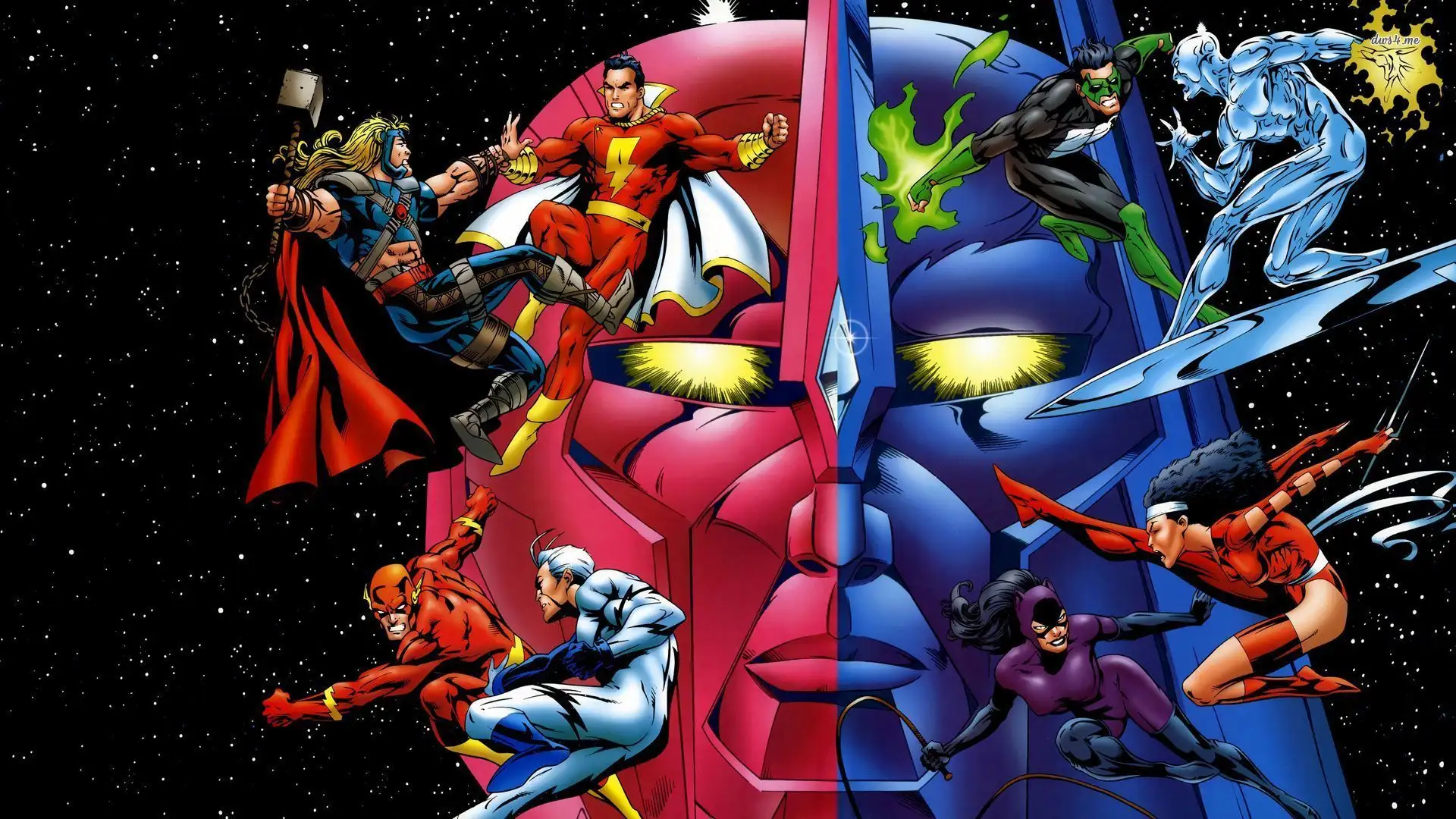
DC is great at making comics and animated movies, while the MCU has the upper hand in its cinematic aspects
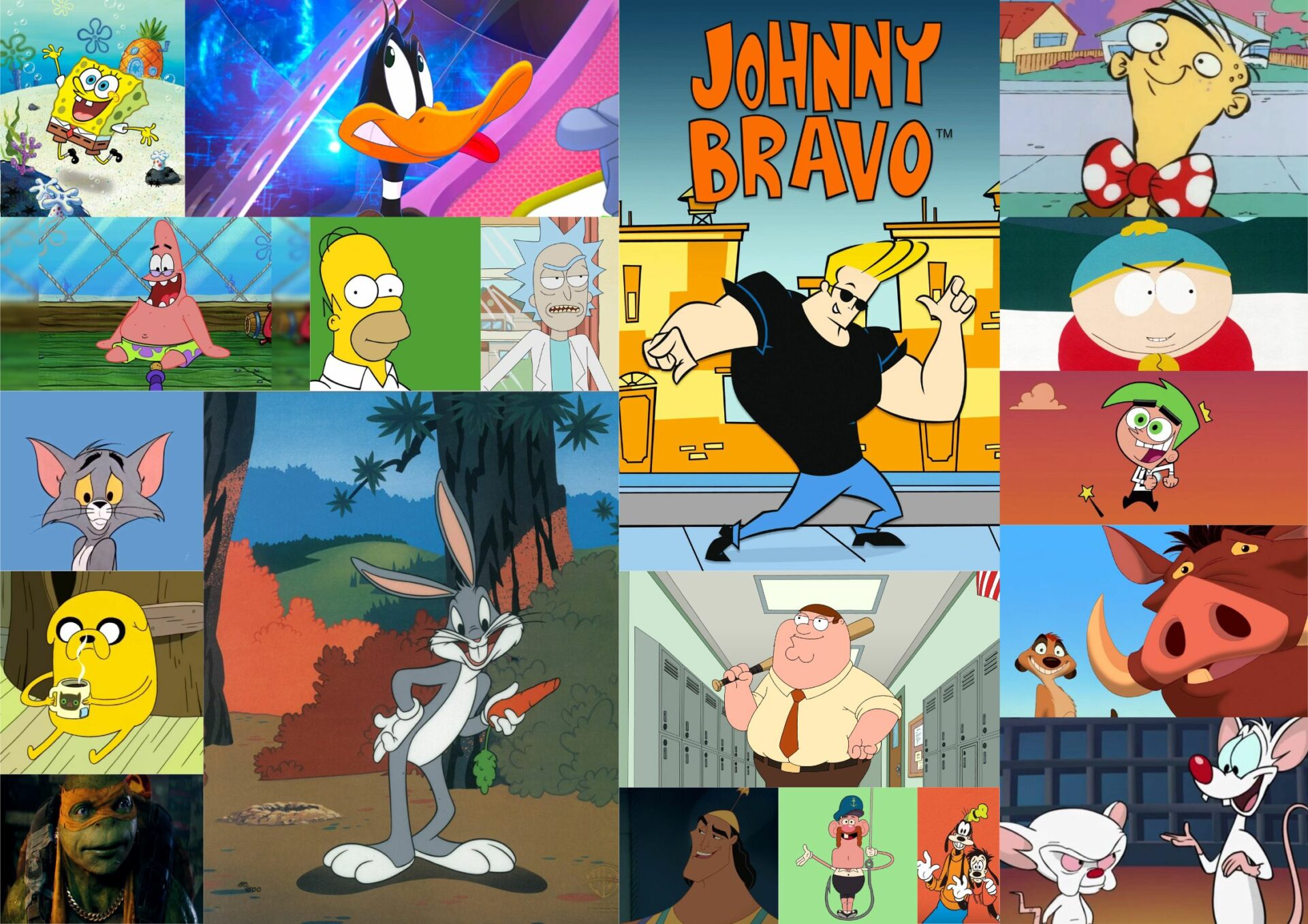
There are some outright funny cartoon characters who exist solely to crack you up, loud, hard, and with zero apology.

Discover the best apps to read books for free in 2025. Access thousands of free e-books and audiobooks on your phone or tablet. ...

Things Fall Apart is for the colonizers as well as the colonized, helping to understand the role of colonialism in the realization...

While many of the Nollywood movies on our list are quite old, it’s a testament to the capabilities of the industry’s p...
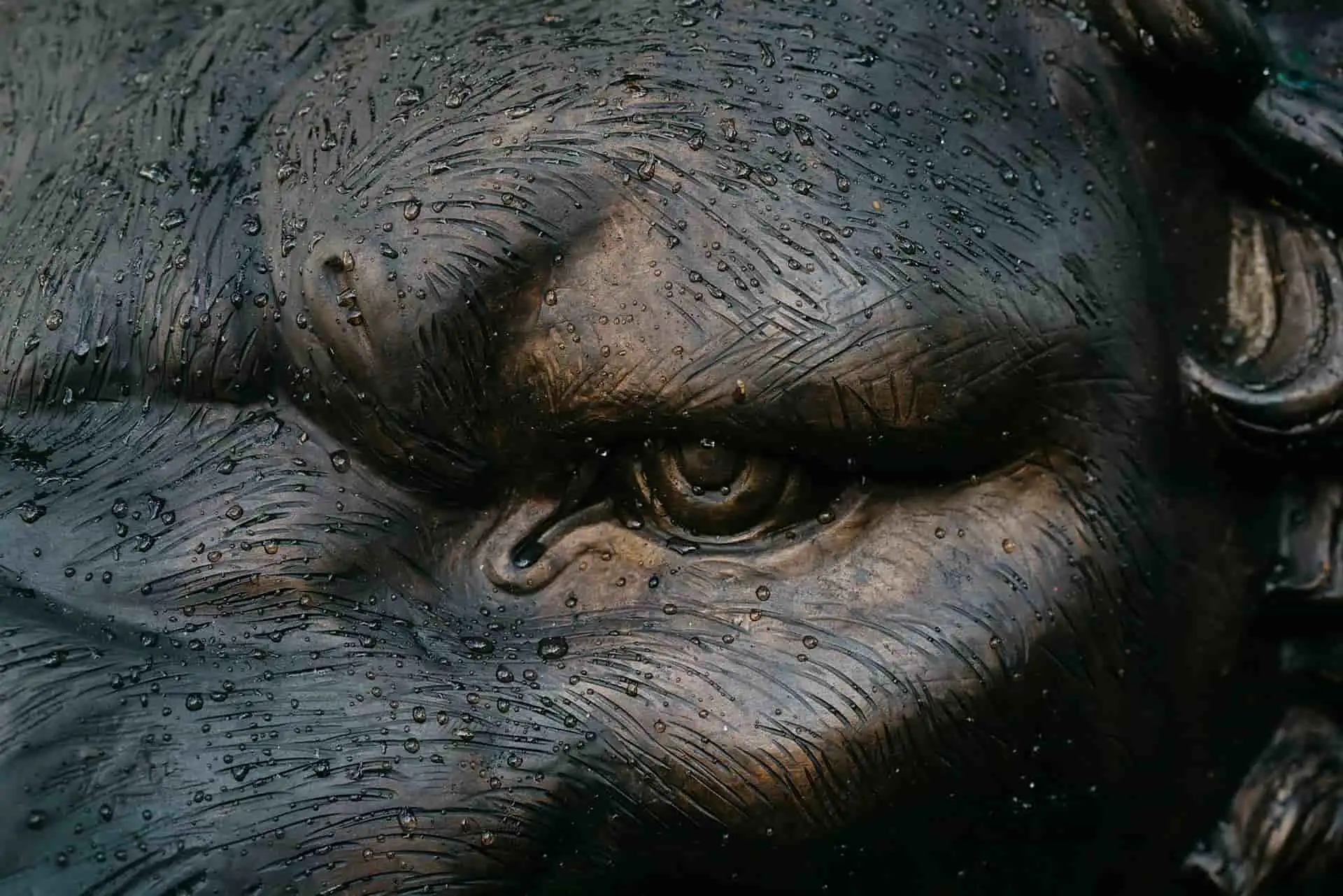
While this isn’t an exhaustive list, it comprises some of the most popular mythical creatures from around the world.
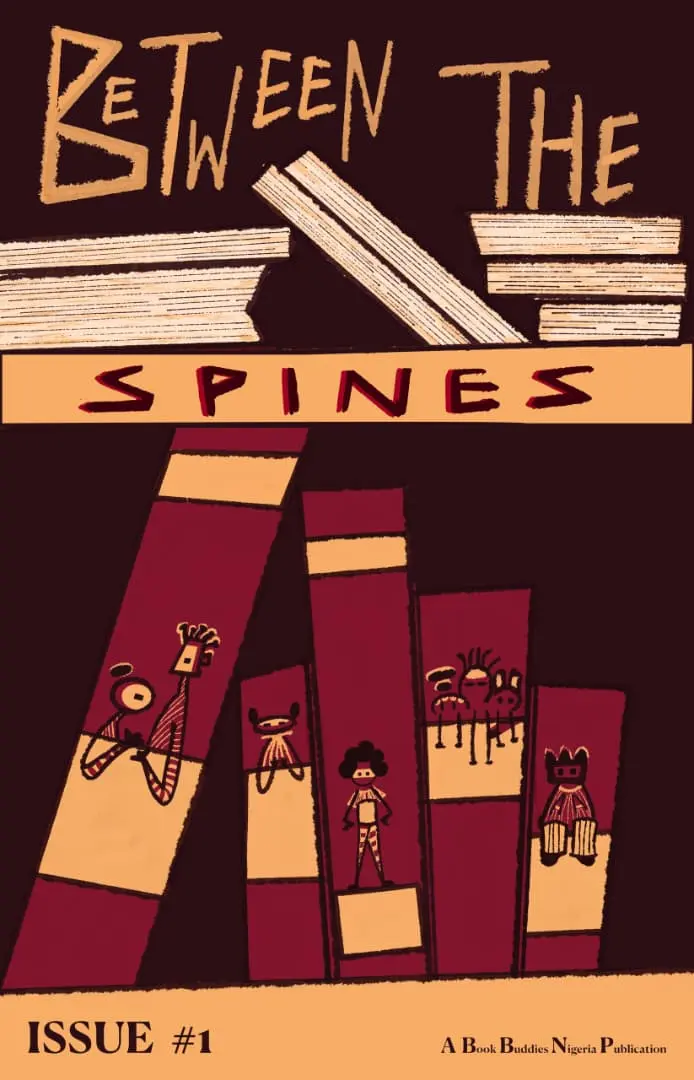
Get our magazine for free!