

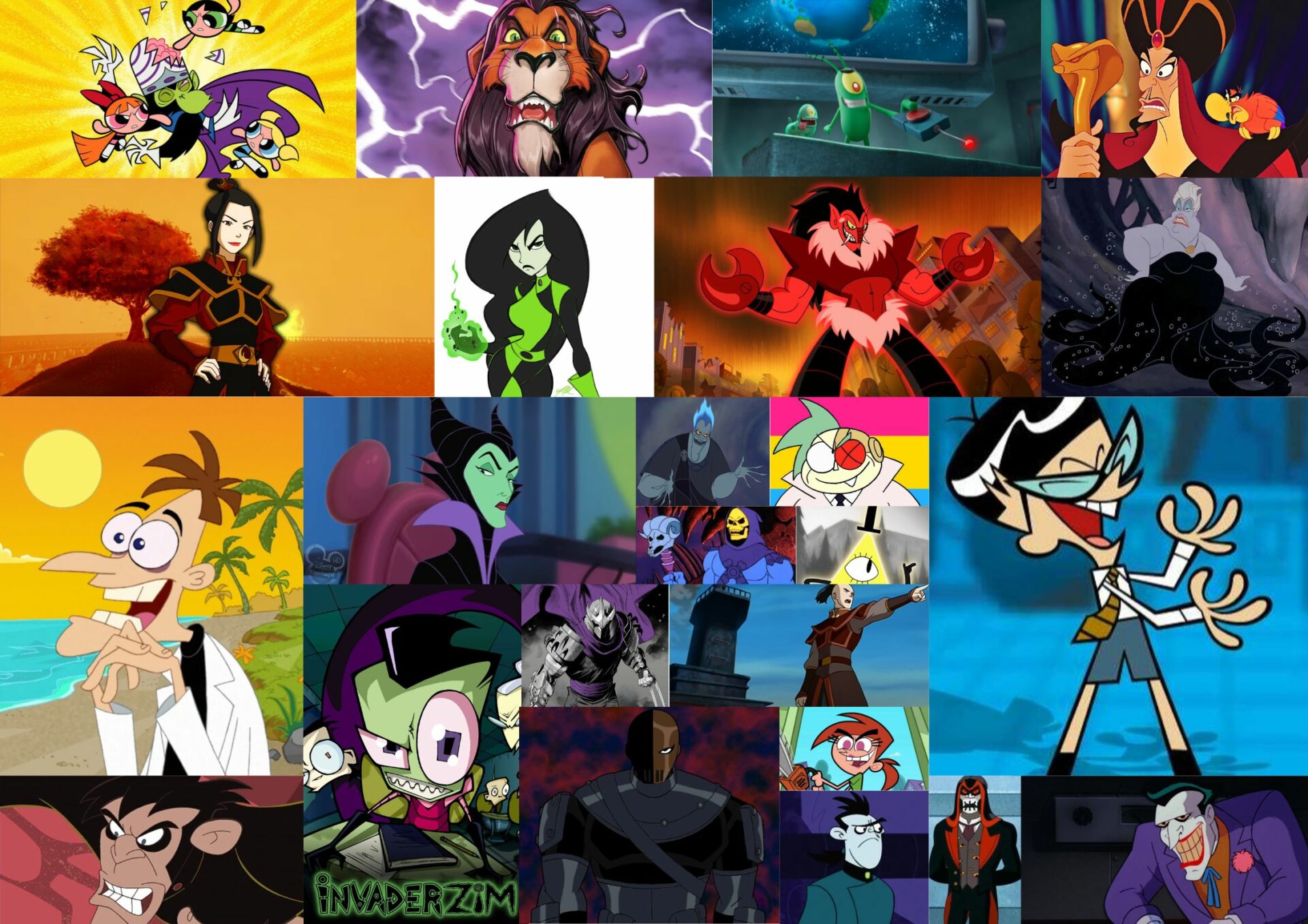
Top 30 Cartoon Characters That Were Villains
Our list rounds up the top 30 cartoon characters that were villains, each one more wonderfully wicked than the last.
Essays
Fantasy has always been about meaning, not just magic. Today’s fantasy fiction books began as tales shaped by memory, fear, and wonder.
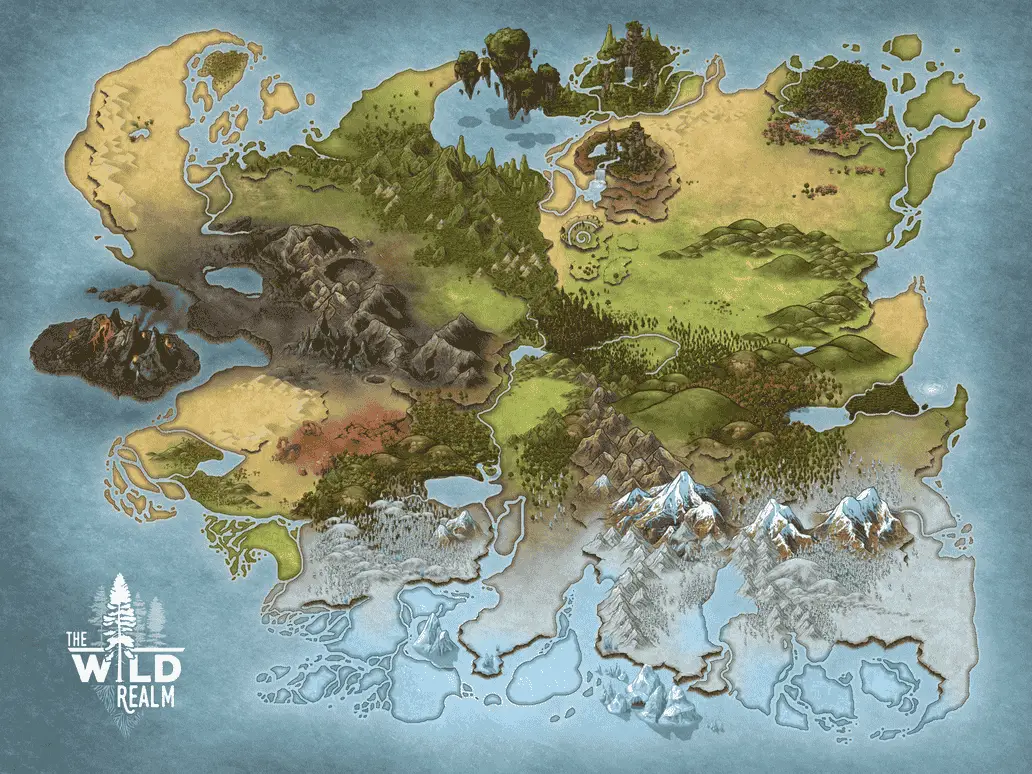
Fantasy has always been about meaning, not just magic. Fantasy’s origins lie not on the page, but in the spoken stories once shared in darkness around fires, passed down through generations.
Today’s fantasy fiction books sit on shelves, but they began as tales shaped by memory, fear, and wonder. These stories served more than entertainment; they explained the world, preserved beliefs, and gave shape to fear and hope.
Over time, spoken stories took written shape, gaining structure and depth. Loose, shifting folklore became something stable and recognisable. By the mid-eighteenth century, when George MacDonald began writing, fantasy had shifted from instinct to a well-oiled narrative system.
This shift was gradual, shaped by culture, literacy, and the need to preserve imagination. The evolution from oral folklore to the crafted works of George MacDonald shows how fantasy became a refined, intentional system.
Before books existed, stories lived in memory. Across different societies, folklore formed the earliest layer of fantasy. These stories were spoken, remembered, and reshaped over time. Around fires and across generations, they helped people understand the unknown, serving as the initial seeds from which written fantasy would eventually grow.
Storms became warnings of anger. Forests became symbols of danger. Spirits, gods, and magical creatures bridged knowledge gaps. These stories shared recurring patterns: ordinary people faced extraordinary challenges; magical helpers emerged, as did formidable foes. Clear lessons about courage, kindness, and survival were embedded within.
Because these stories were oral, they had to be memorable. Repetition and vivid imagery mattered. The structure was flexible.
This stage laid the foundation for fantasy fiction books. Many modern elements, such as journeys, transformation, and magic, began here.
The move from spoken stories to written text changed them. Once recorded, stories grew fixed, able to travel farther and last longer.

In the same vein, writing introduced authority; the written version felt final, even when earlier versions varied.
Collections of folklore appeared. In Europe, collectors helped preserve stories that would otherwise have been lost. These texts retained magical elements but reflected their era’s values. Some stories were softened, others reshaped to fit social norms.
So while writing preserved folklore, it also filtered it. Not everything survived in its original form. This tension is part of the hidden history of fantasy fiction books.
Written narratives allowed for clearer plots and richer characters. Flexibility was lost, but detail increased. Writers could now revise and refine their work, helping push fantasy toward a more structured form. Fantasy moved beyond small communities and into literature.
As literature developed, writers began shaping fantasy more deliberately. Instead of only retelling old stories, they started creating new ones.
Writers started asking, “What else can be done with this?” That question opened the door to invention. Myth and folklore remained important, but they became sources of inspiration rather than limits.
Religious texts and epic poems played a role. They introduced large-scale storytelling, moral conflict, and symbolism. These works demonstrated that imagined worlds could carry serious ideas, not just serve as distractions. They reflected belief systems, fears, and hopes in structured ways.
The scale of storytelling began to grow. Instead of focusing on small settings, stories expanded to entire worlds. This sense of scale remains central to fantasy fiction books today.
During this stage, fantasy existed between myth and literature. It was not fully defined as a genre, but its key features were becoming clear. This period helped bridge the gap between old tales and modern fantasy fiction books.
By the 1850s, writers stopped just collecting folklore; they began simulating it. The literary fairy tale emerged as original stories written in the style of ancient myths.

John Ruskin’s The King of the Golden River and William Thackeray’s The Rose and the Ring showed that the “machine” was beginning to produce original parts. Writers began asking new questions. Instead of focusing on what had already been told, they explored what could be created. This shift encouraged originality and invention.
Two key developments supported this change.
The novel gave writers more space. They could build detailed worlds, develop characters, and create longer narratives. This was not possible in oral storytelling.
The Romantic movement valued emotion, nature, and imagination. Fantasy is aligned with these values. No longer seen as childish, it became a way to express deeper thoughts and feelings.
George MacDonald marked a major turning point. His work united earlier influences into something intentional. Phantastes (1858) is seen as an early modern fantasy, introducing a dreamlike world rich in symbolism and emotion.
His stories focused on inner experience as much as external events. They explored identity, morality, and transformation. Fantasy was no longer just about what happens. It became about what those events mean. Books like Phantastes and The Princess and the Goblin showed that fantasy could be imaginative and thoughtful at the same time. His influence can be seen in later writers such as C.S. Lewis and J.R.R. Tolkien.
More importantly, he treated fantasy as literature of substance. He embraced its capacity to probe complex ideas indirectly. This influenced perceptions of fantasy fiction. The genre grew more disciplined, purposeful, and accepted.
Reading MacDonald feels different from reading both folklore and early fairy tales. There is less certainty. In a traditional folk story, things resolve clearly—a lesson is learned, a punishment delivered, and balance restored. MacDonald’s work, however, is less direct and more open.

In Phantastes, the narrative is dreamlike. Events do not follow a clear path. Characters appear and disappear without explanation; the focus shifts from explaining the world to exploring the characters’ inner experiences. This marks a distinct stage in fantasy’s evolution.
In folklore, danger usually comes from outside. A witch or a dangerous place creates conflict. In MacDonald’s Phantastes, tension often comes from within. Confusion, desire, and self-doubt become central. The main character doesn’t fully understand himself. The struggle feels more internal than external.
This changes the story’s feel. Rather than waiting for an attack or disaster, attention shifts to how the character reacts and makes decisions.
Traditional tales make their lessons clear, but MacDonald rarely does. His stories leave space for interpretation, which seems intentional.
This makes reading less straightforward. There’s no narrow takeaway at the end. Instead, the story stays open, allowing reflection afterward. It feels less like a lesson and more like an invitation to think.
Folklore belongs to many voices. There’s a consistency in tone and theme that points back to a single perspective guiding everything. This shift permits fantasy fiction books to become more personal and expressive.
Rather than merely preserving shared stories, they become spaces for individual expression and lasting impact. This allows later writers to craft their own fantasy versions, shaped by their own thoughts, rather than tradition alone.
By the late nineteenth century, fantasy became more organized, still drawing on folklore while developing clearer patterns.
As stories grew more consistent, certain common elements sprang up, such as:
These elements are not rules but patterns. Patterns create familiarity, which helps fantasy work. Readers know, on some level, what experience they enter. Each story, though, offers a new version. The “well-oiled machine” isn’t just repetition; it is refinement. Writers learn what works, expand on it, and refine it further.
The journey from folklore to literary fantasy is gradual. Stories moved from shared tradition to individual creation. As a result, fantasy fiction books became more detailed and carefully constructed.
Despite this growth, the core purpose remains the same. Fantasy still explores possibility and meaning. What began as simple tales told in the dark has become a rich and widely loved genre.
Our list rounds up the top 30 cartoon characters that were villains, each one more wonderfully wicked than the last.
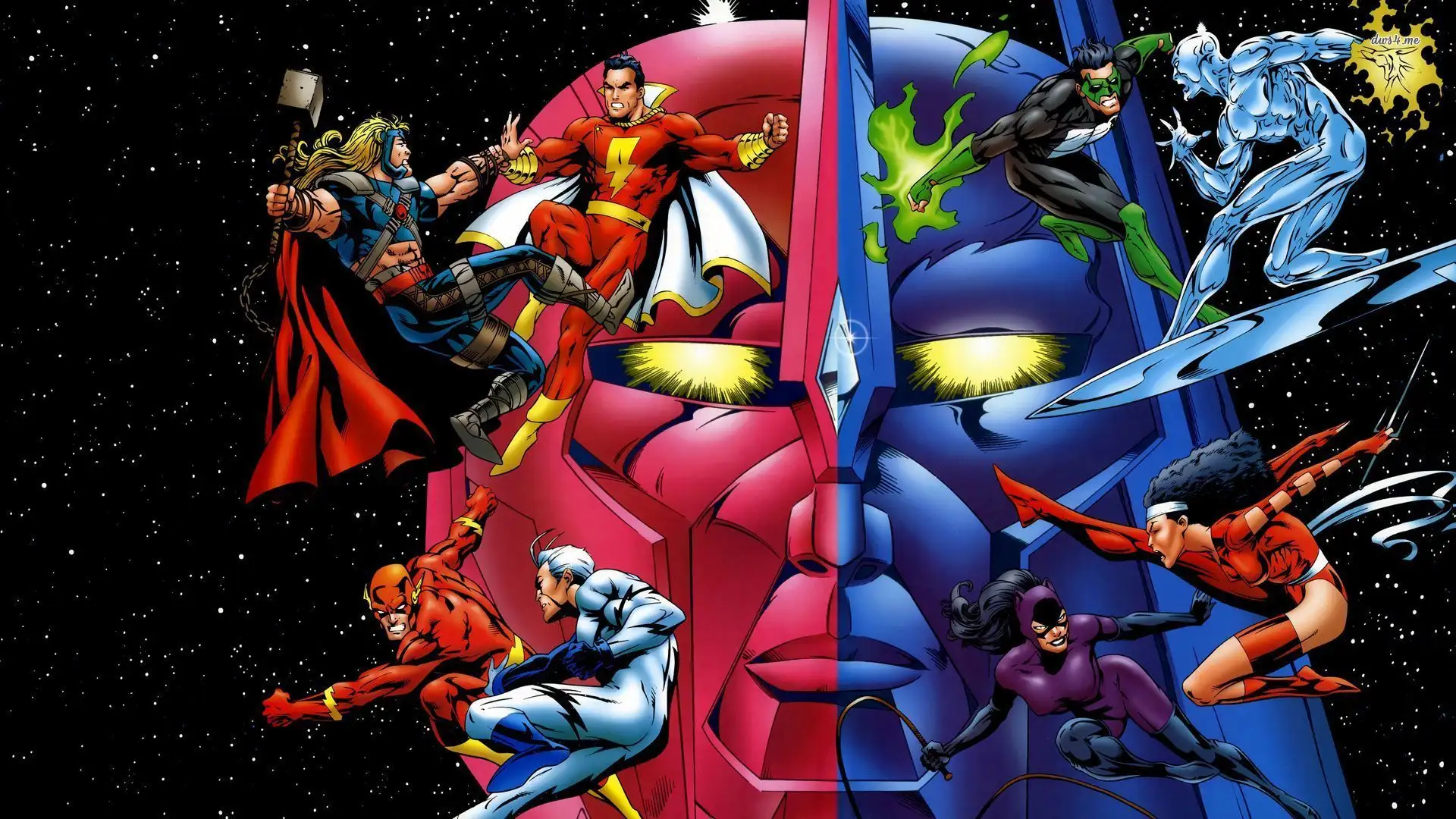
DC is great at making comics and animated movies, while the MCU has the upper hand in its cinematic aspects
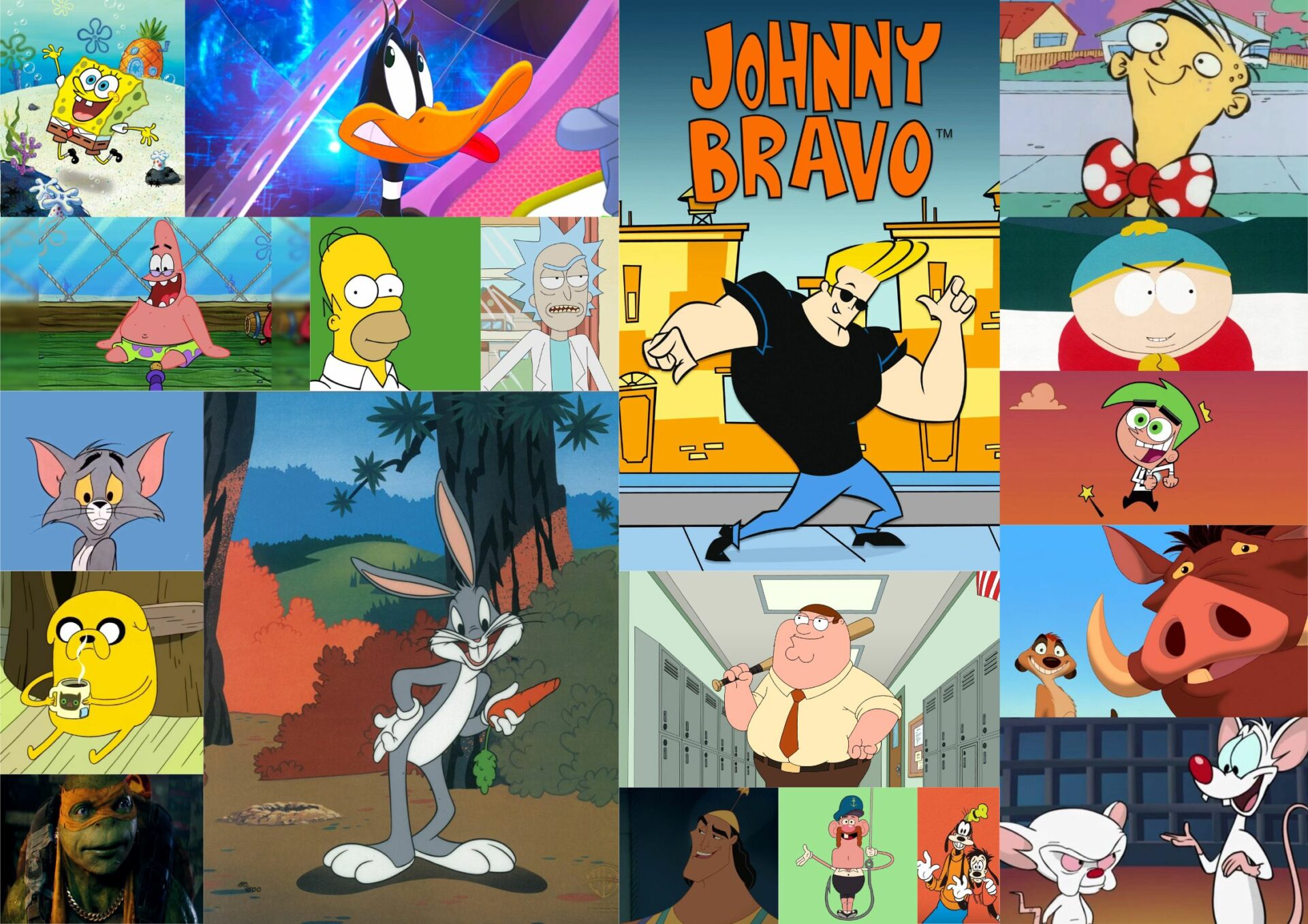
There are some outright funny cartoon characters who exist solely to crack you up, loud, hard, and with zero apology.

Discover the best apps to read books for free in 2025. Access thousands of free e-books and audiobooks on your phone or tablet. ...

Things Fall Apart is for the colonizers as well as the colonized, helping to understand the role of colonialism in the realization...

While many of the Nollywood movies on our list are quite old, it’s a testament to the capabilities of the industry’s p...
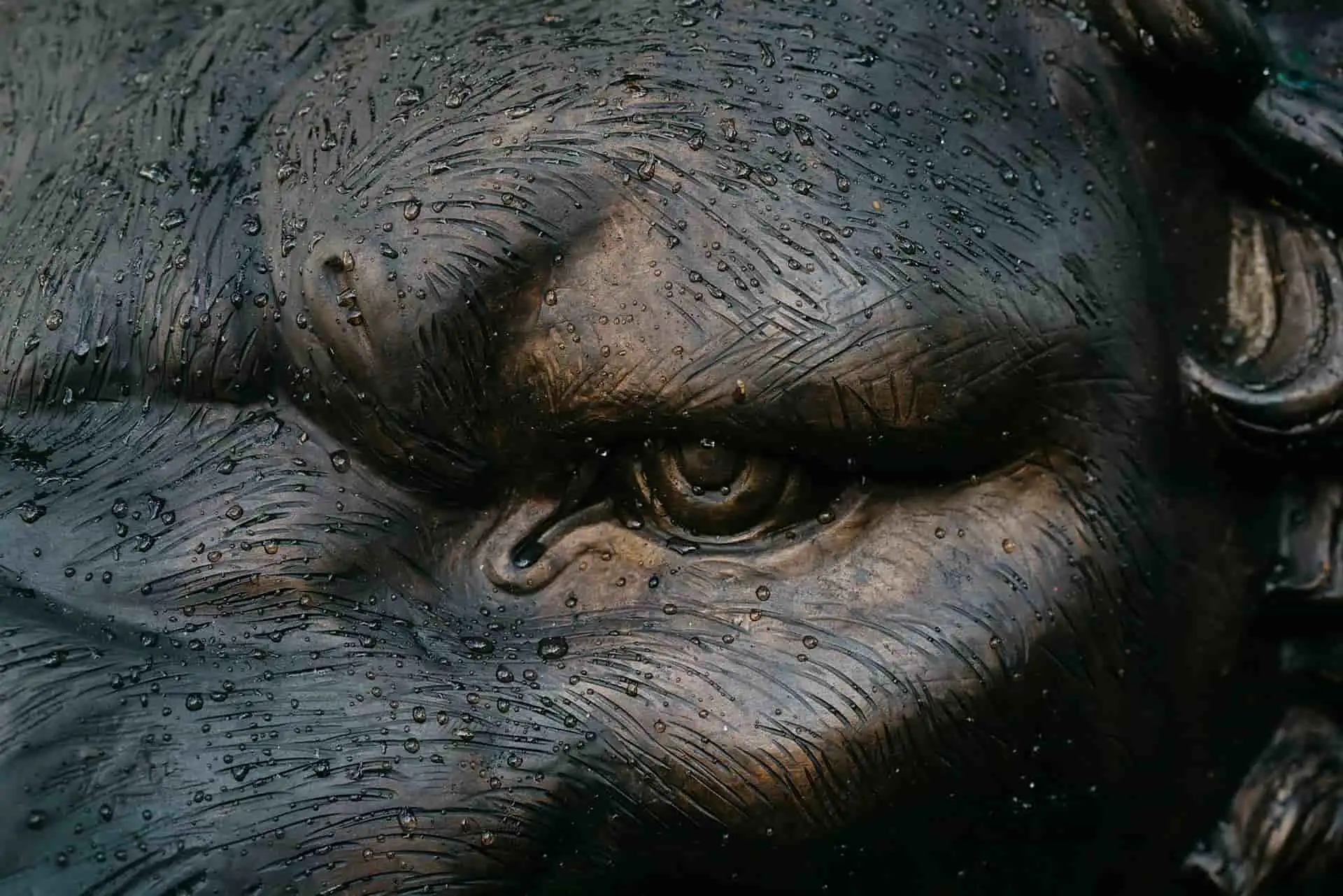
While this isn’t an exhaustive list, it comprises some of the most popular mythical creatures from around the world.
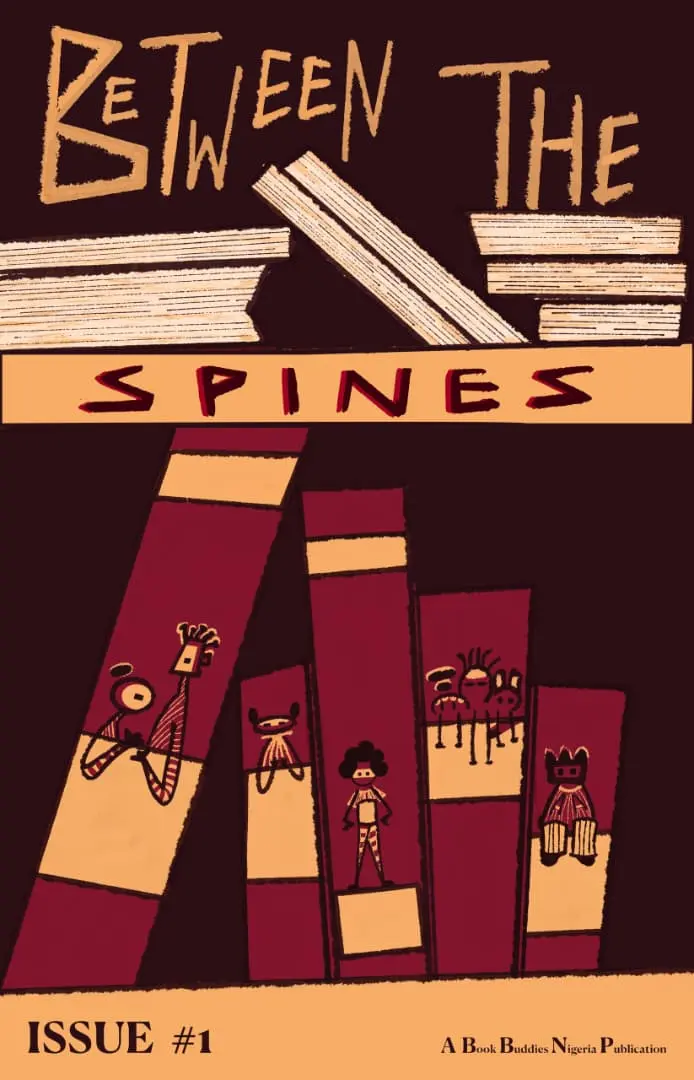
Get our magazine for free!