




Few books have had the historical impact of L. Frank Baum’s The Wonderful Wizard of Oz. Are Wicked Part 1 and 2 good adaptations?
Few books have had the historical impact of L. Frank Baum’s The Wonderful Wizard of Oz.
Baum wrote as popularly known, the Wizard of Oz Book, in 1990 as a children’s novel. It has since inspired 32 apaptations, the most recent of which are Wicked and Wicked: For Good.
There are many metrics from bibliophobes, film enthusiasts, and critics alike on what makes a good adaptation. The criteria under consideration are:
Retelling is, first and foremost, based on existing, impactful material, so it should naturally align with the original. However, there is more room for innovation, creating opportunities to expand existing storylines.
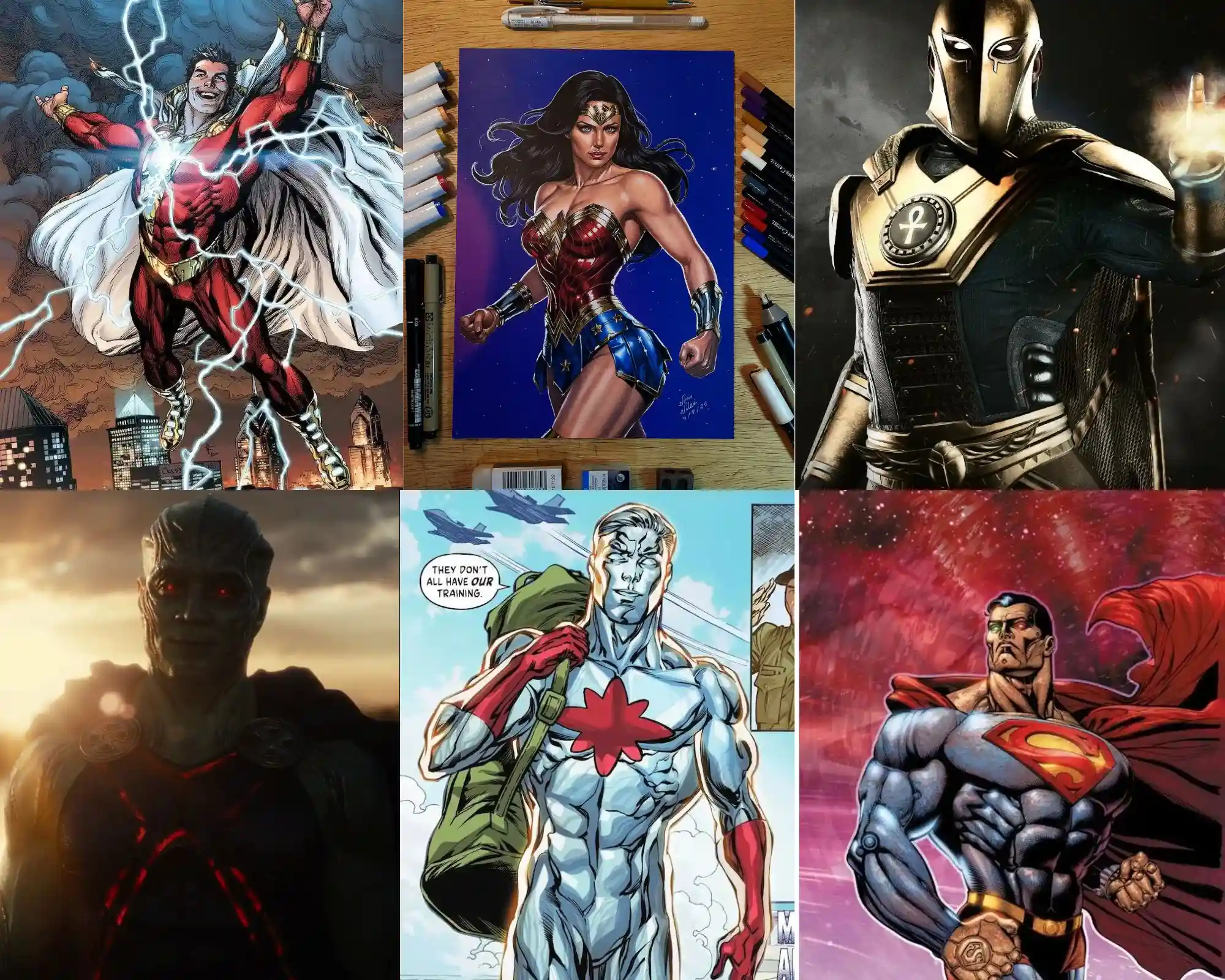
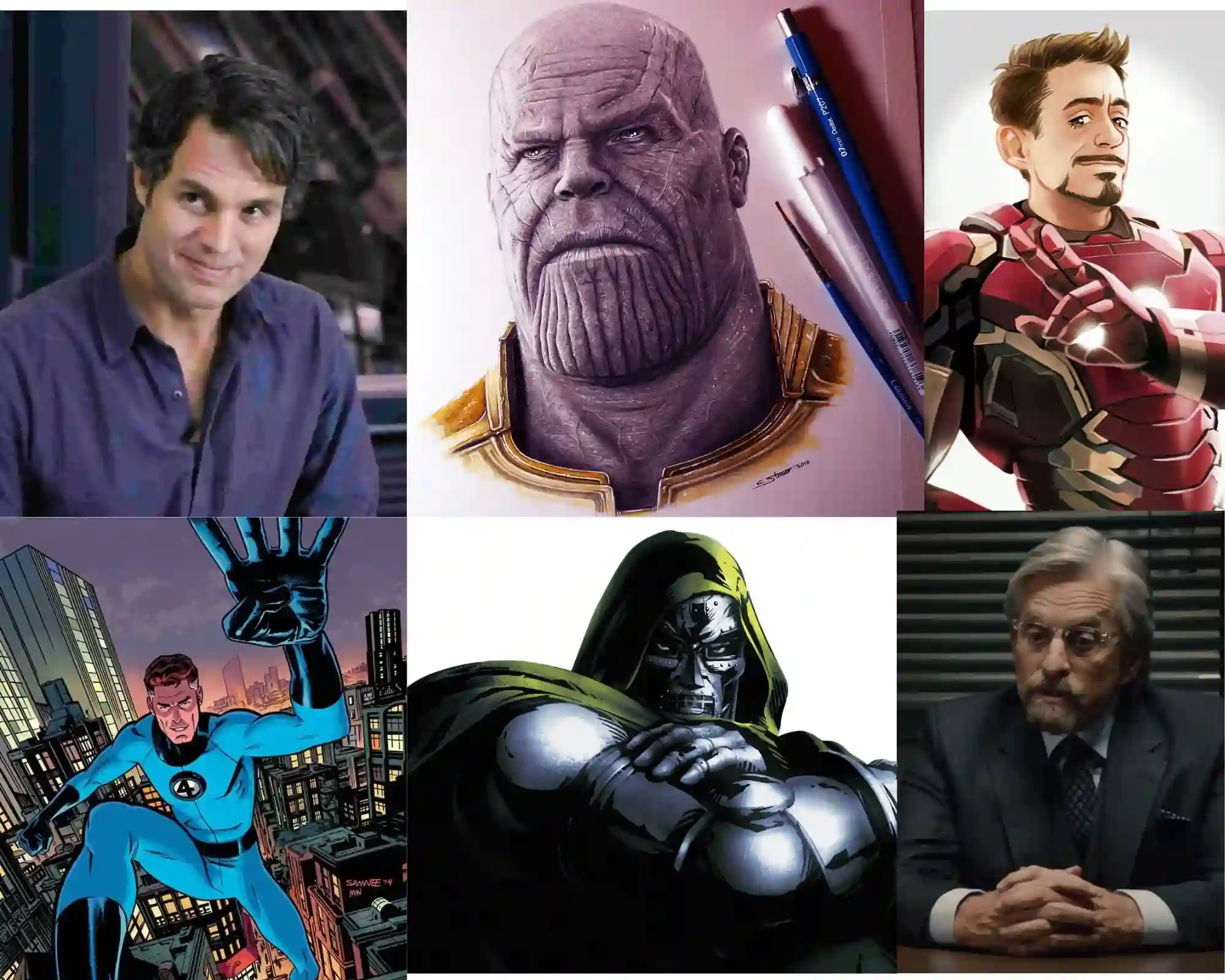
Highly successful franchises, such as the Marvel Cinematic Universe employ this creative license. For instance, in the well-loved Avengers: Infinity War and Avengers: Endgame, Thanos’s motivation differs. It wasn’t to allocate resources more effectively, but to woo the cosmic entity Lady Death.
In Captain America: Civil War, the conflict centred on the Superhero Registration Act, which caused a rift between Captain America and Iron Man. However, the scope in the comics was much smaller, focusing on the core Avengers.
Moreover, the initial conflict in Lagos, which led to loss of life and Bucky Barnes’s involvement, made the story more personal and impactful for the characters.
Art represents the society that inspires it. The 1900s were an interesting time. It was a period of transition from Victorian-era formalism to modernism, marked by rapid urbanisation and the pursuit of equal rights.
Summarily, The Wonderful Wizard of Oz reflects a period of social transition, when traditional ideas about class, work, and gender roles were beginning to shift.
This means that any good reinterpretation, bearing creative license and social and generational changes, should fall within the lines the original set out to achieve.
Emotions sell. It is easier to appeal to a large audience when a piece of creative material reaches a sentiment that, for lack of a better term, moves people.
This trend is evident in the softening of villains and the relatability of superheroes in major animation and film studios. It’s part of a coordinated effort to make the newer material more accessible and empathy-inducing.
Beyond a ploy to win viewers’ loyalty through sentiment, accuracy sometimes feels… boring. Because of the need to adhere closely to the source material, the plot can feel predictable, the characters can come across as flat, and stories from earlier periods can seem redundant to modern audiences.
The balance here is in adapting source material with an emotional edge without losing its core meaning.

The Wonderful Wizard of Oz is, first and foremost, a children’s book. Baum generally controls the language and tone intentionally, with a slight moralistic basis.
Furthermore, the book’s setting was the 1900s. Movements advocating for women’s right to vote gained momentum in various parts of the world. Labour movements sought to address the harsh working conditions and advocate for workers’ rights, leading to significant changes. However, there were further racial tensions and the beginnings of the civil rights movement.
Naturally, the Wizard of Oz illustrates the efforts of a society attempting to think outside the box safely. Some of the themes in the book include-
Dorothy, the Cowardly Lion, the Tin Man, and the Scarecrow were quite naive. Dorothy was a little girl from Kansas who suddenly became a hero. The Cowardly Lion was a supposed king of the beasts who lacked the courage to rule, the Tin Man longed for a heart so he could feel, and the Scarecrow wished for the ability to think.
During their many adventures, they discover that they are stronger than they knew and that sometimes, what they want is inside them.
The Wizard of Oz sets the black-and-white parallels in stone. There are two kinds of witches: good and wicked.
The first good witches help start the adventure and send Dorothy home, respectively, while the last two are killed by a cyclone or by a bucket of water for their evil deeds. The lesson is that good people prosper, while bad people have terrible ends, which is fitting for a children’s book.
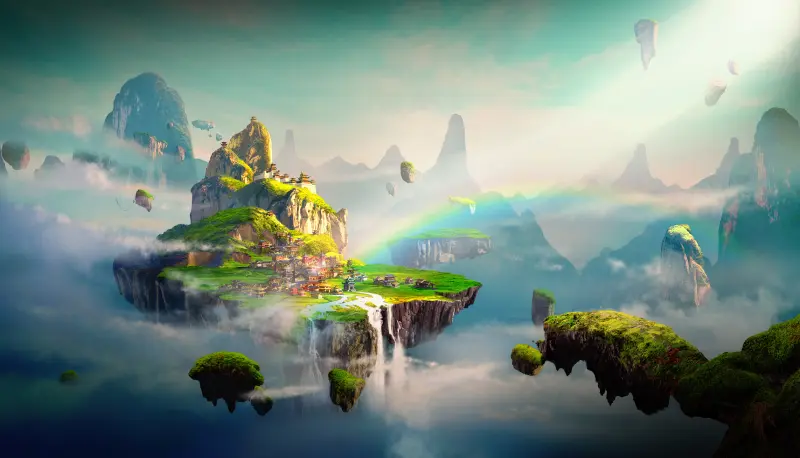
In The Wonderful Wizard of Oz, Oz is a symbolic place with a beautiful ambience, hierarchies, and problems that reflect the real world.
The world has places that seem perfect, but a closer look reveals social decay and corrupt leaders, ultimately leading to a sense of returning home, because not all that glitters is gold.
The readers see this theme through Dorothy’s eyes. She initially thought Oz was beautiful and perfect. Still, after experiencing unsolicited adventures, working for a wicked witch, escaping, and then meeting a fraudulent “wizard”, she was ready to go back to her imperfect home.

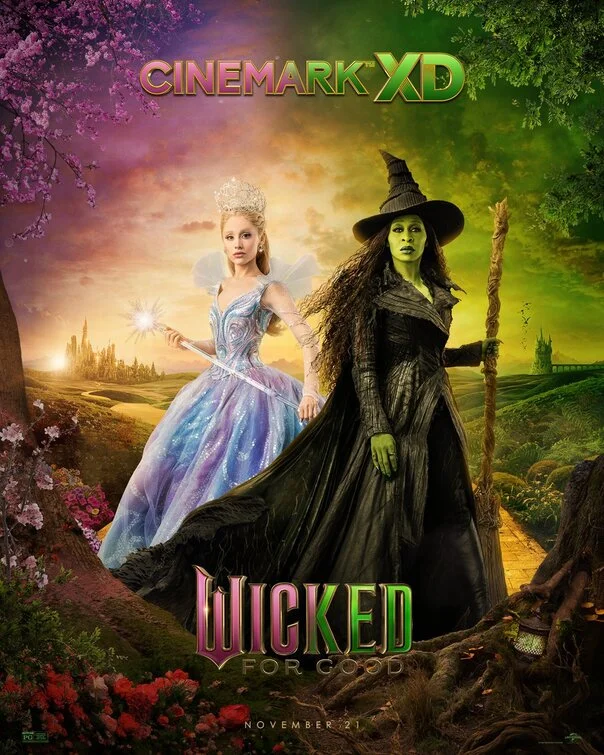
Wicked and Wicked: For Good are more respectable adaptations of the Wizard of Oz book.
Wicked differs from The Wonderful Wizard of Oz in its backstory of the famous Wicked Witch of the West, Elphaba, and the Good Witch, Glinda. These two are students at Shiz University who initially loathe each other, then become best friends.
Eventually, they take a trip to the Emerald City to meet the wizard, whom Elphaba is a big fan of and believes will turn her skin normal.
The trip is a ruse, and events reveal that the calamity occurring in Oz originates from the Emerald City. Elphaba chooses to oppose it, and the leaders label her the Wicked Witch, while Glinda decides to stay and is bestowed the title “Glinda the Good.”
In Wicked: For Good, Elphaba acts like a superhero, while Glinda and Fiyero worry for her. Glinda has fully settled in her beautiful Emerald City apartment and is playing the role of an uplifter.
Eventually, Dorothy and her counterparts come into the picture, and the story concludes with a supposed death by a bucket of water. The most striking aspect of Part 2 is the bond between Glinda and Elphaba. These two are truly sisters in every sense, and their love is palpable.
The tone in Wicked and Wicked: For Good shifts from black-and-white to a more intricate narrative that humanises and deepens the characters and the plot.
Here, “Wicked” and “Good” are in the eyes of the beholder. Some would say Elphaba was good, and Glinda was the accomplice, if anything. Others would argue that Elphaba did commit evil acts and that Glinda eventually earned her “Good Witch” title. Both would be correct. These two movie adaptations don’t merely present a point of view. They narrate a story with such gradation that any conclusion can be deemed accurate
The influence of power is extensively explored in the two Wicked movies. Madam Morrible and the Wizard of Oz used their power to cause calamity and spread injustice. When threatened with exposure, the two collaborators use their influence to spread negative propaganda to avoid being caught.
Glinda eventually learned to use her power for good as well. She initially was subservient to an unwise fault, but realised SHE had the power to prevent the evil occurring.
In a sense, Wicked borrows elements such as Oz, the Wicked Witch of the West, and Glinda, but that is where the similarity ends. The story is a more nuanced version of the original and is akin to Wicked: The Life and Times of the Wicked Witch of the West by George Maguire, which also draws on The Wonderful Wizard of Oz.
Alternatively, Wicked: For Good leans more toward the Wizard of Oz book, focusing on Dorothy’s story and the deaths of the Wicked Witch of the East and West, but leaves much grey area in Glinda’s arc, as seen in the first installment.
In addition, the characters are more evolved than the 1990 version. The wicked Witch of the East isn’t a random dictator but Nessa Rose, a real human being with influence and a complicated family.
The same goes for The Elpahaba. The classic “Wicked Witch of the West” has a name, personality, and a backstory that justifies all the years of slander. This pattern is familiar: Boq is no longer a random Munchkinland citizen but a love interest who becomes the Tin Man; Elphaba saves the Cowardly Lion as a cub, and the Scarecrow is part of the inner caucus as well.
Additionally, the movie brings Oz to life. While the Wizard of Oz book describes the scenery of Oz, the yellow brick road, and the distinctive attire and range of individuals, the two productions bring it to life in a way that truly commands viewers’ attention and evokes their imagination.
The question is: Are Wicked Parts 1 and 2 good adaptations? The shorter answer is yes. The longer answer? Based on the metrics of reasonable faithfulness to the source material, cultural relevance, and using emotional truth with accuracy, absolutely.
Evidence that Wicked and Wicked For Good are outstanding productions is not merely personal opinion but rather reflected in critical acclaim and fan reviews.
Beyond the storyline, the hope is that viewers can learn to stand up for what is right like Elphaba, be better leaders than Madam Morrible and the Wizard of Oz, and learn to be truly good, regardless of socialization, like Glinda. Till next time!

July 20, 2025 .
Animation, Lists
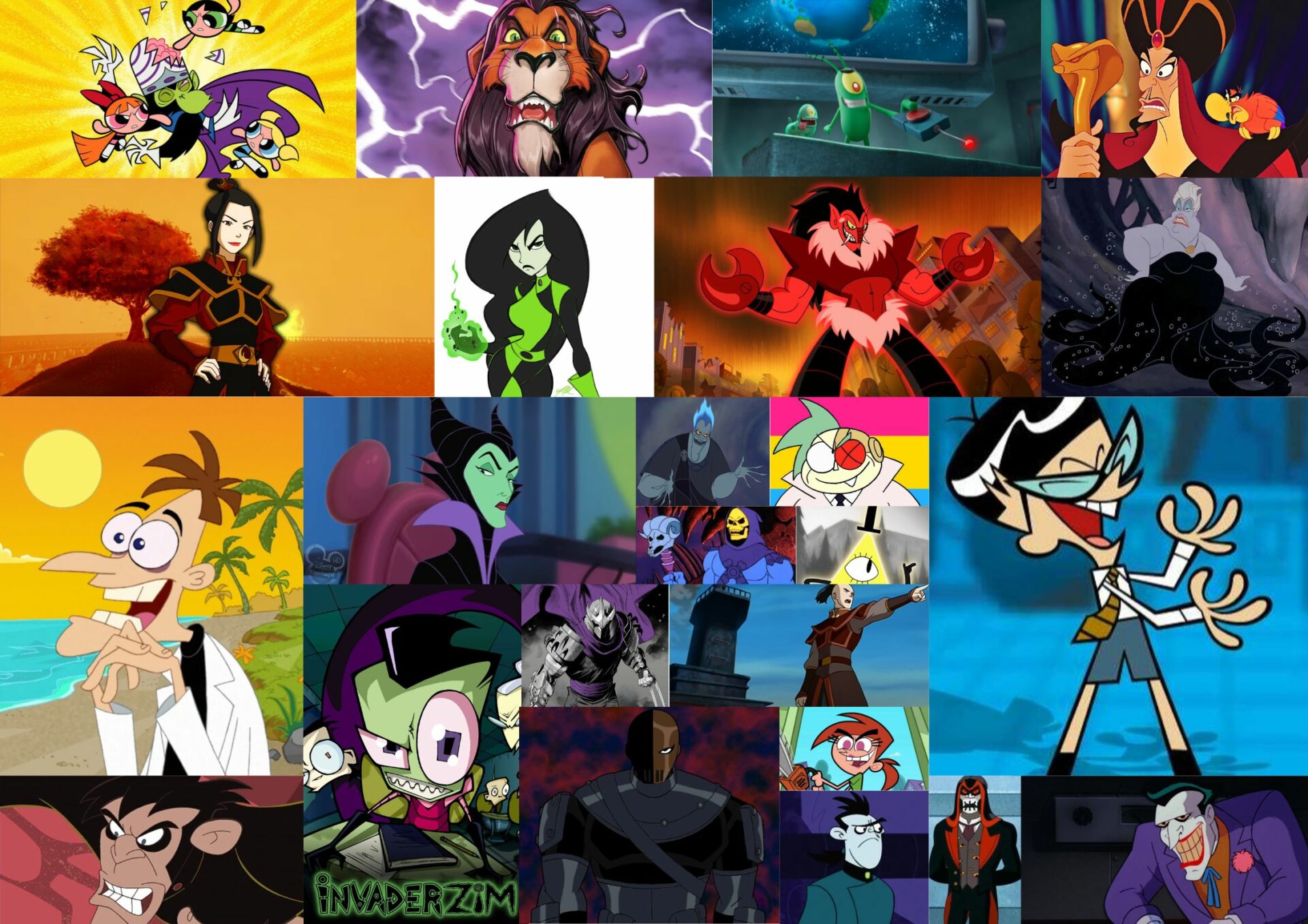
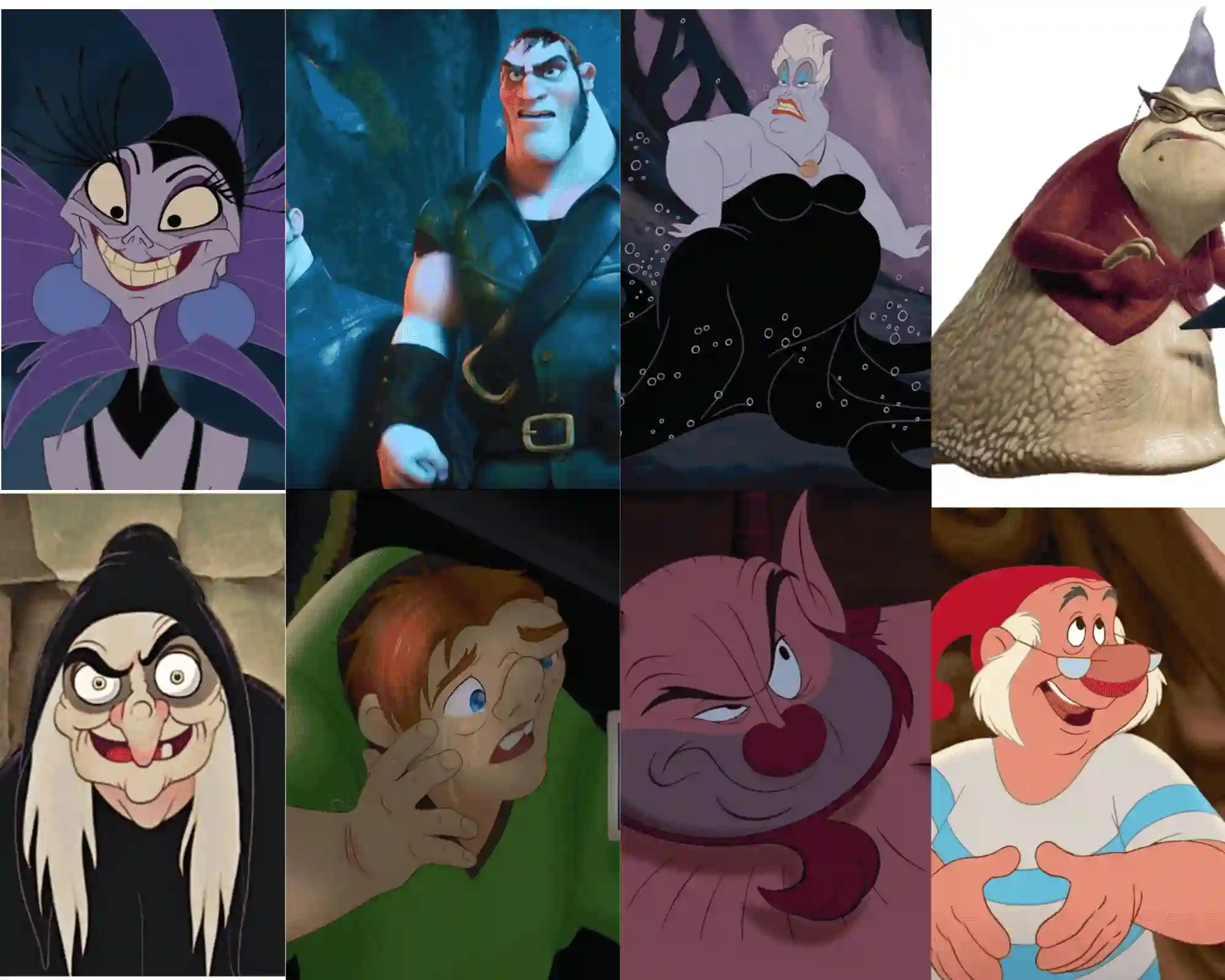
Our list rounds up the top 30 cartoon characters that were villains, each one more wonderfully wicked than the last.
READ MORE
April 29, 2026 .
Lists, Opinions
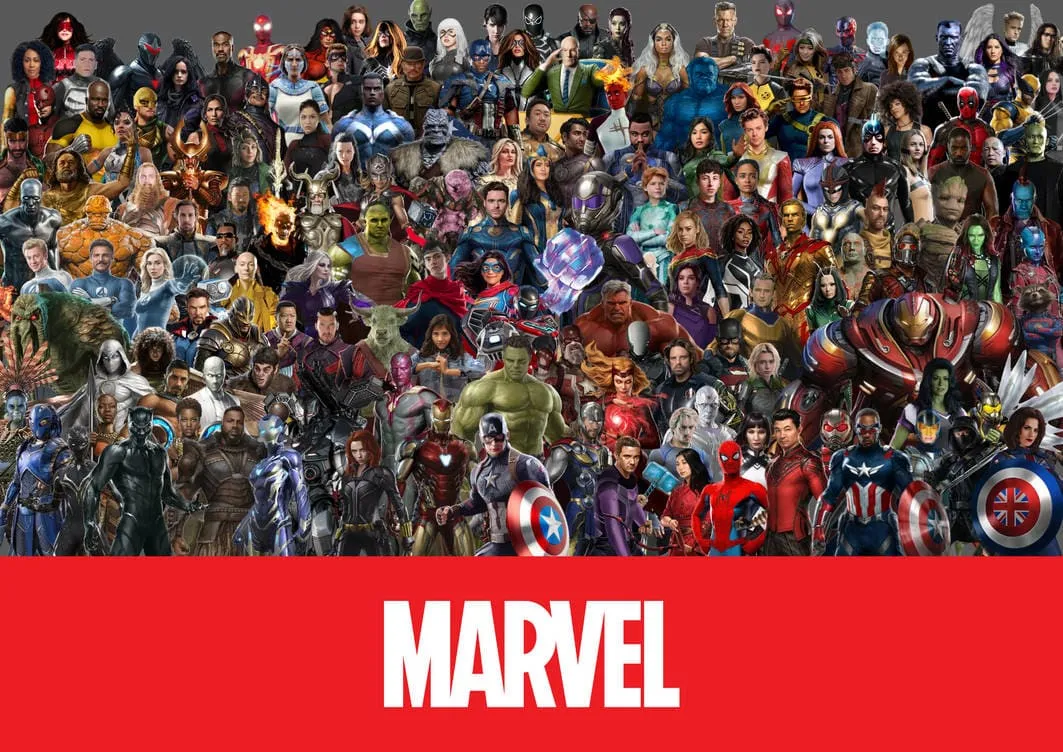
The Mouse is famous for its princesses and princes. However, the studio’s true genius lies in its embrace of “ugly Disney characters”.
READ MORE
October 28, 2025 .
Debates, Lists, Marvel, MCU
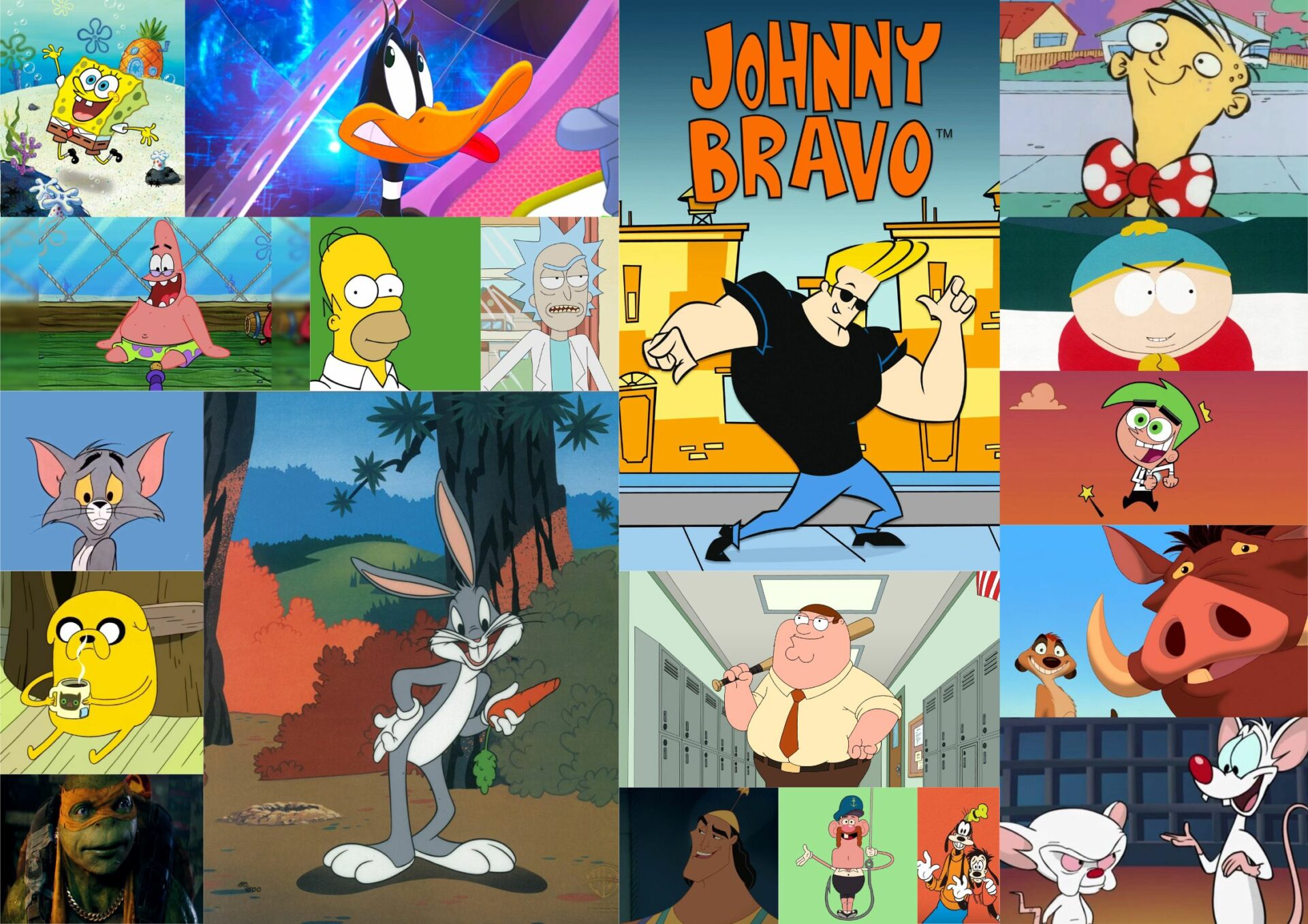
Every Marvel hero brings something to the table. But if we had to pick the top 8 most popular Marvel superheroes, who would make the cut?
READ MORE
February 26, 2026 .
Cartoons, Lists
There are some outright funny cartoon characters who exist solely to crack you up, loud, hard, and with zero apology.
READ MORE
May 6, 2026 .
Lists, MCU
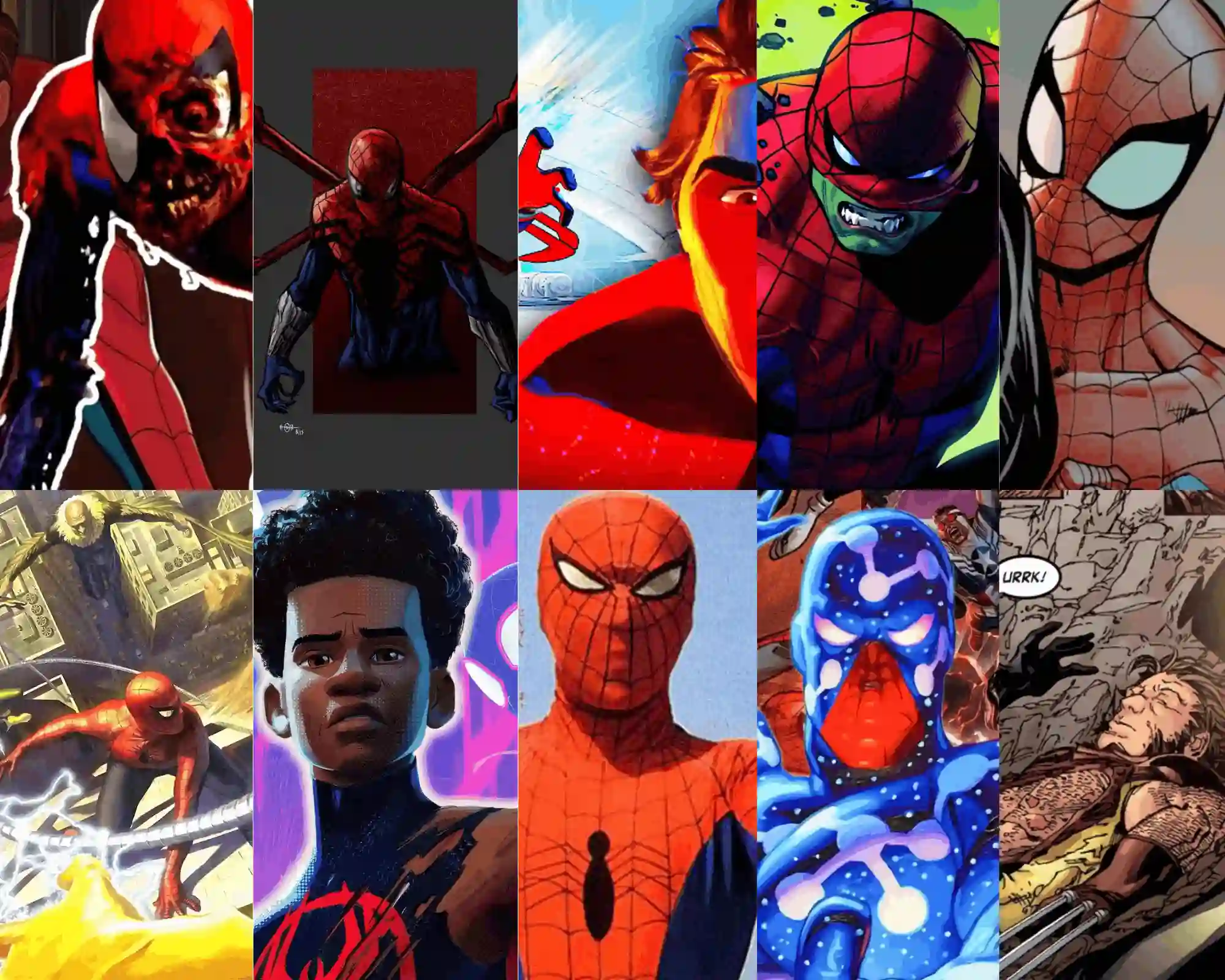
Spider-Man is one of the many superheroes from the Marvel Universe whose stories shaped many childhoods. Who is your strongest Spiderman?
READ MORE

July 20, 2025 .
Opinions
Book recommendations from random places don’t always cut it, and you often end up feeling unsatisfied with them.
READ MORE

July 20, 2025 .
Essays, Opinions
READ MORE

July 20, 2025 .
Essays, Opinions
READ MORE

September 11, 2026 .
Opinions
Book reviews aren’t just a jumble of words on how a book made you feel but also a veritable document that you can quickly refer to when your memories temporarily fail you.
READ MORE

July 20, 2025 .
Opinions
Reading hundreds of pages for a single book can be like facing Smaug, Chiefest of Calamities, but a short story is a small dragon that you can easily conquer.
READ MORE
July 20, 2025 .
Debates, Opinions
Reading nonfiction about what interests you can provide more color and context that might make your fiction reading experience more enjoyable.
READ MORE
September 12, 2025 .
Opinions
In a fast-paced world, reading asks us to slow down, surrender, and sit with another person’s words long enough for them to settle inside us.
READ MORE
November 24, 2025 .
Debates, Opinions
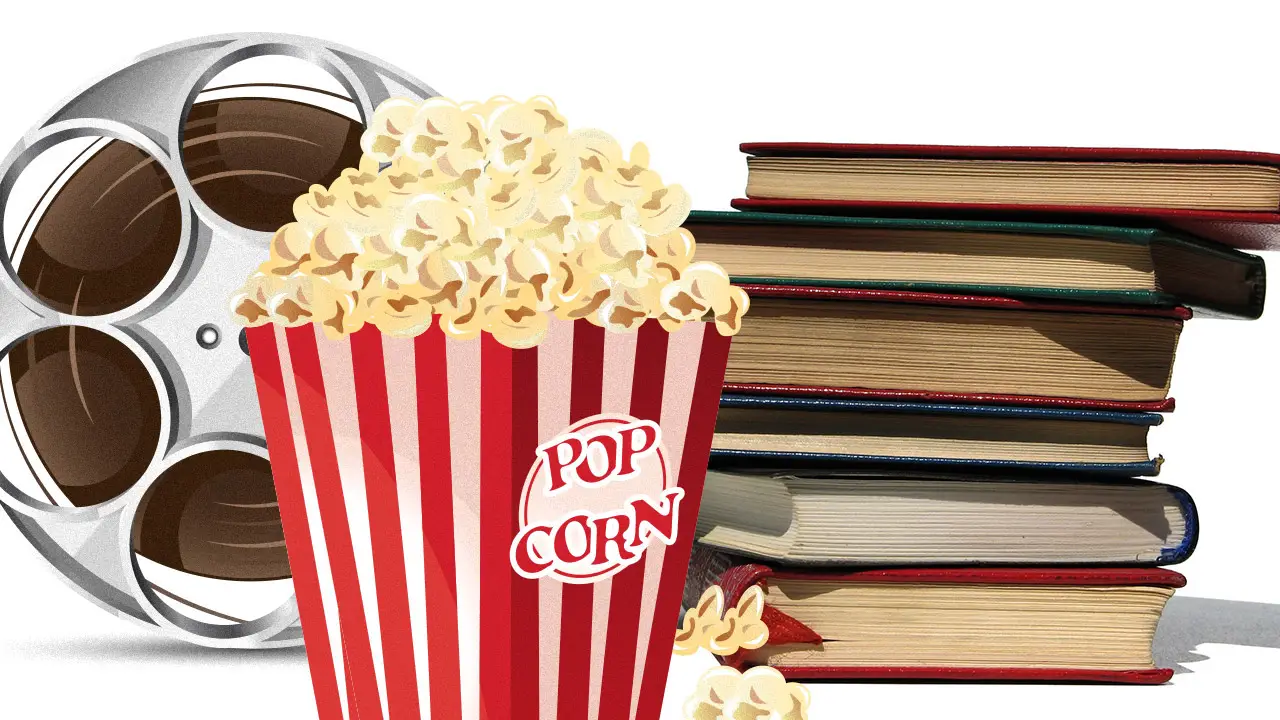
Reading is active while watching movies is passive. The act of turning pages creates a pause that enhances understanding.
READ MORE
July 26, 2025 .
Fantasy, Opinions
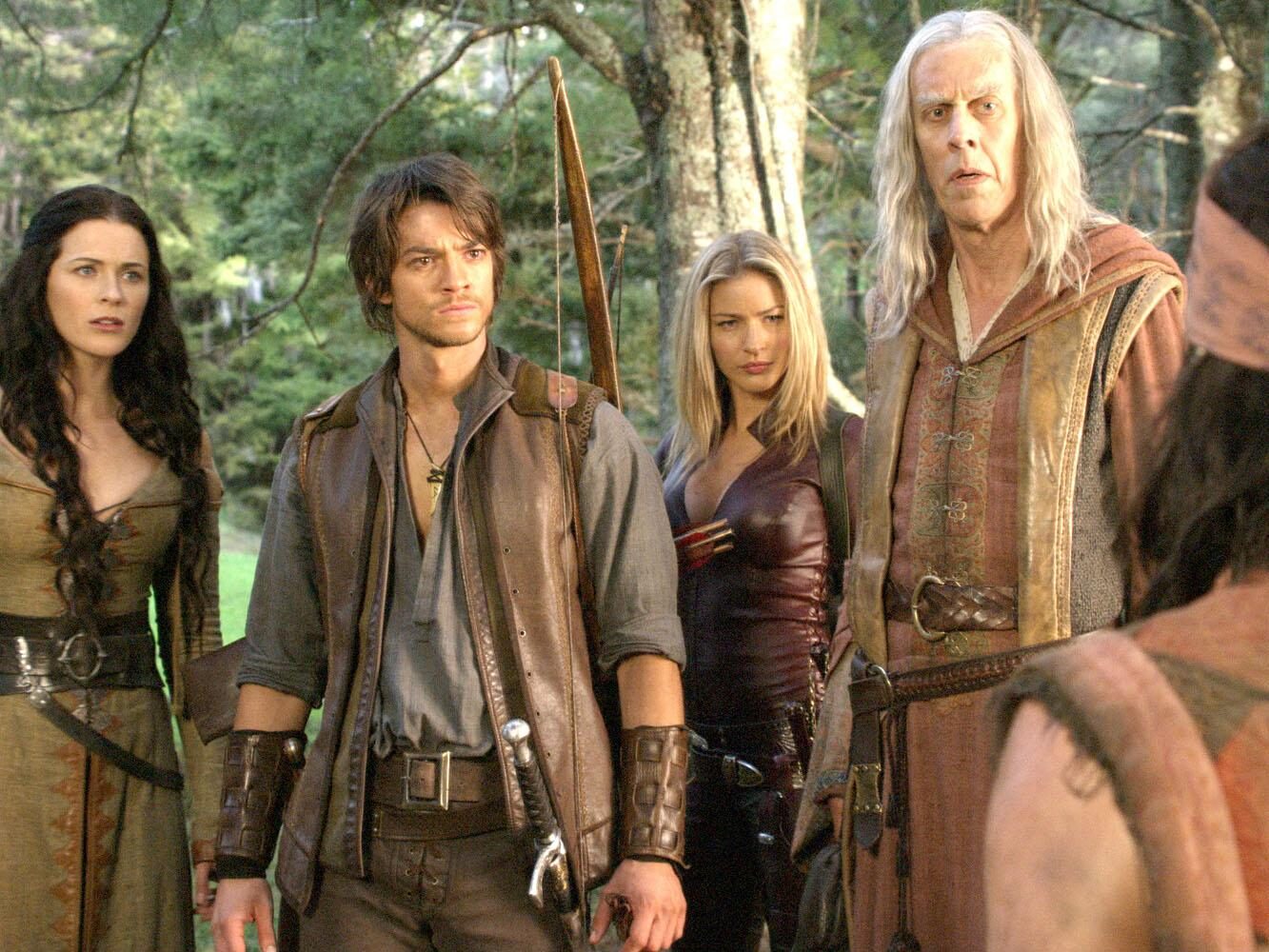
It’s cliche. But it’s rapid. It’s predictable. But it’s enjoyable. For lovers of the classic tropes, Legend of the Seeker is a worthy watch.
READ MORE
Get our magazine for free!