












Art has always been a reflection of the times. Renaissance artwork continues to shape how we see, create, and interpret the modern world.
Some argue that if Leonardo Da Vinci were to come back, he wouldn’t need to catch up on any trends because the modern world is the Renaissance, but with tech.
Even if one is not an expert in history or art generally, elements of Renaissance artwork are undoubtedly visible in today’s pop culture.
It’s hard to believe an art movement that occurred hundreds of years ago can still influence the way we think and even create in the modern world, yet it absolutely does. The Renaissance was never forgotten. It has just been rebranded.
Renaissance artwork continues to shape how we see, create, and interpret beauty in the modern world. Influenced by humanism, the Renaissance affected contemporary culture in visual art, cinematography, fashion, and the performing arts. These principles have become the foundation of many creative industries today.
The Renaissance was one of the most influential art movements in history. In fact, some argue that the Renaissance period had the most far-reaching influence of any art movement to date. With origins around the 14th and 17th centuries, it was a period of immense creativity and cultural rebirth.
It is characterized by realistic representation of the human body, mastery of light and shadow, depth, emotional expression, and humanism, which placed people at the center of artistic meaning.
The attention to detail and the human form inspired artists to push the boundaries of creative expression. Baroque artists built upon the dramatic use of light and shadow pioneered by Renaissance masters. Neoclassical artists consciously emulated the forms and themes of ancient Greece and Rome.
When one thinks of Renaissance art, the first masterpiece that may come to mind is the famous Mona Lisa by Leonardo da Vinci, and understandably so, as it is still popular to date.
Others, including Michelangelo and Raphael, expressed these elements, making the Renaissance period revolutionary. These qualities did not disappear with time. Instead, they evolved and became embedded in modern creative practices.
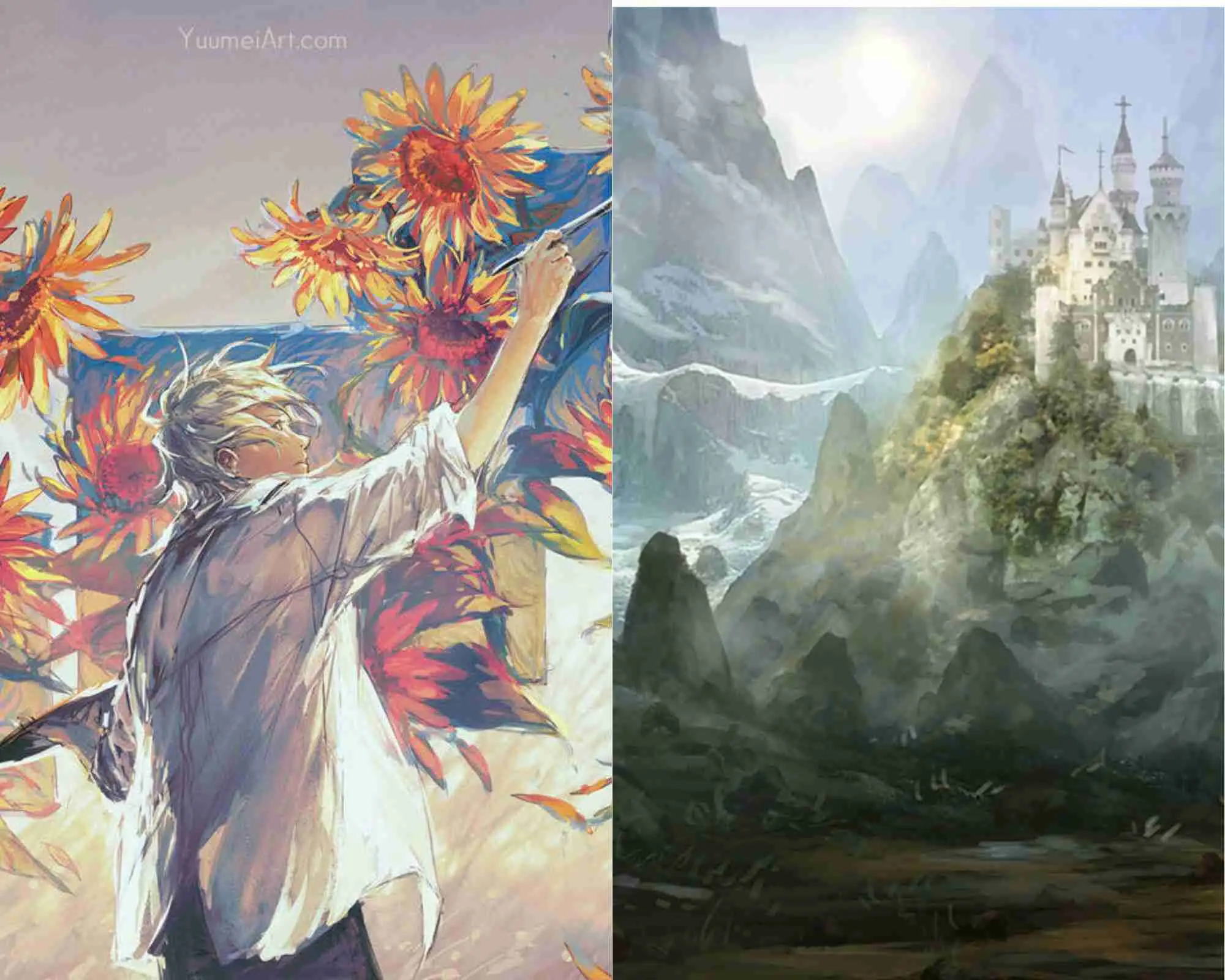
The principles developed during the Renaissance are still used by modern painters, illustrators, and digital artists. It was an era of innovation, during which artistic styles such as realism and perspective reshaped art.
The same tradition continues to guide the work of modern artists who seek new creative possibilities and forms.

Renaissance art continues to influence the work of many artists today. Some revive classical realism, while others blend traditional techniques with bold, experimental ideas. Even some digital artists who use a tablet rather than a brush base their work on Renaissance principles.
The knowledge of the human form developed by Renaissance masters is evident in hyperrealistic portraits, concept art in video games, and detailed character designs. The illuminating and influential work of the “Holy Trinity” of Renaissance painters, Raphael, Michelangelo, and Leonardo, persists and continues to inspire artists worldwide.
Film has been referred to as a visual art, and its relationship to Renaissance artwork cannot be ignored. It has inspired numerous films based on its themes, settings, and visual style, and has brought history to life in a way that is both emotional and relatable. The chiaroscuro lighting style, initially developed in Renaissance painting, is now a core technique in cinematography and photography. It creates drama, depth, and emotional intensity.

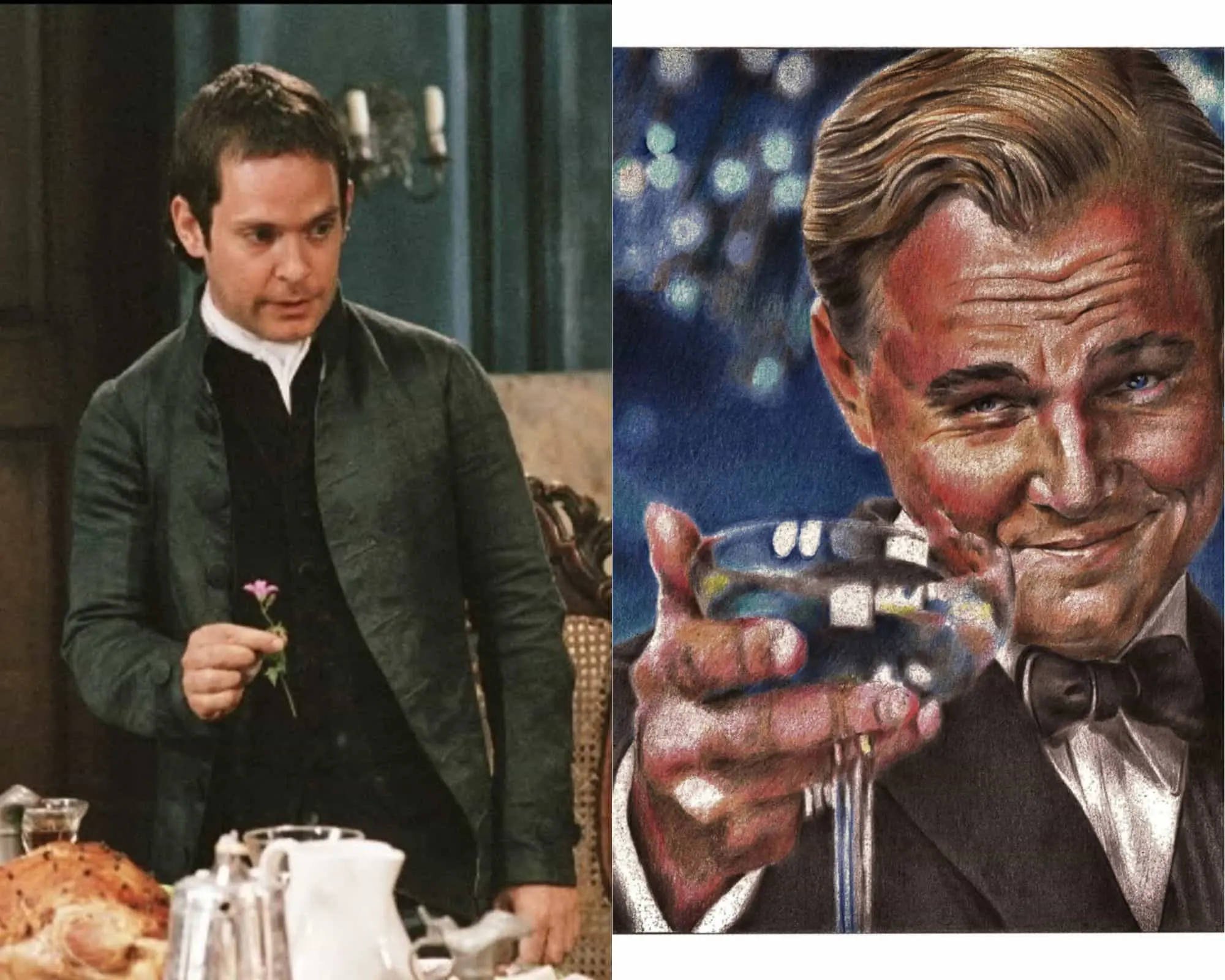
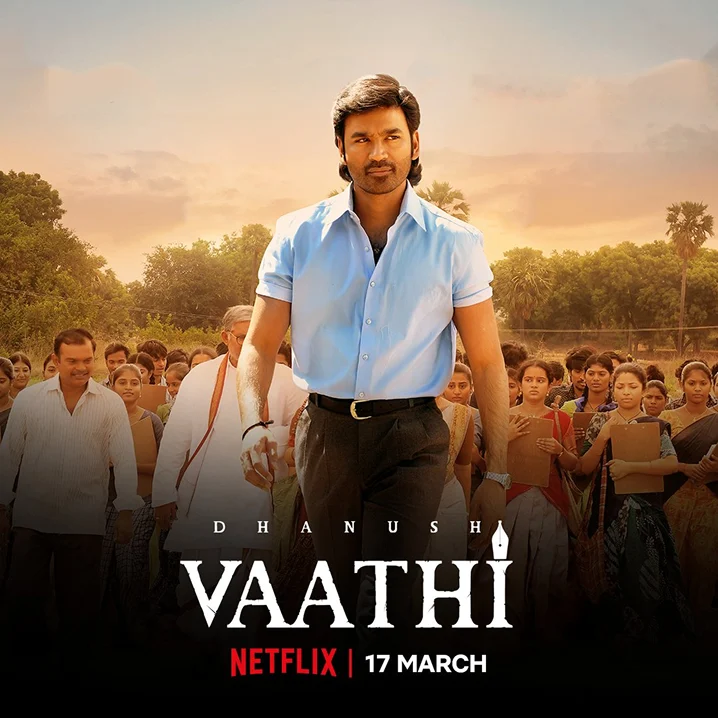
Movies like “The Agony” and “The Ecstasy” depict the struggles behind great art, while “Ever After” uses a Renaissance setting to explore identity and empowerment. Documentaries also help audiences understand the deeper stories behind famous artworks, connecting beauty with history.
Renaissance artwork remains relevant, even in contemporary music videos. Lady Gaga referenced the well-known painting The Birth of Venus by Sandro Botticelli in the 2013 “Applause” music video. Ariana Grande has also referenced Renaissance artworks in her music career. Her music video for “God is a Woman” incorporates elements characteristic of Renaissance religious imagery.

Fashion is another field where Renaissance artwork continues to reappear. It was bold, dramatic, and deeply symbolic.
People wore luxurious fabrics, rich embroidery, and structured designs that exaggerated the human body to express beauty, power, and status.
Today, modern fashion continues to draw from these ideas. Designers regularly revive corsets, dramatic sleeves, rich fabrics, and regal silhouettes, underscoring the Renaissance period’s enduring influence on modern culture.
Alexander McQueen’s 2013 Fall collection featured ten Renaissance-inspired looks. It featured gowns cut in an Elizabethan silhouette, low over the shoulders and square across the chest, as depicted in this mid-16th-century portrait of Queen Elizabeth I.
In other collections, brands have printed Renaissance masterpieces directly onto garments, featuring works by Da Vinci, Raphael, and Botticelli.
Through fashion, Renaissance artwork becomes wearable, allowing the past to exist within contemporary identity and style.

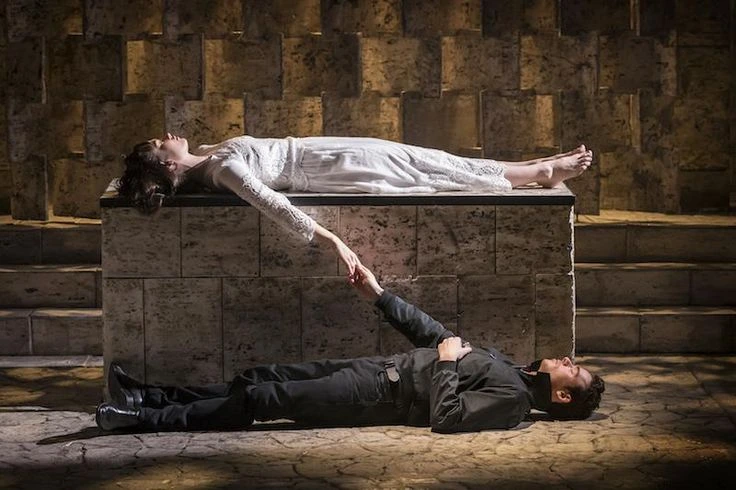
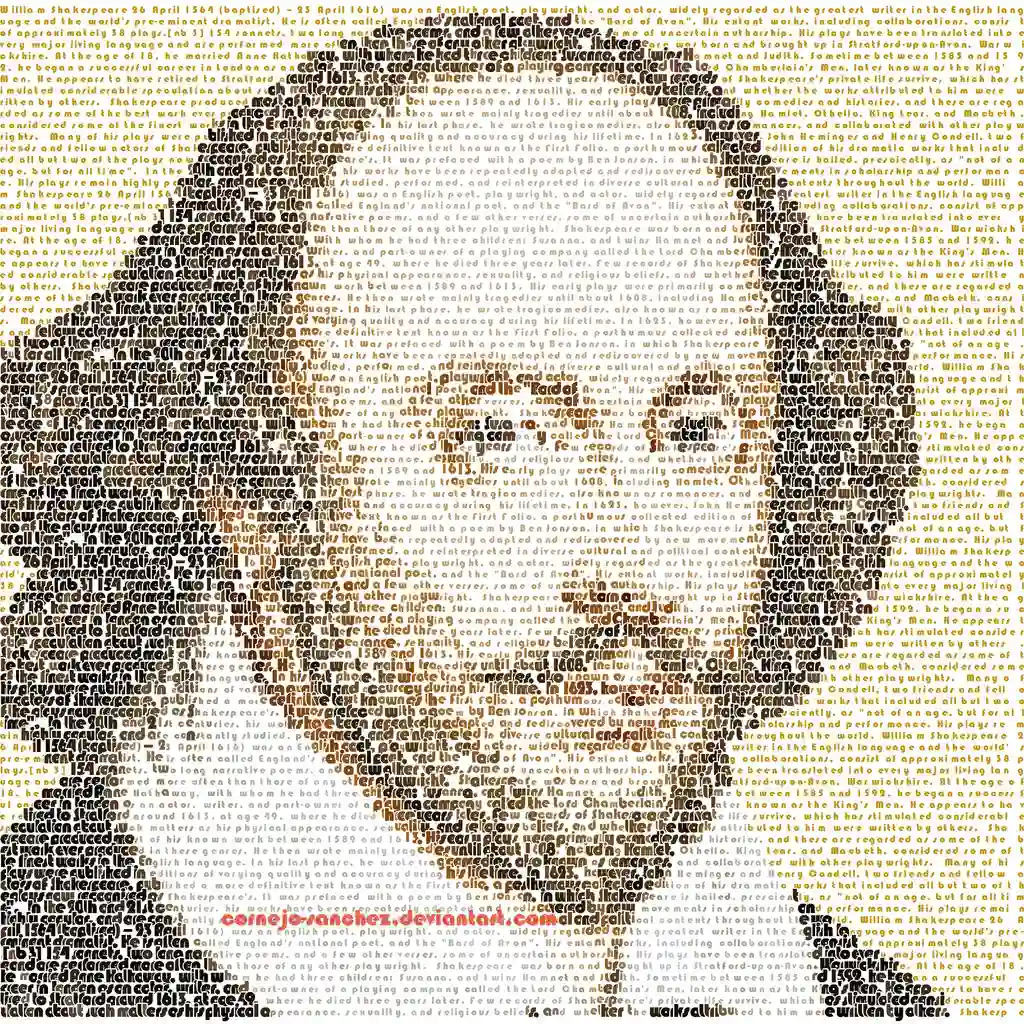
Theatre, dance, and opera also carry the legacy of Renaissance artwork. Shakespeare’s plays, written during the Renaissance, are still performed worldwide and continually reimagined in modern settings. Ballet and contemporary dance continue to emphasize the expressive power of the human body, much like Renaissance artists once did in sculpture and painting.
Modern adaptations of Renaissance dramas show how these stories still speak to us today. Themes of love, ambition, jealousy, identity, and power are timeless because humanity itself has not changed.
The Renaissance gave rise to distinctive artistic styles that we still appreciate today. The emphasis on humanism, realism, and classical ideals continued to influence artists for centuries after the Renaissance ended.
Through modern interpretations, we witness the enduring impact of this classic era, bringing its beauty and innovation into the 21st century.
The legacy of the Renaissance extends beyond painting, sculpture, and architecture. It fostered a new way of thinking about the world, one that valued human reason, observation, and creativity.
The Renaissance, meaning “rebirth,” wasn’t an explosion of creativity but rather a gradual unfolding. It did not end in the 17th century. It transformed. Its principles live on in visual art, shape cinematic storytelling, inspire fashion design, and guide the performing arts.
Art has always been a reflection of the times, and the Renaissance period was no exception. This classic era, known for its timeless beauty and innovation, laid the foundation for modern art.
Rather than belonging to the past, Renaissance artwork exists in the present; evolving, adapting, and continuing to shape the creative world in ways both visible and profound.

[…] In response to this upheaval, the Catholic Counter-Reformation worked to reaffirm faith and recover influence. Art soon became a strategic weapon. The Council of Trent called for works that stirred emotional response in order to counter the Reformation. Artists responded with dramatic visuals, addressing the senses rather than reason. Emotional truth, not intellectual harmony, now reigned. In a largely illiterate society, art became nothing short of visual theology. […]
July 20, 2025 .
Animation, Lists
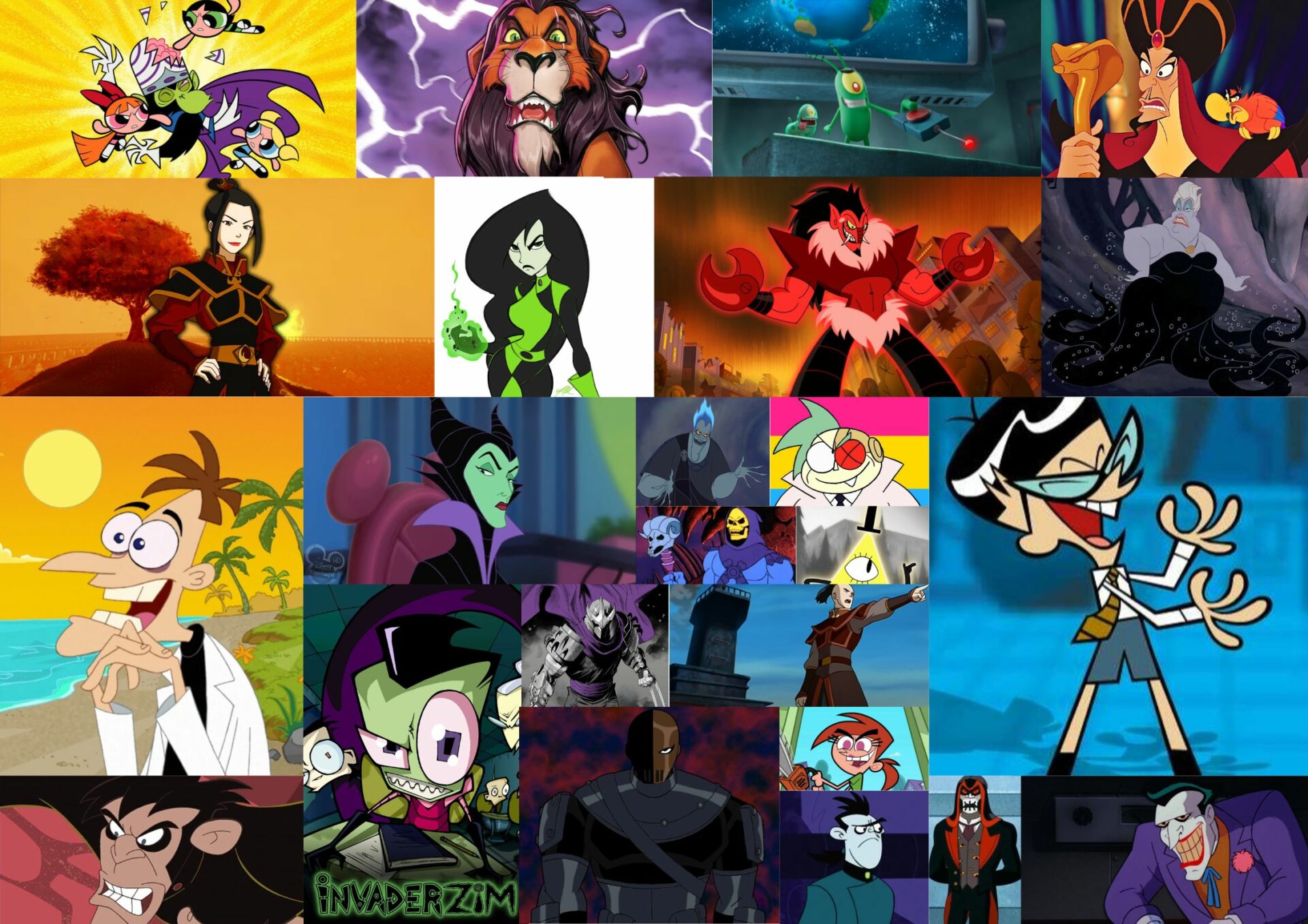
Our list rounds up the top 30 cartoon characters that were villains, each one more wonderfully wicked than the last.
READ MORE
April 29, 2026 .
Lists, Opinions
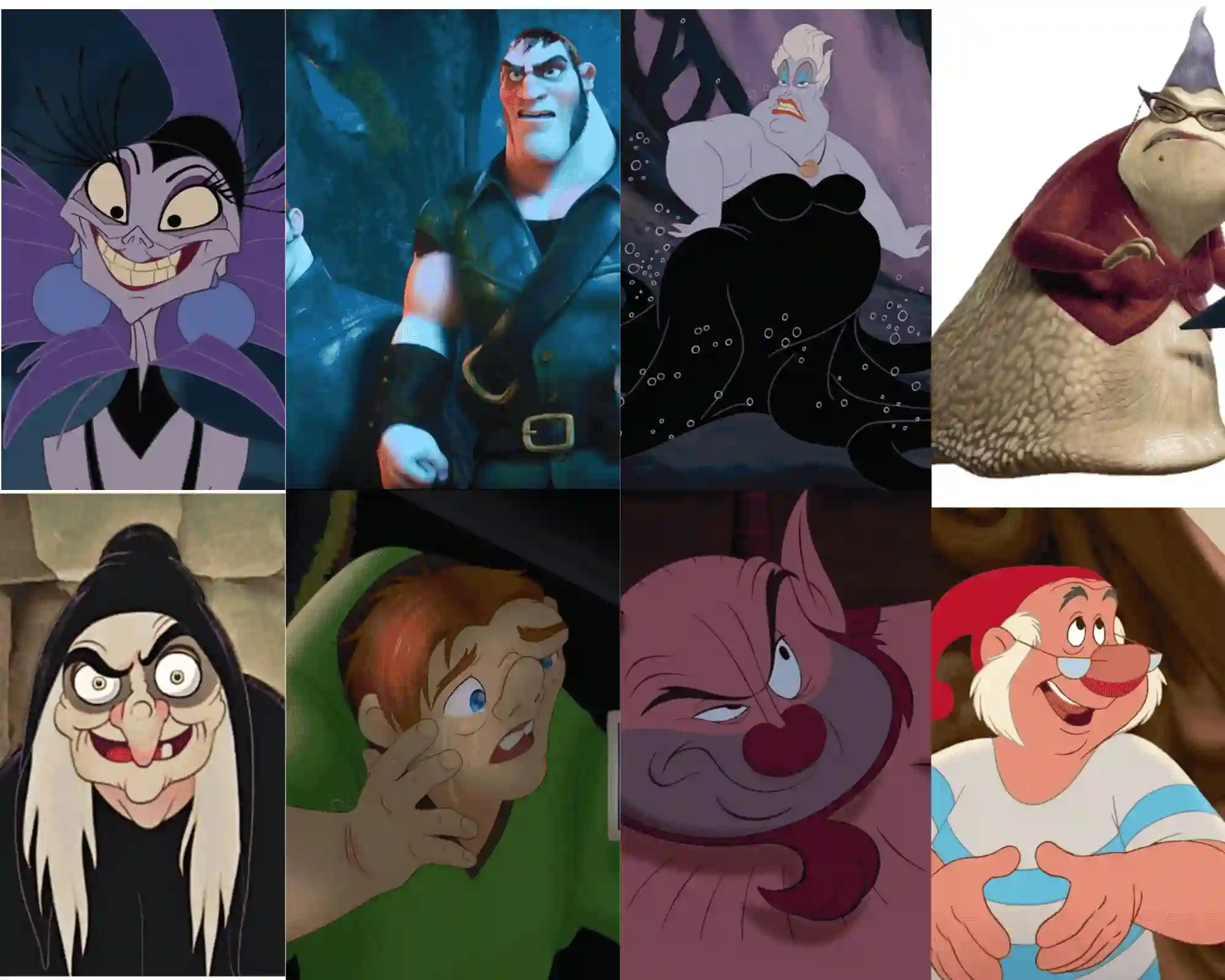
The Mouse is famous for its princesses and princes. However, the studio’s true genius lies in its embrace of “ugly Disney characters”.
READ MORE
May 6, 2026 .
Lists, MCU
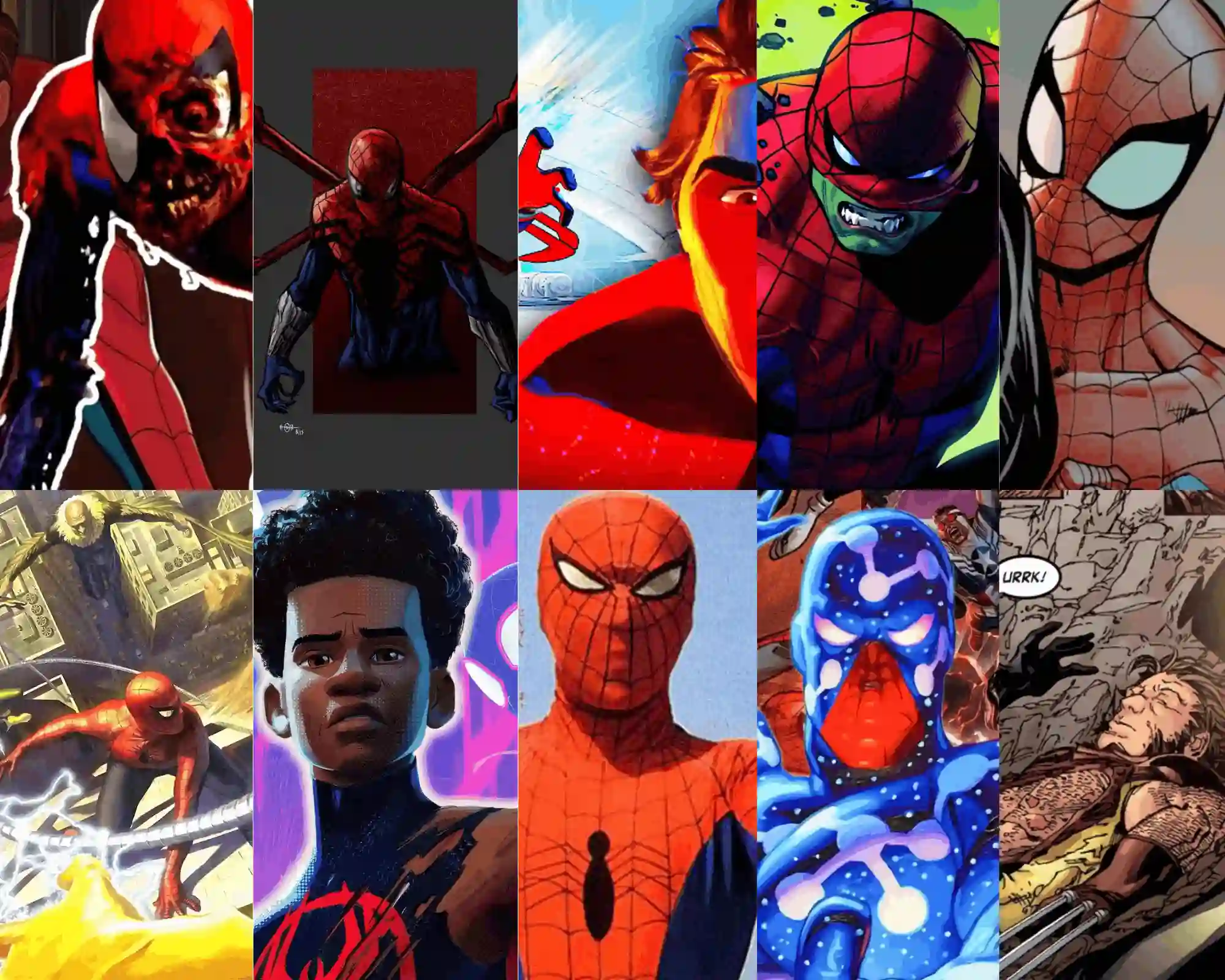
Spider-Man is one of the many superheroes from the Marvel Universe whose stories shaped many childhoods. Who is your strongest Spiderman?
READ MORE
October 28, 2025 .
Debates, Lists, Marvel, MCU
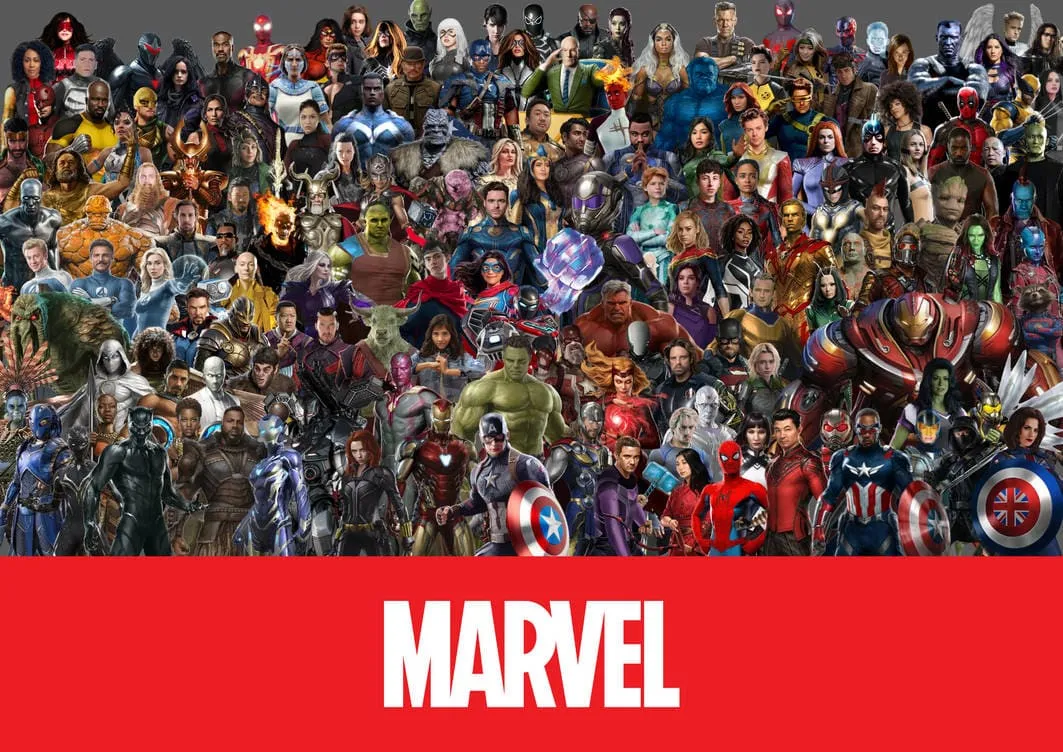
Every Marvel hero brings something to the table. But if we had to pick the top 8 most popular Marvel superheroes, who would make the cut?
READ MORE
October 28, 2025 .
Lists, Marvel, MCU, Opinions
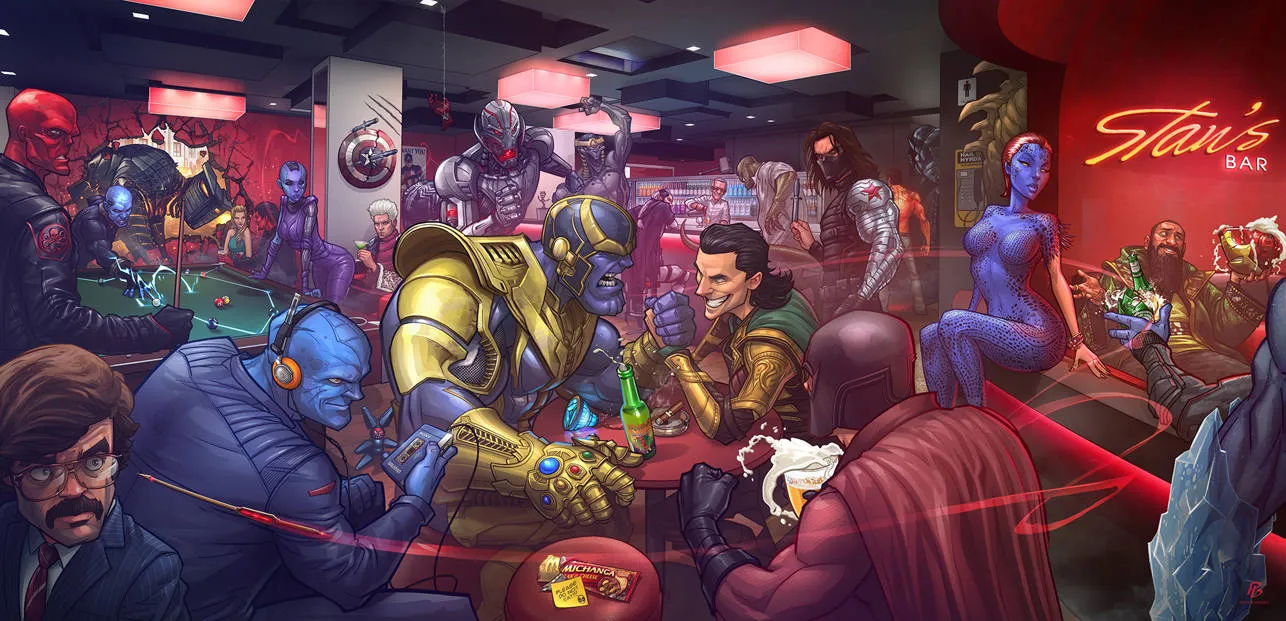
Let’s go through a list of the top 7 strongest Marvel villains, from the wickedly powerful to the absolutely unstoppable.
READ MORE
January 1, 2026 .
Essay, Essays, Nollywood
READ MORE
December 9, 2025 .
African Literature, Essay
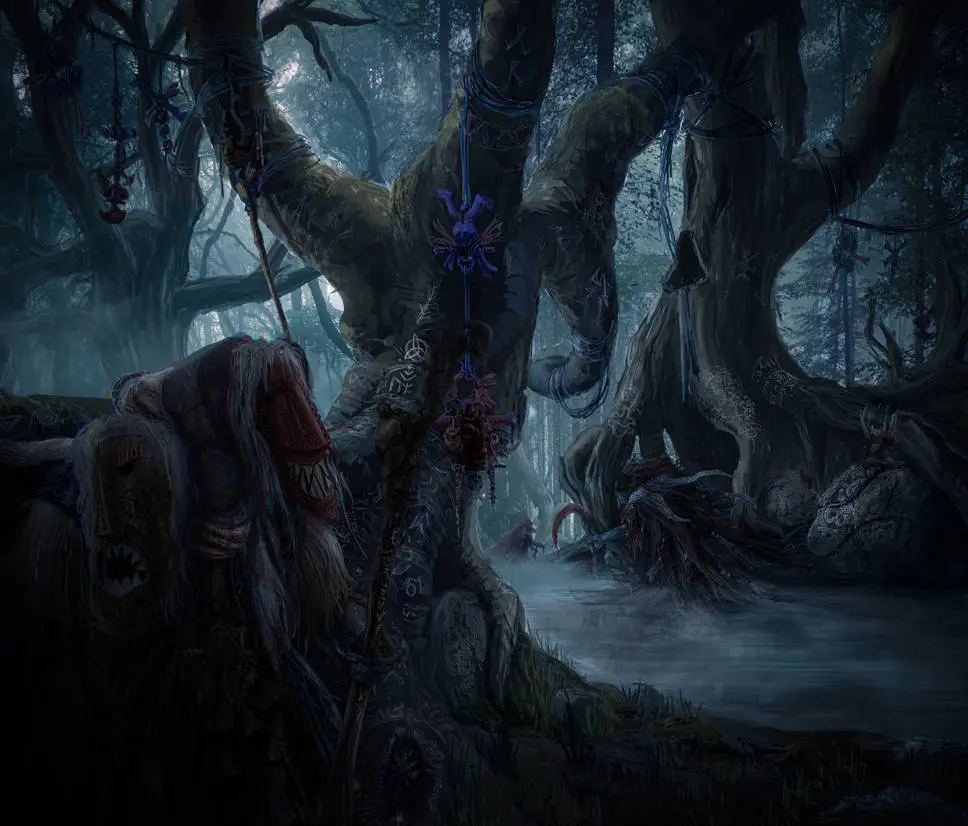
In African horror novels, juju serves as a moral and cultural force, marking the unseen boundaries between the living and the dead.
READ MORE
December 9, 2025 .
Essay, Lists, MBTI
ENFJ characters often appear as those who rally others, mentor colleagues, or set the world ablaze when the need arises.
READ MORE
Get our magazine for free!

Baroque Paintings as a Tool of Nonconformity and Religious Influence says:
[…] In response to this upheaval, the Catholic Counter-Reformation worked to reaffirm faith and recover influence. Art soon became a strategic weapon. The Council of Trent called for works that stirred emotional response in order to counter the Reformation. Artists responded with dramatic visuals, addressing the senses rather than reason. Emotional truth, not intellectual harmony, now reigned. In a largely illiterate society, art became nothing short of visual theology. […]