Close menu
Ranking the best of African Literature






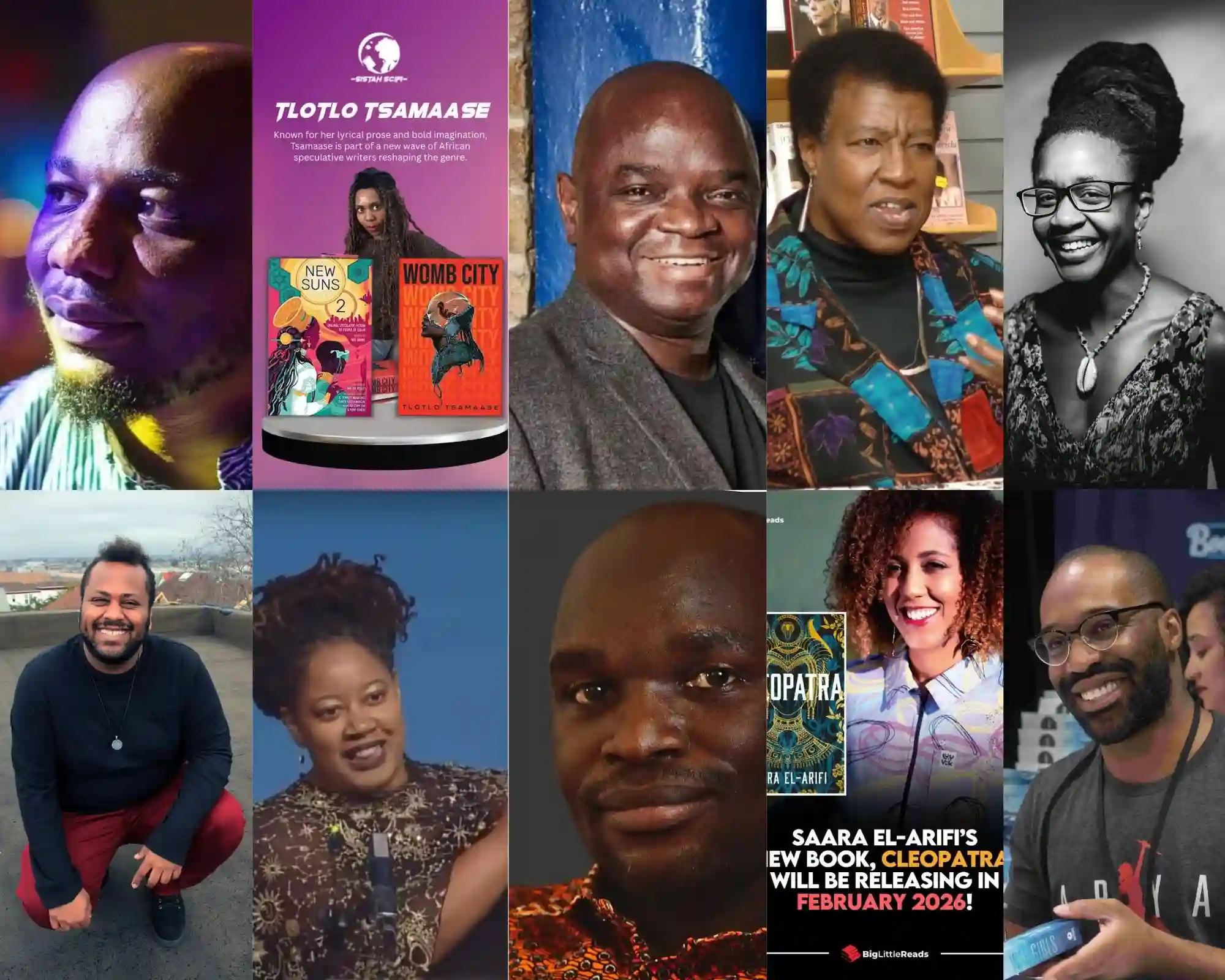
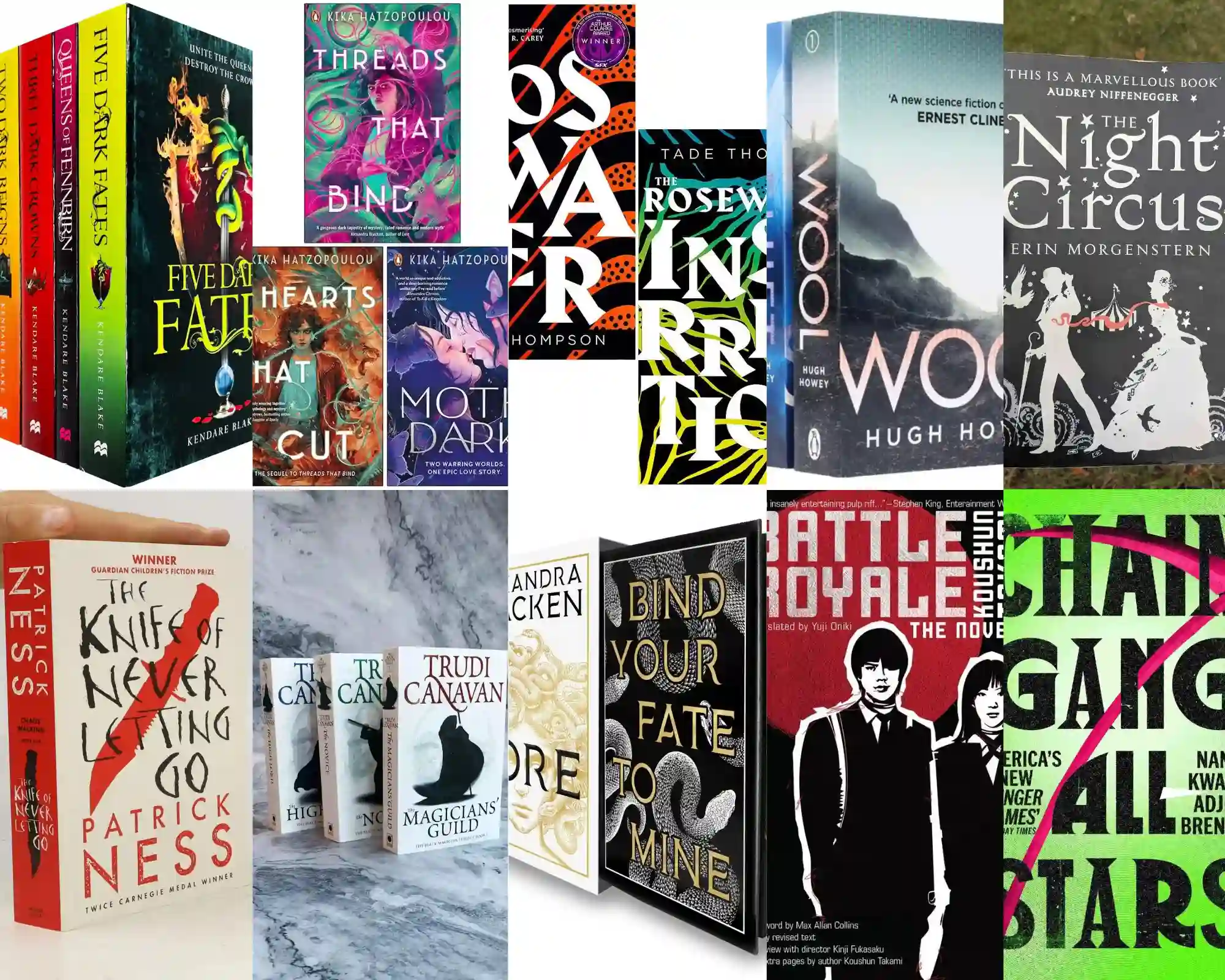
























These are the books that could hold that kind of attention again. Not because they’re flawless, but because they can survive stillness.
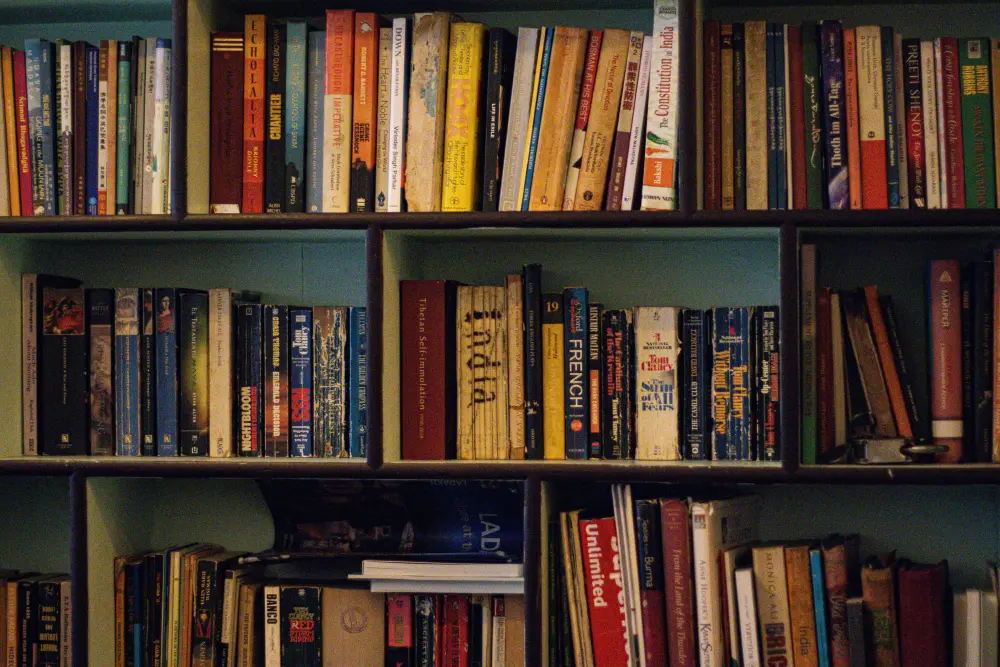
I didn’t expect 2020 to become one of my best reading years. I expected boredom and a bit of restlessness. What I didn’t expect was how deeply I would read.
There was nowhere urgent to be. That was the strange gift. No commuting. No rushing out halfway through a chapter. No calculating whether I had “time” to start something long.
I remember finishing tomes without that quiet guilt in the back of my mind. There simply was no urgency, for the first time in my life, time wasn’t being managed; it was an abundant resource.
What this meant was that reading wasn’t squeezed in. It took over.
If I had to do that again, if the world slowed down like that, these would be my top 10 reads to indulge in.

The first time I read this, I focused on the explosions, the tension, the fear, the breaking points. I was simply swept up in a story that discovers the average Nigerian girl.
If I read it again during lockdown, as I have done multiple times before, I think I’d notice something else: The quiet. The way silence fills rooms. The way Kambili watches before she speaks. The careful choreography of that household, who sits where, who answers first, who looks down. I’d be the one pacing the book this time, paying particular attention to dialogue and imagining the possible response.
When you’re stuck at home for months, you start noticing patterns in your own space. The rhythms. The mood shifts. Purple Hibiscus understands domestic atmosphere in a way that feels almost physical. You can feel the weight of expectation in the dining room scenes. You can feel how freedom enters gradually in Nsukka, in laughter, in conversation, in small acts of defiance. The way you sit with siblings, after so long being apart, how the energy simmers down, and jokes are made at each other’s expense.
You don’t “finish” this book and move on. You return and see different things. That’s why it survives rereading.

This is not a book you rush. If you try to, it will resist you.
Ezeulu’s decisions unfold slowly. His pride isn’t loud; it’s measured. You watch him interpret events, justify his stance, and stand firm even when the ground is shifting. That kind of character work demands patience and clarity.
During lockdown, patience was suddenly available. You could sit in on council meetings and even share your opinion. The misunderstandings. The slow collision between tradition and colonial administration. You could think about how authority hardens in defense when it feels threatened.
Reading this in a year filled with global tension makes it sharper. You start thinking about leadership differently. About inflexibility. About what it costs to refuse to compromise.
I’d return to this not for comfort. For perspective.

Ragamuffin Angel is gritty in a quiet way. It’s about survival, not the glamorous kind, but the daily, stubborn kind. Hardship, class tension, the weight of circumstances you didn’t choose, like how we didn’t choose the COVID-19 lockdown. The kind of life where resilience isn’t inspirational: the necessary kind
What makes it linger is how ordinary the struggle feels. The emotional endurance. The dignity in small decisions. The way hope doesn’t arrive as a miracle, how it arrives slowly, like you’re in an endurance race.
Reading it during a period like lockdown changes it. When the world feels uncertain, stories about endurance land differently. You pay attention to how characters cope and how they keep moving even when nothing feels secure.
I’d go back to this one not for spectacle, but for that steady resilience. It doesn’t shout. It just keeps going, inspiring the belief that it will work out in the end.
And sometimes that’s exactly what you need beside you.

What stands out in this series is not spectacle. It’s interior strength.
These women live in uncertainty, making decisions without guarantees, enduring social pressure, misunderstanding, and risk. And often, they wait.
But what makes their waiting different is that it isn’t empty. It’s directed and tethered to God.
Each story wrestles with what it means to trust Him when circumstances don’t immediately improve. Tamar takes risks that could destroy her reputation. Rahab stakes her survival on a God she has only heard about. Ruth leaves familiarity behind with no clear promise of provision. Bathsheba lives through consequence and grief. Mary accepts a calling that isolates her socially before it exalts her spiritually.
None of them is rescued instantly. God’s role in these stories isn’t a dramatic intervention every few pages. It’s a presence, a quiet orchestration, and faith that stretches over time.
Waiting felt familiar in 2020. Plans stalled. Futures blurred. Outcomes uncertain. And in that kind of year, stories about women who obeyed without full clarity felt grounding.
The power of these narratives lies in the slow unfolding of God’s faithfulness. Not flashy. Not rushed. Often uncomfortable. But deliberate.
They don’t promise immediate relief. They show what it looks like to trust in the middle of ambiguity.

These books are immersive in a way that almost recalibrates your sense of scale. History buffs would love this. They’re so descriptive, you could almost see yourself walking through the streets of Rome.
Set against the backdrop of the Roman Empire, the stories deal with persecution, faith, power, and survival. But what makes them rereadable isn’t the setting. It’s the internal wrestling. Characters are constantly forced to choose between comfort and conviction.
In a year that forced many of us to confront priorities and values, that tension feels relevant. We also had to decide what was important to us.
You don’t reread these for surprise. You reread them because the moral weight still holds.

Not every lockdown read needs to stretch your brain.
Sometimes you need warmth, predictable emotional arcs, dialogue that moves quickly, and characters who argue and reconcile in ways that feel human. You want adventure and romance.
Romance works well in isolation because the stakes are intimate, plus you have time to daydream as much as you’d like. You’re not saving the world. You’re navigating relationships. And in a time when the world felt overwhelming, that shift in scale was comforting.
I’d return to this trilogy for that familiarity, for the sense of stepping into a contained, emotionally coherent world.

Reading A Broken People’s Playlist during a globally disruptive year adds another layer. The sense of shared experience, shared uncertainty, and shared vulnerability becomes more pronounced.
What makes it rereadable is its restraint. It doesn’t dramatize for effect. It reflects. It allows emotion to sit without rushing to resolution.
That kind of narrative patience works well in a year defined by pause.

This book is emotionally immediate. This was the discovery of Colleen Hoover, and the ensuing rush from readers
It deals with cycles, particularly cycles of harm, and what it takes to break them. During a year when many people were reflecting on systems, patterns, and personal boundaries, that theme felt sharper. Families with abusers were most likely stuck with each other, confined to spaces and all.
It may not be the most technically layered, but it hits. And in 2020, that direct emotional force felt honest.
Sometimes, reread value comes from depth. At other times, it comes from impact.
When I think about that year now, I don’t just remember uncertainty. I remember reading without interruption. I remember finishing books slowly and noticing more than I usually do.
These are the books that could hold that kind of attention again. Not because they’re flawless, but because they can survive stillness.

The Tyrant Overlord. Fantasy buff and avid football fan.
July 20, 2025 .
Animation, Lists
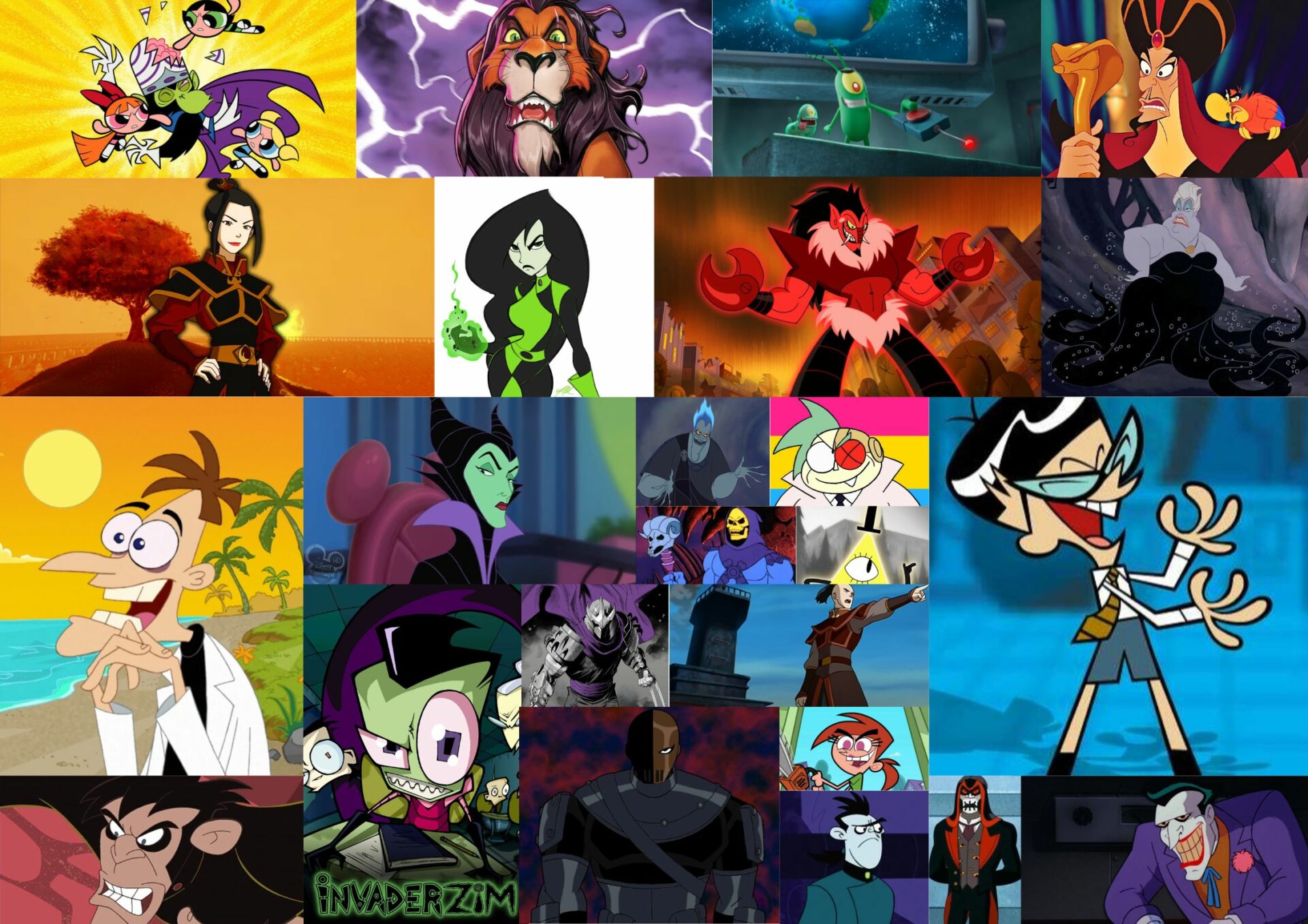
Our list rounds up the top 30 cartoon characters that were villains, each one more wonderfully wicked than the last.
READ MORE
April 29, 2026 .
Lists, Opinions
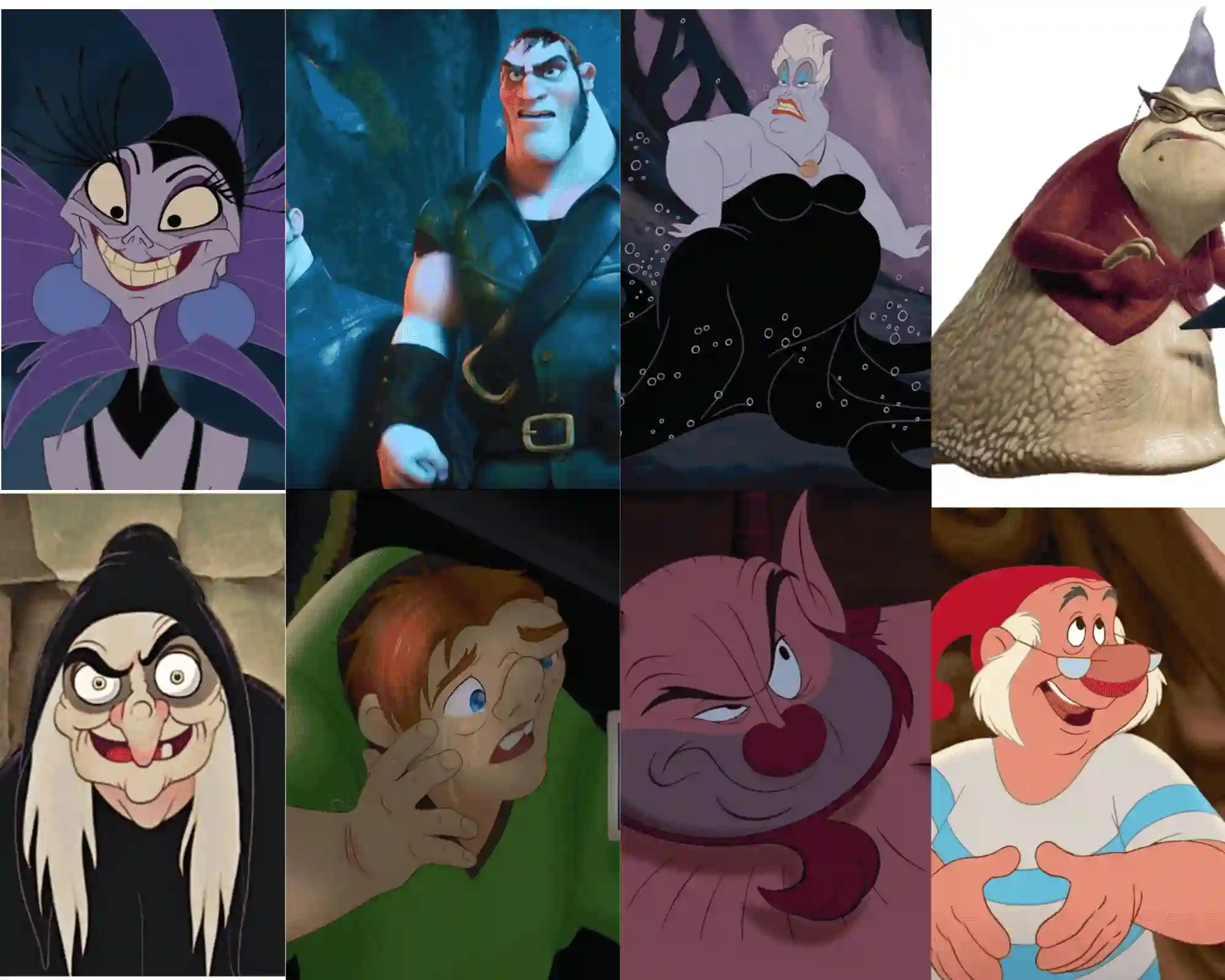
The Mouse is famous for its princesses and princes. However, the studio’s true genius lies in its embrace of “ugly Disney characters”.
READ MORE
May 6, 2026 .
Lists, MCU
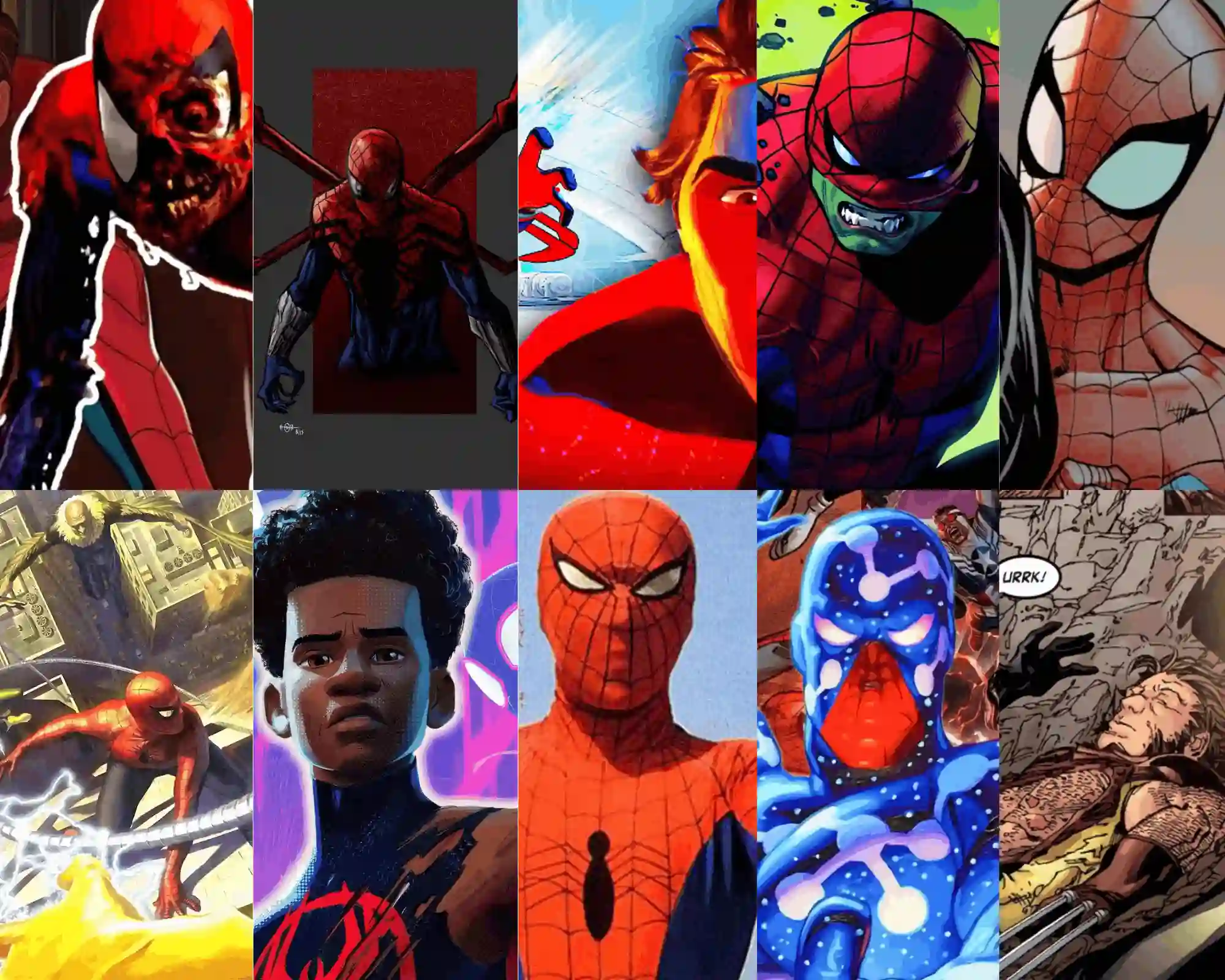
Spider-Man is one of the many superheroes from the Marvel Universe whose stories shaped many childhoods. Who is your strongest Spiderman?
READ MORE
June 25, 2026 .
Lists, Opinions
If Game of Thrones taught us anything, it’s that the characters we hate the most tend to outlive everyone else.
READ MORE
October 28, 2025 .
Debates, Lists, Marvel, MCU
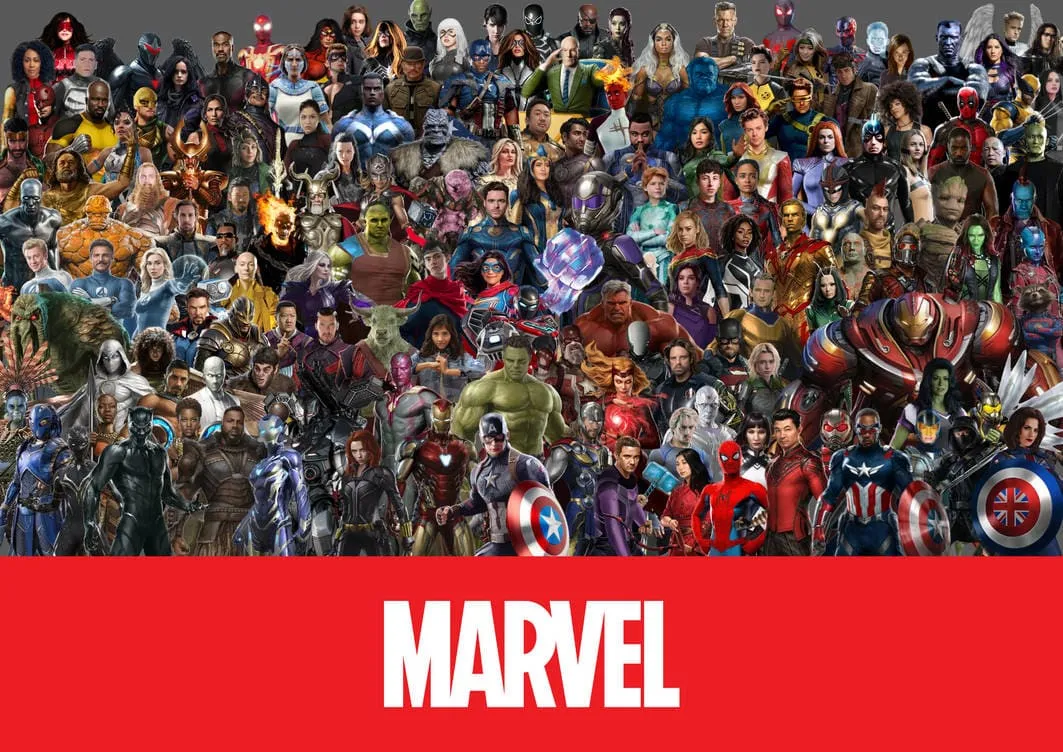
Every Marvel hero brings something to the table. But if we had to pick the top 8 most popular Marvel superheroes, who would make the cut?
READ MORE
September 2, 2025 .
African Literature
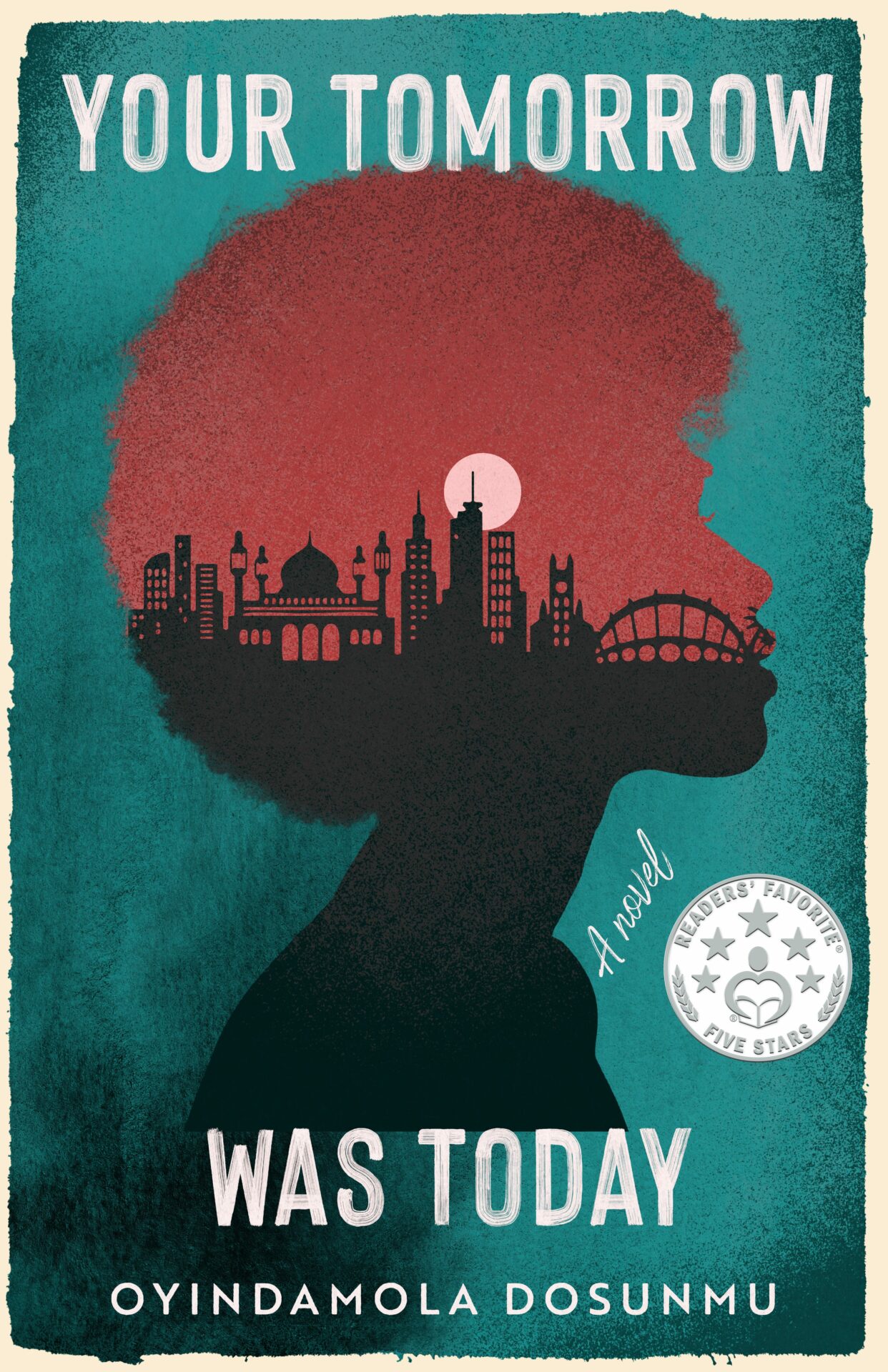
So yes, Your Tomorrow Was Today is guaranteed to be a book that will touch you, regardless of gender, interests or philosophy.
READ MORE
September 16, 2025 .
African Literature
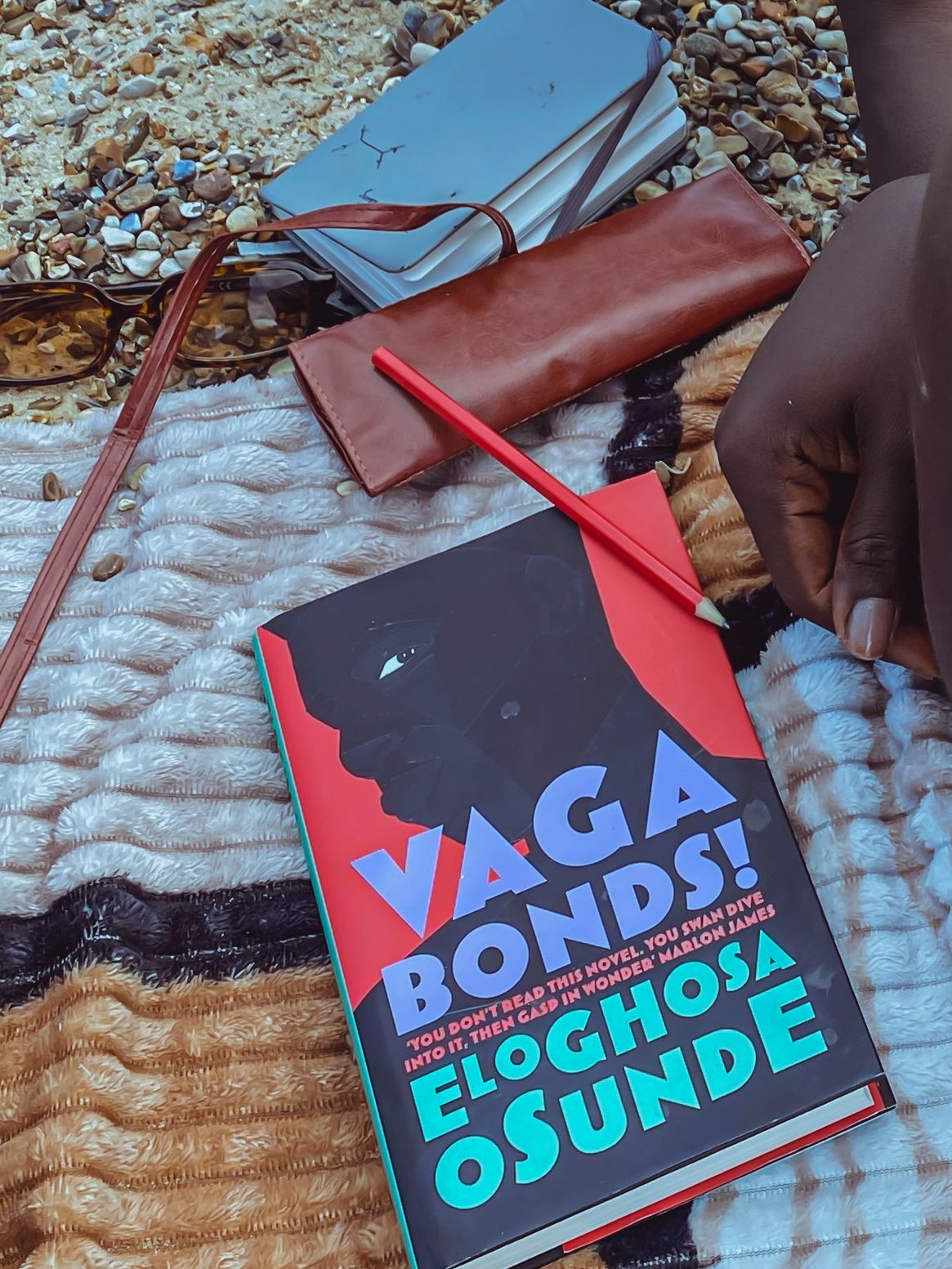
Eloghosa Osunde writes in a way that keeps the reader in awe and gives shivers. Refreshing. Subliminal. Surreal. Daring.
READ MORE

September 9, 2026 .
Lists, TV Shows, Upcoming Movies
There’s something for everyone from every genre you love.
READ MORE
September 9, 2026 .
Lists, TV Shows, Upcoming Movies
July gears up with the hottest lineups of upcoming movies and TV shows.
READ MORE
September 9, 2026 .
Lists, TV Shows, Upcoming Movies
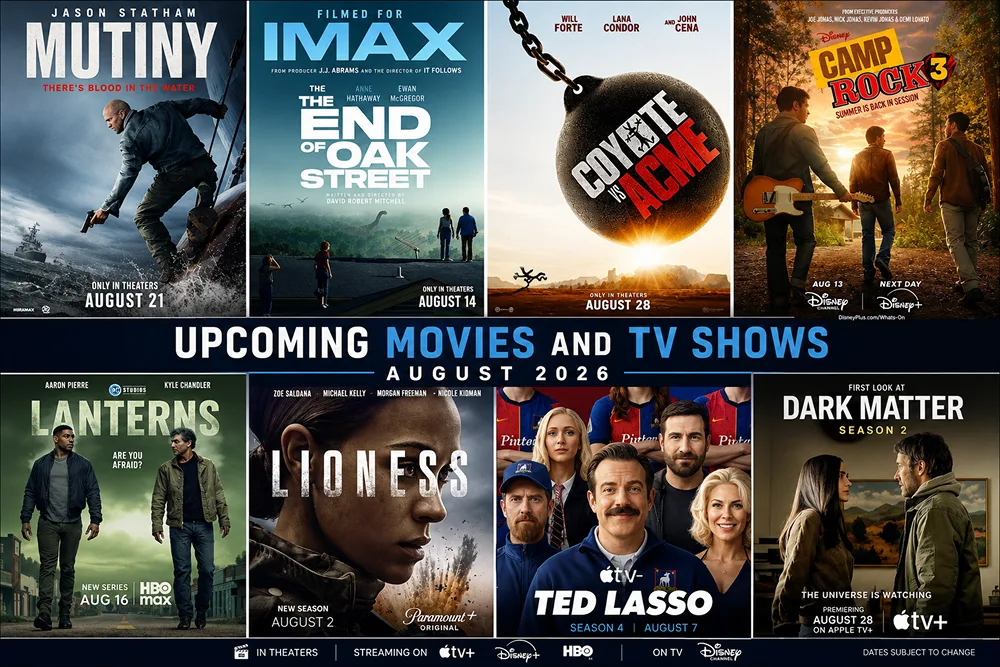
August line-up is here and they don’t disappoint.
READ MORE
April 29, 2026 .
Lists, Opinions
The Mouse is famous for its princesses and princes. However, the studio’s true genius lies in its embrace of “ugly Disney characters”.
READ MORE
September 9, 2026 .
Lists, Upcoming Movies
September’s lineup offers everything from action flicks to buddy comedy to romcom adaptations to keep you entertained all month long.
READ MORE
February 9, 2026 .
Lists
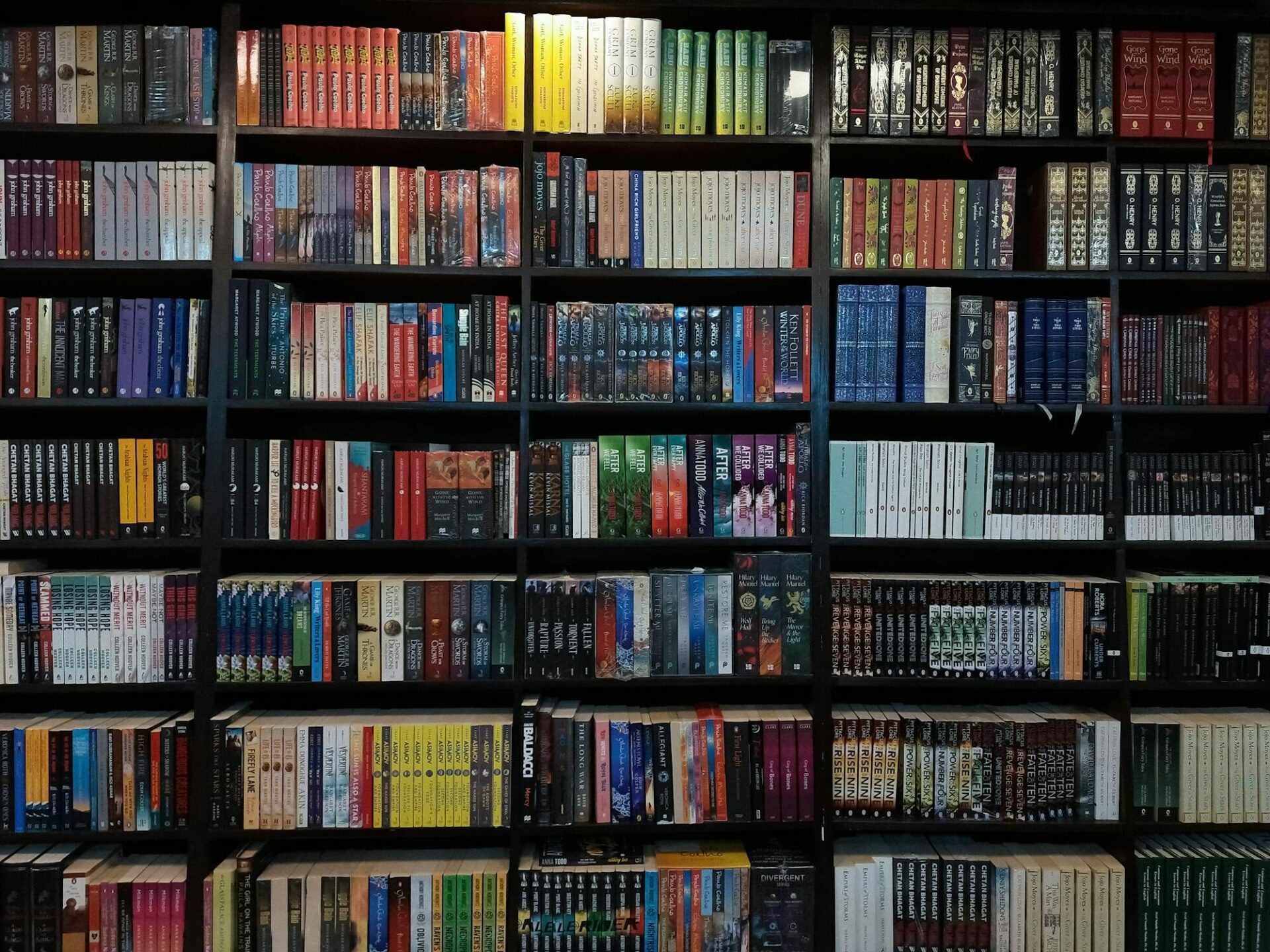
From Masobe to Narrative Landscape and Penguin Random House South Africa, here are the top 9 publishers of African Literature.
READ MORE

July 20, 2025 .
Lists
From Gardens of the Moon, it’s clear that the world of Malazan is richer in history and geographic detail, and than any other fantasy world.
READ MORE
Get our magazine for free!