

















































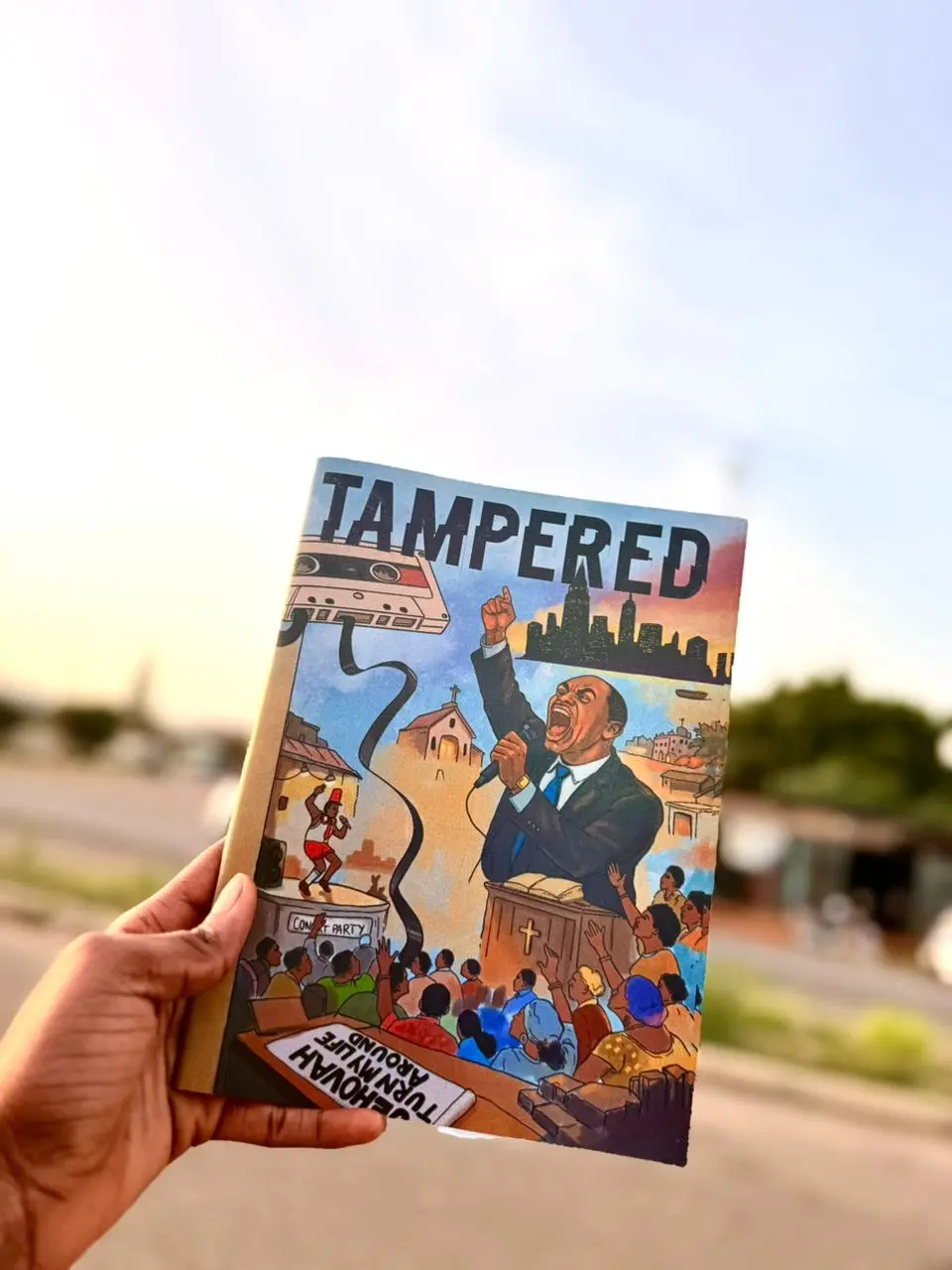



















Biblical comics sit at the intersection of scripture, visual art, and narrative craft, translating ancient stories into a modern language.
The Bible has endured across centuries as a foundational text of faith, culture, and moral reflection. In recent years, its transition into visual storytelling has expanded its reach, making biblical comics more accessible to contemporary audiences.
Graphic formats, especially comics, offer a distinct way to experience these stories, blending visual rhythm with narrative depth. A thoughtful approach to biblical adaptation in comics demands not only artistic skill but also sensitivity to source material, cultural context, and storytelling structure.
For creators entering this space, success depends on strong adaptation choices, thoughtful illustration, and careful character design, all of which shape how faithfully and effectively a biblical story comes to life on the page.
Understanding how these elements work together is what separates a simple retelling from a compelling visual narrative.
Biblical comics sit at the intersection of scripture, visual art, and narrative craft. They are not simply illustrated Bible verses; they are adaptations that translate ancient stories into a modern visual language. This means every panel must carry both meaning and engagement simultaneously.

A well-crafted biblical comic respects the source material while also recognizing the strengths of the comic medium. Comics can express emotion, movement, contrast, and symbolism in ways prose cannot. A carefully composed silent panel can communicate fear, awe, or joy with remarkable force. This becomes even more important in biblical storytelling, where scenes often carry spiritual weight and dramatic tension.
Understanding this balance is the starting point. From here, the focus shifts to practical steps for adapting biblical stories into compelling visual narratives.
Key takeaway: Identify the balance between faithfulness to the text and creative interpretation.
Adapting biblical texts into comics involves deliberate interpretation to convey the core meaning, not just word-for-word translation.

The central challenge is preserving the essence and layered meanings of scripture while making those ideas vividly clear through sequential art.
Biblical texts are vast, with multiple storylines, genealogies, and theological reflections. Effective adaptation begins with narrowing the scope. A single narrative arc, such as the story of Joseph, Esther, or the parables of Christ, provides clarity and emotional continuity.
Rather than attempting to illustrate entire books verbatim, successful biblical comics usually center on one emotional and spiritual idea at a time. For example, the story of David and Goliath can emphasize courage, faith, or leadership, depending on the intended direction. This focus keeps the story in theme.
Respect for the source material remains essential, yet strict literalism can limit the flow of storytelling. Dialogue may require subtle expansion or restructuring to align with the visual pacing.
In the same way, scenes that are only briefly mentioned in scripture can be visually expanded to provide context or emotional depth.
A helpful approach is to identify the core beats of the story:
Once these beats are clear, the comic can be structured around them with stronger rhythm and clarity.
Key takeaway: Anchor your adaptation with clear narrative markers to guide readers.
Illustration in biblical comics carries both aesthetic and interpretive weight. The chosen visual style shapes how the story is experienced, influencing tone, atmosphere, and emotional engagement.

Because biblical narratives often move between grandeur, intimacy, danger, and revelation, the art style must be flexible enough to express all of these.
Comics rely on sequential panels to guide the reader’s eye. In biblical storytelling, this flow can mirror the narrative’s emotional and thematic progression. Calm, ordered layouts can foster moments of peace, while fragmented or dynamic panels can heighten tension and conflict.
Wide panels may emphasize large-scale events, such as the parting of the sea. Tighter framing can capture quiet, intimate moments, such as prayer or reflection. In this way, layout becomes a silent narrator, shaping how the story is felt.
Helpful techniques include:
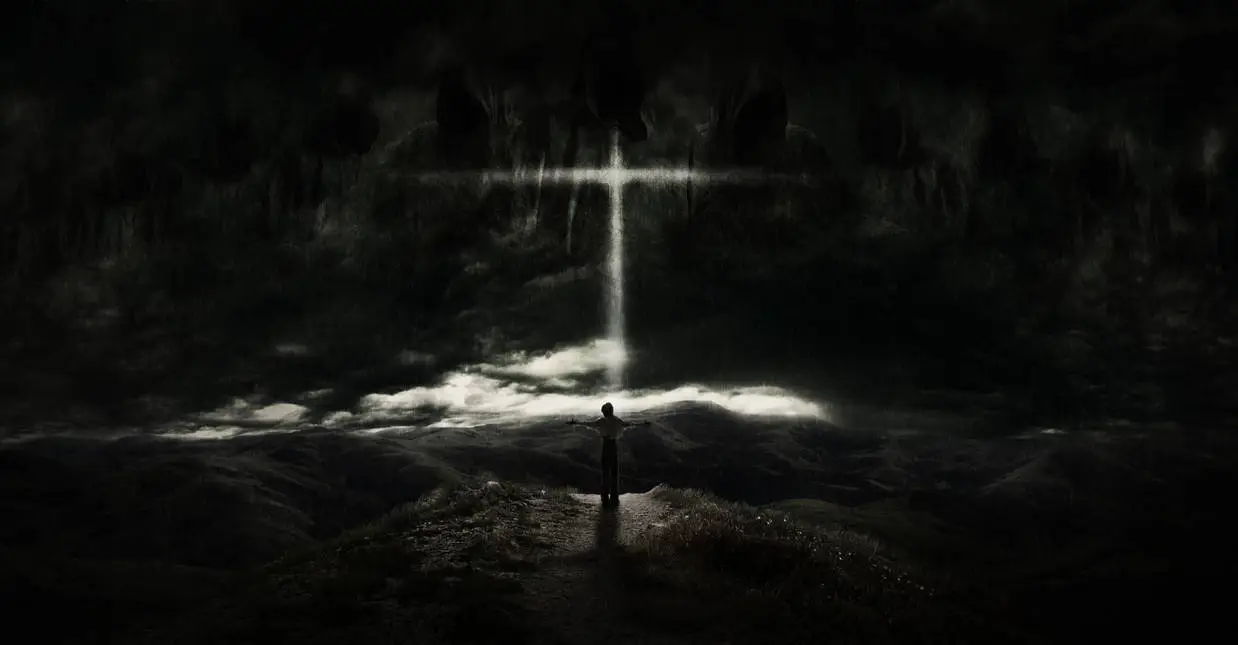
Color choices often carry symbolic meaning in biblical contexts. Light may represent divine presence, while shadow can suggest uncertainty or moral struggle. Warm tones might evoke hope or covenant, while muted palettes can reflect exile or suffering. These choices do not have to be heavy-handed; subtle use of contrast can make scenes feel more emotionally layered.
Color palettes also matter. Warm earth tones may suit pastoral scenes, while sharper contrasts can heighten moments of conflict or divine intervention. A restrained palette can give a comic a timeless quality, while selective bursts of color can emphasize key spiritual moments.
Key takeaway: Color and light choices subtly convey mood and meaning.
Accuracy in clothing, architecture, and environmental settings grounds the story in its historical setting. While artistic interpretation is inevitable, research into ancient Near Eastern cultures can add depth and credibility.
Textures, patterns, and environmental details can quietly convey context without resorting to heavy explanation.
The key takeaway is that maintaining consistency is more important than achieving perfect realism, especially when the art style leans towards expression or stylization.
Character design plays a crucial role in making biblical figures relatable without diminishing their significance.

These individuals are often revered, yet they must also feel human within the narrative. The best designs reveal identity, role, and emotion at a glance.
Biblical stories often involve many characters, sometimes within a limited space. Clear silhouettes, facial structure, clothing variation, and body language help readers quickly recognize characters.
Each character benefits from a consistent visual identity. Design choices should reflect their role within the story. A prophet may appear weathered and grounded, while a king might carry visual weight through posture, fabric, or ornamentation.
Also, it helps to avoid reducing characters to simple symbols. Depth comes from human emotion.
Costume design communicates social position, occupation, and emotional state. Simpler garments may suggest humility or hardship, while layered clothing can indicate authority or wealth.
Strong visual cues allow the reader to understand hierarchy and importance within a scene almost instantly. For instance, a bowed head, rigid stance, or open gesture can reveal inner tension or confidence without a single word.
One of the strengths of comics is the ability to show emotional progression across panels. Biblical narratives often move between powerful emotional states such as doubt, belief, grief, and hope. Capturing these shifts brings the story to life.
Facial expressions should remain clear without becoming exaggerated. Quiet moments often benefit from restraint, while moments of conflict can carry more intensity.
Key takeaway: Subtlety and restraint create a stronger emotional impact.
Careful attention should be given to representation. Simplistic or culturally inaccurate portrayals can distort the narrative. A respectful approach considers diversity within historical contexts, avoiding generalized or modernized assumptions.
Beyond visuals, rhythm shapes the experience of a biblical comic. The balance between text and image determines clarity, engagement, and emotional impact.
Dialogue and Captioning: Scripture often uses formal or poetic language. In comics, this may be adapted for readability while maintaining tone. Dialogue should feel natural within the scene, while captions can help summarise or guide larger narrative sections.
Balance is important. Too much text can overwhelm the page, while too little may create confusion. The goal is to support the visuals, not compete with them.
The Role of Silence: Not every moment requires words. Silence, expressed solely through imagery, can carry profound meaning. It can highlight spiritual or emotional turning points, as seen in biblical storytelling, and allow space for reflection for both the character and the reader.
Key takeaway: Silence in imagery offers depth and fosters contemplation.
Working within biblical narratives carries responsibility beyond artistic execution. These stories hold deep meaning for many communities, and that weight should be acknowledged.
Sensitivity to interpretation, avoidance of distortion, and a commitment to respectful representation all contribute to work that resonates more deeply. Creative freedom remains important, but it becomes most effective when grounded in understanding.
Key takeaway: respect and awareness guide responsible adaptation.
The movement of biblical storytelling into comics is more than a trend; it demonstrates how adapting classic narratives through visual media can open new, vivid access to their meaning. Comics expand biblical engagement, sharpening both the presentation and reception of these timeless stories.
Design, adaptation, and character development form the foundation of this creative space. When approached with care, biblical comics can offer clarity, emotional depth, and a renewed perspective, bridging ancient texts with modern imagination in a meaningful manner.

August 18, 2026 .
DC comics, Lists
To truly measure DC’s heaviest hitters, several factors matter. Here is a ranking of the most powerful DC heroes.
READ MORE

October 28, 2025 .
Lists, Marvel, MCU, Opinions
Let’s go through a list of the top 7 strongest Marvel villains, from the wickedly powerful to the absolutely unstoppable.
READ MORE
May 6, 2026 .
Lists, MCU
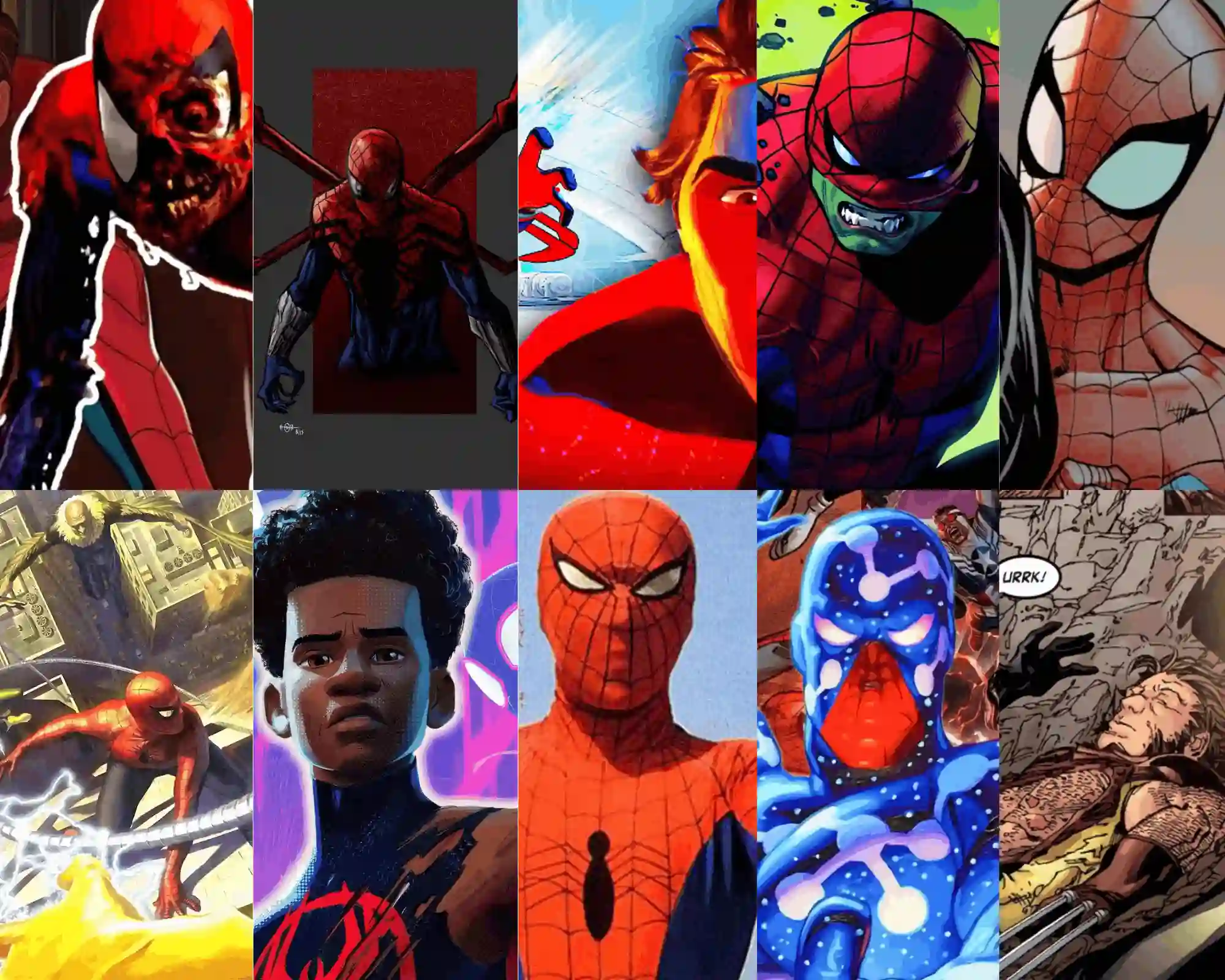
Spider-Man is one of the many superheroes from the Marvel Universe whose stories shaped many childhoods. Who is your strongest Spiderman?
READ MORE
July 20, 2025 .
Animation, Lists
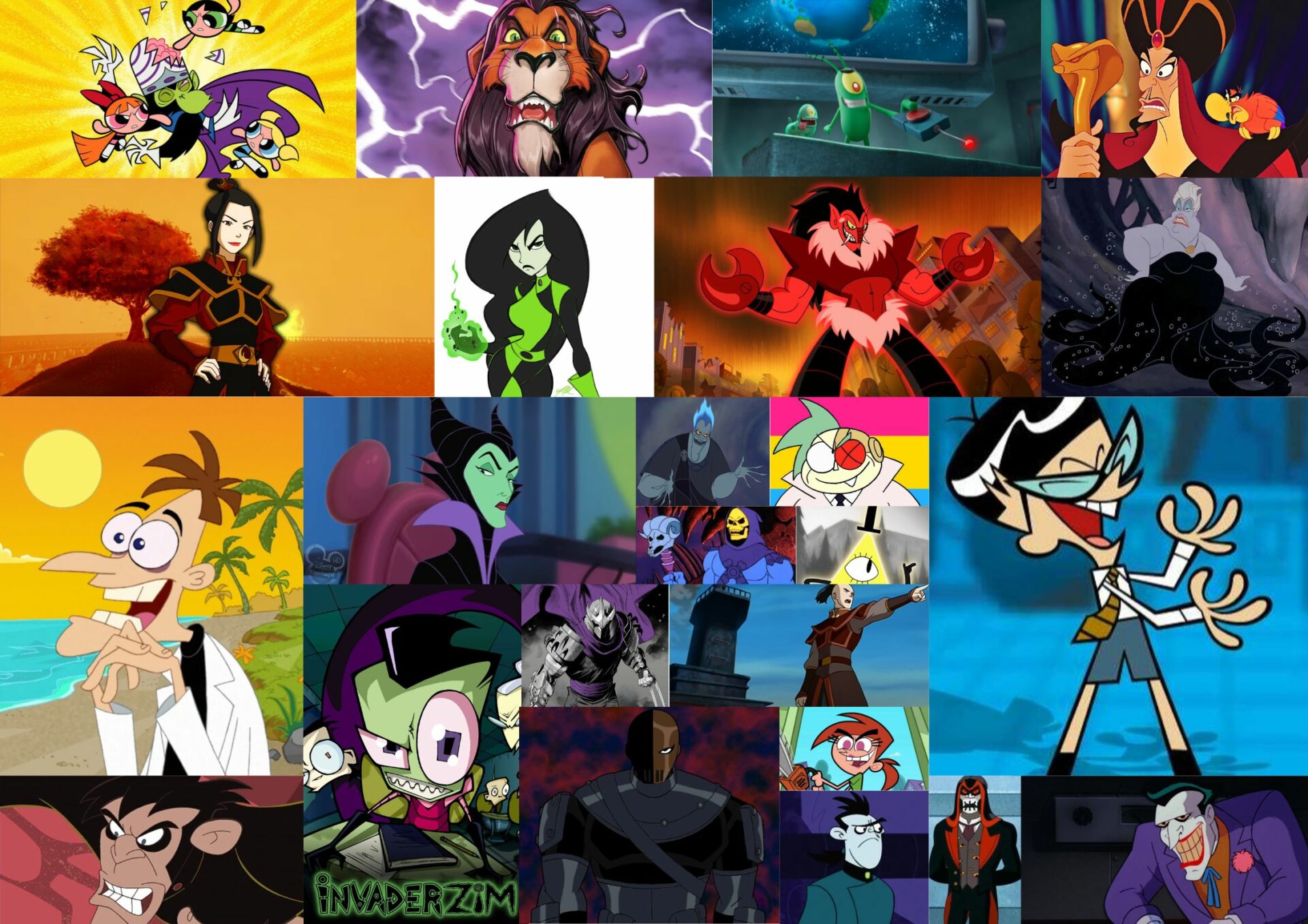
Our list rounds up the top 30 cartoon characters that were villains, each one more wonderfully wicked than the last.
READ MORE
June 25, 2026 .
Lists, Opinions
If Game of Thrones taught us anything, it’s that the characters we hate the most tend to outlive everyone else.
READ MORE
Get our magazine for free!