
















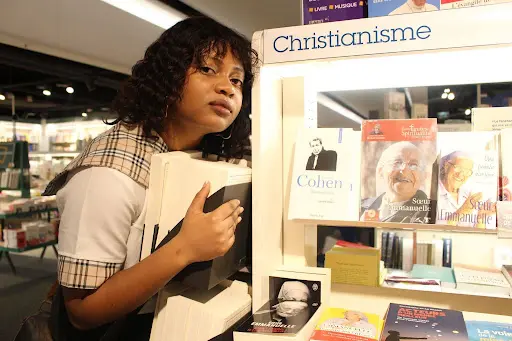








These Christian authors are connected by their intent to explore belief, offering a unique path to authentic faith.
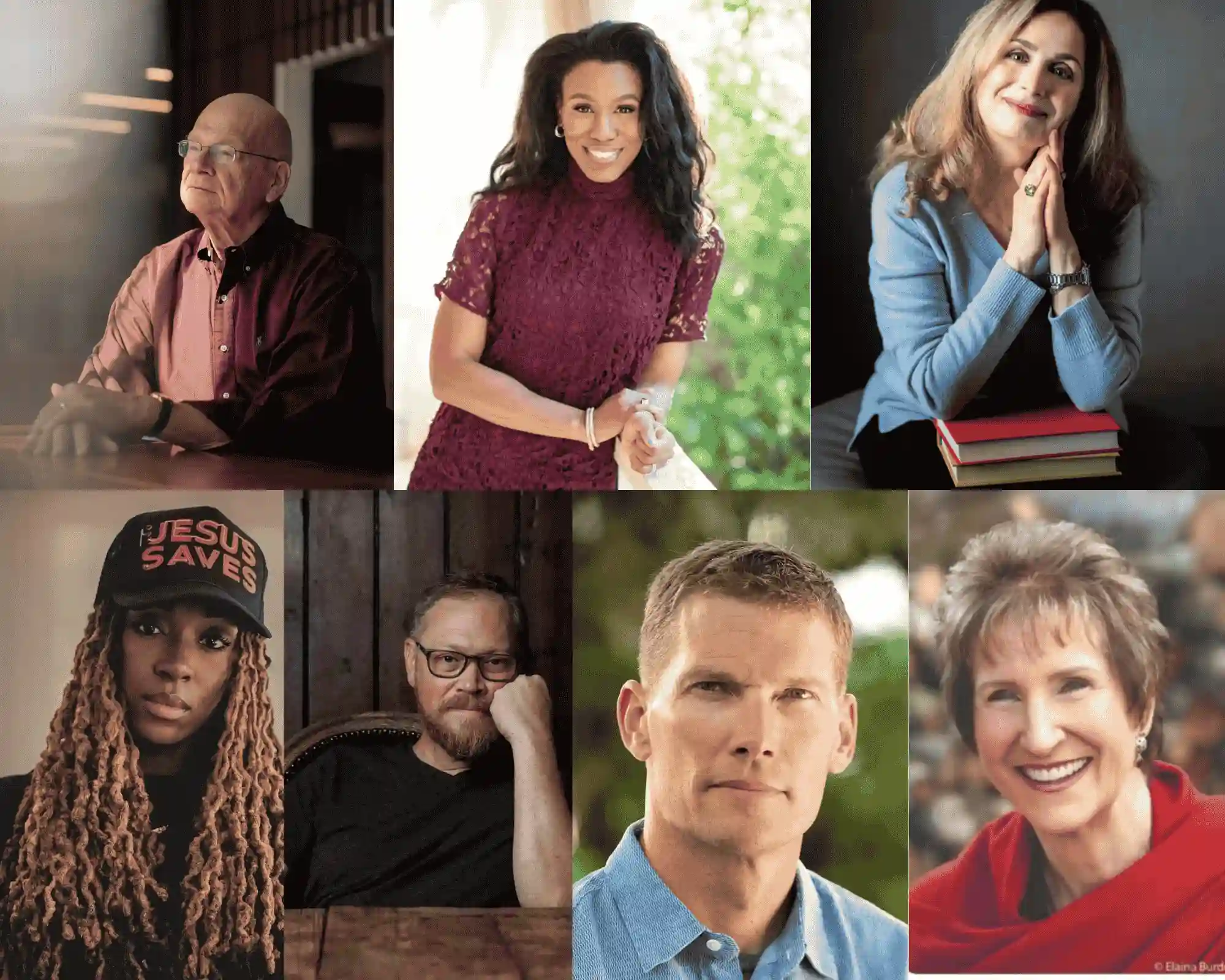
Finding a book that resonates deeply with the soul is a rare gift. It is even more refreshing to realize that such books are not as distant or abstract as they once seemed.
Many Christian authors today write from lived experience, shaped by doubt, growth, and hard-won clarity.
Christian writing is no longer one-dimensional. Across a spectrum of approaches, many writers now share a common goal of making faith practical and relevant. For instance, some lean into storytelling that lingers long after the final page, while others focus on everyday encouragement that meets people where they are.
Additionally, there are those who challenge comfortable beliefs in quiet but lasting ways. Despite their diverse styles, these Christian authors are connected by their intent to explore how belief intersects with work, relationships, identity, and purpose, each offering a unique path to authentic faith.
To explore faith-based writing more intentionally, start with the authors below. Each offers a distinct voice and a unique perspective on faith, making it clear how their beliefs inform their writing.
Jackie Hill Perry has become a formidable voice among Christian authors, largely because she refuses to soften the human experience.
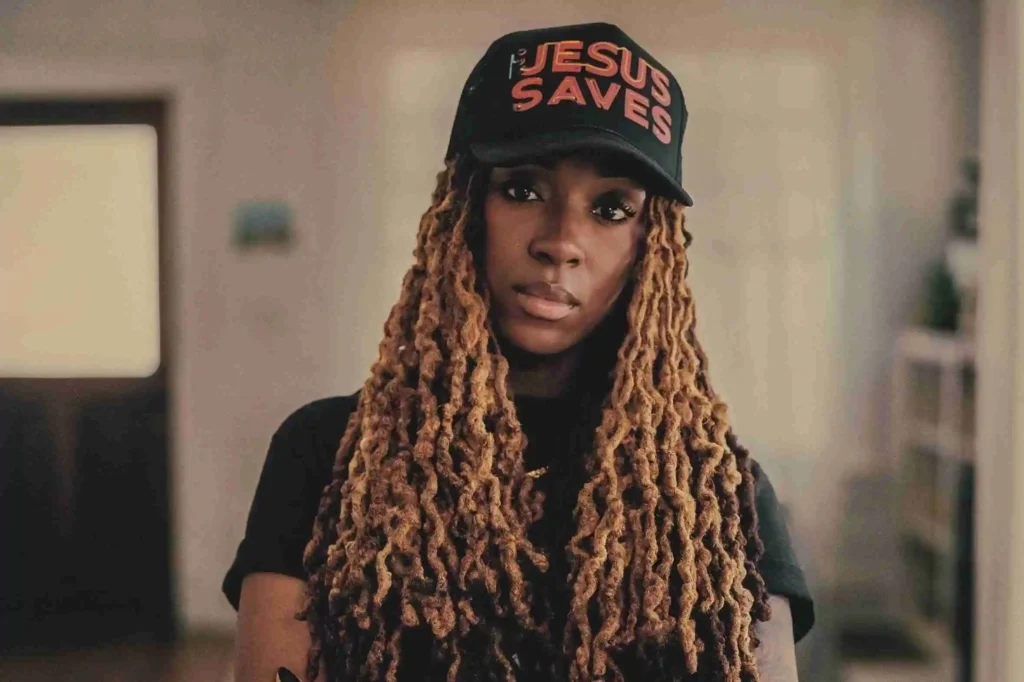
Her writing is both poetic and grounded in truth. She embraces tension, exploring identity, temptation, and the pursuit of holiness with honesty.
What makes her work stand out is her approach to faith. She does not present it as an abstract idea or a distant ideal, but as an active and demanding force that reshapes every part of a person’s life.
Where to begin: Gay Girl, Good God. This memoir serves as the clearest introduction to her voice. It offers a raw account of her journey, but it does more than recount events. It reveals how understanding God’s character can reshape personal struggles. Rather than focusing on rules, it centers on transformation and deeper affection.
In the world of fiction, Charles Martin stands out for his ability to write what could be described as “tough grace.”
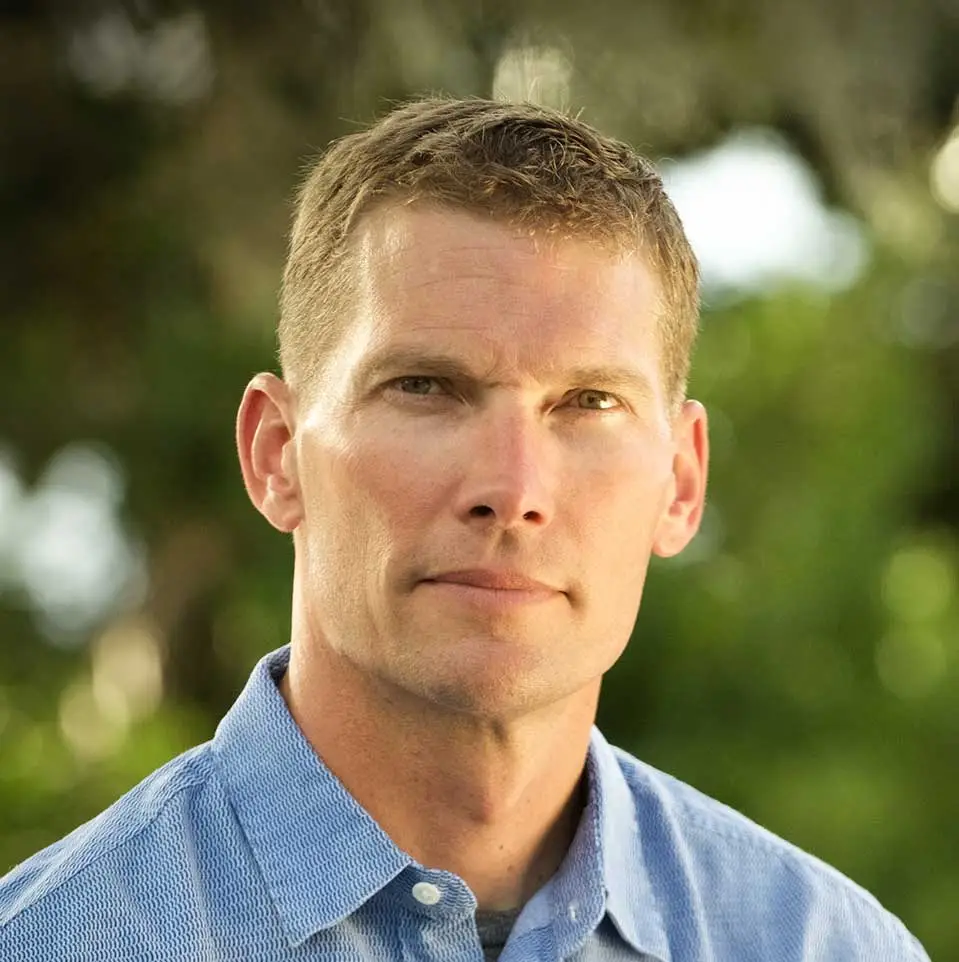
Martin’s strength lies in how he weaves moments of hope into difficult realities. His characters are often worn down by life, carrying pain, regret, and complicated histories.
Where to begin: Long Way Gone. This novel reimagines the Prodigal Son story in a modern setting. It moves through themes of rebellion, loss, and reconciliation. Set against the backdrop of music and wide landscapes, it offers both emotional depth and narrative pull. It is a strong introduction to his style.
Tessa Afshar bridges the gap between ancient and modern by bringing historical settings to life in a way that feels familiar and immediate.

Her Biblical fiction explores well-known stories from new perspectives, making them relatable.
She often takes lesser-known figures or brief scriptural moments and builds them into fully realized narratives. In doing so, she gives emotional depth to experiences that might otherwise feel brief or overlooked.
Where to begin: Land of Silence. Inspired by the story of the woman with the issue of blood, this novel imagines the years leading up to that moment. It explores isolation, endurance, and quiet faith. The story moves slowly but with purpose, showing how hope can persist even in long seasons of silence.
Though late, Timothy Keller remains an essential author for anyone navigating the intersection of faith and modern culture.

Keller was known for his intellectual rigor, but he never stayed in the ivory tower. His writing is consistently aimed at the “everyman,” providing logical, compassionate, and deeply practical ways to apply the gospel to work, relationships, and justice.
Where to begin: The Reason for God. In an age of skepticism, this book is a landmark. It addresses the most common objections to Christianity with intellectual honesty and a gentle spirit, serving as a bridge for hopeful believers limited by “logic”.
No list of influential Christian writers is complete without Francine Rivers. She has spent decades defining the genre, proving that faith-based stories can be just as gripping and well-crafted as any secular bestseller.
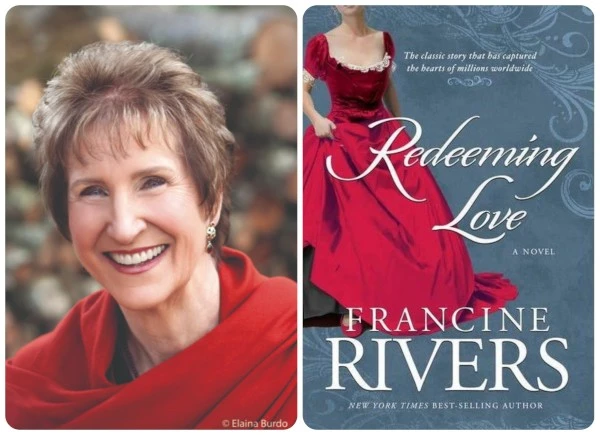
Her work often centers on the concept of “unmerited favor,” showing how grace disrupts lives in the best possible way.
Where to begin: Redeeming Love. While she has written many great works, this retelling of the Book of Hosea, set during the California Gold Rush, is a classic for a reason. It is a powerful, sometimes difficult, look at the persistence of love in the face of deep-seated shame.
Andrew Peterson is a rare talent who excels in both the fantasy genre and non-fiction.

As a songwriter and author, he focuses on how beauty, art, and story serve as signposts to something eternal. His work is particularly resonant with those who feel the world is broken yet still believe in the possibility of “making it whole.”
Where to begin: The Wingfeather Saga (For Fiction) or Adorning the Dark (For Non-Fiction). For those who love epic tales in the vein of C.S. Lewis, On the Edge of the Dark Sea of Darkness (the first Wingfeather book) is a joy. However, for a more personal look at the struggle and vocation of being a person of faith in a creative world, Adorning the Dark is an incredibly practical and encouraging read.
Priscilla Shirer writes with the authority of someone who spends a great deal of time in the trenches of prayer and study.
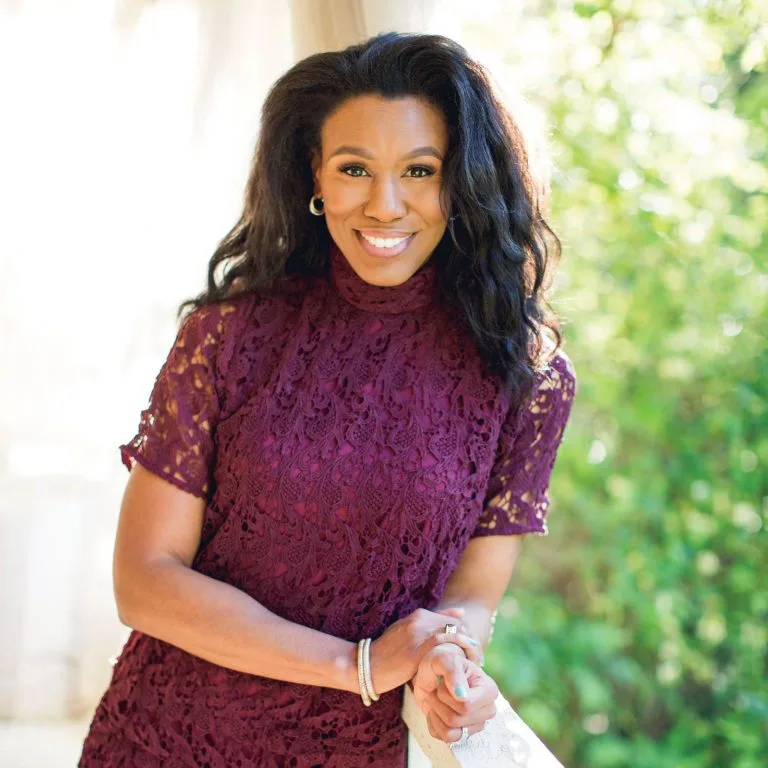
Her work is almost entirely focused on “equipping” the tools necessary to navigate spiritual warfare and daily trials. She is a favorite for those who want their reading material to double as a manual for living.
Where to begin: Fervent. This book is a highly practical look at prayer. Rather than treating prayer as a vague ritual, Shirer frames it as a strategic strike against the things that hold a person back. It is organized into specific “areas of attack,” making it a very accessible and actionable resource for anyone looking to invigorate their inner life.
Selecting the Christian book to read often depends on the current season of life. If the need is for an escape that still points toward the truth, the fiction of Christian authors like Charles Martin or Tessa Afshar provides a sanctuary. If the goal is to dismantle intellectual barriers or find a way to integrate beliefs with a career, Christian authors like Timothy Keller remain a primary guide.
The common thread among these seven authors is their commitment to reality. They do not present a version of faith that is easy or devoid of pain. Instead, they offer a perspective where faith is the very thing that makes the pain bearable and the joy more profound.

July 20, 2025 .
Animation, Lists
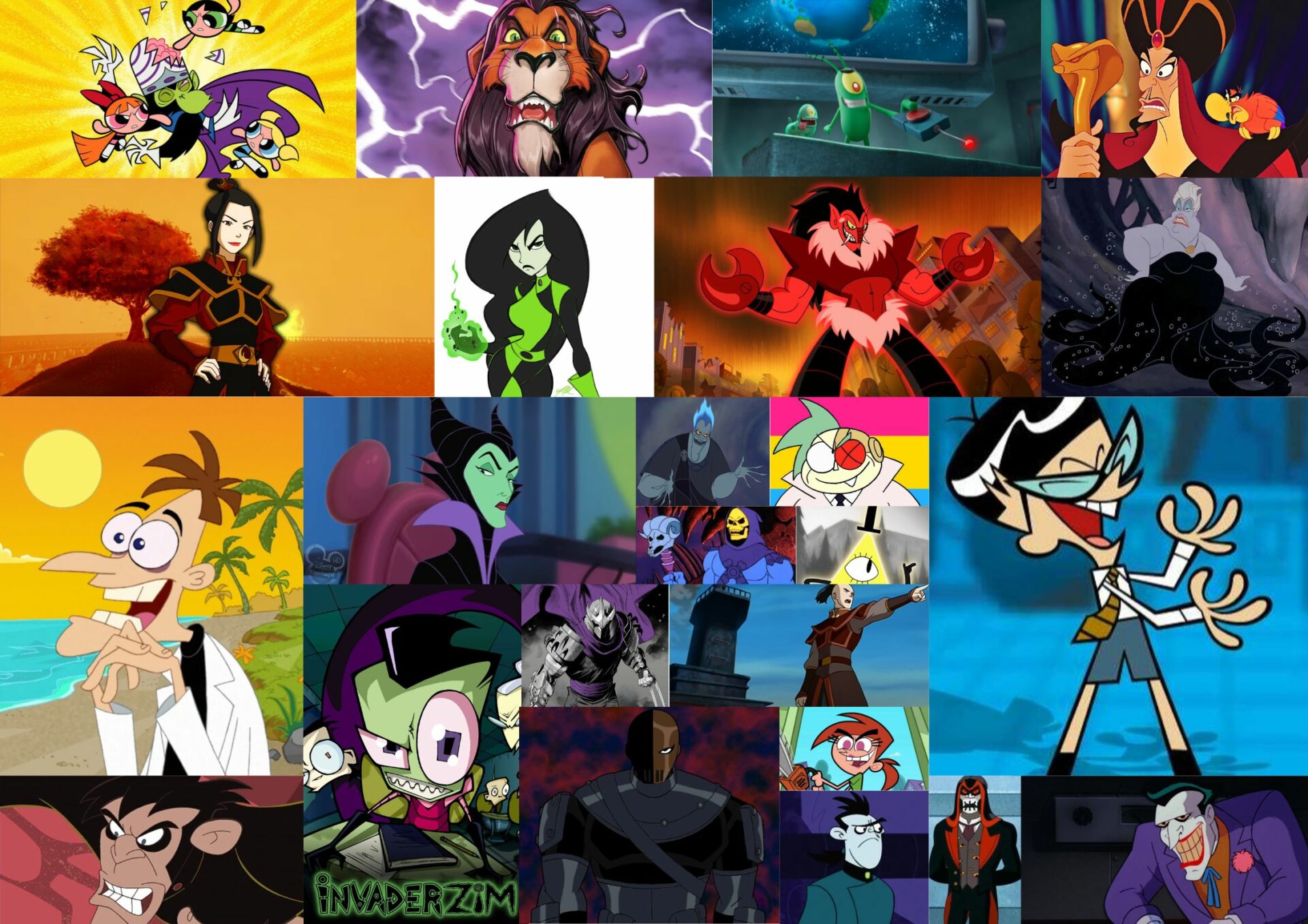
Our list rounds up the top 30 cartoon characters that were villains, each one more wonderfully wicked than the last.
READ MORE
May 6, 2026 .
Lists, MCU
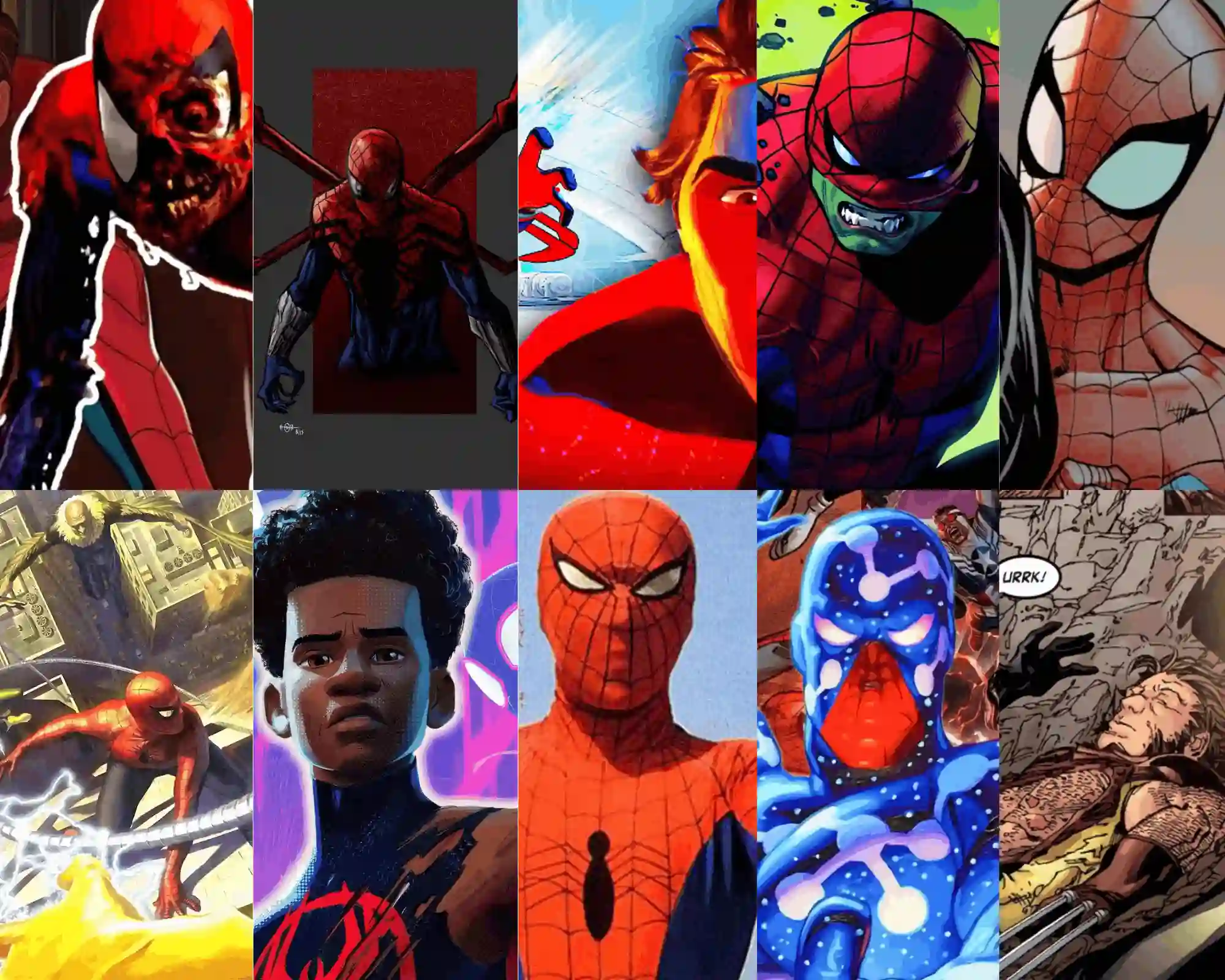
Spider-Man is one of the many superheroes from the Marvel Universe whose stories shaped many childhoods. Who is your strongest Spiderman?
READ MORE
April 29, 2026 .
Lists, Opinions
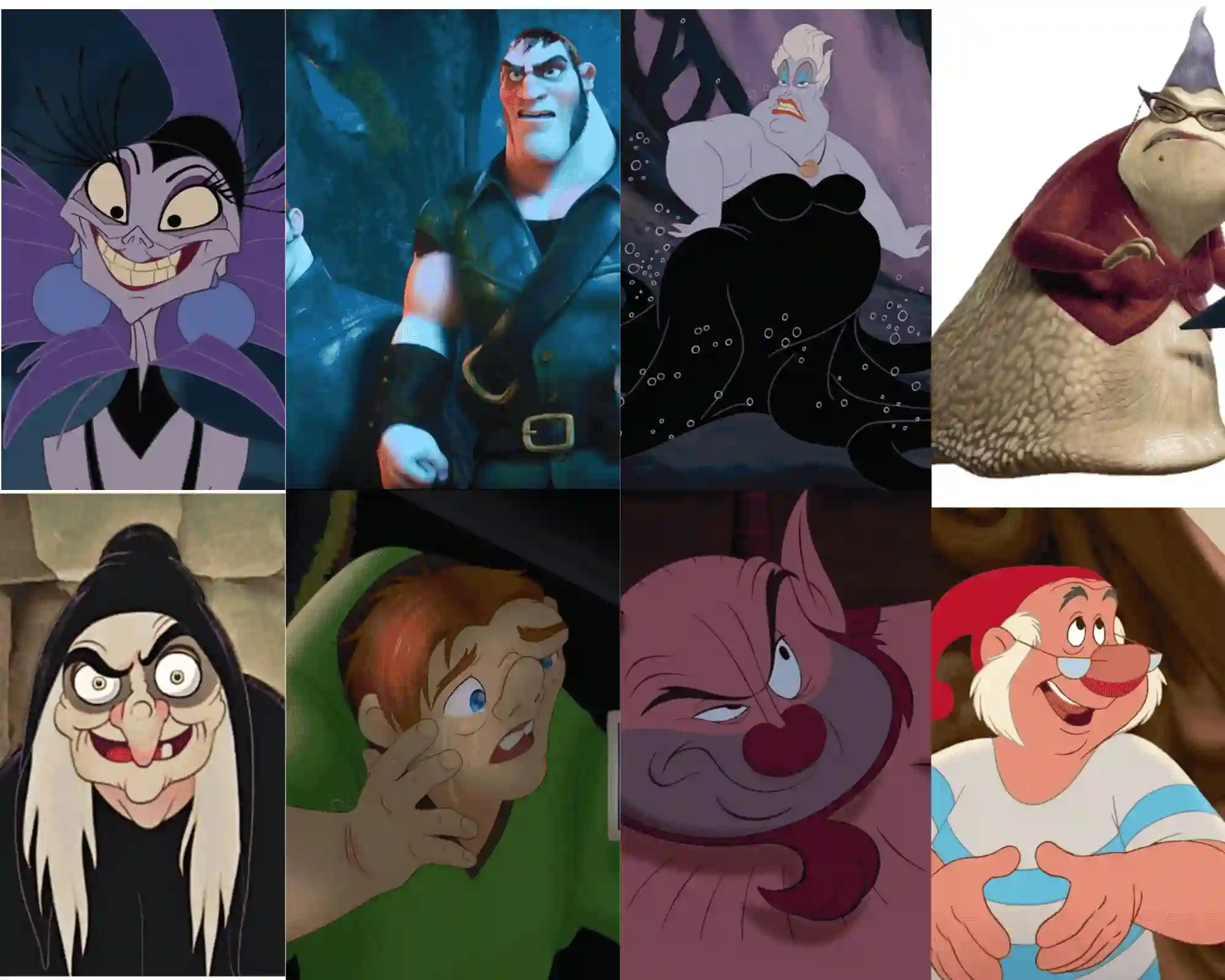
The Mouse is famous for its princesses and princes. However, the studio’s true genius lies in its embrace of “ugly Disney characters”.
READ MORE
October 28, 2025 .
Debates, Lists, Marvel, MCU
Every Marvel hero brings something to the table. But if we had to pick the top 8 most popular Marvel superheroes, who would make the cut?
READ MORE
October 28, 2025 .
Lists, Marvel, MCU, Opinions
Let’s go through a list of the top 7 strongest Marvel villains, from the wickedly powerful to the absolutely unstoppable.
READ MORE

September 30, 2026 .
Lists, TV Shows, Upcoming Movies
October isn’t celebrated as the official horror movie month for nothing, and some of these entries prove it.
READ MORE
September 9, 2026 .
Lists, TV Shows, Upcoming Movies
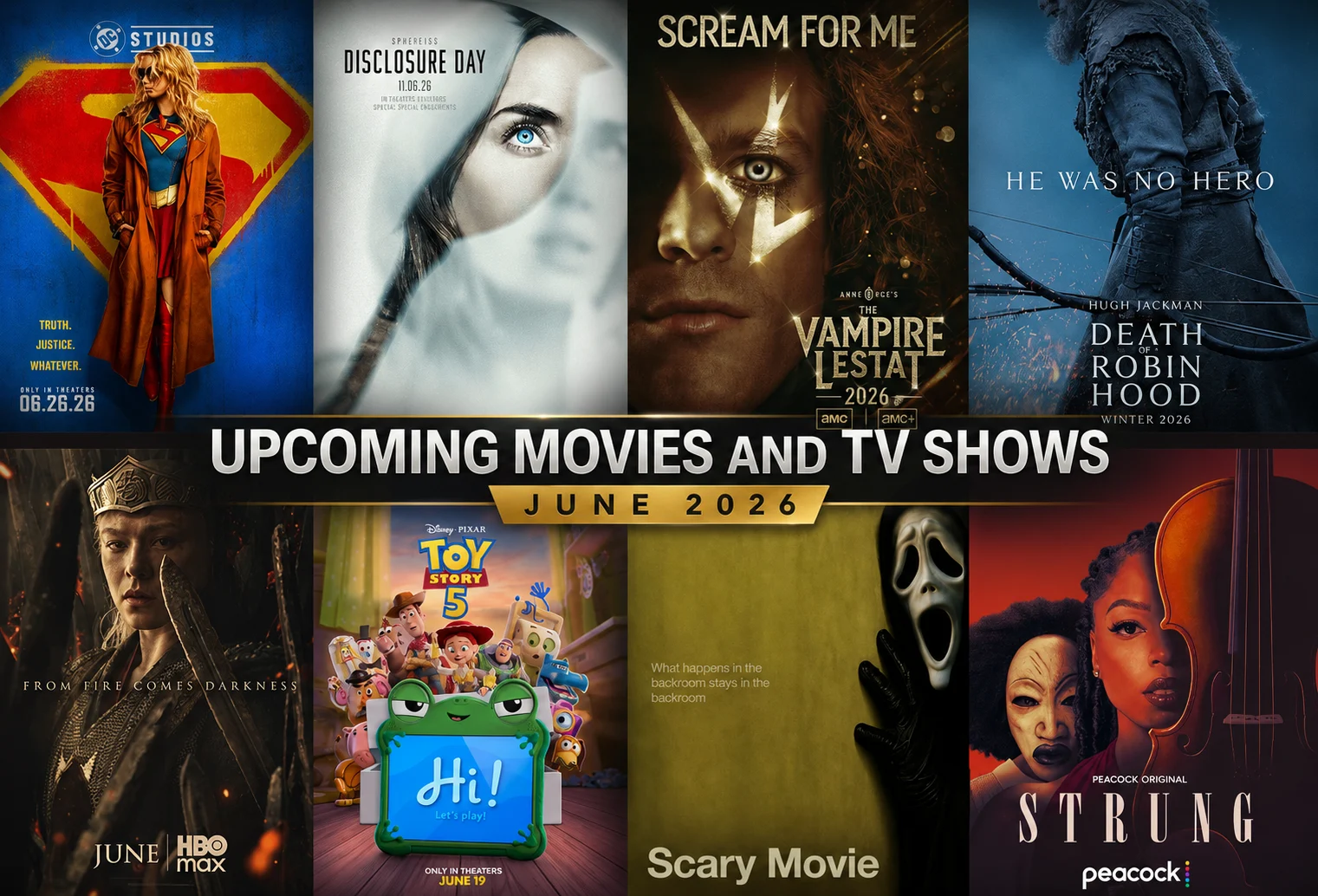
There’s something for everyone from every genre you love.
READ MORE
September 9, 2026 .
Lists, TV Shows, Upcoming Movies
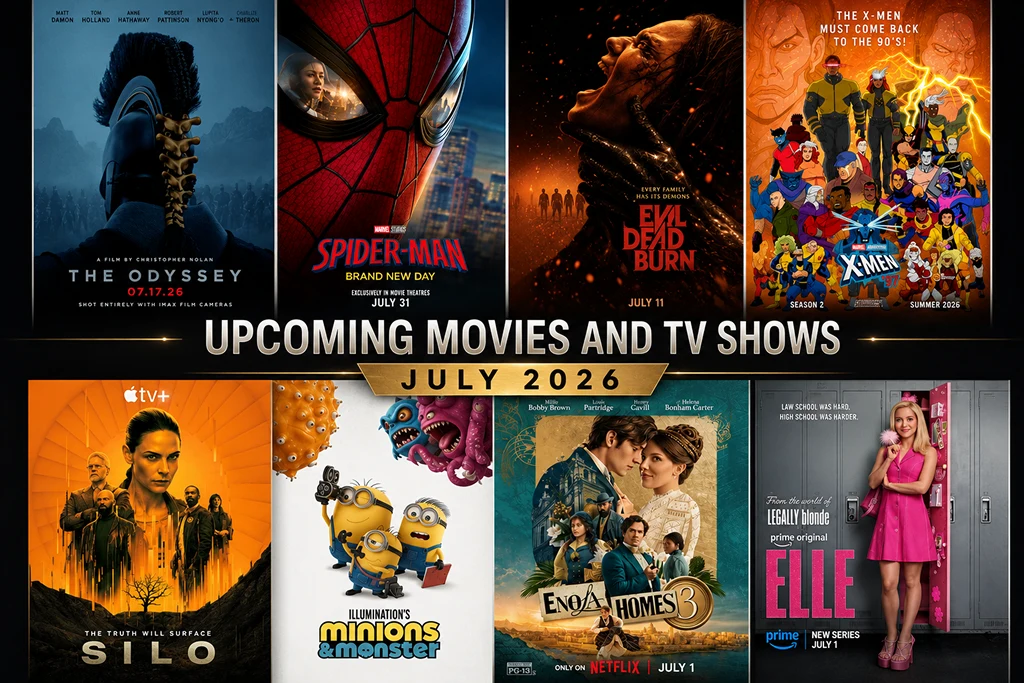
July gears up with the hottest lineups of upcoming movies and TV shows.
READ MORE
September 9, 2026 .
Lists, TV Shows, Upcoming Movies
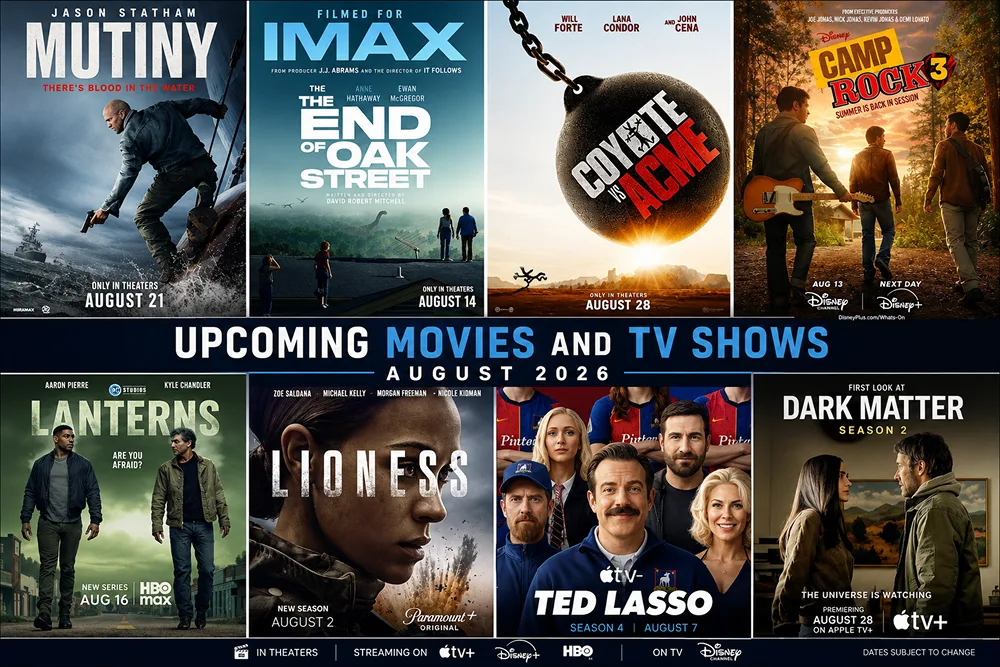
August line-up is here and they don’t disappoint.
READ MORE
April 29, 2026 .
Lists, Opinions
The Mouse is famous for its princesses and princes. However, the studio’s true genius lies in its embrace of “ugly Disney characters”.
READ MORE
September 9, 2026 .
Lists, Upcoming Movies
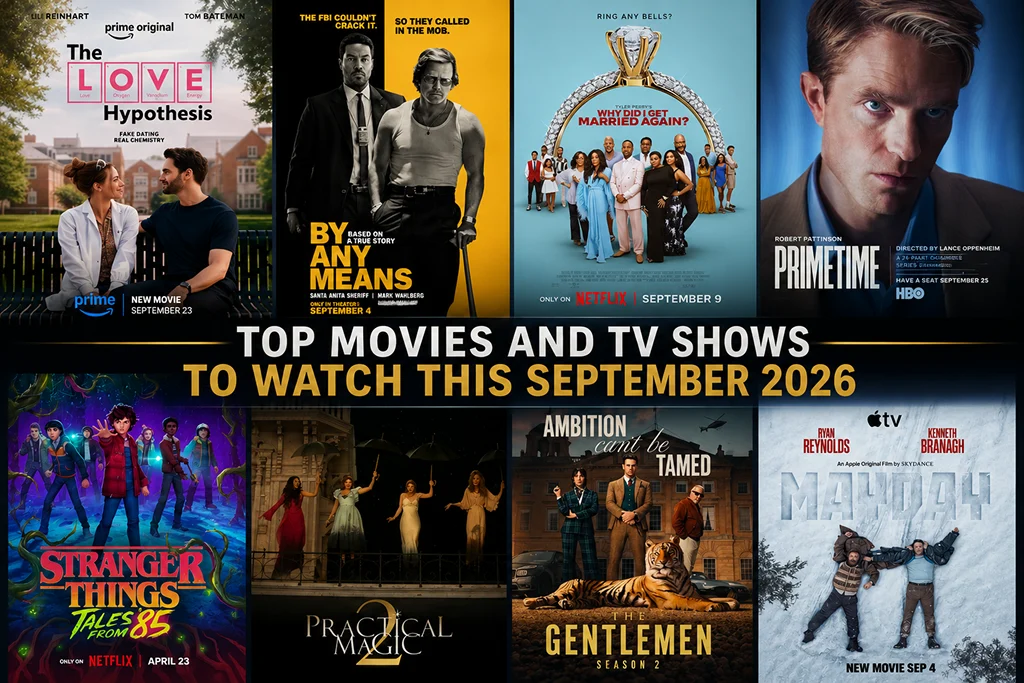
September’s lineup offers everything from action flicks to buddy comedy to romcom adaptations to keep you entertained all month long.
READ MORE
February 9, 2026 .
Lists
From Masobe to Narrative Landscape and Penguin Random House South Africa, here are the top 9 publishers of African Literature.
READ MORE

July 20, 2025 .
Lists
From Gardens of the Moon, it’s clear that the world of Malazan is richer in history and geographic detail, and than any other fantasy world.
READ MORE
February 23, 2026 .
African Literature, Lists
These are the books that could hold that kind of attention again. Not because they’re flawless, but because they can survive stillness.
READ MORE
Get our magazine for free!