Close menu
Ranking the best of African Literature






































Many of us grew up with movies on Greek myths. Greek mythology is a playground for modern storytelling and for good reason.

Many of us grew up with movies on Greek myths. Greek mythology is a playground for modern storytelling and for good reason.
With all the creativity, the question arises: Do these live-action or animated movies honor the source materials? Or do creators stretch creative liberties?
However, in recent times, there has been a shift toward creating more heroes and villains.
Hollywood craves wholesome heroes with clear morals, marketable charm, and spotless records. In contrast, the original Greek heroes were complex, violent, and deeply flawed.
When filmmakers adapt ancient mythology, they face a dilemma: myths are rarely PG-rated. So, they often sanitize these figures, turning tragic, complicated characters into generic action stars. This “clean-up” is especially noticeable in Disney’s 1997 Hercules.
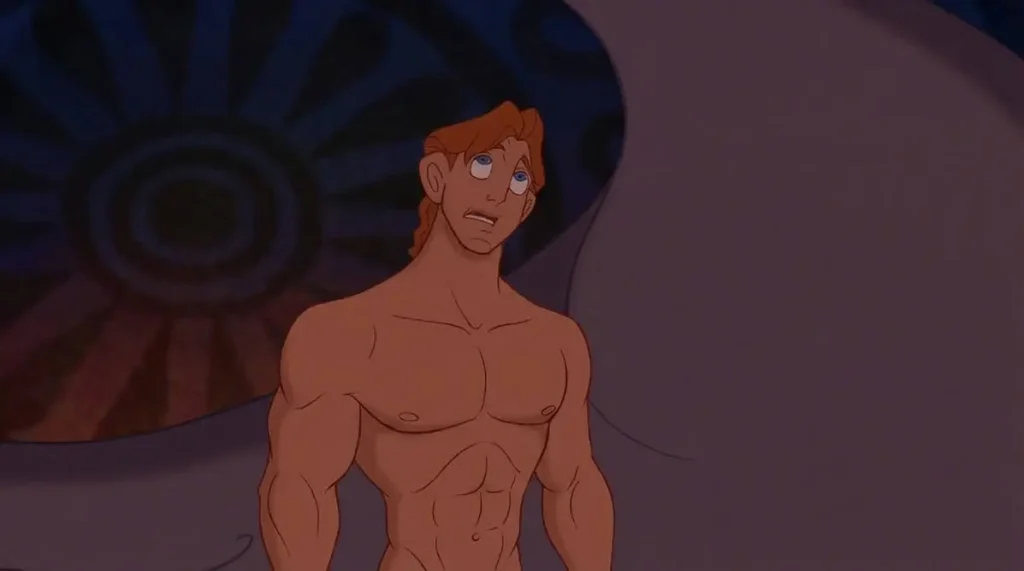
The film presents a charming farm boy with a heart of gold who fights monsters to reunite with his loving parents. This story diverges sharply from the source. In Euripides’ Heracles, the demigod is driven to madness by Hera and murders his wife Megara and their children. The Twelve Labors, far from being a lighthearted quest, were a brutal penance for a horrific crime.
The modern film industry is obsessed with introducing a “bad guy,” and more often than not, it turns to the underworld (Hades).
Hades is constantly dragged from his quiet, subterranean domain to act as the fiery, demonic opposite of Zeus.
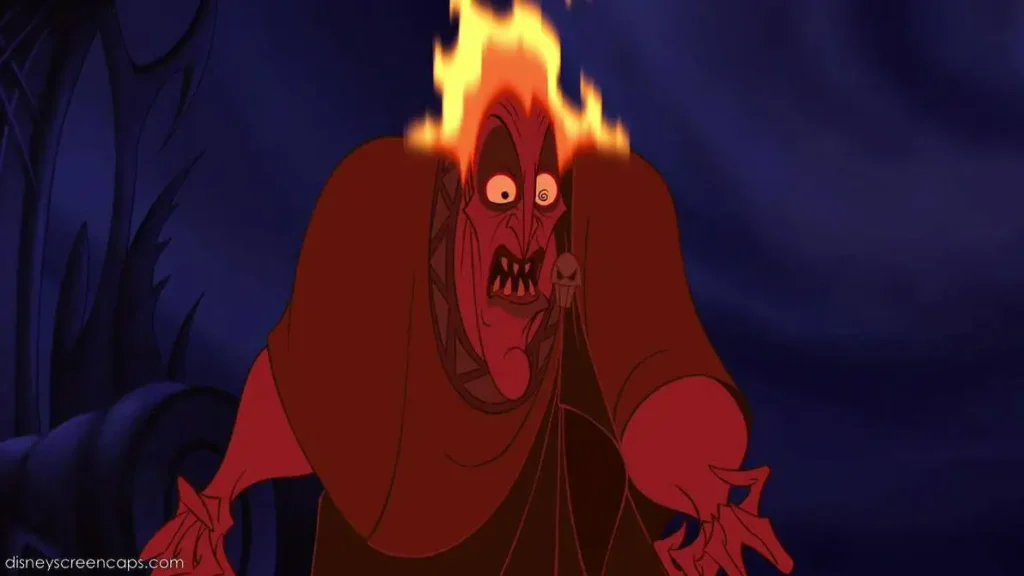
In movies on Greek myths like Disney’s Hercules (1997), Hades is a scheming, hot-tempered villain, a cartoonish threat obsessed with overthrowing Olympus.
According to original Greek texts, Hades was a quiet bureaucrat. He ran the underworld with strict rules, shunning the chaotic drama of the upper world.
Based on mythology, Zeus and Poseidon fit the bill of the actual villains. Poseidon regularly sent monsters to wreck entire cities because of offenses, while Zeus was an unruly king with an uncontrollable appetite for mortal women.
Teen-focused adaptations take a different approach to the lore. For example, the Percy Jackson series sets the ancient gods in modern American cities. Mount Olympus sits above the Empire State Building, while the Lotus Casino in Las Vegas traps the heroes in a timeless trance.
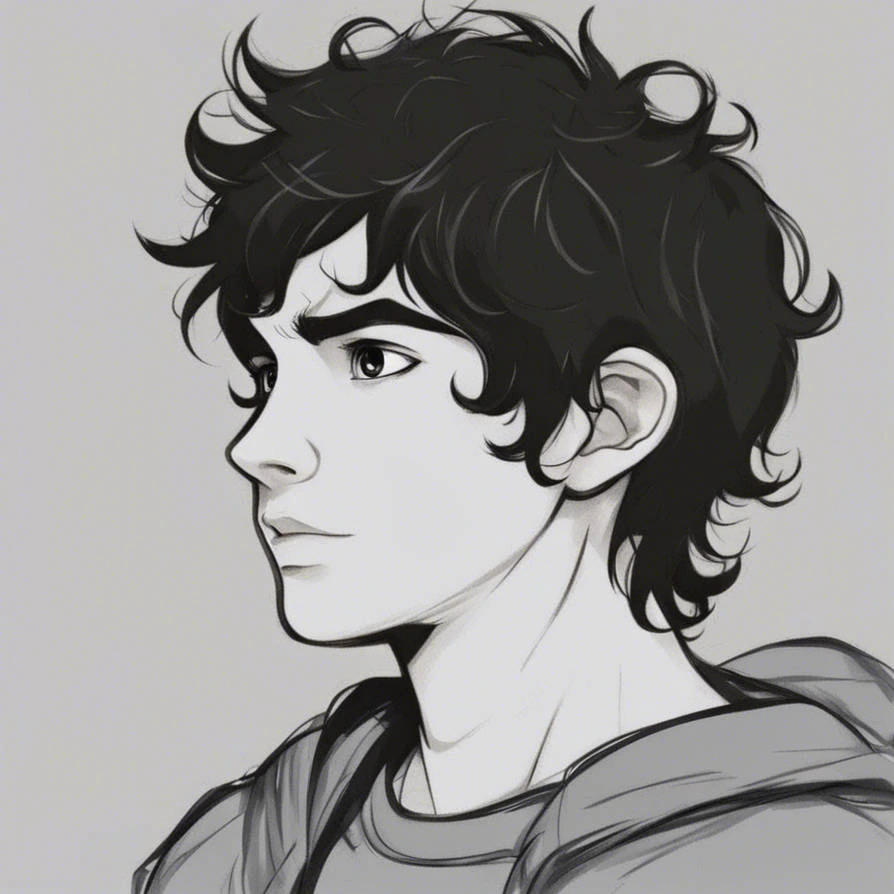
Interestingly, Percy Jackson and the Lightning Thief (2010) also adopts the sanitization of popular figures. Poseidon, known in myth for being destructive when provoked, is presented as a loving father who had to cut off contact with his son because of the patheon’s law.
This blend of mundane reality and divine power creates a playful atmosphere. The creators of the show take immense liberties with the source material to create relatable situations for young adults.
On the other hand, some filmmakers attempt to ground these fantastical stories in historical realism.
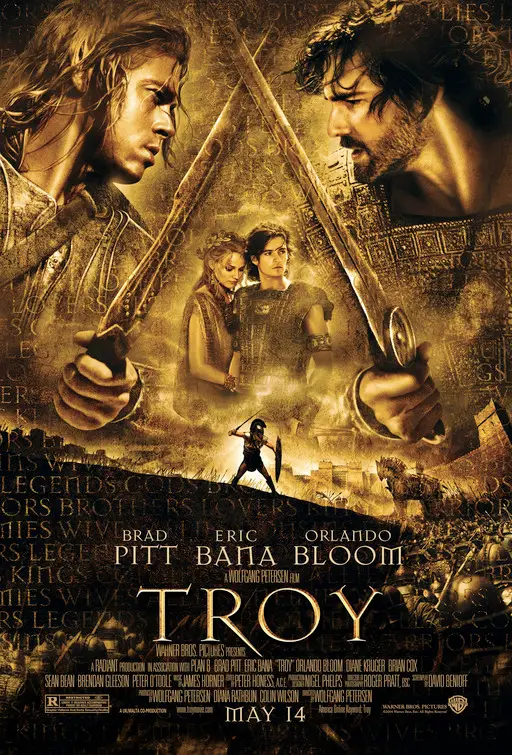
In one of the groundbreaking movies on Greek myths, Troy, the director removes the gods from the narrative.
Instead, the characters speak of Apollo and Athena, who remain unseen, and Achilles and Hector fight a secular war. The absence of divine intervention alters the meaning of heroism.
According to Greek folklore, a hero achieves glory by aligning with the gods’ will. In the film, Achilles seeks a secular kind of immortality. He desires his name carved into history books. This shift reflects a humanistic philosophy and ignores the piety of the ancient soldiers that the ancient Greeks would consider a sacrilege.
Apart from gods becoming mere centerpieces, the ancient creatures also provide perfect material for visual effects artists.
The Minotaur, the Kraken, and Medusa become enormous set pieces that the heroes must defeat before the plot can progress. The original myths imbued these monsters with deep, tragic elements, like Medusa.
The snake-haired woman was a mortal woman cursed by a goddess out of spite. Movies ignore this sorrowful background and lean towards the evil monster Perseus faces, shifting from emotional resonance to entertainment.
Ancient Greeks did not view marriage through the lens of sweeping emotional vows; they viewed it through a pragmatic, almost cold, lens of inheritance, property, and political alliance.
Courtship and love matches were often viewed as dangerous, chaotic forces that led to tragedy. Yet modern audiences demand fairy tales, and filmmakers consistently scrub the transactional nature of Greek mythology by inserting grand romances into stories originally devoid of affection.
The story of Perseus and Andromeda provides a pristine example of this revisionism. In the “original” Ovidian text, Perseus doesn’t save Andromeda because of a budding attraction; he spots a beautiful woman chained to a rock and instantly views her as a political trophy to complement his heroic brand. The marriage is a reward for his bravery, a rescue that secures her kingdom, not a love story.
However, modern movies like The Clash of the Titans (2010) reframe this scene completely, adding lingering glances, romantic tension, and a forged emotional bond long before the final battle.
Critics often lament when a film strays from the “original” Greek text. But here is the secret the poets knew: Greek mythology was not a legally binding document. It was a living, breathing oral tradition with diverse poets singing different versions of the same tale.
The source materials are confusing webs of contradictions. Therefore, adapting a myth requires the touch of a sculptor, not a photocopier. A screenwriter must chip away the endless genealogies, abrupt detours, and “deus ex machina” endings that characterize ancient tales, revealing a coherent narrative underneath.
The best adaptations do not copy the ancient myths; they maintain the core themes of hubris, divine wrath, and humanity grappling with impossible, cruel forces.
The goal is to present flawed characters making terrible choices, think of Medea’s chilling revenge or Odysseus’s devastating pride, rather than painting them as heroes. The details of a specific myth must be malleable. A creator can change the color of a monster, turn a winged horse into a mortal stallion, or move a battle from one island to another.
These superficial changes avoid damaging the core story. The problem arises when the filmmaker removes the fundamental tragedy of the Greek worldview in favor of a “happily ever after” or a redemption arc.
The cinema has created its own modern Olympus, rewriting the old myths to fit a 90-minute narrative. We have learned to accept that the Hollywood Hercules is a gentle giant, and the Disney Hades is a fast-talking, comedic villain rather than the somber ruler of the dead.
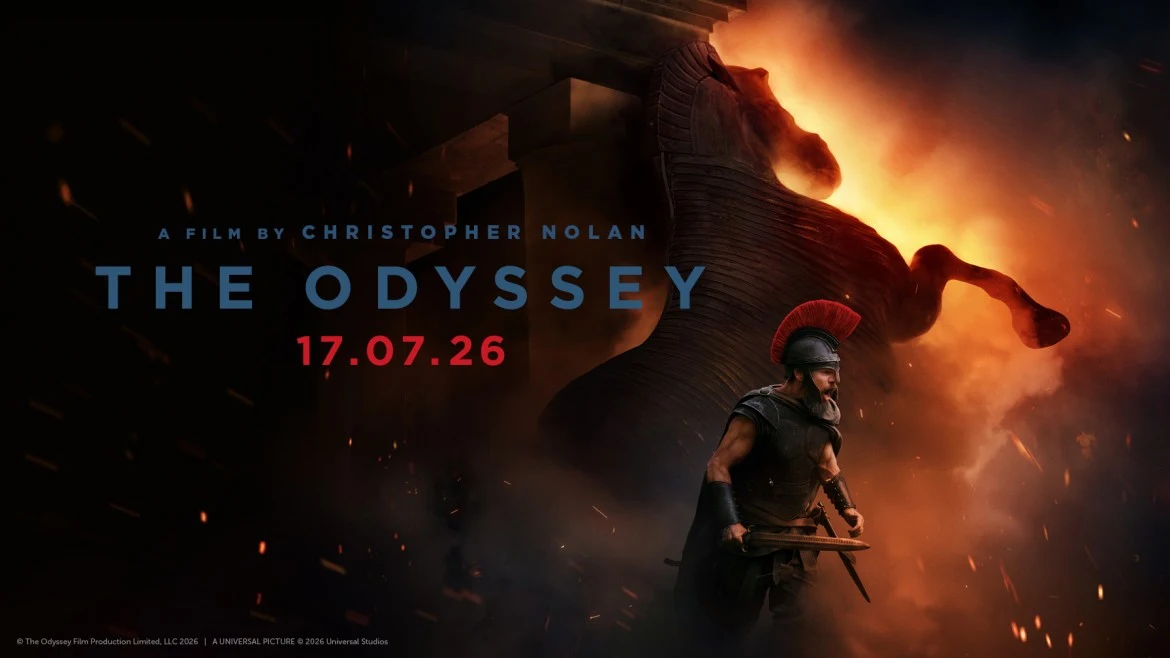
These films strip away the complex, often disturbing morality of the ancient texts and replace it with fast-paced spectacle. Even if the movies offer a different interpretation, the spark they ignite leads many viewers to original sources such as Homer’s Odyssey or Margaret Atwood’s The Penelopiad.
One constant, however, among both critics and supporters of movies on Greek myths is that the lore from thousands of years ago remains valid.

Godsgift Isaiah is a music and book whore who enjoys everything about art.
Best Films About Unexpected Age Gap Romance
Literary Awards and the Racism Card: A Wake-Up Call for Black Africa
Interview with the Vampire Relationships, Ranked
10 Top Recent Films for Action and Comedy Fans
Comma Rules Every Writer Should Know
10 Most Hype-worthy 2026 Book Releases (African Literature Version)
Five Gambling Films That Know the Bet Is Only Half the Story
Movies Where Poker Reveals Who a Character Really Is
Ranking the Top 20 Nigerian Romance Novels since 2020
In Defense of Reading and Gaming
8 Third-Person Omniscient Examples for the Plot
A Trade of Blood (Ana and Din Mysteries #3) by Robert Jackson Bennett
July 20, 2025 .
Animation, Lists
Our list rounds up the top 30 cartoon characters that were villains, each one more wonderfully wicked than the last.
READ MORE
October 28, 2025 .
Lists, Marvel, MCU, Opinions
Let’s go through a list of the top 7 strongest Marvel villains, from the wickedly powerful to the absolutely unstoppable.
READ MORE
April 29, 2026 .
Lists, Opinions
The Mouse is famous for its princesses and princes. However, the studio’s true genius lies in its embrace of “ugly Disney characters”.
READ MORE
November 27, 2025 .
Lists, Mythology
While this isn’t an exhaustive list, it comprises some of the most popular mythical creatures from around the world.
READ MORE
May 6, 2026 .
Lists, MCU
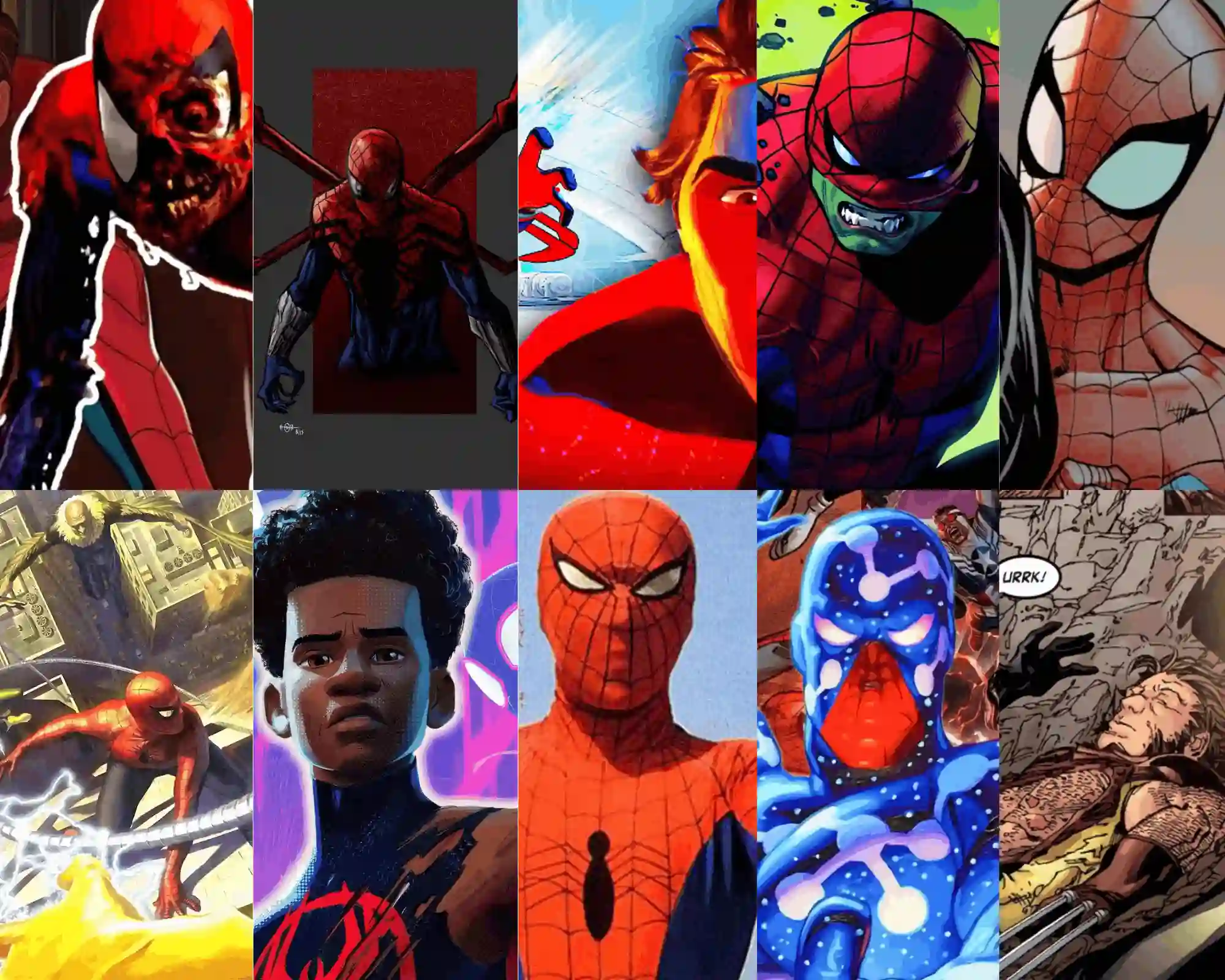
Spider-Man is one of the many superheroes from the Marvel Universe whose stories shaped many childhoods. Who is your strongest Spiderman?
READ MORE

July 20, 2025 .
Opinions
Book recommendations from random places don’t always cut it, and you often end up feeling unsatisfied with them.
READ MORE

July 20, 2025 .
Essays, Opinions
READ MORE

July 20, 2025 .
Essays, Opinions
READ MORE

September 11, 2026 .
Opinions
Book reviews aren’t just a jumble of words on how a book made you feel but also a veritable document that you can quickly refer to when your memories temporarily fail you.
READ MORE

July 20, 2025 .
Opinions
Reading hundreds of pages for a single book can be like facing Smaug, Chiefest of Calamities, but a short story is a small dragon that you can easily conquer.
READ MORE

July 20, 2025 .
Debates, Opinions
Reading nonfiction about what interests you can provide more color and context that might make your fiction reading experience more enjoyable.
READ MORE
September 12, 2025 .
Opinions
In a fast-paced world, reading asks us to slow down, surrender, and sit with another person’s words long enough for them to settle inside us.
READ MORE

November 24, 2025 .
Debates, Opinions
Reading is active while watching movies is passive. The act of turning pages creates a pause that enhances understanding.
READ MORE
July 26, 2025 .
Fantasy, Opinions
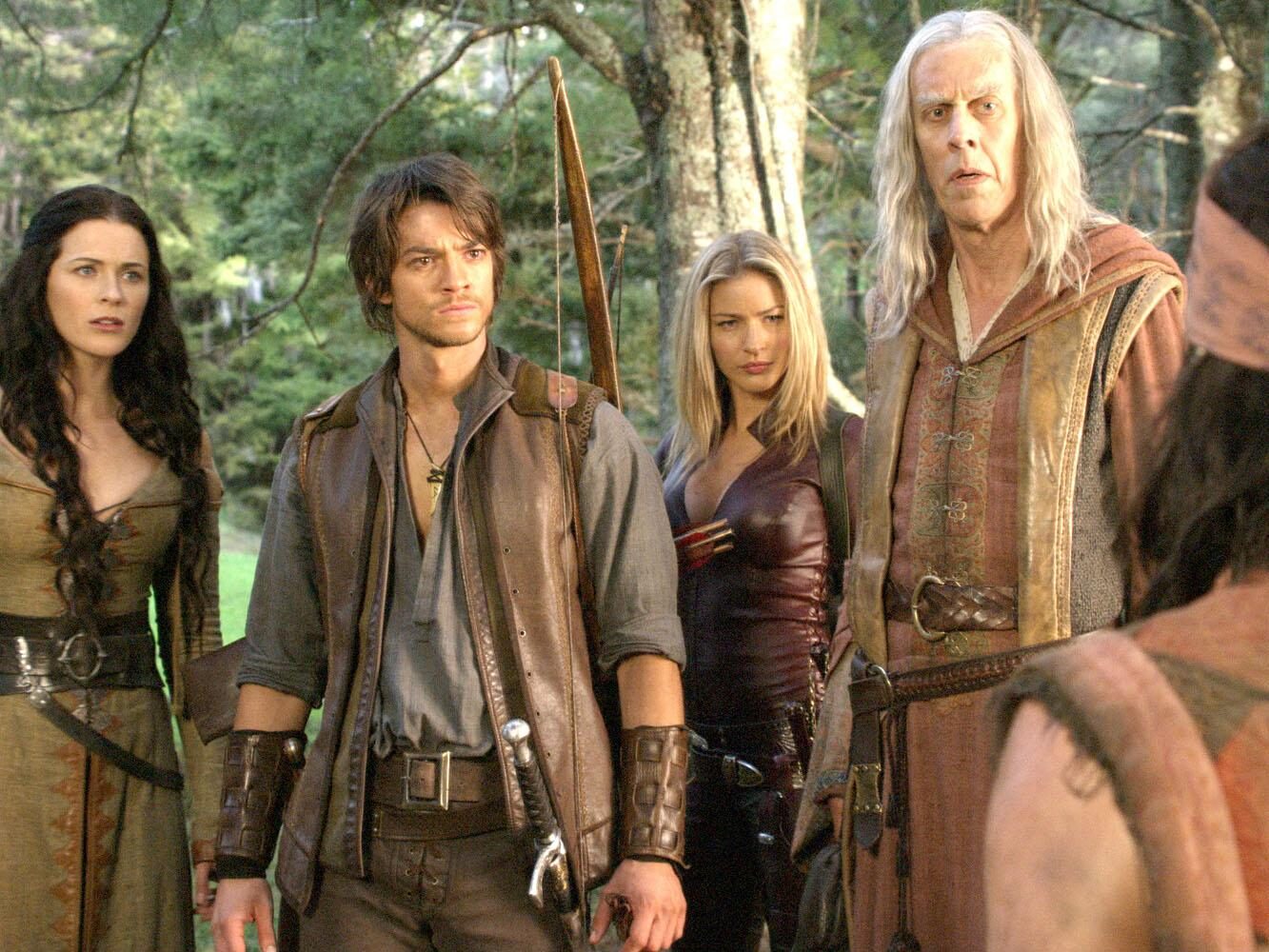
It’s cliche. But it’s rapid. It’s predictable. But it’s enjoyable. For lovers of the classic tropes, Legend of the Seeker is a worthy watch.
READ MORE
Get our magazine for free!