






























Fantasy’s most complex characters of all time are those who make us question our own ideas of right and wrong.
Fantasy has captivated readers for generations. What began as simple tales of good versus evil has grown into a massive genre with millions of dedicated fans. Today, the most memorable stories are driven not by perfect heroes or completely evil villains, but by deeply flawed people who make difficult choices.
Fantasy’s most complex characters of all time are those who make us question our own ideas of right and wrong. These characters are shaped by trauma, heavy responsibilities, and conflicting loyalties. They are realistic mirrors of human nature, showing how easily good intentions can turn dark.
This list explores the absolute most complex characters of all time, diving deep into their minds.
Few fantasy protagonists demand as much work from readers as Severian. At first glance, he appears to be a straightforward narrator recounting his rise from apprentice torturer to something far greater.

As the story progresses, however, that perception becomes more unstable. Severian claims to possess a perfect memory, yet his account constantly raises questions about reliability, interpretation, and self-deception.
The true fascination lies in the tension between who he believes himself to be and who he actually becomes. He commits acts of cruelty, displays moments of compassion, and spends much of the narrative wrestling with identity itself.
It takes a master class in characterization to make readers root for a crippled, bitter inquisitor who tortures people for a living.

Reading Glokta’s internal monologue is an exercise in dark, cynical humor. He knows exactly how monstrous his actions are, constantly asking himself, “Why do I do this?” Yet, he keeps doing it. He is a victim of a cruel system who chose to become the system’s cruelest instrument.
Few characters embody contradiction quite as effectively as Glokta. Despite his apparent lack of morality, he possesses a bizarre strand of pragmatism and a rare, buried spark of empathy that occasionally flashes through his grim world.
Introduced as an arrogant, incestuous antagonist who attempts to murder a child, Jaime Lannister initially seems beyond redemption.

Martin then uses a shifting perspective to peel back layers of defense mechanisms, revealing a deeply disillusioned romantic trapped by rigid social expectations.
Few fantasy characters provoke more debate about honor, redemption, and identity than Jaime Lannister. His attempt to redefine honor on his own terms remains one of the most compelling arcs in modern fantasy.
Most authors create complexity by revealing a character’s thoughts. Steven Erikson does the opposite. For much of the series, her inner life remains hidden, so every judgment rests solely on her actions.

This distance transforms her into something larger than a person. To some, she appears brilliant. To others, cold and unreadable. Every interpretation contains part of the truth, but never the whole of it.
Duty gradually consumes nearly every trace of the individual beneath the title. As her responsibilities grow, the woman beneath the title becomes less visible.
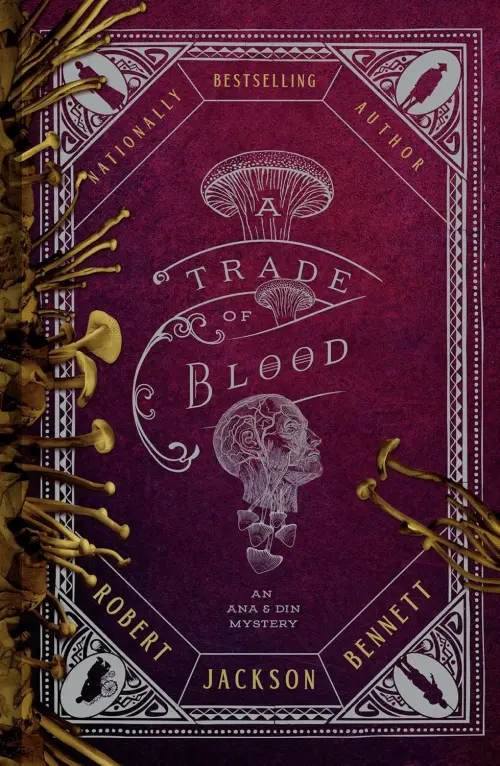
FitzChivalry Farseer is a royal bastard trained from childhood to be a tool for the crown. Spanning over a dozen novels, Hobb crafts a meticulous psychological portrait of a man battered by trauma, isolation, and the heavy demands of duty.

Fitz is fiercely loyal but profoundly flawed, often acting as his own worst enemy due to stubbornness and deeply ingrained low self-esteem. His decisions are rarely perfect, driven instead by a desperate need for affection and a haunting sense of obligation.
The tragedy of his choices keeps us debating his triumphs and failures decades after his introduction.
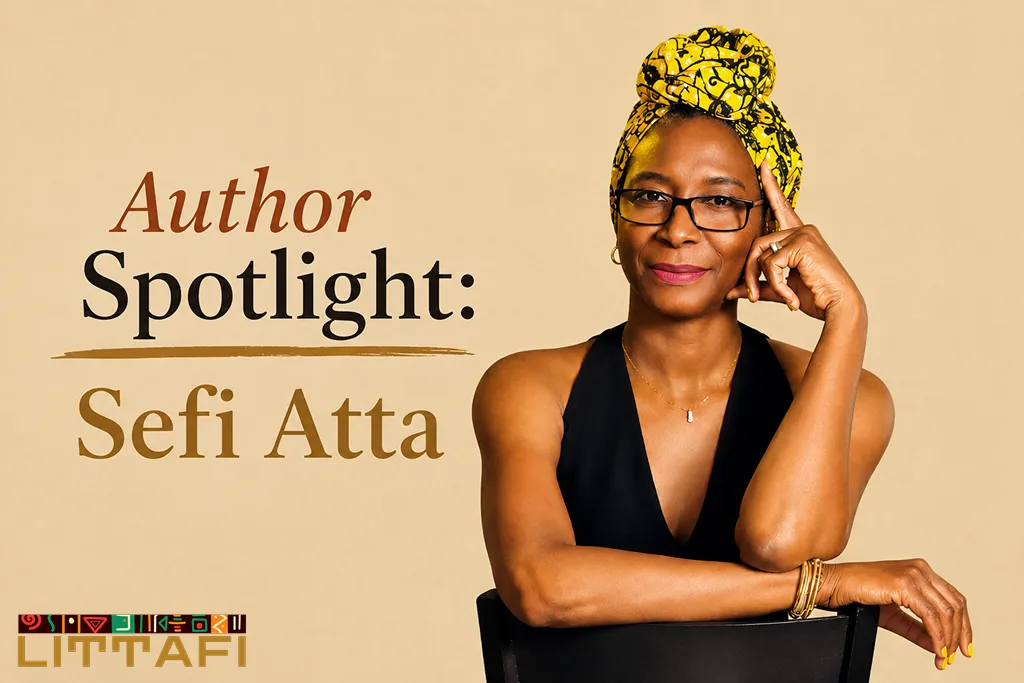
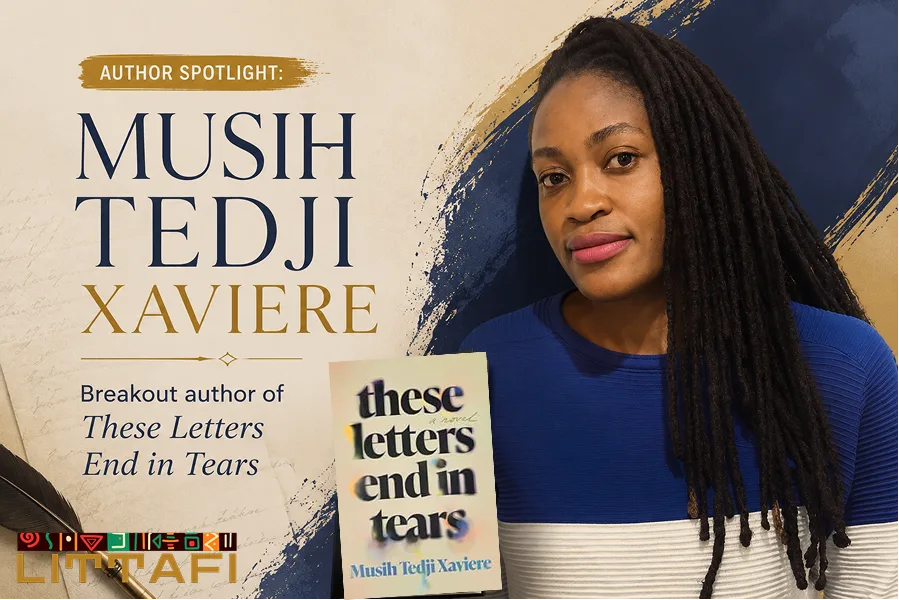
Fantasy often portrays oppression as a battle between victims and oppressors. Sigourney Rose occupies both roles. A Black woman living under colonial rule, she is also a slave owner who benefits from the very system she opposes.

Her desire to free her people is genuine, but so is her hunger for power. As the story unfolds, the line between justice and ambition blurs, exposing motivations she struggles to admit, even to herself.
Few protagonists are forced to confront such uncomfortable contradictions. She is neither hero nor villain, but a deeply conflicted woman whose ideals and desires are constantly at war.
Nassun is one of the most powerful examples of how trauma can be passed from one generation to the next. Much of her story is shaped by her relationship with her mother, showing how love, fear, pain, and survival can become tangled together in ways that leave lasting scars.

As she grows older, the everyday cruelties of the world begin to change how she sees it. The more suffering she witnesses, the harder it becomes to believe that the society around her is worth preserving. Her anger feels understandable because it comes from years of being failed by the very systems meant to protect people.
She never feels like a villain, even when she stands in opposition to others. Instead, her journey explores a difficult idea: sometimes a system becomes so cruel and broken that fixing it no longer seems enough. Sometimes the real question is whether that system deserves to survive at all.
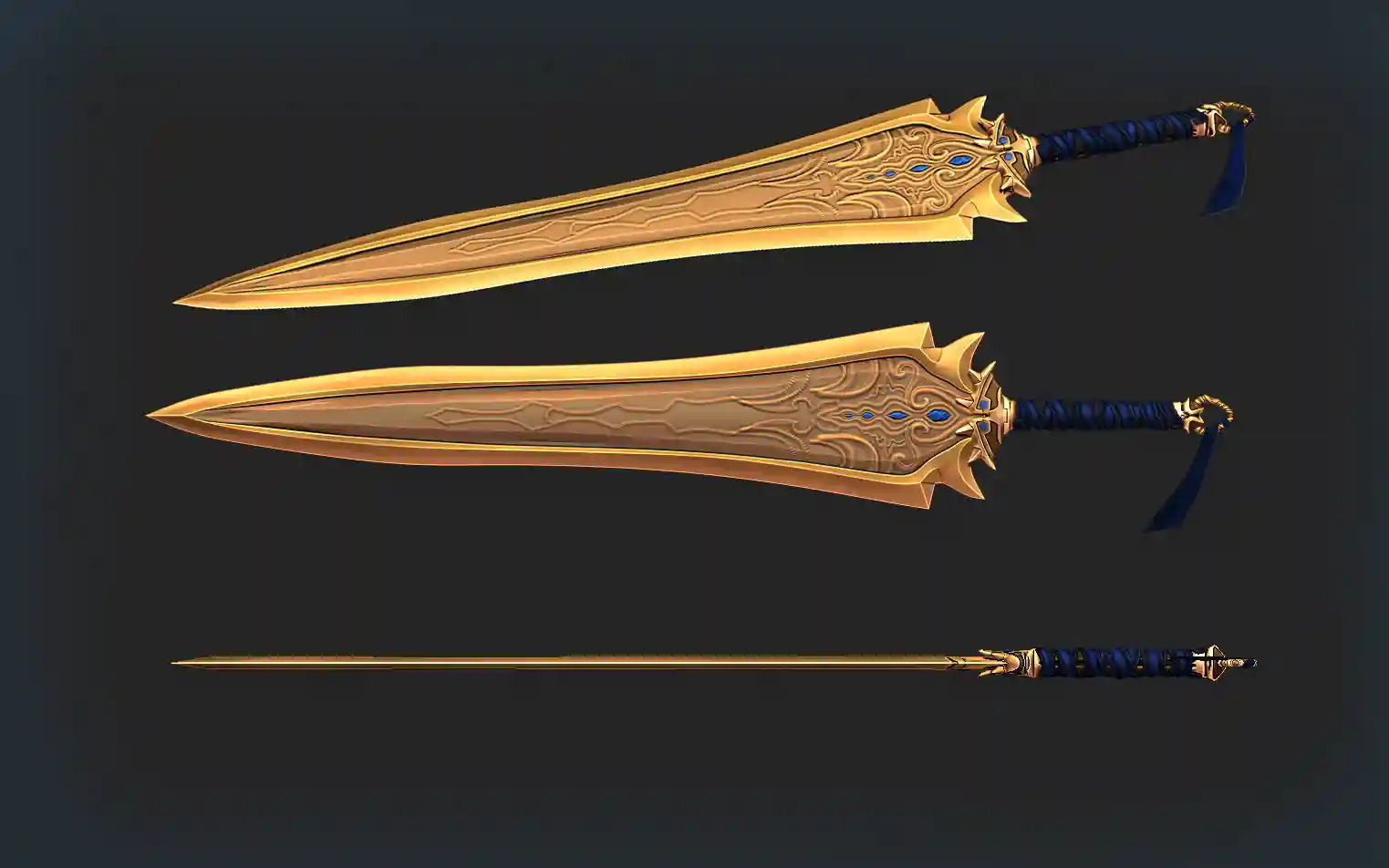
Created as a direct antithesis to traditional, muscle-bound fantasy heroes, Elric is an albino sorcerer-emperor who relies on drugs and a soul-eating sword to survive.

Elric desires peace and philosophical understanding, yet his cursed blade, Stormbringer, repeatedly forces him to slaughter his closest friends and allies. He exists in a permanent state of existential torment, exemplifying the eternal struggle between free will and predestination.
There are violent fantasy characters, and then there are characters who spend hundreds of pages trying to convince themselves they aren’t violent. Logen sits somewhere between the two. The common interpretation is that he’s a decent man trapped by his past.

Fair enough. But that explanation has always felt incomplete. The deeper the story goes, the more difficult it becomes to ignore that some part of Logen genuinely enjoys what happens when the Bloody-Nine takes over. Years later, the argument still hasn’t gone away.
It is easy to misclassify Eddard Stark as a simple, honorable fool who died because he didn’t know how to play the political game.
Ned’s complexity is internal, buried beneath a stoic exterior. He is a man obsessed with honor, not because it is easy, but because he knows the devastating cost of breaking it. His entire life after Robert’s Rebellion is built on a monumental lie told to protect a child, a secret that forced him to stain his own precious reputation as a faithful husband.
When placed in the viper’s nest of King’s Landing, his decisions are driven by a desperate desire to protect children, a direct trauma response to the brutal murders of Rhaegar Targaryen’s family during the war. He is a deeply tragic figure whose rigid morality was a shield against a world he knew was fundamentally cruel.
Geder Palliako is perhaps the most uncomfortable character on this list because his villainy stems from profound, pathetic ordinariness.

He starts as an awkward, bookish noble soldier who is bullied and mocked by his peers. He isn’t a criminal mastermind; he is just a lonely guy who wants respect.
When accidental circumstances thrust immense political and military power into his hands, Geder doesn’t become a heroic leader. Instead, his deep-seated insecurities turn toxic.
Palliako rationalizes horrific atrocities as necessary steps for peace, genuinely believing himself to be the misunderstood hero of the story. Abraham creates an incredible psychological study of how systemic evil is often driven not by grand malice but by petty, insecure bureaucrats who are given too much power.
The depth of her history is staggeringly rare among fantasy protagonists. Royina is a noblewoman who possesses the emotional maturity to support her husband’s relationship with another woman out of pure love, even collaborating with them in a desperate bid to shatter a devastating blood curse.

Instead of triumph, she was left to survive the psychological wreckage of those events while drowning in the overly coddling, suffocating supervision of well-meaning courtesans who treat her like glass.
Her sheer, exhausted cynicism is a breath of fresh air. Most fantasy heroes feel deeply honored when the gods talk to them, but she detests it. She is a middle-aged woman who views the deities of her world as selfish, demanding bosses who use humans like disposable tools and never say thank you.
Yet, the true brilliance of her arc lies in her quiet, brilliant rebellion. She doesn’t pick up a sword; instead, she masterfully navigates and manipulates the rigid religious and social boundaries of her world to break free from her gilded cage.
By the time the book’s final pages turn, her evolution transcends mere recovery to become something entirely unique, triumphant, and absolutely fabulous.
Dalinar Kholin initially appears to be the quintessential honorable general. A stoic, aging commander trying to unite a fractured kingdom guided by an ancient code of chivalry. However, this noble persona is a hard-won facade. The narrative gradually peels back the layers of Dalinar’s history to reveal that in his youth, he was “The Blackthorn,” a terrifying, bloodthirsty warlord responsible for horrific war crimes, driven by a supernatural battle fury.

What establishes Dalinar among the most complex characters of all time is the terrifying reality of his redemption arc. Rather than a simple story of a bad man turning good, his journey tackles the psychological weight of trauma, guilt, and selective amnesia. Dalinar literally had his worst memories erased by a mystical entity just to survive his own grief, and his true test comes when he must reclaim those memories, face his atrocities, and utter the defining ethos of his character: “If I must fall, I will rise each time a better man.” His struggle is a profound, debate-provoking look at whether a tyrant can ever truly atone for a bloody past.
Introduced as a simple shepherd, he is thrust into a terrifying destiny as the Dragon Reborn. This role requires him to save the world, but it also carries a prophecy that he will break it in the process, forcing him to grapple with an existential dread that few protagonists ever face.

His harrowing descent into madness truly secures his position among fantasy’s most complex characters of all time. Because his magical abilities are tied to a corrupted male source, his power actively erodes his sanity over the course of fourteen books. He develops paranoia, hears the voice of a dead madman in his mind, and builds a cold emotional fortress around himself to survive, turning from a gentle youth into a ruthless, hardened autocrat.
This extreme isolation pushes Rand to the absolute brink of villainy, raising the stakes of the entire narrative. He isolates his allies, views people as mere tools for the upcoming apocalypse, and suffers from a severe savior complex. This dark phase forces readers to watch a hero lose his humanity in real time, making his ultimate struggle not just a battle against an external dark lord but a tragic war against his own fracturing mind.ng mind.
Ultimately, his evolution culminates in a profound spiritual epiphany that cements his legacy as one of fantasy’s most complex characters of all time. Through a moment of absolute despair and clarity on a mountaintop, he rejects his cold tyranny and embraces empathy, integrating his past and present selves into a figure of ultimate wisdom. This rare transformation from an innocent boy to a broken tyrant, and finally to an enlightened savior, provides an unparalleled masterclass in character development.
Embodying a compelling duality, serving as both a devoted, charismatic family man and a ruthless, violent military leader. His intense internal conflict between warmth and cold-blooded pragmatism easily cements his status as one of fantasy’s most complex characters of all time. This profound friction makes him impossible to predict and deeply compelling to follow.

His psychological depth is rooted in how he navigates the clash between tradition and personal desire. Privately, Hilo boldly defies society by marrying a marginalized “stone-eye” woman, rejecting the elitist prejudices of his peers. Publicly, however, he remains a fierce traditionalist who demands total submission to clan honor, acting not out of malice, but from an all-consuming need to protect his people.
Over the course of the trilogy, Hilo evolves from an impulsive street fighter into a calculating, strategic powerhouse. Forced into leadership by tragedy, he learns to master his volatile temper without losing his core warrior identity. This masterful growth ensures that even when Hilo commits utterly indefensible acts, his motivations remain completely understandable and annoyingly human.
The greatest fantasy stories are remembered most often for their worlds, magic systems, and epic conflicts, but their lasting impact usually comes down to their characters.
The most complex characters of all time endure because they feel human, even when they inhabit worlds filled with dragons, gods, prophecies, and supernatural powers. What unites every figure on this list is contradiction, revealing different facets of the same truth: people are rarely simple.
As fantasy has evolved, so too has its approach to characterization. Modern fantasy increasingly gravitates toward figures who challenge easy labels and resist straightforward interpretation. This nuance is what transforms a fictional figure into a lasting part of fantasy literature.

July 20, 2025 .
Animation, Lists
Our list rounds up the top 30 cartoon characters that were villains, each one more wonderfully wicked than the last.
READ MORE
April 29, 2026 .
Lists, Opinions
The Mouse is famous for its princesses and princes. However, the studio’s true genius lies in its embrace of “ugly Disney characters”.
READ MORE
May 6, 2026 .
Lists, MCU
Spider-Man is one of the many superheroes from the Marvel Universe whose stories shaped many childhoods. Who is your strongest Spiderman?
READ MORE
October 28, 2025 .
Lists, Marvel, MCU, Opinions
Let’s go through a list of the top 7 strongest Marvel villains, from the wickedly powerful to the absolutely unstoppable.
READ MORE
October 28, 2025 .
Debates, Lists, Marvel, MCU
Every Marvel hero brings something to the table. But if we had to pick the top 8 most popular Marvel superheroes, who would make the cut?
READ MORE


June 27, 2023 .
Fantasy
I can confidently say that the Stormlight Archive’s magic system is the best I’ve ever seen in Fantasy Fiction.
READ MORE

March 20, 2023 .
Fantasy, thewheeloftime
Also, the character development has reached a level where readers can actually identify characters by their speech, mannerisms and actions. It’s the height of realism.
READ MORE
April 15, 2025 .
Fantasy
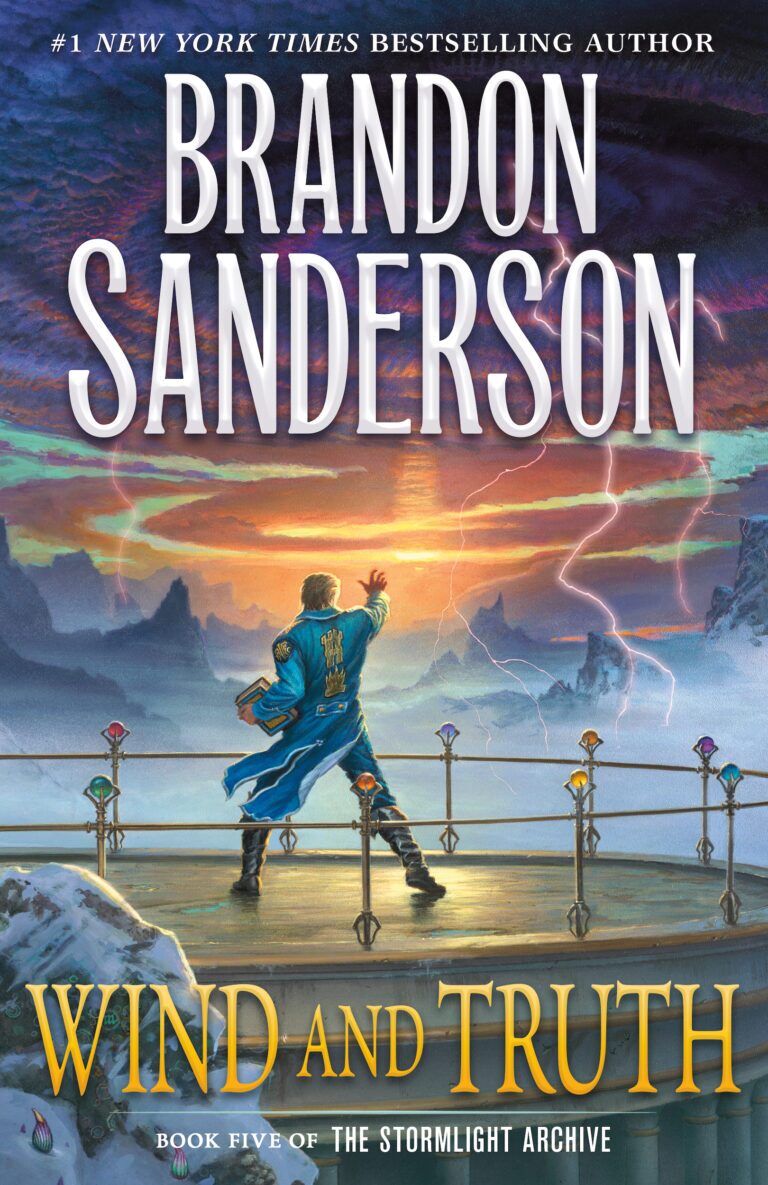
In Wind and Truth, the big boys have shown up on the playground, and the arena must be cleared out ahead of major confrontations.
READ MORE
August 15, 2026 .
Fantasy
Word count tells you how long you’ll live with a series. Named characters per 100,000 words tells you how much room that series gives each person.
READ MORE
July 26, 2025 .
Fantasy, Opinions
It’s cliche. But it’s rapid. It’s predictable. But it’s enjoyable. For lovers of the classic tropes, Legend of the Seeker is a worthy watch.
READ MORE
July 20, 2025 .
Fantasy, Opinions
Like any well-developed fictional character, there are several exciting, often polarizing sides to Celaena Sardothien, all of which are worth discussing.
READ MORE
September 12, 2025 .
Essays, Fantasy, Opinions
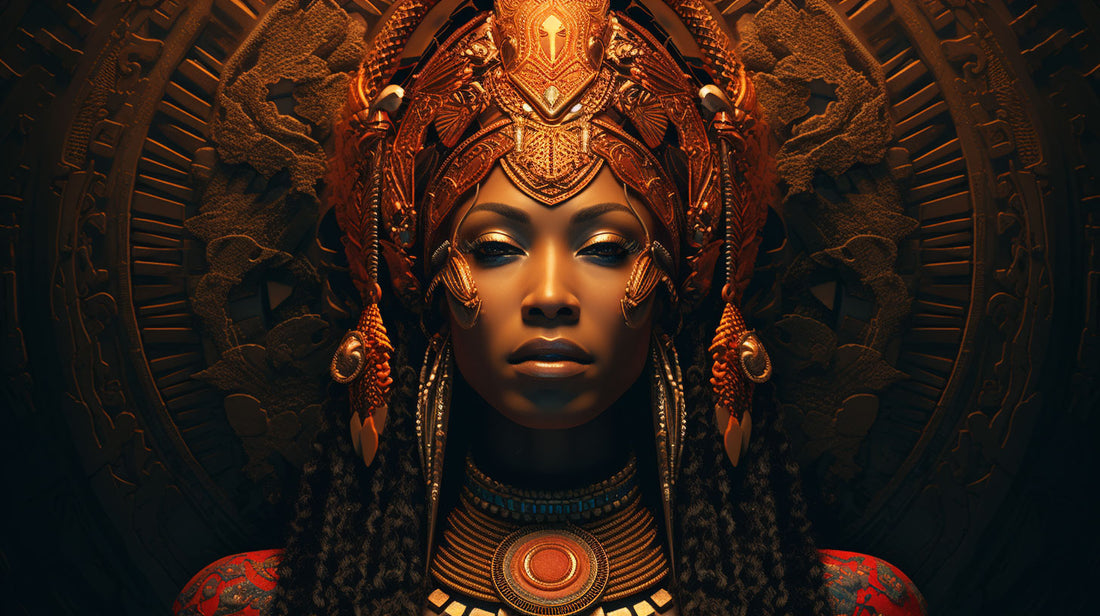
Fantasy is everything that lies in the realm of the fantastic. And, the more deviant from reality it is, the better.
READ MORE
August 10, 2023 .
Fantasy
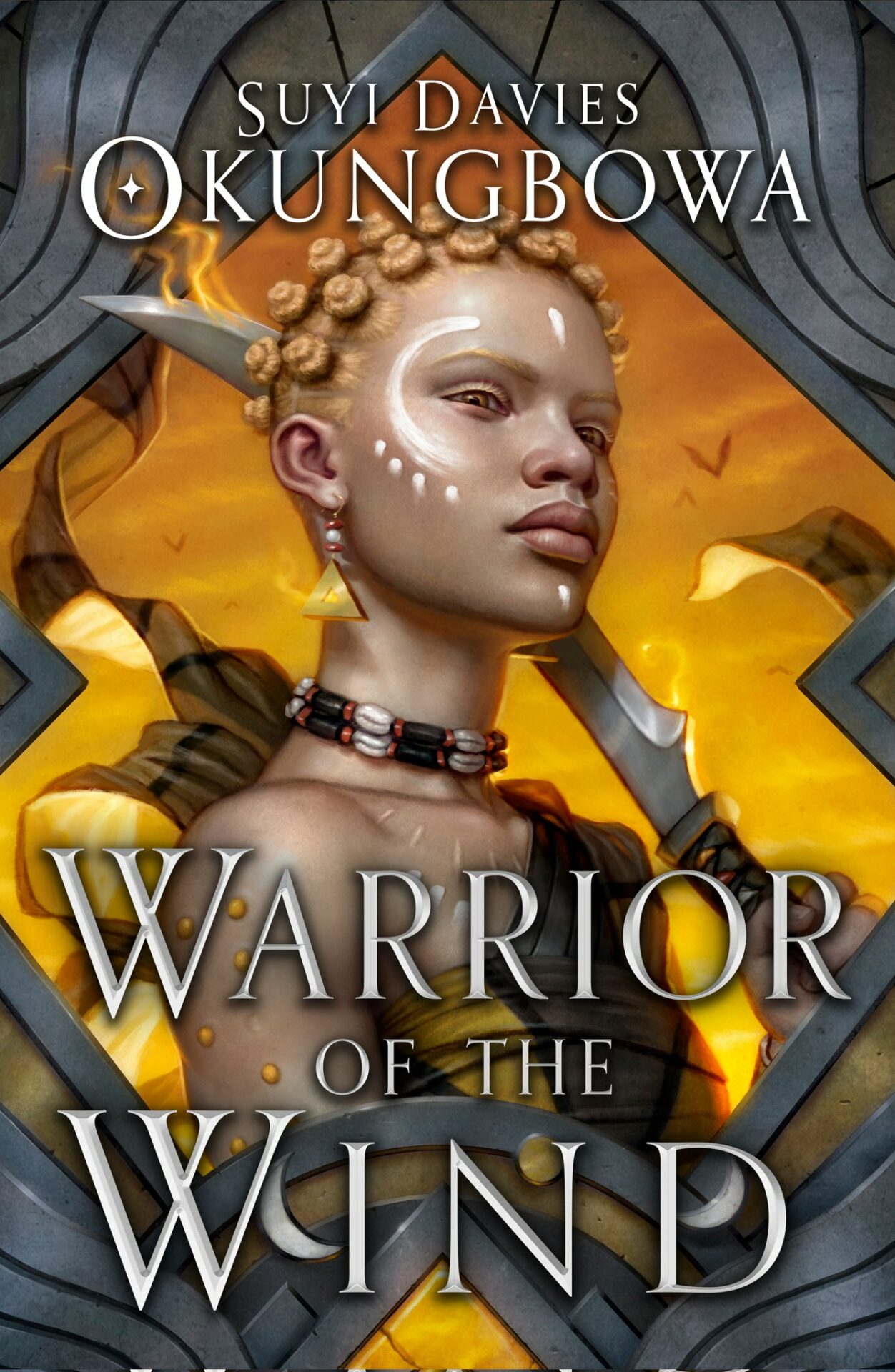
Another thing I enjoyed was discovering the origin of the name Nameless Republic. I chuckled and gave Suyi an invisible high-five. Àgbà Ìwé!
READ MORE
September 12, 2025 .
Fantasy
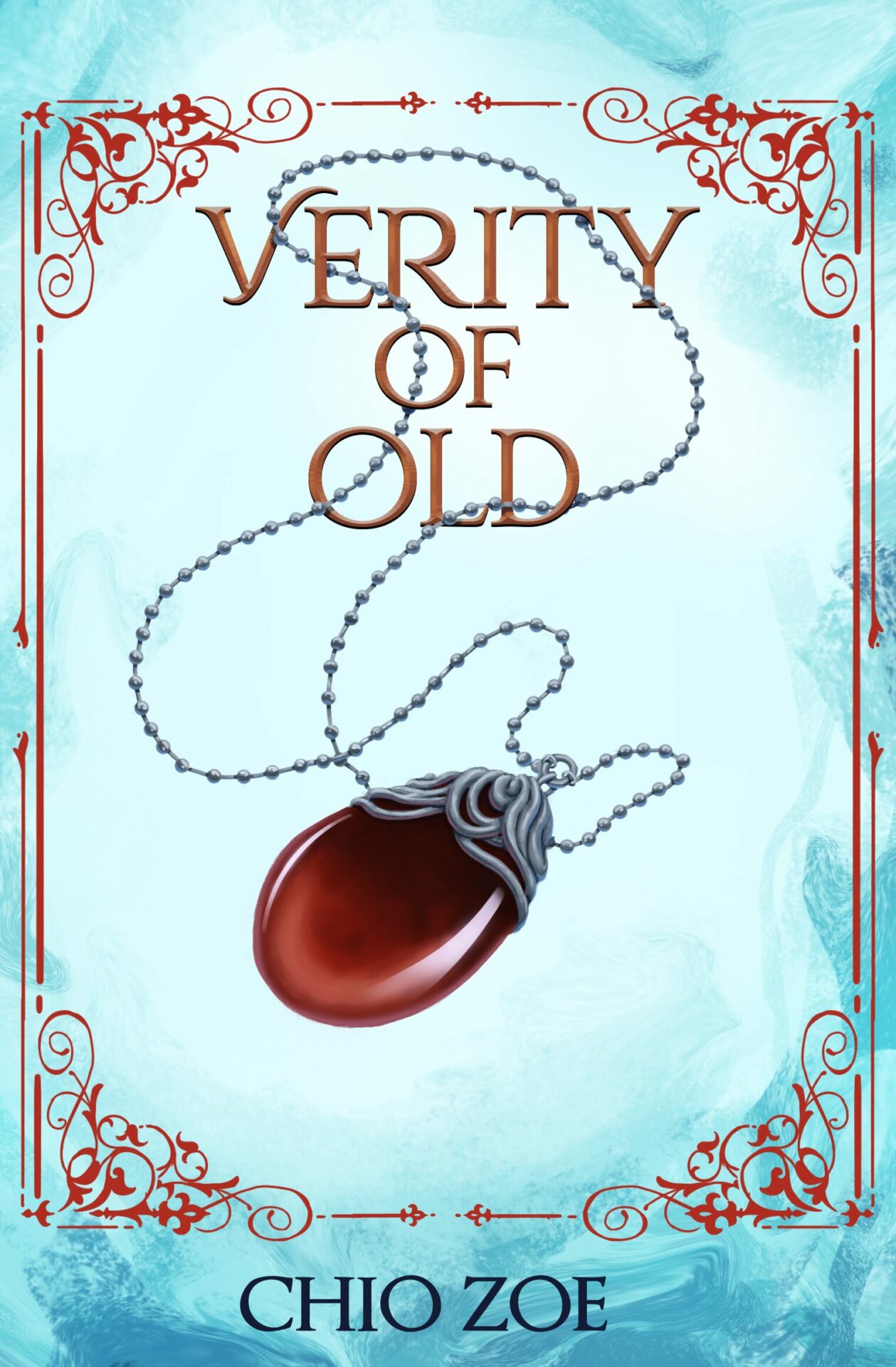
Verity of Old is a marked improvement from Memory of Stone, with a massive finale reveal that makes the final book an immediate must-read.
READ MORE
Get our magazine for free!