

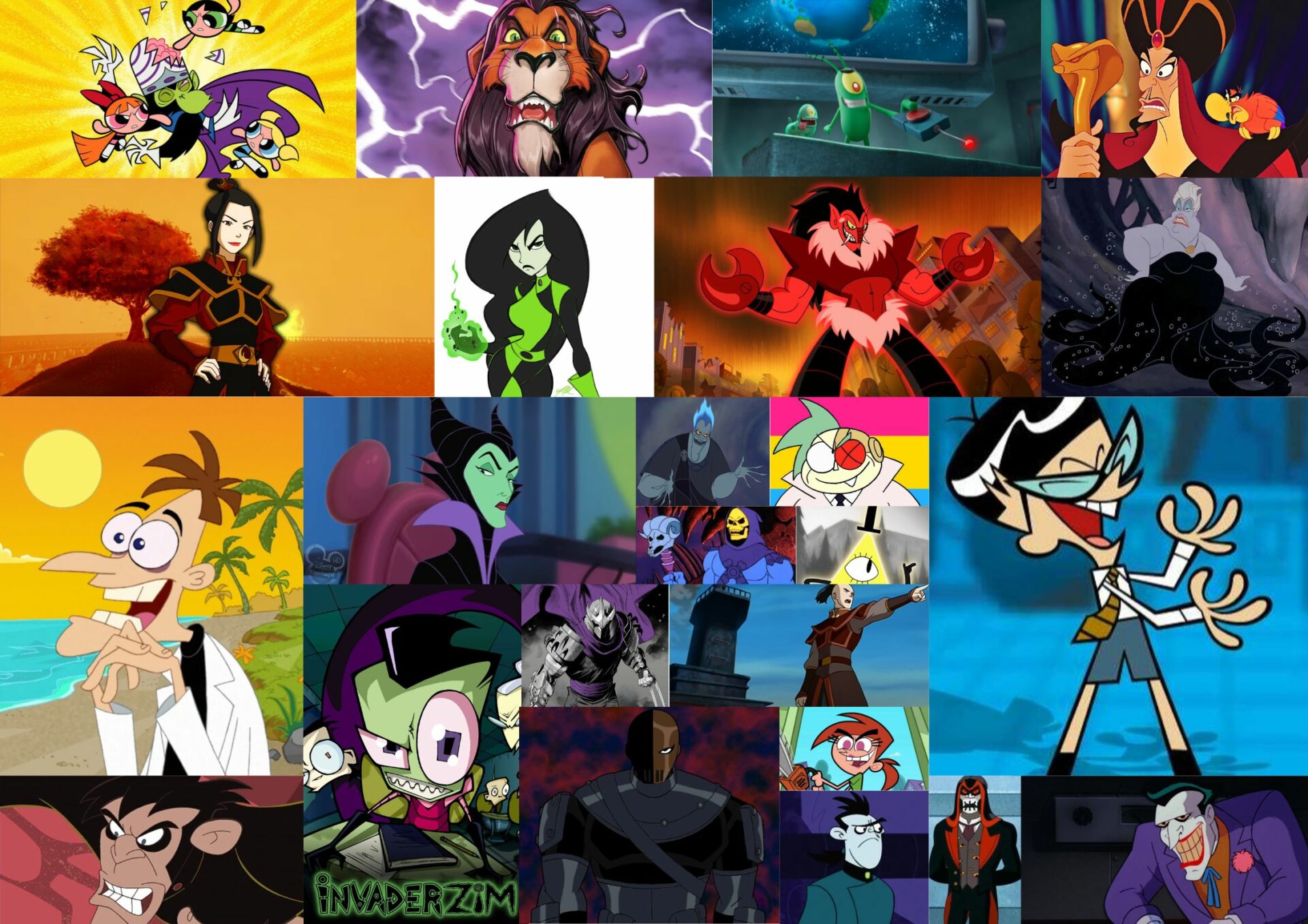
Top 30 Cartoon Characters That Were Villains
Our list rounds up the top 30 cartoon characters that were villains, each one more wonderfully wicked than the last.
Lists, MBTI
We’ll see why everyone needs ISFJ characters and what can happen if their protective instincts become excessive.
Every compelling story has the brave characters who save the day. But a closer look reveals the silent victor: the loyal sidekick, caring companion who shows up without fanfare yet never fails to deliver.
These are the ISFJ characters, the backbone of countless beloved stories across film, television, and literature.
The ISFJ personality type, also known as “The Defender” or “The Protector” in the Myers-Briggs Type Indicator (MBTI), represents individuals who are introverted, sensing, feeling, and judging. These individuals operate with warmth and dedication, usually preferring to work behind the scenes rather than seeking recognition.
Their greatest strengths include unwavering loyalty, meticulous attention to detail, and an altruistic nature that drives them to meet kindness with even greater kindness.
While ISFJ characters may not always seek the spotlight, they are indispensable to the hypothetical mission’s success and everyday life. From children’s stories to war epics, ISFJ characters demonstrate that real heroism can be quiet and unassuming.
However, this personality type can manifest in complex and even troubling ways when taken to unhealthy extremes.
We’ll see, through positive influence, why everyone needs ISFJ characters and what can happen if their protective instincts become excessive.

In the Hundred Acre Wood, Piglet stands out as one of the most relatable ISFJ characters in children’s literature. He shows that courage isn’t the absence of fear but showing up for your friends despite it.
Piglet demonstrates classic ISFJ traits through his love of routine and order, as well as his haycorns. His diligence shows in how he maintains his home, pays attention to detail, and remains devoted to predictable daily routines.
His deep care for friends reflects the ISFJ’s feeling function. Considerate and compassionate, Piglet constantly thinks of others’ well-being, even when anxiety threatens to overwhelm him. Despite this, Piglet’s bravery shines in times of crisis. He may falter, but he always acts and refuses to abandon those he loves. His loyalty and empathy make him a reliable companion.
Piglet embodies the anxious yet devoted friend whose actions show that vulnerability and bravery can coexist.

When Frodo Baggins embarked on the most dangerous quest in Middle-earth, Samwise Gamgee was right beside him, carrying the supplies. Sam personifies the loyalty, practicality, and selflessness that define the Defender personality.
Sam’s devotion to Frodo never wavers, even when the Ring’s corrupting influence grows. Motivated purely by duty and friendship, Sam consistently puts Frodo’s needs above his own, and when Frodo can no longer carry the burden of the Ring, Sam says: “I can’t carry it for you, but I can carry you.” He also provides emotional sustenance during dark moments. He remembers crucial details, keeps morale up, and notices dangers others overlook.
Despite hardships, Sam remains steady and avoids seeking recognition. Like many ISFJs, he works behind the scenes to ensure their loved ones’ safety because he cares. In a world where people often abandon each other in hardship, Sam Gamgee represents the ideal ISFJ: unwavering and endlessly loyal.

Steve Rogers, or Captain America as we know him, embodies the ISFJ personality type on a superheroic scale. He is driven by a straightforward sense of duty to do what’s right and protect those who can’t defend themselves.
From a scrawny, underestimated young man to the founding member of the Avengers, Steve Rogers demonstrates integrity and selfless service by standing up for the innocent even when the odds are overwhelming. Before becoming Captain America, he repeatedly tried to enlist in the army with this value set, and even after gaining superpowers, he maintains his mission while remaining humble and mission-focused.
His loyalty to Bucky Barnes when Bucky becomes the Winter Soldier, and his strategic thinking to ensure his team’s safety, exemplify the ISFJ commitment. Through loyalty and moral certainty, Steve Rogers shows that ISFJ traits can scale from personal relationships to global stakes, proving that humble, principled heroism can be more potent than any superpower.

“Lord, please help me get one more.”
This repeated prayer of Desmond Doss perfectly captures the ISFJ traits at their heroic extreme: devotion to duty, adherence to moral principles, and a concern for others’ needs. In the chaos of World War II, Doss stood out not for taking lives but for saving them.
A Seventh-day Adventist, Doss refused to carry a weapon or work on Saturdays, yet his desire to serve led him to enlist as a combat medic. He focused on practical solutions that honored his faith, treating every soldier with care, including those who had bullied him. He showed the ISFJ’s ability to put duty and compassion above personal grievances.
During the Battle of Okinawa, Doss saved an estimated seventy-five men over twelve hours of continuous combat. He crawled through enemy fire, evacuated wounded soldiers, and devised systems to get them to safety. He was committed to the point of treating his own injuries and waiting for rescue, while insisting others receive help first.
Desmond Doss shows the ISFJ’s unique strength in protecting and serving others, even under extreme pressure. He proves that heroism is about compassion, not violence.

Every genius needs a Watson: the steady friend who provides emotional stability and perspective. Across countless Sherlock Holmes adaptations, Dr John Watson exemplifies the ISFJ counterpart balancing Holmes’ detached brilliance.
Watson demonstrates devotion and bravery while maintaining steadfast loyalty. His friendship is not based on hero worship or obligation, but genuine care for someone extraordinary but deeply flawed. He sees past Sherlock’s abrasiveness and commits to standing by him.
Practical and grounded, Watson complements Sherlock’s leaps of logic with attention to concrete details, such as medical facts and witness reliability. He provides the framework that allows Sherlock’s brilliance to function in the real world. Where Sherlock sees patterns, Watson sees people.
Watson reminds Sherlock that justice serves people, not just logic. ISFJs create harmony and help others thrive. Though a doctor, Watson risks his safety for friends, proving that crucial support roles are anything but secondary.

Every personality type can become destructive at extremes. Norman Bates from Psycho and Bates Motel is an example of ISFJ traits gone wrong: his attentiveness, loyalty, and love of routine become obsessions. Devotion to his mother grows into toxic dependence, while nostalgia and adherence to tradition trap him in the past.
Norman’s meticulousness and people-pleasing fuel his pathology. He maintains the motel, conceals evidence with obsessive precision, smooths over conflicts, and adapts constantly to his mother’s demands.
His conflict avoidance and repressed emotions eventually erupt violently, showing the danger of unchecked extremes. Unable to imagine life beyond the motel or his mother’s control, he becomes trapped in repetitive patterns, illustrating what happens when natural ISFJ devotion is taken too far.
Norman shows that every strength, unchecked, hides a weakness. Care becomes smothering, duty becomes rigidity, and loyalty becomes self-erasure. Even admirable qualities require balance to keep them healthy.
These ISFJ characters demonstrate the remarkable range, relatability, and depth of the Defender personality type and what makes them essential. These are the people who form the backbone of stories and, more importantly, of real life. They are proof that the most essential contributions often come from those who work behind the scenes, reminding us that loyalty isn’t weakness and sometimes, true heroism is just showing up every single day.
If you recognize yourself in these ISFJ characters, know that your contributions matter more than is obvious. And if you’re fortunate enough to have an ISFJ in your life, take a moment to acknowledge what they do. Thank them for remembering. Remind them that their quiet dedication doesn’t go unseen. Sing the song of the unsung heroes we can’t do without.
Timiebi Anthony is a content writer specializing in food journalism, culture, and storytelling. She creates research-driven content across lifestyle, SEO, and creative writing, with a focus on clarity and audience connection. Currently pursuing an English degree, Timiebi blends academic insight with practical expertise to deliver compelling narratives.
Our list rounds up the top 30 cartoon characters that were villains, each one more wonderfully wicked than the last.
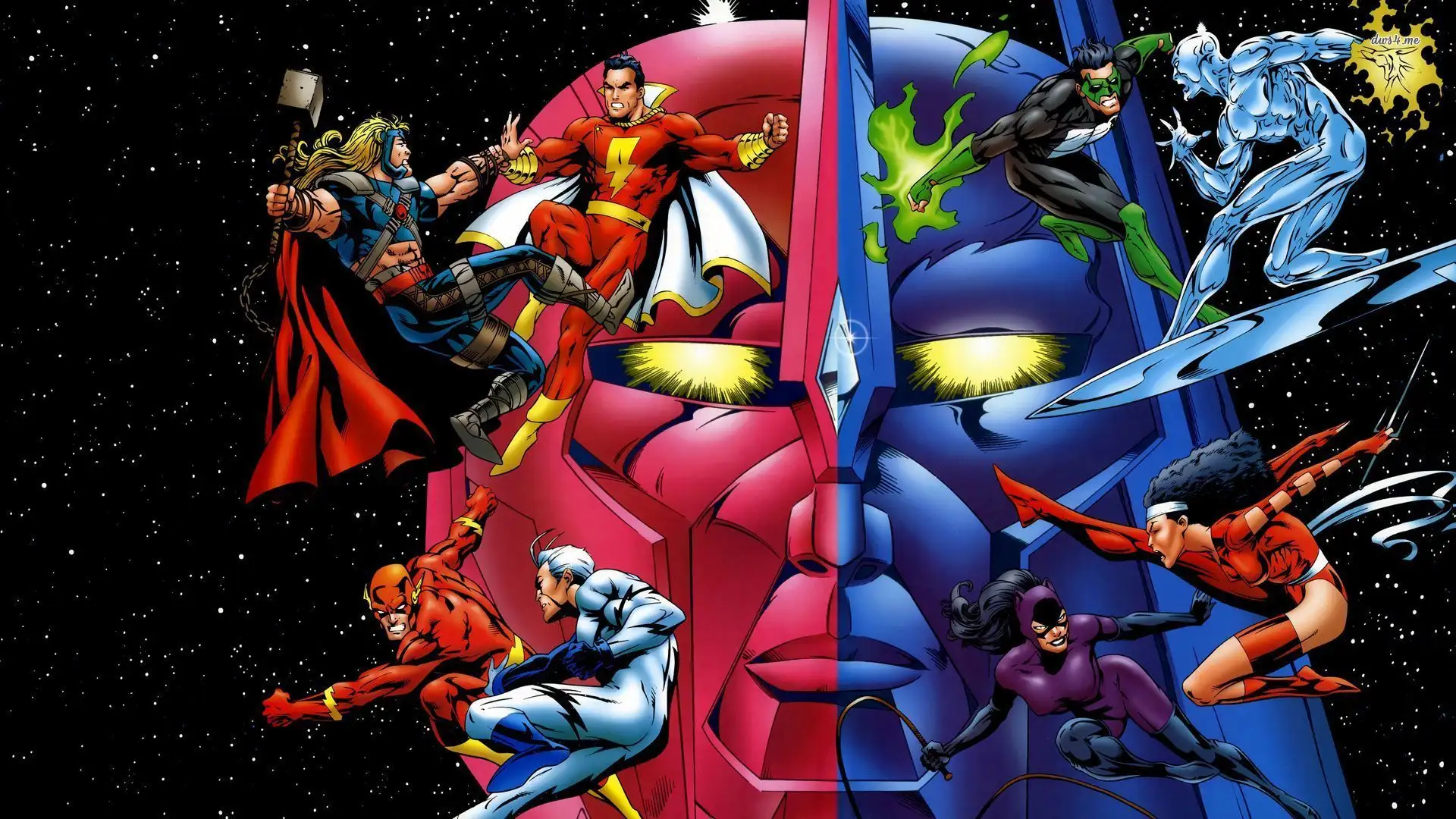
DC is great at making comics and animated movies, while the MCU has the upper hand in its cinematic aspects
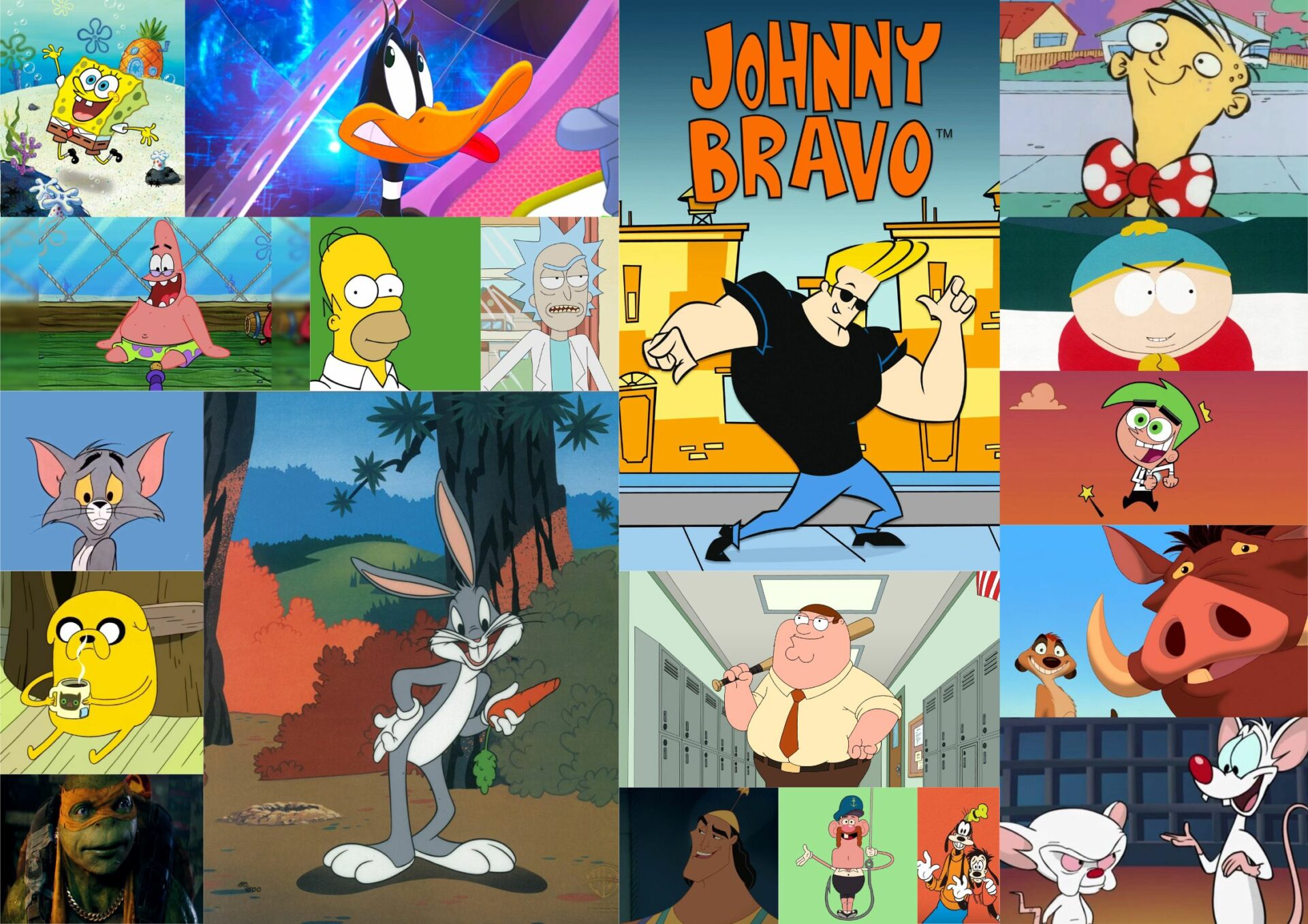
There are some outright funny cartoon characters who exist solely to crack you up, loud, hard, and with zero apology.

Discover the best apps to read books for free in 2025. Access thousands of free e-books and audiobooks on your phone or tablet. ...

Things Fall Apart is for the colonizers as well as the colonized, helping to understand the role of colonialism in the realization...

While many of the Nollywood movies on our list are quite old, it’s a testament to the capabilities of the industry’s p...
While this isn’t an exhaustive list, it comprises some of the most popular mythical creatures from around the world.
Get our magazine for free!