

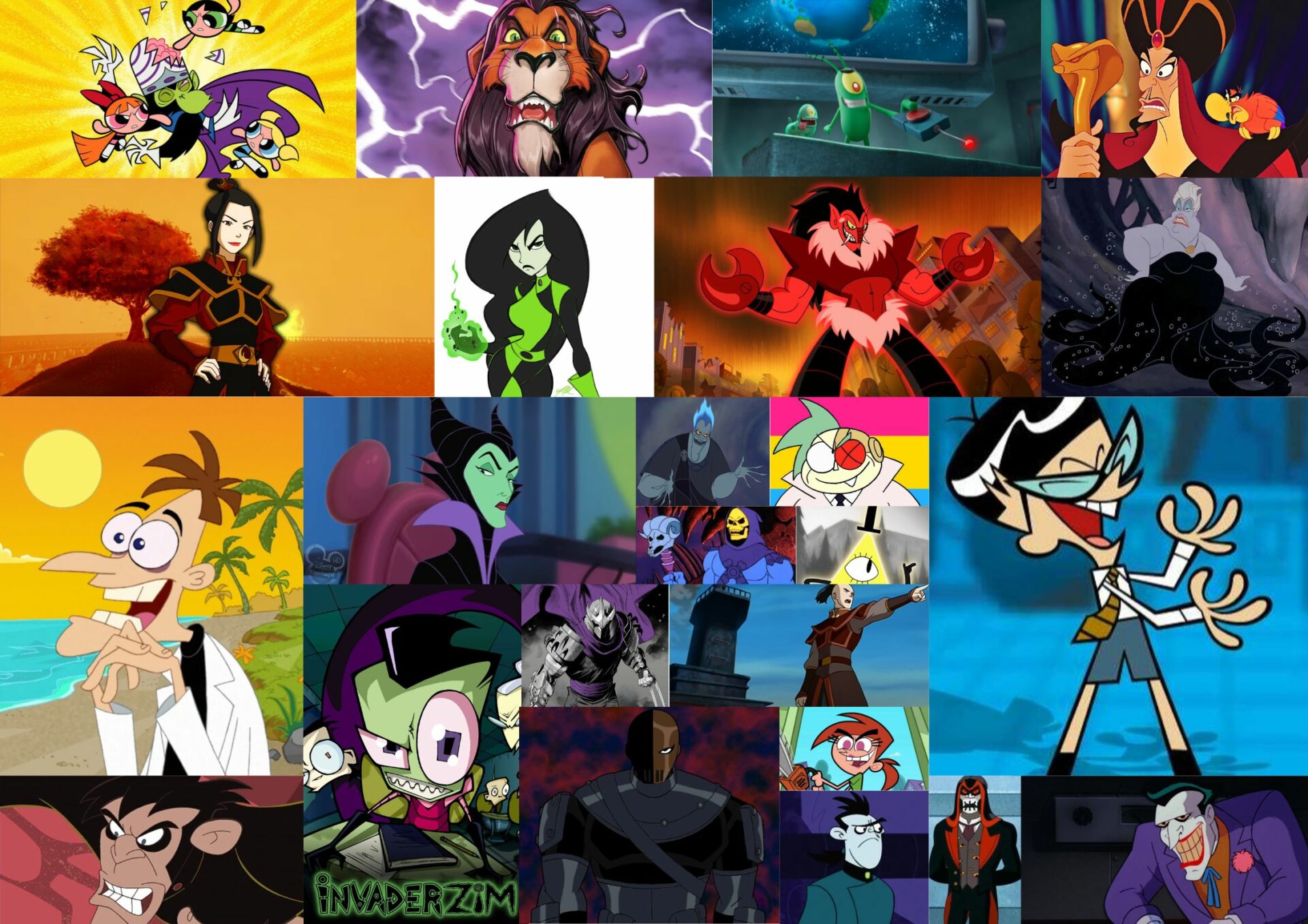
Top 30 Cartoon Characters That Were Villains
Our list rounds up the top 30 cartoon characters that were villains, each one more wonderfully wicked than the last.
Egyptian Mythology, Essays
Rick Riordan is championing the reimagining of cultures and civilisations. Despite the success, readers often overlook The Kane Chronicles.
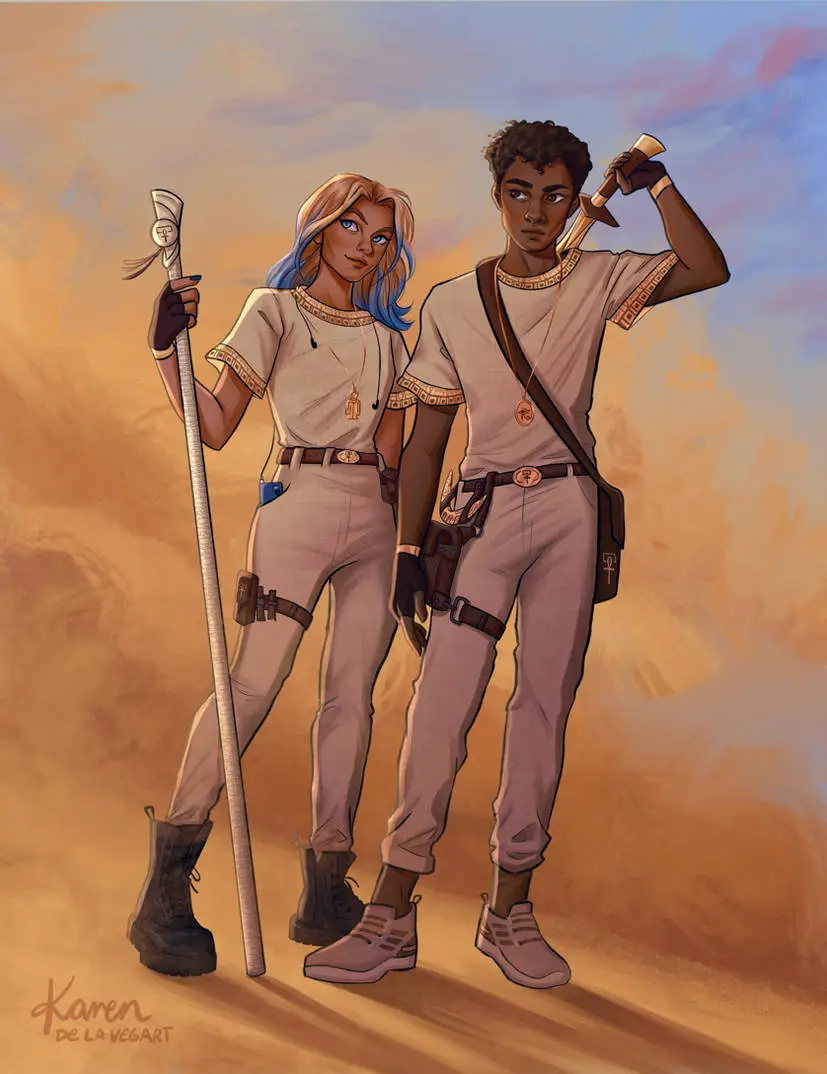
Rick Riordan is championing the reimagining of cultures and civilisations in a way that works for modern audiences. He is most famous for his take on Greek Mythology in the Percy Jackson and the Olympians series.
Despite the success of the books, spin-offs, and TV adaptations, readers often overlook another creative gem: The Kane Chronicles.

The Kane Chronicles follows two children, Sadie and Carter Kane, who discover the world of ancient Egypt and how it affects them on a familial and day-to-day level. It’s a truly interesting, educational, and entertaining read.
As with most of Riordan’s work, The Kane Chronicles targets young readers. Critics often dismiss children’s literature as low-level and oversimplified, reducing it to little more than polished baby talk.
Egyptian Mythology is one of the oldest recorded civilisations and cultures. Yet, it is often treated as an academic subject rather than a living, evolving culture. This may be due to historical documentation or because popular media, like The Mummy, portray it as distant and dramatic. In an ideal world, Egyptian mythology would be as widely adapted and celebrated as Greek mythology despite predating it, but that is not yet the case.
It’s fascinating how some popular beliefs today trace back to ancient civilisations. The application may vary depending on personal or religious beliefs, but the core ideas remain the same. Among them are creation and order, life and death, morality and judgment, kingship, and the connection between the divine and human.
Creation in Egyptian mythology begins with the primordial entity, Nun. From Nun, Ra, the leading deity, brings the world into existence. This creation is an ongoing process.
Each sunrise symbolizes renewal, with Ra reborn daily as he travels across the sky and through the underworld at night to sustain the system and prevent it from slipping back into chaos.
Order is personified in Ma’at, representing balance, truth, justice, and harmony across both the human and divine worlds. The gods maintain Ma’at by fulfilling their roles; the pharaoh upholds it through just rule; and humans support it by living rightly and respecting the gods.
Creation and order working together signify the importance of collaboration. It takes both chaos and light, in balance, for existence to continue. Humans and the supernatural alike share responsibility in maintaining this system.
Similarly, in Christianity, creation begins with the word of God and is sustained through divine structure and laws. Humans maintain peace with God by obeying His commands. Disobedience, on the other hand, introduces disharmony and consequences.
Life and death work hand in hand. It is seen as a temporary stage, during which moral, social, and spiritual choices shape the soul’s destiny after death.
Death represents a transition. When a person dies, their soul enters the Du’at, the underworld, for judgment. Anubis weighs the heart against the feather of Ma’at. If the heart is balanced, the soul enters the Field of Reeds; if it is heavier, it is consumed by Ammit.
Christianity shares a comparable perspective. Human life is temporary, and choices determine the soul’s fate. Death is a passage, especially as it relates to obeying God’s laws. Those who have lived a worthy life go to heaven, and those who haven’t go to the other place.
In Egyptian mythology, kingship is a sacred and divine institution. The pharaoh rules by divine mandate, acting as both the earthly ruler and the bridge to the gods. The main responsibility of the pharaoh is to maintain Ma’at by ensuring justice, stability, and religious balance throughout the land.
Still, there are checks and balances. The pharaoh’s authority is linked to how well he maintains Ma’at. If the pharaoh fails to uphold order, chaos, famine, or unrest will follow.
Christianity is also firmly rooted in authority. This mandate extends from society to the home. The Bible emphasizes the importance of listening to authority and praying for leaders.
Yet, there is no room for abuse of power. The Bible talks about tempering justice with mercy, no partiality, defending the needy, doing what is just without taking bribes, husband and wife submitting to each other, and fathers not frustrating their children. Power exists, but within reasonable bounds.
Egyptian belief holds that the divine and the human are intertwined. Gods are active in human life: they control natural forces, protect cities, and guide moral behavior. In turn, humans respond through prayer, offerings, and rituals.
Though the direct divine-human connection is exemplified by the pharaoh. He serves as an intermediary, representing the gods on earth and in the afterlife, joining the divine realm.
The church views the supernatural and human in a familial way. God, the supreme, also doubles as a father who sacrificed his son to maintain balance, and is truly invested in ensuring all his children live fulfilled lives.
God controls natural resources, provides, protects, guides humans, and is ever ready to forgive. All He expects from humans is to love Him, honour Him, and eventually flourish in a way that reflects His value systems.
The Kane Chronicles reintroduces deities such as Isis (magic, motherhood, fertility, healing), Osiris (underworld, fertility, regeneration), Set (chaos, storms, violence), Anubis (mummification, protector of graves), Ra (sun, creation, kingship), Horus (sky, protection, kingship), and Bast (cats, protection) as divine figures actively engaged in human life.

The best form of inspiration is adaptation. The Kane Chronicles presents a unique way for the gods to interact with humans: hosting. Hosting is where a god shares a mortal’s body, otherwise remaining in the divine realm. Riordan further preserves the sanctity of ancient practice by creating sanctuaries for these deities in museums, modern cities with historical backgrounds, and hidden magical spaces.
Like in Egyptian belief, the Kane Chronicles presents magic as learned knowledge and disciplined practice rather than an innate ability. The gods themselves are nuanced: Set is chaotic but necessary, Ra is powerful but diminishing, Anubis is compassionate and emotionally complex, and Isis is strategic as well as kind.
Just as Egyptian mythology used murals and later written texts to tell stories, Riordan uses first-person narration, immersive language, and humour to paint an attention-grabbing picture. The most impressive aspect of his adaptation is that he maintains cultural integrity while giving the stories a fresh and engaging voice.
History is important because it tells where people are coming from and what patterns they are likely to repeat. Moreover, when society doesn’t learn from history, it forgets the sacrifices and struggles that shape the present.
Knowledge, as the saying goes, is power, which is precisely why art like The Kane Chronicles matters. Even the most documented cultures remain alive and should not be forgotten, appealing to readers of all ages, while quietly challenging the assumption that younger audiences cannot engage with complex cultural and moral themes.
Through the efforts of scholars, authors, and storytellers, new generations continue to learn about history and civilizations, such as Egyptian mythology, keeping them alive and relevant.
Our list rounds up the top 30 cartoon characters that were villains, each one more wonderfully wicked than the last.
DC is great at making comics and animated movies, while the MCU has the upper hand in its cinematic aspects
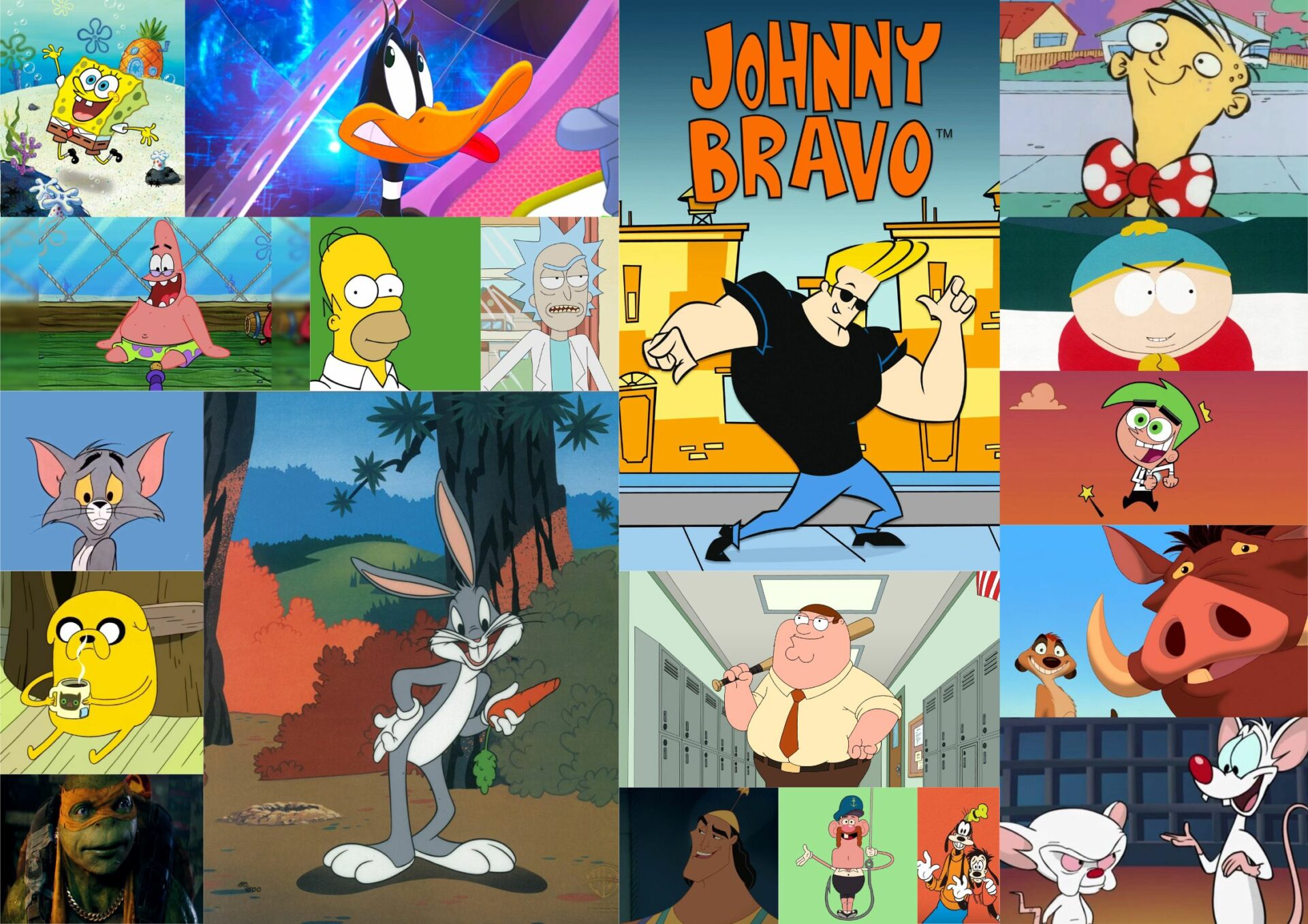
There are some outright funny cartoon characters who exist solely to crack you up, loud, hard, and with zero apology.

Discover the best apps to read books for free in 2025. Access thousands of free e-books and audiobooks on your phone or tablet. ...

Things Fall Apart is for the colonizers as well as the colonized, helping to understand the role of colonialism in the realization...

While many of the Nollywood movies on our list are quite old, it’s a testament to the capabilities of the industry’s p...
While this isn’t an exhaustive list, it comprises some of the most popular mythical creatures from around the world.
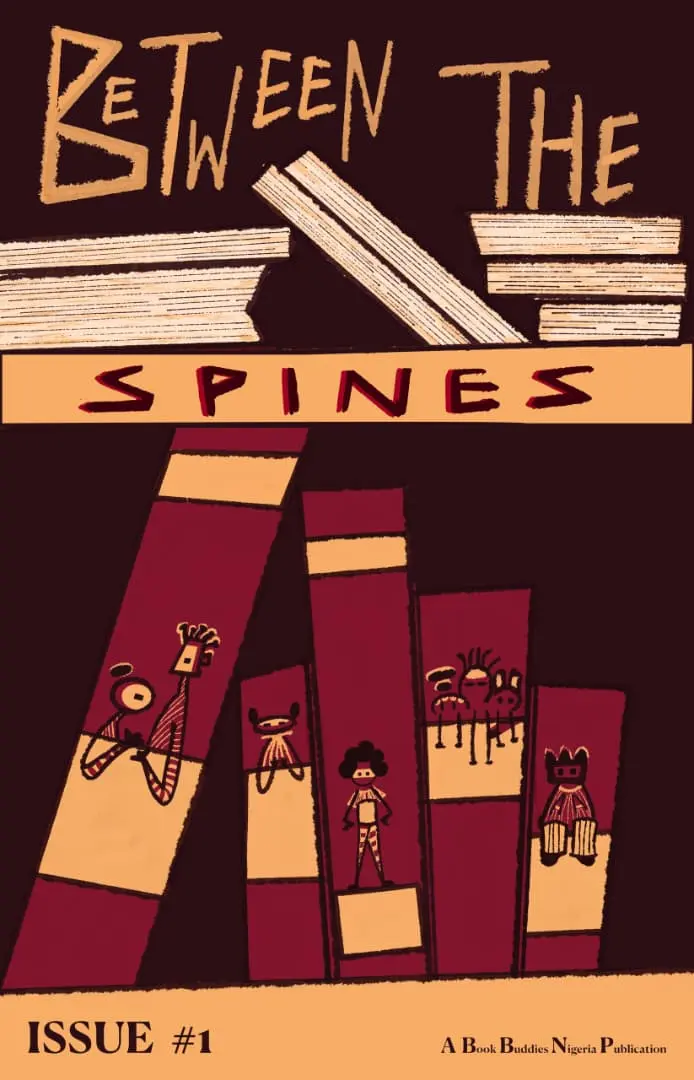
Get our magazine for free!