




























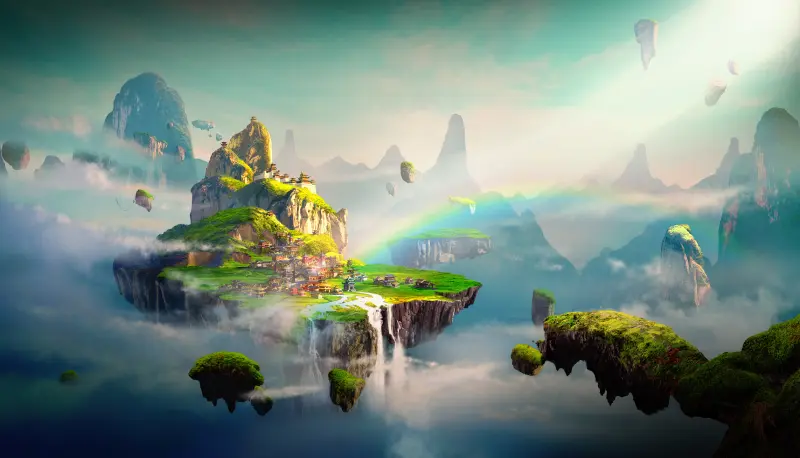
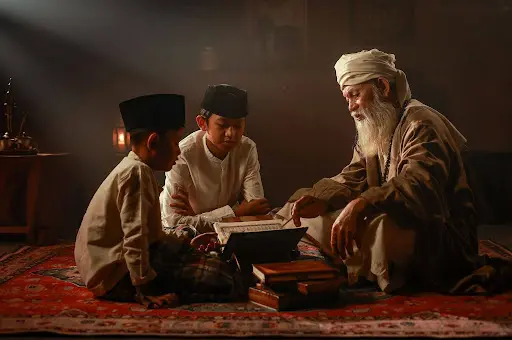






E get why Yoruba mythology remains relevant. Explore ten of the most influential deities from Yoruba mythology.
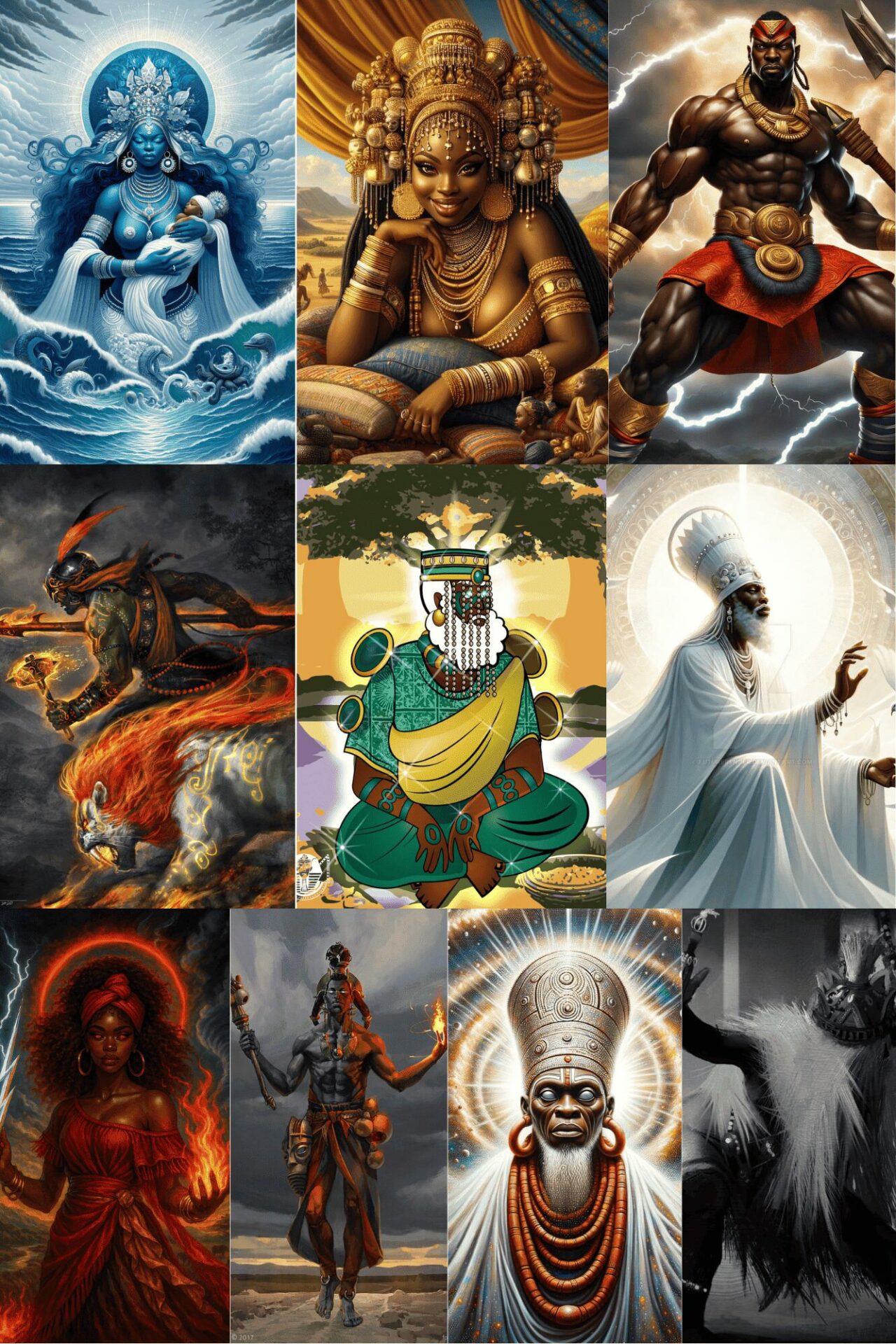
E get why Yoruba mythology remains relevant, especially in contemporary culture. It is present in music, literature, fashion, names and rituals.
From Beyoncé channelling Ọṣun in Black Is King, to Tems’ ethereal visuals Me n U visuals that fans swore were inspired by Yemoja, to texts like Amos Tutuola’s The Palm-Wine Drinkard, Wole Soyinka’s Death and the King’s Horseman, and Ola Rotimi’s The Gods Are Not to Blame, to names such as Oluwaseun (Thanks be to God), Yetunde (Mother returns), and Ifáyemi (Ifá suits me), and to adaptations in Brazil’s Candomblé, Cuba’s Santería, and Haiti’s Vodou, Yoruba mythology has crossed oceans, cultures, and centuries.
Explore ten of the most influential deities from Yoruba mythology.
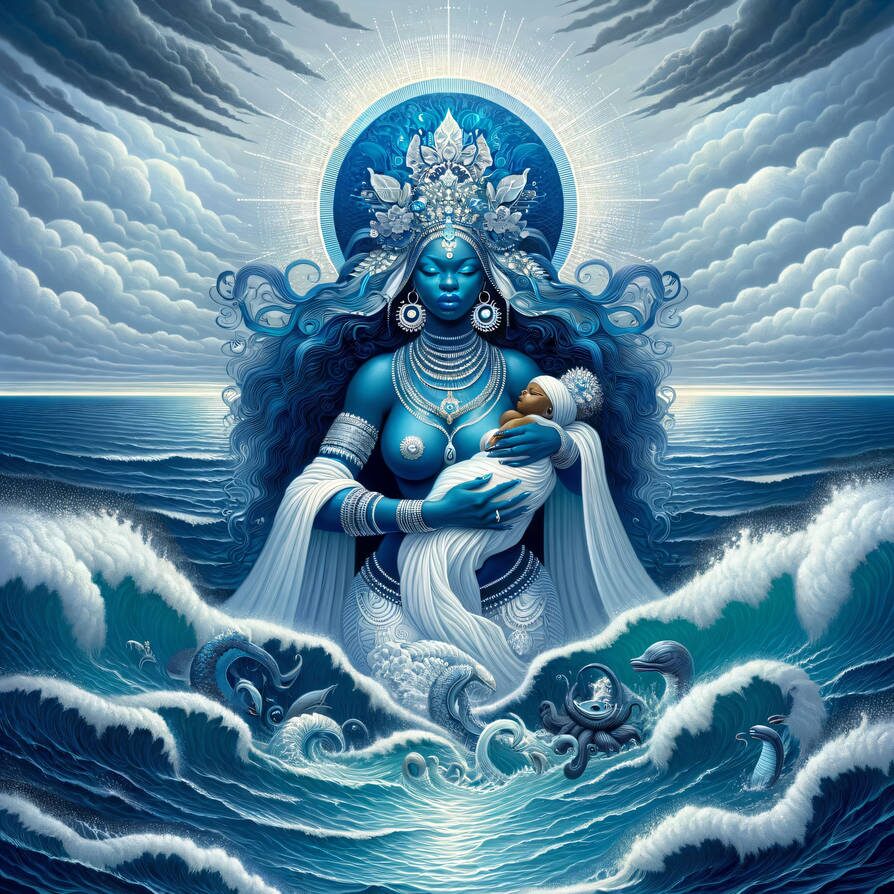
The waves know her name. Yemọja, regarded as the mother of all waters, carries every human emotion ever dropped in the sea. She is tenderness and terror in one breath, nurturing mothers and sailors, but fierce when disrespected.
In Yoruba towns and coastal Brazil, people still send offerings into the ocean, beseeching her for calm tides and fertile homes.
In modern art, she is the embodiment of motherhood; vast, watchful and forgiving.
Her spirit hovers in water rituals, Afro-Brazilian festivals and in every woman who gracefully carries the weight of others.
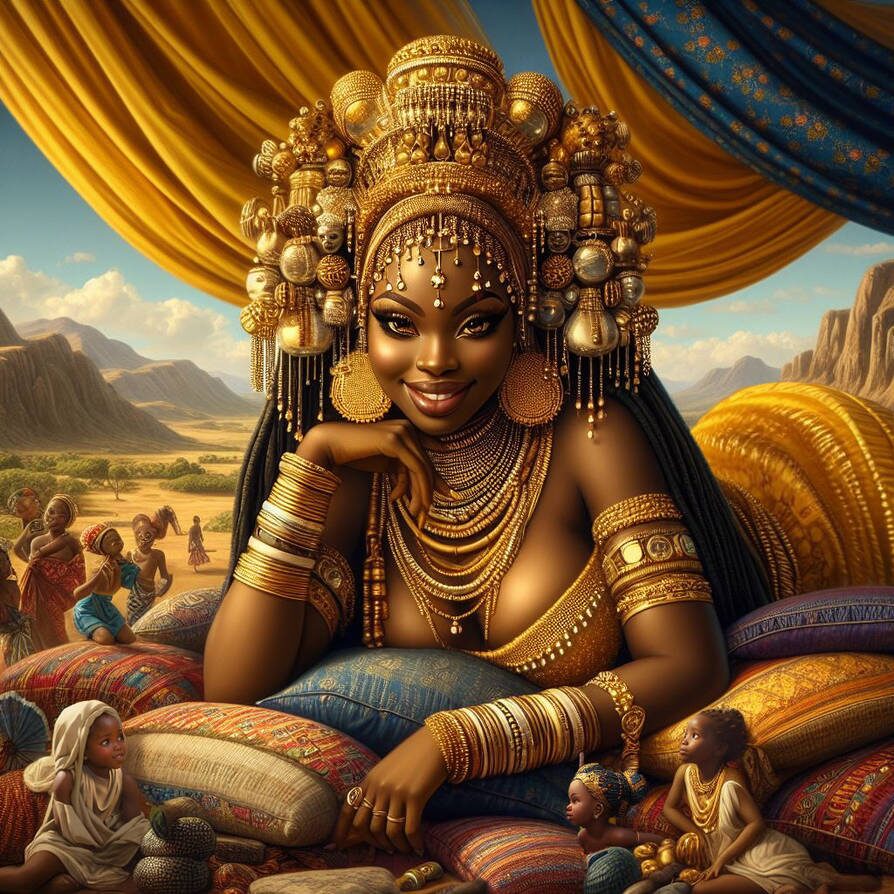
If Yemọja is the ocean, Ọṣun is the river that seduces it. Sweet, radiant and dangerous if ignored. She rules love, beauty, fertility and wealth, but she is also vengeance in silk.
Ọṣun’s influence is evident in the Osun-Osogbo Festival, where thousands gather yearly at her sacred sanctuary, a UNESCO World Heritage site.
Her energy resonates with women who own their softness without apology and with men who perceive grace as strength.
Feminism is a familiar tune hummed warmly by modern women dancing to Ọṣun’s rhythm.
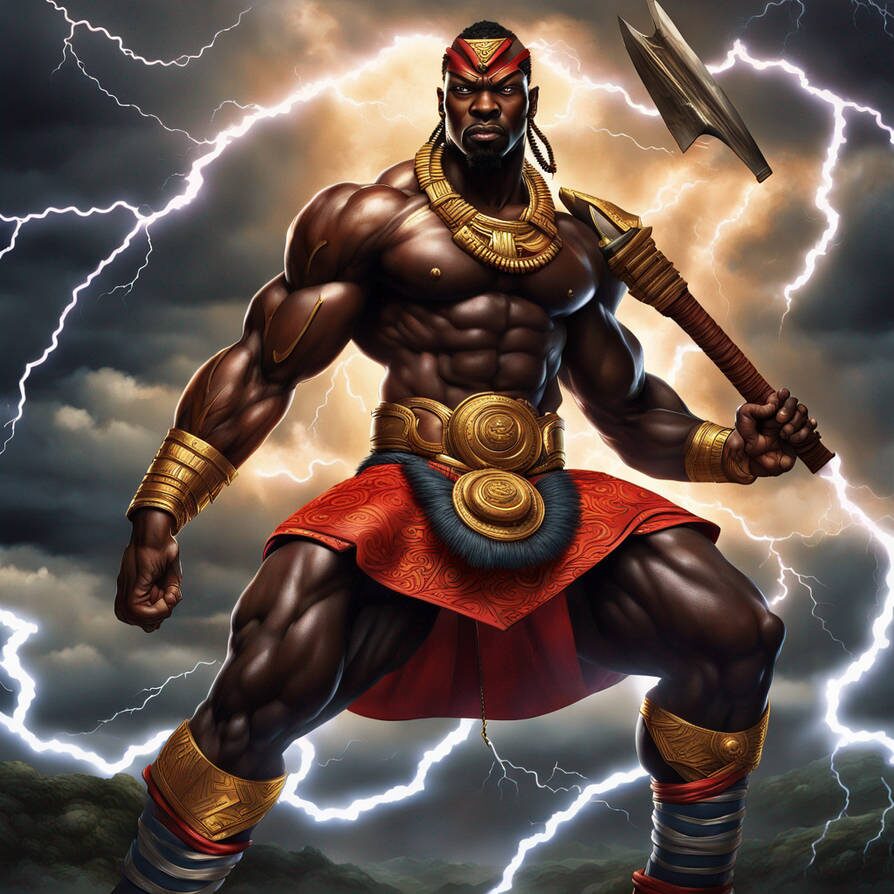
Ṣàngó does not enter quietly; he arrives in lightning, fire and roar. He was once a king and now, a god of thunder and justice.
His name is still used to swear truth in Yoruba courts and ceremonies. His presence stands for accountability. He rewards courage but punishes deceit.
Ṣàngó’s voice is found in the beats of the talking drum during festivals, in literary pages where power meets downfall, and in afrobeat’s fearless dominant energy that announces itself. He reminds society that strength means nothing without integrity.
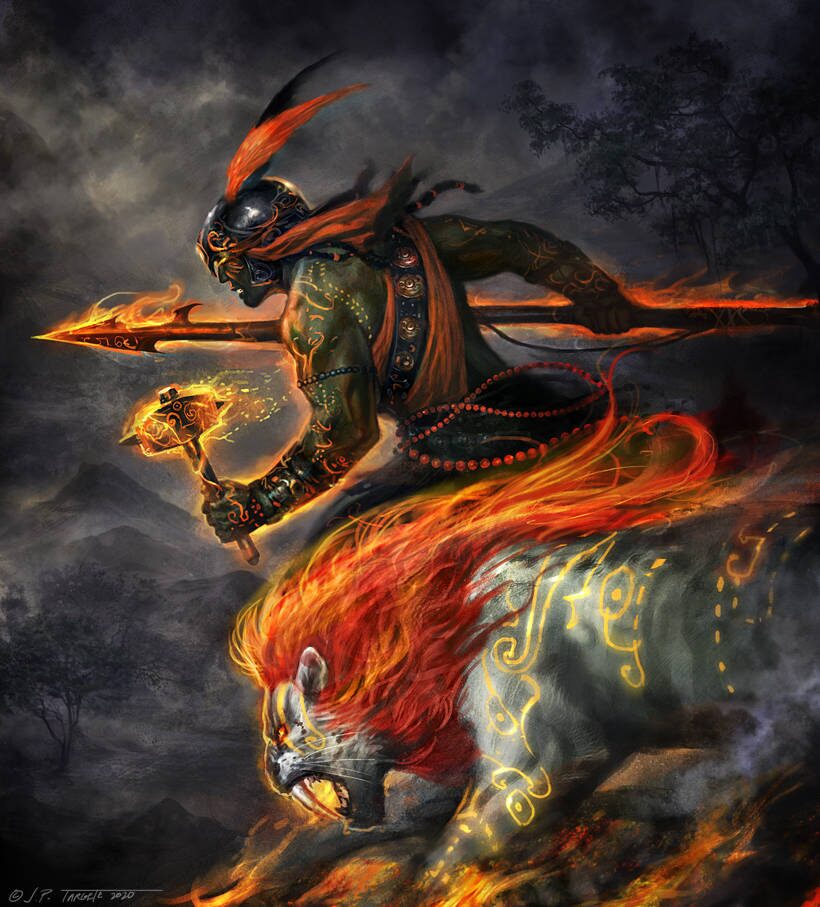
He is the first to clear the forest and forge the path. Ogun is creation through hardship. His tools built civilisations, from blades to machines.
Ancient craftsmen claimed his protection, whispering his name before work began. Ogun is not just a warrior; he is a symbol of discipline and innovation.
In a society that values hard work, his spirit fuels artisans and builders alike. Festivals held in his honour are a fusion of grit and grace.
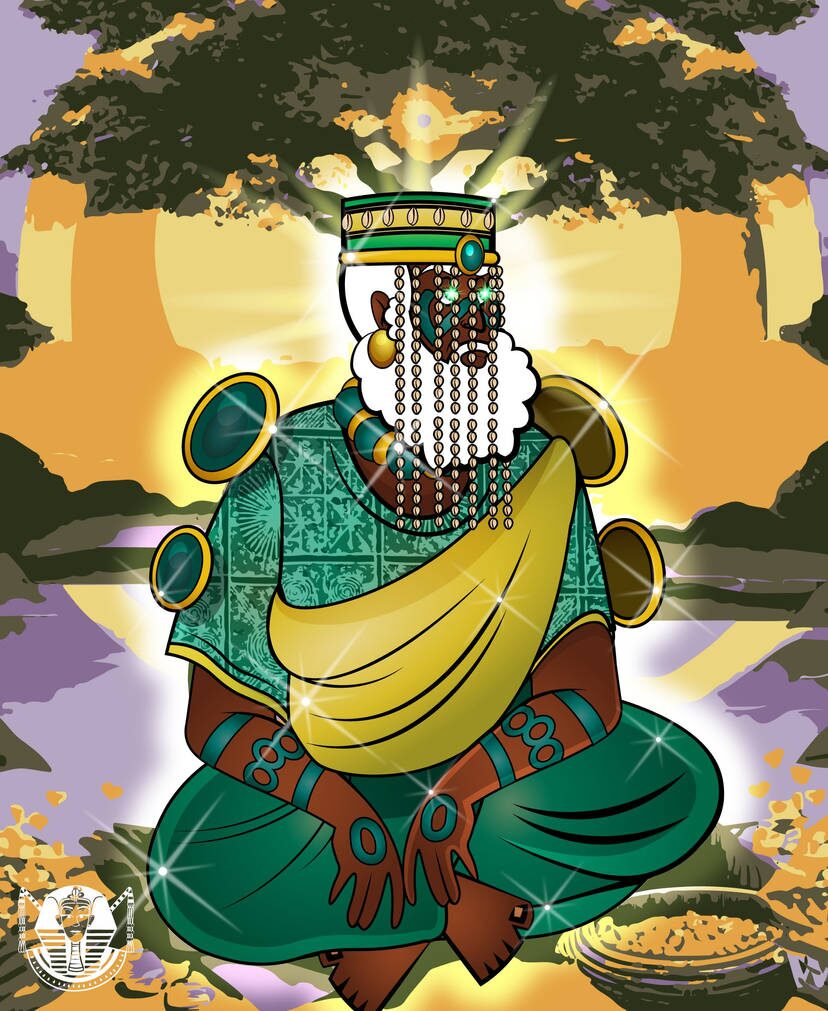
If wisdom had a voice, it would be Ọ̀rúnmìlà’s whisper. While he does not command thunder or war, he is a perfect guide to executing one’s destiny.
Through the sacred practice of Ifá, his followers interpret the universe’s rhythm, offering counsel to royals and commoners.
In Yoruba culture, consulting Ifá before making significant decisions demonstrates trust in divine foresight.
In a world obsessed with quick answers, Ọ̀rúnmìlà teaches patience and reminds us that knowing is not seeing the future, but understanding the present.
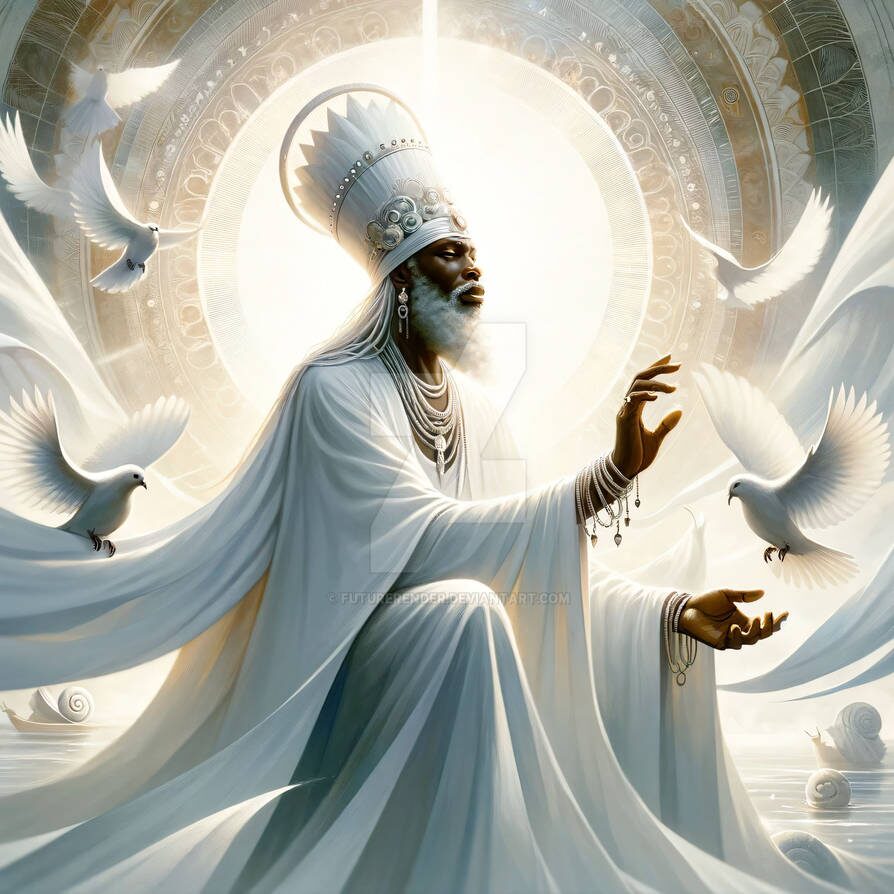
Obatala’s presence is synonymous with peace, often appearing as white fabric swaying in the harmattan wind. He is the orisha of creation, moral clarity, and calm judgment.
When tempers flare, elders invoke him. His purity is not cowardice or naïveté; it is restraint and the quiet, humble dignity that keeps chaos from swallowing everything.
Leaders channel Ọbatala’s energy when they seek justice and fairness. He teaches that true power lies in peace and not pride.
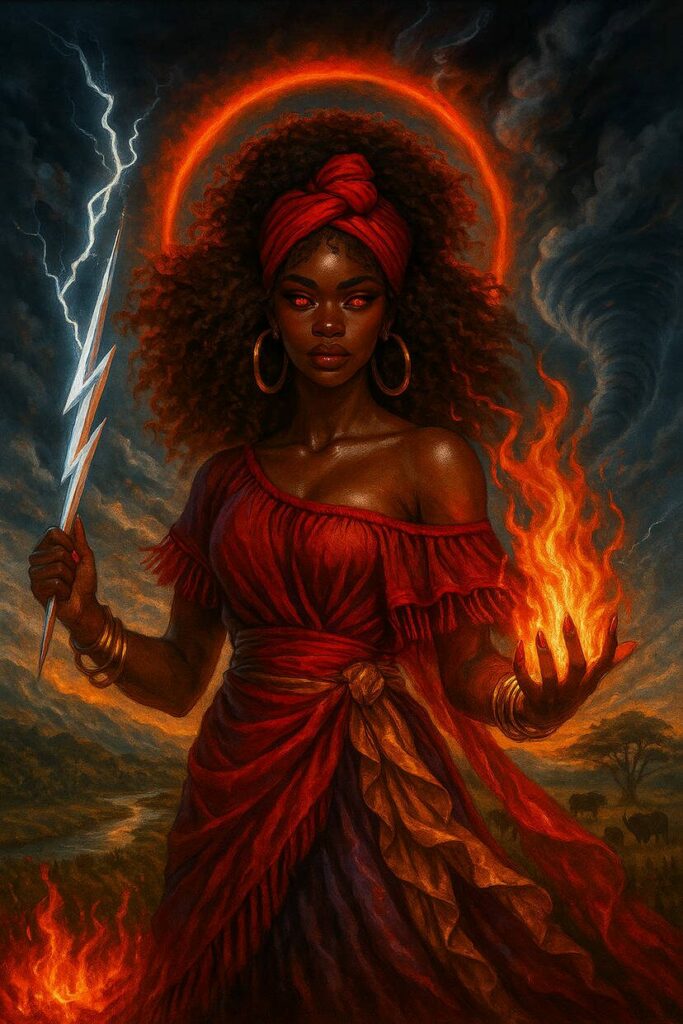
When markets are in disarray and winds rise, Oya is near. The goddess of storms, change, and rebirth does not destroy for pleasure; she creates space for growth.
Oya is the reason women march, rebuild, and rise again. Her stormy aura fuels transformation. You can find her in the way Nigeria buzzes, surviving its own pace, depicting resilience.
She is a pillar of reinvention for women who suffer loss and a fire in movements that demand change. She is motion, courage, and the chaos that births renewal.
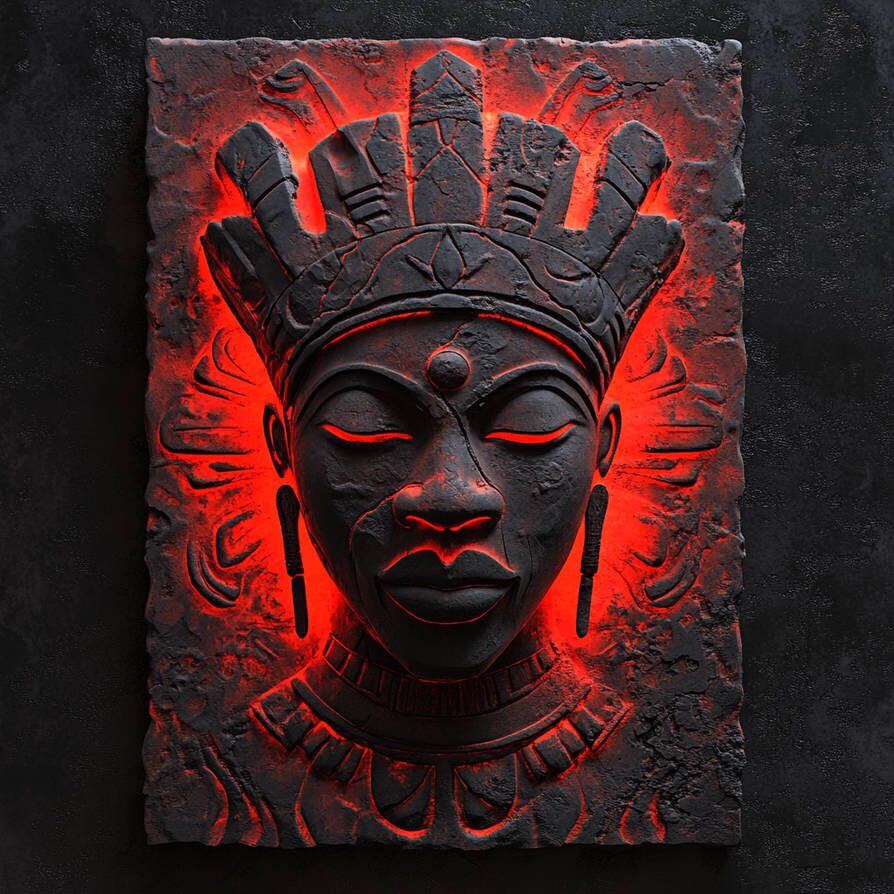
At a crossroad, there’s always a question. This is Èṣù’s domain. Messenger of the gods, master of language and the eternal tester of truth. He does not punish or reward. Instead, he teaches.
Colonial writers once mislabeled him “evil,” but Yoruba philosophy knows better. Èṣù represents balance. He ensures that words and actions align. For every witty proverb and every moment life flips your script, his mischief reflects.
In today’s world of miscommunication and confusion, Èṣù shows up in our choices and mistakes, laughing softly and reminding us that meaning is never one-sided.
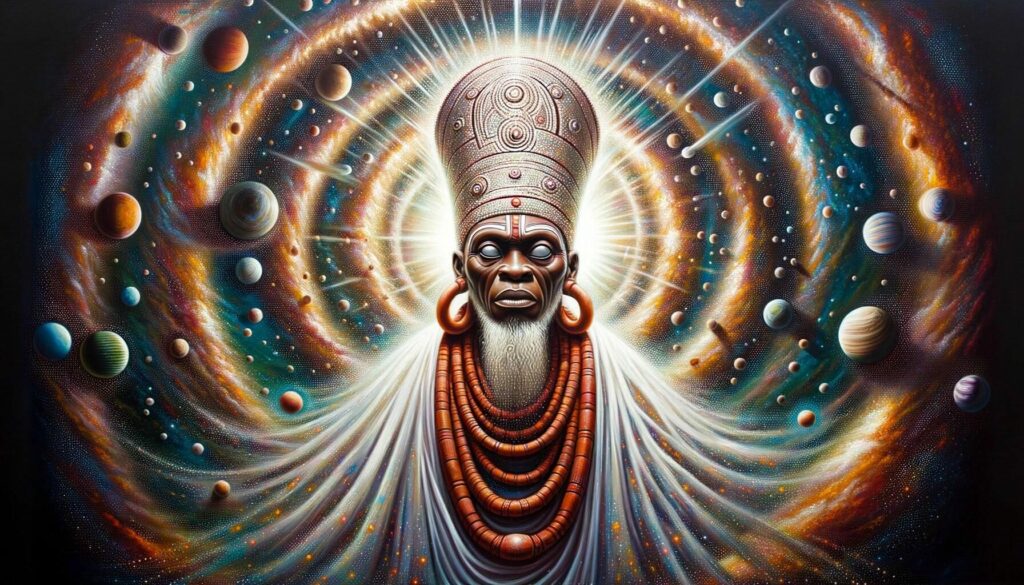
Before and above all, lives Olódùmarè: the supreme being, the source of aṣé (divine energy) and the order that holds the universe together. Yoruba cosmology enforces structure in divine plurality.
The orishas act through Olódùmarè’s will. His silence is faith, and his vastness is possibility. When people say “Olódùmarè mo dupe,” it is a gesture of gratitude beyond words; a nod to the unseen balance that keeps life turning.
He neither shouts nor announces his presence; he merely exists like air, constant and essential.
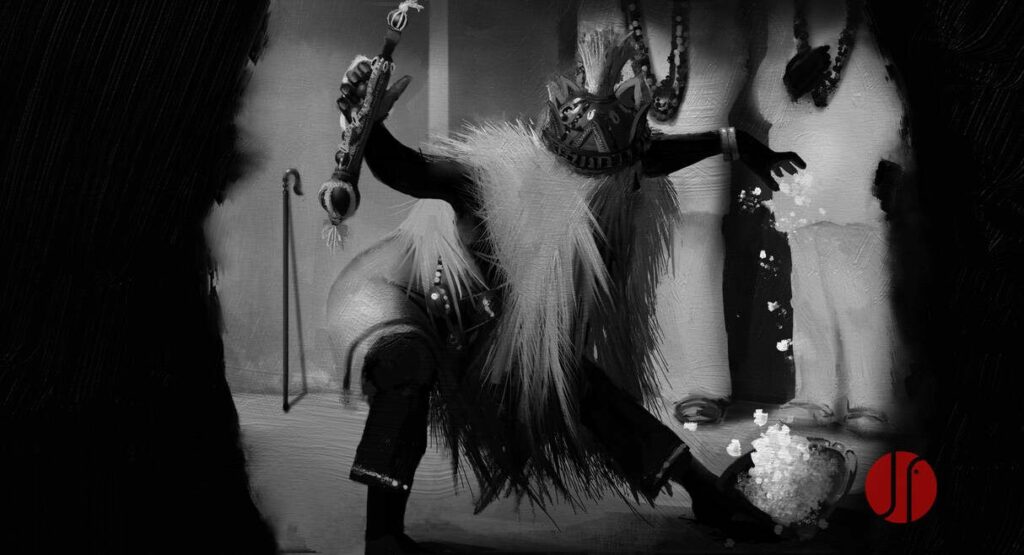
Fear his name, respect his mercy. Ṣọ̀npọ̀nná governs disease and recovery as either punishment or cure. In precolonial Yoruba society, his priests handled smallpox outbreaks and understood disease transmission long before modern medicine.
Today, he is remembered in prayers for health and rituals of cleansing. He is also associated with the ritual act of sweeping away sickness from the body. His dual nature mirrors life’s fragility, pain, and healing, as well as loss and survival.
From the shrines of Osogbo to music videos and runways, Yoruba mythology continues to make its way into the spotlight. It reaffirms that it is more than heritage; it is a living archive of who we are and what we believe in, constantly reinventing itself in every generation.
And now we know that the world has not forgotten the Yoruba mythology gods; it just keeps reinventing itself. The myth never ends; it simply changes appearance.

Timiebi Anthony is a content writer specializing in food journalism, culture, and storytelling. She creates research-driven content across lifestyle, SEO, and creative writing, with a focus on clarity and audience connection. Currently pursuing an English degree, Timiebi blends academic insight with practical expertise to deliver compelling narratives.
Best Films About Unexpected Age Gap Romance
Literary Awards and the Racism Card: A Wake-Up Call for Black Africa
Interview with the Vampire Relationships, Ranked
10 Top Recent Films for Action and Comedy Fans
Comma Rules Every Writer Should Know
10 Most Hype-worthy 2026 Book Releases (African Literature Version)
Five Gambling Films That Know the Bet Is Only Half the Story
Movies Where Poker Reveals Who a Character Really Is
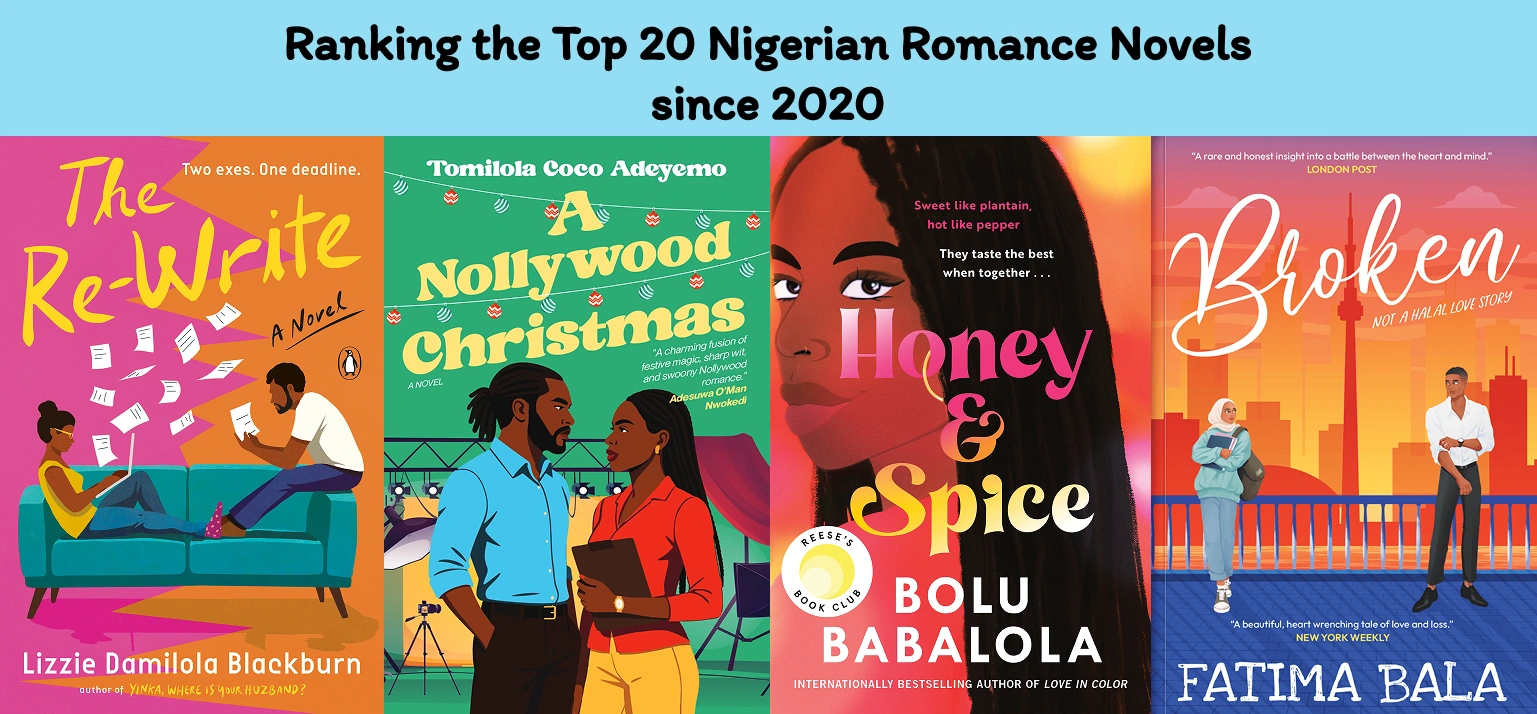
Ranking the Top 20 Nigerian Romance Novels since 2020
In Defense of Reading and Gaming
8 Third-Person Omniscient Examples for the Plot
A Trade of Blood (Ana and Din Mysteries #3) by Robert Jackson Bennett
July 20, 2025 .
Animation, Lists
Our list rounds up the top 30 cartoon characters that were villains, each one more wonderfully wicked than the last.
READ MORE
October 28, 2025 .
Lists, Marvel, MCU, Opinions
Let’s go through a list of the top 7 strongest Marvel villains, from the wickedly powerful to the absolutely unstoppable.
READ MORE
April 29, 2026 .
Lists, Opinions
The Mouse is famous for its princesses and princes. However, the studio’s true genius lies in its embrace of “ugly Disney characters”.
READ MORE
May 6, 2026 .
Lists, MCU
Spider-Man is one of the many superheroes from the Marvel Universe whose stories shaped many childhoods. Who is your strongest Spiderman?
READ MORE
November 27, 2025 .
Lists, Mythology
While this isn’t an exhaustive list, it comprises some of the most popular mythical creatures from around the world.
READ MORE
September 30, 2026 .
Lists, TV Shows, Upcoming Movies
October isn’t celebrated as the official horror movie month for nothing, and some of these entries prove it.
READ MORE

September 9, 2026 .
Lists, TV Shows, Upcoming Movies
There’s something for everyone from every genre you love.
READ MORE

September 9, 2026 .
Lists, TV Shows, Upcoming Movies
July gears up with the hottest lineups of upcoming movies and TV shows.
READ MORE
September 9, 2026 .
Lists, TV Shows, Upcoming Movies
August line-up is here and they don’t disappoint.
READ MORE
April 29, 2026 .
Lists, Opinions
The Mouse is famous for its princesses and princes. However, the studio’s true genius lies in its embrace of “ugly Disney characters”.
READ MORE
September 9, 2026 .
Lists, Upcoming Movies
September’s lineup offers everything from action flicks to buddy comedy to romcom adaptations to keep you entertained all month long.
READ MORE
February 9, 2026 .
Lists
From Masobe to Narrative Landscape and Penguin Random House South Africa, here are the top 9 publishers of African Literature.
READ MORE

July 20, 2025 .
Lists
From Gardens of the Moon, it’s clear that the world of Malazan is richer in history and geographic detail, and than any other fantasy world.
READ MORE

February 23, 2026 .
African Literature, Lists
These are the books that could hold that kind of attention again. Not because they’re flawless, but because they can survive stillness.
READ MORE
Get our magazine for free!