

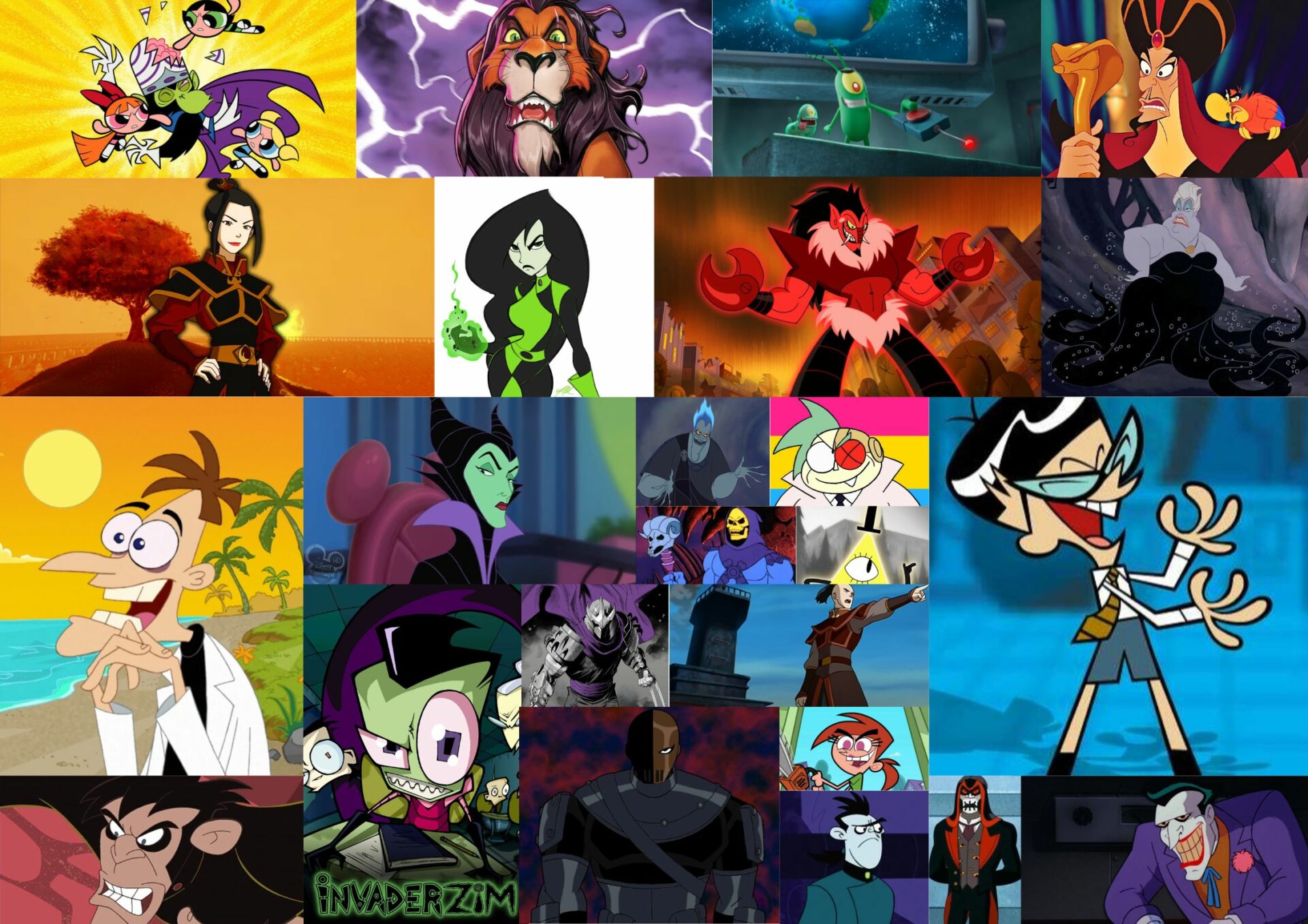
Top 30 Cartoon Characters That Were Villains
Our list rounds up the top 30 cartoon characters that were villains, each one more wonderfully wicked than the last.
Essay, Lists, MBTI
ENFJ characters often appear as those who rally others, mentor colleagues, or set the world ablaze when the need arises.

The ENFJ personality type, part of the Myers-Briggs Type Indicator framework, is defined by Extroversion, Intuition, Feeling, and Judgment traits.
They are most commonly called the Protagonist type. They are recognized for leadership, empathy, and inspiring others toward meaningful personal and collective growth.
ENFJ characters often appear in TV and streaming stories as leaders who rally others or mentor colleagues. They also step up to set the world ablaze when necessary.
When people think of the ENFJ, they often imagine a charismatic world leader or revolutionary figure striving actively for a better tomorrow.
Others might describe them as overdramatic or fake, and neither assessment would be entirely wrong, ideally capturing the personality’s complexity.
This type exists somewhere between these two extremes, balancing inspiring leadership with occasional emotional intensity or performative tendencies.
They are known for their exceptional communication skills, ability to inspire others, and ability to excel in social settings. Even the most virtuous ENFJ traits can take a dark turn, transforming them into a compelling villain. They pursue the same goals as a “good” ENFJ but with very different methods.
ENFJs naturally connect with people on a deep level, giving them insight into emotions and motivations. When their intentions go astray, this understanding can turn into manipulation and control.
Here’s a list of ENFJ characters from the big screen who embody these traits in their unique way.

“Remember who you are.”
Mufasa is the beloved king of the Pride Lands. He embodies the ultimate ENFJ: a leader driven by empathy, conviction, and an unshakeable moral code.
Guided by Extroverted Feeling (Fe), he carries a deep sense of responsibility for the Pride Lands and for Simba’s growth.
As a father, he’s loving and protective, doing everything possible to ensure his family’s and Pride’s well-being and survival.
Mufasa thinks of others before himself and gently guides those around him, constantly aiming to bring out their best.
His worldview is driven by Introverted Intuition (Ni), which leads him to believe that life follows a larger, interconnected order known as the Circle of Life.
Mufasa trusts this vision, often acting boldly to protect those he loves. Beloved by his kingdom and adored by his family, he is the textbook ENFJ: compassionate, visionary, and deeply committed to leaving the world better than he found it.

Professor Charles Xavier embodies the ENFJ’s idealistic core belief that compassion can heal the world. As the founder of X-Men, he is led by Extroverted Feeling (Fe). Charles builds his entire life around service, creating a safe community where young mutants can grow, understand their powers, and learn to live in harmony with humans.
He clings firmly to his belief that humans and mutants can coexist. This belief system remains stable even when Magneto repeatedly demonstrates human hostility. Xavier’s moral compass remains unwavering.
He willingly carries the emotional weight of others, rehabilitating Logan, guiding Jean, and extending grace to Magneto long after most people would have given up.
He represents the ENFJ characters at their most inspiring: individuals who believe in people more than they believe in themselves, and dedicate their entire life to building a world where everyone, mutant or human, has a place to thrive.

If Mufasa is the light of ENFJ leadership, Homelander is its shadow. He displays charisma, confidence, and an intense need for admiration, driving his flaws.
His motivation is a basic fear of being worthless or incapable of success, and a core desire to feel valuable. His downfall is the ENFJ’s worst-case scenario: empathy turning into ego, and leadership into control.
Multiple examples showcase Homelander’s process of trying to present himself as a saviour, in a bid to preserve his ego. Homelander has no sense of morality; all he has is the emotional feedback he receives from society.
His perception as “The World’s Greatest Superhero” is the only guide he has. This leads him to commit so many questionable acts.

Donna Paulsen is one of the clearest ENFJ characters on television; warm, intuitive, and effortlessly in tune with the people around her.
She understands what people need before they say a word, and she uses that emotional intelligence to guide, support, and sometimes strategically nudge situations in the right direction. She can be bossy when necessary, but it always stems from a place of genuine care.
Her strength lies in Extroverted Feeling (Fe), the natural ability to connect, empathize, and influence. She has a deep understanding of people, predicting behavior, noticing patterns, and seeing the bigger picture long before others catch on.
She’s fiercely loyal to the Harveys, Mike, Rachel, and even Louis (considering how many times he had tried to sabotage them), and always protects them.
She leads with compassion and a strong moral compass, using her insight to build people up, unless, of course, they threaten her own interests.

“I will answer injustice with justice.”
Daenerys embarks on her journey as a compassionate leader, determined to liberate the oppressed.
She sees herself as a champion of the helpless, guided by a fierce moral vision for a better world. But as her power grows, so does the intensity of her convictions. The certainty in her destiny and her belief that only she can build a just world reflect the shadow side of ENFJ passion.
Like many ENFJ characters, Daenerys feels deeply for those who suffer. She frees the Unsullied and protects the powerless, driven by compassion and a vision for a better world. Her passion, however, becomes her weakness.
As she gains power, she becomes more rigid, emotional, and reactive. She demands loyalty, reacts strongly to betrayal, and begins to believe that her vision is the only “right” one. Her idealism becomes extreme, leading to destructive choices, such as the destruction of King’s Landing.
ENFJs are the storytellers, the visionaries, and the ones who make people believe in something bigger than themselves. They see the spark of potential in others and fan it into a flame. But being an ENFJ isn’t always easy. As shown, their empathy either builds bridges or burns them, depending on how they utilize their emotional insight.
These characters remind us that leadership is complex, empathy is powerful, and even the best intentions can shape worlds — for better or for worse. For anyone interested in determining their MBTI type, please visit here.
Our list rounds up the top 30 cartoon characters that were villains, each one more wonderfully wicked than the last.
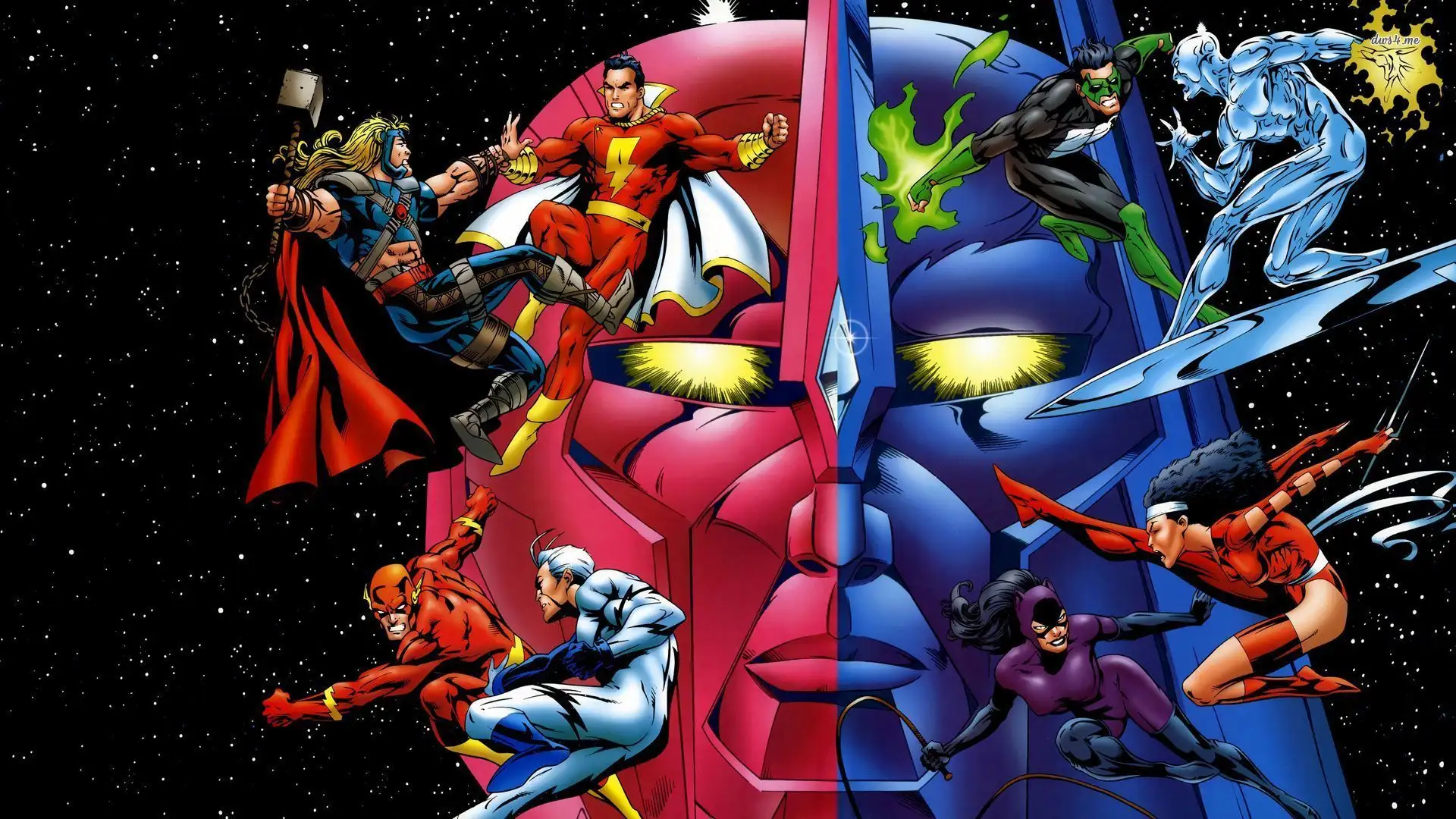
DC is great at making comics and animated movies, while the MCU has the upper hand in its cinematic aspects
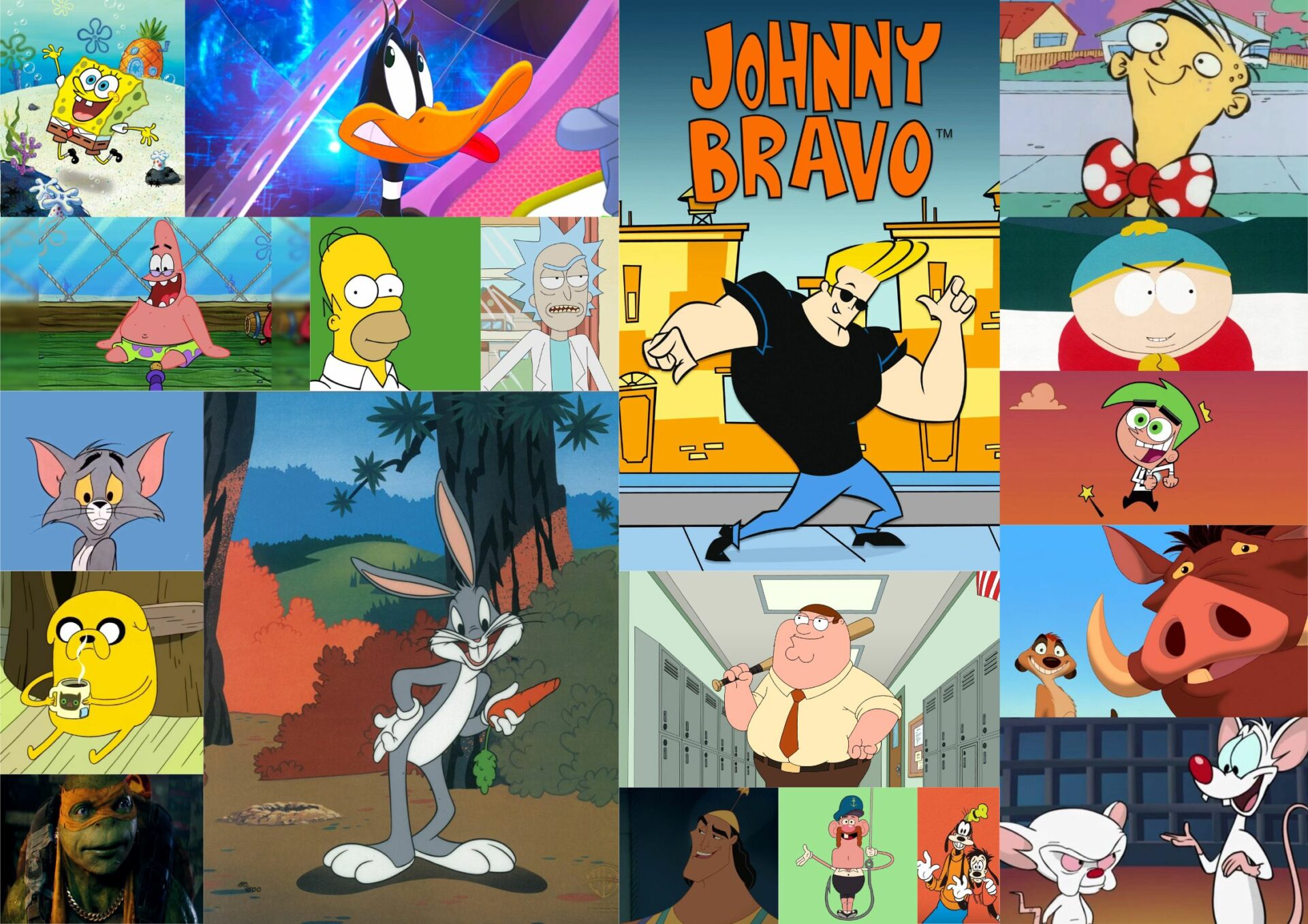
There are some outright funny cartoon characters who exist solely to crack you up, loud, hard, and with zero apology.

Discover the best apps to read books for free in 2025. Access thousands of free e-books and audiobooks on your phone or tablet. ...

Things Fall Apart is for the colonizers as well as the colonized, helping to understand the role of colonialism in the realization...

While many of the Nollywood movies on our list are quite old, it’s a testament to the capabilities of the industry’s p...

While this isn’t an exhaustive list, it comprises some of the most popular mythical creatures from around the world.
Get our magazine for free!