
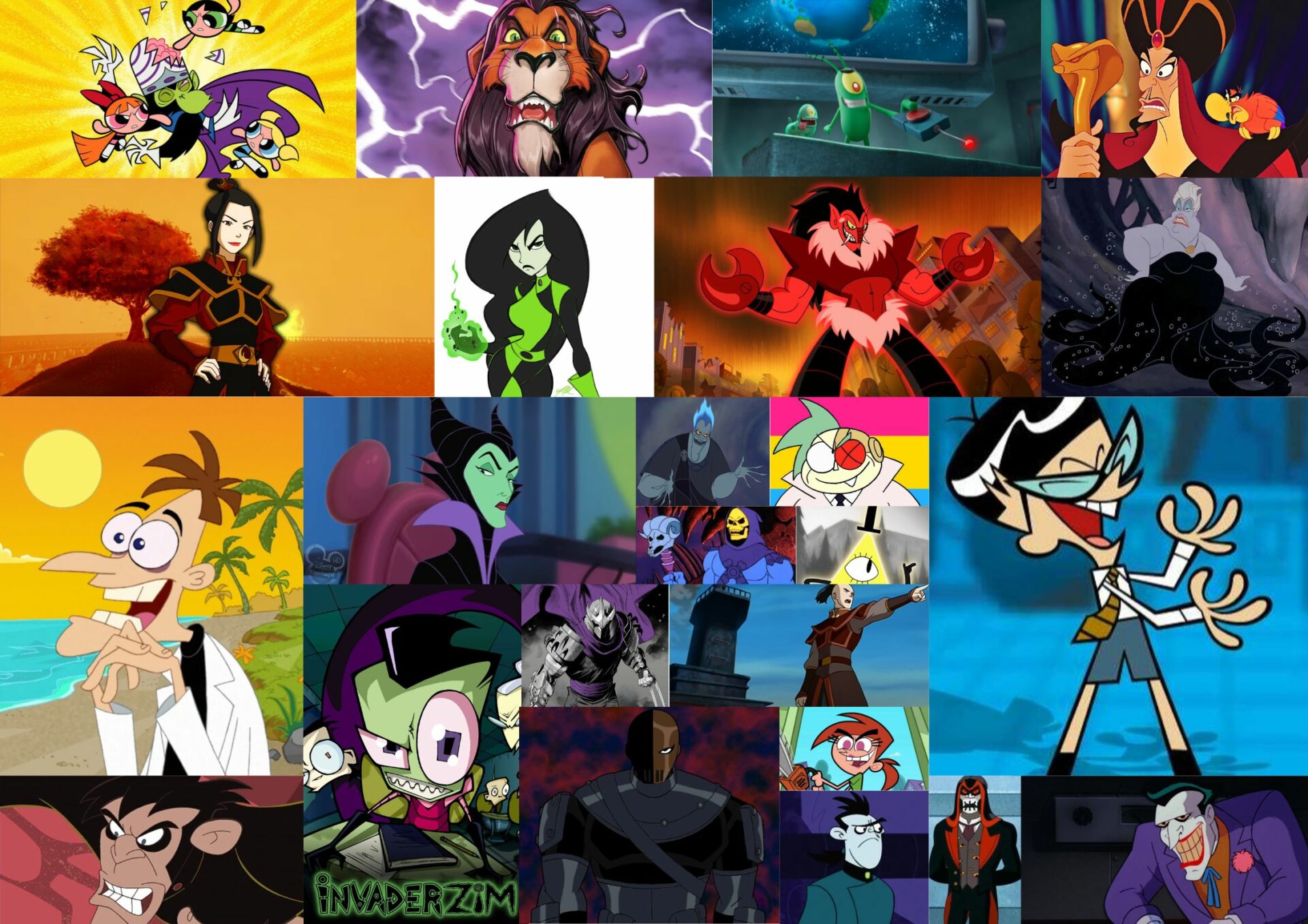
Top 30 Cartoon Characters That Were Villains
Our list rounds up the top 30 cartoon characters that were villains, each one more wonderfully wicked than the last.
Essays, Opinions
To understand why the contemporary reader, one must look into why short novels will continue to be a part of our lives.
Growing up, being a reader meant carrying a thick paperback or hardcover. The book’s size equalled the reader’s badge of honour.
Books like War and Peace, The Lord of the Rings, The Famished Road, Jane Eyre, A Game of Thrones, and many others were defined by that size, which influenced their value. However, the tides of consumption have changed. There has been an increase in the short novel market as readers prefer brevity over their longer counterparts.
This transition is not merely a result of changes in our reading tastes; it depicts something much larger. Short novels are books that fall between twenty thousand and fifty thousand words, and their rise challenges the traditional publishing model and reshapes how stories are told.
To understand why the contemporary reader is trading the marathon for the sprint, one must look into why short novels will continue to be a part of our lives.
The first culprit that would come to mind is the fragmentation of attention caused by social media. Of course, it is a tired trope to blame social media for everything, yet the impact of algorithmic content cannot be ignored.

Platforms designed to deliver dopamine hits every fifteen seconds have rewired the mind. The modern brain has become conditioned to expect rapid resolution and constant stimulation.
In this context, a 900-page manuscript that requires 50 pages of world-building before the plot truly develops may be asking too much.
Short novels give compelling alternatives by offering a fully developed storyline in a short time. A reader can finish a short novel during a week of work and stress or on a single lazy Sunday; this provides a sense of completion which is somewhat rare in a world of endless scrolling.
And any reader aiming to complete fifty books a year will naturally gravitate towards short novels to meet that goal.
Beyond the cognitive aspect, an economic factor is driving this shift. We are living through a period of intense inflation/poverty. The boundaries between work and hobbies have become nonexistent for many. If a reader is unable to find the time to dedicate twenty hours to a novel, then short novels are the solution.
Furthermore, the cost-of-living crisis has affected many aspects of life. Though books might be relatively cheaper compared to other forms of leisure, the price of hardbacks/paperbacks has risen.

Digital platforms like Kindle have driven the rise of ebooks, and as a result, authors are publishing more frequently to stay relevant in this fast-paced world. Writing four short novels a year offers a more viable strategy for an independent author than spending two years on a single masterpiece.
Also, the shift towards brevity is not just changing what we read; it is changing how stories are told. The framework of a short novel differs fundamentally from that of a longer one, and this introduces new writing techniques.
A long-form novel often provides writers the luxury of “breathing room”. They can spend chapters detailing the history of a fictional universe, a minor character, or a village’s specific traditions. However, short novels demand a ruthlessness that ensures every scene advances the plot or reveals character.
Thus, this compression comes with certain things that may be affected. For example, a slow burn romance or the intricate political intrigue that often requires hundreds of pages to resolve can be harder to execute. Yet, many writers are discovering that constraints are breeding grounds for creativity.
The demand for short novels has led to more serialisation. Platforms like Wattpad, Radish, and AOT break stories into bite-sized episodes. A collected season might equal the length of a standard novel.

Yet, the experience is akin to watching a television episode. Reading one chapter on a phone during lunch fits this pattern perfectly. It transforms reading into a daily habit rather than a daunting project.
Certain genres have adapted to the short form more easily than others. The romance, thriller, and horror genres are thriving in the realm of short novels.
Horror, in particular, benefits from the shortness; fear can be difficult to sustain over 500 pages without becoming exhausting or repetitive. But a punchy 150-page horror novella can maintain a grip of tension that doesn’t slacken.
Also, fantasy and science fiction, which are traditionally the homes of the heavy book, are also evolving. There are many sub-genres that focus on smaller, more personal stakes and do not require extensive world-building, making them perfectly suitable for the short novel format.
The rise of the short novel does not mean that the long-form novels will die. This is because there will always be a hunger for the immersive experience that only a massive book can provide, and there is also a specific magic in living with characters for so long that they feel like family.
Instead, the shift towards short novels suggests a future where reading is more fluid and varied. A reader might consume three novellas in a month and then spend the next two months tackling a single biography. This dispels the stigma once attached to shorter works, which were somehow deemed inferior.
The popularity of short novels is an adaptation to a high-speed, high-stress world. It reflects a desire for completion, a need for efficient storytelling, and a shift in how media is distributed and valued. It encourages experimentation and allows diverse voices to enter the market without the barrier of writing a massive manuscript.
Ultimately, the goal of fiction remains unchanged: to transport readers into different worlds. Whether in 50,000 or 200,000 words, fiction delivers its voyage. The short novel is no retraction of the art form; it is a testament to creativity that uses fewer words to offer even more stories.
In this efficiency, fiction continues to expand its horizons and prove that brevity, too, can be powerful.
Our list rounds up the top 30 cartoon characters that were villains, each one more wonderfully wicked than the last.
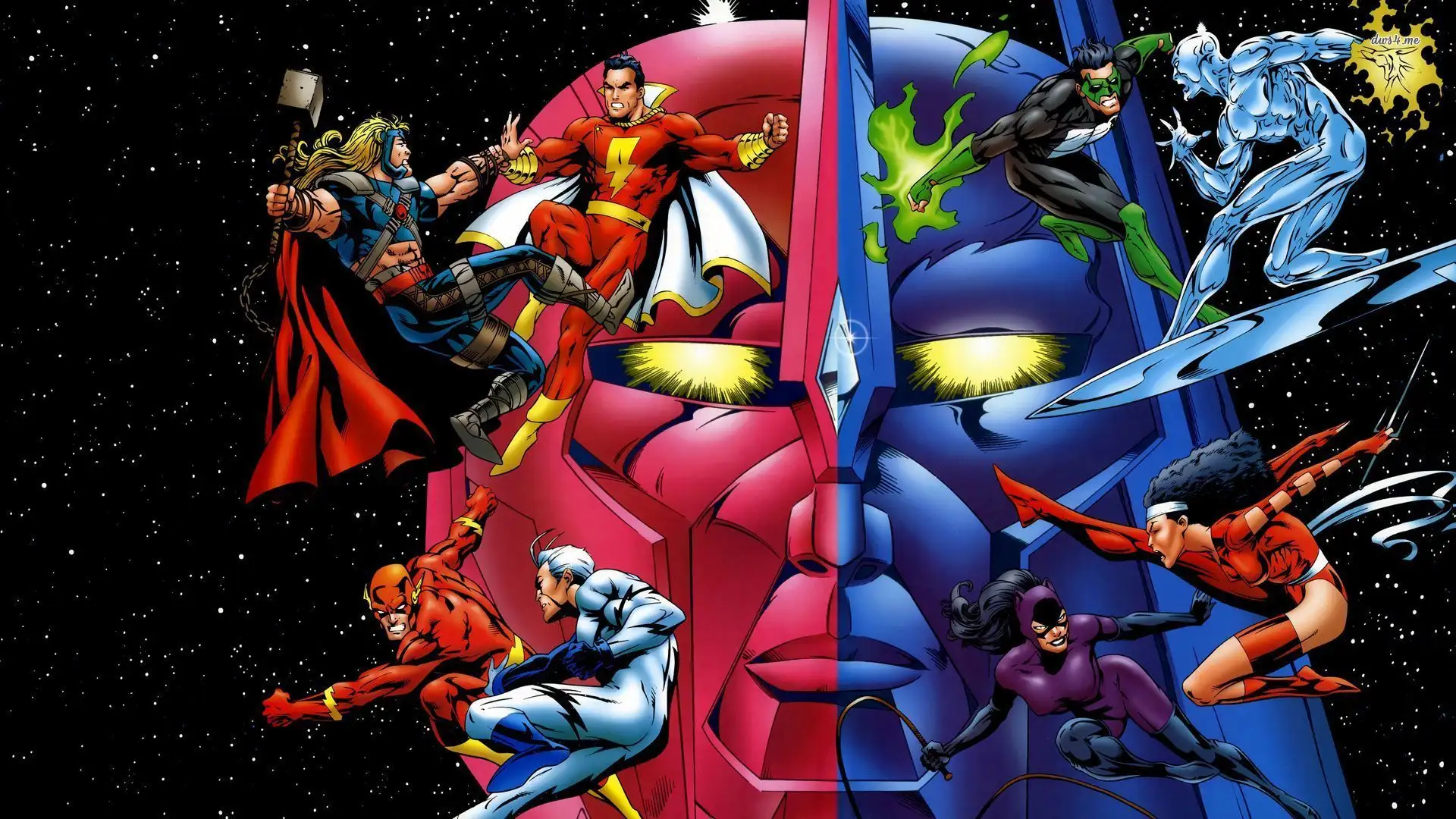
DC is great at making comics and animated movies, while the MCU has the upper hand in its cinematic aspects
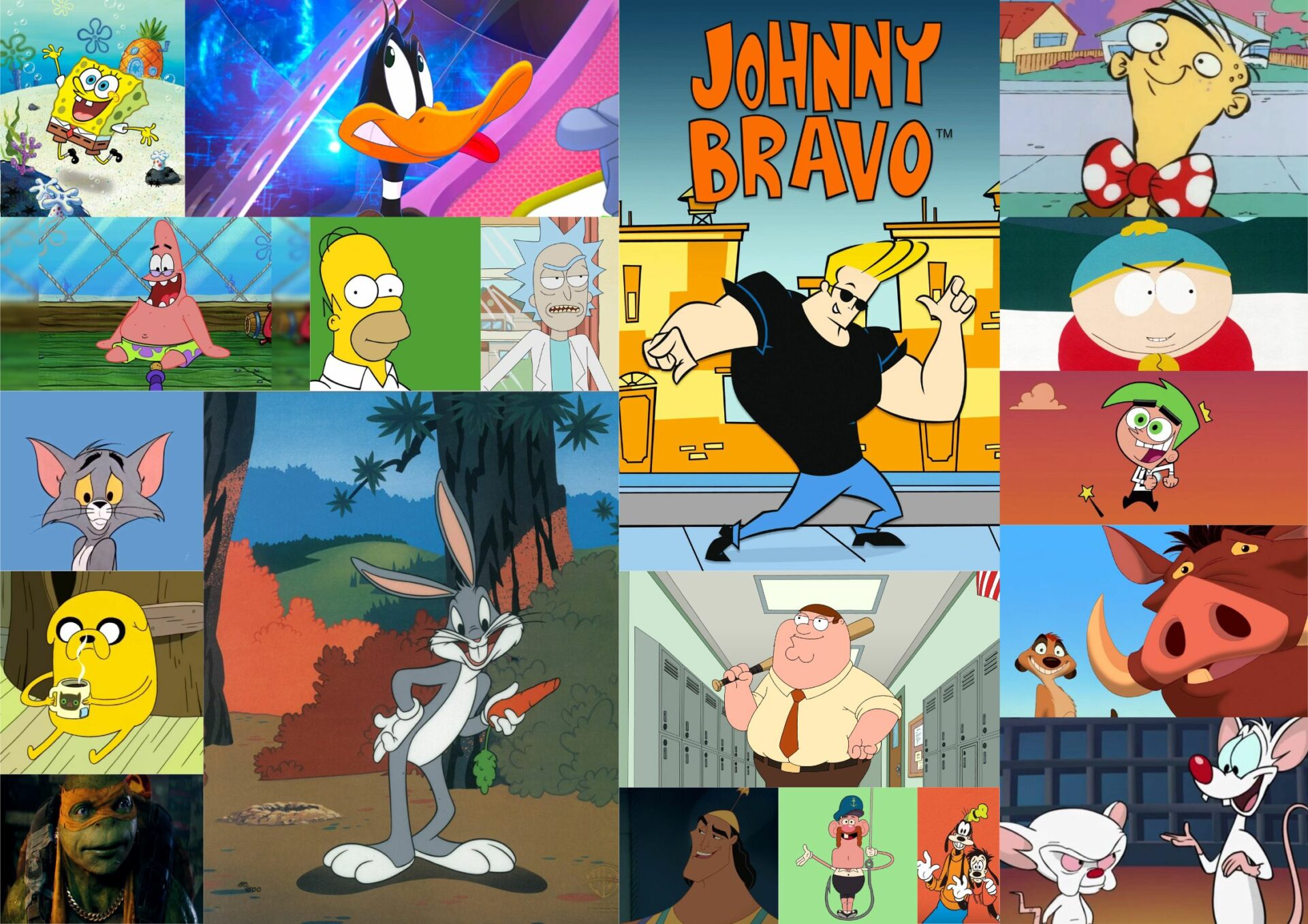
There are some outright funny cartoon characters who exist solely to crack you up, loud, hard, and with zero apology.

Discover the best apps to read books for free in 2025. Access thousands of free e-books and audiobooks on your phone or tablet. ...

Things Fall Apart is for the colonizers as well as the colonized, helping to understand the role of colonialism in the realization...

While many of the Nollywood movies on our list are quite old, it’s a testament to the capabilities of the industry’s p...
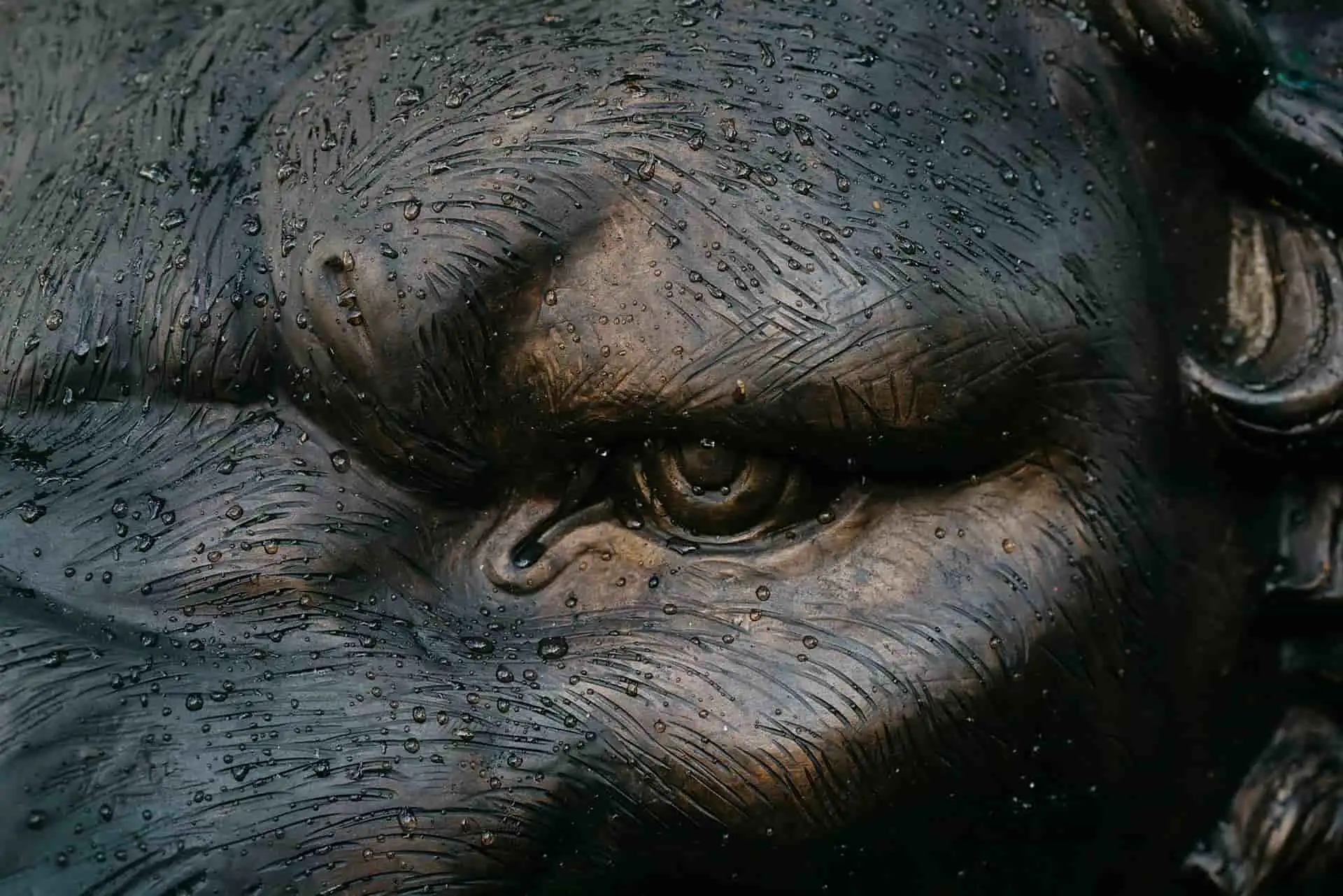
While this isn’t an exhaustive list, it comprises some of the most popular mythical creatures from around the world.
Get our magazine for free!