

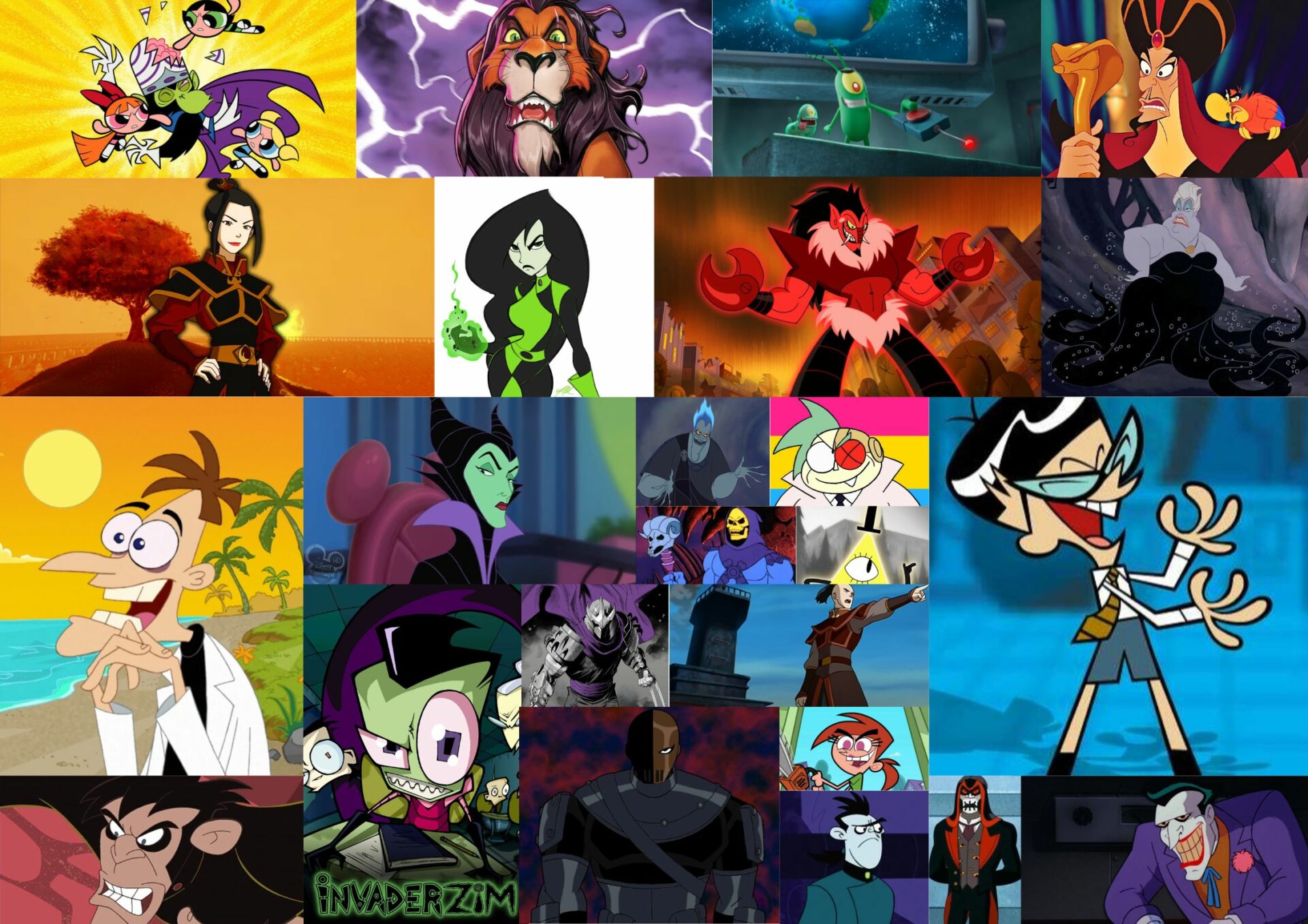
Top 30 Cartoon Characters That Were Villains
Our list rounds up the top 30 cartoon characters that were villains, each one more wonderfully wicked than the last.
Art, Essay, history
For centuries, the visual language of the Aztec world has influenced modern art spaces through geometry, color, form, and material.
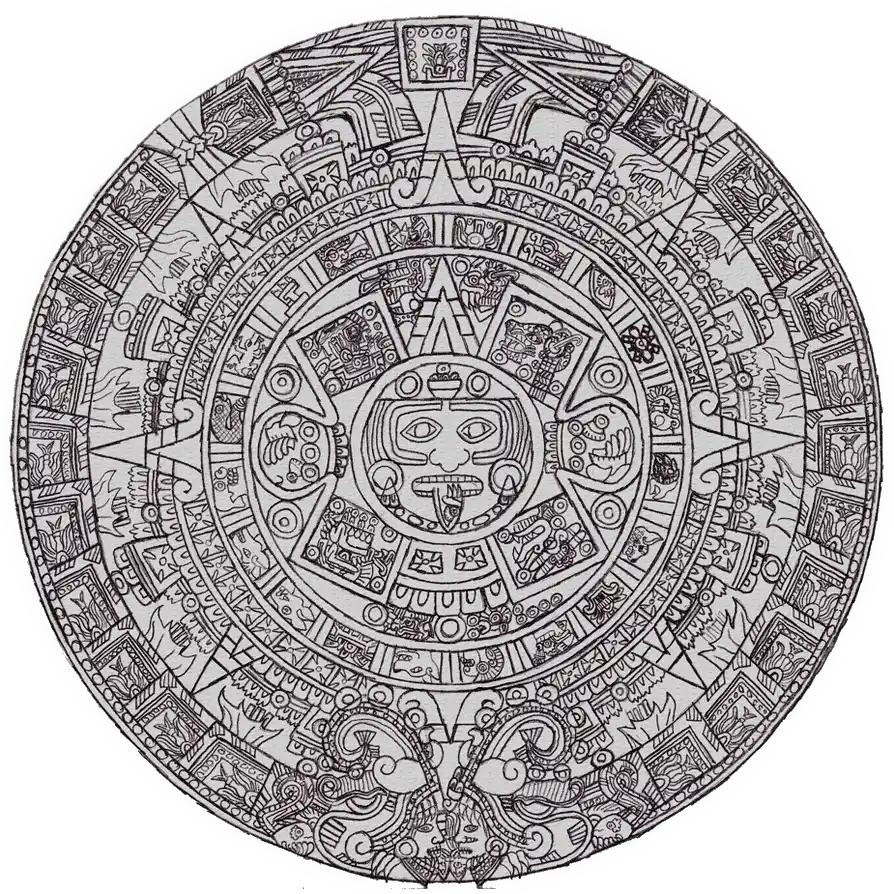
For centuries, the visual language of the Aztec world has influenced modern art spaces. Through geometry, colour, form, and material, Aztec art has conveyed meaning, shaping patterns within creators’ palettes, often without acknowledgement of its source.
As a result, the Aztec representation in contemporary design calls for a deep dive into its origins, symbolism, and translation into modern contexts.

Centered in Tenochtitlán (modern-day Mexico City), the Aztecs, also known as the Mexica, were a Mesoamerican civilization that existed from the 14th to the 16th centuries. They built a highly organized society guided by religion, cosmology, and ritual. Art, architecture, and material culture were deeply symbolic, reflecting beliefs about the cosmos, life and death, and human responsibility. Skilled artisans worked with stone, feathers, metals, and pigments, producing objects that conveyed both spiritual and political authority.
The Aztecs gave sacred value to both materials and form. Turquoise, jade, coral, and obsidian were more than aesthetic choices; they embodied the elements of sky, fertility, and transformation. Feather mosaics crafted by the amanteca, artisans who worked exclusively with quetzal and hummingbird feathers, were political and spiritual statements. Each mosaic shimmered with life, representing divine breath and celestial light. Surviving examples, such as the headdress attributed to Moctezuma II and the featherwork depicted in the Florentine Codex, demonstrate that color served as a form of prayer and hierarchy, expressed through texture.

Architecture reflected the Aztecs’ philosophy of order. By rising in stepped layers, temples echoed the vision of a tiered universe, linking the gods, mortals, and the dead. Stairway serpents symbolized world transitions, while the Templo Mayor, at Tenochtitlan’s heart, aligned with astronomical events to transform the city into a living calendar. Every relief and fresco created a cosmic narrative, translating theology into space and form.

Aztec art combined meaning and design. Each object carried a purpose: to document myth, validate leadership, and link society to the cosmos. Many of these forms continue to shape modern art, fashion, and architecture.
▪︎ The Sun Stone, or Stone of the Five Eras, is a 15th-century basalt monolith featuring Tonatiuh, the sun god, at its center, surrounded by symbols of the four previous eras and other cosmological elements. Functioning as both a calendar and a religious artifact, it reflected Aztec cosmology and their understanding of time, the universe, and divine cycles. Today, it is displayed in the National Museum of Anthropology in Mexico City and widely referenced in Mexican art, design, and cultural symbolism.
▪︎ The Coatlicue Statue depicts the earth goddess with serpents for limbs and skulls as ornaments, symbolizing the cycle of life, death, and rebirth. Its geometry influences modern sculpture and fashion, inspiring metallic bodices and motifs celebrating feminine power and duality.
▪︎ The Coyolxauhqui Stone, once at the base of the Templo Mayor, shows the dismembered moon goddess in a circular, symmetrical layout. It represents cosmic order and transformation, inspiring contemporary murals and performance art that explore violence, change, and cosmic justice.
▪︎ Moctezuma’s Headdress, crafted from quetzal feathers and gold, symbolized divine kingship, authority, and spiritual power. Its layered colors now influence haute couture, stage design, and visual art as icons of authority and elegance.
▪︎ The Tizoc Stone, a carved disk portraying conquest and ritual sacrifice, represented political power and ritual legitimacy. Its patterns inform modern public art and Aztec-inspired graphic design, transforming historical symbols into contemporary visual language.
▪︎ Eagle and Jaguar Warrior Symbols conveyed courage, sacred duty, and martial prowess in Aztec military and ritual contexts. Today, these motifs appear in streetwear, national emblems, and tattoo culture.
Contemporary creators consciously borrow from this visual grammar in shape, rhythm, and color. The Sun Stone’s radial composition is reflected in graphic design and branding, such as logo designs and album covers, while geometric step motifs influence architecture and murals throughout Latin America and the United States. Skulls, once symbols of sacrifice and regeneration, are reinterpreted in tattoo culture and Día de los Muertos iconography, showing up in sugar skull designs, face painting, and street art as affirmations of life.
Fashion and art houses also draw from Aztec motifs, though not always responsibly. For instance, major brands have released collections featuring turquoise palettes, jade accessories, and feather-inspired prints that reflect admiration for ancestral aesthetics but can risk reducing sacred language to mere ornament when detached from meaning. Increasingly, indigenous artists and curators in Mexico reclaim these narratives, emphasizing context, ownership, and continuity.

The primary challenge is to preserve intent. Employing a serpent motif without acknowledging its role as a bridge between worlds, or using a sun glyph as decoration, diminishes its meaning. Contemporary artists who succeed treat these motifs as living heritage, demonstrating that modern design can innovate while remaining accountable to history.
The enduring strength of Aztec art lies in its clarity of vision. It does not separate beauty from purpose, or form from faith. The artists of Tenochtitlán left a system of symbols that described not only how the world looked, but also how it functioned.
Today, these symbols shape visual culture across architecture, fashion, murals, and digital art. Each adaptation echoes an ancient dialogue between humanity and the divine. Engaging with Aztec aesthetics reveals the persistence of order in chaos and the power of art to carry meaning across centuries.

Timiebi Anthony is a content writer specializing in food journalism, culture, and storytelling. She creates research-driven content across lifestyle, SEO, and creative writing, with a focus on clarity and audience connection. Currently pursuing an English degree, Timiebi blends academic insight with practical expertise to deliver compelling narratives.
Our list rounds up the top 30 cartoon characters that were villains, each one more wonderfully wicked than the last.
DC is great at making comics and animated movies, while the MCU has the upper hand in its cinematic aspects

Discover the best apps to read books for free in 2025. Access thousands of free e-books and audiobooks on your phone or tablet. ...
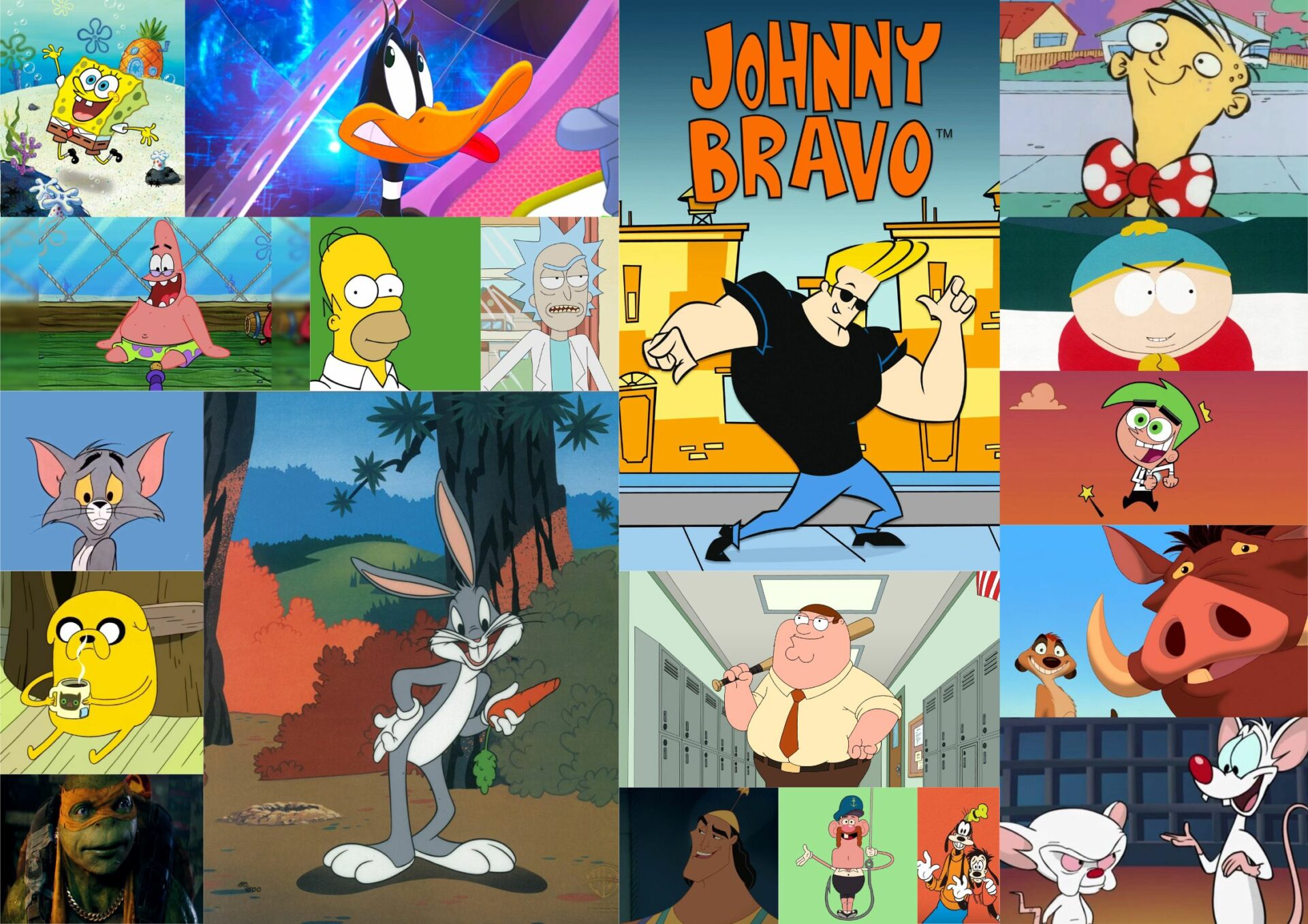
There are some outright funny cartoon characters who exist solely to crack you up, loud, hard, and with zero apology.

Things Fall Apart is for the colonizers as well as the colonized, helping to understand the role of colonialism in the realization...

While many of the Nollywood movies on our list are quite old, it’s a testament to the capabilities of the industry’s p...
While this isn’t an exhaustive list, it comprises some of the most popular mythical creatures from around the world.
Get our magazine for free!