

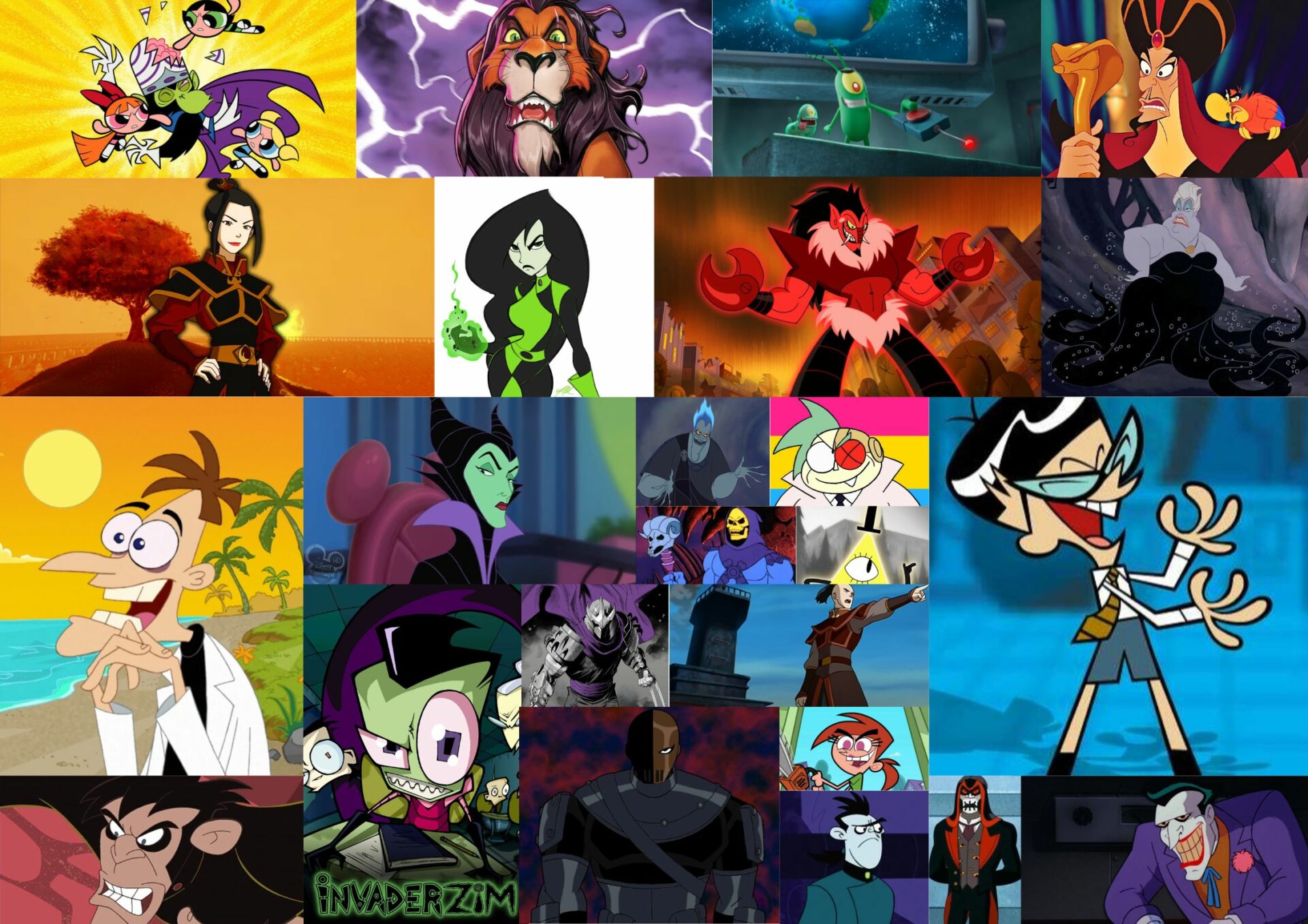
Top 30 Cartoon Characters That Were Villains
Our list rounds up the top 30 cartoon characters that were villains, each one more wonderfully wicked than the last.
Writer Resources
Breaking into traditional publishing can feel like decoding a secretive industry. This guide is a resource for finding the right agent.
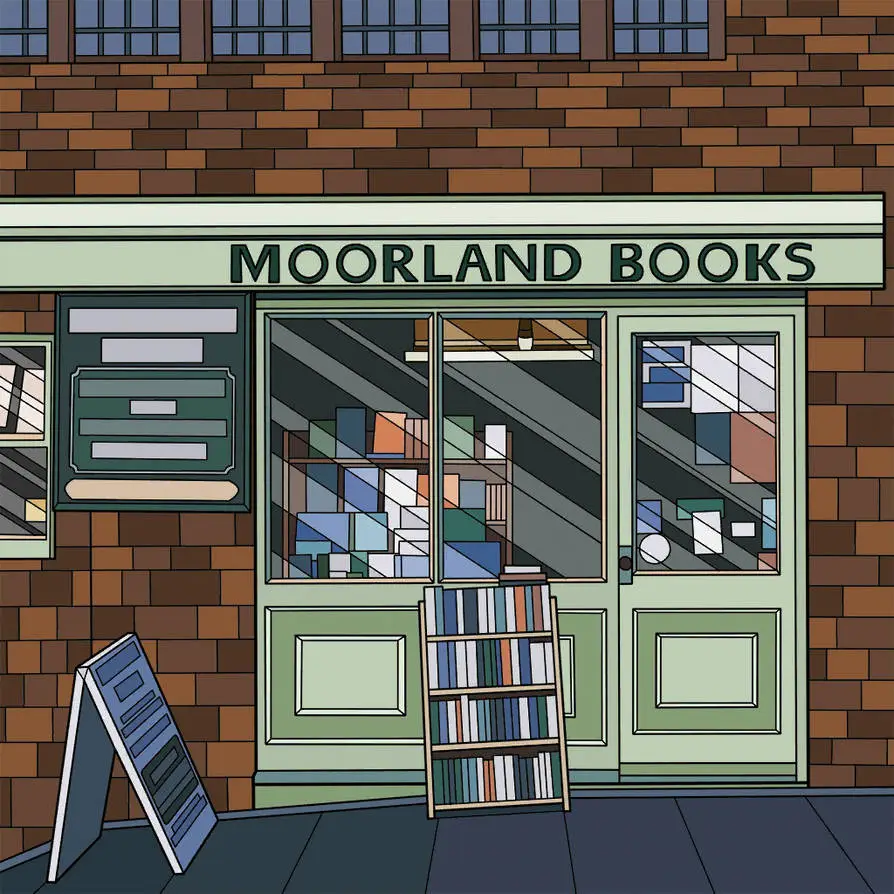
The book is finally done. The main characters have their “happily ever after.” It’s a euphoric feeling to finally say “the end.” What comes next? Writing is only the first step to venturing to your favourite bookstore.
After finishing, there’s editing before publishing. Breaking into traditional publishing can feel like decoding a secretive industry. The next step is easier with a literary agent, who bridges the gap from draft to publication.
Searching for literary agents can be tough, and the job is made tougher because most authors go about it in the wrong way. This guide is designed as a practical resource for writers new to traditional publishing, with a clear focus on finding the right agent.
Traditional publishing is the process of selling your book to an established publishing house that handles editing, design, printing, distribution, and sales. In this model, the author does not pay to be published. Instead, the publisher pays the author an advance and royalties. Wonderful, but it doesn’t come easy.
Most major publishing houses do not accept unsolicited submissions from writers. The chances of a publisher taking a look at your book are much higher if an agent submits it than if you do it yourself. This makes agents an essential gateway for most writers hoping to publish traditionally.
A literary agent is a professional representative who advocates for writers within the publishing industry. Their role goes far beyond submitting manuscripts. They evaluate manuscripts and ensure they meet market standards, provide editorial feedback before submission, pitch manuscripts to acquiring editors and potential publishers, negotiate publishing contracts and advances, and protect authors’ rights and long-term interests. They basically do the heavy lifting, after writing, of course.

This means the manuscript must be complete before contacting an agent. Not every writer will require an agent, but most fiction and narrative nonfiction authors do. Some academic, technical, or highly specialized nonfiction may be submitted directly to publishers, but for most beginners, an agent is necessary.
Pitching to an agent requires extensive research and careful consideration. And writers often make the mistake of sending a query too soon; there are several steps before a query is necessary.
Before thinking about agents, the manuscript must be complete and thoroughly revised. This is the sales you’re pitching, so it should hit a home run. The writing must be completed, and revisions must be done thoroughly. Consider asking for a second, third, or fourth opinion until you are satisfied with the final piece.

In traditional publishing, agents expect a finished manuscript for fiction and most narrative nonfiction. The story should be drafted, edited, and polished to the highest standard. Then, when an agent asks for the full manuscript after reading your summary, it’s ready. Submitting an unfinished or underdeveloped draft is the quickest way to be dismissed.
What genre is the book, and what is the proposed audience? The writer should be able to answer these before seeking out an agent. Knowing your niche allows you to approach agents strategically and signals professionalism when it’s time to send a query. Also, be aware of other books similar to the draft. The point here is to find agents who can sell in that specific genre.
Knowing this directs you to the type of agent to work with. Be willing to think about agents who work in areas adjacent to the genre of interest. Most agents don’t specialise in a particular area.
Agents typically specialize in specific genres and categories, so querying the wrong agent wastes time for both parties. There are several ways to search for agents. One of the best is the bookshelf: in bookstores, books by famous authors often list the agents who promoted them. This is a great way to find agents with similar interests.
Other resources included the publisher’s marketplace, Manuscript Wishlist, social media, and Query Tracker.

After identifying which agents suit the book best, it’s time to make a list, at least a dozen agents who are a strong fit for your work. Some criteria to consider include;
Once these boxes are checked, the remaining agents will undergo further research.
Before contacting an agent, check Writers Beware to see if authors have complained about that agent. Also, check the authors they’ve represented to find out what those authors think of them.

Remember, an agent who is a great fit for one person might not be right for you, so enter the relationship carefully.
The query letter is the first impression of a writer. It is a brief, carefully structured introduction to the book and yourself as a writer. It’s like an interview without the speaking part, but your work literally speaks for itself. This means the query must be impeccable. Writing query letters is an art in itself. There are various articles and blogs on how to write one, so deep research will pay off. Use the concepts and methods described, but make it personal and fresh.

Start with the basics: address the agent by name and follow their submission guidelines exactly. Publishing isn’t overly formal, but accuracy matters—sloppiness in a query suggests sloppiness in the manuscript. Open with a brief, factual paragraph. In one or two sentences, state the book’s title, genre, word count, and a concise, intriguing description. This gives the agent instant context and helps assess fit.
The next paragraph should expand slightly, focusing on the book’s core idea rather than the full plot. Highlight what makes your story distinctive without explaining every twist or ending. Around 100 words is enough. After that, include a short paragraph about yourself. Keep this minimal. Relevant writing credentials, professional experience tied to the subject (for nonfiction), or notable achievements are worth mentioning. If none apply, that’s fine, your book is what matters most.
Finally, proofread carefully. No spelling errors, no clumsy sentences, no formatting issues. A query letter should fit on one page, be easy to read, and feel confident without trying too hard. It should make the agent want to turn to the next page.
Once your materials are ready, it’s time to submit according to each agent’s guidelines. This may involve emailing your query, filling out an online form, or attaching sample pages.
Rejection is unavoidable in the traditional publishing journey. Even successful authors were rejected many times before finding representation. Just keep in mind how much the book means to you and keep trying again. Learning to separate rejection from self-worth is essential for longevity as a writer.
If an agent is interested, they may request a call to discuss your work and career goals. This is not just an evaluation of you; it is also your chance to evaluate them. It’s like a first date, get to know as much as you can about them, and if the goals align. A good agent-author relationship is built on trust, communication, and shared goals. This is a relationship, possibly a long-term one, being extra careful can’t hurt.
Finding a literary agent is rarely quick or easy, but it is a learnable process. Traditional publishing rewards those who are prepared, persistent, and willing to improve with each step. The goal is not just to secure representation, but to build a sustainable writing career grounded in knowledge and intention. While these are great resources for finding agents, they aren’t going to tell you if that agent is a great fit for you. So, make sure you do your own deeper research there.
Traditional publishing may seem daunting at first, but once you understand the system, it becomes navigable.
Our list rounds up the top 30 cartoon characters that were villains, each one more wonderfully wicked than the last.
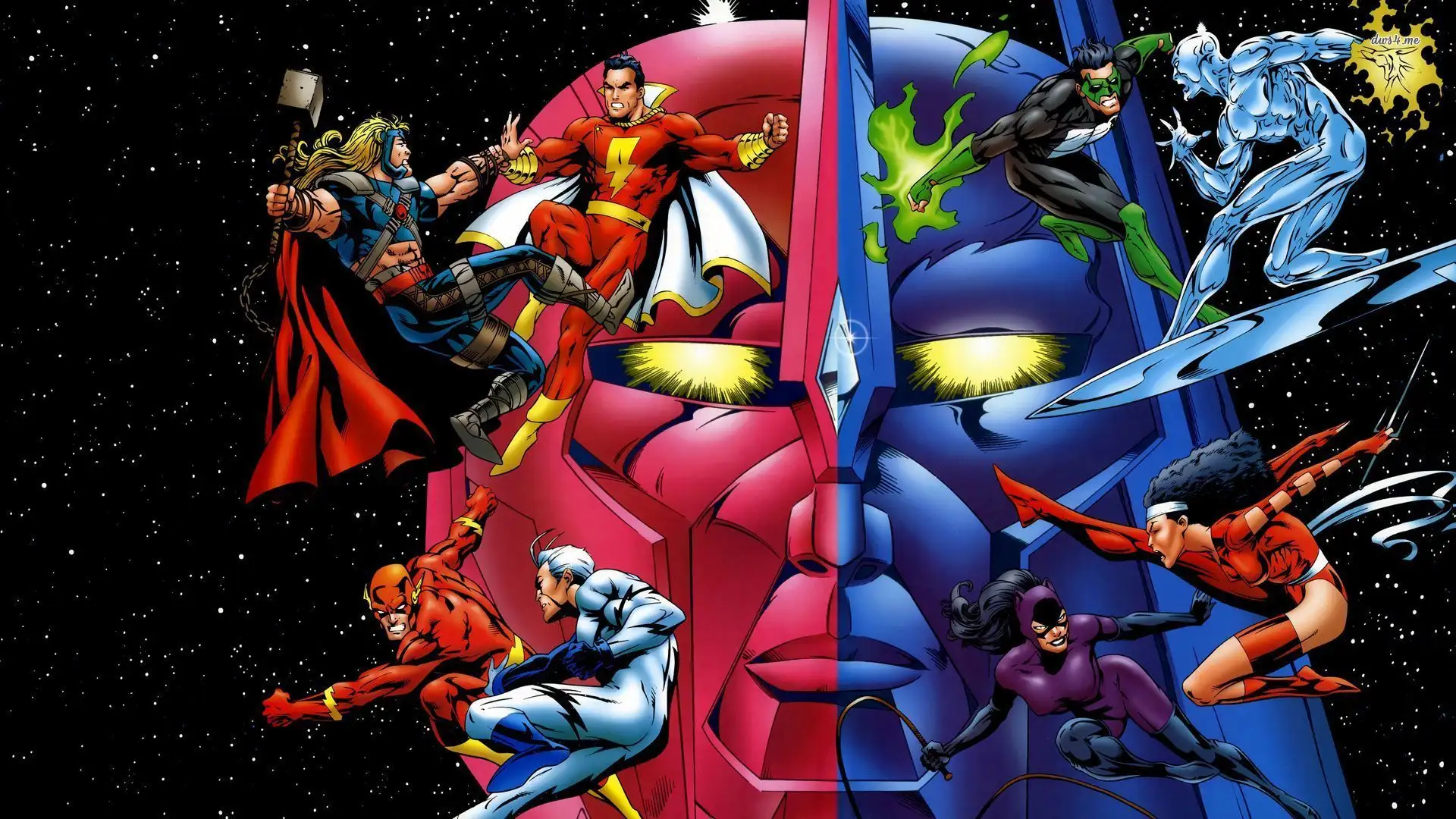
DC is great at making comics and animated movies, while the MCU has the upper hand in its cinematic aspects
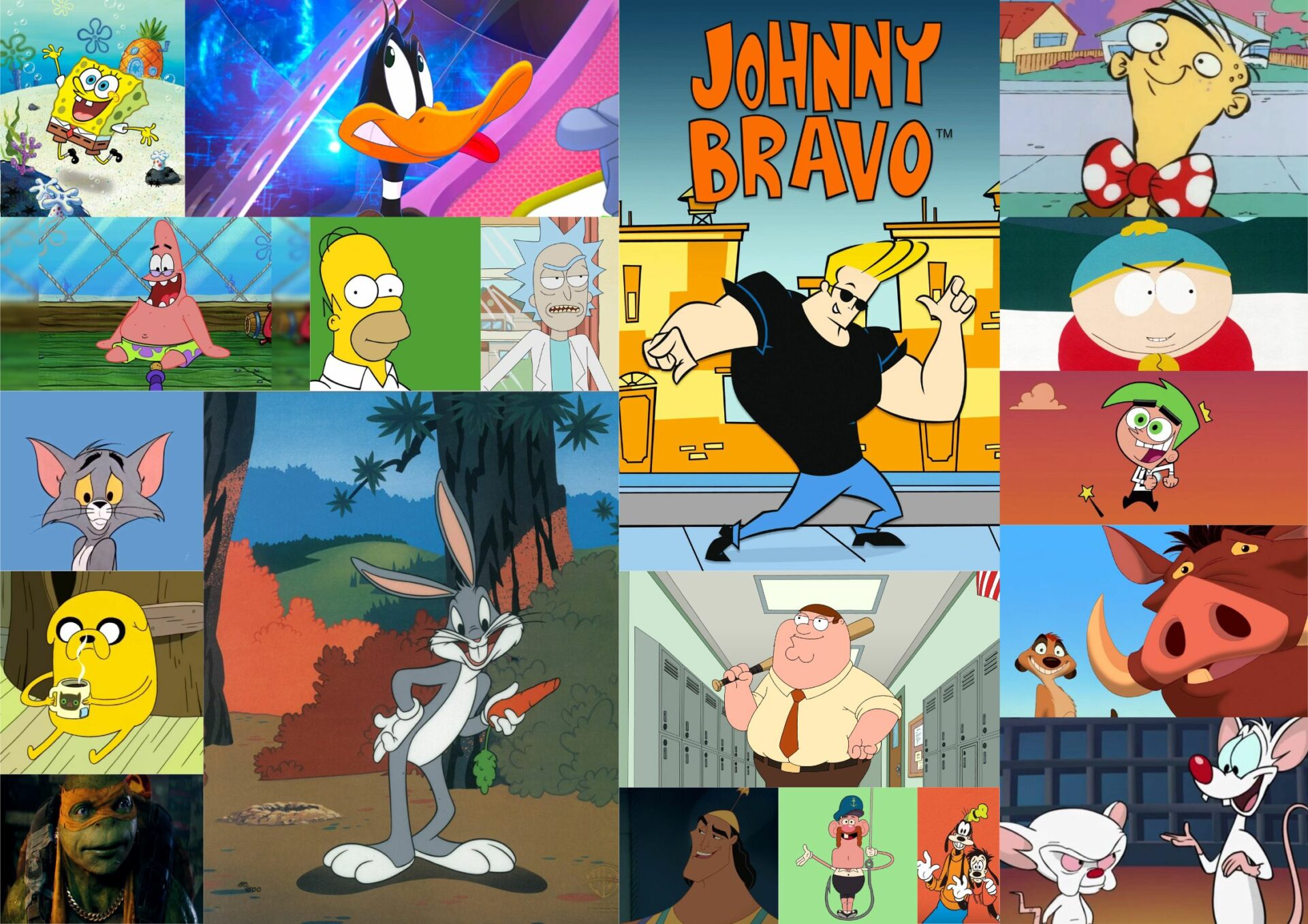
There are some outright funny cartoon characters who exist solely to crack you up, loud, hard, and with zero apology.

Discover the best apps to read books for free in 2025. Access thousands of free e-books and audiobooks on your phone or tablet. ...

Things Fall Apart is for the colonizers as well as the colonized, helping to understand the role of colonialism in the realization...

While many of the Nollywood movies on our list are quite old, it’s a testament to the capabilities of the industry’s p...

While this isn’t an exhaustive list, it comprises some of the most popular mythical creatures from around the world.
Get our magazine for free!