
Menu




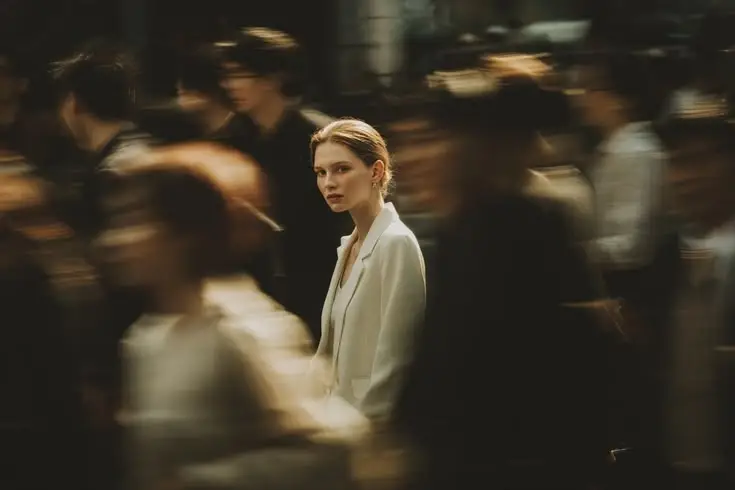















Writing is therapeutic. On the other hand, editing is a different rhythm entirely. It’s where it’s time to decide what needs reshaping.
You’ve Written ‘The End’… Now what?
There is nothing more relieving than finally completing a beautiful piece of fiction, that is, until it’s editing sets in.
Writing is therapeutic; it’s like a beautiful dance that entrances. On the other hand, editing is a different rhythm entirely. It’s time to take a step back and decide what stays and what needs reshaping. Cutting the words and phrases that come from a place of love, and picking out the grammatical blunders and errors, is no easy feat.
Unfortunately, progress may not happen on the first, second, or fifth read. And as every writer eventually learns, you must be willing to “kill your darlings” if you want your story to truly shine.
No one writes a perfect first draft, not even bestselling authors. Self-editing for fiction writers can be demanding, especially when hiring a professional editor isn’t within the financial budget. Editing is essential if a writer is to be taken seriously, and a word processor’s spellcheck is simply not enough for the task.
There’s not one neat solution for editing fiction. All materials are different, as are all writers. To approach this essential phase, let’s outline practical steps and tips for editing.
The first step is to dissociate from the piece of writing. As tempting as it is to start editing right away, don’t. The brain needs distance to see flaws clearly. What this does is give a fresh perspective.
With a beautiful piece of work drafted, it’s time to view it through an objective lens, not as a writer but as an editor. Take a few days or more off, then return and see the piece with a new set of eyes.
This is an important self-editing step for fiction writers. Read the entire script without altering anything. Stow the pen away, take the hands off the keyboard, and just read as though a reader.
While doing this, pay attention to pacing and character flow, try to sniff out issues and weaknesses, and take note. After going through the whole draft, let it sit for a while. During this period, it’ll give time to ponder and reflect on plot issues and character problems before starting out.
It is exactly as it sounds: dissecting the story into parts and taking a closer, critical look. This is where the big chop happens, and it’s probably the hardest part, paving the way for focused checks on plot and structure.
Are there holes? Confusing scenes? Missing stakes?
Does the plot tick all the right boxes? Are there issues of ambiguity? The piece should be a wonderful journey for the readers, not a labyrinth. The writing shouldn’t be too wordy; it becomes a chore for readers.
Self editing for fiction writers requires a lot of cutting. Don’t get carried away with writing, and only use words that are absolutely necessary.
Show, not tell. We know the sunset was beautiful, and they loved every minute of it. What we want to see through reading is how it was like a beautiful display of colours, painting the sky in majestic red, orange, and yellow, as if an artist were playing with colours, with the sky as the canvas. It is the difference between readers understanding the story and genuinely feeling it.
The plot should feel purposeful, not like it was stitched together randomly.
Characters should evolve, change, and be challenged; they shouldn’t be stiff. The truth is, not every character from the first draft makes it to publication, because it’s all experimental in the first draft. They may have seemed like a good idea at first, but they may be wandering around and doing nothing.
One of the most important steps in self-editing for fiction writers is to eliminate info-dumps. We never had to hear about Juliet’s grandparents in Romeo and Juliet, and readers everywhere are fine with that.
This is the part where readers fall in love with the characters or get utterly livid. Read it aloud; if you can’t picture a human saying it, it probably doesn’t belong in the writing. Rewrite it. Bad dialogue will have the reader rolling their eyes or, at worst, dumping the book.
Get rid of excess use of dialogue tags; if it has been made clear who is speaking, then there’s no need for any more tags.
Avoid using dialogue as an excuse to info-dump.
This is the final sweep in the editing process. At this stage, check for spellings, grammar, punctuation, overused words, repeated sentences and the like.
This is usually saved for last because, by this point, most of the story has changed, many sentences have been rewritten, and some things might have been deleted. It helps you find and fix all errors in your final draft.
Another important aspect to watch out for is repeated sentences. Ensure that many sentences do not begin the same way. This will make the writing sound redundant.
Try not to get stuck at this stage; sometimes, perfection is a trap.
Regardless of how the story ends, as a tragedy or a beautiful victory, the end should bring the whole story to a beautiful close. It can be an unsuspecting dark turn in a thriller novel or the characters the reader has been rooting for finally get together, whatever the case, it needs to make sense.
Make sure not to leave any mystery or loose thread unsolved, except that the point of the novel is to keep readers talking about it for a long time. Whatever genre is being written in, it needs to finish in a satisfactory way to give the characters some sort of resolved ending.
Here are practical tips many experienced writers use:
You don’t need expensive software to edit effectively, but the following resources are helpful:
Please keep in mind that while editing software is great, it is best to review every suggestion so the intent of the original text isn’t lost.
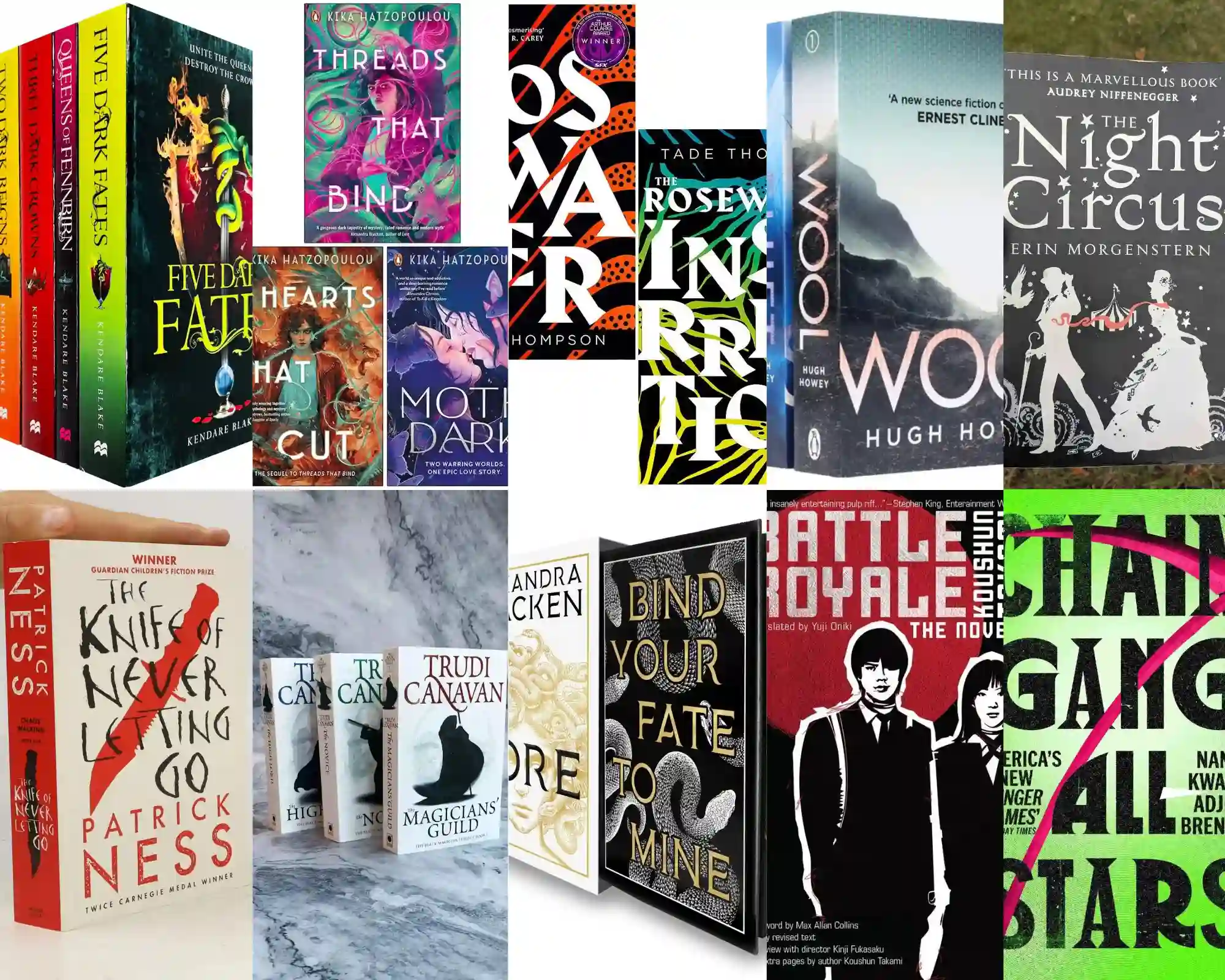
There are published books that can be very helpful in showing the intricate steps for a thorough edit of fiction. Some great examples include:
Self-editing may feel overwhelming at first, but it becomes easier with practice. By breaking the process into manageable stages, a manuscript can be elevated significantly without the help of a professional editor.
Writing a novel has taken dedication and determination. Don’t just pass it along to critics in a hurry; carefully complete the process. Give it plenty of time before your publication date to improve the manuscript.
Now the steps to self-editing for fiction writing are clear. Draft, clean up, and publish. Your future readers are waiting!

15 Writing-Adjacent Careers for Writers Looking for a Career Change
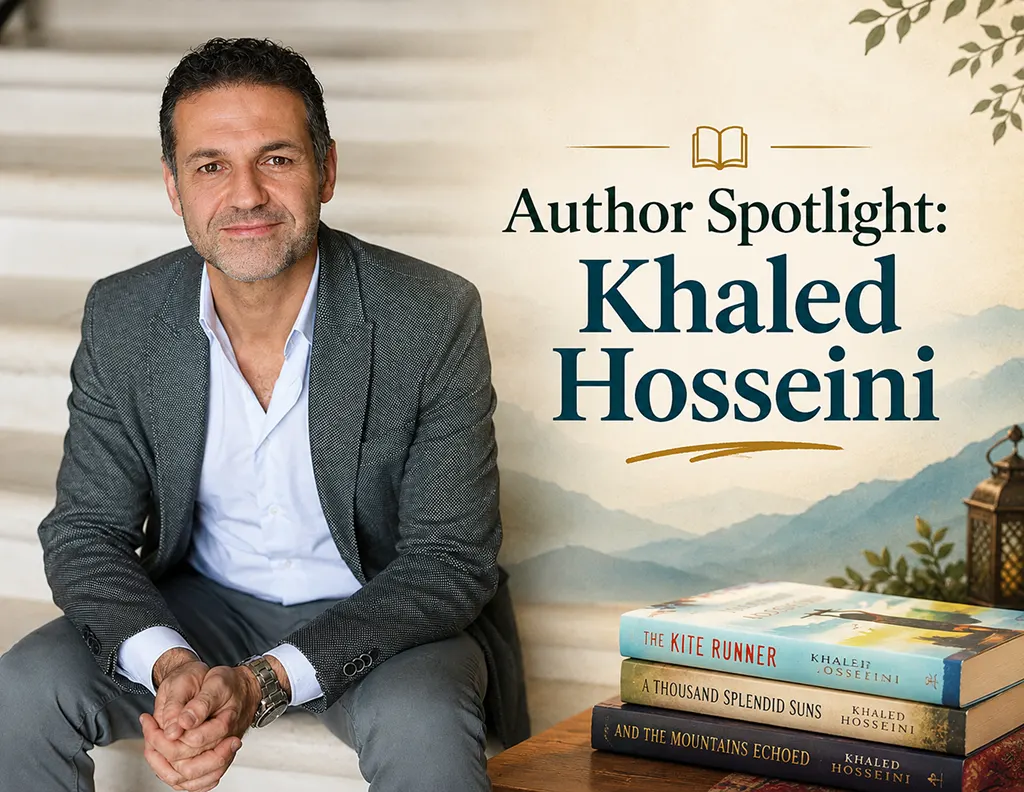
Authors Spotlight: Khaled Hosseini
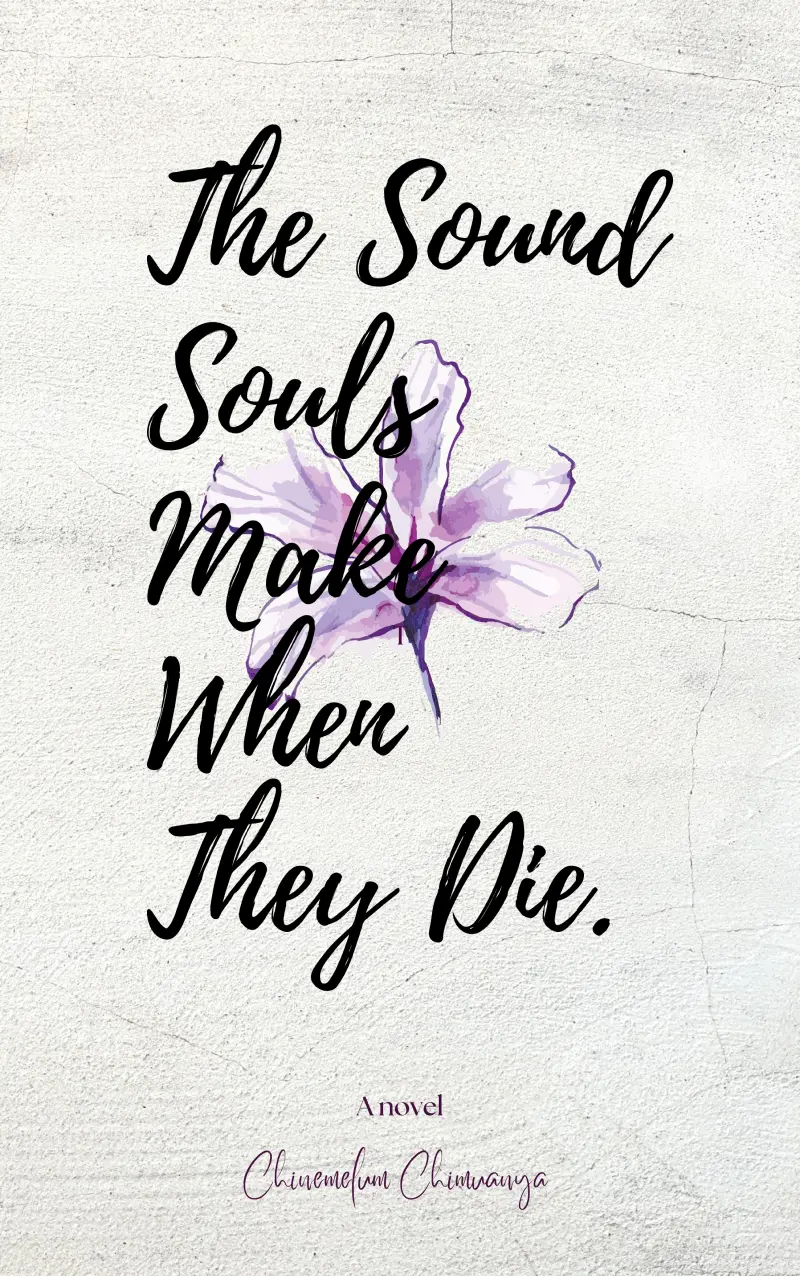
The Sound Souls Make When They Die by Chinemefun Chimuanya
If Nollywood Cast Our Favourite African Books: Who Would Play Who?
Best Films About Unexpected Age Gap Romance
Literary Awards and the Racism Card: A Wake-Up Call for Black Africa
Interview with the Vampire Relationships, Ranked
10 Top Recent Films for Action and Comedy Fans
Comma Rules Every Writer Should Know
10 Most Hype-worthy 2026 Book Releases (African Literature Version)
Five Gambling Films That Know the Bet Is Only Half the Story
Movies Where Poker Reveals Who a Character Really Is
July 20, 2025 .
Animation, Lists
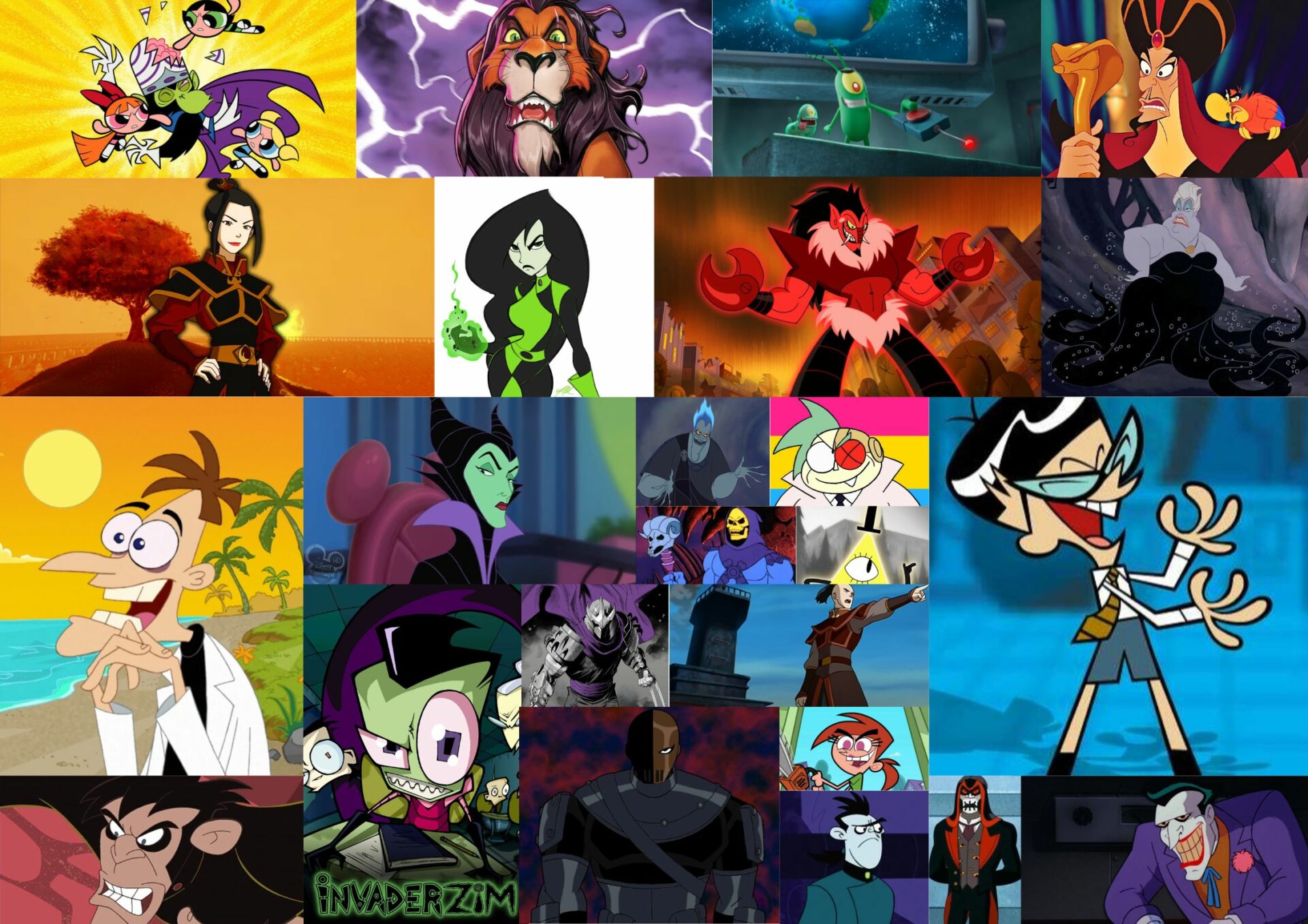
Our list rounds up the top 30 cartoon characters that were villains, each one more wonderfully wicked than the last.
READ MORE
November 27, 2025 .
Lists, Mythology
While this isn’t an exhaustive list, it comprises some of the most popular mythical creatures from around the world.
READ MORE
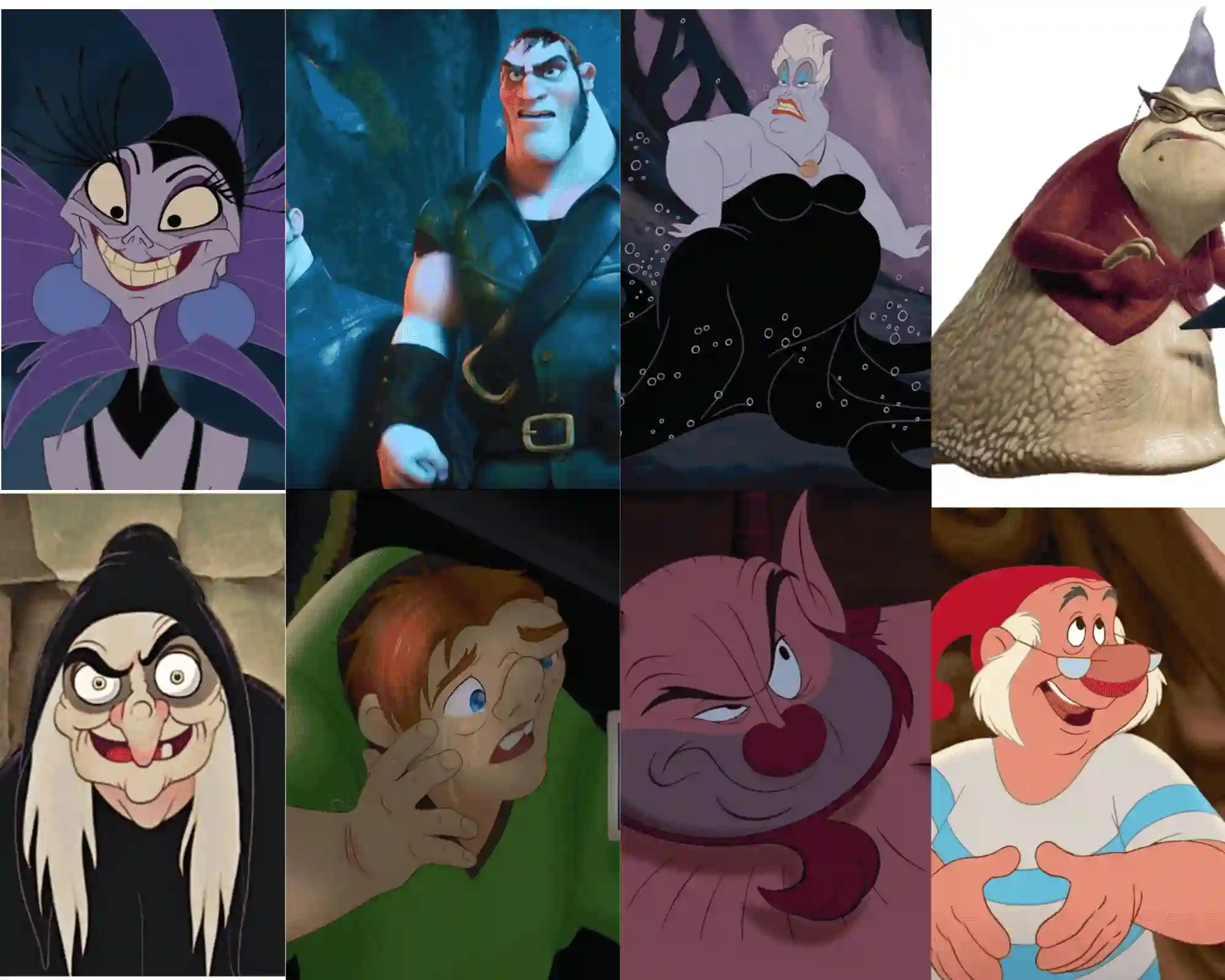
April 29, 2026 .
Lists, Opinions
The Mouse is famous for its princesses and princes. However, the studio’s true genius lies in its embrace of “ugly Disney characters”.
READ MORE
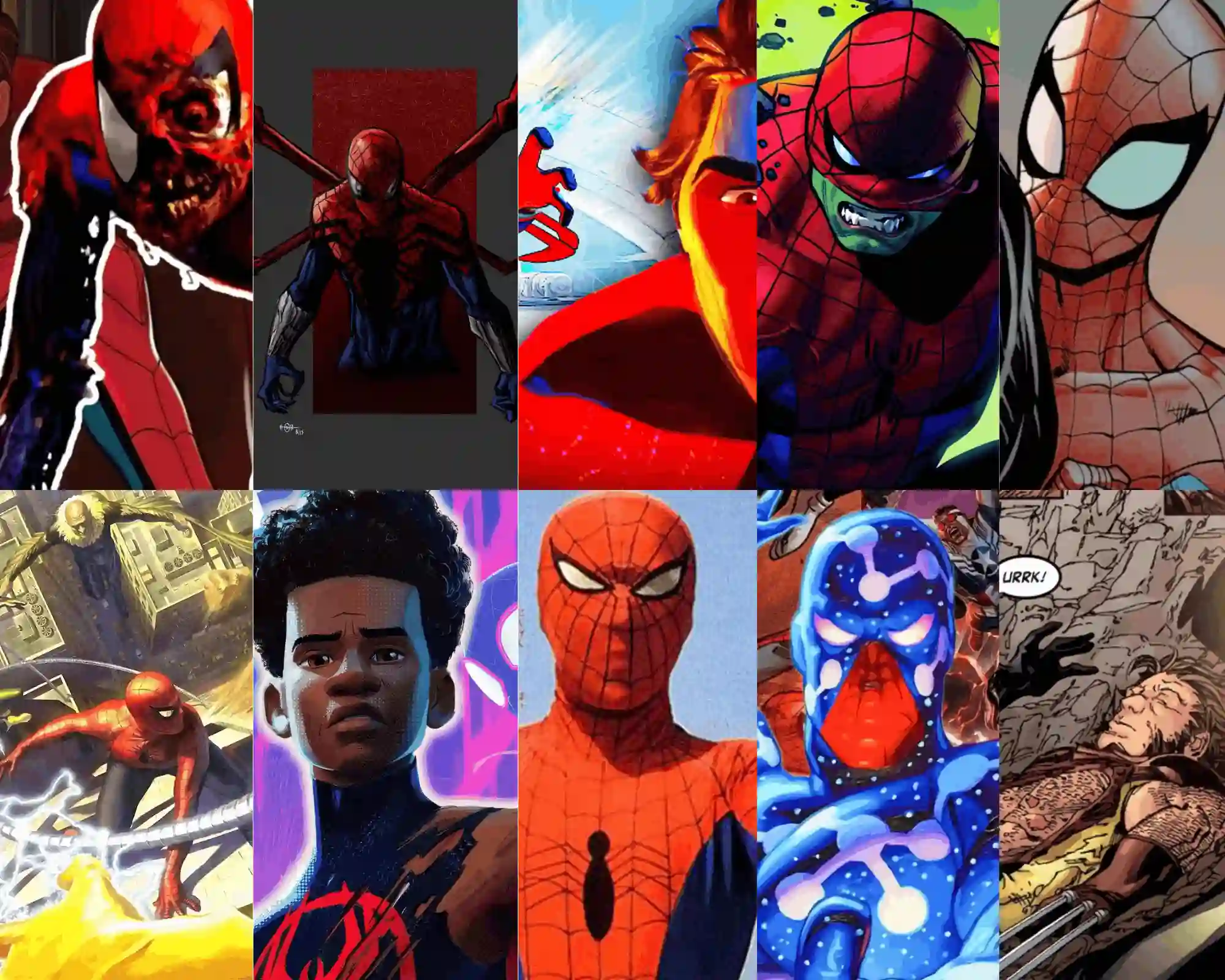
May 6, 2026 .
Lists, MCU
Spider-Man is one of the many superheroes from the Marvel Universe whose stories shaped many childhoods. Who is your strongest Spiderman?
READ MORE
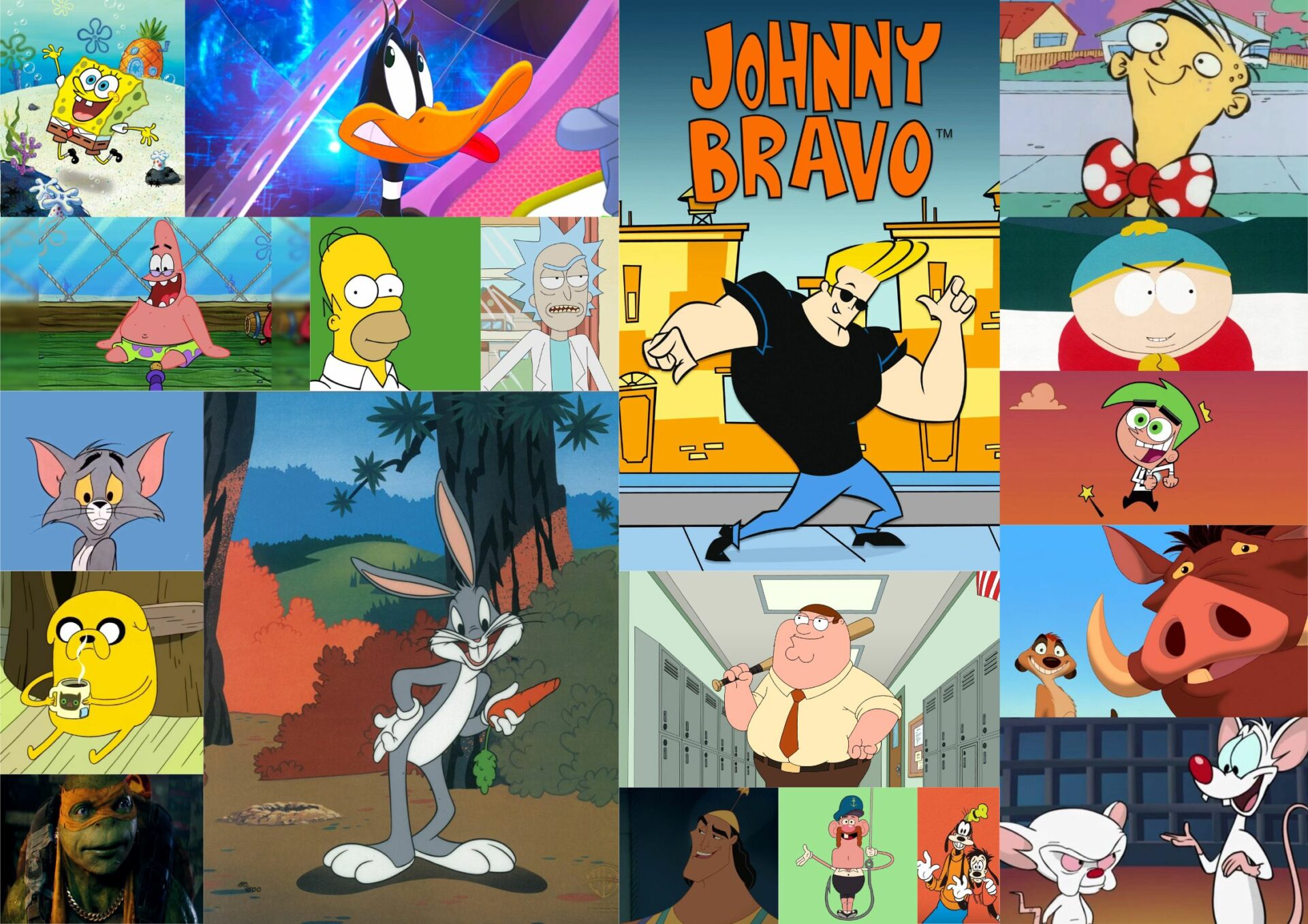
February 26, 2026 .
Cartoons, Lists
There are some outright funny cartoon characters who exist solely to crack you up, loud, hard, and with zero apology.
READ MORE

July 20, 2025 .
Writer Resources
Discover the differences in First-Person Point of View and Third-Person POV, and how each impacts character connection and narrative style.
READ MORE
May 15, 2026 .
Writer Resources
The tension between writer-centered and reader-centered approaches defines how a story is told and who it serves.
READ MORE
October 22, 2025 .
Essays, Writer Resources
Ever found a book that looks like a comic but tells a complete, well-structured story? Congratulations, it’s a graphic novel.
READ MORE
June 26, 2026 .
Writer Resources
Writing starts with forming ideas, imagination, dreams, and thoughts. And when these condense into a coherent progression, you have a plot.
READ MORE
May 10, 2026 .
Writer Resources
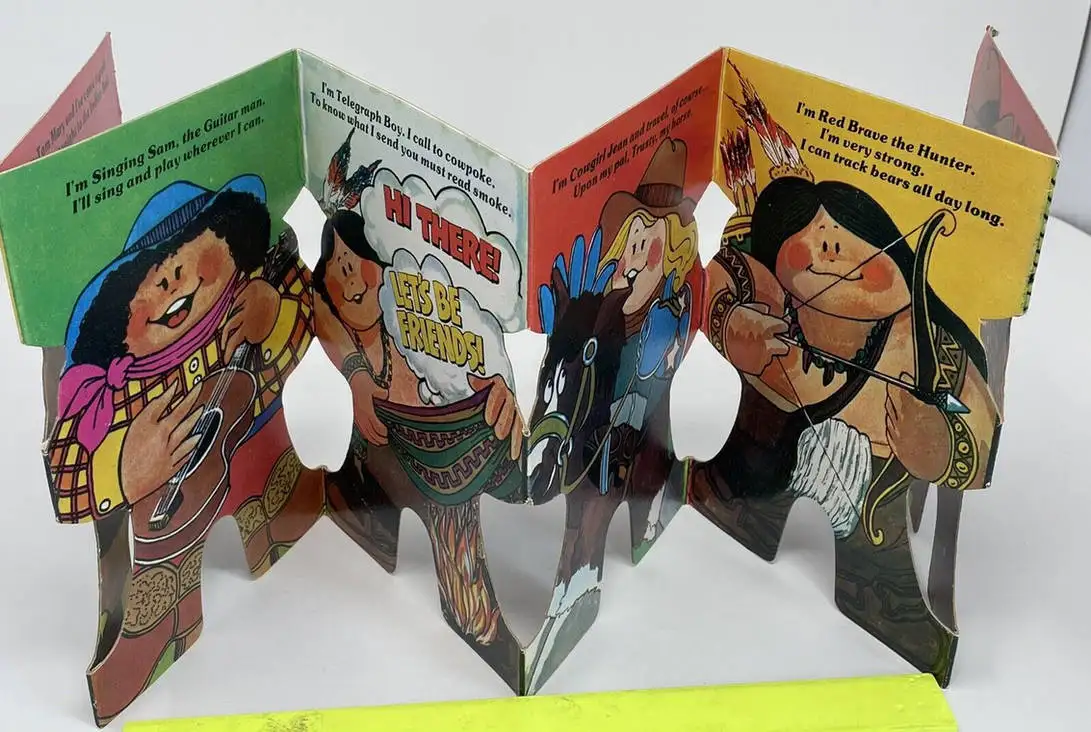
What is a board book, and how does it differ from others? Traditional publishing usually means novels, but published works span much more.
READ MORE
July 24, 2025 .
Essays, Writer Resources
READ MORE
February 8, 2026 .
Writer Resources
Breaking into traditional publishing can feel like decoding a secretive industry. This guide is a resource for finding the right agent.
READ MORE
February 28, 2026 .
Writer Resources
There are three paths in book publishing: traditional, self-publishing, and hybrid. The current focus is on traditional publishing.
READ MORE

July 20, 2025 .
Writer Resources
Today, writers are needed who combine creativity with technical expertise, professionalism, and adaptability.
READ MORE
Get our magazine for free!