

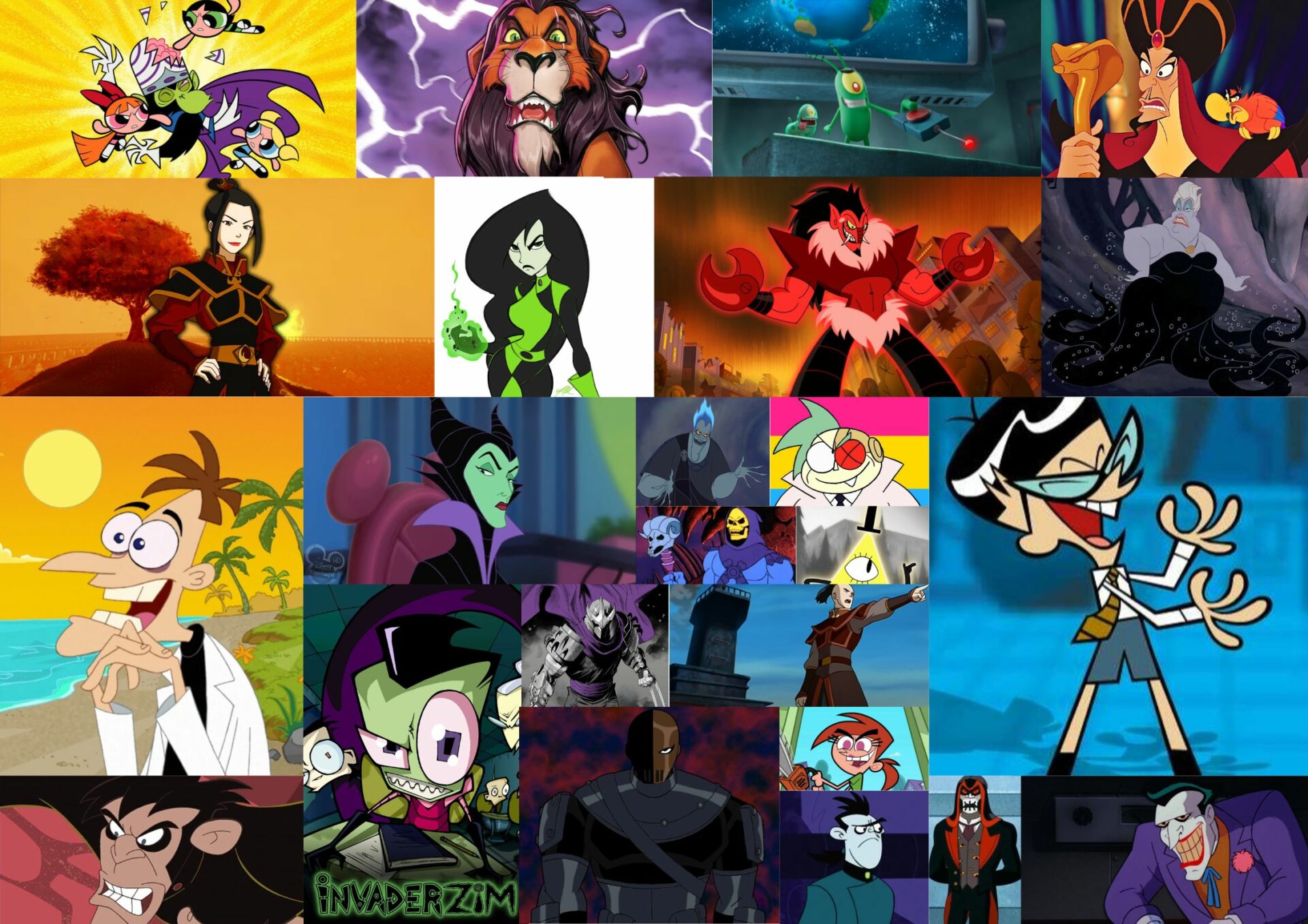
Top 30 Cartoon Characters That Were Villains
Our list rounds up the top 30 cartoon characters that were villains, each one more wonderfully wicked than the last.
Essays, Writer Resources
What is a board book, and how does it differ from others? Traditional publishing usually means novels, but published works span much more.
A child’s first laughter, walk, words, and first book shape how they see the world. For children, board books are often the ideal first introduction to stories, language, and imagination.
What is a board book, and how does it differ from others? Traditional publishing usually means novels, but published works span much more.
The board book is a unique form that emphasizes simplicity, sensory engagement, and early cognitive development. Understanding it means knowing its structure, production, cost, and the discipline required to write for young readers.
For authors, it offers an opportunity and a challenge: to communicate meaning within strict physical and linguistic limits. The question is, how does one go about collating a board book?
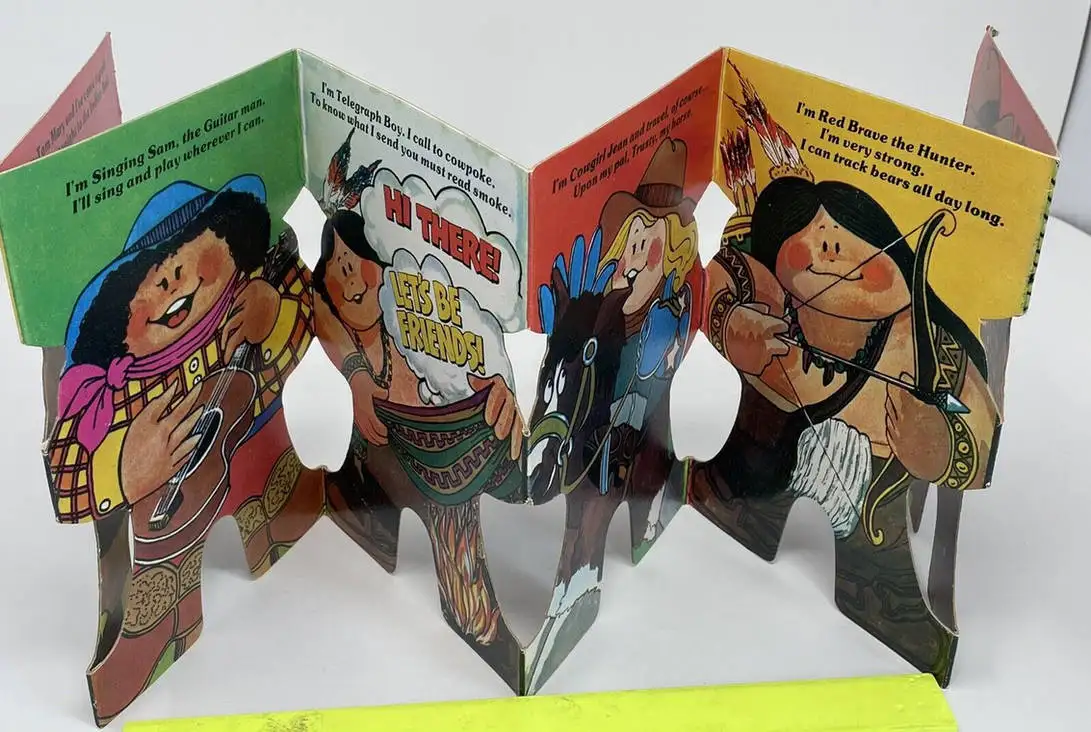
Board books are colorful, engaging, concise, and durable, designed for children from birth to five years old. Unlike traditional paperbacks or hardcovers, board books feature thick, sturdy cardboard pages that withstand rough handling and repeated use, which is an ideal fit for their audience.
The entire board book, including the inner pages, is often made of robust materials such as heavy cardboard, plush fabric, or thick, textured paper. Some include features like tabs, flaps, die cuts, or touch-and-feel textures.
A key feature is the books’ rounded corners, designed to prevent harm to curious babies. They are usually short, ranging from 12 to 24 pages. Other safety features considered include the use of non-toxic paints and sturdy binding to withstand rough handling.
However, what truly defines a board book is not just its physical structure but its approach to storytelling. These books are intentionally simple, often focusing on basic concepts such as colours, shapes, numbers, or animals, repetition to aid early language development, and so on.
For authors, this means that this form of writing is more than just narrative. It involves designing an experience that supports learning, repetition, and engagement.

Most board books can be divided into three main categories:
There’s a lot of thought and preparation that goes into creating a successful, sellable children’s book that engages children and adults alike.
To get a sense of what works, research popular books for this target demographic and consider what makes them stand out. A baby’s first book should be basic, interactive, and visually interesting. It should centre around one clear concept. Simplicity ensures that the message is easily understood. Generating story ideas can be difficult at times, but a good trick is to think back to your own childhood. Do any memories stand out that you could use to form a relatable story? If nothing comes to mind, start with a universal childhood experience, then add extra elements to give it your own unique spin.
The story arc is the journey the reader goes on. Say a lot with a few words. A simple story structure is necessary to retain the toddler’s short attention span. Give the plot a clear beginning, middle, and end. This means you need to begin engaging and wrap up in very few words spread over a limited page. Don’t spend too much time setting the stage for your story. Start in the action. The language you use to communicate should be simple, with a rhythmic flow and frequent repetition to foster pattern-recognition skills.
Illustrations carry a significant portion of the storytelling. For younger children, emotions and atmosphere are much easier to understand when they’re conveyed visually. Let the images ignite their imaginations and take them on a journey. The illustrations should be bright, bold, and simple. A good illustration can make or break a picture book. You can get creative with how the illustrations go; some text may be used as illustrations as well. If you’re not confident in your visual design skills, consider working with a professional illustrator. As for cost, some illustrators charge per page, per project, or split sales revenue. This is all negotiable.
This is essentially what draws a reader or potential buyer to the book amid thousands of other options. A good book cover design is a clear promise to the reader. In a fraction of a minute, it tells the reader what the book is about and what to expect. Think of it as an elevator pitch to sell the board book. The title does not necessarily have to be poetic or creative; a clear, straightforward title goes a long way to convey the message.
There are two main paths: traditional publishing and self-publishing.
Printing children’s board books requires attention to detail to ensure the books are durable, safe, and visually appealing for young readers. Its production is significantly different from that of a standard paperback or hardcover.

Select a printer who specializes in board books. They have the right equipment and necessary experience to produce high-quality, durable books. Ask for samples and check their references to ensure quality.
Determine the size and format of your board book, as well as the sturdy pages. Opt for thick, durable paperboard or cardboard for the pages. To enhance safety and prevent sharp edges, consider rounding the corners of the board book pages. Instead of traditional binding, board books are assembled by layering and gluing pages together, creating a solid block-like structure.
Board books are generally more expensive to produce than paperbacks, with implications for both publishers and authors. The use of thick board material, specialised printing, and assembly processes increases manufacturing expenses. To offset these costs, publishers often require larger print runs. Despite higher production costs, board books are often priced competitively in the market. This means profit margins must be carefully managed. For authors, understanding these financial dynamics is important when considering whether to pursue this format. Creating a detailed budget covering all aspects of the publishing process helps clarify the process.
Understanding what a board book is is essential for any writer interested in children’s publishing. Publishing is a rewarding journey that requires dedication, creativity, and strategic planning. It is often a child’s first introduction to books, language, and storytelling, making its impact far greater than its size suggests. Remember that the key to a successful children’s board book is simplicity, engagement, and age-appropriate content. For authors, the challenge is to create more with less.
Creating a quality book is always important, but when it’s for children, it’s essential.
Our list rounds up the top 30 cartoon characters that were villains, each one more wonderfully wicked than the last.
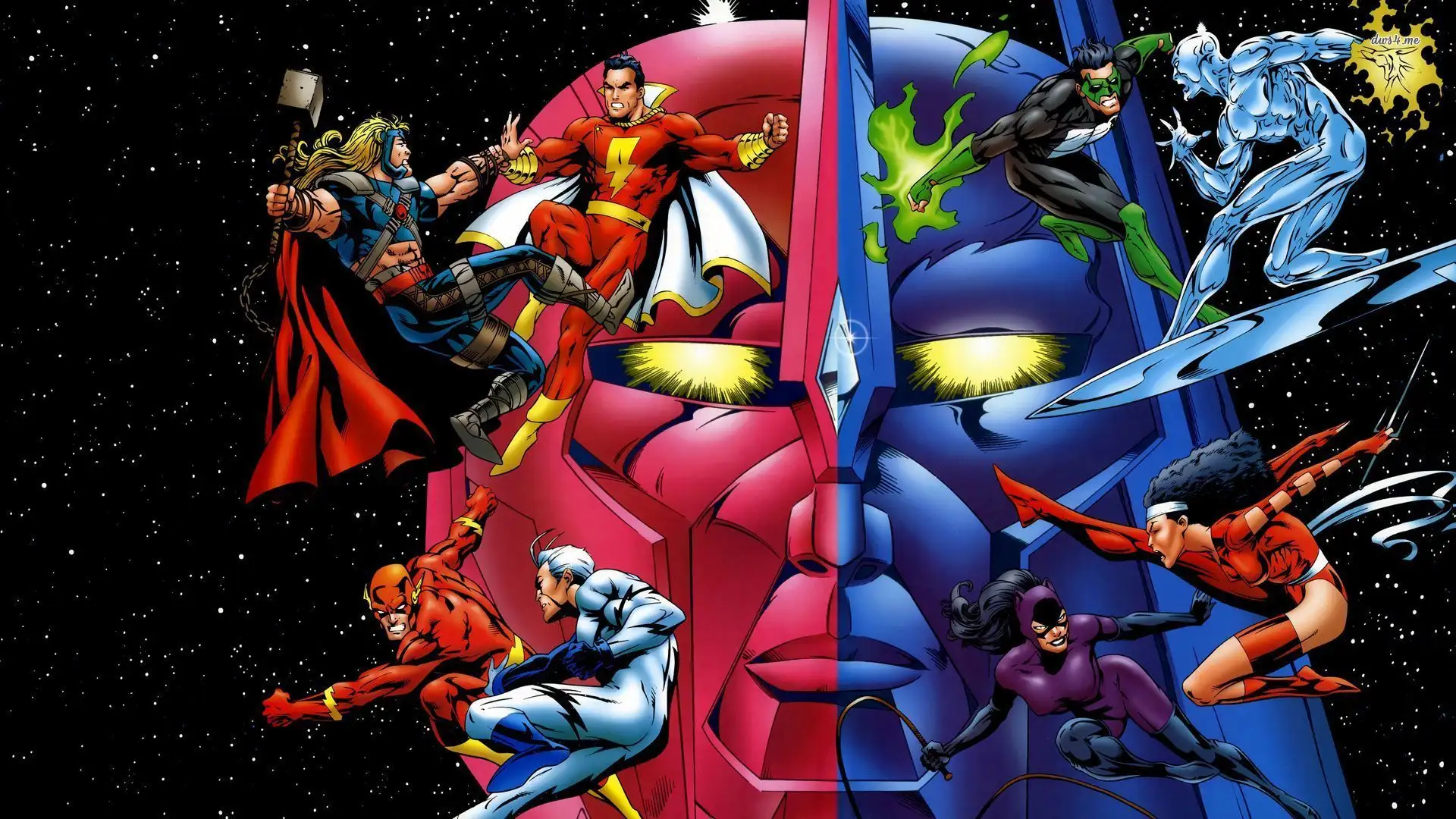
DC is great at making comics and animated movies, while the MCU has the upper hand in its cinematic aspects
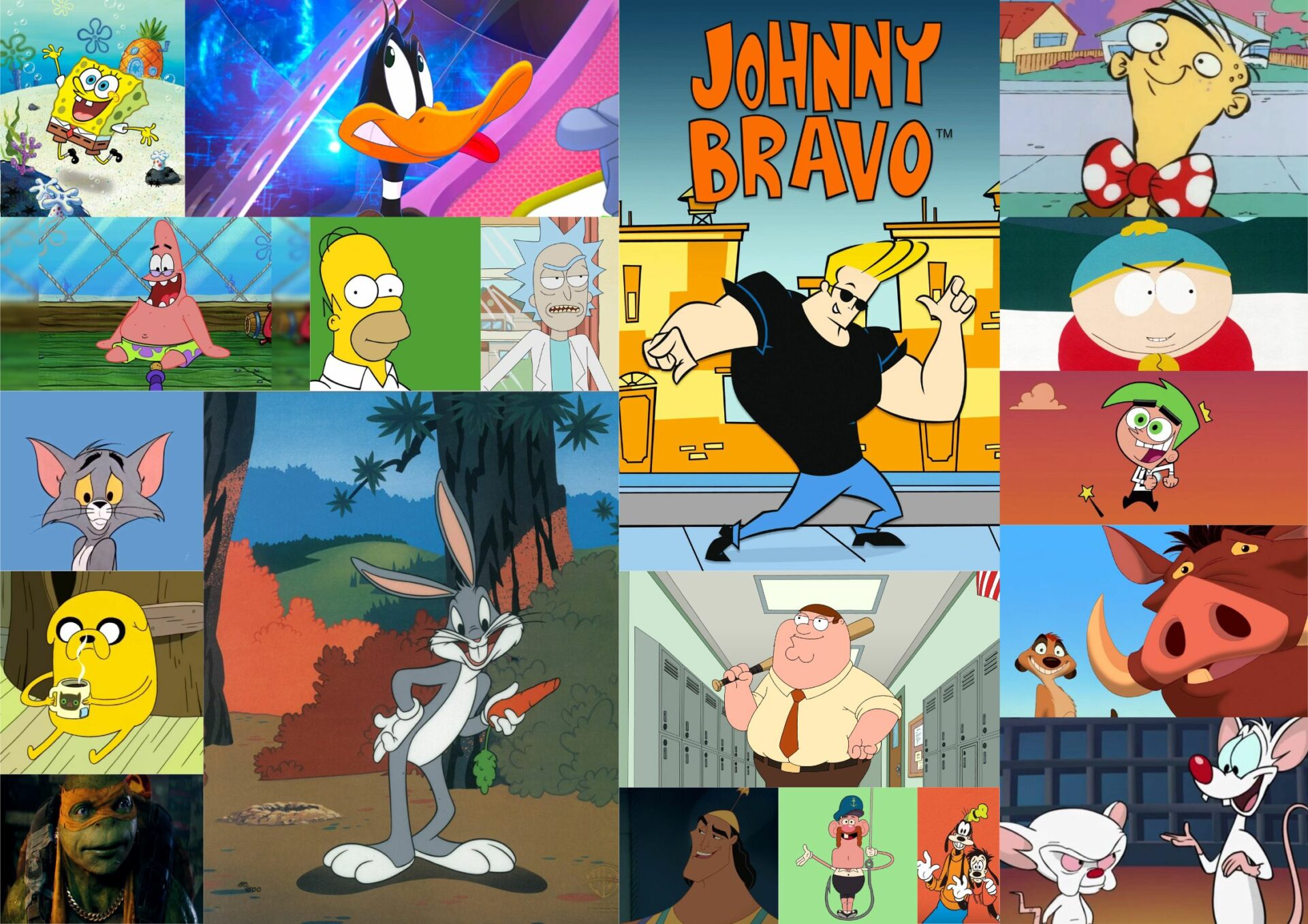
There are some outright funny cartoon characters who exist solely to crack you up, loud, hard, and with zero apology.

Discover the best apps to read books for free in 2025. Access thousands of free e-books and audiobooks on your phone or tablet. ...

Things Fall Apart is for the colonizers as well as the colonized, helping to understand the role of colonialism in the realization...

While many of the Nollywood movies on our list are quite old, it’s a testament to the capabilities of the industry’s p...
While this isn’t an exhaustive list, it comprises some of the most popular mythical creatures from around the world.
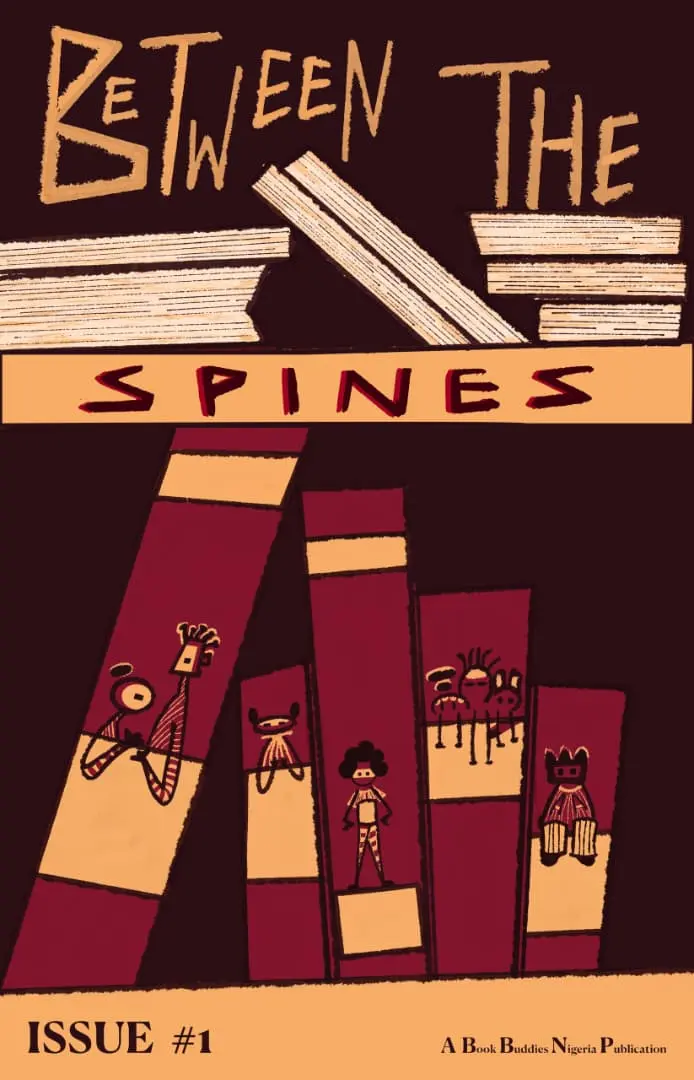
Get our magazine for free!