Close menu
Ranking the best of African Literature



















There are three paths in book publishing: traditional, self-publishing, and hybrid. The current focus is on traditional publishing.
Finishing a manuscript is only half the struggle. Many writers understate the role of editing in cleaning up and completing a manuscript, only to discover that getting this draft published into an actual book is an entirely different journey, especially with traditional publishing.
Suddenly, there are literary agents, submission guidelines, industry terms, and a lot of rules that seem designed for insiders only.
So, where is the right place to start? How does one determine which publisher is the right fit for them and their work? The publisher one chooses impacts editorial support, design, production, distribution, and marketing reach.
Understanding this process reduces confusion. This guide shows beginners how to approach traditional publishing with clarity, confidence, and realistic expectations.
There are three paths in book publishing: traditional, self-publishing, and hybrid.
The current focus is on traditional publishing. With this kind, a publishing house acquires the rights to a manuscript and assumes responsibility for editing, design, printing, distribution, and portions of marketing.
Authors usually receive an advance and royalties, not pay upfront production costs. Because publishers invest financially in each title, acquisitions are selective. Editorial teams evaluate manuscripts for literary quality, market potential, audience demand, andhow well they fit with existing titles.
It is as difficult a decision for the publishing house as it is for the writer. Taking the time to thoroughly evaluate publishing houses and find one that’s a great fit for your book and goals is an essential investment.
Choosing a publishing house can be overwhelming, but it doesn’t have to be. Here are some tips for identifying and vetting potential publishing partners.
Not every publisher is suitable for every manuscript. A literary novel submitted to a commercial thriller press, or a memoir sent to an academic publisher, will almost certainly face rejection regardless of quality.
Consequently, it is of utmost importance to seek publishers specializing in your genre and targeting your readership. A publisher with demonstrated success in this category suggests a strong market fit.
With so many publishing houses, segmenting them into categories streamlines the selection process.
The “Big 5” traditional publishers: Penguin Random House, HarperCollins, Macmillan, Simon & Schuster, Hachette. These companies release a wide range of commercial titles and offer extensive distribution networks.
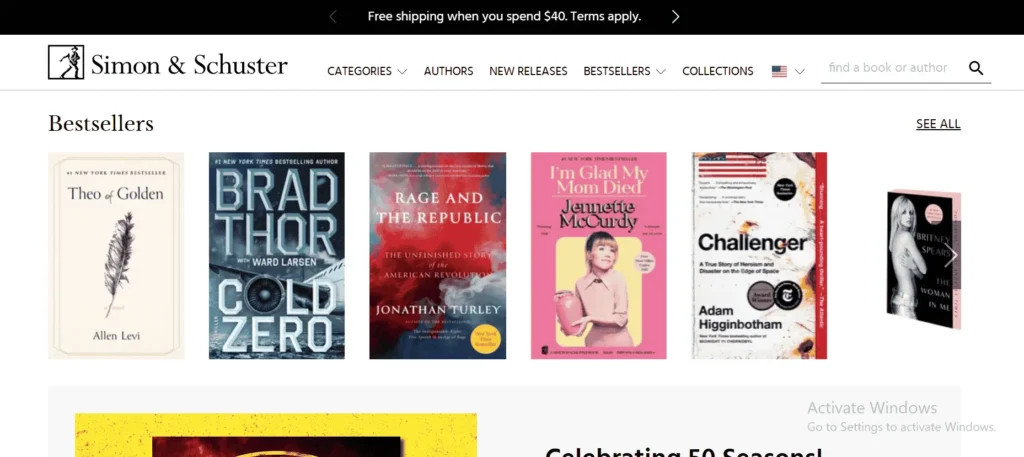
They offer more clout, wider reach, bigger budgets, and often better advances. As a result, competition is high, and many submissions come via agents.
Independent publishers frequently champion distinctive voices, literary fiction, and niche nonfiction topics. Many accept direct submissions and may provide closer editorial collaboration.
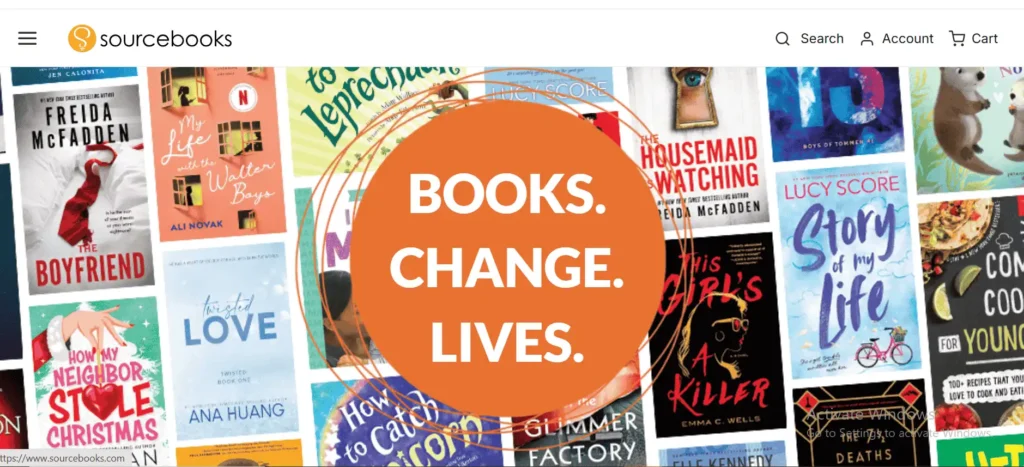
Well-known independent publishers include Sourcebooks, Hay House, and Zondervan.
Some houses specialize exclusively in romance, fantasy, crime, academic writing, or children’s literature.

Specialized publishers often possess deep knowledge within their categories. For example, Familius for family books.
These presses focus on scholarly or research-driven works and prioritize authority, originality, and academic contribution. Some include Cambridge University Press and the University of Chicago Press.

A polished, fully developed manuscript is essential for submission. Publishers expect work that has moved beyond early drafting stages. Submitting prematurely remains one of the top reasons promising manuscripts are rejected.
Researching publishers is not enough. Knowing and understanding submission guidelines is also important. These guidelines are often listed on the publishing house’s website. Most publishers request a submission package rather than a full manuscript.
This package usually includes a query letter, a synopsis, sample chapters, and an author biography. If the intending authors ignore these guidelines, so will the submissions.
This is where it will be stated whether the publisher accepts submissions without a literary agent. While not always necessary, literary agents can be incredibly helpful in the publishing process. They have insider knowledge of the industry, established relationships with publishers, and can help negotiate favourable deals on your behalf.
One of, if not the most important, parts of the submission is the query letter. A query letter is the first chance to get an agent or publisher excited about your work. The goal is to get the agent or publisher to request the finished manuscript or sample chapters. For the synopsis part of the letter, stick to the main highlights. Know your strengths and show publishers why they should invest time and money in you.
Once the list of potential publishers has been identified and their submission guidelines followed to the last detail, it’s time to submit the manuscript. But please, ensure to research. Sending work to dozens of publishers at once without research can harm opportunities. Make each query personalized and compelling, and follow up diligently.
Waiting is often the hardest part. Response times can range from weeks to months or even years. Patience is an important professional skill.
Many successful books were accepted after multiplesubmissions. Even if you get no offer, don’t take it personally. Rejection is common. It usually reflects fit, not quality.y.
Don’t give up if it keeps getting rejected. Try for a year or two, or after about 50 rejections, before considering other ways to publish a manuscript.
Finding a publisher is about the right partnership, not just a yes. A good publisher understands a book’s vision, knows its audience, and believes in its long-term potential. Traditional publishing is a rewarding path for writers seeking support and a wide readership.

15 Writing-Adjacent Careers for Writers Looking for a Career Change
Authors Spotlight: Khaled Hosseini
The Sound Souls Make When They Die by Chinemefun Chimuanya
If Nollywood Cast Our Favourite African Books: Who Would Play Who?
Best Films About Unexpected Age Gap Romance
Literary Awards and the Racism Card: A Wake-Up Call for Black Africa
Interview with the Vampire Relationships, Ranked
10 Top Recent Films for Action and Comedy Fans
Comma Rules Every Writer Should Know
10 Most Hype-worthy 2026 Book Releases (African Literature Version)
Five Gambling Films That Know the Bet Is Only Half the Story
Movies Where Poker Reveals Who a Character Really Is
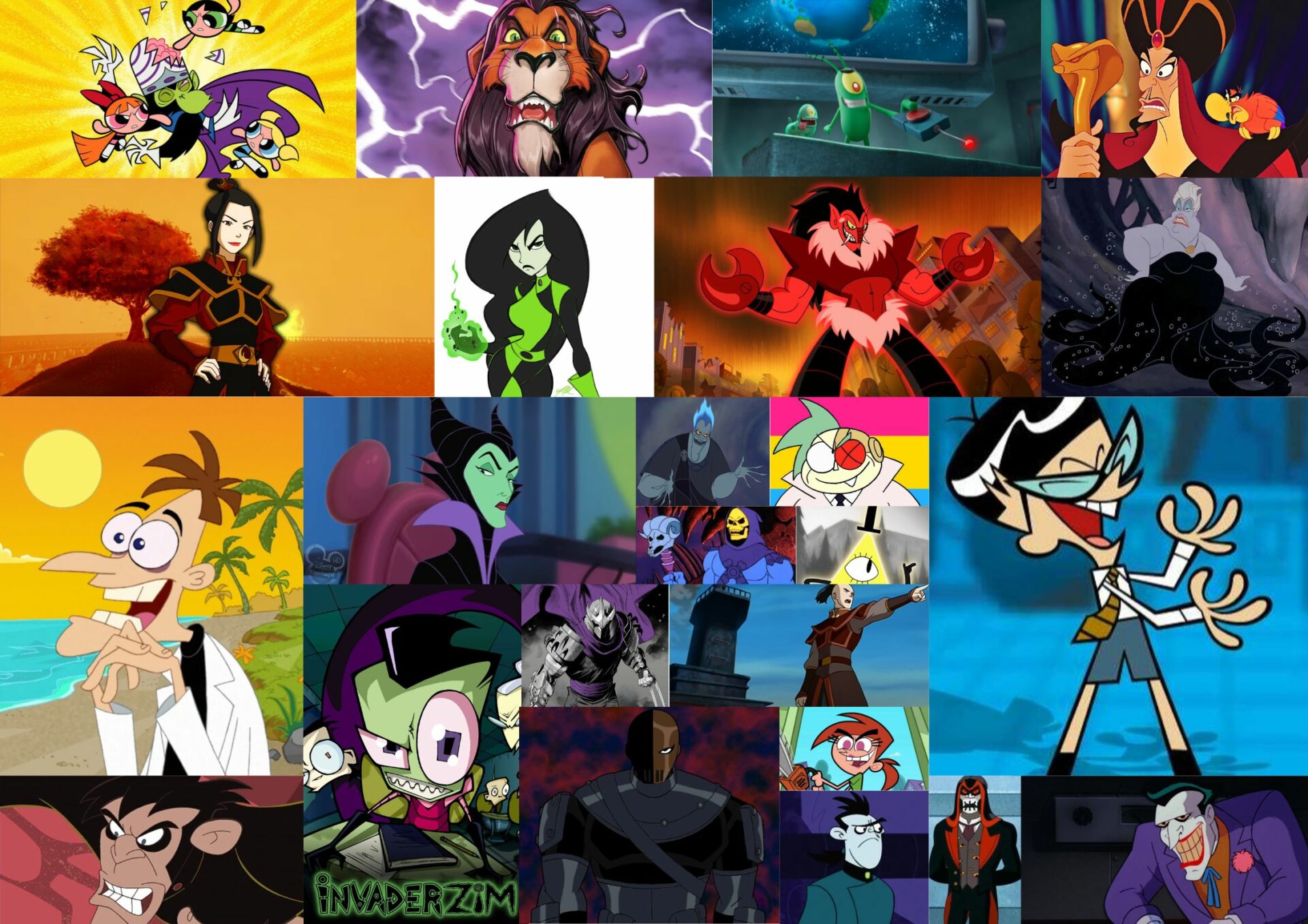
July 20, 2025 .
Animation, Lists
Our list rounds up the top 30 cartoon characters that were villains, each one more wonderfully wicked than the last.
READ MORE
November 27, 2025 .
Lists, Mythology
While this isn’t an exhaustive list, it comprises some of the most popular mythical creatures from around the world.
READ MORE
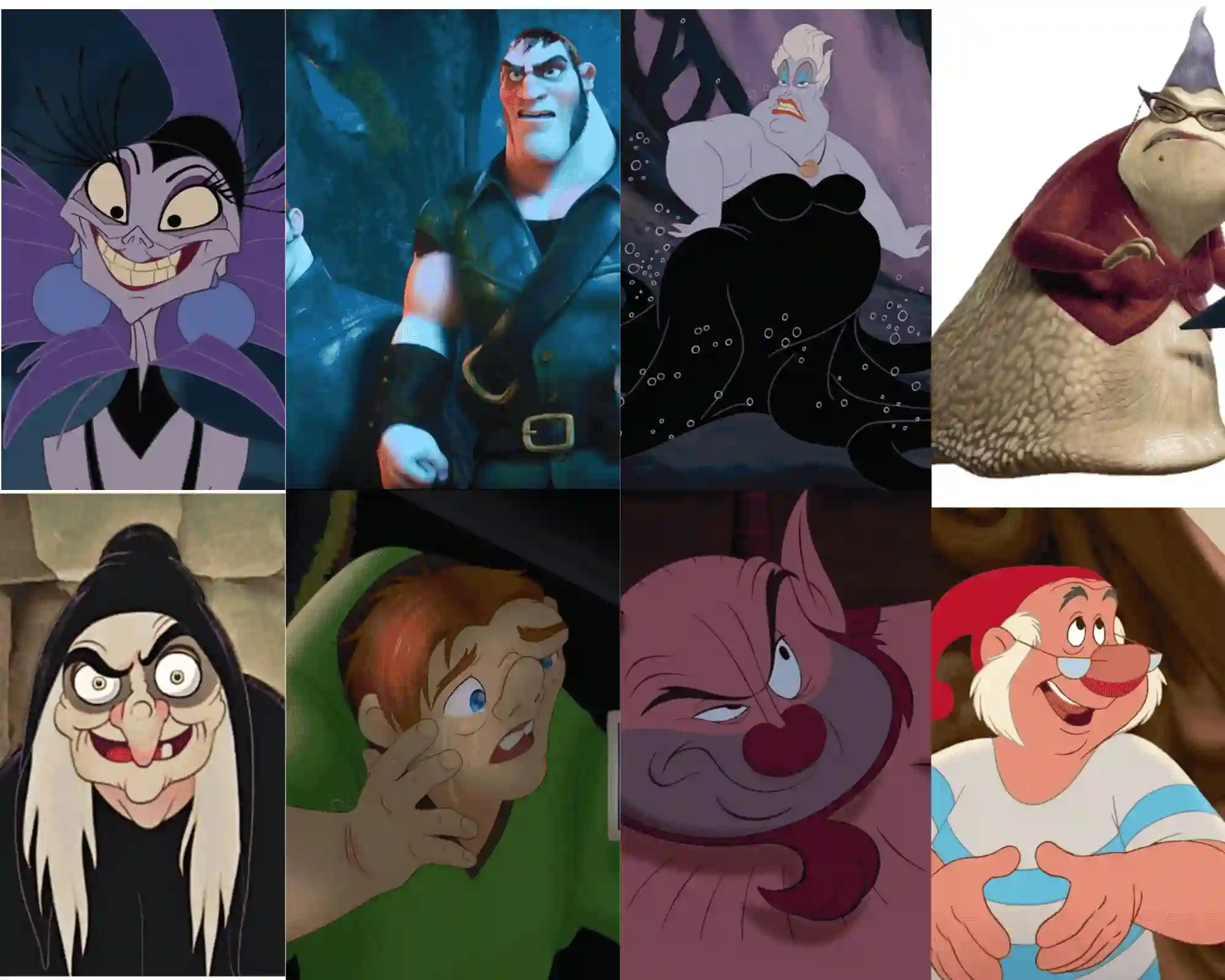
April 29, 2026 .
Lists, Opinions
The Mouse is famous for its princesses and princes. However, the studio’s true genius lies in its embrace of “ugly Disney characters”.
READ MORE
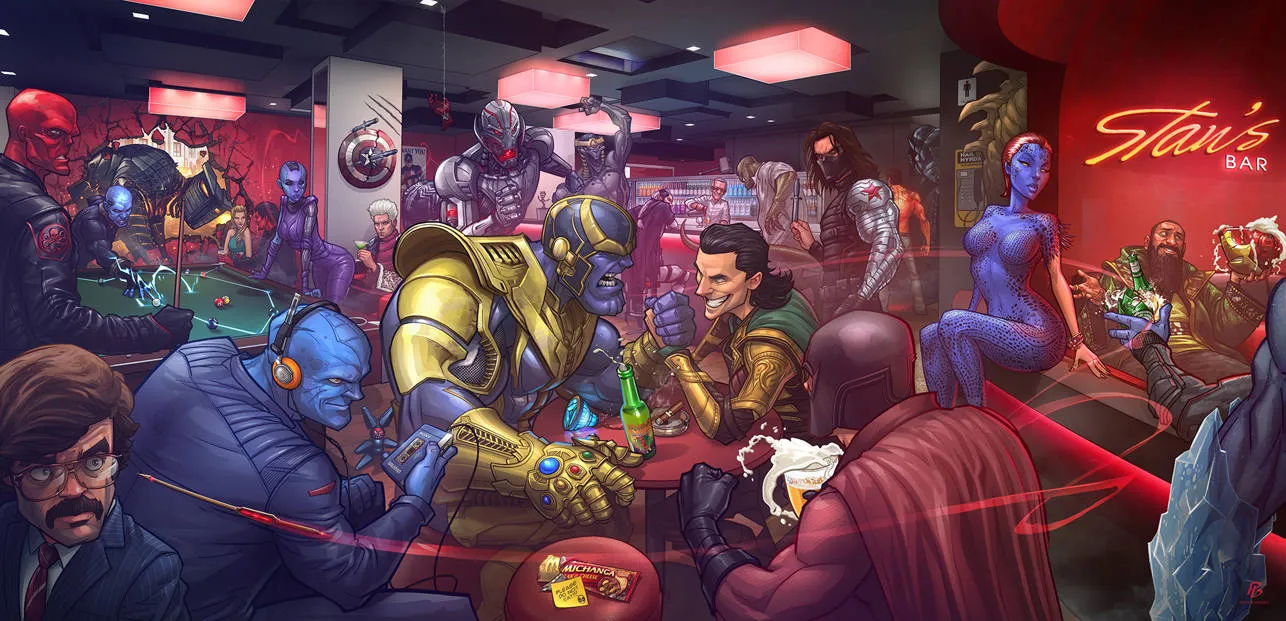
October 28, 2025 .
Lists, Marvel, MCU, Opinions
Let’s go through a list of the top 7 strongest Marvel villains, from the wickedly powerful to the absolutely unstoppable.
READ MORE
May 6, 2026 .
Lists, MCU
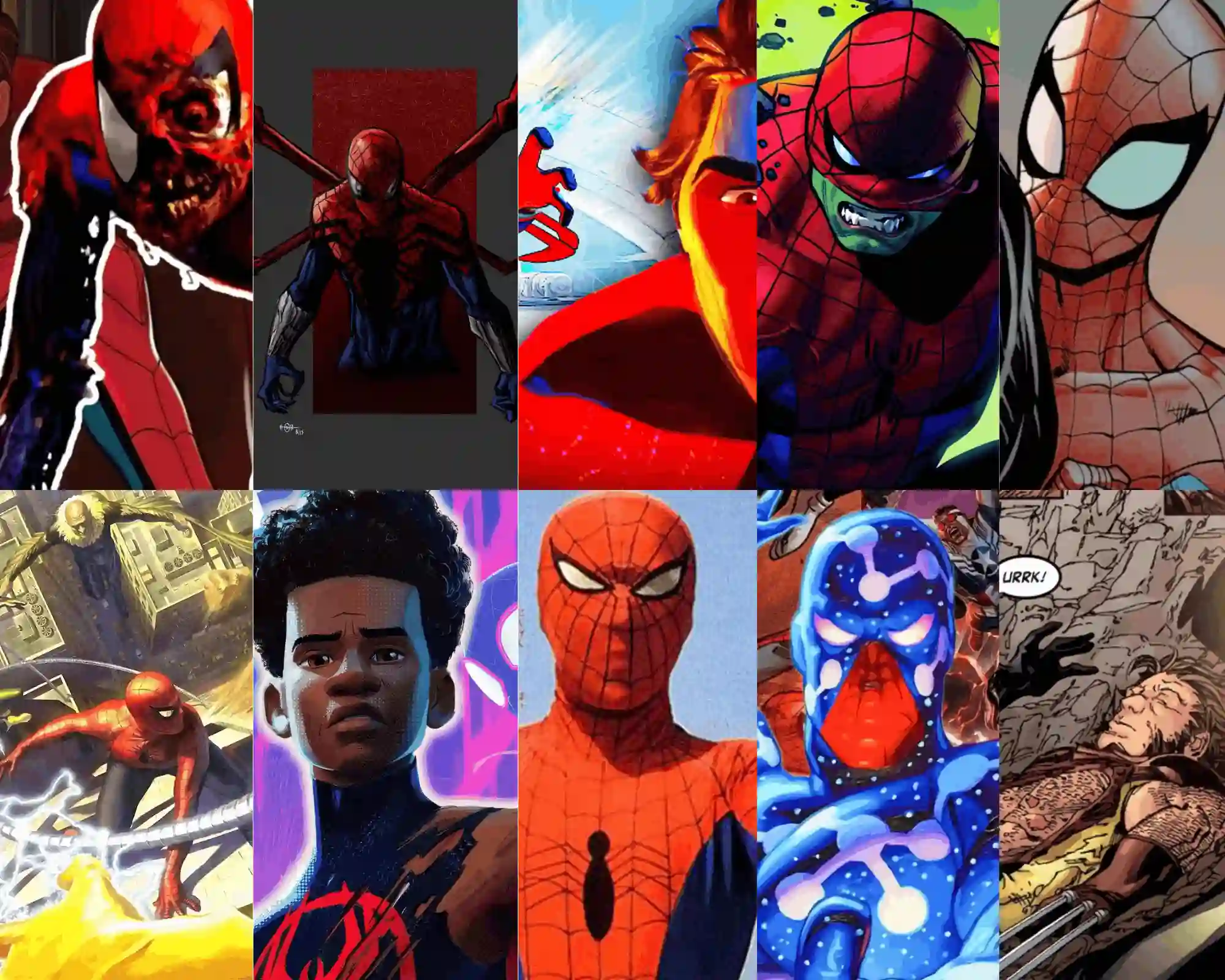
Spider-Man is one of the many superheroes from the Marvel Universe whose stories shaped many childhoods. Who is your strongest Spiderman?
READ MORE

July 20, 2025 .
Writer Resources
Discover the differences in First-Person Point of View and Third-Person POV, and how each impacts character connection and narrative style.
READ MORE
May 15, 2026 .
Writer Resources
The tension between writer-centered and reader-centered approaches defines how a story is told and who it serves.
READ MORE
October 22, 2025 .
Essays, Writer Resources
Ever found a book that looks like a comic but tells a complete, well-structured story? Congratulations, it’s a graphic novel.
READ MORE
June 26, 2026 .
Writer Resources
Writing starts with forming ideas, imagination, dreams, and thoughts. And when these condense into a coherent progression, you have a plot.
READ MORE
May 10, 2026 .
Writer Resources
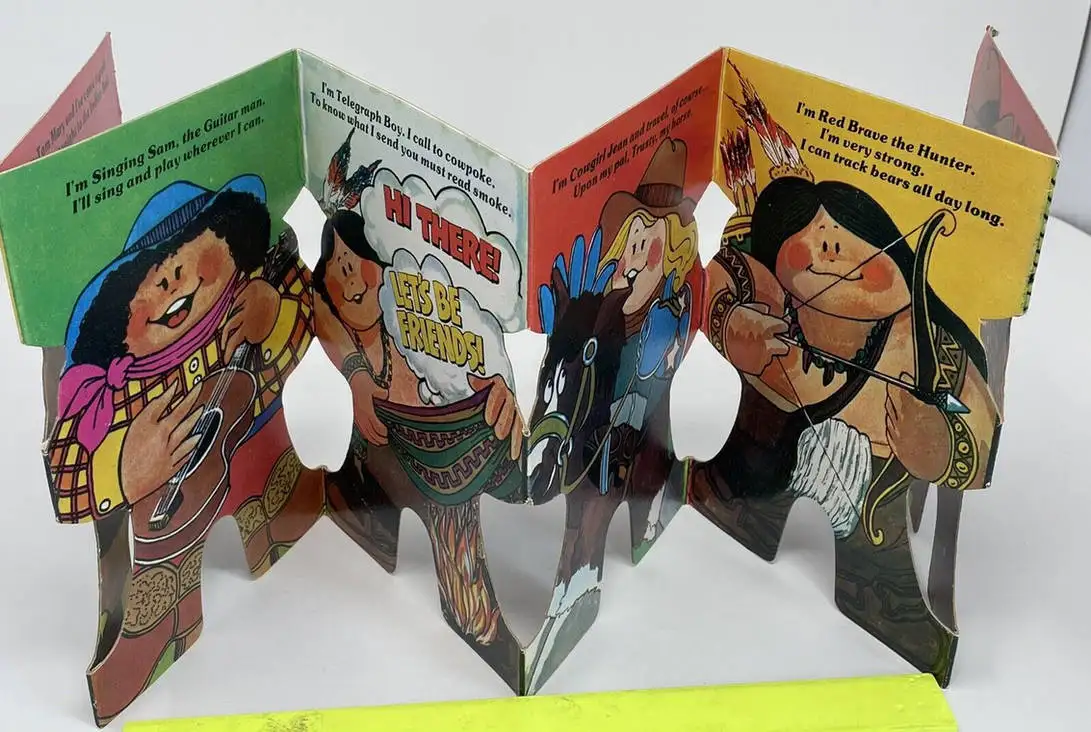
What is a board book, and how does it differ from others? Traditional publishing usually means novels, but published works span much more.
READ MORE
July 24, 2025 .
Essays, Writer Resources
READ MORE
February 8, 2026 .
Writer Resources
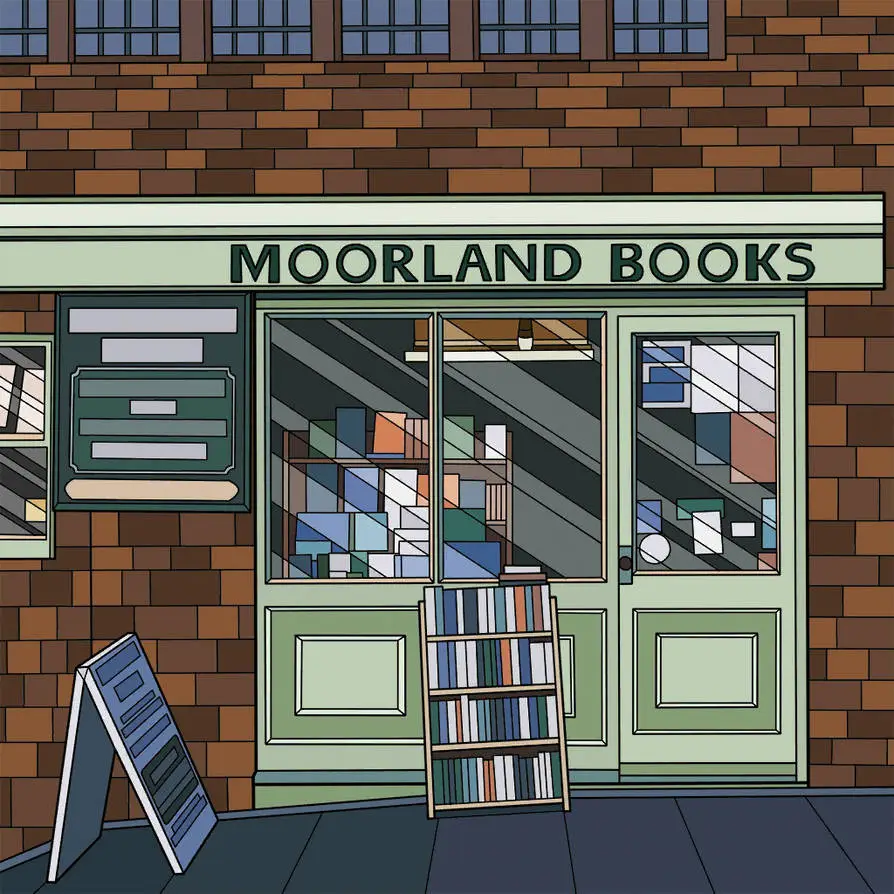
Breaking into traditional publishing can feel like decoding a secretive industry. This guide is a resource for finding the right agent.
READ MORE

July 20, 2025 .
Writer Resources
Today, writers are needed who combine creativity with technical expertise, professionalism, and adaptability.
READ MORE

July 20, 2025 .
Writer Resources
Many budding writers around the world dream of being accepted into The Program in Creative Writing at the University of Iowa, known informally as the Iowa Writers’ Workshop.
READ MORE
Get our magazine for free!