Close menu
Ranking the best of African Literature























Plot-wise, it was well thought out. No unnecessary gaps, the central theme was clear from the jump. Oyinkan builds tension steadily.
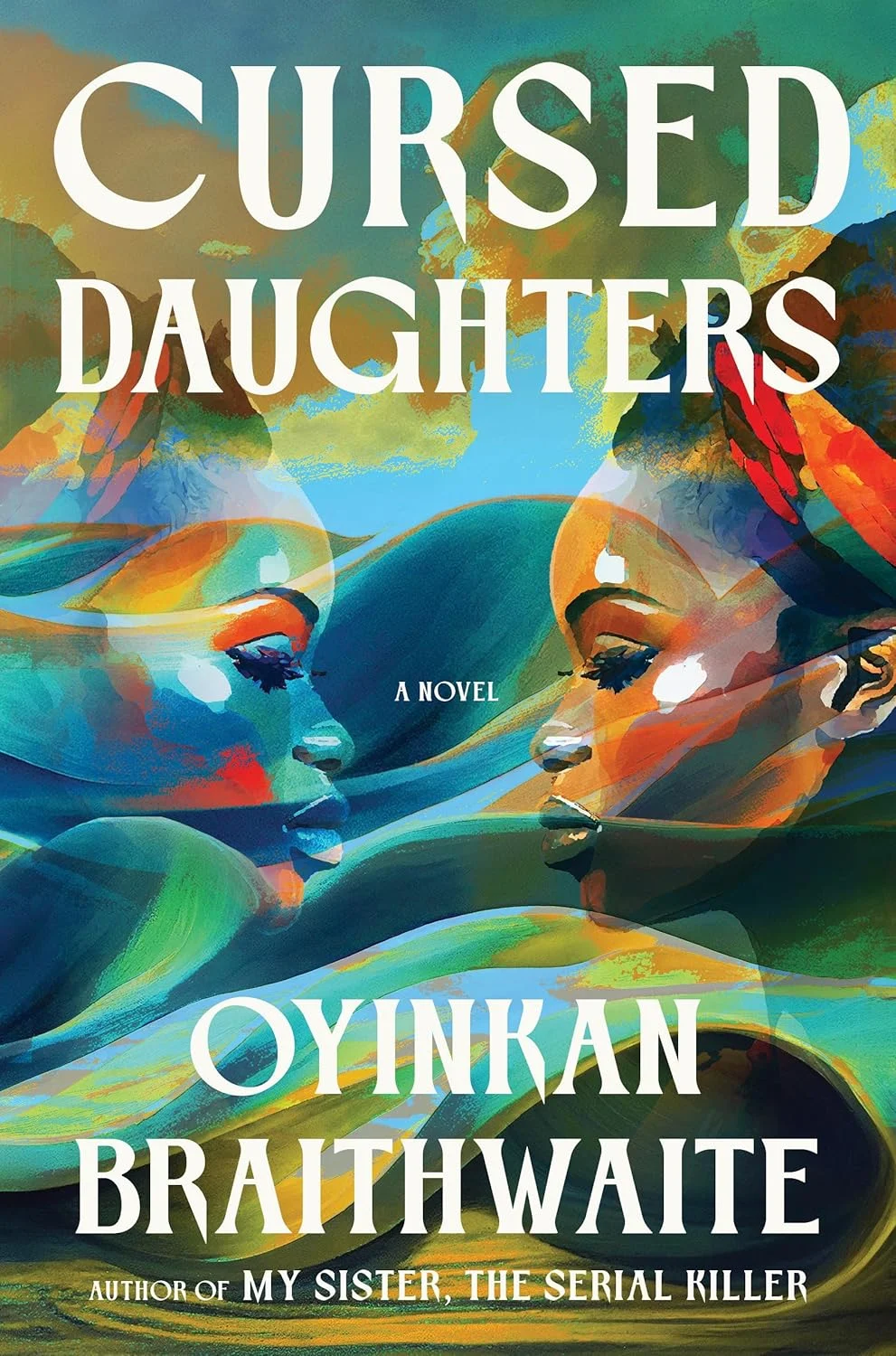
First things first, congratulations to Oyinkan Braithwaite for winning the Audiobook: Fiction of the Year at the 2026 British Book Awards. Well deserved. Cursed Daughters is a triumph.
The story follows the women of the Falodun family as they try to survive what seems to be a curse passed down through generations. And the thing is, Oyinkan never tells you if the curse is even real. Is it supernatural? Or are these women so deep in the belief of it that they’re destroying themselves from the inside out? She leaves that entirely up to you. Underneath all the family drama, the book is really asking bigger questions, about agency, belief, fate, and choice.
Character development carried this book. Watching the women navigate their fates was basically the plot. Monife has a PhD in making bad situations worse, and Mama G? She deserves an award ceremony for chaos alone.
Plot-wise, it was well thought out. No unnecessary gaps, the central theme was clear from the jump. Oyinkan builds tension steadily. Her climaxes don’t sneak up on you randomly; they land because she’s been laying the groundwork. The multiple POVs were also a great call. Each woman got to be fully herself instead of being filtered through someone else’s lens.
The pacing at the start was a little unclear, but honestly, I can give that a pass because the opening is built around grief, and grief doesn’t always move in a straight line. Still, it took a minute to find its footing.
At times, it felt like I was reading the same story twice. Running concurrent POVs can sometimes do that, especially with the lingering ambiguity around whether Monife and Enniyi were reincarnations.
My bigger gripe is that some storylines just got left hanging. Ebun’s relationship with her siblings had so much potential that was never touched. The same goes for the individual lives of the women outside Monife’s orbit. And the book’s physical world could’ve been more vivid; the setting was fine, but I wanted to feel it more.
At some point, the secrecy surrounding the curse became pointless, and that’s actually the most interesting thing about it. Why was the truth treated like something too dangerous to speak aloud? Oyinkan seems genuinely interested in exploring how fear is strengthened through omission, half-truths, and inherited anxiety. Silence itself becomes part of the curse.
Monife will frustrate you before she earns you. She’s constantly misreading people, reacting to things that were never actually said, projecting onto everyone around her. But the longer you read, the more you realise that’s completely intentional. She’s not irrational for no reason. Monife was raised in a house where catastrophe was always around the corner. Of course, that warped her. Her obsession with Kalu makes complete sense through that lens. What starts as love slowly curdles into dependence, projection, and, eventually, self-destruction.
Kalu, by the way, is not it. He dodges accountability at every turn, leaving Monife holding the emotional weight every single time. Oyinkan doesn’t dress it up as passion; she shows it for what it is.
What hit me hardest was how the curse works. It’s not some dramatic supernatural entity. It lives in behaviour, in memory, in the way fear gets passed down like a family heirloom. You feel it even when nobody names it. It’s generational trauma wearing a costume.
And then Monife’s ending reframed everything. I’d spent most of the book mildly annoyed at her impulsive and reactive nature, never quite getting it. But her final decision completely changed how I saw her. She chose to confront the cycle and interrupt it, even knowing what it would cost. That’s not tragedy. That’s agency. Messy, human, costly agency.
What I kept thinking about after finishing was how much this book is really about choice.
Not curses, not fate, but choice.
What do you become when you’re convinced you’re already doomed? Oyinkan uses the Falodun women to sit inside that question, and she doesn’t let you look away.
Fear, inheritance, survival, the desperate need to feel like your life is yours. It’s all here.

Hi I'm Tega, I am a microbiologist with a lifelong passion for reading, I fell in love with books as child (where I was briefly obsessed with Enid Blyton, lol) reading is simply my escape and hobby and sometimes doubles as therapy for me . My favorite genres are African lit, historical fiction, memoirs/biographies and fantasy. I do beta reading and post book reviews which you can check out on my Instagram @ te_ga_o.
Best Films About Unexpected Age Gap Romance
Literary Awards and the Racism Card: A Wake-Up Call for Black Africa
Interview with the Vampire Relationships, Ranked
10 Top Recent Films for Action and Comedy Fans
Comma Rules Every Writer Should Know
10 Most Hype-worthy 2026 Book Releases (African Literature Version)
Five Gambling Films That Know the Bet Is Only Half the Story
Movies Where Poker Reveals Who a Character Really Is
Ranking the Top 20 Nigerian Romance Novels since 2020
In Defense of Reading and Gaming
8 Third-Person Omniscient Examples for the Plot
A Trade of Blood (Ana and Din Mysteries #3) by Robert Jackson Bennett
July 20, 2025 .
Animation, Lists
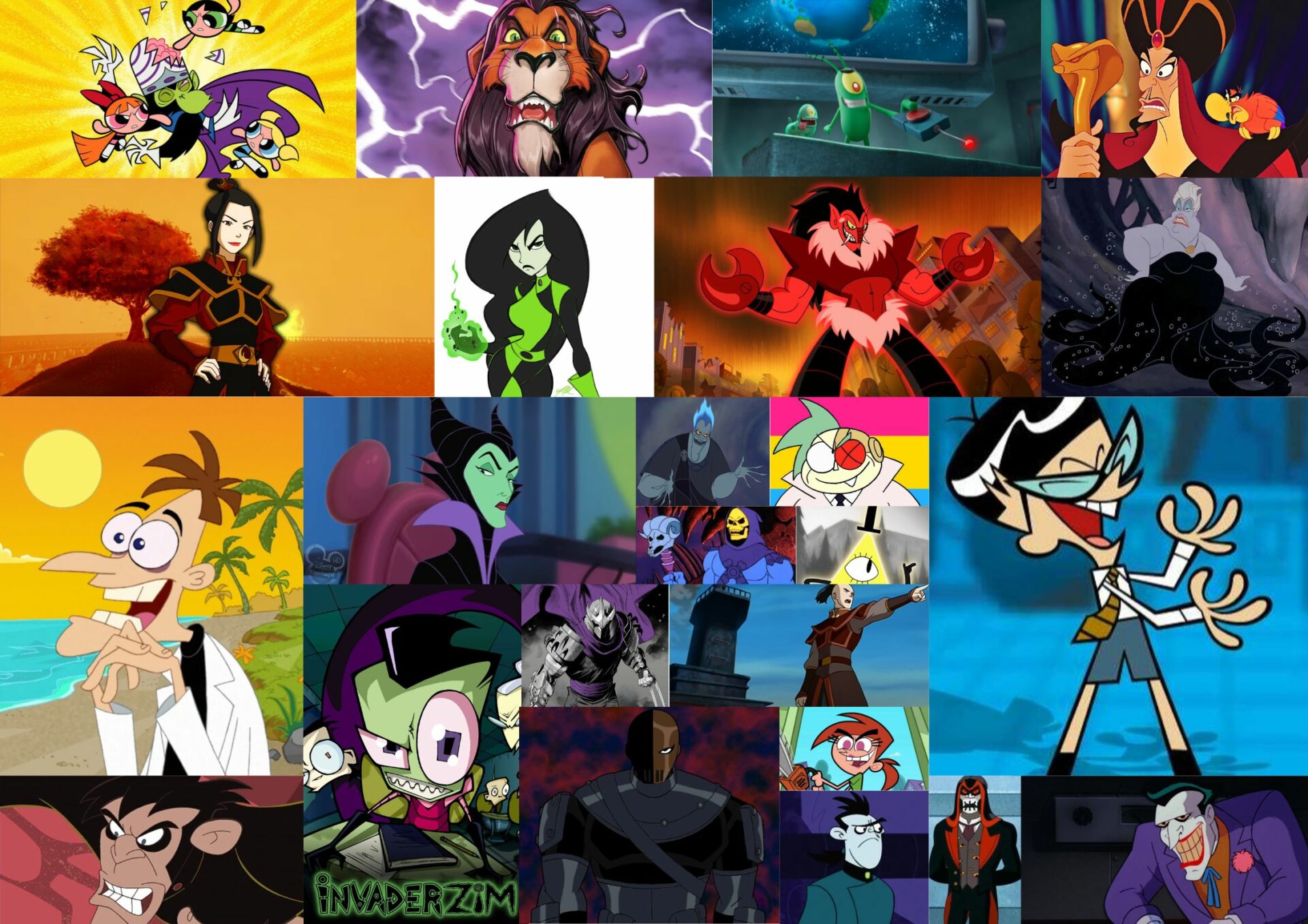
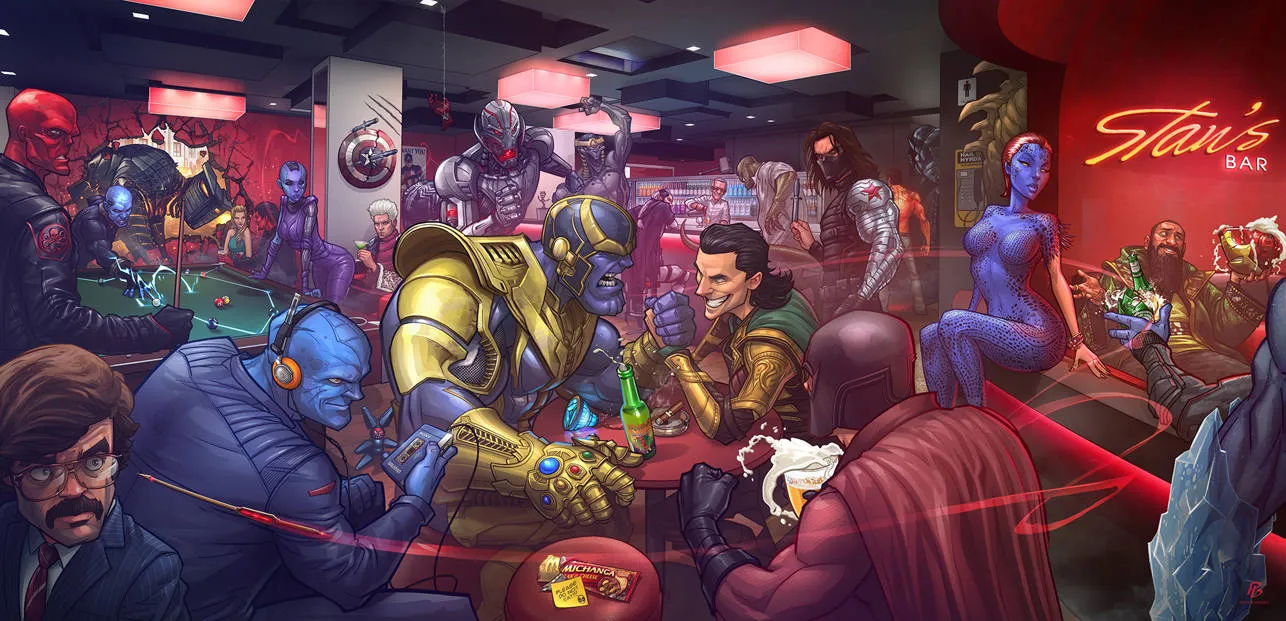
Our list rounds up the top 30 cartoon characters that were villains, each one more wonderfully wicked than the last.
READ MORE
October 28, 2025 .
Lists, Marvel, MCU, Opinions
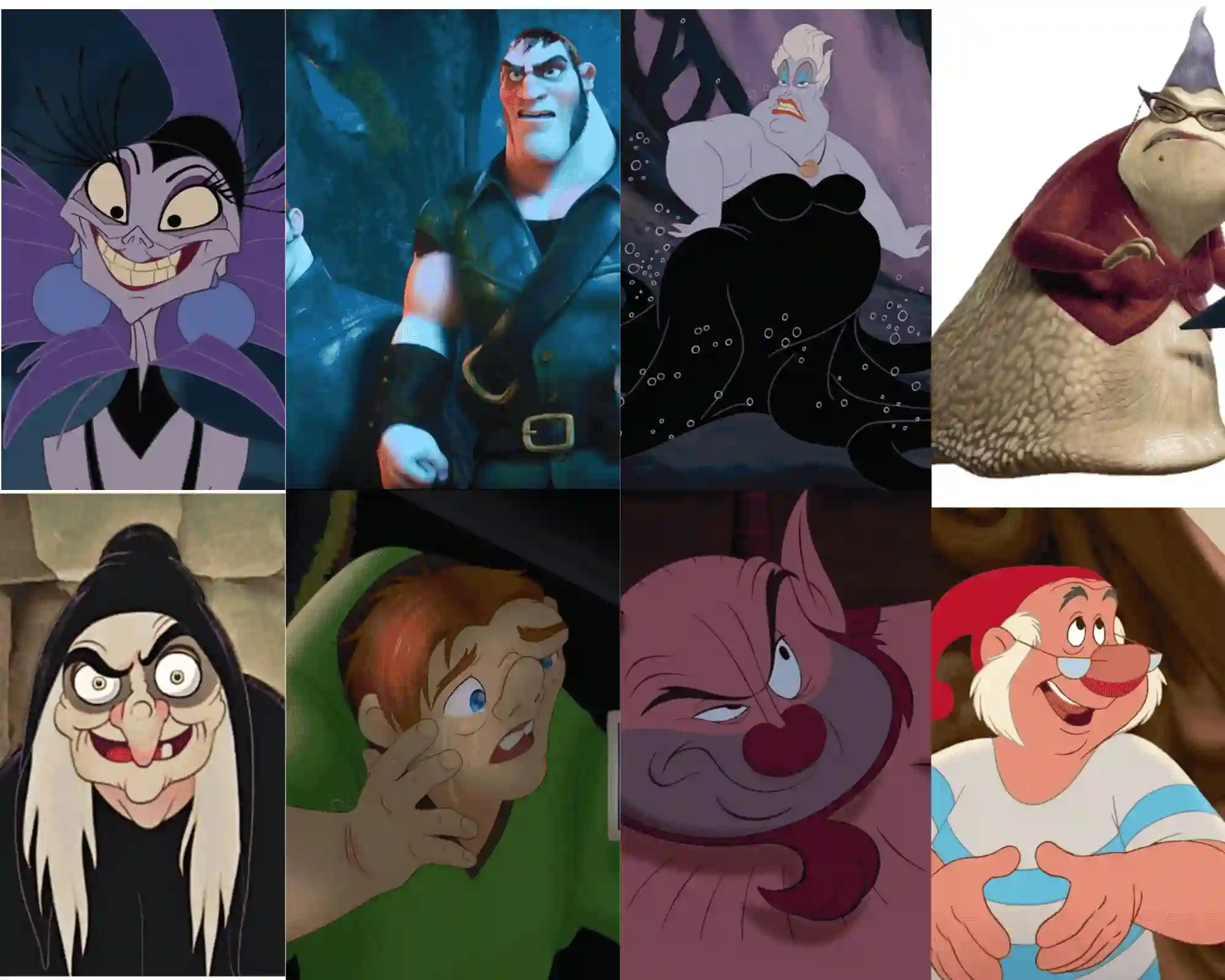
Let’s go through a list of the top 7 strongest Marvel villains, from the wickedly powerful to the absolutely unstoppable.
READ MORE
April 29, 2026 .
Lists, Opinions
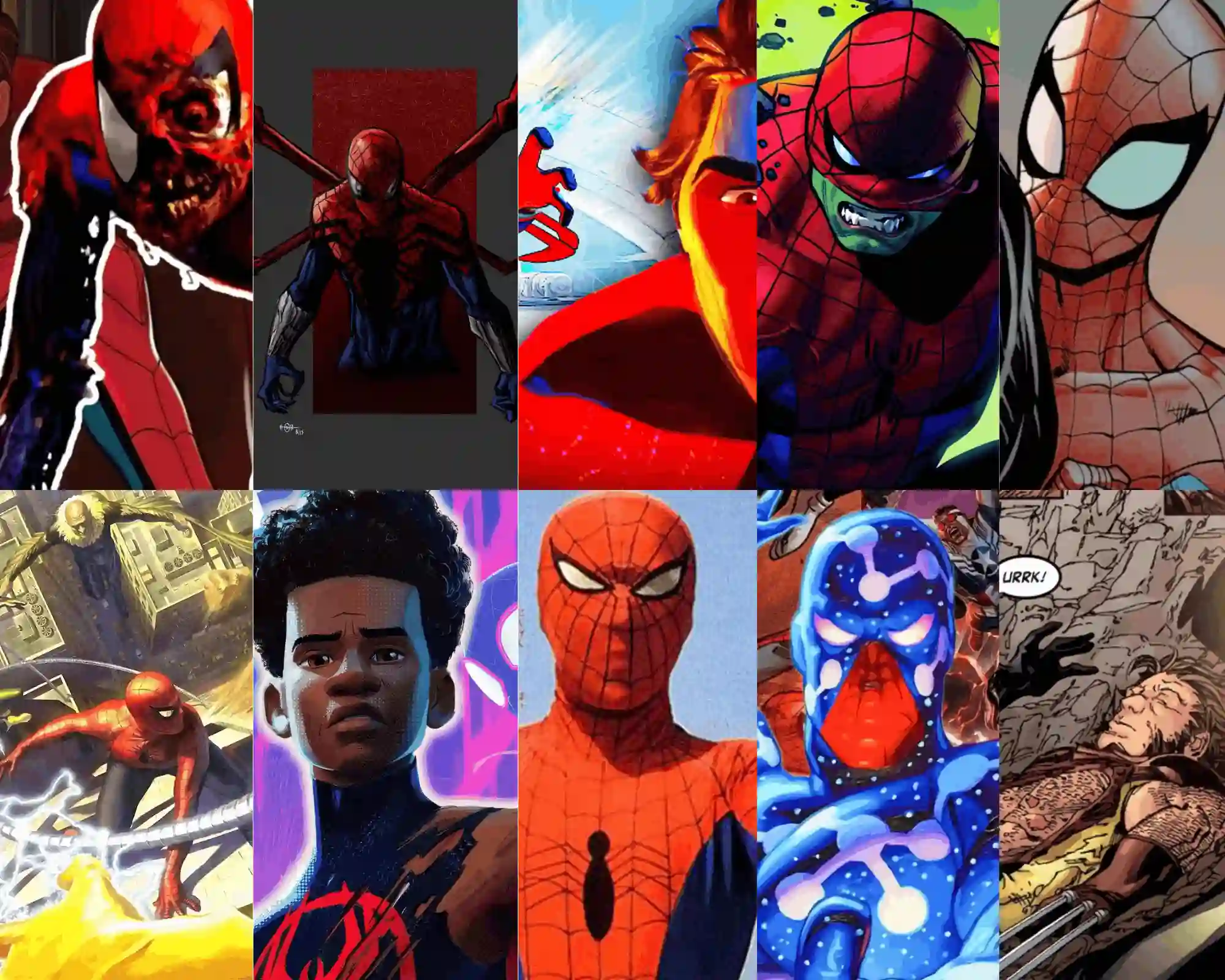
The Mouse is famous for its princesses and princes. However, the studio’s true genius lies in its embrace of “ugly Disney characters”.
READ MORE
November 27, 2025 .
Lists, Mythology
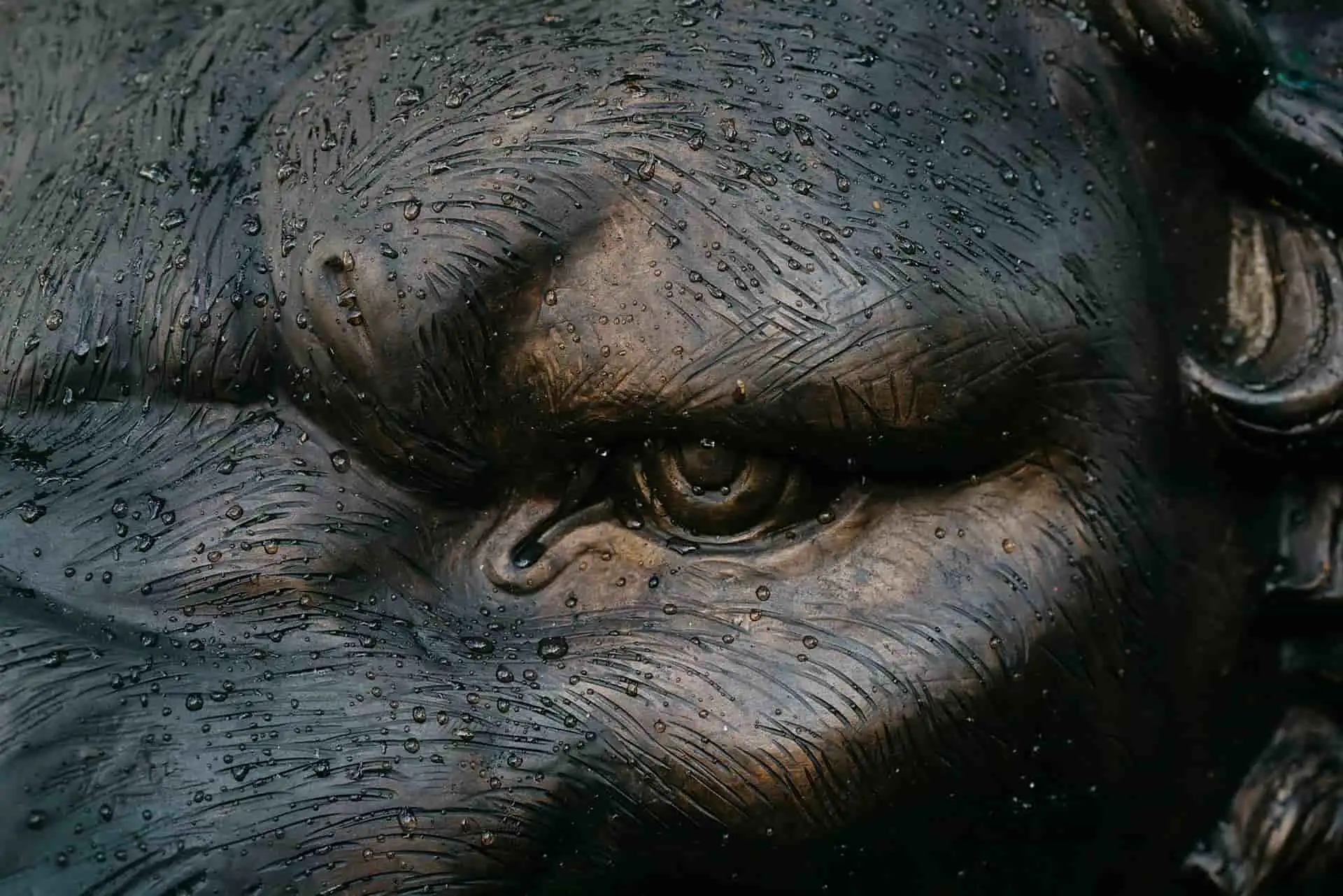
While this isn’t an exhaustive list, it comprises some of the most popular mythical creatures from around the world.
READ MORE
May 6, 2026 .
Lists, MCU
Spider-Man is one of the many superheroes from the Marvel Universe whose stories shaped many childhoods. Who is your strongest Spiderman?
READ MORE
October 12, 2021 .
African Literature, chimamanda, cna, zikora
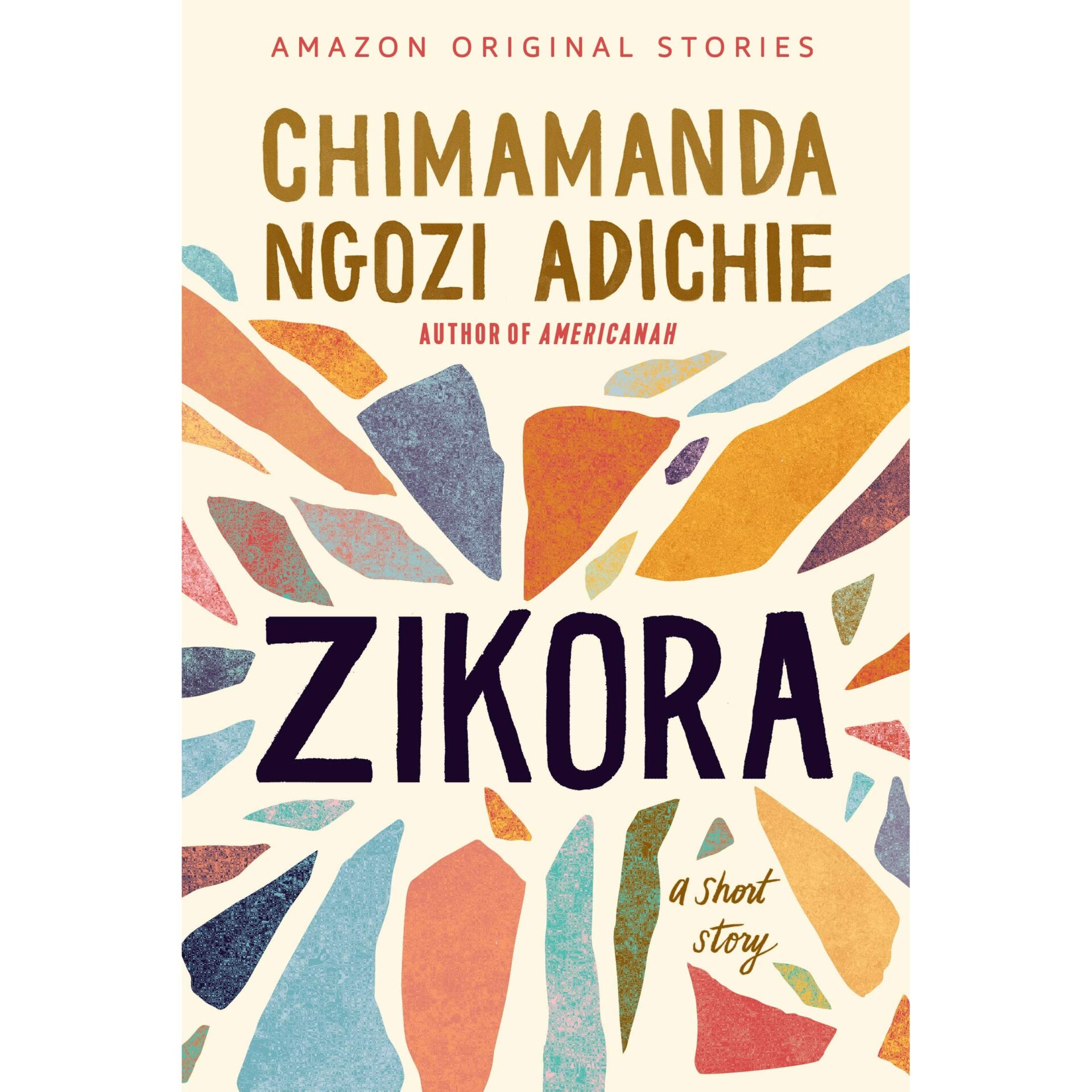
Hopefully, the reading of a book as this will enlighten men and generally educate people in the making of the right choices regarding amatory unions.
READ MORE
September 2, 2025 .
African Literature
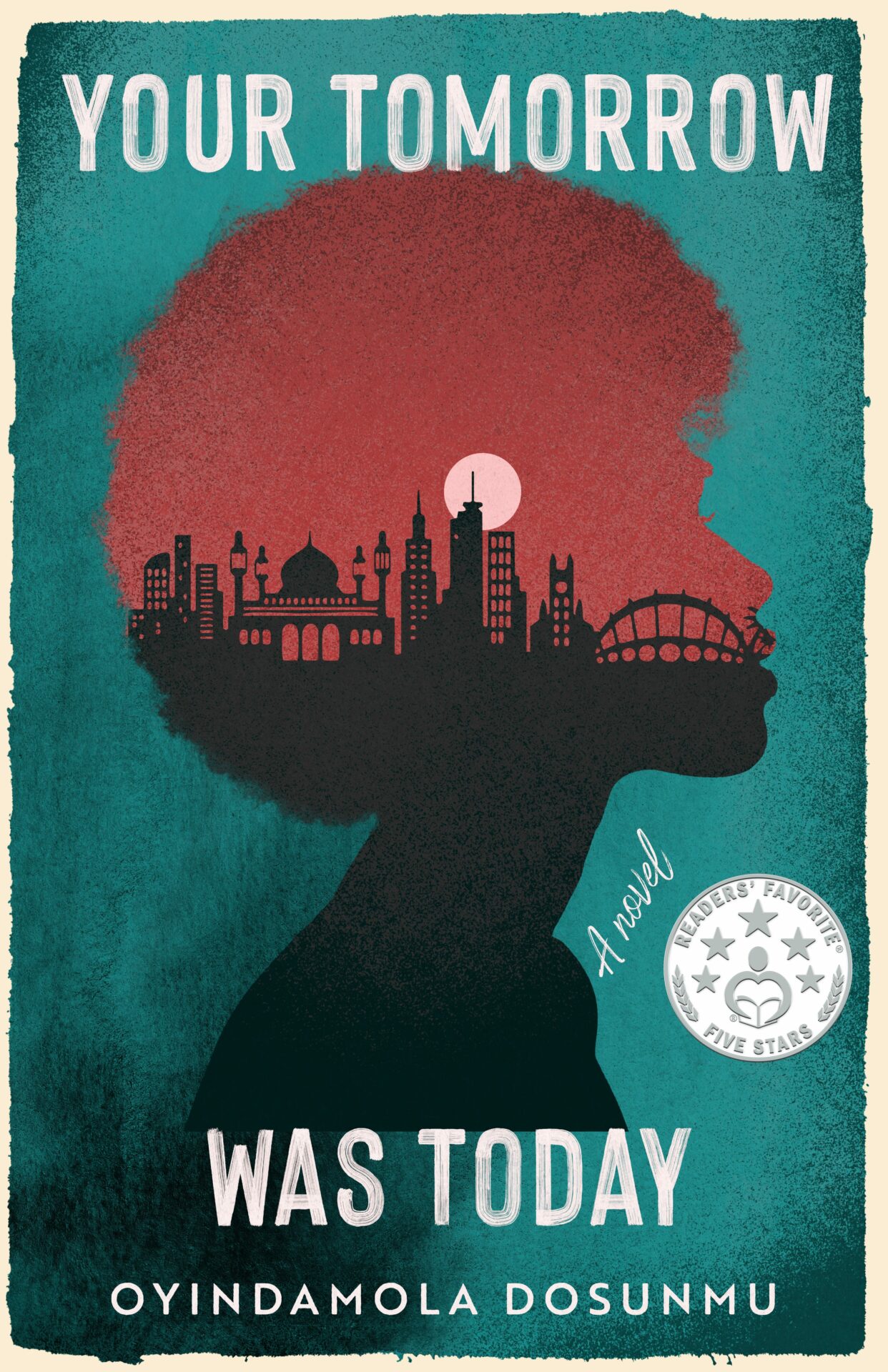
So yes, Your Tomorrow Was Today is guaranteed to be a book that will touch you, regardless of gender, interests or philosophy.
READ MORE
February 19, 2022 .
African Literature, Book Reviews, British Nigerian, lizziedamilolablackburn, Nigerian, Self growth, yinkawhereisyourhuzband
READ MORE

January 26, 2025 .
African Literature, sharjah
READ MORE
November 12, 2023 .
African Literature
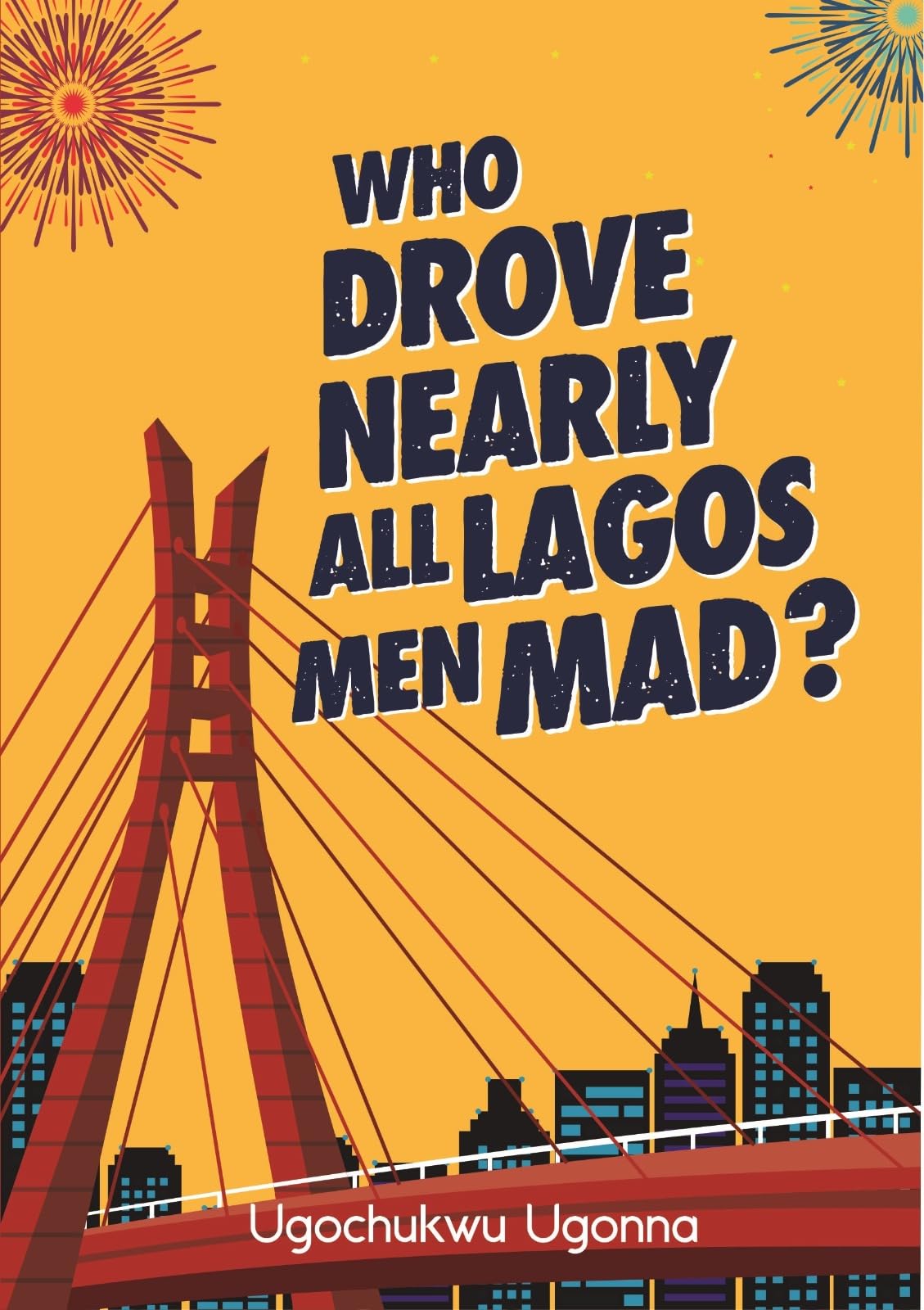
In these tales, women are portrayed as clever and tricky individuals, while men’s descent into madness is often a response to these traits.
READ MORE

December 4, 2023 .
African Literature
READ MORE
February 3, 2025 .
African Literature
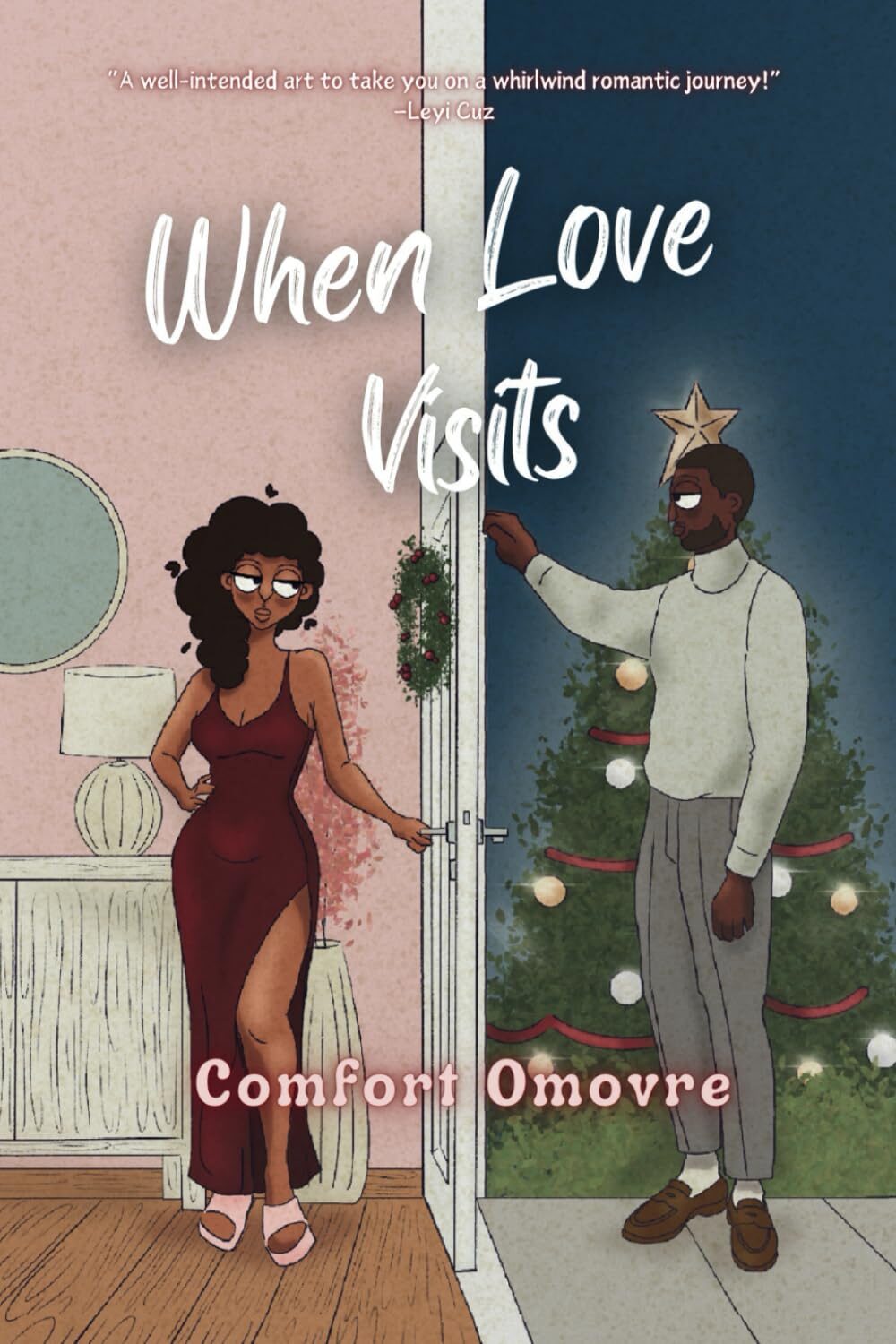
When Love Visits is a contemporary romance novel that narrates how Uju and Tade, both in their thirties and successful fall in love at first sight.
READ MORE

May 7, 2022 .
African Literature, miracleemekankwor, whathappenedtojanetuzor
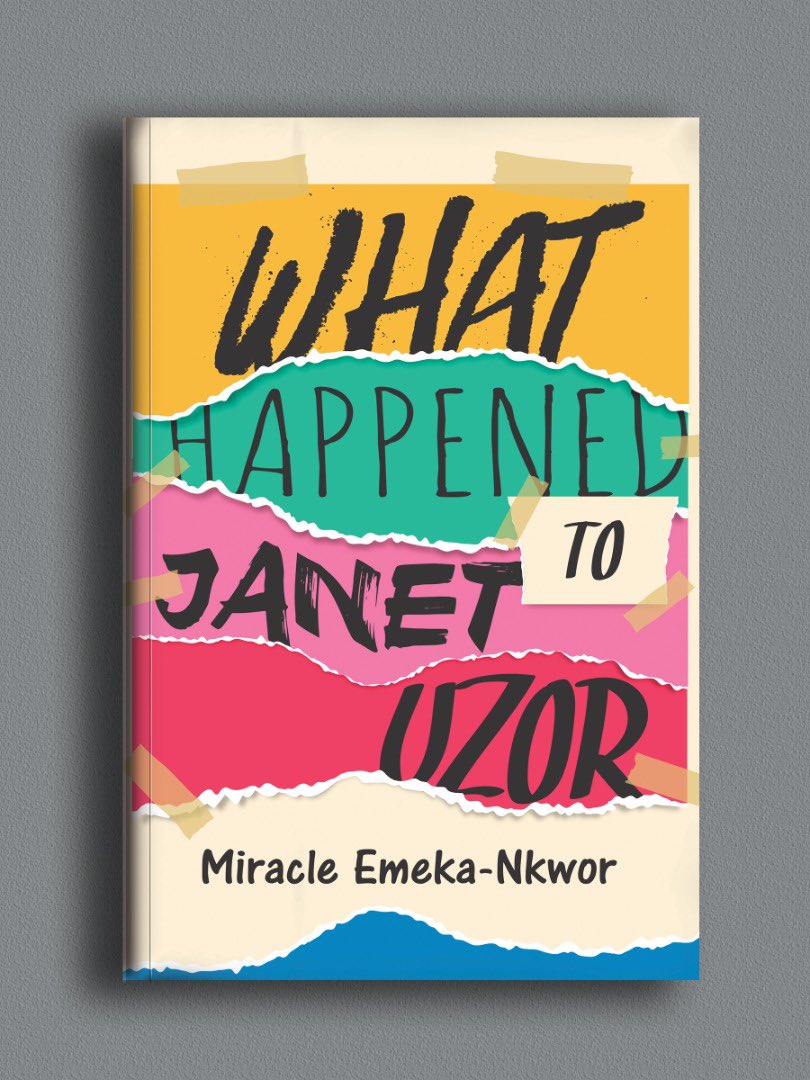
Ebere has a theory that a killer is out there that claims his victim every Christmas, and she believes their best friend Janet was one of his victims.
READ MORE
December 4, 2023 .
African Literature
I don’t find What Happened to Janet Uzor very hair-raising thrilling, but it has ENOUGH suspense to get you flipping.
READ MORE
Get our magazine for free!