
Menu


























In a world full of noise, The Little We Grow, We Fly is a quiet thunder. It doesn’t shout, but it stays with you. And maybe, just maybe—that’s what makes it so powerful.
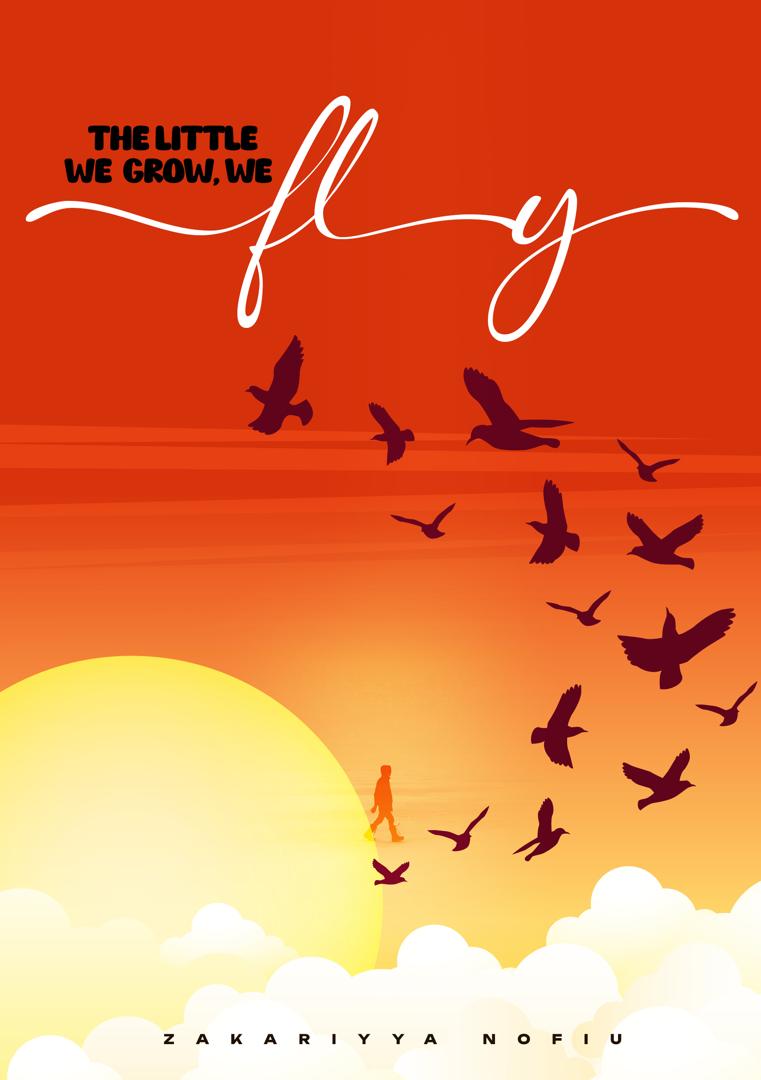
Zakariyya Nofiu’s debut poetry collection, The Little We Grow, We Fly, is a tapestry of emotions, weaving together themes of life, love, loss, and the human condition.
It’s a book that promises to take you on a journey—one that is both deeply personal and universally resonant.
But does it soar to the heights it aspires to, or does it falter under the weight of its ambitions? The answer, much like the poems themselves, is complex and layered.
The collection is a mosaic of reflections on existence, from the fragility of life to the enduring power of love. Nofiu explores the interplay between growth and freedom, often juxtaposing the beauty of human experience with its inherent struggles.
The poems are rich with imagery, drawing from nature, family, and cultural traditions to paint vivid pictures of joy, sorrow, and everything in between. Yet, for all its beauty, the collection occasionally stumbles, leaving the reader torn between admiration and frustration.
Nofiu’s strength lies in his ability to evoke raw emotion. Poems like We Lost Her and Sadness Is Another Death are hauntingly poignant, capturing the essence of grief with a simplicity that is both striking and relatable.
This poem has powerful visuals. From fish protesting cold water to rain falling in the heart, Nofiu paints emotion with bold, unexpected strokes. Birds, trees, graves, even missed calls—all are symbols delicately used.
But it’s not just beauty for beauty’s sake. Every metaphor carries a deeper message. The swinging tree doesn’t just move—it represents life’s constant shifts. The graves don’t just lie silent—they whisper lessons. It’s as though the poem asks us: Can you see the world differently if you slow down and listen? The answer lies hidden in the lines.
The poet takes us on a rollercoaster of emotions. Grief is ever-present but so is love—mother’s love, father’s laughter, unrequited affection, and even fake love. Each feeling is raw.
The poem doesn’t dress sorrow in fine clothes. Instead, it lets pain show up messy and unfiltered. Growth is another strong theme. Childhood is romanticized, adulthood is questioned, and old age looms like a quiet shadow.
Nofiu doesn’t just write about growing up. He questions what we lose along the way. Can one fly and still stay grounded? Do we ever truly leave home? These aren’t just rhetorical—they’re deeply felt.
The language of The Little We Grow, We Fly is clear and direct. No fancy words, no hiding behind literary jargon. Just honest emotion. The tone swings from conversational to poetic, from playful to devastating.
Even when the poet writes about pain, the tone doesn’t wallow—it reflects. That balance is hard to pull off. But here, it works. The simplicity allows every reader to connect. Whether it’s a lost parent, a broken love, or a fading memory—we’ve all been there in one way or another.
Some poems resonate deeply, while others fall flat, leaving the reader yearning for more cohesion. The occasional use of Arabic and Yoruba adds a cultural richness, but without translation or context, these moments may alienate readers unfamiliar with the languages.
Nofiu’s language is both lyrical and accessible, a rare combination that makes the collection appealing to a wide audience.
However, the simplicity of the language can sometimes undermine the complexity of the themes. While some poems are profound in their brevity, others feel underdeveloped, as if the poet stopped short of fully exploring the ideas at hand.
This inconsistency can be jarring, pulling the reader out of the immersive experience the collection strives to create.
In a world full of noise, The Little We Grow, We Fly is a quiet thunder. It doesn’t shout, but it stays with you. And maybe, just maybe—that’s what makes it so powerful.
Nofiu’s strength lies in his ability to evoke raw emotion. Poems like We Lost Her and Sadness Is Another Death are hauntingly poignant, capturing the essence of grief with a simplicity that is both striking and relatable.
The imagery of nature—birds, trees, rivers—serves as a powerful metaphor for human experiences, grounding abstract emotions in tangible reality.

The Tyrant Overlord. Fantasy buff and avid football fan.
15 Writing-Adjacent Careers for Writers Looking for a Career Change
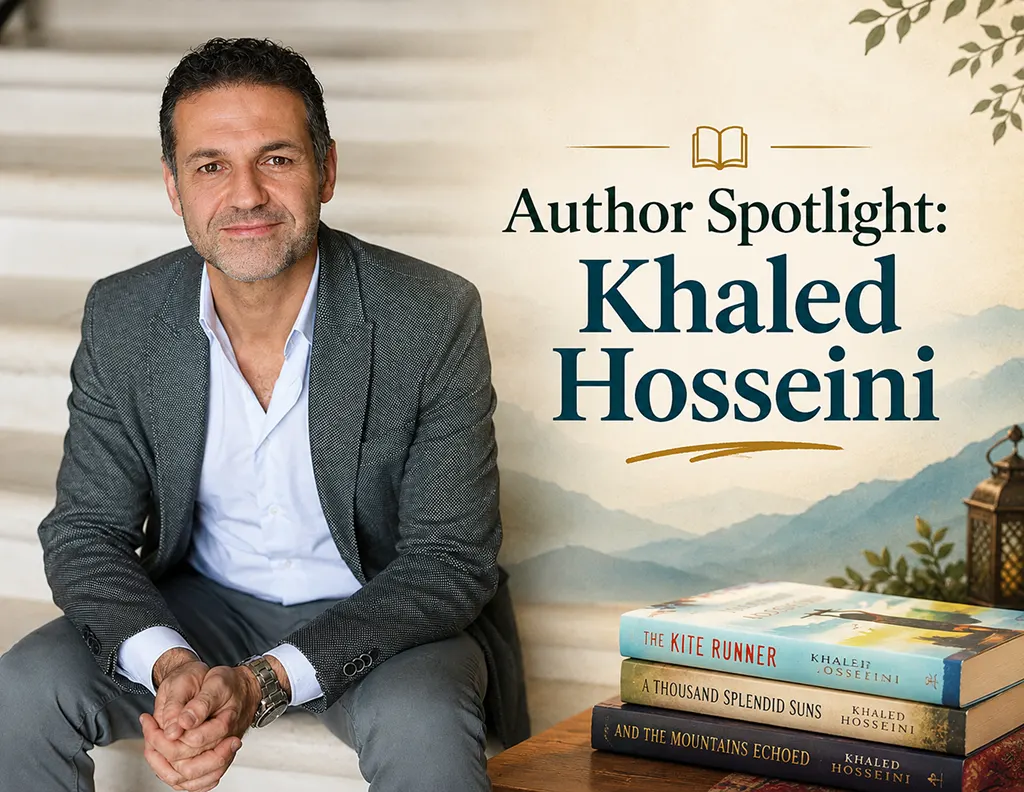
Authors Spotlight: Khaled Hosseini
The Sound Souls Make When They Die by Chinemefun Chimuanya
If Nollywood Cast Our Favourite African Books: Who Would Play Who?
Best Films About Unexpected Age Gap Romance
Literary Awards and the Racism Card: A Wake-Up Call for Black Africa
Interview with the Vampire Relationships, Ranked
10 Top Recent Films for Action and Comedy Fans
Comma Rules Every Writer Should Know
10 Most Hype-worthy 2026 Book Releases (African Literature Version)
Five Gambling Films That Know the Bet Is Only Half the Story
Movies Where Poker Reveals Who a Character Really Is
July 20, 2025 .
Animation, Lists
Our list rounds up the top 30 cartoon characters that were villains, each one more wonderfully wicked than the last.
READ MORE
November 27, 2025 .
Lists, Mythology
While this isn’t an exhaustive list, it comprises some of the most popular mythical creatures from around the world.
READ MORE
April 29, 2026 .
Lists, Opinions
The Mouse is famous for its princesses and princes. However, the studio’s true genius lies in its embrace of “ugly Disney characters”.
READ MORE
May 6, 2026 .
Lists, MCU
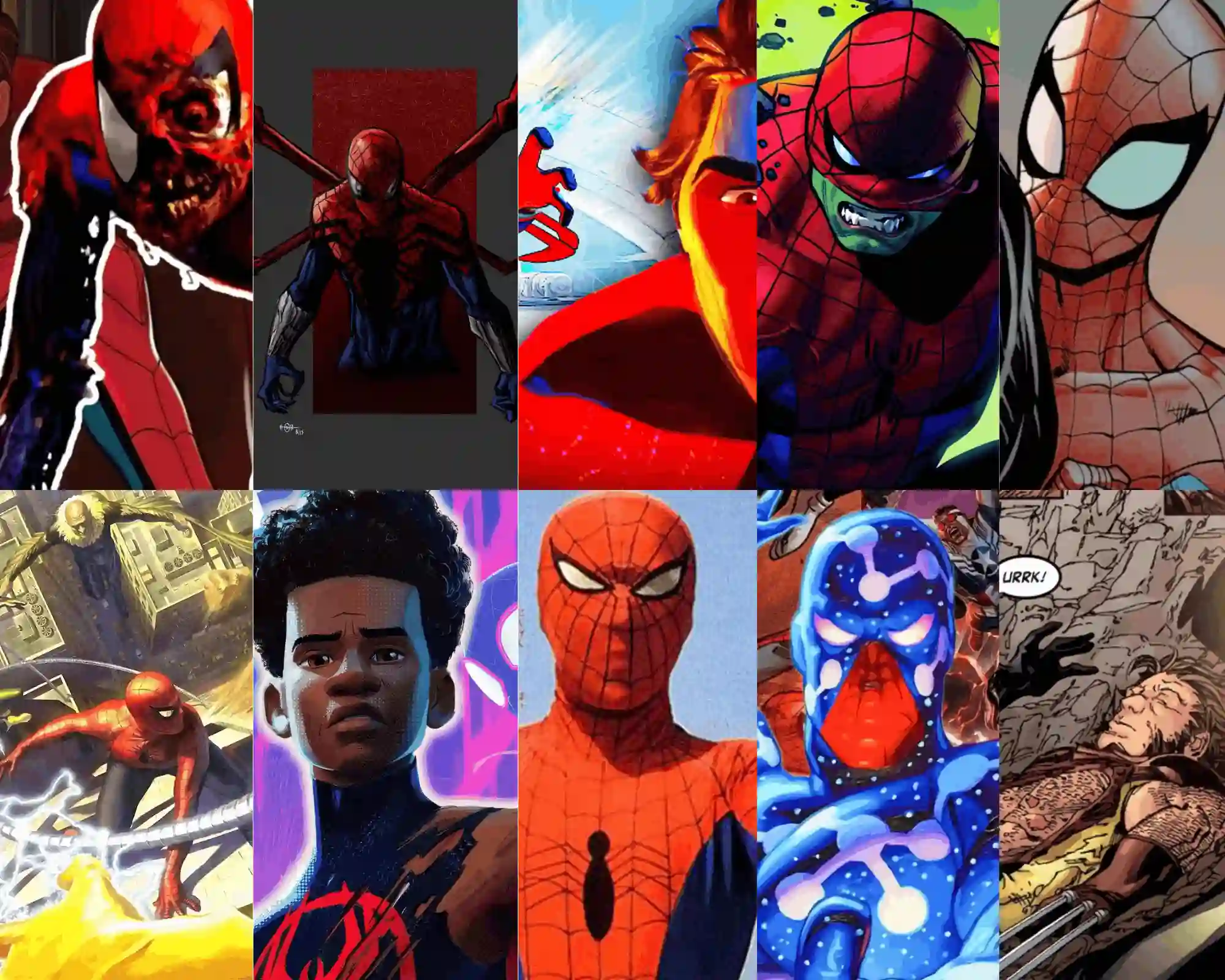
Spider-Man is one of the many superheroes from the Marvel Universe whose stories shaped many childhoods. Who is your strongest Spiderman?
READ MORE
February 26, 2026 .
Cartoons, Lists
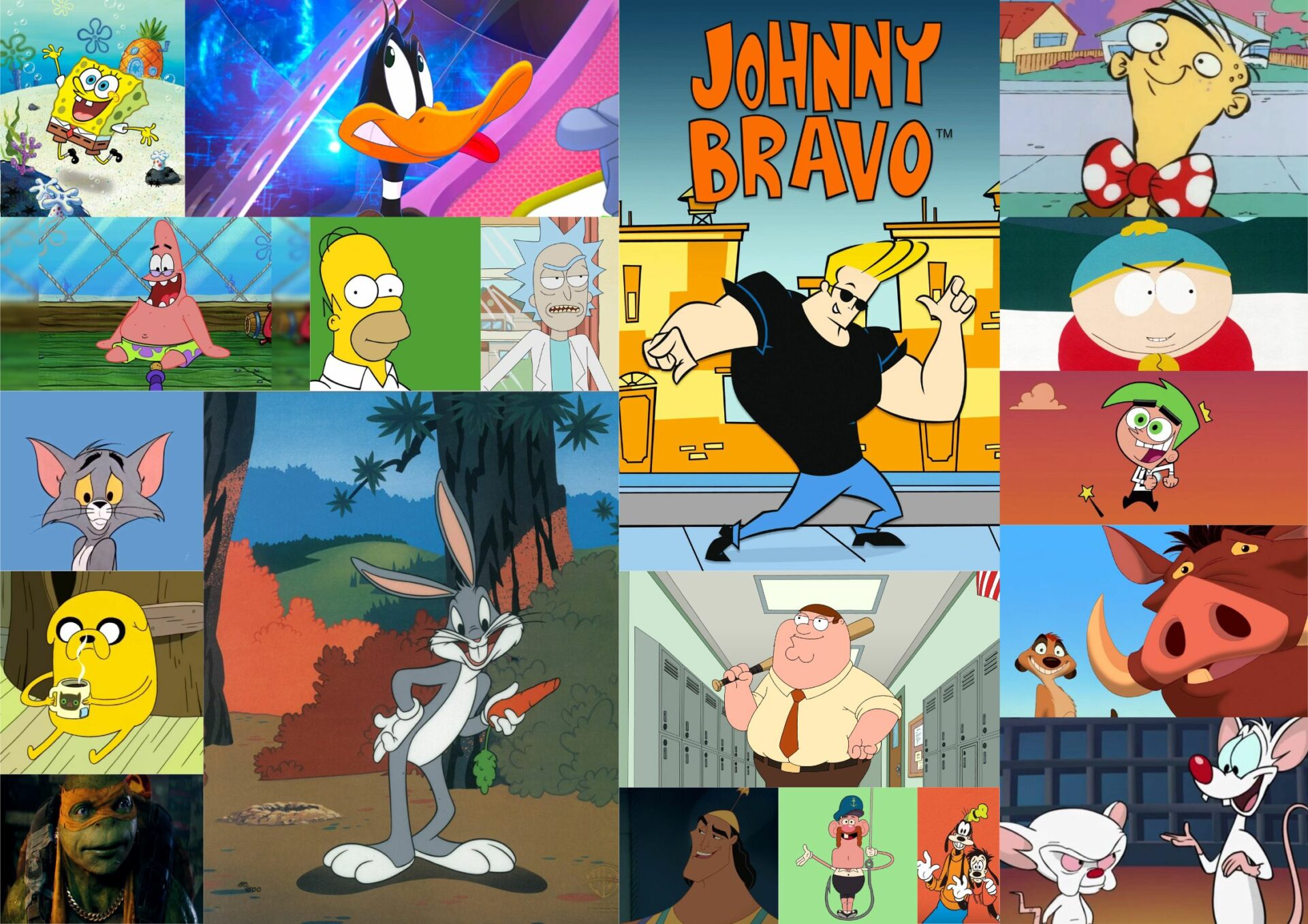
There are some outright funny cartoon characters who exist solely to crack you up, loud, hard, and with zero apology.
READ MORE

March 24, 2025 .
Lists, poetry
This list brings together ten of the most unforgettable poetry quotes from around the world.
READ MORE
July 8, 2025 .
poetry
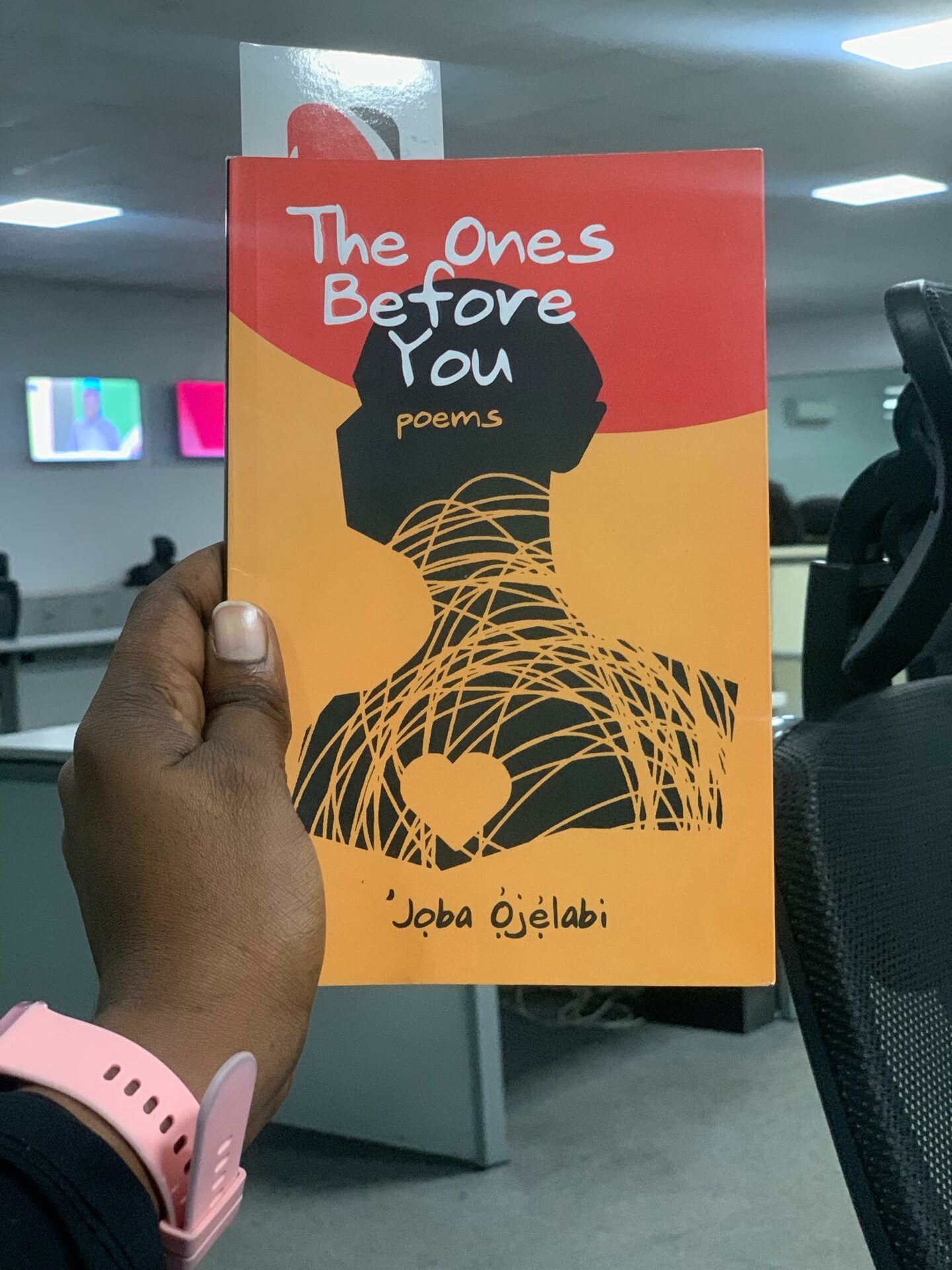
There are books that tug at your heart and refuse to let go. The Ones Before You by Joba Ojelabi is one of them.
READ MORE

May 25, 2024 .
poetry
RECURRENT starts with a “timeline,” which, despite being compressed, provides a solid context of the writer’s life and prepares the reader for what to expect.
READ MORE

September 2, 2025 .
poetry
READ MORE
November 11, 2025 .
music, poetry
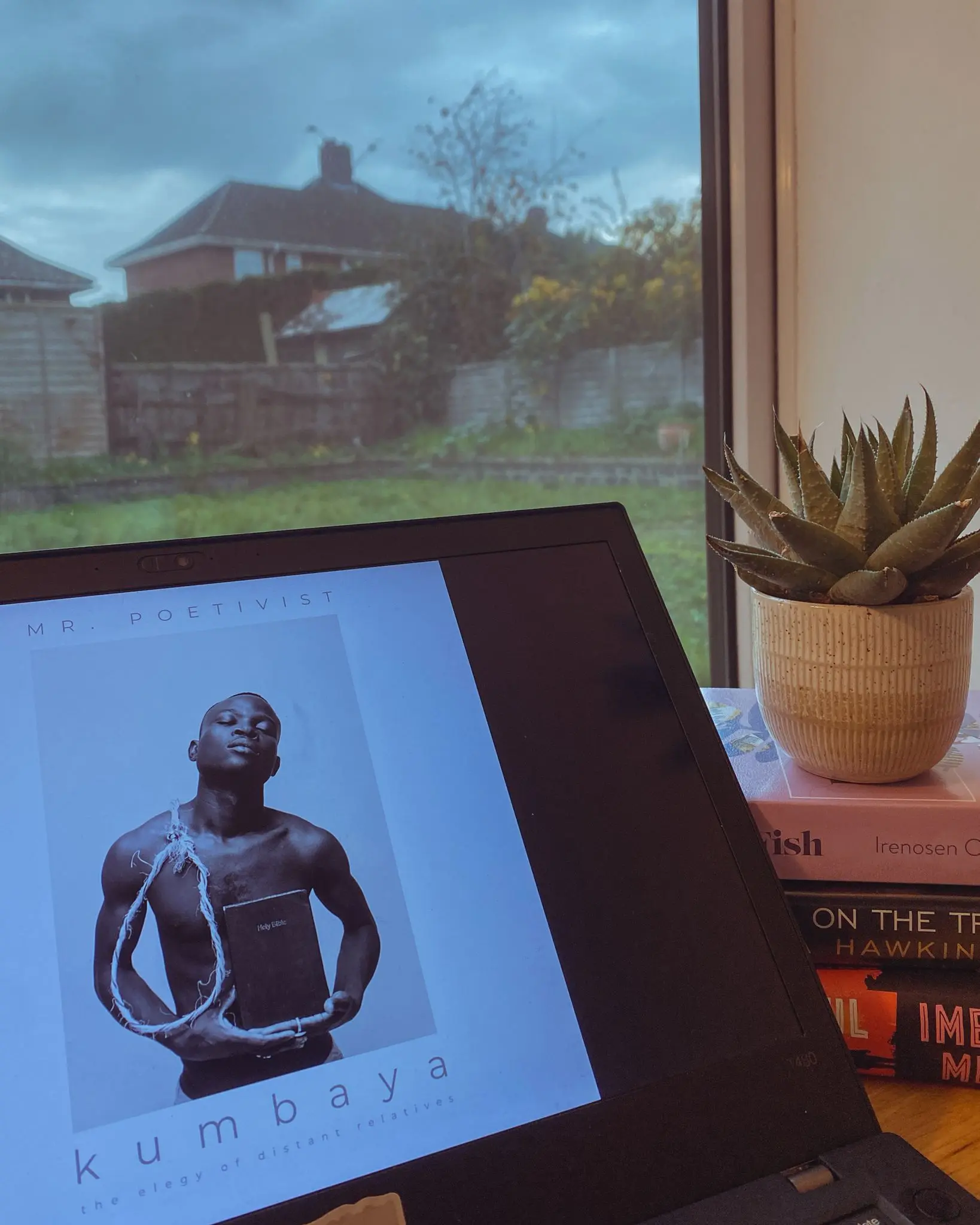
Give it a listen. By the time the album ends, you’re not just a listener anymore; you’ve been carried through grief, reflection, and ultimately, a kind of healing.
READ MORE

July 3, 2025 .
poetry
READ MORE

September 8, 2024 .
African Literature, poetry
Face Me I Face You is a vision and experience for the ages, and an expose to the local everyday epics that play out in the lives of common people.
READ MORE

October 11, 2024 .
African Literature, poetry
The artwork accompanying the chapters is intentional, bringing the characters, scenes, and themes to life. And, of course, the humor in Face Me I Face You is brilliant!
READ MORE
July 18, 2024 .
poetry
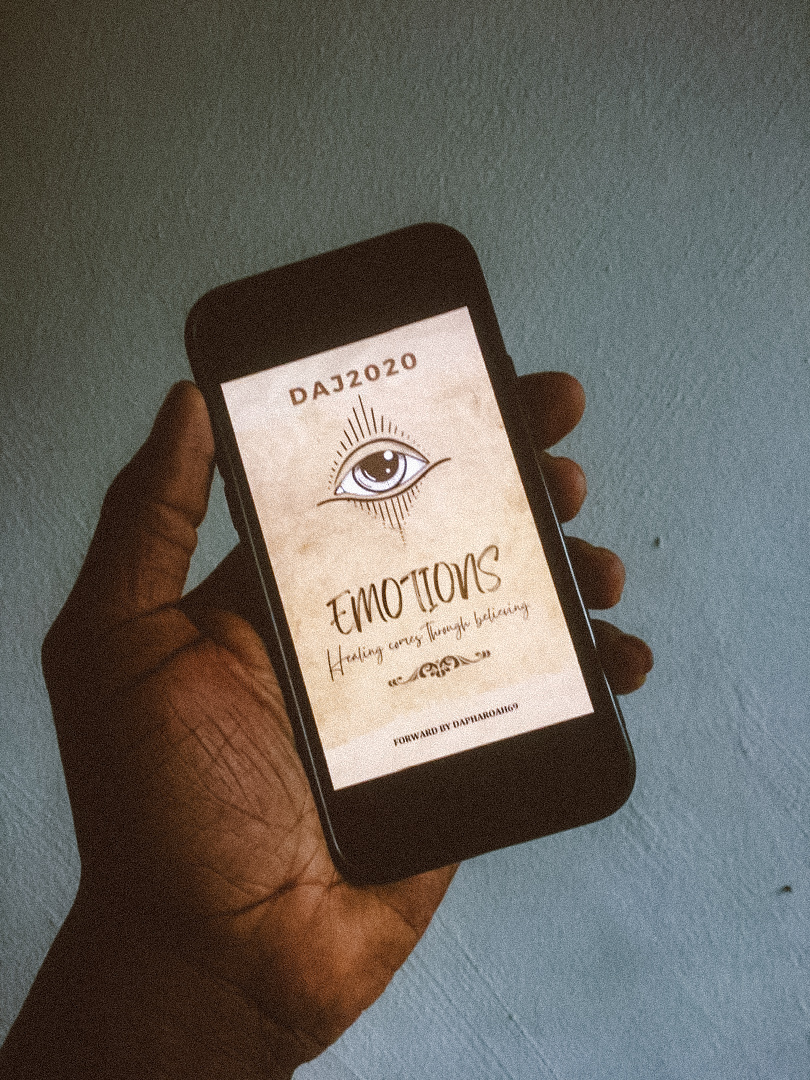
Emotions is for you if you are a fan of big poetry collections with many poems lavished in contemporary styles and capturing raw emotions.
READ MORE
Get our magazine for free!