












Honestly, without the work of Nigerian book creators, influencers, and digital communities over the last few years, the current boom we are seeing in the industry wouldn’t exist.
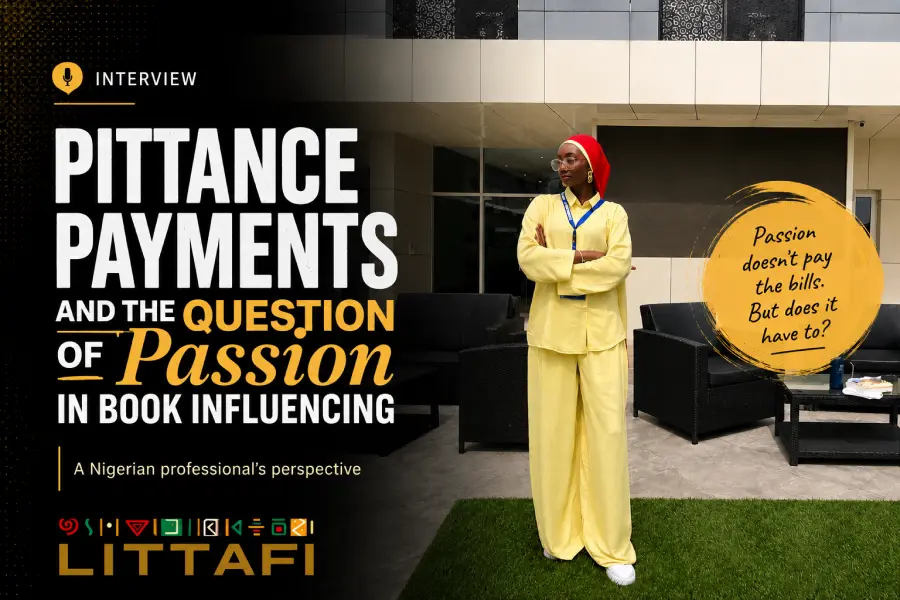
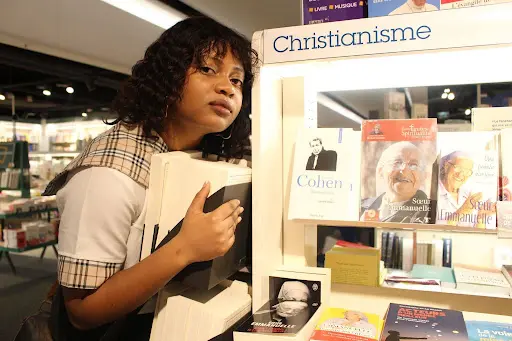
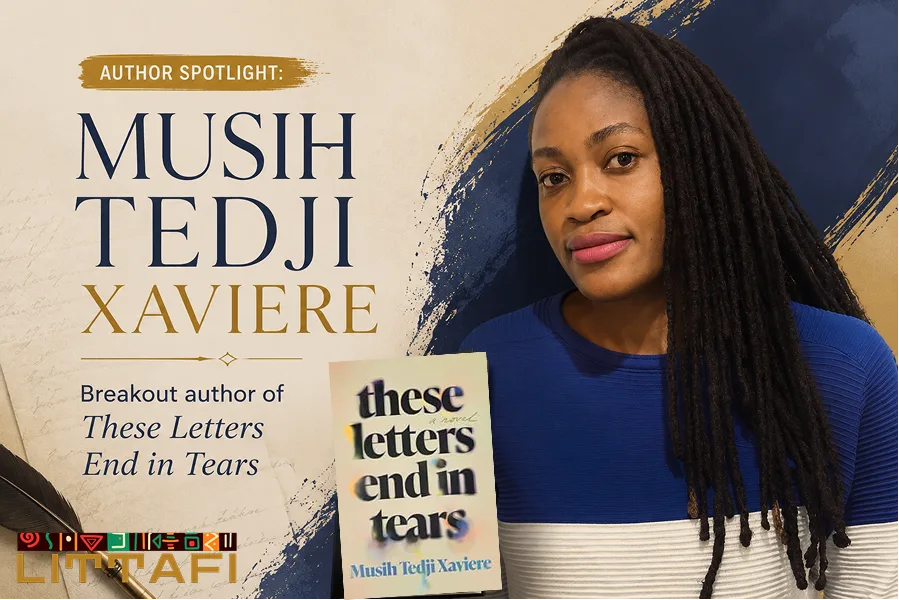
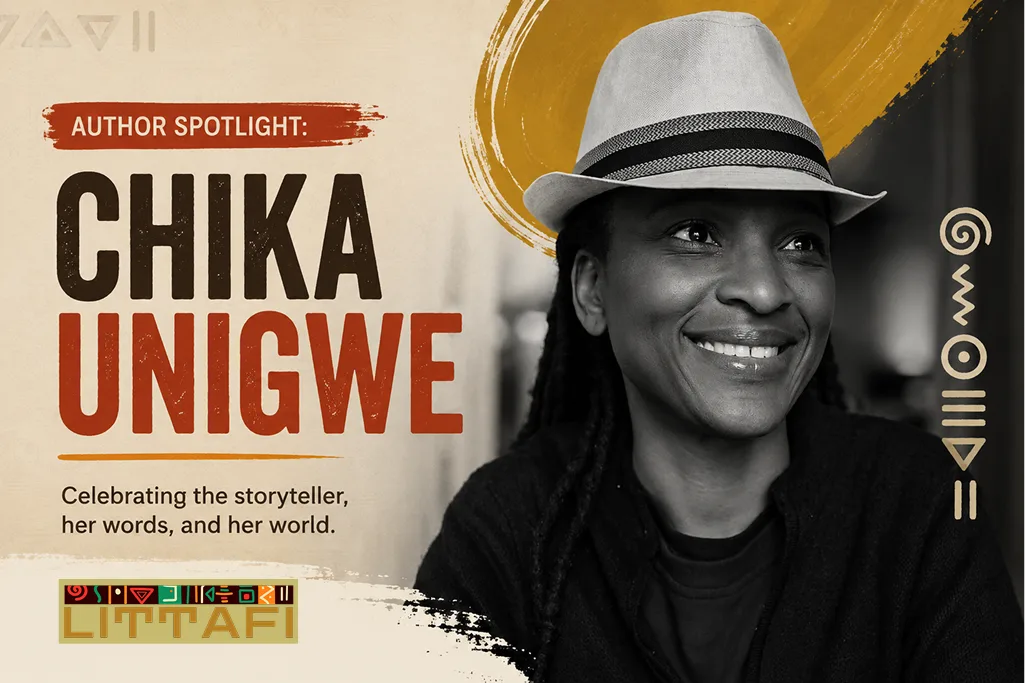
For those not in the know, Sacchie is a young Nigerian reader engaged in a wide range of promotional services aimed at indie and institutional stakeholders. New and established authors hover within the range of her literary interests, many of whom are Nigerian-authored reads.
With active experiences and collaborations in beta reading and reviewing, Sacchie is the ultimate book influencer, a prominent voice in a rising breed of exclusive literary marketers who combine expert content creation with genuine interest in books, authors and the communities that grow around them.
Chronicle your journey into literature, the world of books and literary influencing
I think it’s incredibly important to note that I never actually started out with the aim of influencing. Not at all! I was just a girl looking for fellow readers to yap about books with. But because my platform was rooted in pure passion, it naturally blossomed from a casual hobby into a dedicated space for literary advocacy. Somewhere along the line, it delved into influencing—but at its core, it will always be about my lifelong love for reading. I’ve loved books since forever, and I always will.
My relationship with books goes way back to my childhood. I read storybooks, picture books, novels—honestly, everything I could lay my hands on. I had my massive Wattpad phase, which so many readers of my generation can relate to. I was recognized for reading so much in school, and I spent so much time hidden away in the stacks that I was actually appointed library prefect for several years.
I officially started reviewing books on social media in September 2024, but the foundation was laid long before then. What started as me looking for a community to share my thoughts with has now grown into me working behind the scenes to actively shape the industry. But no matter how big the platform gets or what titles are attached to my name, I am still that same girl who just loves a great story.
As the occupier of a strategic position in the literary niche in Nigeria, bridging the gap between readers and the publishers of the art that they consume, what would you say is the current prevailing sentiment among readers as to the quality of new book releases by Nigerian and African publishers and authors?
I can tell you that the vibes in our literary community are incredibly high, but also a bit complicated.
The biggest and most beautiful shift we are seeing right now is the massive rise in commercial fiction. For the longest time, African literature—especially what got spotlighted globally—was dominated by heavy, intense literary fiction dealing with grief, war, and trauma. Those books are deeply important, but as readers, we also just want to have fun. Now, we are seeing a huge wave of African romance, fantasy, sci-fi, and fast-paced thrillers. People are absolutely devouring books filled with messy Nigerian relationship drama. We are finally realizing our stories don’t always have to be heavy to be valid, and readers are obsessed with this variety.
But the roadblock now is accessibility and affordability. Because of inflation and crazy printing costs, physical books have become a literal luxury. It’s heartbreaking to see readers online desperately wanting to support a new African release, but the price point makes it an uphill battle.
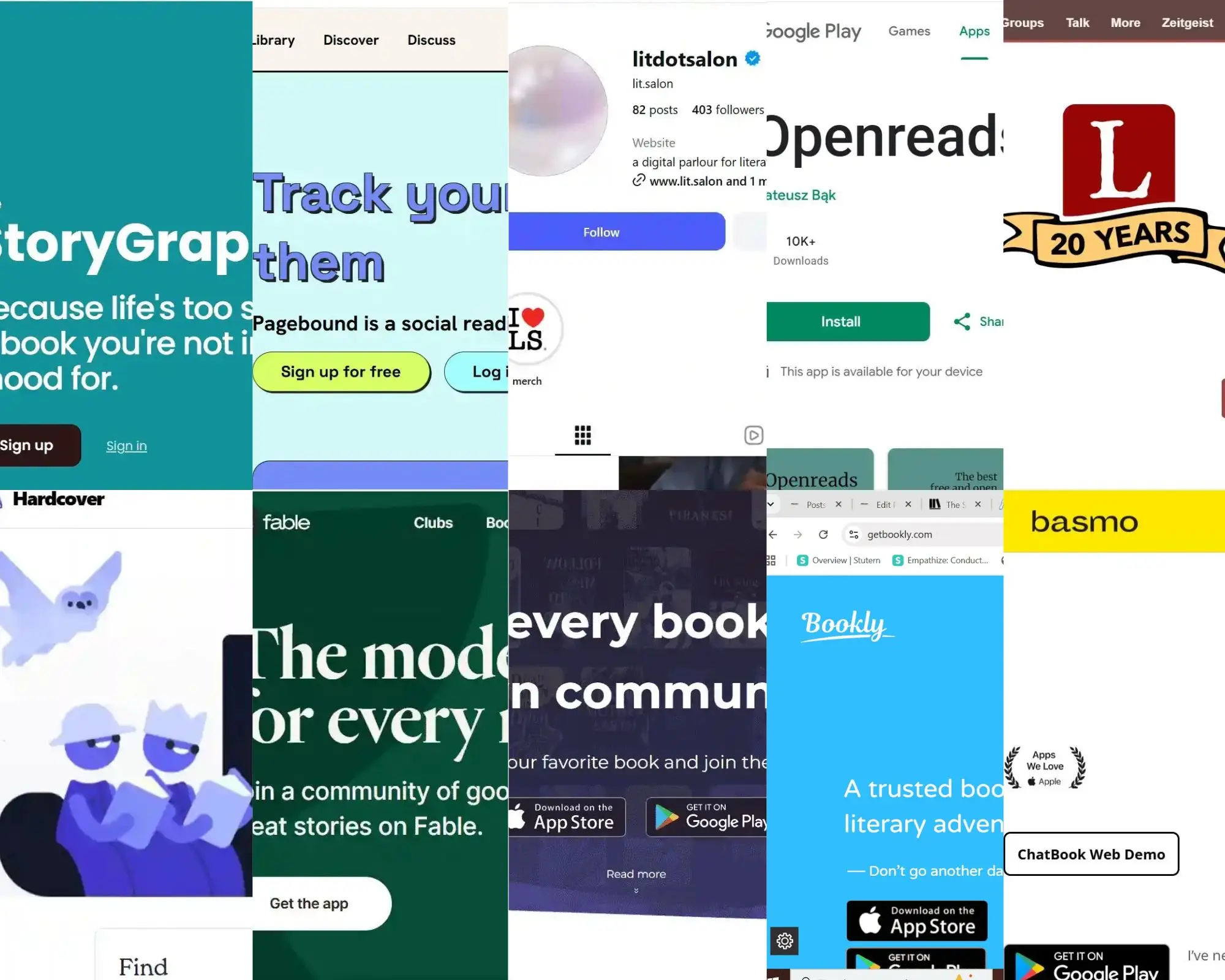
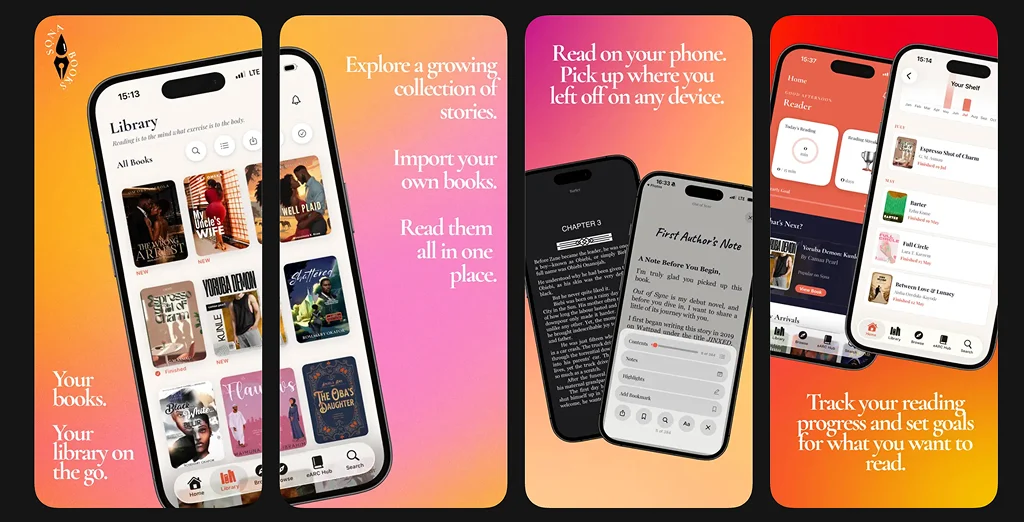
This financial barrier is exactly why we are seeing a massive rise in digital book platforms. Since physical copies are becoming harder to afford, readers are pivoting heavily to spaces like Everand, MyLibriBooks and even Masobe (all though they are slowly but surely becoming unreasonable).
It’s changing the game because it allows readers to access local stories instantly at a fraction of the cost, while giving authors a direct way to monetize their work without relying solely on expensive print runs.
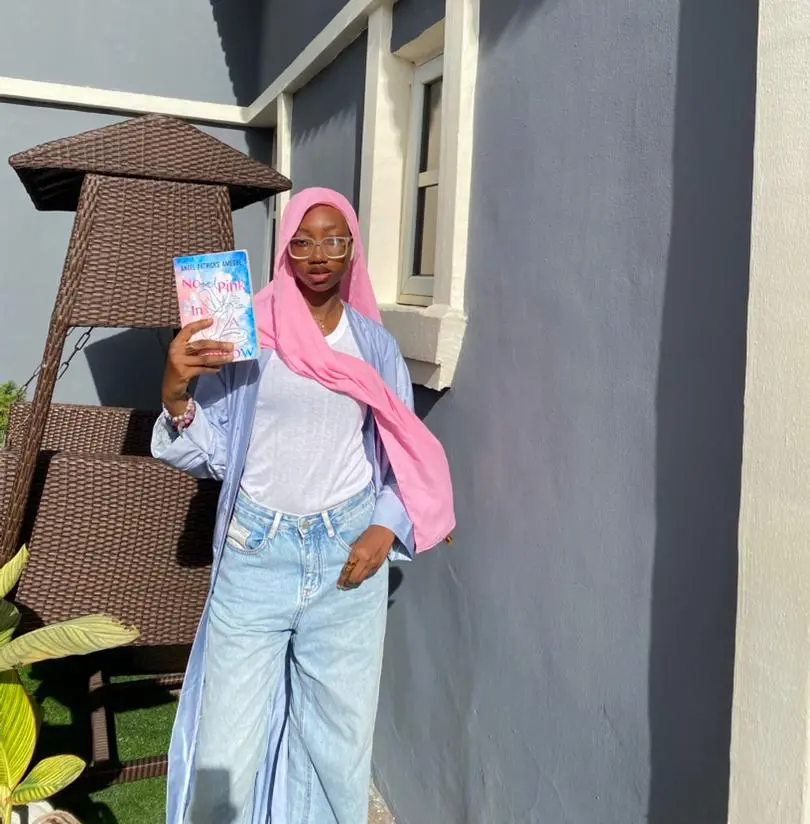
The literary scene, especially its deeper underworkings often go unobserved by the average readers, who generally focus more on storytelling than anything else. What is the impact of marketing and book promotion in evolving the Nigerian literary industry, and what gaps still linger in this publisher-promoter-reader marketing dynamic?
Marketing and book promotion have completely changed the game. Honestly, without the work of Nigerian book creators, influencers, and digital communities over the last few years, the current boom we are seeing in the industry wouldn’t exist.
What book creators have done is humanize book marketing. We brought books onto timelines, and created an aesthetic culture around reading. When publishers partner with creators for cover reveals, unboxing videos, and readathons, it builds hype that turns a book launch into a major cultural event. It proved that Nigerians do read; they just need to know the books exist.
But while we’ve made huge progress, there are still glaring gaps in this publisher-promoter-reader dynamic:
The first gap is the disconnect between social media hype and physical distribution. You will see a book trending heavily on Nigerian Bookstagram because promoters are doing their jobs beautifully. The reader gets excited, walks into a bookstore, and finds out it’s completely out of stock, delayed, or the shipping costs are outrageous. The marketing is running at 100 miles per hour, but the logistics and distribution networks are still trying to catch up.
The second, and perhaps biggest gap, is how publishers view and respect our labor. There is a major distinction that the industry needs to recognize: there are casual hobbyists, and there are professional creators. Both are valuable, but professional creators are running highly curated platforms, producing top-tier visual content, managing highly engaged communities, and directly driving sales. Yet, many publishers still treat us all as free publicity, someone you throw a free book at in exchange for hours of creative labor. That narrative needs to change.
This exact gap is why spaces like The Bookish Collective NG are so vital right now. The Collective is a direct response to the need for community, structure, and professional standards among Nigerian book creators. It exists to show publishers that our work has measurable value, and that we deserve a seat at the table as equal partners in the literary ecosystem.
To truly close this gap, publishers need to start making professional creators an active part of their in-house processes.
Right now, creators are brought in as an afterthought at the very end of the line once the book is already printed. If publishers brought digital creators into their marketing and creative strategy teams in-house, everything would shift. Creators can look at a manuscript months in advance and say, ‘The community is going to go crazy for this specific trope,’ or ‘We need to design the physical book jacket with these aesthetic details because it will look incredible on camera.’ We bring the reader’s pulse into the production room before the book is even bound.
And there is so much more potential to grow beyond just the publishing world. Book creators need to be featured in general creator conversations, lifestyle spaces, and major brand partnerships, just like beauty or fashion influencers are. More importantly, we need to be brought into conversations surrounding film and TV adaptations. When a book gets optioned for a movie or a series, book creators are the ones who have been building the fandom from day one. We know exactly what the audience wants to see on screen. We can even push the hype even further. And guess what? The first audience of such adaptations are readers curious to see their imaginations brought to life.
At the end of the day, we can all make this industry so much bigger and better if we collectively acknowledge everyone’s importance and move that way. When publishers, filmmakers, and the wider media landscape realize that book creators hold the key to the modern African literary consumer, the entire creative ecosystem will be unstoppable.
With an evident boost in the propagation of book publications, tours and literary advocacy and promotional efforts in Nigeria and the wider continent, how have the marketing strategies of big Nigerian publishers like Masobe, Ouida and Narrative Landscape shaped the evolution of different genres within African Literature in recent years, and how the corresponding books are received by readers?
It’s been fascinating to watch because Masobe, Ouida, and Narrative Landscape have completely distinct identities, and their strategies have directly shaped what genres are thriving right now.
Let’s start with Masobe Books. We cannot deny their massive impact; they’ve completely changed how commercial fiction is viewed in Nigeria. They treat book releases like pop culture events, and they know how to build hype around romance, thrillers, and contemporary drama. They’ve broken the stereotype that African stories have to be heavy or academic to be valid, and they’ve made reading feel trendy.
But if we are being completely honest, their operations can be terrible. The back-end execution often doesn’t match the front-facing hype. They have major gaps when it comes to managing their relationships with authors, readers, and digital creators. The communication isn’t where it needs to be, and the logistics often fall flat. They have the hype down to a science, but they drastically need to work on their operations and how they treat the ecosystem they benefit from.
On the other hand, my experiences with houses like Ouida and Narrative Landscape have been incredibly smooth, and their books are definitely well-received by the community because they respect the craft and the consumer.
Ouida Books anchors their strategy heavily in cultural experience and literary advocacy. They don’t just sell books; they cultivate a lifestyle around literature. Between their physical hub in Lagos and the Aké Arts and Book Festival, Ouida markets literature as a community experience, leaning heavily into thought-provoking literary fiction and memoir. When you buy an Ouida book, you feel like you are participating in a larger African cultural movement.
Then there’s Narrative Landscape Press, who are the absolute masters of editorial prestige and structural excellence. Their marketing focuses heavily on the craft of storytelling, stunning book design, and high-quality production values. What I love about Narrative is that they aren’t just looking at Nigeria; they have an East African branch as well, so their catalog isn’t predominantly Nigerian. They are actively championing a diverse, pan-African literary identity. Because of their meticulous focus on quality, readers receive a Narrative Landscape book knowing it’s going to be an absolute masterclass in writing and production.
Ultimately, what these distinct strategies show us is that African literature is finally being allowed to be complex, fun, and expansive all at once. We are no longer confined to a single box.
How would you describe the job of a literary influencer or promoter?
If you ask the average outsider, they think the job of a literary promoter is just taking pretty pictures of books or yapping about books. But in reality, it is a multi-faceted marketing and community-building role.
First and foremost, we are taste-makers and curators. Publishers release hundreds of books a year, and the average reader is completely overwhelmed by choices. Our job is to filter that noise. We read, spot the gems, and match the right story to the right reader.
Second, we are creative directors and content strategists. A book doesn’t sell itself on social media. We have to translate written text into visual, digital culture. That means writing compelling micro-reviews, styling aesthetic photography, editing high-energy video transitions, and utilizing digital trends to make a physical book look just as exciting as a new movie trailer. We handle the creative direction, the lighting, the editing, and the copywriting for every single post out of pure skill.
But the most important part of the job is community management. The real work happens in the comments, the DMs, and the buddy reads. We are the ones sparking the conversations and building the trust that corporate marketing campaigns can’t buy. When a reader buys a book based on my recommendation, they aren’t buying it because it’s the best book, they are buying it because they trust me.
What trajectories do you speculate to be the future of African Literature, publishing and literacy in an increasingly digitally-reliant world?
When I look at where we are heading, I see three major trajectories that are going to completely redefine African literature, publishing, and literacy over the next few years.
First, the future of publishing is Hybrid and Digital-First. We can no longer ignore the economic realities of the continent. Printing physical books is becoming an expensive luxury, and distribution infrastructure is lagging behind. Because of this, the next decade belongs to platforms that prioritize digital accessibility. Audiobooks and serialized fiction are going to dominate because they bypass the crazy costs of paper and shipping. Physical printing won’t die, but it will become a premium, boutique experience for collectors, while the masses consume African stories instantly on their phones.
This exact reality is why I am part of the Pan-African Young Publishers Association (PAYPA). The next generation of African publishers cannot afford to stay stuck in old, rigid ways of doing business or remain isolated in our individual countries. Through PAYPA, we are actively collaborating across borders to solve these logistical and digital hurdles collectively, thinking pan-African from day one.
Second, literary consumption is going to become completely Multimedia and Cross-Industry. The line between a book, a movie, and a digital community is going to blur. African literature will no longer stay confined to pages; it will be the primary engine for Nollywood and global streaming platforms. We are already seeing books get optioned for screen adaptations, but this will become the standard business model. Publishers and authors will write with multimedia in mind, and that’s exactly why book creators need to be in those rooms early—because we are the ones who build the digital fandoms that these film studios want to tap into.
Finally, and most importantly for literacy, the future of reading is Peer-Led and Community-Driven. Traditional gatekeepers are losing their grip. In an increasingly digital world, a young person in Nigeria isn’t going to pick up a book because a publisher told them to; they are going to pick it up because someone they trust on Bookstagram, BookTok, or a WhatsApp community was passionately yapping about it. We are moving toward a future where literacy and reading culture will be sustained by digital subcultures.
Ultimately, the hunger for our stories is at an all-time high. If we embrace digital innovation, leverage cross-industry partnerships with film and tech, and actually respect the creators building the communities, African literature will soar heights!

The Tyrant Overlord. Fantasy buff and avid football fan.
Literary Awards and the Racism Card: A Wake-Up Call for Black Africa
Interview with the Vampire Relationships, Ranked
10 Top Recent Films for Action and Comedy Fans
Comma Rules Every Writer Should Know
10 Most Hype-worthy 2026 Book Releases (African Literature Version)
Five Gambling Films That Know the Bet Is Only Half the Story
Movies Where Poker Reveals Who a Character Really Is
Ranking the Top 20 Nigerian Romance Novels since 2020
In Defense of Reading and Gaming
8 Third-Person Omniscient Examples for the Plot
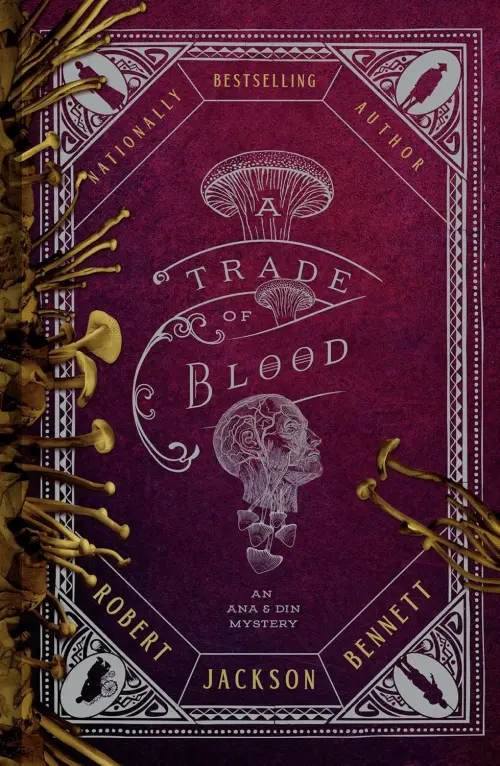
A Trade of Blood (Ana and Din Mysteries #3) by Robert Jackson Bennett
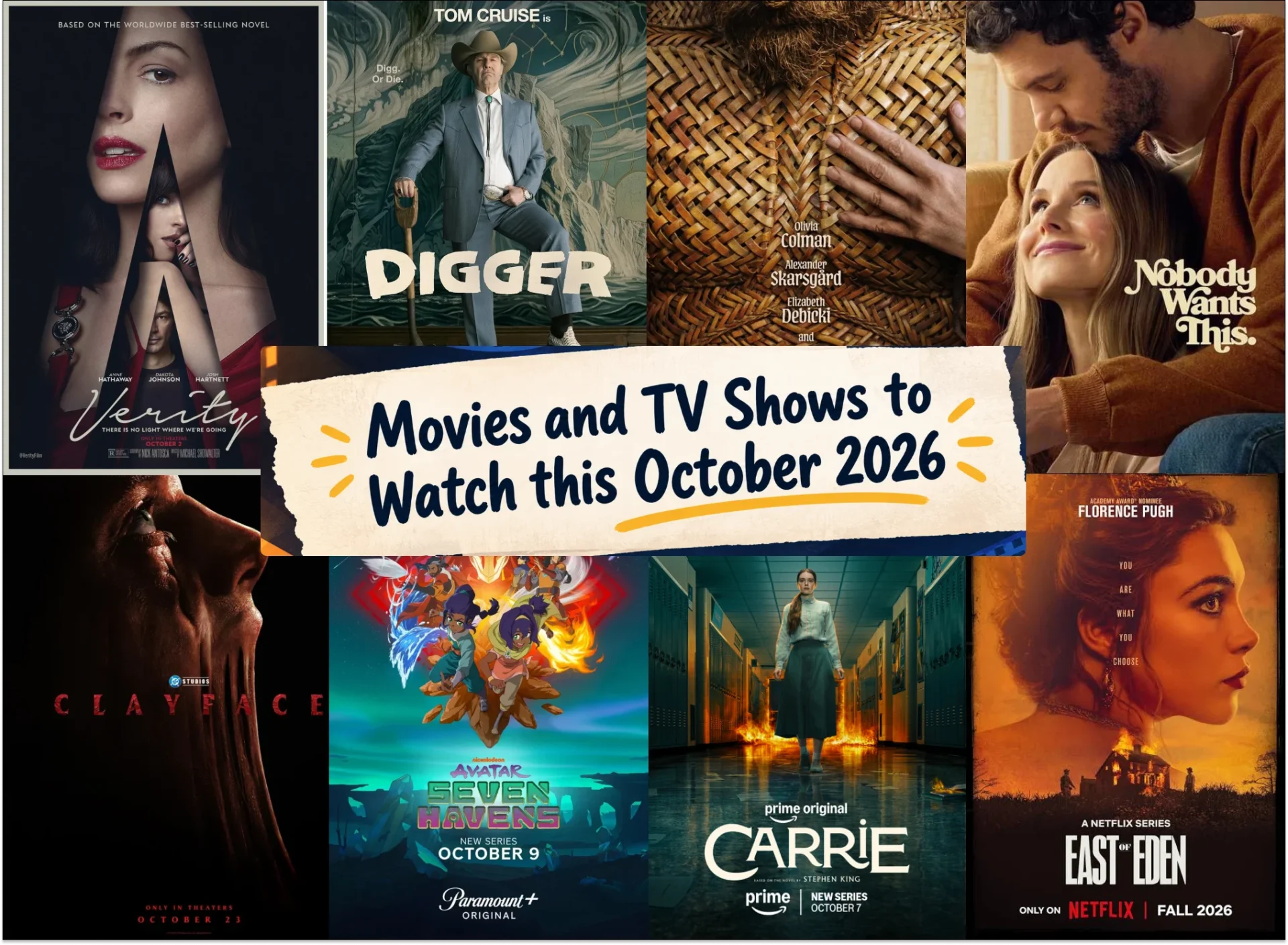
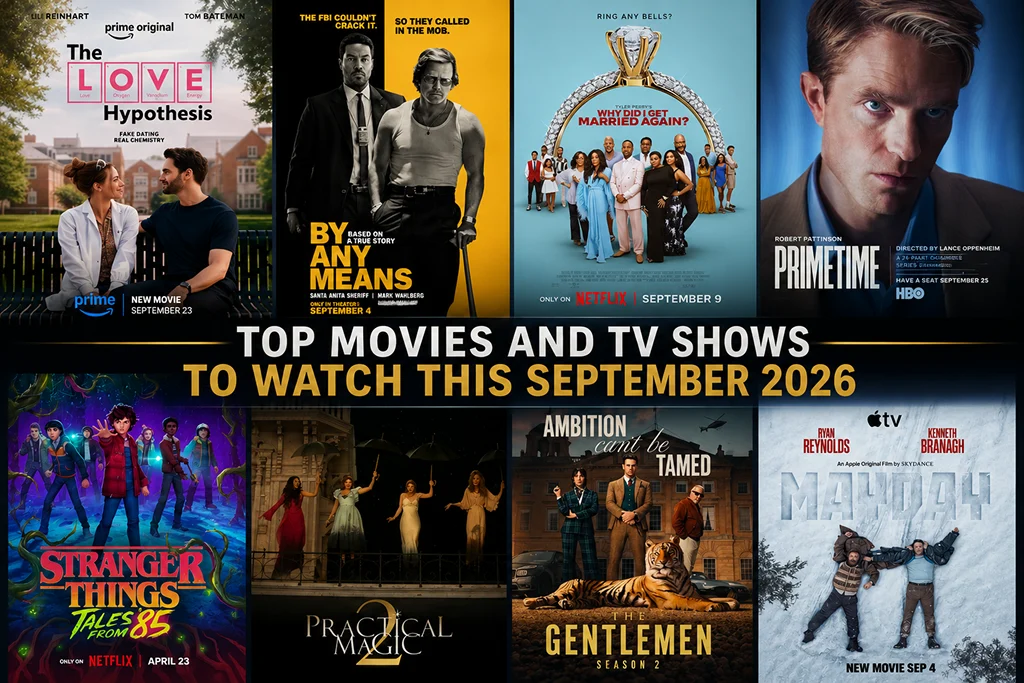
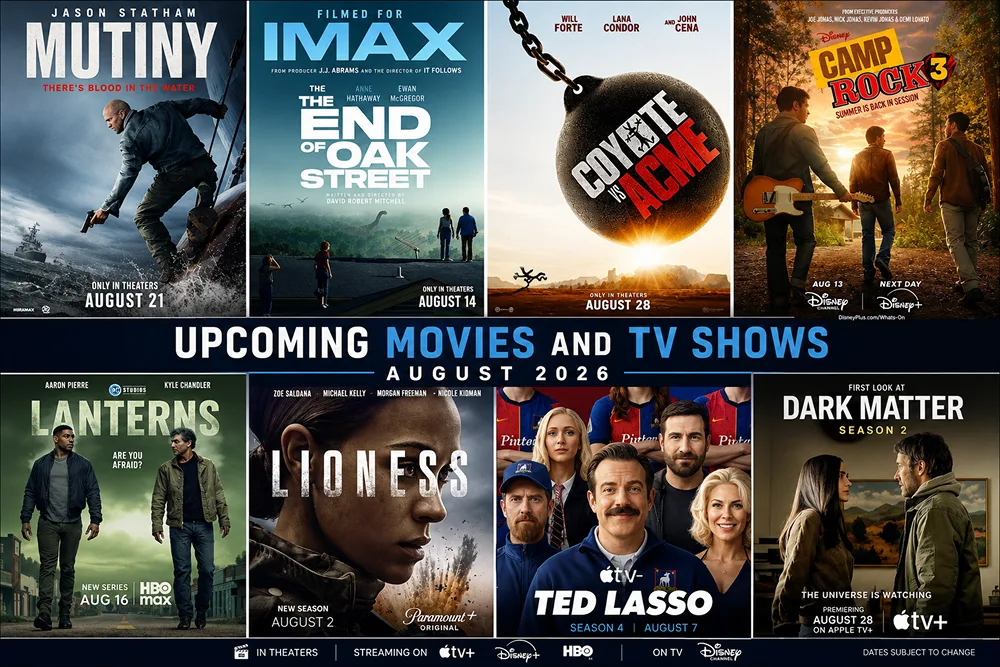
Upcoming Movies and TV Shows to Watch this October 2026
July 20, 2025 .
Animation, Lists
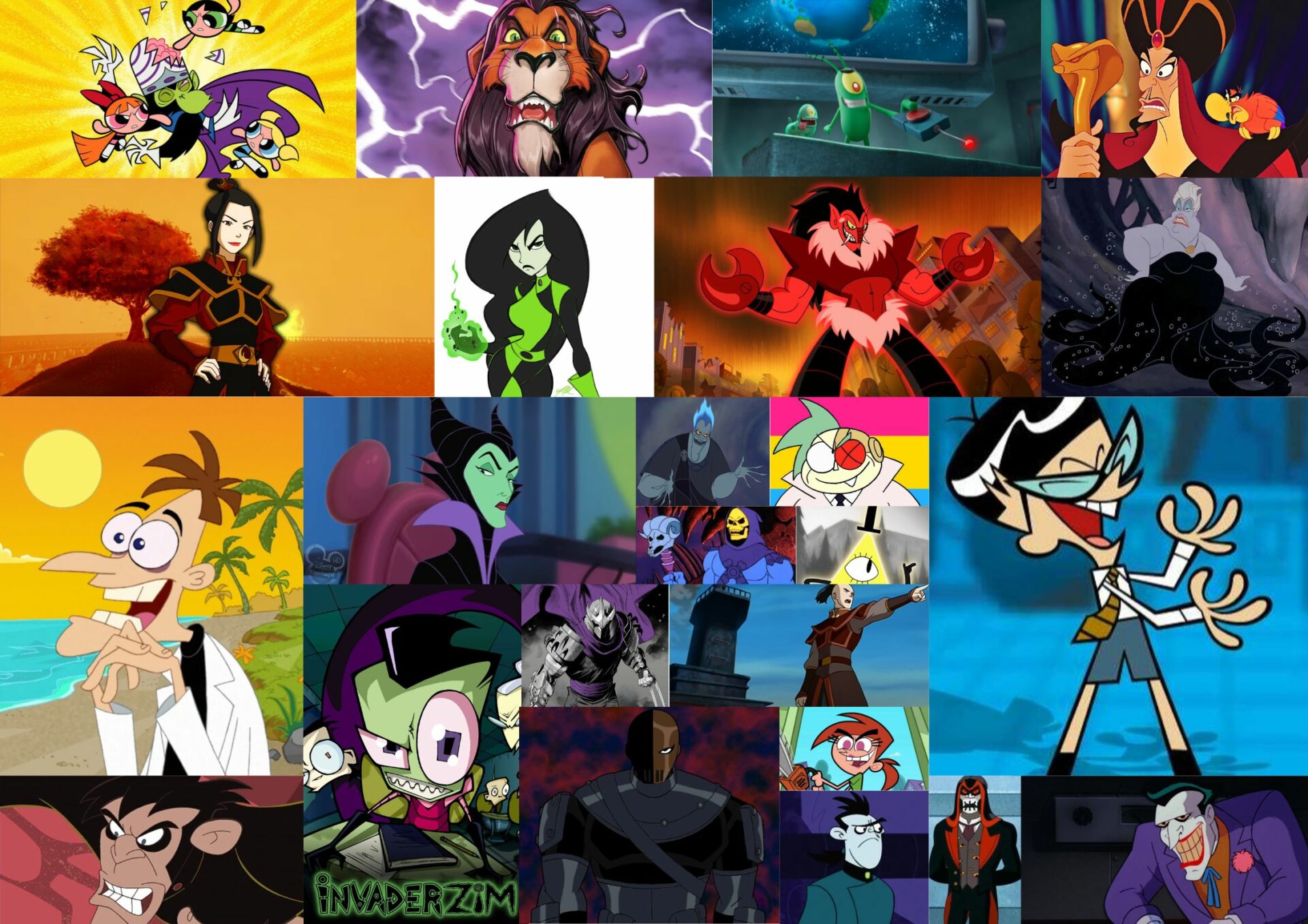
Our list rounds up the top 30 cartoon characters that were villains, each one more wonderfully wicked than the last.
READ MORE
October 28, 2025 .
Lists, Marvel, MCU, Opinions
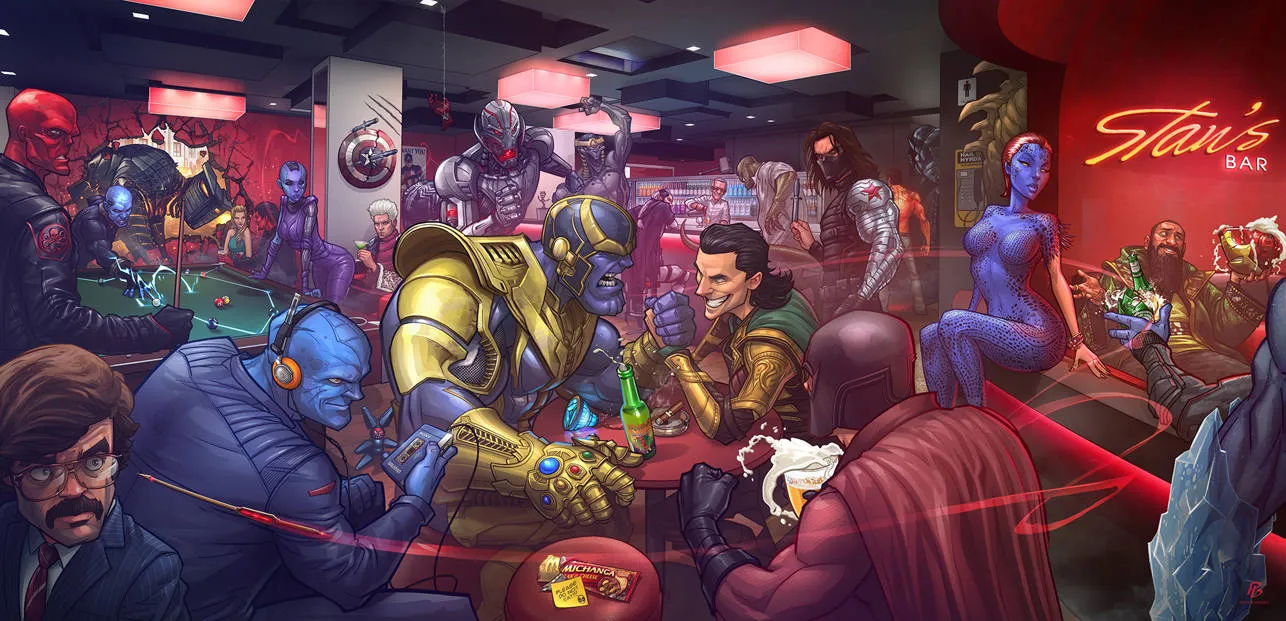
Let’s go through a list of the top 7 strongest Marvel villains, from the wickedly powerful to the absolutely unstoppable.
READ MORE
May 6, 2026 .
Lists, MCU
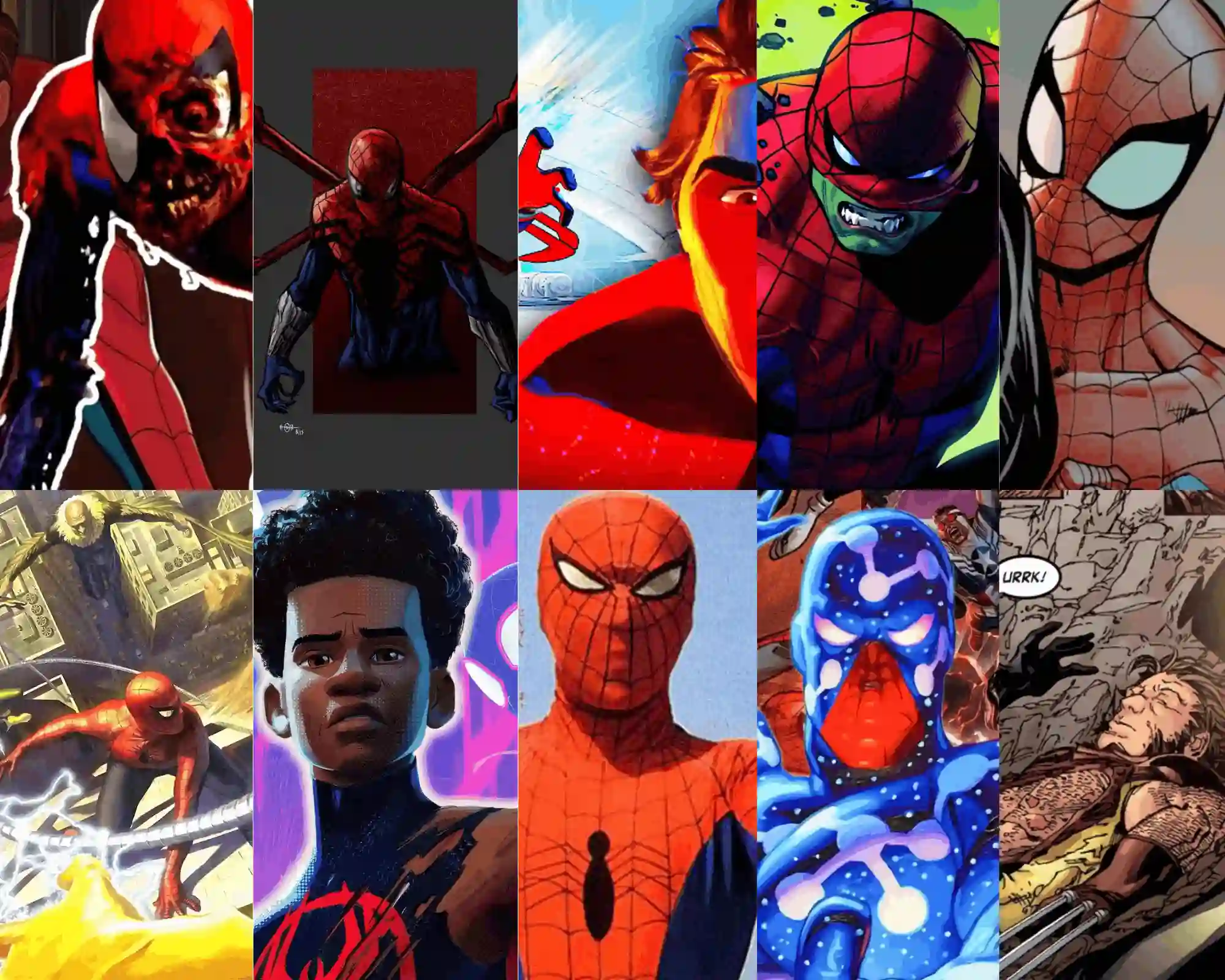
Spider-Man is one of the many superheroes from the Marvel Universe whose stories shaped many childhoods. Who is your strongest Spiderman?
READ MORE
April 29, 2026 .
Lists, Opinions
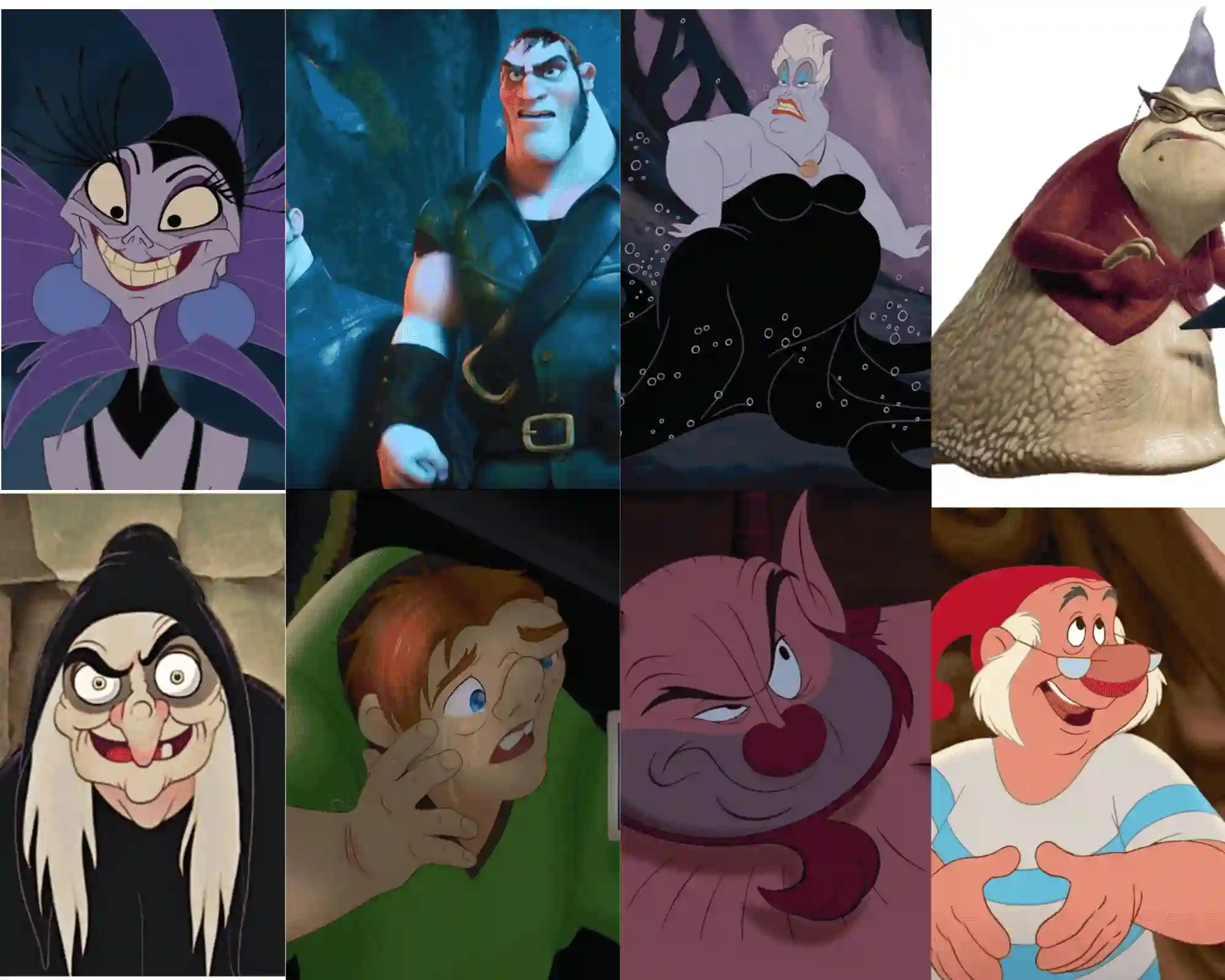
The Mouse is famous for its princesses and princes. However, the studio’s true genius lies in its embrace of “ugly Disney characters”.
READ MORE
November 27, 2025 .
Lists, Mythology
While this isn’t an exhaustive list, it comprises some of the most popular mythical creatures from around the world.
READ MORE
October 12, 2021 .
African Literature, chimamanda, cna, zikora
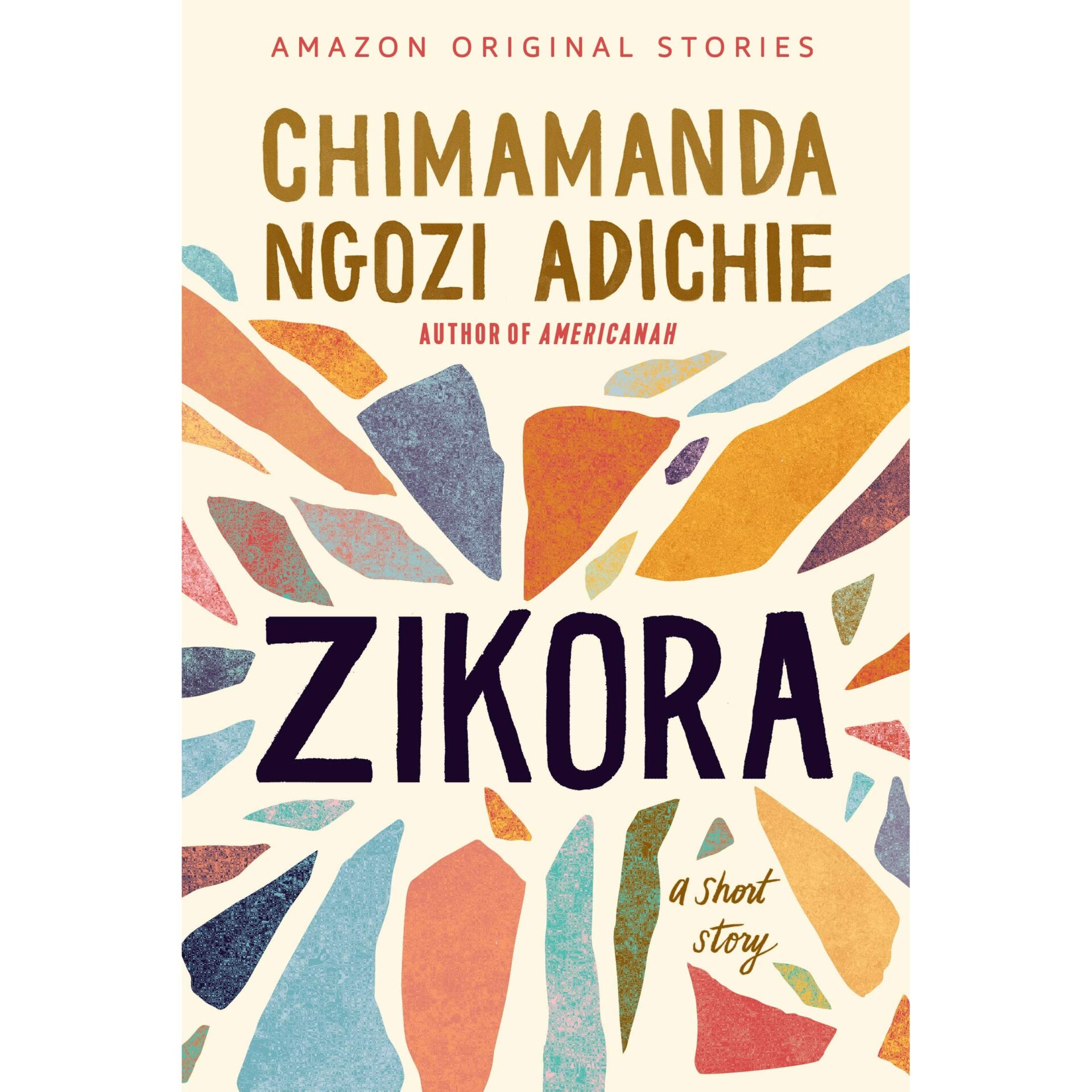
Hopefully, the reading of a book as this will enlighten men and generally educate people in the making of the right choices regarding amatory unions.
READ MORE
September 2, 2025 .
African Literature
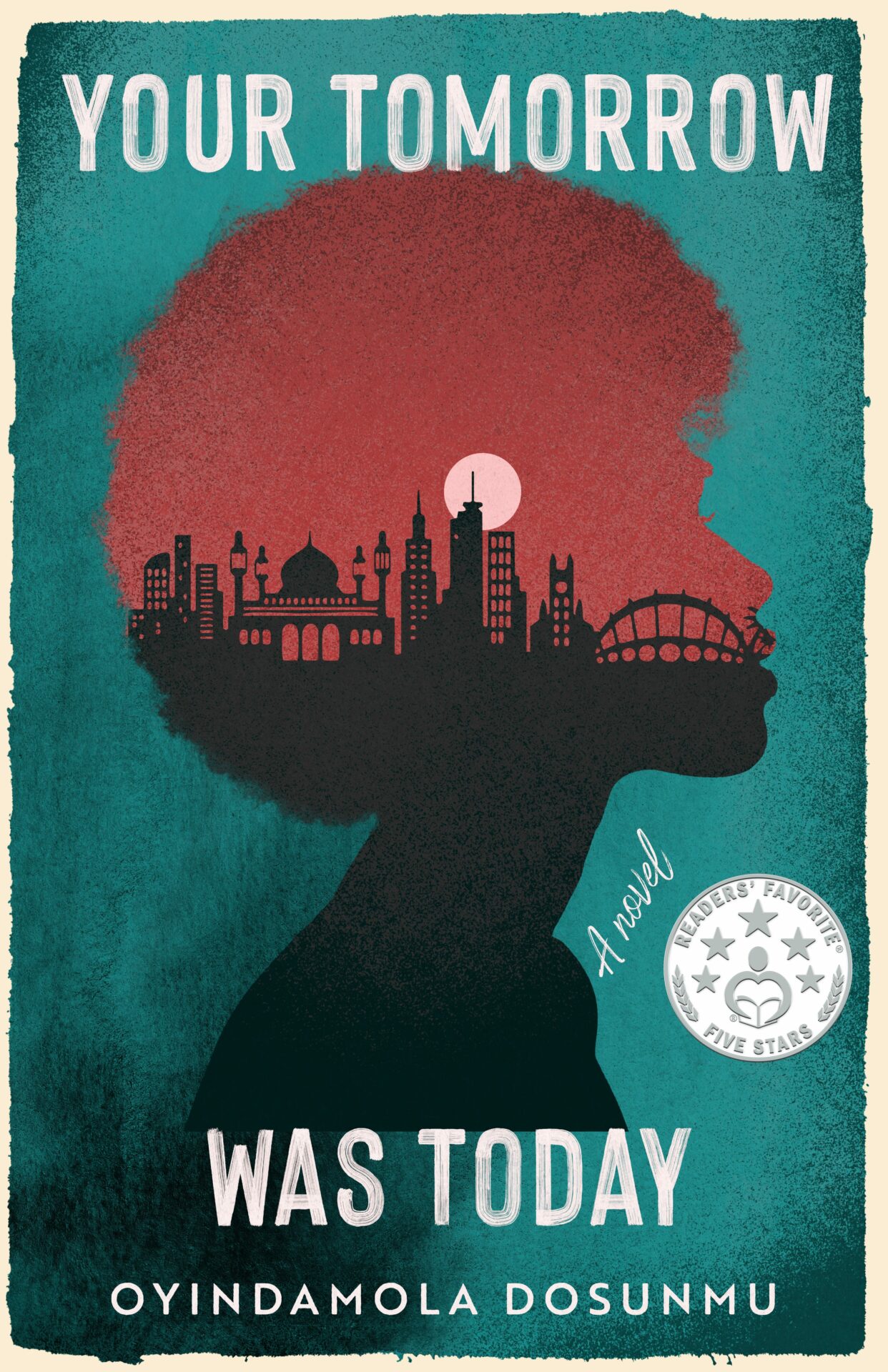
So yes, Your Tomorrow Was Today is guaranteed to be a book that will touch you, regardless of gender, interests or philosophy.
READ MORE
February 19, 2022 .
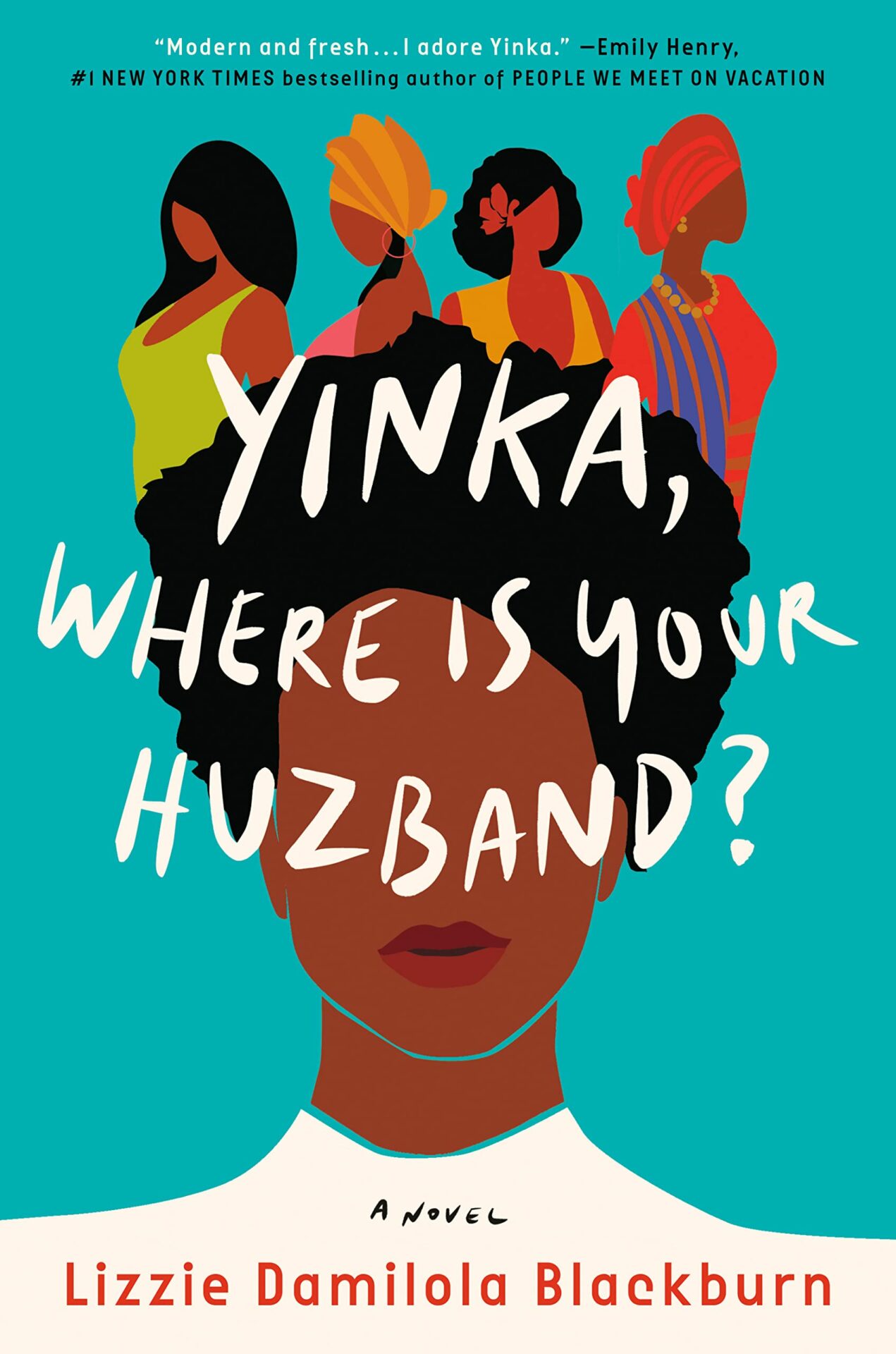
African Literature, Book Reviews, British Nigerian, lizziedamilolablackburn, Nigerian, Self growth, yinkawhereisyourhuzband
READ MORE

January 26, 2025 .
African Literature, sharjah
READ MORE
November 12, 2023 .
African Literature
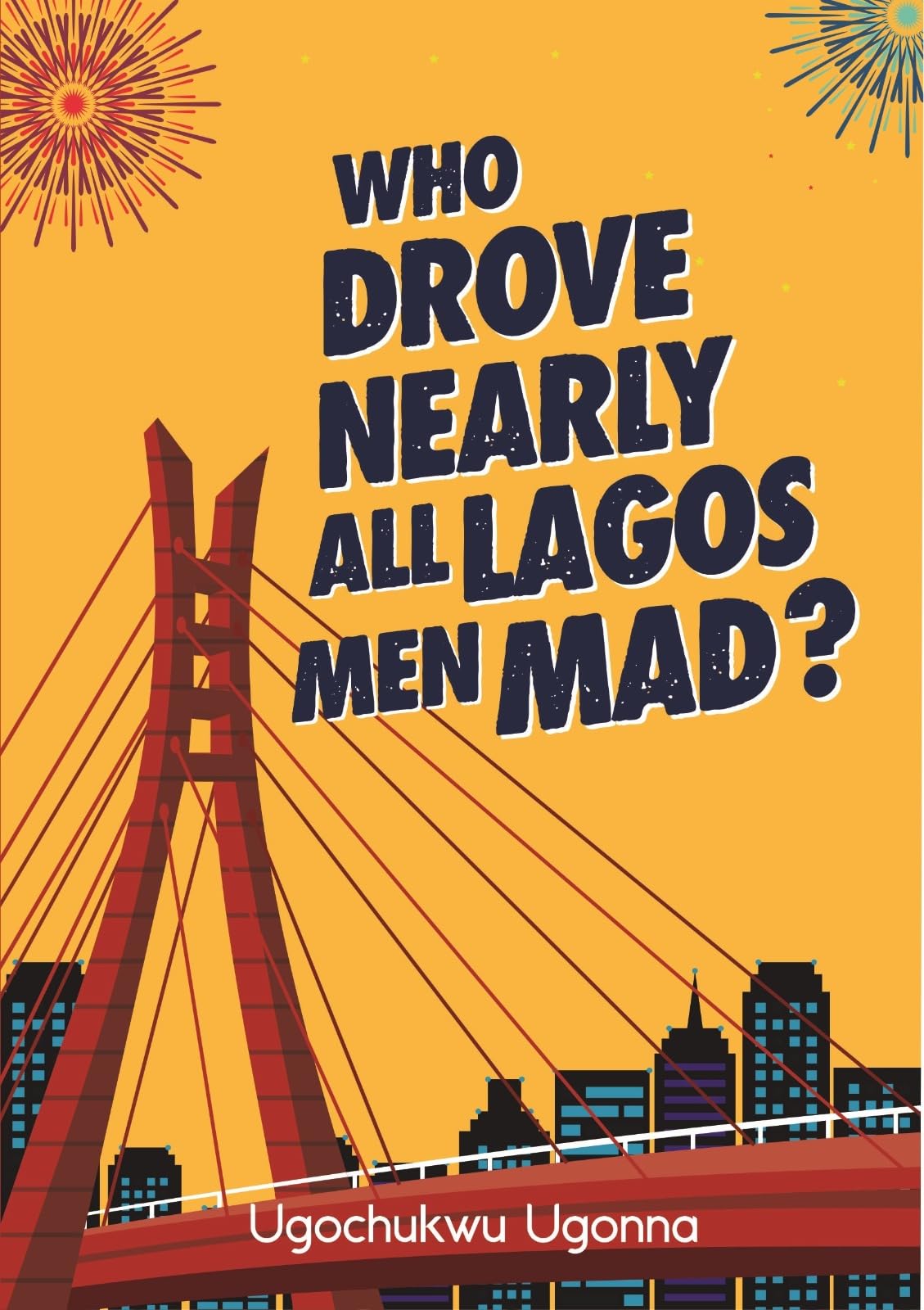
In these tales, women are portrayed as clever and tricky individuals, while men’s descent into madness is often a response to these traits.
READ MORE

December 4, 2023 .
African Literature
READ MORE
February 3, 2025 .
African Literature
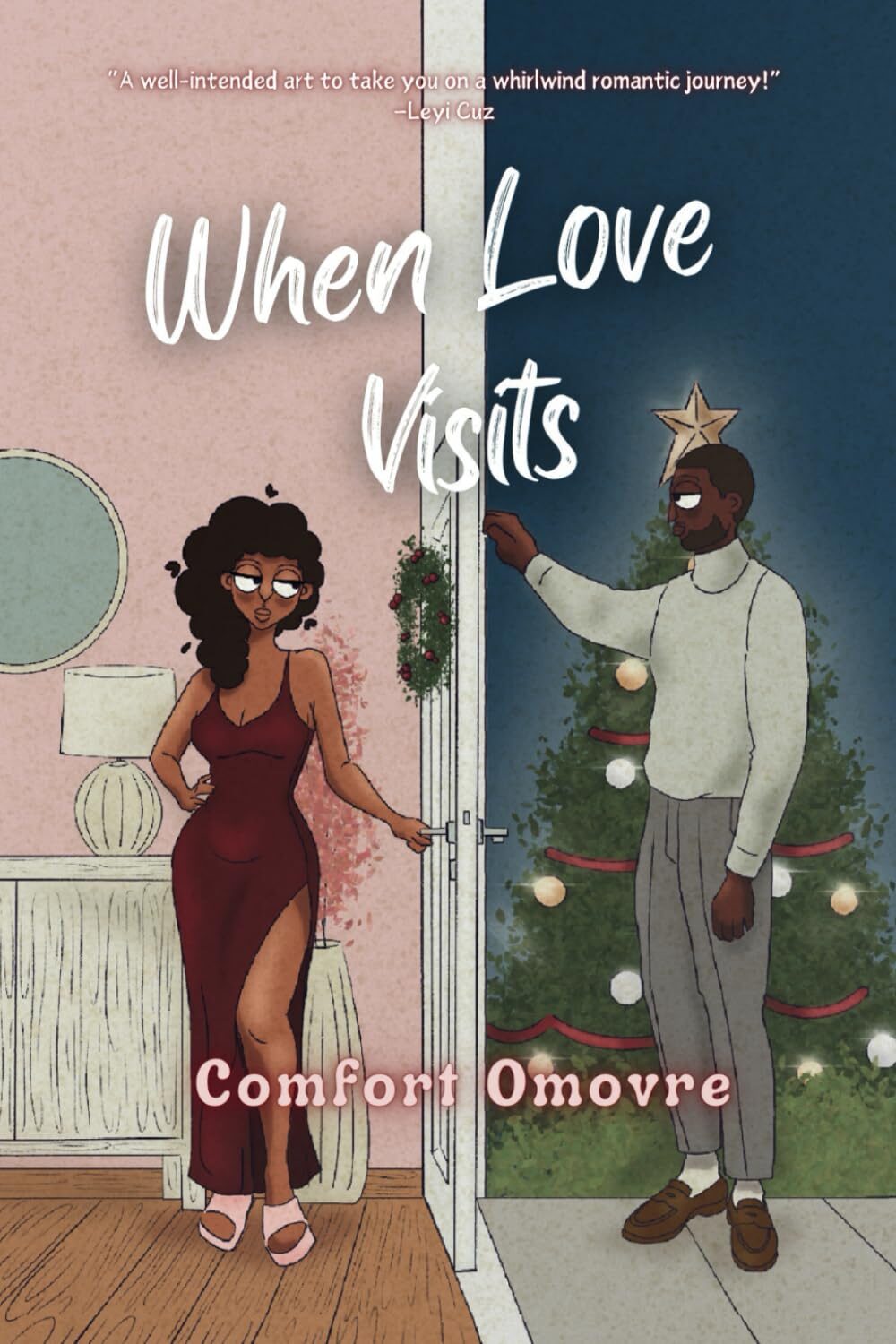
When Love Visits is a contemporary romance novel that narrates how Uju and Tade, both in their thirties and successful fall in love at first sight.
READ MORE

May 7, 2022 .
African Literature, miracleemekankwor, whathappenedtojanetuzor
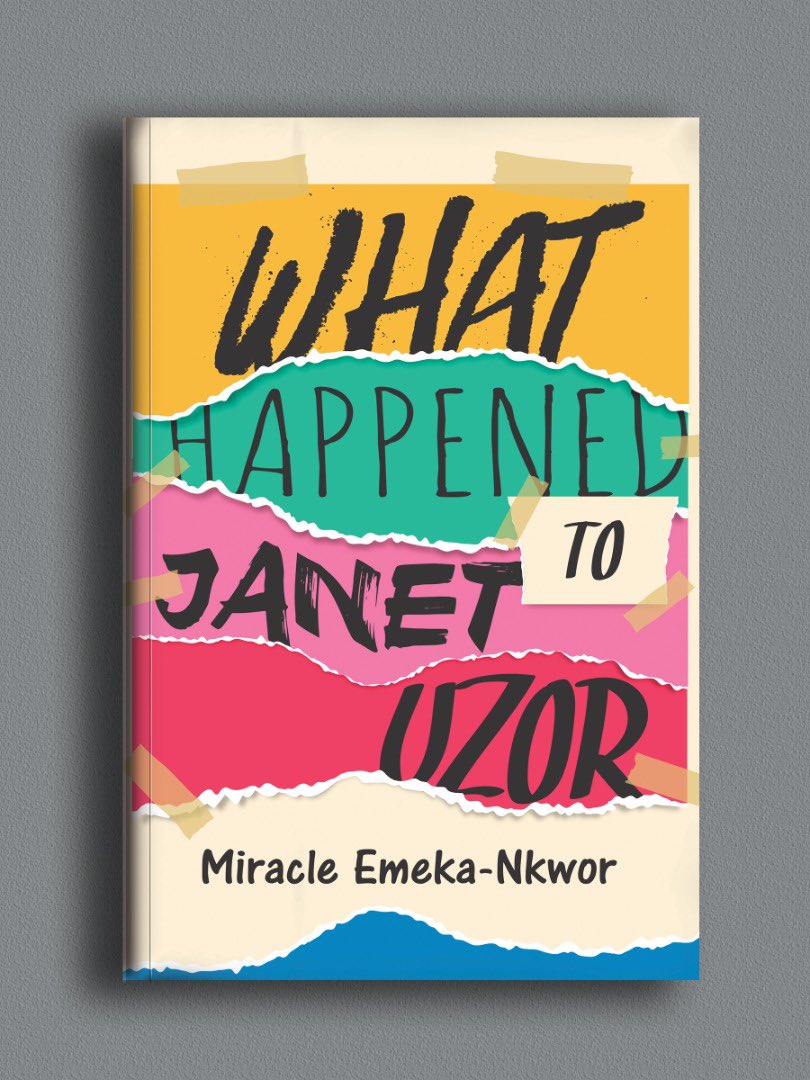
Ebere has a theory that a killer is out there that claims his victim every Christmas, and she believes their best friend Janet was one of his victims.
READ MORE
December 4, 2023 .
African Literature
I don’t find What Happened to Janet Uzor very hair-raising thrilling, but it has ENOUGH suspense to get you flipping.
READ MORE
Get our magazine for free!