















































Mesopotamian religions show early attempts to map the cosmos. Meanwhile, the Yoruba developed a complex spiritual tradition in Africa.
Religion provides a view into the past and present. This analysis examines how the Mesopotamian religions and the Yoruba spirituality approached the supernatural, highlighting what their religious systems reveal about the formation of human society.
Ancient Mesopotamia shows early attempts to map the cosmos, evidenced by fourth-millennium BCE clay tablets. Meanwhile, the Yoruba developed a complex spiritual tradition in Africa. Their beliefs predate the large monolithic faiths of today. Examining both clarifies how they shaped human society.
While both systems embrace polytheism, it is important to note the similarities and differences in their theological concepts and cultural expressions. This comparative analysis examines how, despite sharing certain features, the Mesopotamian and Yoruba religions remain distinct in important ways.
As the physical environment shapes spiritual beliefs, both cultures developed their theologies in specific geographical settings. Yorubaland occupies a vast territory in West Africa. The region has grown to encompass present-day Nigeria, Benin, Togo, and Brazil.

The Yoruba people built great kingdoms with Ile-Ife serving as the spiritual capital and Oyo as the massive political empire. The Alaafin ruled the Oyo Empire and derived his authority from the religious pantheon.
Although Yoruba culture is broad, the region’s geography kept it isolated, allowing the religion to thrive and intertwine with political power.
Mesopotamia is between the Tigris and Euphrates rivers. These rivers enabled agriculture, but unpredictable floods brought destruction, making settlement difficult.
This unpredictability led to beliefs that gods controlled nature. Each city had a patron deity. The Sumerians built cities, which were later conquered by the Akkadians. Babylon rose with Hammurabi, unifying the region. Assyria dominated the north, and constant wars shaped theology.
Having considered their geographical and historical backgrounds, we can now discuss the structure of polytheism in both traditions. Polytheism defines both spiritual frameworks.
Humans see the divine as multiple personas. Both religions delegate authority from the supreme creator to deities.
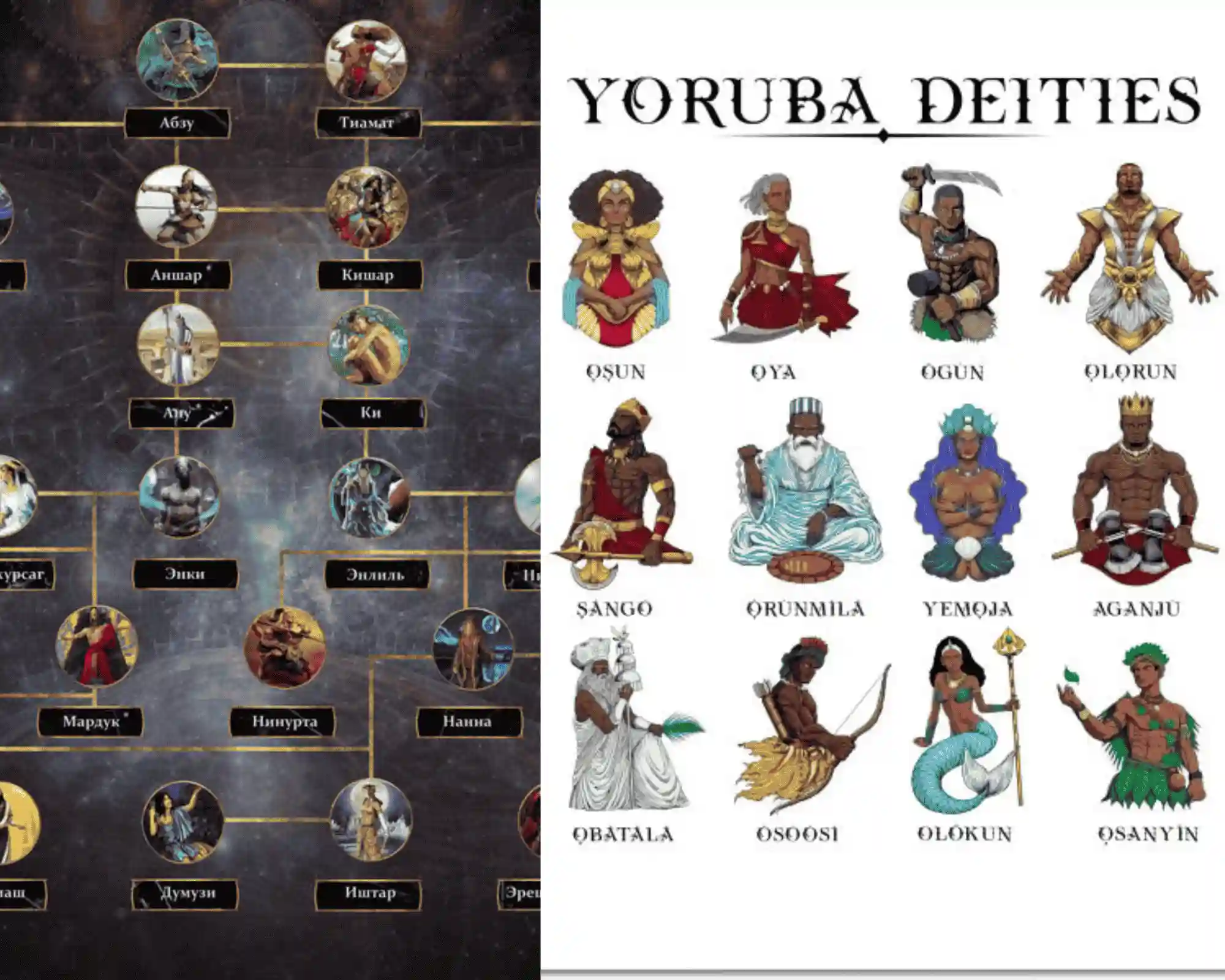
For the Mesopotamian people, Anu serves as the sky god and holds supreme authority in the heaven, Enlil governs the wind and storm and dictates human destinies on earth, Enki rules the fresh waters, possesses immense wisdom, and favours humanity, Inanna commands love and war (her Babylonian counterpart is Ishtar), Marduk rose to prominence in Babylon, and Ashur serves as the national god of the Assyrian empire, because his followers promote him above all other deities. The pantheon reflects the region’s political shifts. A city’s rise to power elevates its patron god.

For the Yorubas, the world is centered around a supreme creator, Olodumare. Olodumare remains distant from human affairs. Humans interact with lesser deities. These deities bear the name Oriṣas. The Oriṣas number in the hundreds. Obatala represents purity and creation; He shapes human bodies from clay. Oduduwa serves as the ancestor of the Yoruba kings.

Ṣango commands thunder and lightning, and wields a double-headed axe. Ogun presides over iron and war. Yemoja rules the oceans and motherhood. Oṣun governs sweet waters and fertility. Eṣu acts as the divine messenger; He oversees crossroads and communication.
Both traditions emphasize reciprocity: humans owe worship, and gods offer protection.
The architecture of worship reflects the grandeur of the deities. Yoruba religion focuses on personal and communal altars. For example, in the Yoruba religion, followers construct shrines for their chosen Oriṣas. Also, music forms a core component of Yoruba worship. Drummers play complex rhythms on Bata drums, which speak the language of the Oriṣas and induce trance states in the practitioners.
This state is caused when a deity possesses the dancer to deliver messages from the spiritual realm. While Mesopotamian religions use large temples, Ziggurats for worship. These huge stepped pyramids reach toward the heavens and function as economic hubs that dominate the cityscapes. Ziggurats are built using mud bricks baked in ovens.
The temple’s peak houses the main shrine, where the priests perform rituals, while the common people remain in the lower courtyards, offering grain, beer, and livestock. The priests burn these offerings; the smoke rises to the heavens, and the gods consume the offerings’ essence.
The two religions possess detailed creation narratives and establish a hierarchy between gods and humans. Mesopotamian religions document creation in the Enuma Elish.

This epic poem describes a cosmic battle; Apsu represents fresh water, Tiamat represents salt water, and their union creates younger gods. The younger gods create noise, and this makes Apsu decide to destroy them, but Ea kills him. Tiamat seeks revenge, so she spawns monstrous creatures.
The younger gods select Marduk to fight Tiamat. Marduk battles Tiamat, splits her body in half, and one half becomes the sky while the other half becomes the earth. Then Marduk creates humans using the blood of the rebel god Kingu. They are created to serve the gods, perform agricultural labour, and maintain the temples.
But Yoruba religion offers a different creation account in which the universe consists of the sky and primeval waters. Olodumare tasks Obatala with creating land. He receives a snail shell filled with earth and a five-toed chicken.

But as he descends from the sky, he drinks palm wine during the journey and falls asleep. Oduduwa then takes the items and descends a golden chain. When he reaches the primeval waters, he pours the earth from the snail shell and places the chicken on the earth and spreads it.
As the chicken scratches, the dirt spreads across the water, forming solid land. This land becomes Ile-Ife, the sacred centre of the Yoruba people. When Obatala woke from his sleep, he created human figures that Olodumare breathed life into.
However, the understanding of human purpose varies between the two belief systems. One system views humans as servants. The other system views humans as active participants in cosmic destiny.
The Yoruba religion features a complex understanding of the human soul. A person consists of multiple spiritual elements; the physical body is the Ara, the vital life force is the Emi, and the most critical component is the Ori.
The Ori translates to the inner head, which represents the individual’s destiny they select in the spiritual realm before birth. A person must align their actions with their Ori, as it serves as a personal deity, and cultivating a strong Ori guarantees success. Ajala serves as the potter of heads; he creates the physical vessels for the Ori.
However, the Mesopotamian religions view humanity as a servant class. The gods require sustenance, and humans provide food through sacrifices. Also, displeasing the gods leads to disaster, floods, and droughts.
For instance, the epic of Gilgamesh explores human mortality. Gilgamesh seeks eternal life, but he fails in this quest, and the gods reserve immortality for themselves. A person’s destiny remains subject to the whims of the pantheon.
In addition, these cultures developed elaborate divination methods. The religions of Mesopotamia had specialists who observed the stars and planets; they used astrology to provide insights into the destinies of kings.
Apart from these specialists, they had priests examine the livers of sacrificed sheep. The shape and marks on the liver reveal the gods’ intentions. Diviners divided the liver into dozens of distinct zones and mapped them onto clay models.
Each physical anomaly signifies a specific omen, a dark spot indicates a military defeat, and a deep crease predicts a bountiful harvest. The diviners compile vast reference manuals. The king consults the diviners before every major decision.
While Mesopotamian religions employ numerous divination techniques, the Yoruba religion utilises the Ifa divination system. Ifa is the Oriṣa of wisdom, and Orunmila is another name for this deity.

The Babalawo serves as the priest of Ifa. They use a divination board, palm nuts, or a divination chain. The manipulation of these objects produces specific patterns that correspond to the Odu Ifa. The Odu Ifa comprises hundreds of poetic verses which the Babalawo recites. Ifa reveals an individual’s destiny and helps them realign with their chosen path.
Yoruba religion offers a dynamic view of the afterlife. The realm of the ancestors is Orun, a place where good individuals transition after a long life.
From Orun, they guide their living descendants who perform rituals to honour them. The Egungun festival celebrates these ancestral spirits. Masqueraders wear elaborate costumes that represent the physical return of the ancestors. Also, reincarnation plays a significant role in Yoruba belief as ancestors return to the physical world through newborn children in the same family, thereby maintaining a continuous bond between the living and the dead.
Death transitions individuals to another realm, and Mesopotamian religions describe the realm as a bleak underworld. The Sumerians call it Kur, and the Akkadians call it Irkalla. Ereshkigal rules this subterranean realm, and Nergal serves as her consort.
In this realm, the spirits of the dead exist in darkness, eat dust, and drink muddy water. Social status on earth matters little in the underworld, but without proper burial, spirits haunt the living. The living provide libations to comfort the dead. Both religions possess specific views on life after death, yet proper burial rites remain critical in both cultures.
Ethical behaviour ensures the stability of society, and the gods dictate the laws of human conduct. In Mesopotamian religions, these laws are integrated with divine will. King Hammurabi attributes his legal code to Shamash, the god of justice and the sun.

The Stele of Hammurabi depicts the king receiving the laws from the god. Breaking a law constitutes an offence against the divine order. The punishments follow the principle of equal retaliation. An eye requires an eye, and a tooth requires a tooth. The law categorises punishments by social class. The gods demand order in human society. Chaos angers the pantheon. The king serves as the earthly administrator of divine justice.
But this is different for Yoruba religion, which places immense value on personal ethics. The concept of Iwa Pele (gentle character) governs human interactions.

A person must show respect to all individuals. Greed and selfishness attract spiritual punishment because the Oriṣas favour generous devotees. Cultivating a gentle character secures a positive destiny.
The community enforces moral standards, and elders judge disputes based on traditional wisdom. A harmonious society reflects the balance of the spiritual realm, and maintaining purity is essential for spiritual progress.
The methods of preserving religious knowledge differ between the two cultures. Yoruba religion relies on oral tradition; the Babalawos memorise massive amounts of poetry, drummers learn complex rhythms by ear, storytellers pass down myths from generation to generation, and elders serve as living libraries.
This oral transmission requires immense mental discipline. The core spiritual truths remain consistent; the absence of ancient written texts poses zero hindrance to the complexity of the belief system.
But Mesopotamian religions rely on written texts. Scribes invented cuneiform writing to record agricultural yields. They expand the script to record hymns and myths by pressing cuneiform wedges into damp clay tablets.
Libraries house thousands of these religious documents; for example, the library of Ashurbanipal preserved immense mythological knowledge. These texts allow modern scholars to study their rituals and provide a permanent record of their theology.
For these religions, water plays a central role in their systems. Mesopotamian religions revere Enki as the lord of the Abzu, the fresh waters beneath the earth. Priests use water in all purification rituals and incantations. The rivers cleanse physical and spiritual impurities.

Also, Yoruba religion features powerful water deities. Yemoja represents the vast oceans. She is the mother of many Oriṣas that govern the fresh rivers and represent beauty and fertility.

Worshippers offer her fruits and flowers at the shoreline. Women seeking children pray to Oṣun. The Oṣun-Oṣogbo sacred grove contains numerous shrines along the riverbank. Devotees bathe in the river to receive her blessings. This water provides physical sustenance and spiritual cleansing.
Before concluding this comparison, it would be remiss not to mention how historical events have shaped the trajectories of both religions. One system faded into antiquity, and the other system adapted to global challenges.
The Yoruba religion survived extreme adversity. The transatlantic slave trade displaced millions of Yoruba people who carried their beliefs to the Americas. They disguised their deities as Catholic saints, which gave rise to new religious traditions. Santeria emerged in Cuba, Candomble developed in Brazil, and Vodou took shape in Haiti.
The Oriṣas continue to be worshipped worldwide, yet the core tenets of Yoruba belief remain intact. Millions of practitioners continue honoring Obatala, Ṣango, and Oṣun. The religion adapts to new environments and demonstrates massive resilience.
Unfortunately, Mesopotamian belief systems declined over the millennia. Conquests introduced foreign deities to the region; the Persian Empire brought Zoroastrian concepts, and Hellenistic culture influenced the populace.
As a result, the ancient temples fell into ruin, and the myths survived in fragmented forms. Though archaeologists recovered these stories in the nineteenth century, this restored human awareness of the gods. Western astrology traces its roots to Babylon, as the flood myth parallels the biblical story of Noah.
This direct comparison highlights fundamental theological structures. Both traditions rely on polytheism; they categorise the universe. They have distinct deities that handle specific functions; Enlil and Ṣango command storms, Enki and Orunmila embody wisdom, while Inanna and Oṣun govern aspects of love and fertility.
This specialisation makes the divine accessible and enables believers to direct their prayers to the appropriate authority. Both systems recognise a hierarchy among the gods; Anu and Olodumare hold supreme positions. Both cultures view humanity as dependent on divine favour.
Yet, the two religions differ in their views of human destiny. The ancient Near Eastern system promotes a pessimistic outlook, while the West African system presents an optimistic perspective. These complex religious frameworks showcase the human desire to understand the universe. The study of these traditions enriches our comprehension of ancient and living spiritualities.

Godsgift Isaiah is a music and book whore who enjoys everything about art.

July 20, 2025 .
Essays, Opinions
READ MORE

July 20, 2025 .
Essays, Opinions
READ MORE

July 20, 2025 .
Essays
Except if you have been living under a rock or in outer space since the beginning of time, there is no way you wouldn’t have heard of Wole Soyinka.
READ MORE

July 20, 2025 .
Essays, Opinions
READ MORE
September 12, 2025 .
Essays, Fantasy, Opinions
Fantasy is everything that lies in the realm of the fantastic. And, the more deviant from reality it is, the better.
READ MORE
July 20, 2025 .
Essays, Opinions
African literature embraces inclusivity, harnessing words as a medium to impart wisdom, preserve truths, and honor ancestral struggles.
READ MORE
October 22, 2025 .
Essays, Writer Resources
Ever found a book that looks like a comic but tells a complete, well-structured story? Congratulations, it’s a graphic novel.
READ MORE

May 6, 2026 .
Lists, MCU
Spider-Man is one of the many superheroes from the Marvel Universe whose stories shaped many childhoods. Who is your strongest Spiderman?
READ MORE
July 20, 2025 .
Animation, Lists
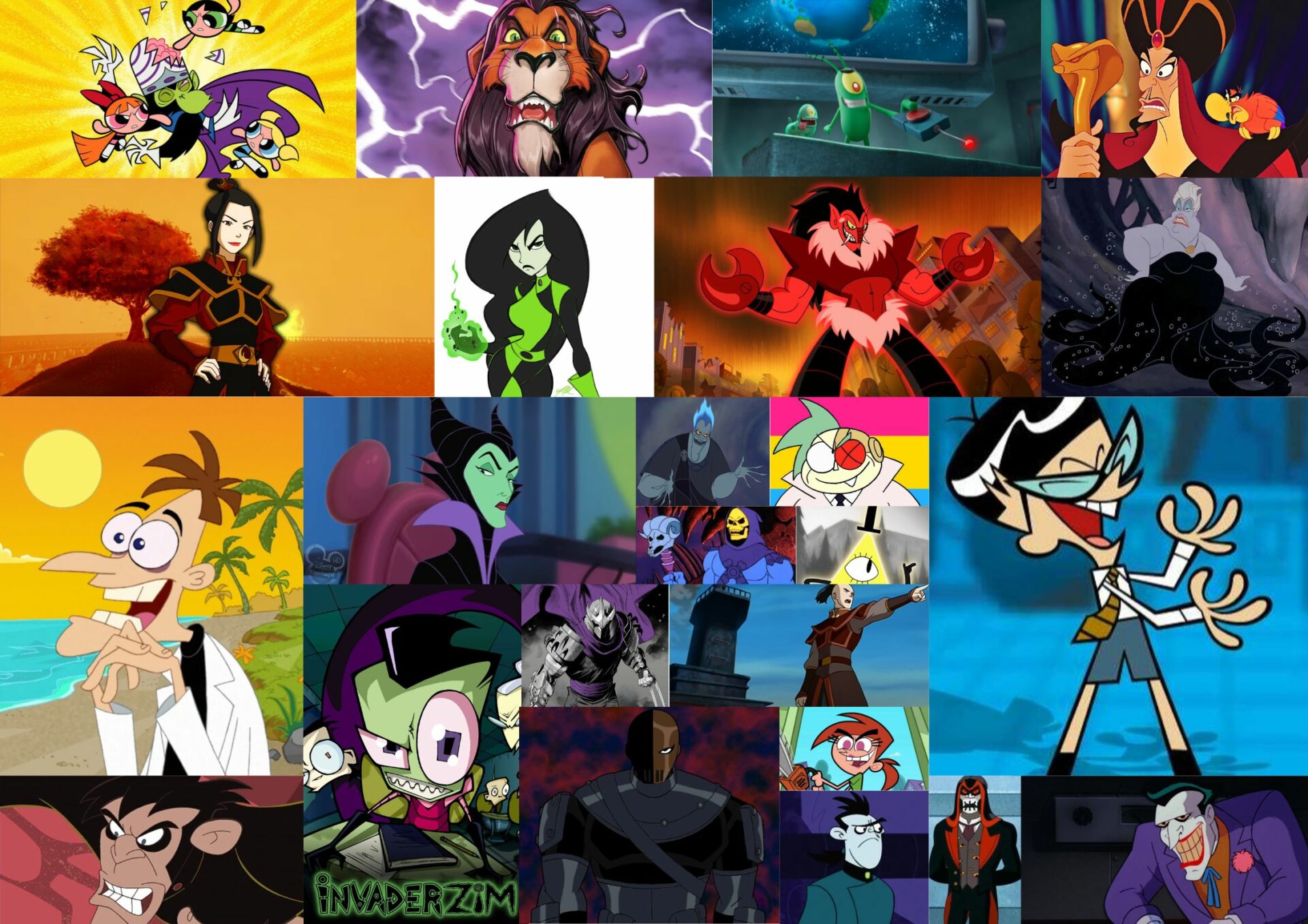
Our list rounds up the top 30 cartoon characters that were villains, each one more wonderfully wicked than the last.
READ MORE

October 28, 2025 .
Lists, Marvel, MCU, Opinions
Let’s go through a list of the top 7 strongest Marvel villains, from the wickedly powerful to the absolutely unstoppable.
READ MORE

February 26, 2026 .
Cartoons, Lists
There are some outright funny cartoon characters who exist solely to crack you up, loud, hard, and with zero apology.
READ MORE
April 29, 2026 .
Lists, Opinions
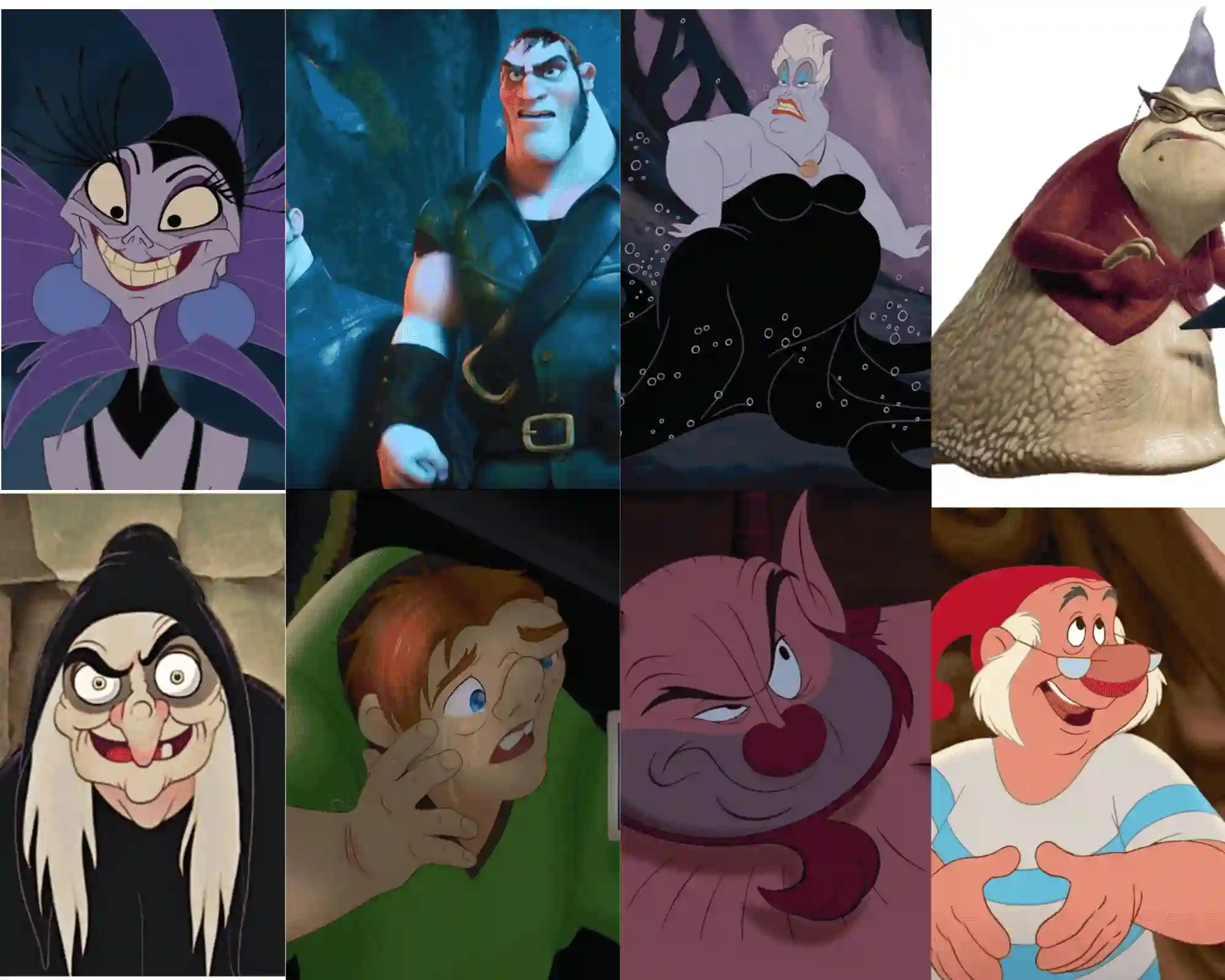
The Mouse is famous for its princesses and princes. However, the studio’s true genius lies in its embrace of “ugly Disney characters”.
READ MORE
Get our magazine for free!