Close menu
Ranking the best of African Literature











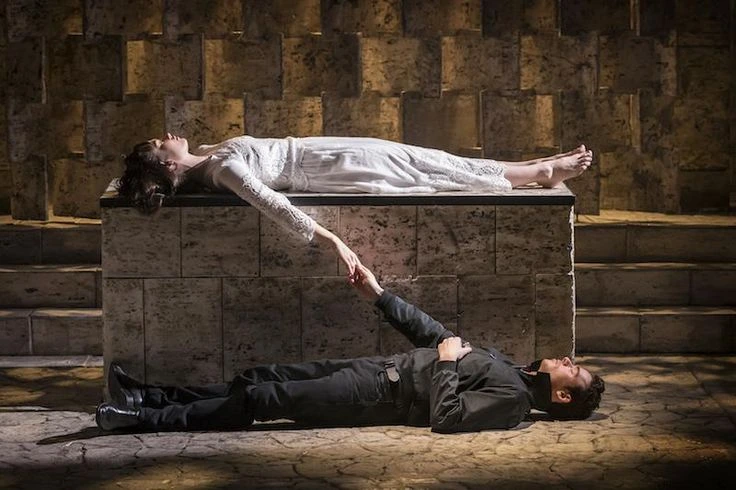

The tension between writer-centered and reader-centered approaches defines how a story is told and who it serves.
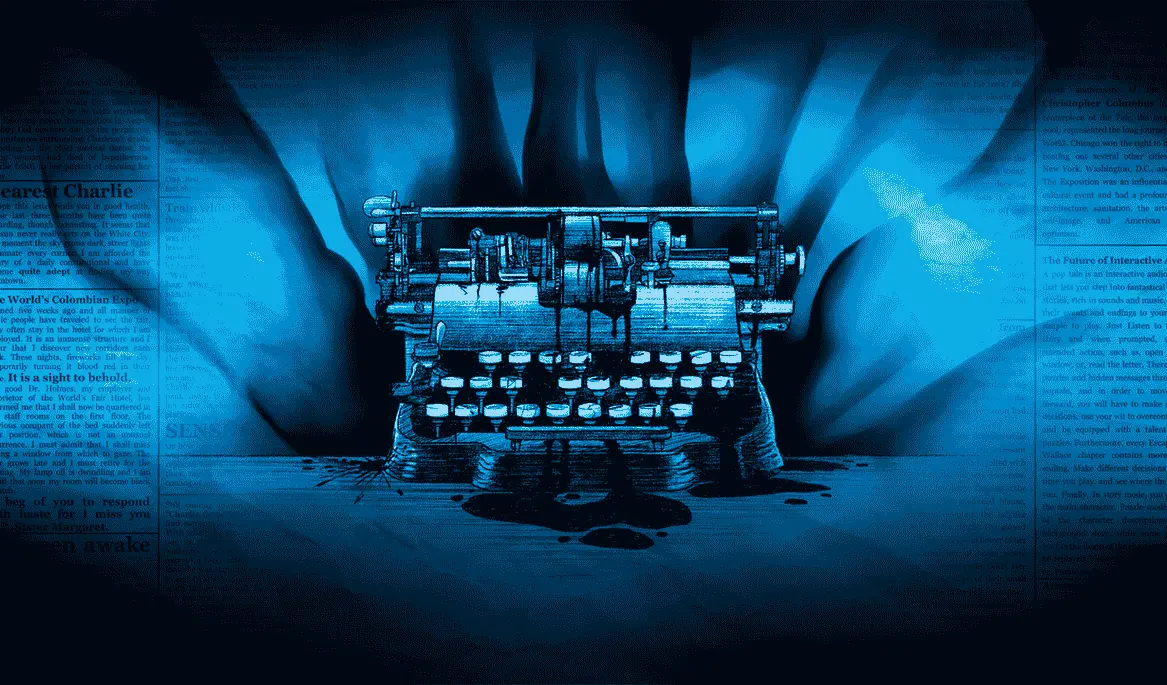
The tension between writer-centered and reader-centered approaches defines how a story is told and who it serves.
In writer-centered books, the narrative feels deeply personal, as though the writer invites readers into an unfiltered stream of thought.
Here, the author’s needs and process take priority, even if the story is challenging for the audience. In contrast, reader-centered books are crafted with the reader’s experience constantly in mind, aiming for clarity and engagement from the audience’s perspective.
All stories require both a creator and an audience; however, prioritizing either the writer’s or the reader’s intent is a key decision that defines the story’s direction. Essays, memoirs, political commentary, and reflective pieces typically depend on the writer’s voice and perspective, while contemporary fiction often prioritizes the reader’s experience in distinct ways.
For writers, understanding the distinction between these two styles is more than just a theoretical exercise. It shapes narrative structure, prose, style, pacing, and ultimately, how stories are received. The question is: in a world full of noise, should fiction be a mirror for the author or a window for the reader?
In this type of writing, the author is the primary audience and is often characterized by what literary critics call “the writer’s draft”. The writer’s draft is a prose style that prioritizes the author’s process, raw and unfiltered.
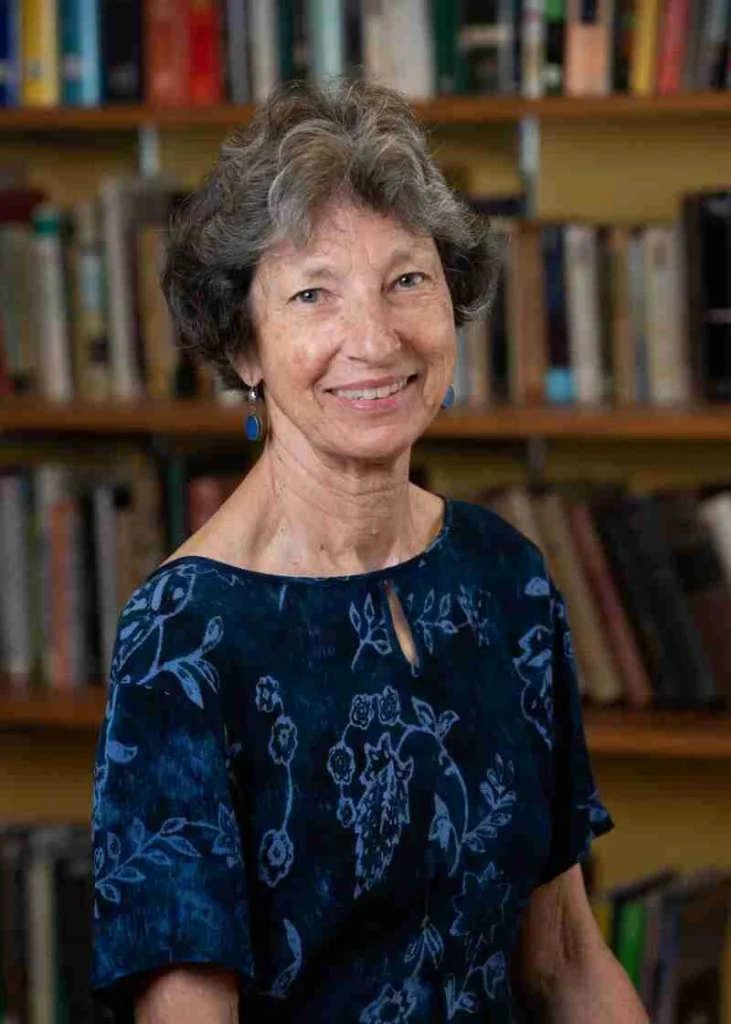
The term writer-centered writing is often associated with the rhetoric scholar Linda Flower, who described “writer-based prose.” She defines this as “verbal expression written by a writer to himself and for himself”. These stories ask readers to actively participate in constructing meaning.
This appears in scenes that jump from one moment to another without proper transitions, dialogue that sounds natural only to the writer but is confusing to others, or descriptions so focused on minute details that the larger picture is unclear.
Writer-based writing can also arise in stories where characters all sound alike, or action scenes read more like movements than an engaging experience. Often, the writing assumes the reader already understands the context, leaving important information implied rather than communicated.
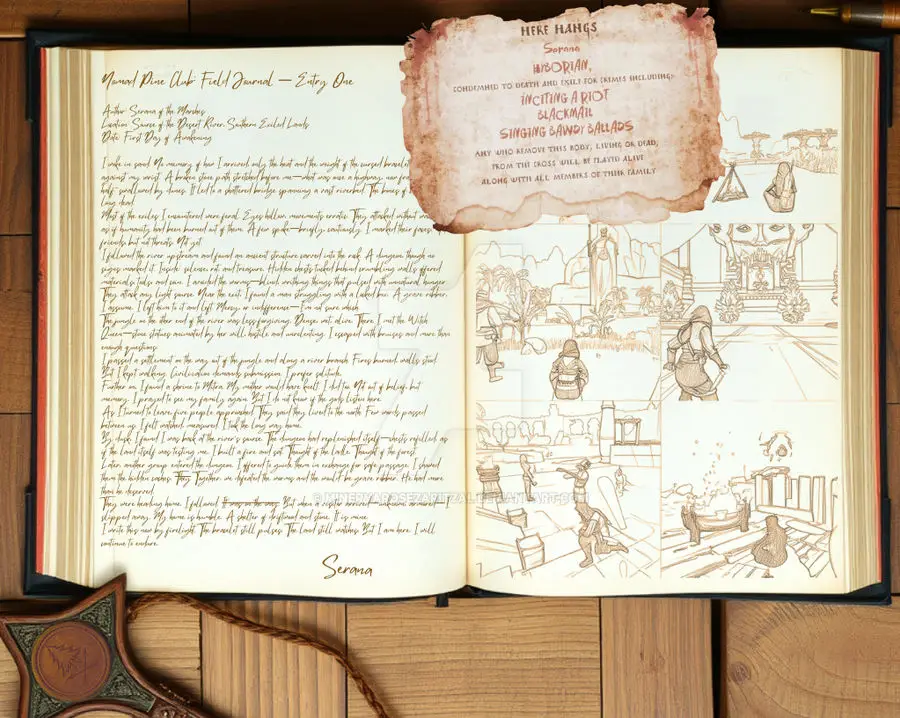
Many modern writing trends unintentionally encourage writer-centered prose when an author becomes so focused on their mental image that they forget to give readers the tools to see it too.
Contemporary fiction often prioritizes total immersion inside a character’s mind. While this can create emotional intimacy, it can also trap stories inside fragmented internal experiences.
There is also the risk of slipping into writer-centered territory when the author “reports” the character’s feelings rather than letting the reader feel them, telling rather than showing. An example would be the writer saying, “She felt a wave of sadness.” To make it more reader-centered, remove the filers and make it read more like this: “A weight settled in her chest.”
Fantasy and science fiction writers are especially vulnerable to writer-centered prose because they spend so much time building the context and storyline in their heads.
For instance, pausing the plot for three pages to explain a 400-year-old tradition important to the community. The writer is excited about building the world, but the reader cares only about its immediate effect on the protagonist.
This is why many fantasy novels overwhelm readers with lore dumps, complex terminology, and endless descriptions. The writer already cares about the world. The challenge is persuading the reader to care, too.
Modern fiction is heavily influenced by movies, television, and video games. Many writers mentally “see” scenes as visual spectacles and attempt to transcribe them directly onto the page.
In a writer-centered fight scene, the author describes every limb movement as if it were choreographed. “He moved his left foot back 45 degrees and raised his sword at a perpendicular angle.”
As a result, readers are forced into an exhausting “blow-by-blow” narration rather than experiencing tension naturally. As Flower observed, readers can end up trapped inside “the writer’s discovery process.”
This happens when characters tell each other things they both already know just to catch the reader up. For example, dialogue between siblings: “As you know, sister, our father, the King, died ten years ago in the Great War.”
Real people don’t talk like that. The writer uses the characters as puppets to deliver information, breaking immersion.
While “writer-centered” is often a critique of amateur work, in high literature it is frequently a deliberate choice in which the author’s internal process, memory, or experimental form takes priority over a smooth, reader-friendly experience.
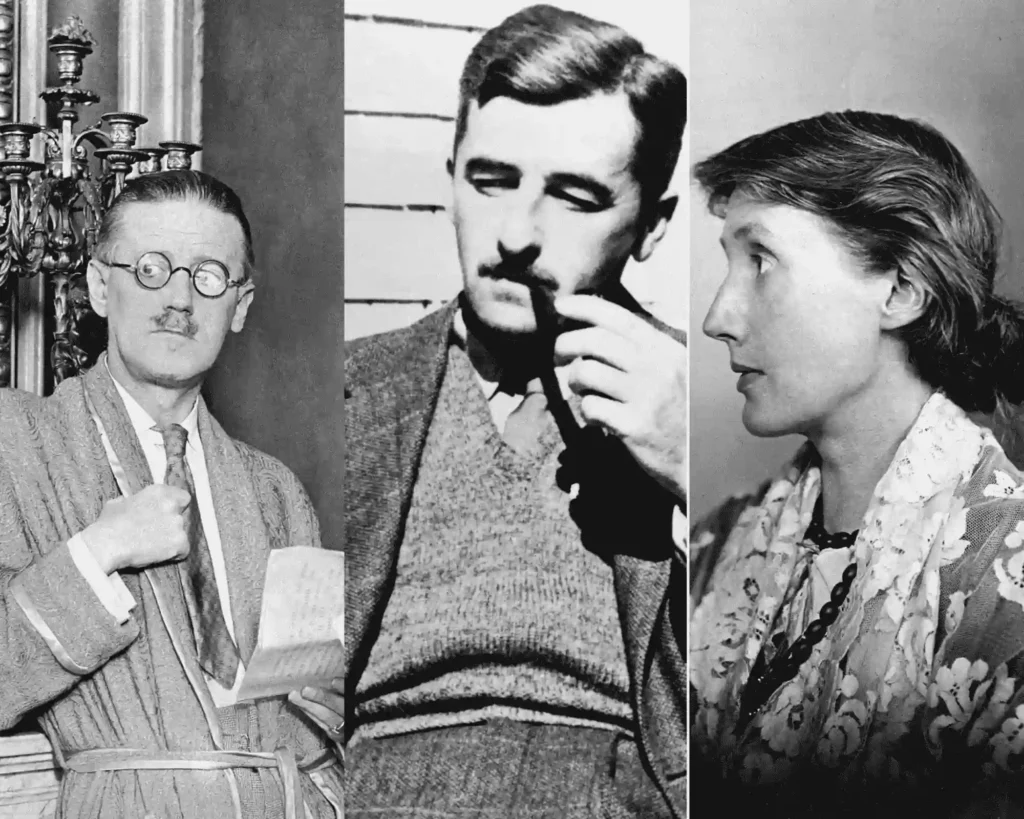
Some of literature’s most influential works emerged from strongly writer-centered approaches. Authors like William Faulkner, Virginia Woolf, and James Joyce prioritized the raw, unedited flow of human thought, forcing readers to adapt to their internal logic.
The appeal of writer-centered fiction lies in its intimacy. It often feels deeply personal and unconcerned with simplifying itself for mass consumption. This freedom allows writers to explore uncomfortable ideas and unconventional forms in ways that more commercial storytelling sometimes avoids.
Reader-centered writing approaches storytelling from a different perspective. It operates on the principle of the “invisible bridge.”
According to Flower, reader-based prose is “a deliberate attempt to communicate something to a reader” by creating “shared language and shared context.”
The goal is to create a seamless transition from the page to the reader’s imagination. Instead of mirroring how ideas form in the writer’s head, reader-centered writing organizes information in ways readers can easily process.
Writing’s purpose must take into account the audience one is writing to and use a voice that appeals to that readership. Ultimately, the creator’s version of a home run comes when the reader is so deeply submerged in a scene that the world around them disappears.
Reader-centered fiction considers:
Many modern writing experts argue that successful storytelling depends on understanding reader psychology. Across contemporary fiction and online media, three major forces repeatedly shape reader engagement.
Curiosity is one of the strongest drivers of modern reading behavior.
People continue scrolling through apps and websites because they constantly seek novelty, emotional payoff, and suspense.
When a writer creates a mystery or a “hook,” the brain perceives it as a puzzle to be solved to restore homeostasis. This is why “page-turners” work; they keep the reader in a constant state of seeking and finding.
Readers are naturally drawn toward stories that reflect their fears, desires, or personal experiences.
This force is about finding our own messy, internal reality reflected in someone else’s words. Reader-centered writing succeeds because it moves beyond the writer’s private emotions and taps into universal emotional experiences.
Through mirror neurons, we experience “vicarious affect.” When a character feels a specific type of loneliness or triumph that resonates with the reader’s history, it validates the reader’s existence. A sense of belonging and catharsis. It lowers the reader’s defenses and creates a deep, “we-centered” bond between the author and the audience.
Even in entertainment, readers often seek value. This explains why modern fiction increasingly blends storytelling with themes about identity, trauma, relationships, mental health, or society.
Humans are “meaning-making machines.” We don’t just want to see what happens; we want to know what it means. Reader-centered writers understand that readers want stories that feel emotionally or intellectually rewarding.
This search for significance appeals to our higher-order thinking. We look for patterns, themes, and “universal truths” (the Aha! moment) that lead to eventual cognitive growth. The result is that the reader finishes the book feeling as though they have expanded their worldview or gained a new “tool” for navigating their own life.
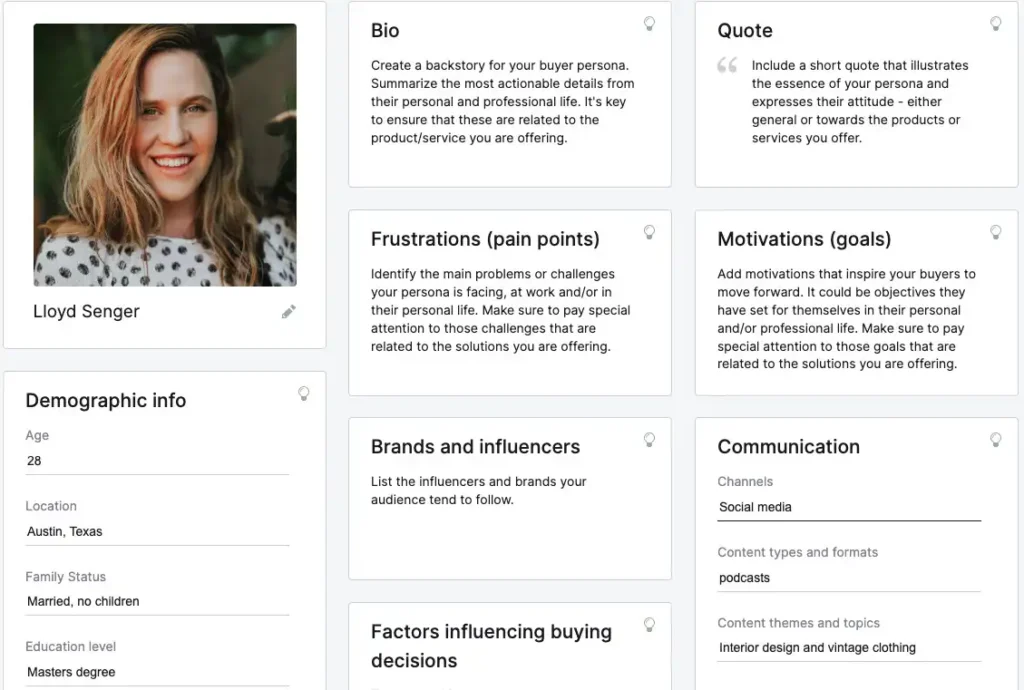
Achieving a clear understanding of your audience is crucial to communicating effectively.
Start by defining the “who.” An audience is rarely a monolith; it is a specific group of people with shared characteristics.
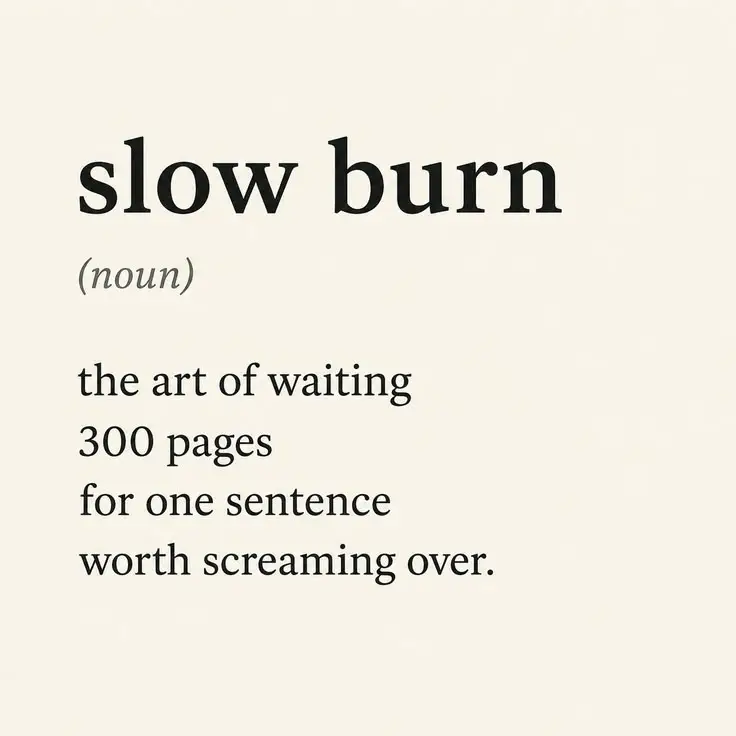
In fiction, the “audience” is defined by genre expectations and reading habits. Are you writing for the “Up Lit” crowd looking for hope, or the “Grit” crowd looking for realism? Does your reader want poetic, slow-burning prose, or a fast-paced “unputdownable” plot? What kind of world does this reader want to live in for 300 pages? Do I have multiple potential readers?
These are questions that need to be answered before deciding on the story’s tone and direction.
Readers don’t read fiction for “data”; they read for an affective state. Does the reader want to cry, feel terrified, or fall in love? Are they looking to lose themselves in a setting that feels more vivid than their own? In thrillers or mysteries, the reader’s goal is to beat the detective to the truth.
Always ask, “What’s in it for them?” That way, you deliver the value the readers seek.
This is your “Why.” If you aren’t clear on your goal, your reader won’t be either. Am I trying to challenge their worldview on a social issue? Do I want to provide comfort to people who have felt like my protagonist? Is my purpose simply to provide a high-octane “rollercoaster” experience? It is the “Soul” of your book, what you want the reader to feel long after they close the cover.
In fiction, this is about managing expectations and authority.
Is the reader coming in with “fatigue” for this story? How will you flip their expectations? Are you a debut author who needs to prove yourself in the first chapter, or a trusted brand that readers will be more patient with? Do they see this book as a “beach read” they can skim, or a “heavy” book they need to sit with?
The best story happens where your creative vision and the reader’s emotional hunger overlap. If the goal is to explore a complex theme but also to feel a pulse-pounding connection to the characters, a story must weave that theme so deeply into the action that they experience the message with every heartbeat and high-stakes choice.
This does not mean fiction should become mechanically simple or emotionally restrained. Experimental prose, dense literary writing, and immersive narration all have artistic value.
The problem arises when writers mistake self-expression for effective storytelling. Many modern authors, such as David Foster Wallace or Patricia Lockwood, blend these styles. They may use experimental forms (writer-centered) while maintaining a sense of humor and emotional accessibility (reader-centered) that keeps the audience engaged.
A writer without a reader is a diarist, and a reader without a writer’s vision is just a consumer. Ultimately, great fiction is where the author’s truth and the reader’s imagination finally meet. Happy drafting!

15 Writing-Adjacent Careers for Writers Looking for a Career Change
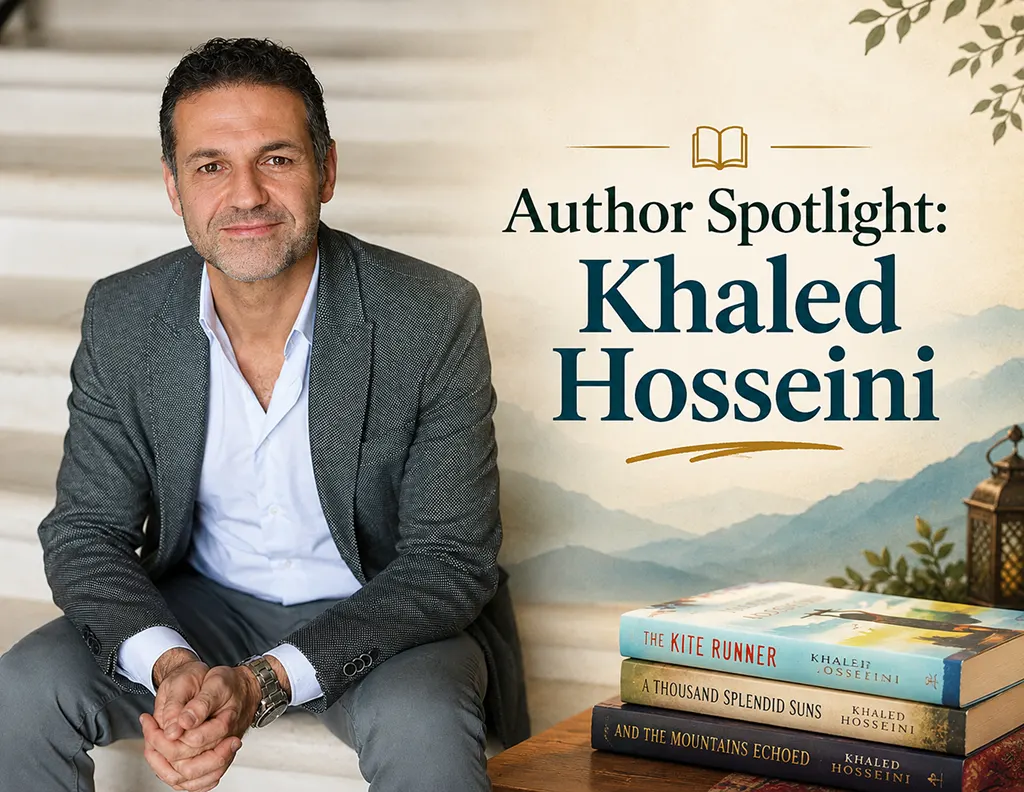
Authors Spotlight: Khaled Hosseini
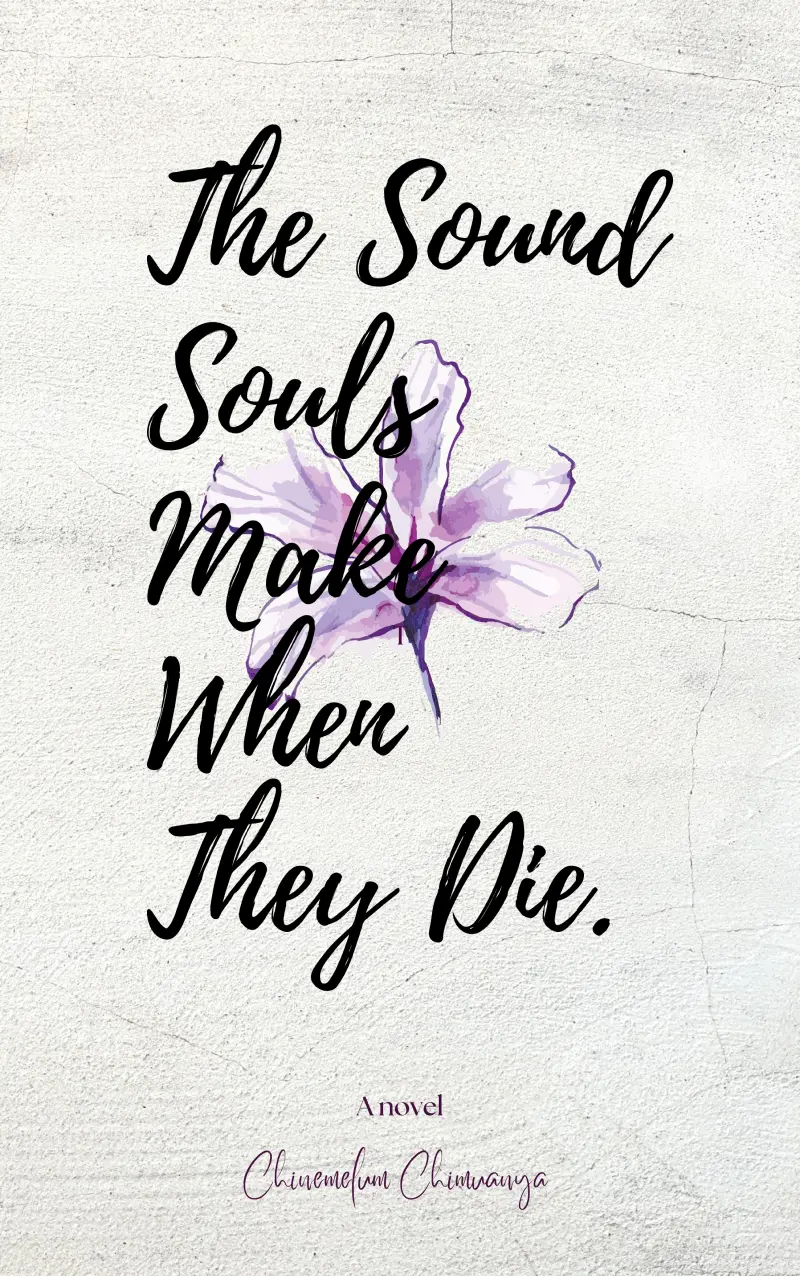
The Sound Souls Make When They Die by Chinemefun Chimuanya
If Nollywood Cast Our Favourite African Books: Who Would Play Who?
Best Films About Unexpected Age Gap Romance
Literary Awards and the Racism Card: A Wake-Up Call for Black Africa
Interview with the Vampire Relationships, Ranked
10 Top Recent Films for Action and Comedy Fans
Comma Rules Every Writer Should Know
10 Most Hype-worthy 2026 Book Releases (African Literature Version)
Five Gambling Films That Know the Bet Is Only Half the Story
Movies Where Poker Reveals Who a Character Really Is
July 20, 2025 .
Animation, Lists
Our list rounds up the top 30 cartoon characters that were villains, each one more wonderfully wicked than the last.
READ MORE
November 27, 2025 .
Lists, Mythology
While this isn’t an exhaustive list, it comprises some of the most popular mythical creatures from around the world.
READ MORE
April 29, 2026 .
Lists, Opinions
The Mouse is famous for its princesses and princes. However, the studio’s true genius lies in its embrace of “ugly Disney characters”.
READ MORE
October 28, 2025 .
Lists, Marvel, MCU, Opinions
Let’s go through a list of the top 7 strongest Marvel villains, from the wickedly powerful to the absolutely unstoppable.
READ MORE
February 26, 2026 .
Cartoons, Lists
There are some outright funny cartoon characters who exist solely to crack you up, loud, hard, and with zero apology.
READ MORE

July 20, 2025 .
Writer Resources
Discover the differences in First-Person Point of View and Third-Person POV, and how each impacts character connection and narrative style.
READ MORE
October 22, 2025 .
Essays, Writer Resources
Ever found a book that looks like a comic but tells a complete, well-structured story? Congratulations, it’s a graphic novel.
READ MORE
June 26, 2026 .
Writer Resources
Writing starts with forming ideas, imagination, dreams, and thoughts. And when these condense into a coherent progression, you have a plot.
READ MORE
May 10, 2026 .
Writer Resources
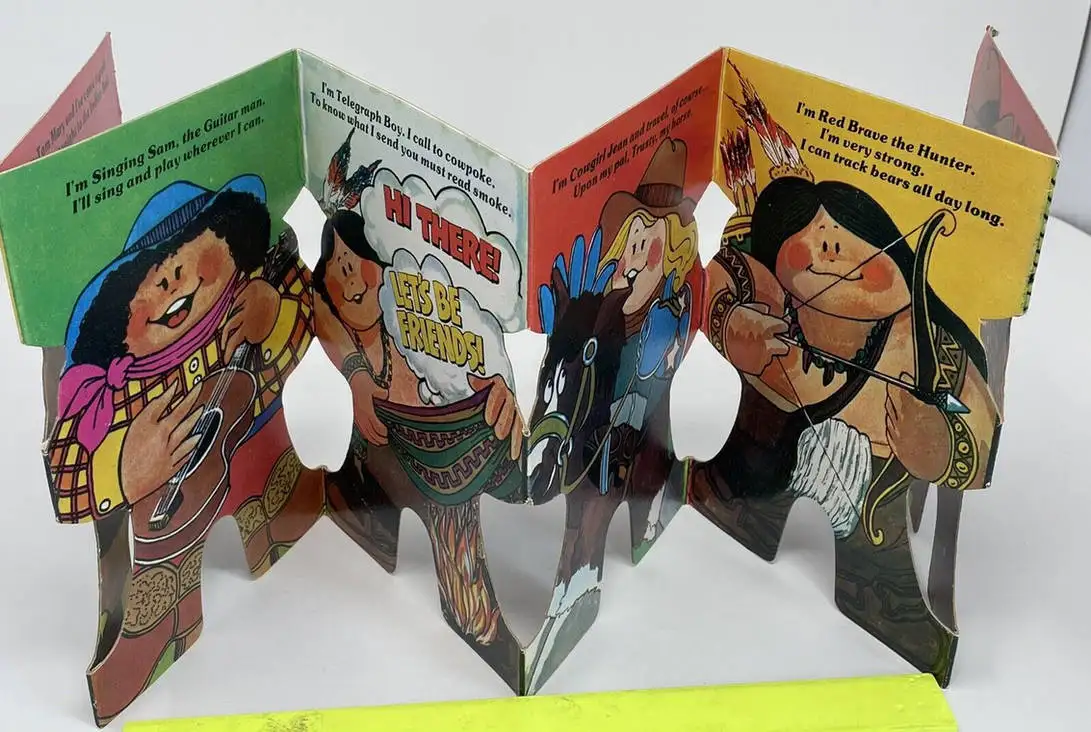
What is a board book, and how does it differ from others? Traditional publishing usually means novels, but published works span much more.
READ MORE
July 24, 2025 .
Essays, Writer Resources
READ MORE
February 8, 2026 .
Writer Resources
Breaking into traditional publishing can feel like decoding a secretive industry. This guide is a resource for finding the right agent.
READ MORE
February 28, 2026 .
Writer Resources
There are three paths in book publishing: traditional, self-publishing, and hybrid. The current focus is on traditional publishing.
READ MORE

July 20, 2025 .
Writer Resources
Today, writers are needed who combine creativity with technical expertise, professionalism, and adaptability.
READ MORE

July 20, 2025 .
Writer Resources
Many budding writers around the world dream of being accepted into The Program in Creative Writing at the University of Iowa, known informally as the Iowa Writers’ Workshop.
READ MORE
Get our magazine for free!