






































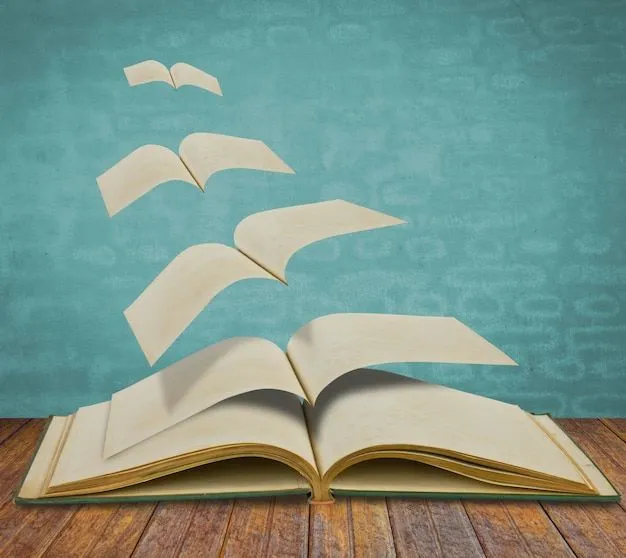


A strong book plot is defined by how events are experienced. This is where the principle of “show, not tell” becomes essential.
Which is more appealing: a book plot with a brilliant yet slow-building progression, or one so engaging it keeps the reader up till 4 a.m.? Rhythm in music is like movement in a good story.
Many stories suffer from either dragging events out too long, turning them into lullabies. Or, they move too fast, leaving readers behind. Characters leap from one major moment to another. Conflicts are resolved too easily, and readers cannot catch their breath.
A strong book plot is not defined only by what happens, but by how events are experienced. This is where the principle of “show, not tell” becomes essential. It helps to be aware that much of what happens when a reader picks up a book occurs in the subconscious mind, including pacing.
Pacing is like a story’s heartbeat; it determines how quickly or slowly the plot progresses, just as a heartbeat sets the pace of life. Let’s explore how “showing and telling” influences pacing to create compelling narratives.
Pacing is not simply the tempo at which the story unfolds. Ironically, because it’s in the name, it entails much more than that. The general idea is to get the reader so intrigued that they have to be literally peeled away from the book.
Rhythm is a tool. A writer needs to know how to increase and tighten the pace of the story, as well as slow it down when required. Good flow is important for the story’s flow. Readers want to feel immersed in the characters’ thoughts and actions, and in the world they create. It is therefore important to remember that fast pacing does not necessarily mean good pacing, and slow pacing isn’t always a bad thing.
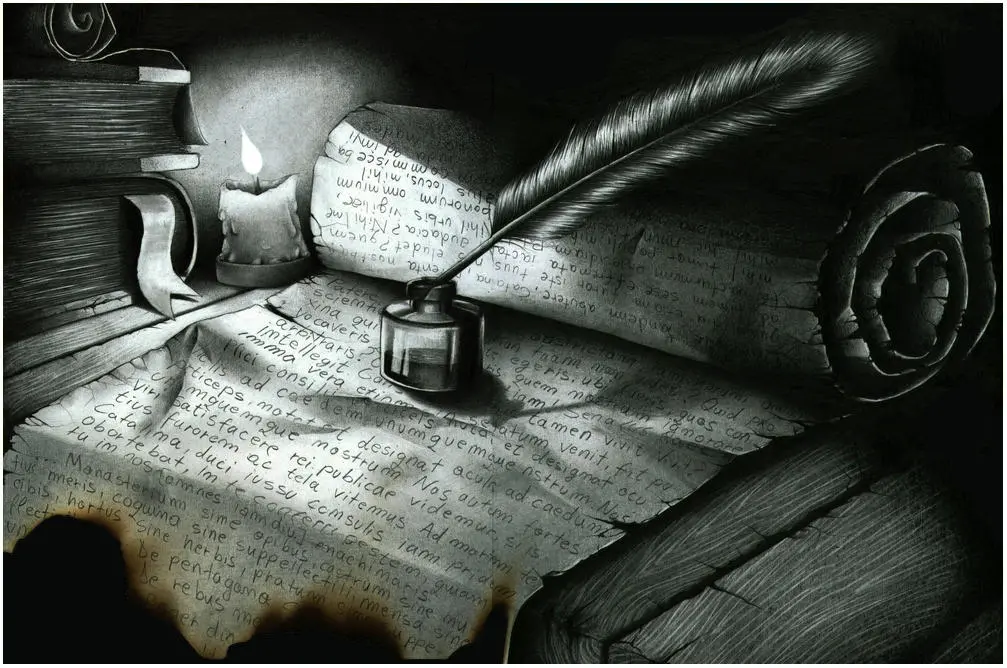
Lee Child said, “Every book has a timeline. Pacing is how you manage that timeline.”
Create enough tension to keep pages turning, but give readers space to digest key moments and understand the stakes.
An important part of pacing a book plot is building an emotional connection between readers and characters. To keep readers coming back, make them care about the characters, so they feel the highs and lows alongside them. As readers become immersed, they unconsciously imagine scenarios, battles, or love stories, because they care about the characters. So, what are the best pacing practices?
Good flow shows how a story moves effortlessly from one idea to the next. How do scenes transition? Readers should enjoy the journey from beginning to end, barely noticing they are traveling. Good flow leads to better pacing.
Showing expands time. Rather than summarizing an event, a narrative lets readers witness it via action, dialogue, and sensory detail. This technique works especially well for emotionally significant scenes.
For example, instead of stating that she liked his touch, describe her loving the feel of his hand caressing her skin. Shock waves shoot down her spine. Her stomach knots into butterflies threatening to burst. This approach lets readers feel her emotions in real time.

The story may momentarily slow down, but it increases engagement by making readers participants rather than mere observers. Slowing the pace in this way gives weight to turning points such as confrontations, discoveries, or emotional revelations. These pauses are necessary because without them, important scenes lose meaning.
While showing deepens immersion, telling provides efficiency. Not every moment requires detail. Cut long descriptions, repetitive information, or irrelevant dialogue.
Summarising allows the narrative to move forward quickly, preventing stagnation and maintaining momentum.
Information dumps, where you unload a huge chunk of backstory or exposition in one go, are unnecessary and can seriously disrupt both pacing and flow.

Flashbacks always slow down the pace because they drop the forward momentum of a real-time story to go into the past. Finding a balance is crucial. Strong pacing often depends on knowing when to compress time.
Ah! Cliffhangers are the unsung heroes that make the readers hate and love a good book plot. Cliffhangers are among the most effective devices for pacing a book’s plot. These unresolved tensions or revelations tap into people’s curiosity and create a sense of urgency, making it hard to put the book down.

When ending a chapter, cut out just before revealing crucial information. Start the next one quickly. Don’t set up the situation for the reader. Cliffhangers work best when they arise naturally, not when they feel manipulative. They should increase the stakes, not simply delay information. This makes readers feel compelled to keep reading to uncover the mystery.
Dialogue often quickens pacing because it removes lengthy exposition and places characters directly in motion. It provides insight into characters and their relationships, helping drive the story forward. If your characters discuss the same thing for pages without advancing the plot, the pacing will feel sluggish.
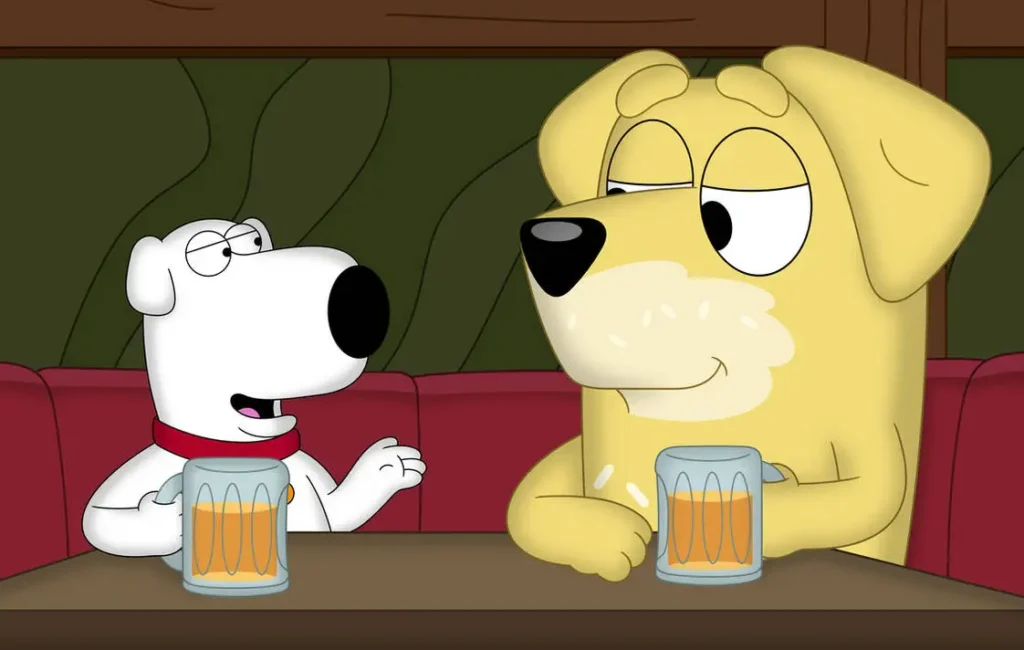
In real life, discussing the weather or why the delayed bus is making you late to work is totally normal, but it is not the same for a book. Short exchanges heighten urgency, while longer conversations slow the narrative to explore relationships or internal conflict. Strategic dialogue regulates pace without disrupting immersion.
Chapter structure plays a powerful role in shaping a book’s plot pacing. Chapters function like controlled pauses in storytelling, guiding how readers absorb tension and progression. When chapters attempt to cover too many unrelated events, pacing becomes uneven, and readers may feel disoriented.

Chapter length affects pacing. Short chapters create urgency and speed reading in high-stakes moments. Frequent breaks feel fast-paced and keep readers going. Longer chapters deepen immersion for reflection or world-building and can slow the pace for complex scenes.
The first step in mastering pacing is awareness. Noticing the subconscious signals you send readers helps you practice and improve. Effective pacing turns a good idea into a compelling read. By varying sentence and chapter length, balancing dialogue, using cliffhangers, and controlling information flow, you create a compelling story.
Sometimes, during editing, the book plot can slow down or speed up. A beta reader can flag sections that feel off, and a fresh set of eyes can spot inconsistencies.
Getting the pacing right is tricky. It’s part art form, part technical know-how, and part instinct. Study the authors who do it best.

July 20, 2025 .
Animation, Lists
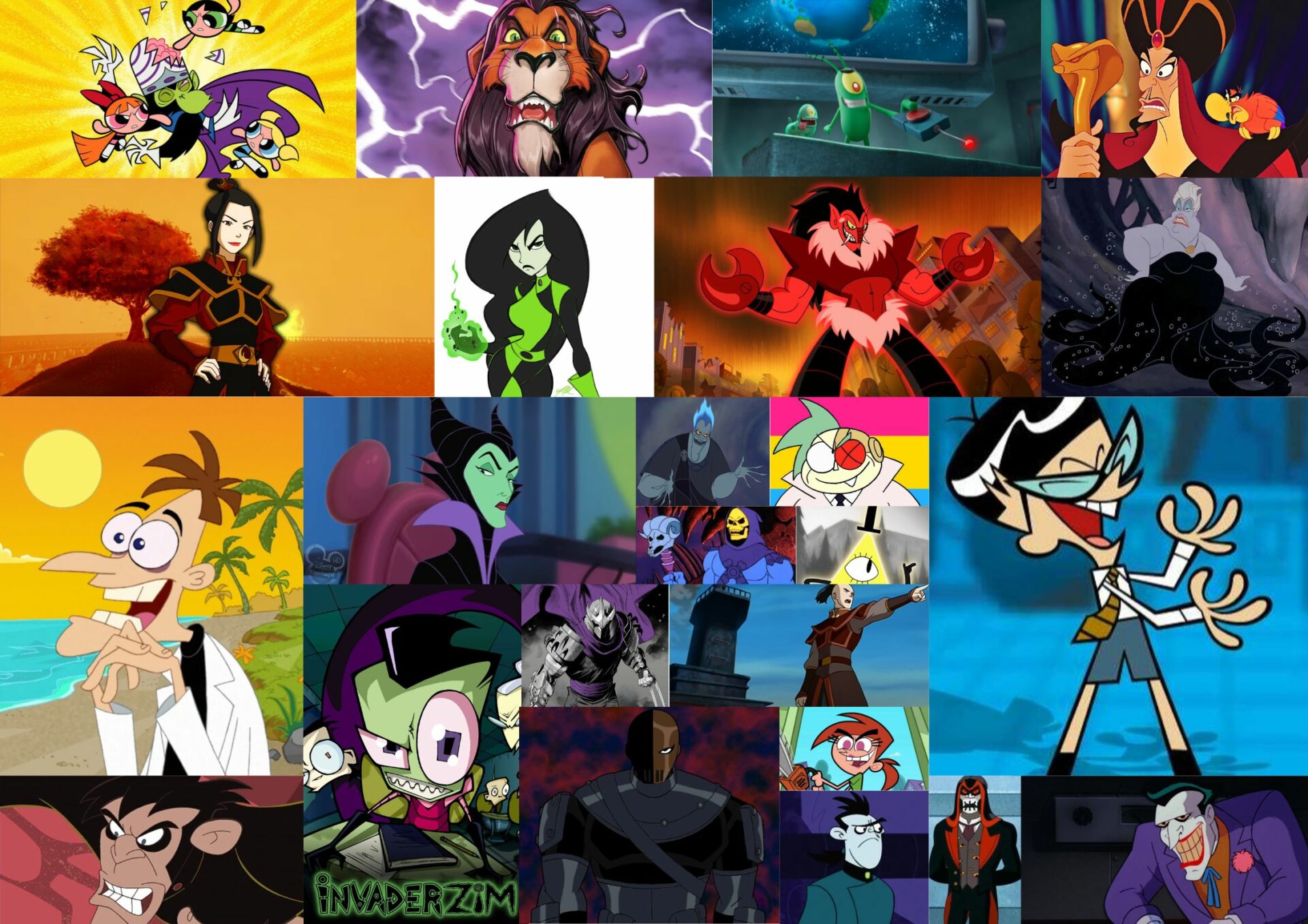
Our list rounds up the top 30 cartoon characters that were villains, each one more wonderfully wicked than the last.
READ MORE
April 29, 2026 .
Lists, Opinions
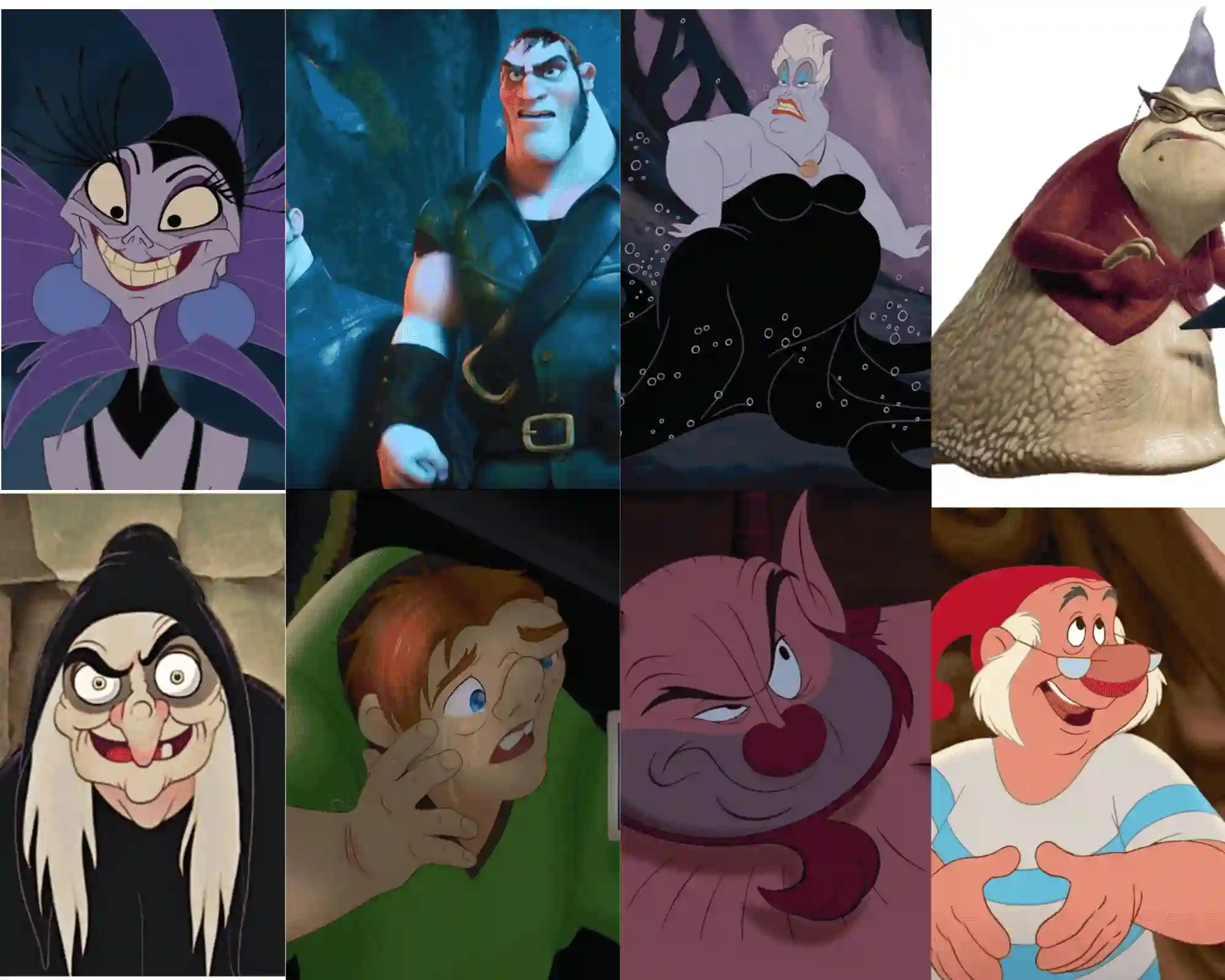
The Mouse is famous for its princesses and princes. However, the studio’s true genius lies in its embrace of “ugly Disney characters”.
READ MORE
October 28, 2025 .
Debates, Lists, Marvel, MCU
Every Marvel hero brings something to the table. But if we had to pick the top 8 most popular Marvel superheroes, who would make the cut?
READ MORE
May 6, 2026 .
Lists, MCU
Spider-Man is one of the many superheroes from the Marvel Universe whose stories shaped many childhoods. Who is your strongest Spiderman?
READ MORE
October 28, 2025 .
Lists, Marvel, MCU, Opinions
Let’s go through a list of the top 7 strongest Marvel villains, from the wickedly powerful to the absolutely unstoppable.
READ MORE


July 20, 2025 .
Writer Resources
Discover the differences in First-Person Point of View and Third-Person POV, and how each impacts character connection and narrative style.
READ MORE
May 15, 2026 .
Writer Resources
The tension between writer-centered and reader-centered approaches defines how a story is told and who it serves.
READ MORE

October 22, 2025 .
Essays, Writer Resources
Ever found a book that looks like a comic but tells a complete, well-structured story? Congratulations, it’s a graphic novel.
READ MORE
June 26, 2026 .
Writer Resources
Writing starts with forming ideas, imagination, dreams, and thoughts. And when these condense into a coherent progression, you have a plot.
READ MORE
May 10, 2026 .
Writer Resources
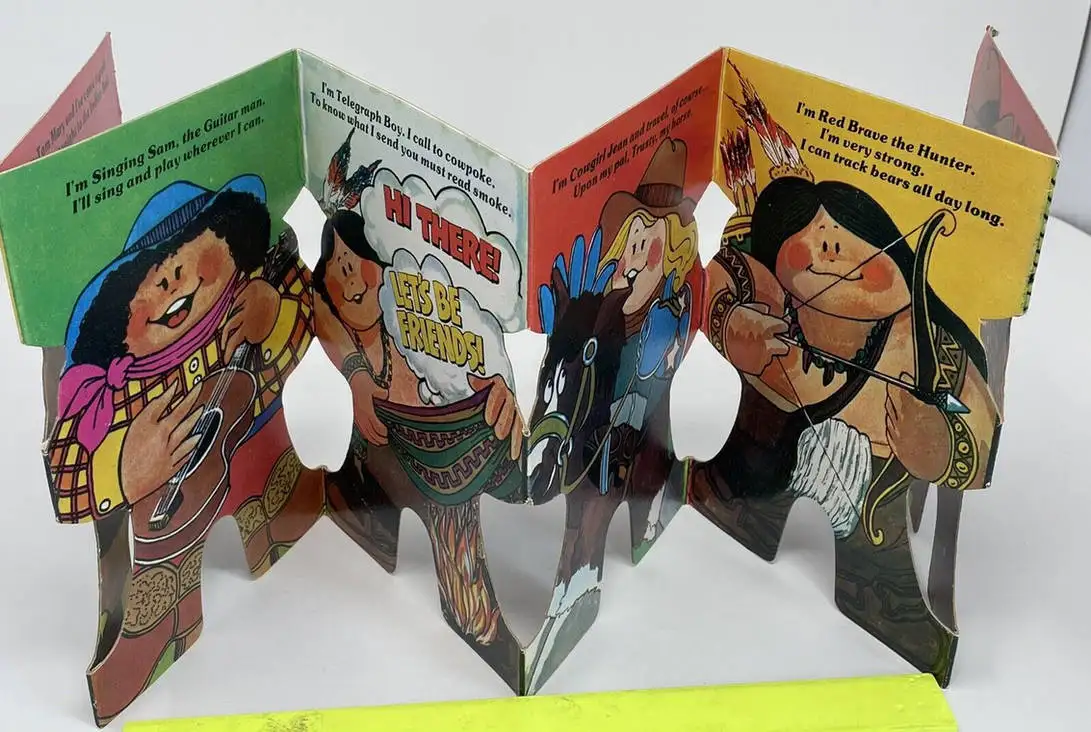
What is a board book, and how does it differ from others? Traditional publishing usually means novels, but published works span much more.
READ MORE
July 24, 2025 .
Essays, Writer Resources
READ MORE
February 8, 2026 .
Writer Resources
Breaking into traditional publishing can feel like decoding a secretive industry. This guide is a resource for finding the right agent.
READ MORE
February 28, 2026 .
Writer Resources
There are three paths in book publishing: traditional, self-publishing, and hybrid. The current focus is on traditional publishing.
READ MORE

July 20, 2025 .
Writer Resources
Today, writers are needed who combine creativity with technical expertise, professionalism, and adaptability.
READ MORE
Get our magazine for free!