Close menu
Ranking the best of African Literature







































Change is rarely linear. A narrative may contain a strong plot, but it’s the book characters that provide the real entertainment.
A narrative may contain a strong plot, but it’s the book characters that provide the real entertainment. The struggles, choices, and transformations keep readers engaged.
The best stories show us how to live better by taking us on a journey with the protagonist. Well-developed characters make us care about who the events affect, not just what happens.
Change is rarely linear. Likewise, a strong arc unfolds in layers, often messy or subtle. Without this, even the best plot feels hollow. To move forward, writers must grasp why arcs succeed or fail. By understanding these transitions, writers craft stories that linger.
A character arc traces a character’s transformation over the course of the story. It starts in one place and ends somewhere different, for better or worse.
Sometimes, the character hardly changes, but the world does. Change may involve beliefs, values, emotions, or identity. A strong arc gives readers a reason to keep reading by answering three essential questions:
To chart a book character’s journey, consider their structure. Each needs a past, a need, a fear, and a dream, revealed through action, dialogue, or memory.
Creating an arc requires understanding your character, beginning with a “before”. Without a clear starting point, there’s nothing meaningful to change. This matters because it answers:
A strong arc often starts with a gap between perception and truth. The character may feel complete, but something is missing or quietly holds them back.
Change requires pressure. A compelling arc needs an event that disrupts the character’s usual life. This can be a new student, a mysterious letter, or losing a job.
The catalyst begins the journey, but conflict sustains it. Dissension tests the character repeatedly and reveals their true nature, including that of secondary characters. Rather than treating secondaries as sidekicks, use them to drive the protagonist’s growth.
To create a compelling arc with earned growth, integrate sharp, meaningful plot twists. These changes in events should prompt the character to push beyond their comfort zone, even if they resist. These roadblocks make the journey more compelling and satisfying.
At some point, the character reaches a moment where they can no longer remain the same. This is the turning point. After the final conflict, it’s clear that your character has changed. The most pivotal part of a good character arc is character growth.
By the end of the book, the characters will have come a long way from where they started.
By the story’s end, the character is not the same as in the beginning. The resolution shows their journey’s outcome.
A compelling arc need not end neatly, but it should feel complete. The reader should sense that the journey has led somewhere meaningful. Growth is often messy, challenging, and sometimes painful.
Not all arcs follow the same path. Knowing the types helps shape your story intentionally
This is the most familiar and often the most satisfying type of character arc. A positive character arc traces a journey of growth.
A flawed or limited character gradually evolves into a better, more self-aware person. It closely follows the classic “Hero’s Journey.” An uncertain or unprepared character is pushed into the unknown and changed by the experience.
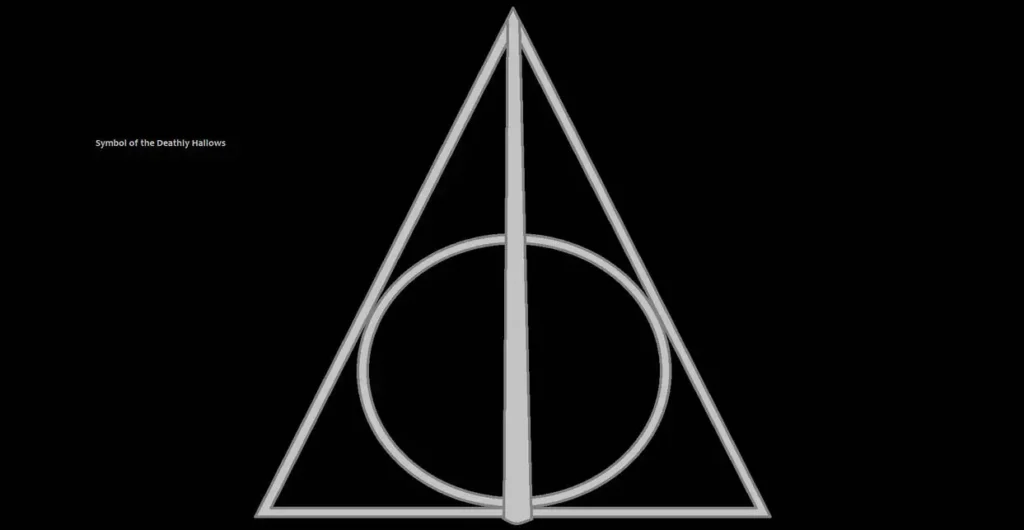
A well-known example is Harry Potter. At first, Harry is unsure and unaware of his identity. As the story progresses, he faces loss, responsibility, and moral dilemmas. These challenges reshape his ideas about courage, loyalty, and sacrifice.

By the end, he is a hero who understands the value of love, choice, and selflessness. Key to this arc is progression. Your character should have a ‘eureka!’ moment, but discovering the truth takes time.
There is something tragic, yet compelling about a well-done negative character arc. Instead of growth, this arc follows a gradual unraveling. The character begins with a chance to change or confront a flawed belief but fails to do so.
Gradually, they move away from the truth and towards self-destruction. Negative arcs are less common for protagonists but more common for antagonists or supporting characters.

A good example is Jay Gatsby from The Great Gatsby. Gatsby is driven by an idealized vision of love and success. He believes wealth and status can win back Daisy and recreate the past.
Even when reality hints otherwise, he refuses to let go of this illusion. This leads to his downfall. He takes the blame for Daisy killing Myrtle Wilson, which results in his murder by George Wilson.
At first, the idea of a “flat” character arc seems odd. An arc suggests a curve, but here, the opposite is the case.
They book characters remain the same from beginning to end. A classic example is Sherlock Holmes. Holmes does not change much across the stories; his methods and personality stay the same.
However, his presence brings resolution to chaos. He transforms the cases and people around him. The world changes because he is in it, not because he changes. Flat arcs work well when the story focuses on external conflict, theme, or other characters transformations.
Crafting a compelling character arc requires insight into how people change. Growth is rarely linear, and transformation often comes through struggle, reflection, and choice.
When handled with care, book characters evolve in ways that feel both believable and impactful. Watching a character grow is one of the most satisfying experiences for readers.

15 Writing-Adjacent Careers for Writers Looking for a Career Change
Authors Spotlight: Khaled Hosseini
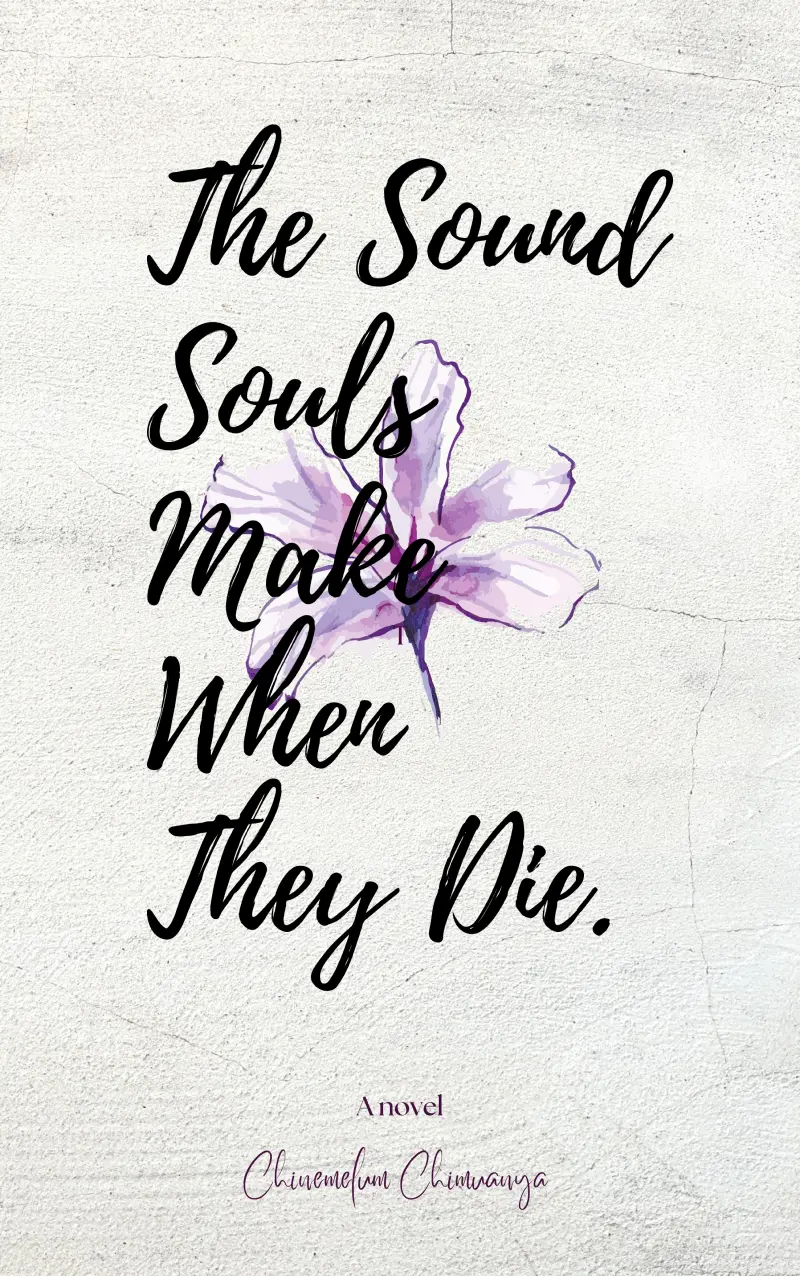
The Sound Souls Make When They Die by Chinemefun Chimuanya
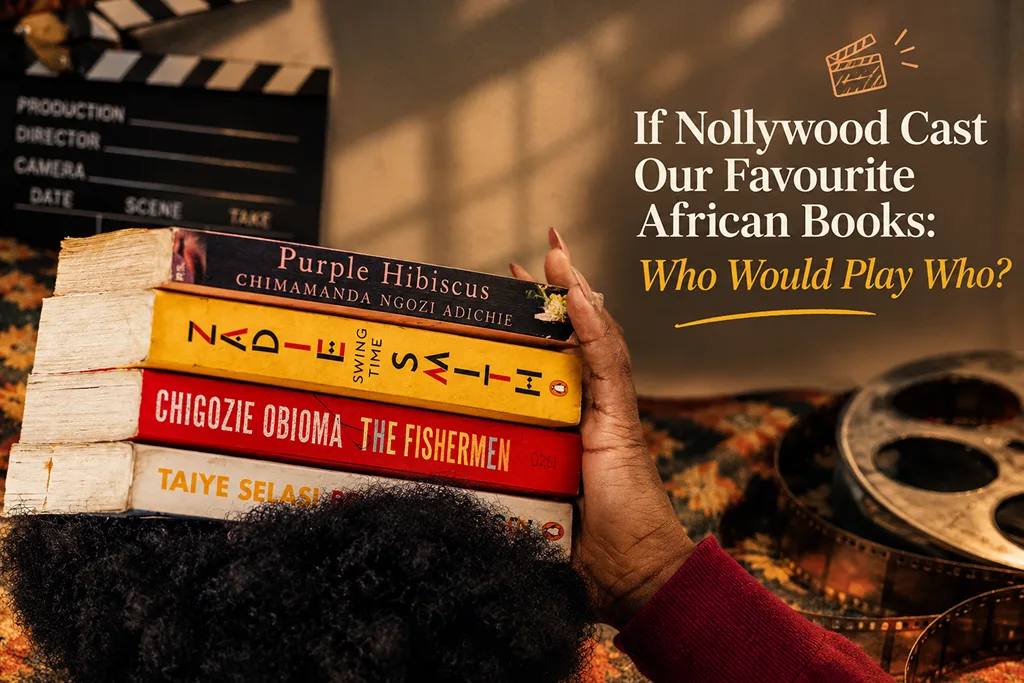
If Nollywood Cast Our Favourite African Books: Who Would Play Who?
Best Films About Unexpected Age Gap Romance
Literary Awards and the Racism Card: A Wake-Up Call for Black Africa
Interview with the Vampire Relationships, Ranked
10 Top Recent Films for Action and Comedy Fans
Comma Rules Every Writer Should Know
10 Most Hype-worthy 2026 Book Releases (African Literature Version)
Five Gambling Films That Know the Bet Is Only Half the Story
Movies Where Poker Reveals Who a Character Really Is
July 20, 2025 .
Animation, Lists
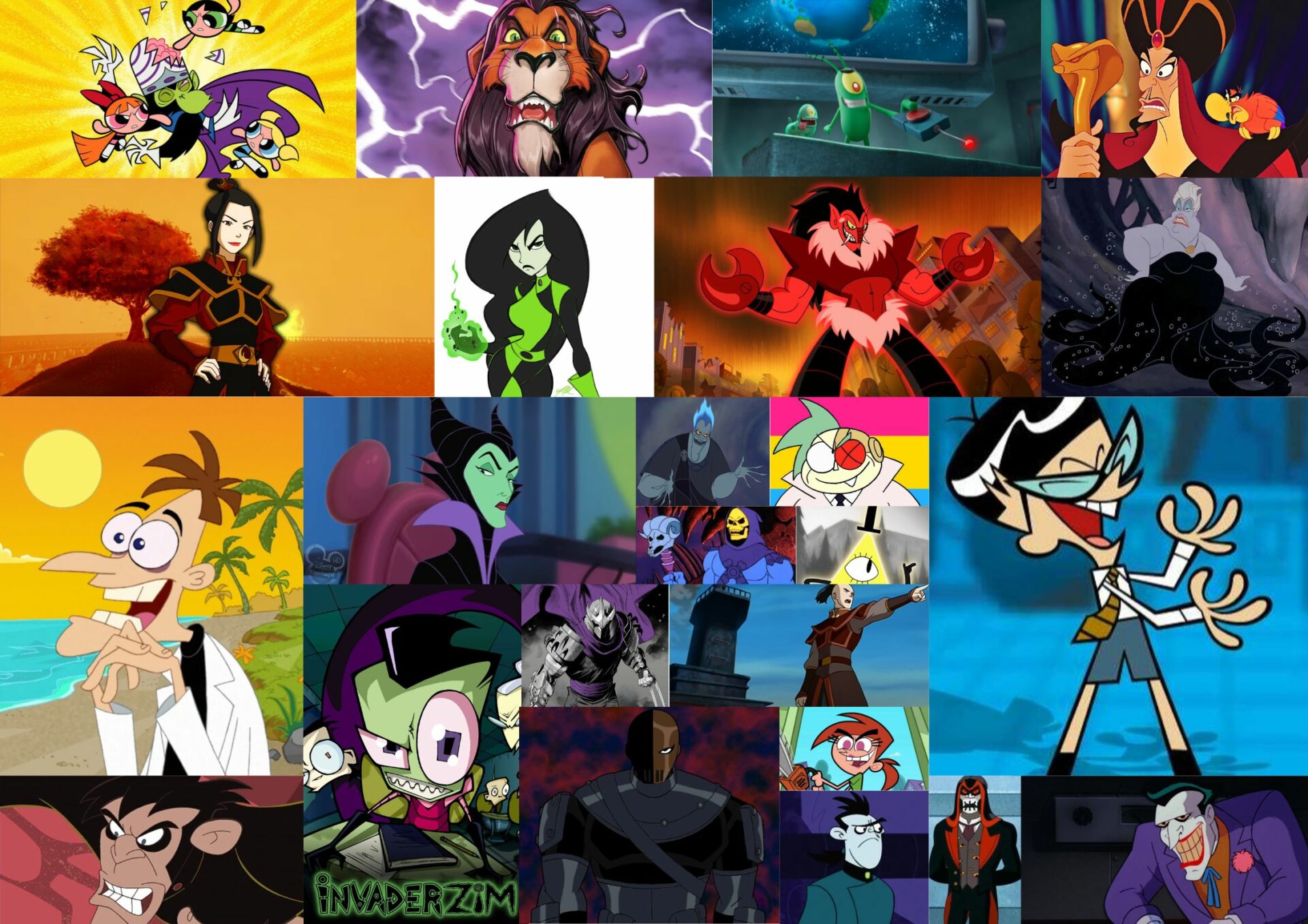
Our list rounds up the top 30 cartoon characters that were villains, each one more wonderfully wicked than the last.
READ MORE

November 27, 2025 .
Lists, Mythology
While this isn’t an exhaustive list, it comprises some of the most popular mythical creatures from around the world.
READ MORE
April 29, 2026 .
Lists, Opinions
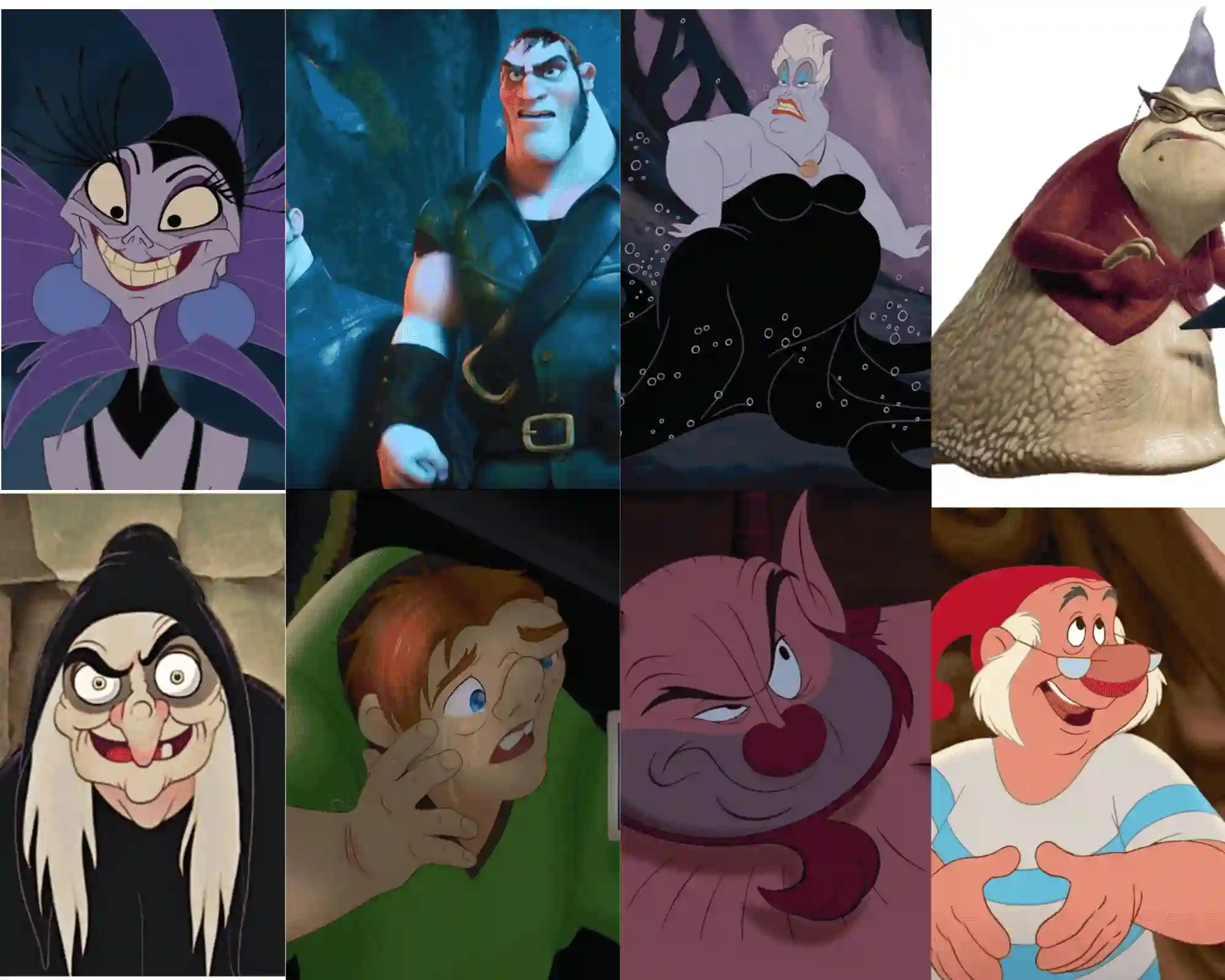
The Mouse is famous for its princesses and princes. However, the studio’s true genius lies in its embrace of “ugly Disney characters”.
READ MORE
October 28, 2025 .
Lists, Marvel, MCU, Opinions
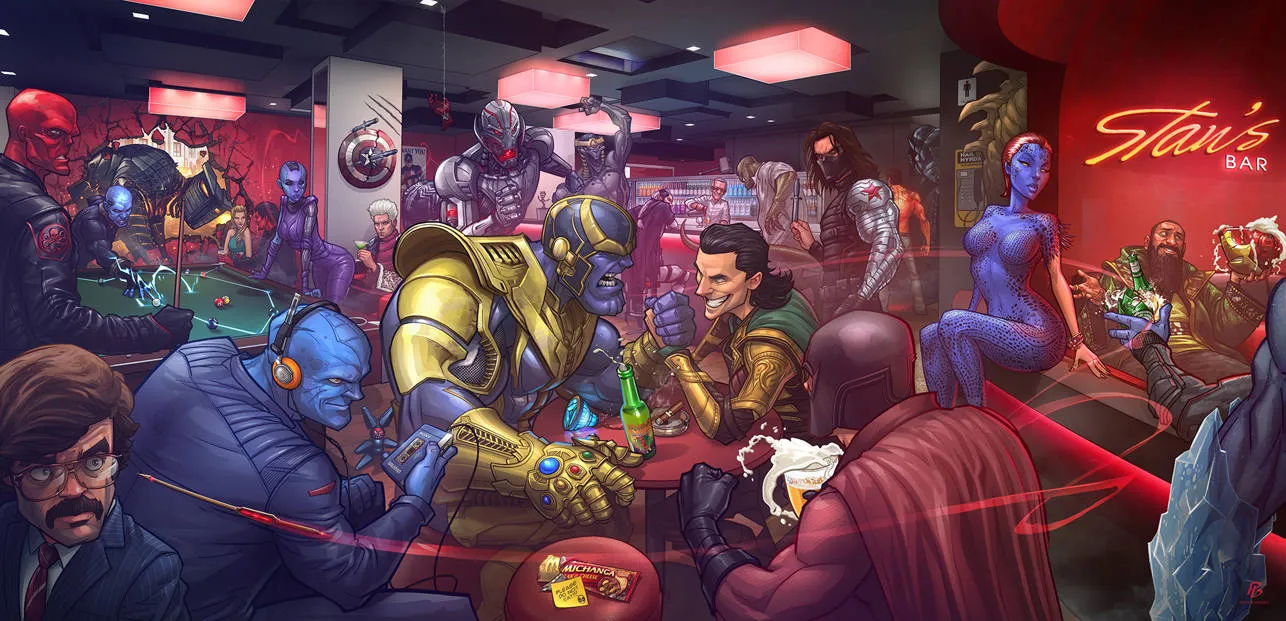
Let’s go through a list of the top 7 strongest Marvel villains, from the wickedly powerful to the absolutely unstoppable.
READ MORE
February 26, 2026 .
Cartoons, Lists
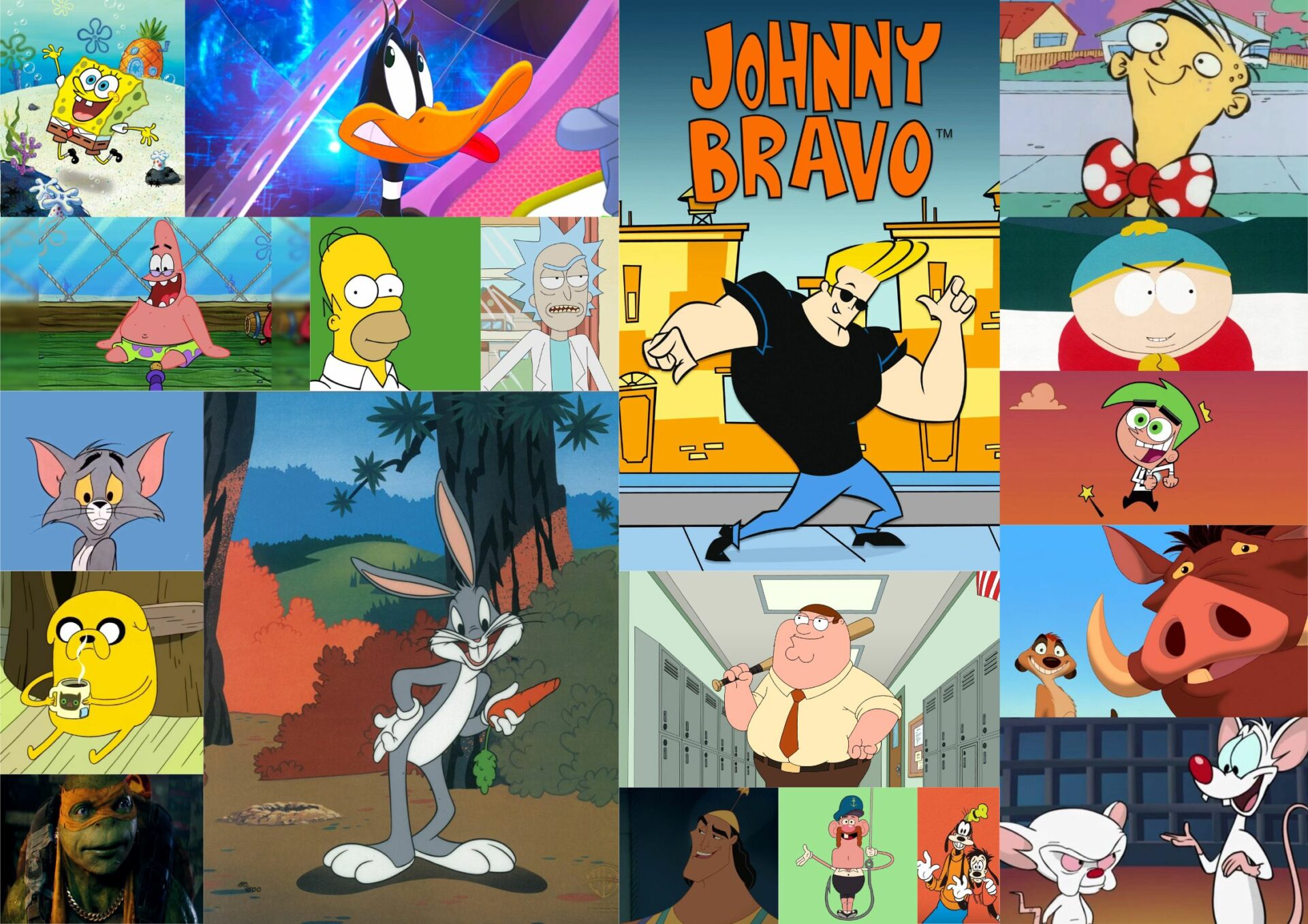
There are some outright funny cartoon characters who exist solely to crack you up, loud, hard, and with zero apology.
READ MORE

July 20, 2025 .
Writer Resources
Discover the differences in First-Person Point of View and Third-Person POV, and how each impacts character connection and narrative style.
READ MORE
May 15, 2026 .
Writer Resources
The tension between writer-centered and reader-centered approaches defines how a story is told and who it serves.
READ MORE

October 22, 2025 .
Essays, Writer Resources
Ever found a book that looks like a comic but tells a complete, well-structured story? Congratulations, it’s a graphic novel.
READ MORE
June 26, 2026 .
Writer Resources
Writing starts with forming ideas, imagination, dreams, and thoughts. And when these condense into a coherent progression, you have a plot.
READ MORE
May 10, 2026 .
Writer Resources
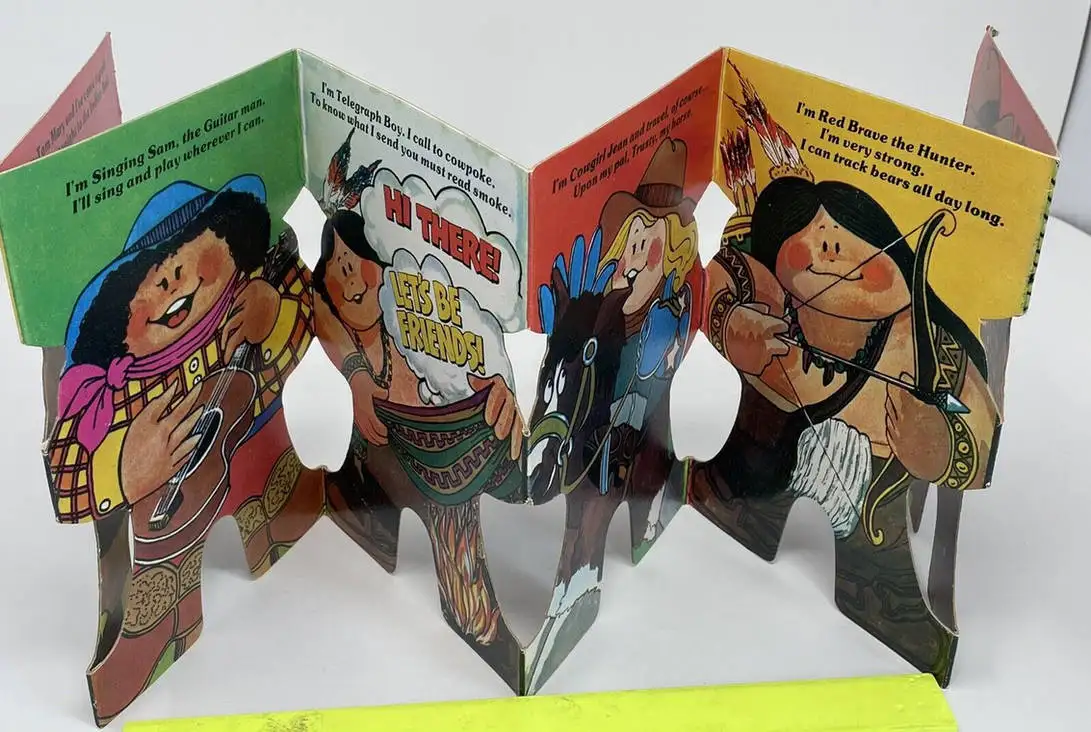
What is a board book, and how does it differ from others? Traditional publishing usually means novels, but published works span much more.
READ MORE

July 24, 2025 .
Essays, Writer Resources
READ MORE
February 8, 2026 .
Writer Resources
Breaking into traditional publishing can feel like decoding a secretive industry. This guide is a resource for finding the right agent.
READ MORE
February 28, 2026 .
Writer Resources
There are three paths in book publishing: traditional, self-publishing, and hybrid. The current focus is on traditional publishing.
READ MORE

July 20, 2025 .
Writer Resources
Today, writers are needed who combine creativity with technical expertise, professionalism, and adaptability.
READ MORE
Get our magazine for free!