
Menu












































In American folklore, monsters are not just campfire stories. They act as mirrors, transforming anxieties into physical creatures.
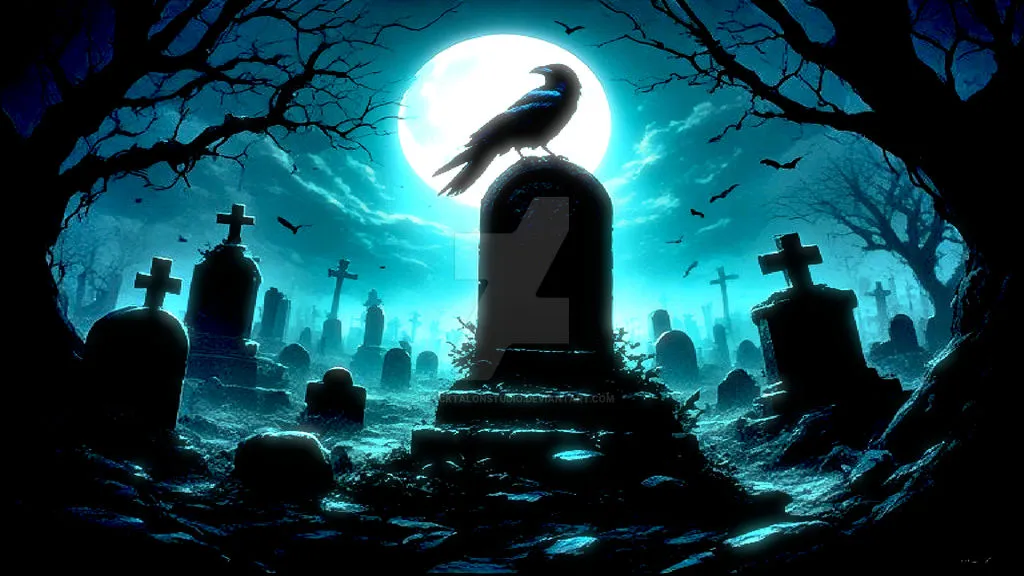
In the rich history of American folklore, monsters are not just campfire stories meant to scare children. Instead, they act as cultural mirrors, transforming abstract societal anxieties into physical creatures that can be visualized, tracked, and understood.
From the untamed colonial wilderness to modern Cold War paranoia, the monsters of American folklore showcase exactly what specific communities feared at distinct points in time.
Many creatures found in American folklore emerged from a blend of Indigenous traditions, immigrant storytelling, and regional myths.
These stories were often passed down orally, evolving over generations as communities adapted them to new environments and cultural circumstances.
As settlers encountered unfamiliar environments, folklore provided a way to make sense of the unknown. Creatures became symbolic explanations for unexplained sounds, disappearances, dangerous weather, and other phenomena that challenged human understanding.
Before modern science could explain natural phenomena, folklore offered its own answers. Strange noises in the woods, disappearances, unusual animal tracks, and sudden disasters all became fertile ground for legends.
These stories helped communities understand dangers, pass down lessons, and make sense of experiences that seemed frightening or confusing.
More importantly, folklore gave people a way to talk about fears that were otherwise difficult to describe. It is easier to tell a story about a monster than it is to discuss abstract ideas like isolation, greed, or the unpredictability of nature.
Many of the most famous figures in American folklore emerged from specific environments, cultural concerns, and historical circumstances, reflecting a different aspect of the unknown.
Some represent fears that exist outside humanity. Others represent fears that exist within us.
Few creatures are more closely associated with American folklore than Bigfoot.
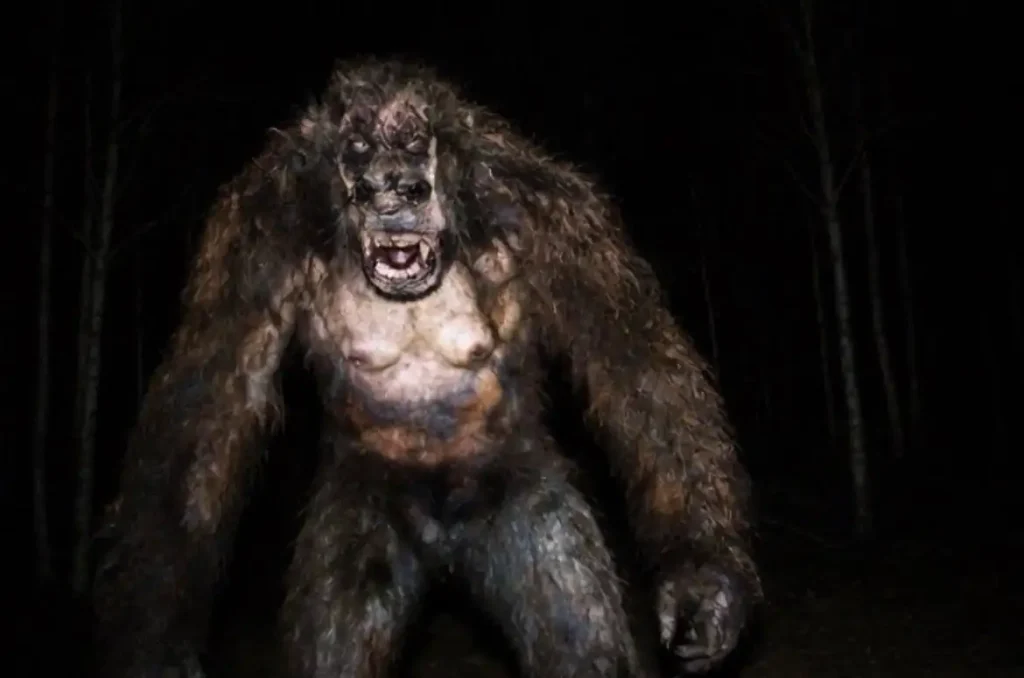
Descriptions of the creature vary slightly, but most portray it as a large, ape-like being covered in hair and living in remote forests. Reports of sightings have surfaced for decades, particularly in the Pacific Northwest.
Footprints, blurry photographs, and eyewitness accounts continue to appear, yet none have provided conclusive proof that Bigfoot exists. Ironically, that lack of proof is part of the creature’s appeal.
Bigfoot thrives because it represents one of humanity’s oldest mysteries: the wilderness. Today, it is easy to forget how intimidating forests once seemed. Before roads, satellite imagery, and modern navigation, vast stretches of wilderness were largely unknown. Even now, there is something unsettling about standing in a forest where the trees stretch endlessly in every direction.
Folklorists have linked the creature to the ancient “Wild Man” archetype, a figure that appears in stories across many cultures. This symbolism helps explain why Bigfoot is often portrayed differently from other monsters.
While some stories describe it as frightening, many portray it as elusive rather than aggressive. It is not necessarily something people want to destroy. It is something they want to find.
The creature speaks to a desire many people still have: the hope that genuine mysteries remain in the world.
In a society where information is available at the touch of a screen, Bigfoot represents the possibility that some questions still lack answers. Whether people believe in the creature or not, the legend keeps alive the idea that there may be something hidden just beyond our understanding.
If Bigfoot represents fears that exist outside humanity, the Wendigo represents fears that come from within.
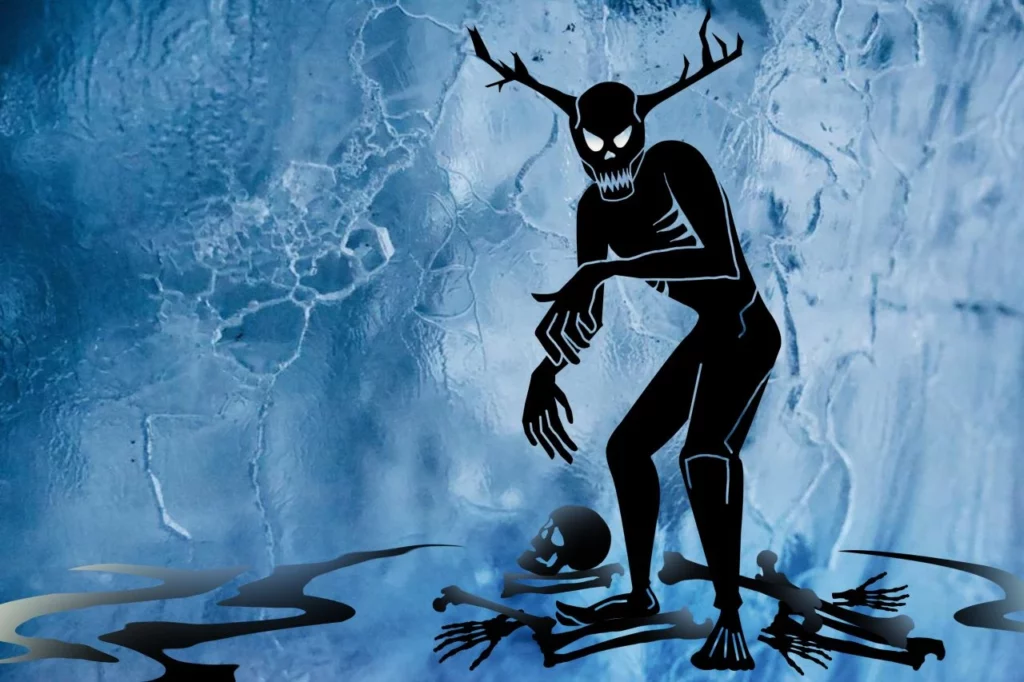
Originating in the traditions of several Algonquian-speaking Indigenous peoples, the Wendigo is often associated with extreme hunger, greed, and moral corruption.
Stories differ across communities, but a common theme runs through many versions of the legend. The Wendigo is driven by an appetite that can never be satisfied. In many stories, individuals become Wendigos after giving in to selfishness, greed, or acts that violate important social and moral boundaries.
This symbolism has allowed the legend to remain relevant for generations. While the details may belong to a specific cultural tradition, the underlying fear that immorality is universal.
The Wendigo can be interpreted as representing:
Today, the creature continues to resonate because it embodies timeless concerns about human behavior, moral boundaries, and the consequences of unchecked desire.
The Jersey Devil occupies a different corner of American folklore.
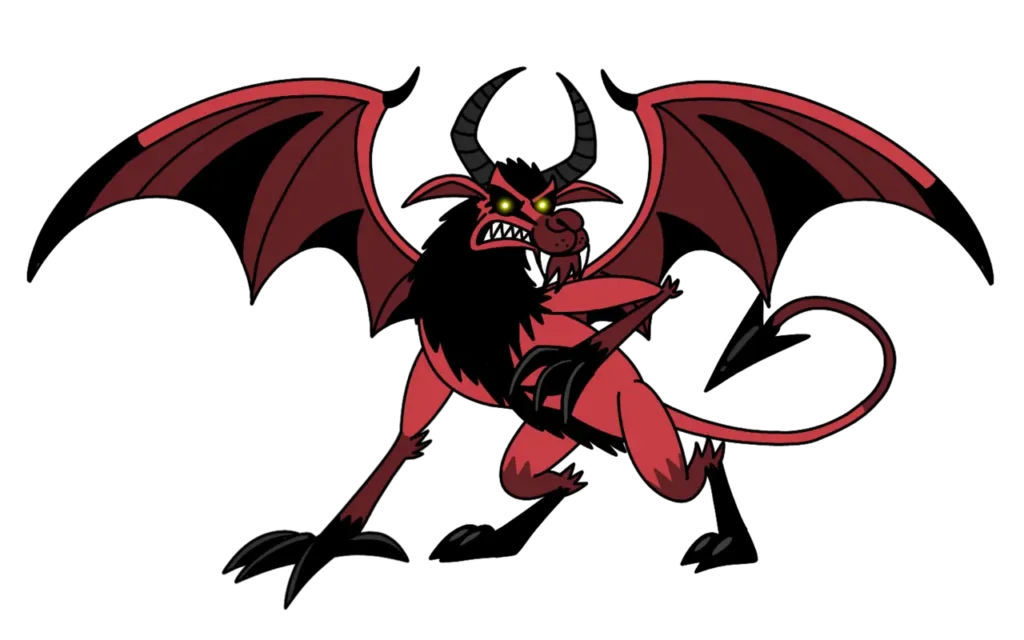
According to legend, the creature roams the Pine Barrens of New Jersey, a vast region of forests, wetlands, and isolated terrain. Witnesses have described it in many ways, but most accounts depict a strange winged creature unlike any known animal.
What makes the Jersey Devil interesting is how closely it is tied to place. For generations, the Pine Gardens region felt unfamiliar, and unfamiliar places often inspire unusual stories.
People tend to fear what they do not know. The Jersey Devil became a symbol of that uncertainty.
Mothman emerged in the 1960s around Point Pleasant, West Virginia.
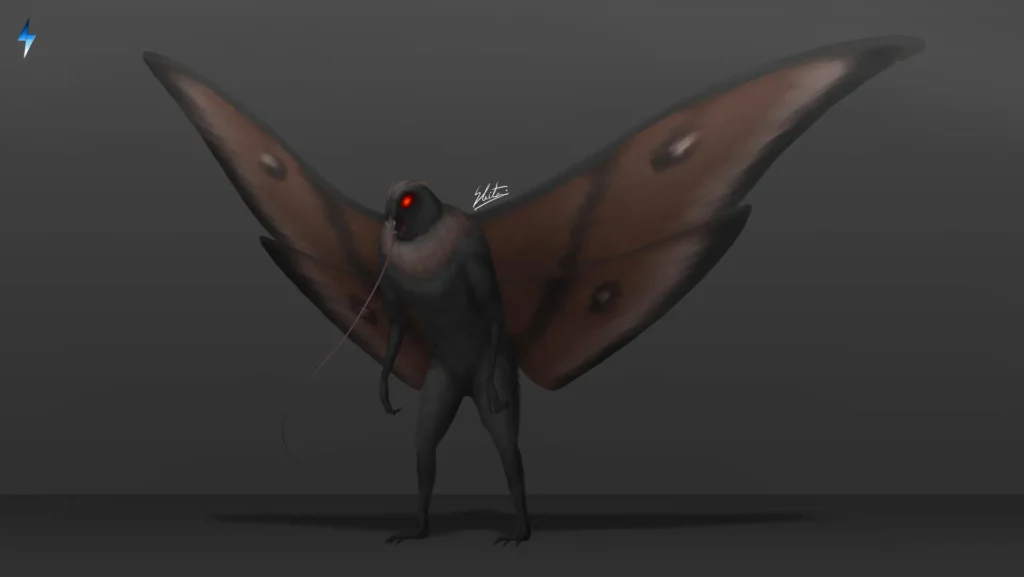
Witnesses reported seeing a large winged figure with glowing red eyes. The sightings quickly attracted attention, but the legend took on greater significance after the collapse of the Silver Bridge in 1967.
Over time, many people began to associate Mothman with disaster. Rather than being viewed as a traditional monster, the creature came to be associated with warnings and bad omens.
Whether those claims are true is almost beside the point. What matters is what the legend reveals about human behaviour. When disasters occur, people naturally search for explanations.
Another fascinating creature associated with American folklore is the Chupacabra, whose name translates from Spanish as “goat-sucker.”
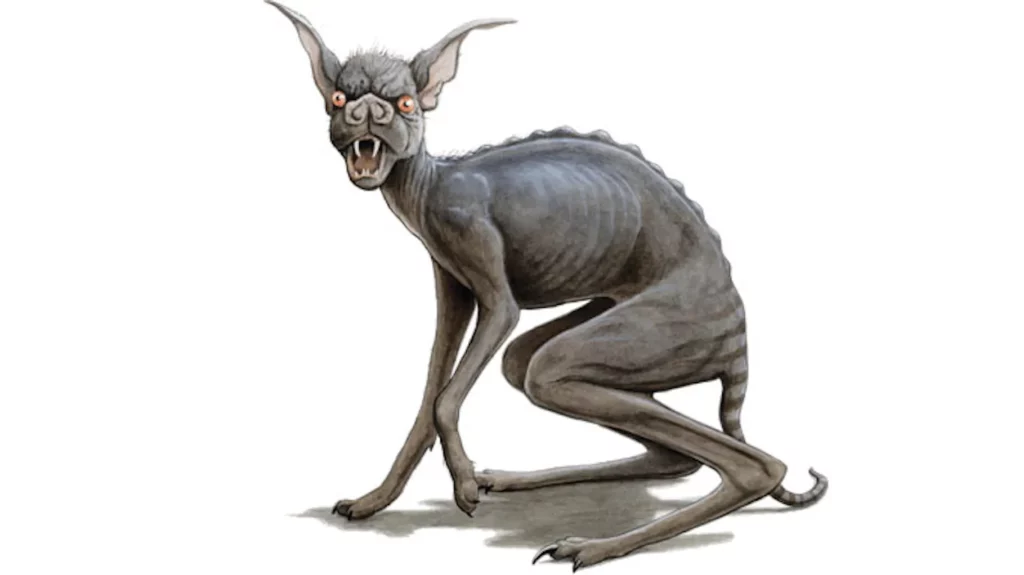
First gaining widespread attention in Puerto Rico during the 1990s, the legend quickly spread throughout Latin America and parts of the United States, particularly in the Southwest.
The Chupacabra is typically described as a strange creature that attacks livestock, leaving behind carcasses with mysterious wounds and reports of drained blood.
Over the years, eyewitness accounts have varied considerably. Some describe a reptilian creature with spines along its back, while others portray it as a hairless, canine-like animal. This inconsistency has only added to the creature’s mystery and appeal.
Beyond its frightening appearance, the Chupacabra symbolizes several deeper anxieties:
The Chupacabra also reflects how modern folklore evolves. Unlike many legendary creatures whose origins stretch back centuries, the Chupacabra emerged in a media-saturated age. News reports, eyewitness stories, and popular culture rapidly transformed local accounts into an international legend. This demonstrates that folklore continues to develop even in technologically advanced societies.
One of the most intriguing aspects of American folklore creatures is their apparent inability to be captured, studied, or definitively proven. This elusiveness serves an important narrative function. Once a mystery is completely solved, it loses much of its symbolic power.
From a cultural perspective, these creatures occupy what scholars often describe as “liminal spaces”: the boundaries between civilization and wilderness, reality and imagination, knowledge and uncertainty. Their presence reminds people that not everything can be neatly categorized or explained.
As long as there are unexplored forests, unanswered questions, and human fears that resist easy explanation, folklore creatures will continue to thrive.
Many scholars view folklore creatures as expressions of collective fears and desires.
Bigfoot may symbolize humanity’s fascination with unexplored nature. The Wendigo reflects concerns about moral collapse and social responsibility. The Jersey Devil embodies fears associated with isolation and unfamiliar territory. Each creature provides insight into the values and anxieties of the communities that created and preserved these legends.
In this sense, folklore creatures function as cultural mirrors. They reveal not only what people fear but also what they hope to understand about themselves and the world around them.
The impact of American folklore extends far beyond traditional storytelling. Folklore creatures have become prominent figures in literature, cinema, television, video games, and online communities. Modern adaptations often reinterpret these legends while preserving their core themes of mystery and uncertainty.
The continued popularity of paranormal investigations, cryptid documentaries, and supernatural fiction demonstrates that fascination with the unknown remains strong. Even in an age of scientific advancement, people continue to seek stories that challenge conventional explanations.
This persistence suggests that folklore fulfills a fundamental human need. It allows individuals to explore uncertainty in a safe and imaginative way, transforming fears and unanswered questions into compelling narratives.
The creatures that populate American folklore are far more than entertaining monsters.
Although these legends emerged from different regions and traditions, they all transform abstract fears into memorable stories.
We humans are biologically wired to fear what we cannot see, predict, or explain. Throughout history, one of the most common ways to cope with that fear has been to give it a physical form.
The rich history of American folklore acts as a cultural mirror, turning abstract societal anxieties into physical creatures.

15 Writing-Adjacent Careers for Writers Looking for a Career Change
Authors Spotlight: Khaled Hosseini
The Sound Souls Make When They Die by Chinemefun Chimuanya
If Nollywood Cast Our Favourite African Books: Who Would Play Who?
Best Films About Unexpected Age Gap Romance
Literary Awards and the Racism Card: A Wake-Up Call for Black Africa
Interview with the Vampire Relationships, Ranked
10 Top Recent Films for Action and Comedy Fans
Comma Rules Every Writer Should Know
10 Most Hype-worthy 2026 Book Releases (African Literature Version)
Five Gambling Films That Know the Bet Is Only Half the Story
Movies Where Poker Reveals Who a Character Really Is
July 20, 2025 .
Animation, Lists
Our list rounds up the top 30 cartoon characters that were villains, each one more wonderfully wicked than the last.
READ MORE
November 27, 2025 .
Lists, Mythology
While this isn’t an exhaustive list, it comprises some of the most popular mythical creatures from around the world.
READ MORE
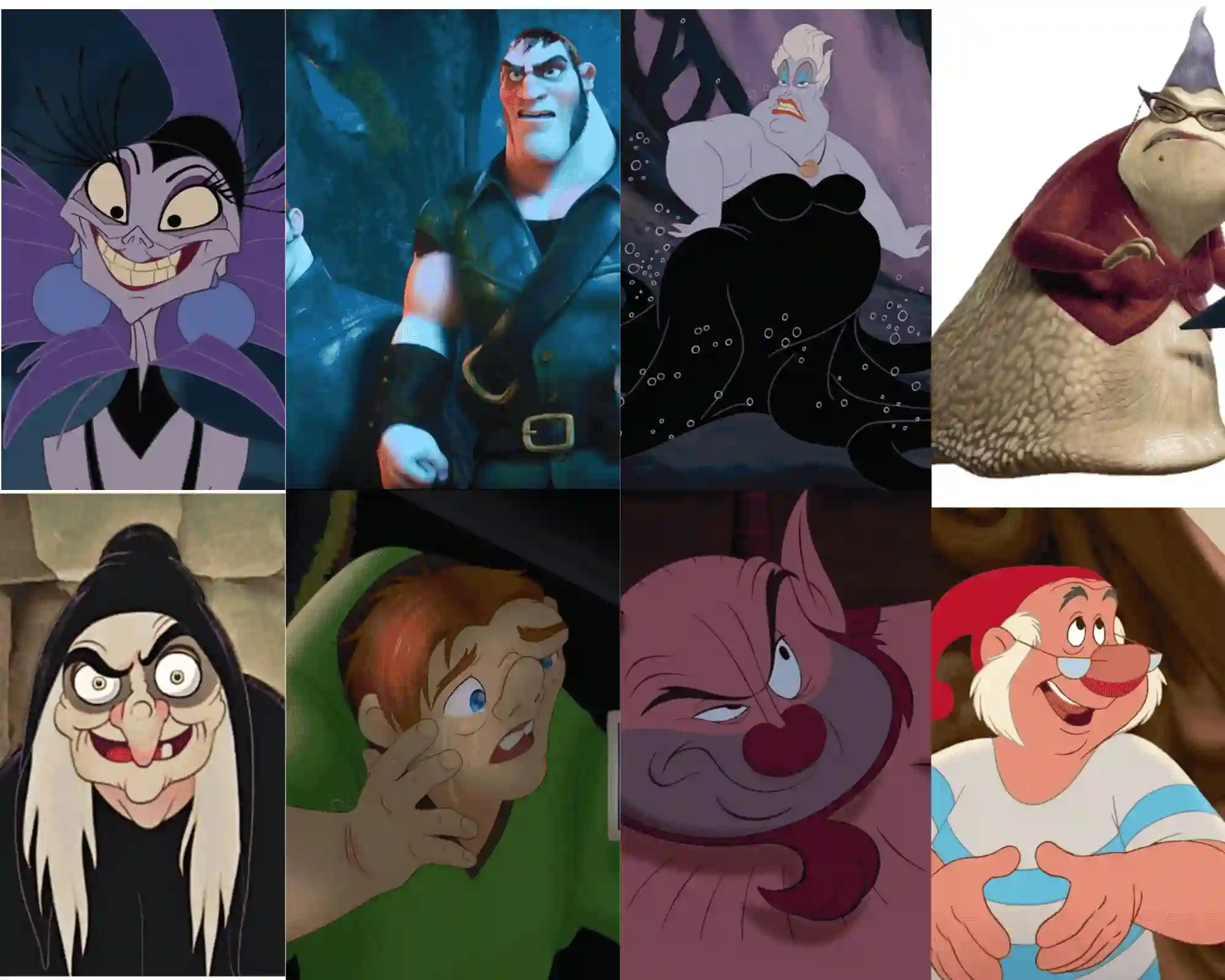
April 29, 2026 .
Lists, Opinions
The Mouse is famous for its princesses and princes. However, the studio’s true genius lies in its embrace of “ugly Disney characters”.
READ MORE
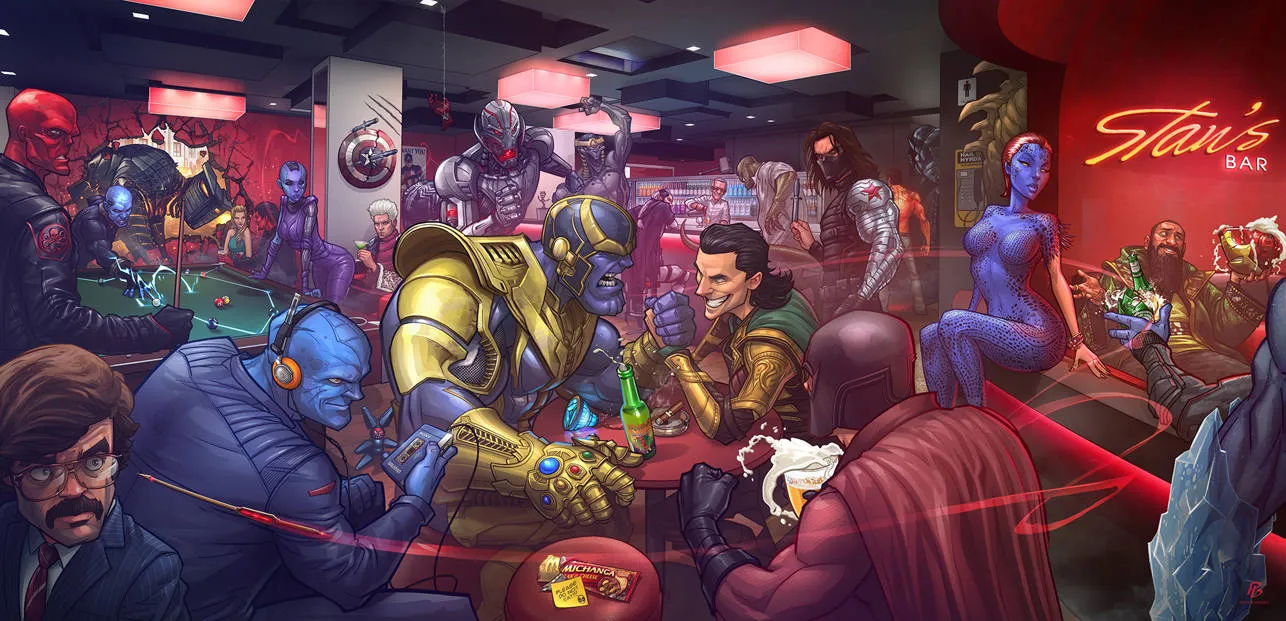
October 28, 2025 .
Lists, Marvel, MCU, Opinions
Let’s go through a list of the top 7 strongest Marvel villains, from the wickedly powerful to the absolutely unstoppable.
READ MORE
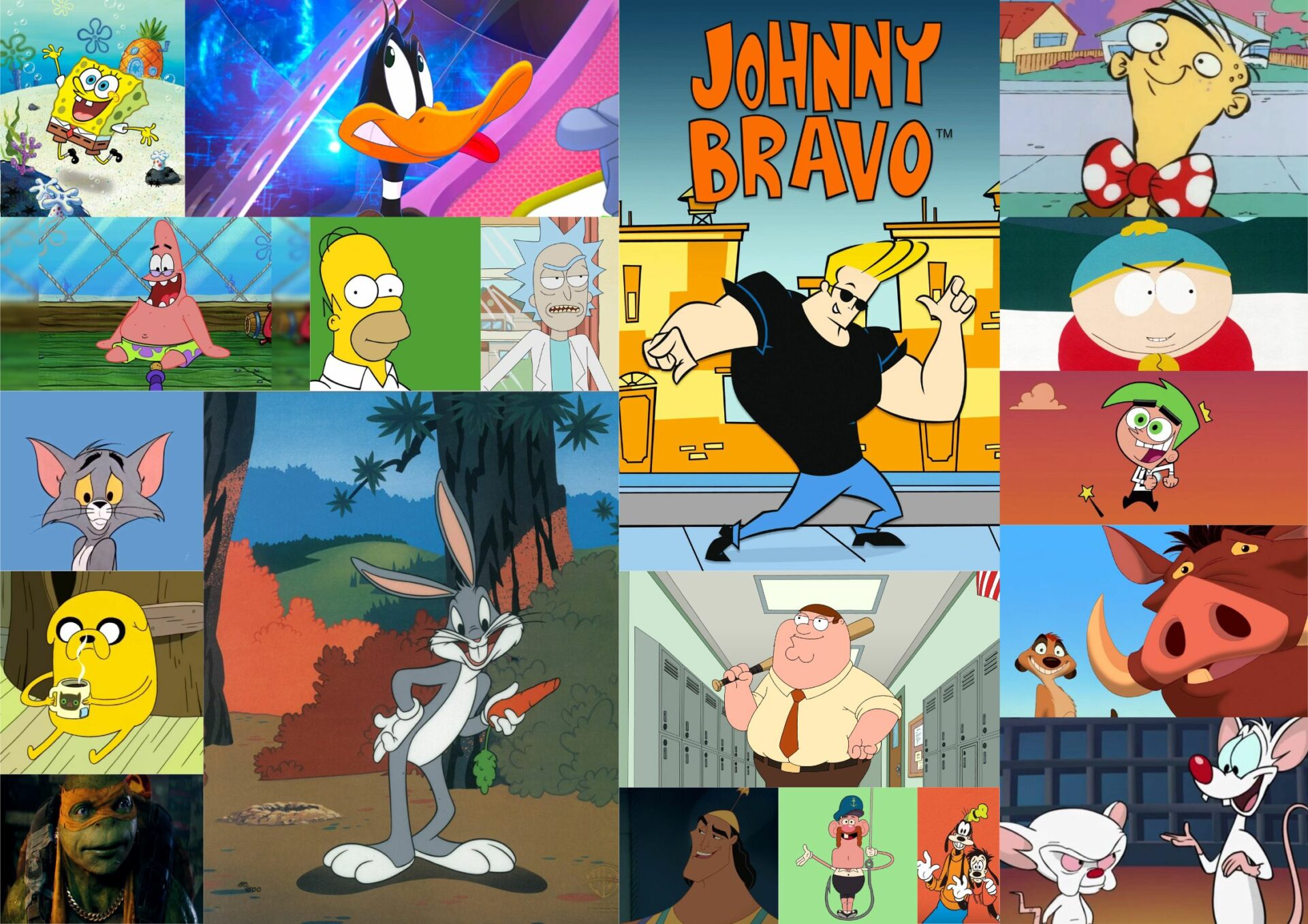
February 26, 2026 .
Cartoons, Lists
There are some outright funny cartoon characters who exist solely to crack you up, loud, hard, and with zero apology.
READ MORE

July 20, 2025 .
Essays, Opinions
READ MORE

July 20, 2025 .
Essays, Opinions
READ MORE

July 20, 2025 .
Essays
Except if you have been living under a rock or in outer space since the beginning of time, there is no way you wouldn’t have heard of Wole Soyinka.
READ MORE

July 20, 2025 .
Essays, Opinions
READ MORE
September 12, 2025 .
Essays, Fantasy, Opinions
Fantasy is everything that lies in the realm of the fantastic. And, the more deviant from reality it is, the better.
READ MORE
July 20, 2025 .
Essays, Opinions
African literature embraces inclusivity, harnessing words as a medium to impart wisdom, preserve truths, and honor ancestral struggles.
READ MORE

October 22, 2025 .
Essays, Writer Resources
Ever found a book that looks like a comic but tells a complete, well-structured story? Congratulations, it’s a graphic novel.
READ MORE
July 18, 2026 .
Disney, Essays
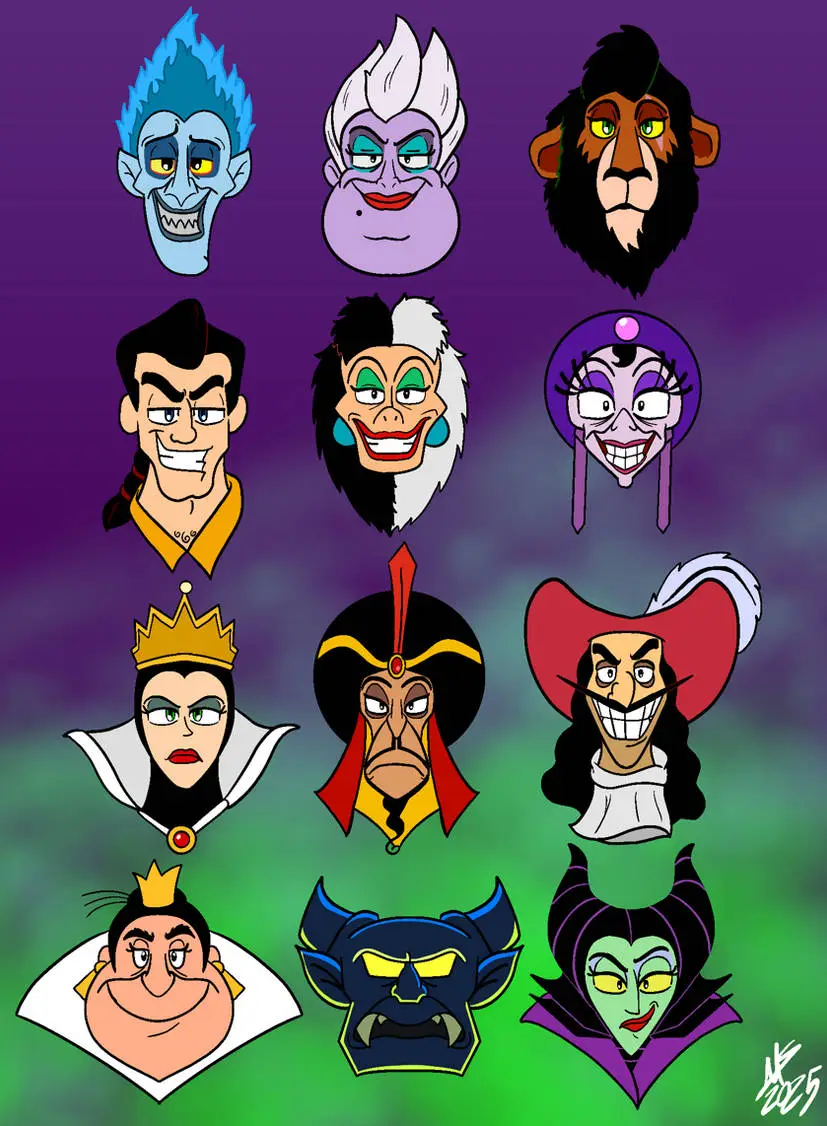
Let’s examine the trend of softening Disney villains, its implications, and viewers’ responses to less sensitive material.
READ MORE

July 24, 2025 .
Essays, Writer Resources
READ MORE

Get our magazine for free!