
Close menu
Ranking the best of African Literature







































The flaw of stereotypes is not that they are fabricated, but that they are incomplete. This is the danger of a single story.

The word “Africa” usually conjures a picture of a “country” where wild animals roam freely alongside humans, a land desolate as a result of war, starvation, thirst, and diseases, terrible governance, and so on.
It may not be all lies, but is that the whole truth? This is the danger of a single story. When people reduce a culture, country, or individual to a single narrative, they inevitably create a warped picture.
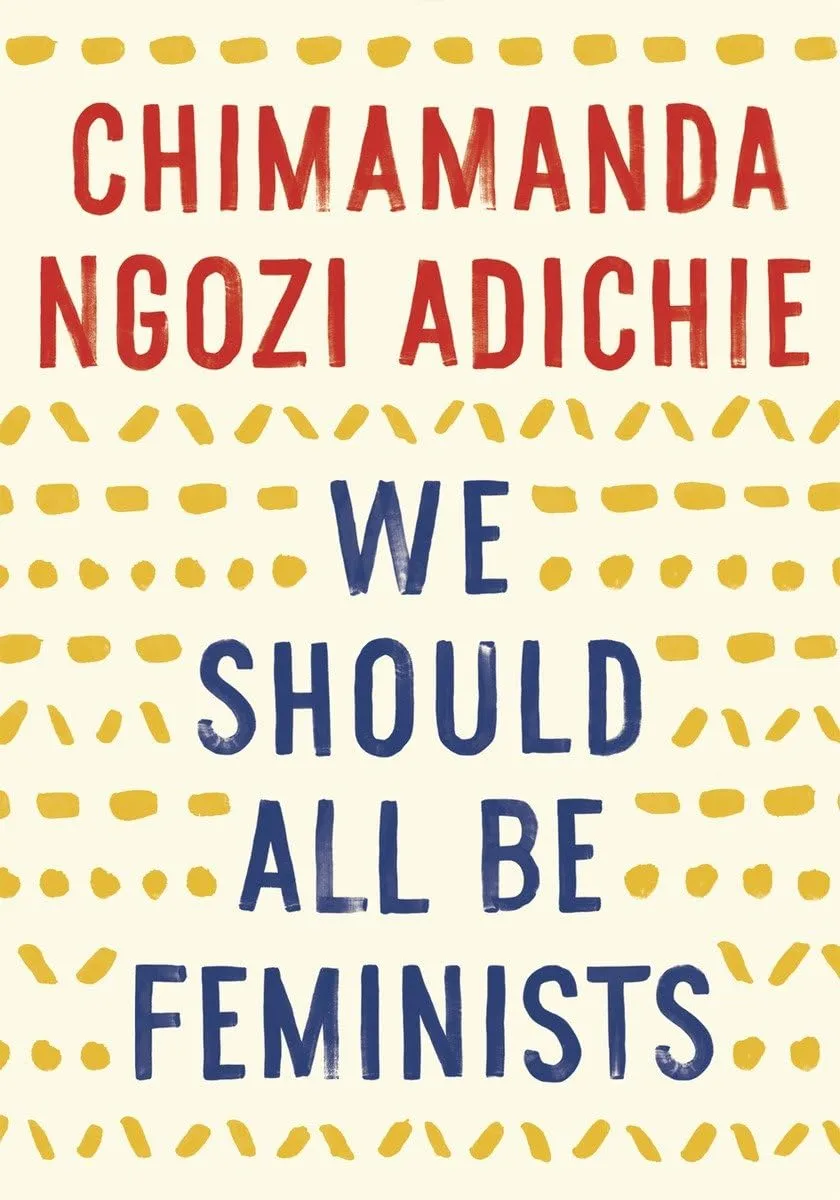
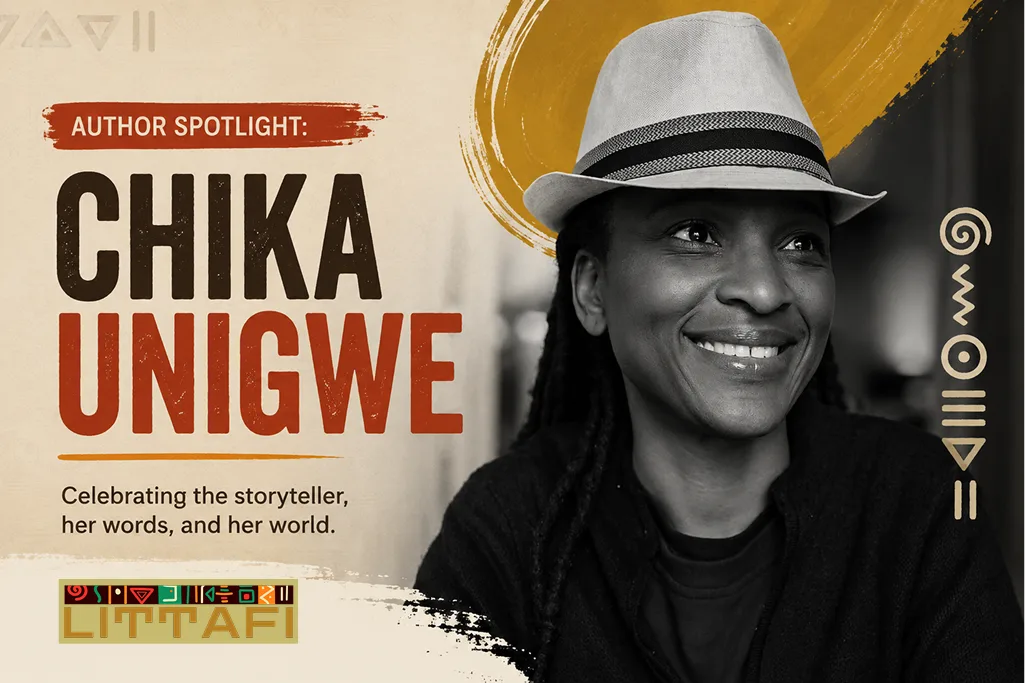
Nigerian author and title chief Odeluwa Chimamanda Ngozi Adichie, in her well-known TED Talk “The Danger of a Single Story,” names the simple, predictable boxes we often assign to others: single stories.
Just as stereotypes have shaped the story of Africa, a single story has shaped how many people judge individuals, countries, and works of literature. To understand how the single story works, one must first examine stereotypes.
Human brains naturally rely on cognitive shortcuts to efficiently process vast amounts of data. Labeling and categorizing are survival mechanisms, but when applied to human cultures and individual identities, these shortcuts harden into rigid narratives.
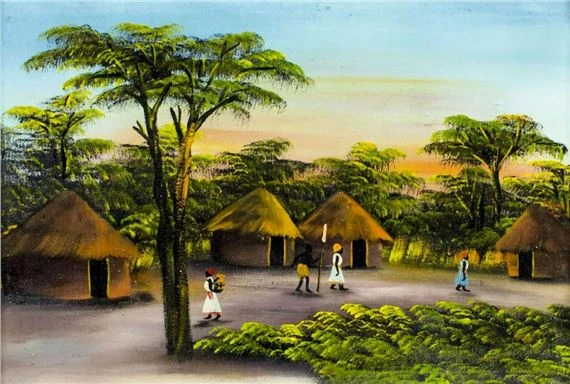
A single story is not necessarily a lie. In fact, it often contains elements of truth. The danger emerges when that partial truth becomes the only truth people know.
Stereotypes are essentially linear narratives repeated until they become accepted as wisdom. These perspectives lead us to ignore differences among individuals and, as a result, generalizations and assumptions.
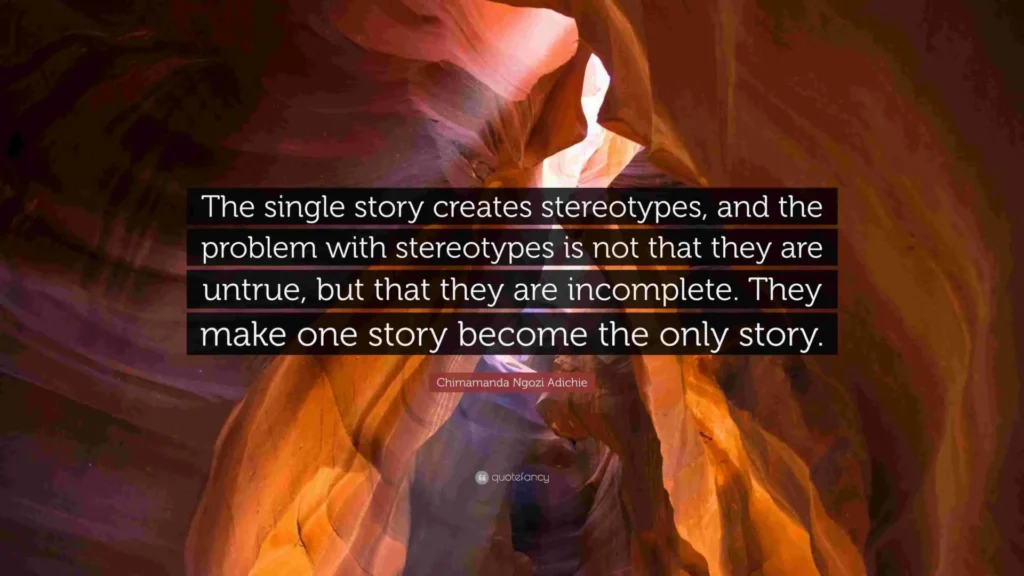
The critical flaw of stereotypes is not that they are fabricated, but that they are incomplete. They take a solitary aspect of a truth, such as economic hardship, and stretch it to define an entire collective reality. The problem is that stereotypes sacrifice accuracy for convenience.
In “The Danger of a Single Story,” Adichie shares experiences of both creating and being stereotyped. As a child, she read predominantly British and American literature and began writing stories about blue-eyed characters who played in the snow, resembling the characters in the books she read rather than her own experiences in Nigeria.
Later, when she encountered Western perceptions of Africa, she discovered that many people had formed similarly narrow impressions about her continent. Their understanding is a result of stories of deprivation and suffering, often to the exclusion of everything else.
The generation of a single story is never accidental; it is deeply tethered to global power structures. To construct a definitive narrative about another culture, a group must possess the systemic authority to broadcast its perspective while silencing others.
The presentation introduces a profound Igbo term that captures this dynamic perfectly: nkali. Translated loosely as “to be greater than another,” nkali governs the socio-political world, dictating who tells stories, the mediums of narration, and which stories gain space to exist.
If the stereotype is a flat, black-and-white sketch, nuance is the full-color, three-dimensional reality. Nuance is the recognition that multiple seemingly contradictory things can be true at the same time.

In Adichie’s own life, she recalls her family’s houseboy, Fide. The only story she knew about Fide’s family was that they were desperately poor. When she visited his village and saw a beautifully patterned basket that Fide’s brother had woven, she was shocked because she had not considered that someone living in poverty could also create something beautiful.
Nuance resists the temptation to summarize people in simplistic terms. It acknowledges that individuals contain contradictions and that no single characteristic can define cultures.
In literary terms, variation is what separates a believable character from a caricature. This is precisely what the danger of a single story discourages audiences from accepting.
One reason Adichie’s work resonates so deeply is that literature has a unique ability to introduce subtle distinctions.
A single novel cannot represent an entire nation or demographic. However, a diverse collection of stories can reveal the immense variety that exists within any group. A writer who relies solely on stereotypes may create recognizable figures, but rarely memorable ones.
More than a decade after its release, The Danger of a Single Story remains one of the most important examinations of storytelling in the modern era. This lasting relevance shows how strongly its message continues to resonate.
Chimamanda Ngozi Adichie demonstrates that stereotypes gain power when people repeat a single narrative without challenge, whereas nuance emerges when multiple perspectives coexist. The central lesson is that people are always more complex than the stories told about them.

Best Films About Unexpected Age Gap Romance
Literary Awards and the Racism Card: A Wake-Up Call for Black Africa
Interview with the Vampire Relationships, Ranked
10 Top Recent Films for Action and Comedy Fans
Comma Rules Every Writer Should Know
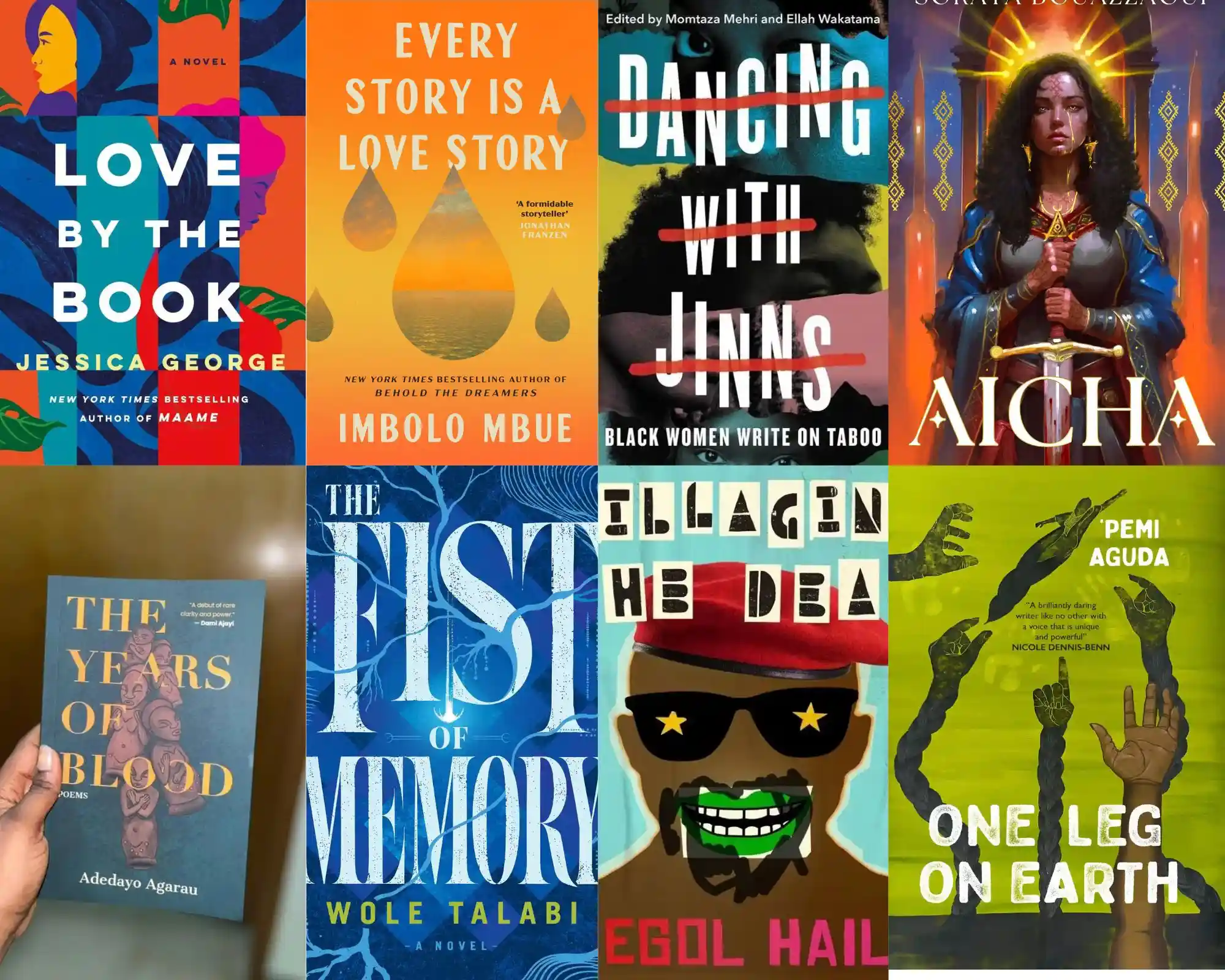
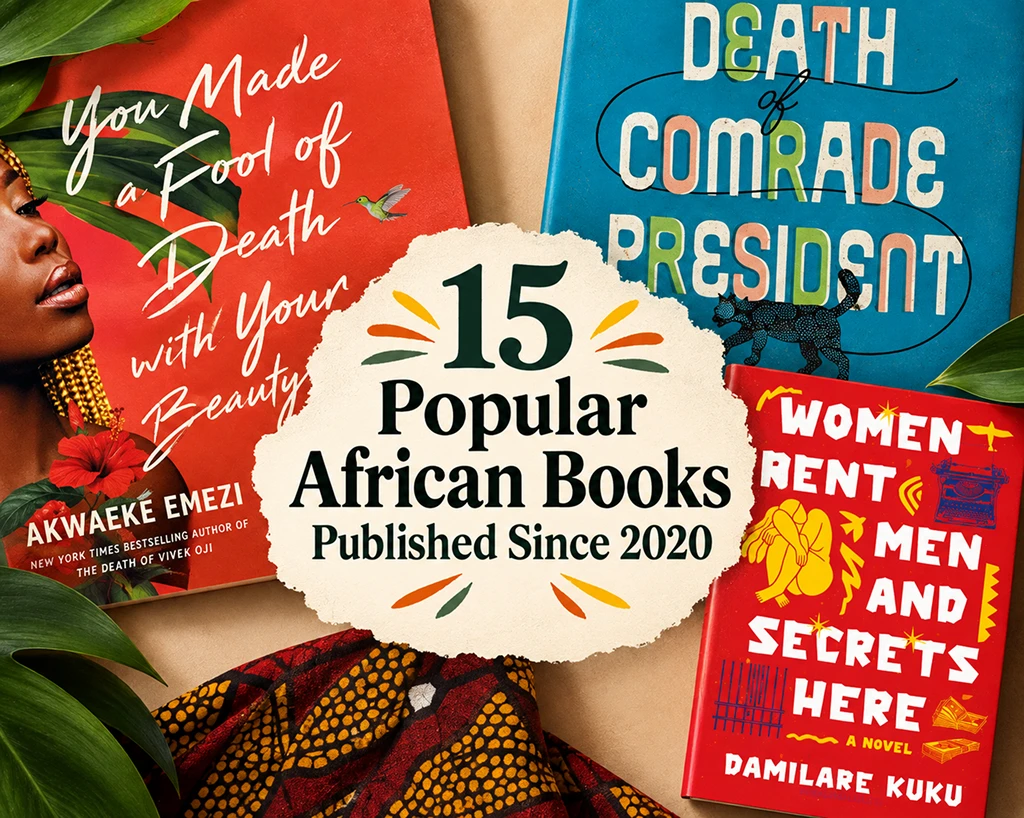
10 Most Hype-worthy 2026 Book Releases (African Literature Version)
Five Gambling Films That Know the Bet Is Only Half the Story
Movies Where Poker Reveals Who a Character Really Is
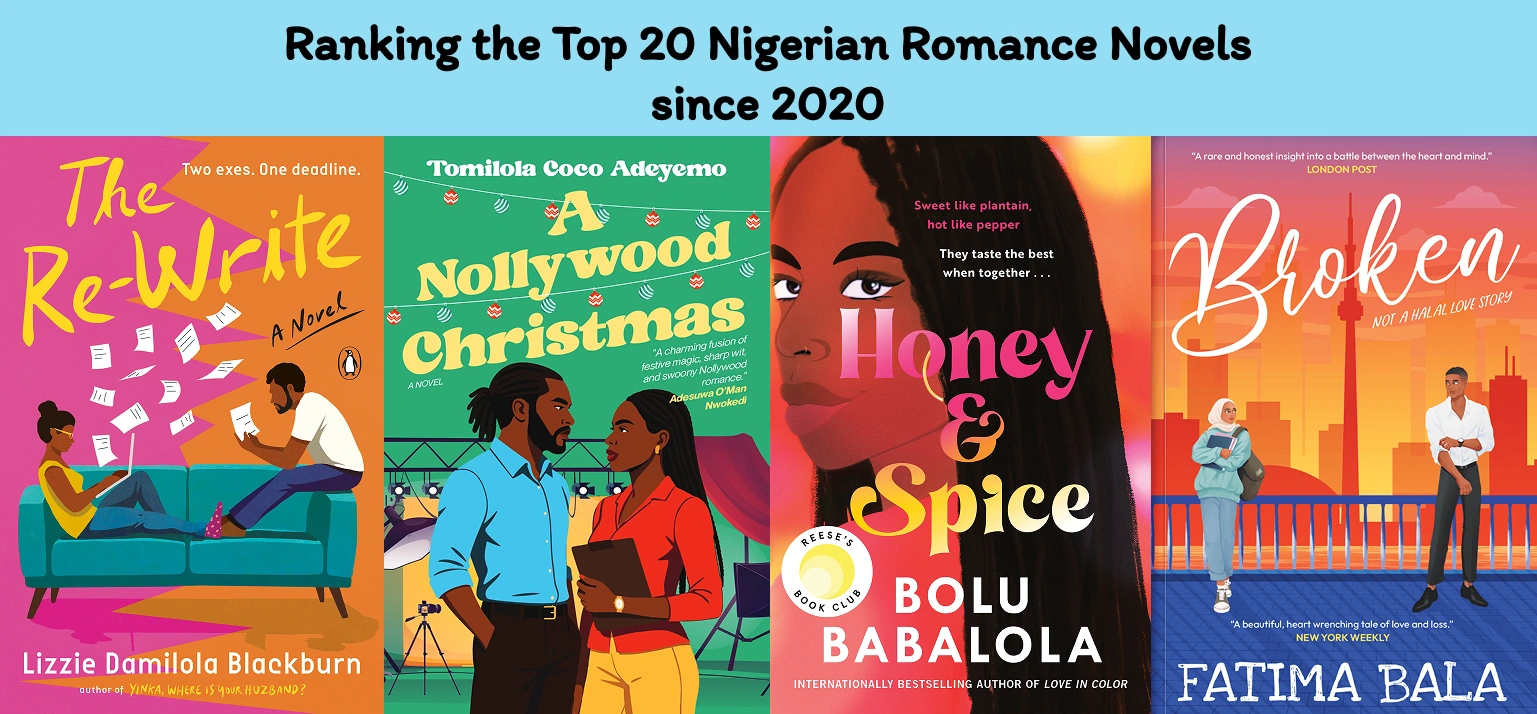
Ranking the Top 20 Nigerian Romance Novels since 2020
In Defense of Reading and Gaming
8 Third-Person Omniscient Examples for the Plot
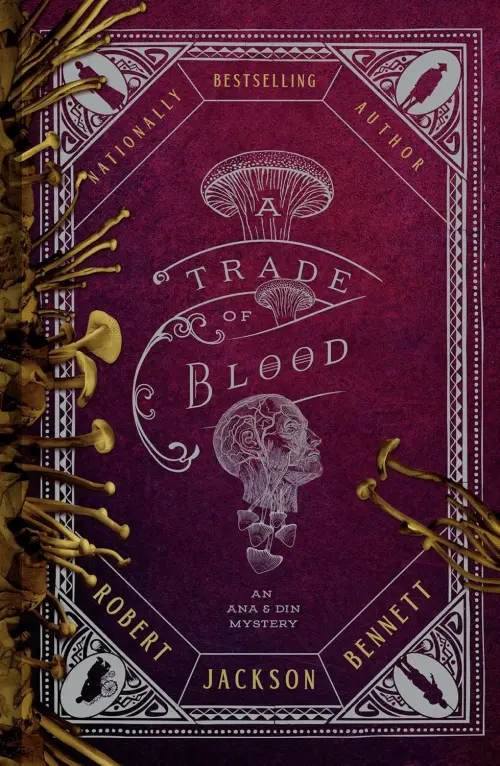
A Trade of Blood (Ana and Din Mysteries #3) by Robert Jackson Bennett
July 20, 2025 .
Animation, Lists
Our list rounds up the top 30 cartoon characters that were villains, each one more wonderfully wicked than the last.
READ MORE
October 28, 2025 .
Lists, Marvel, MCU, Opinions
Let’s go through a list of the top 7 strongest Marvel villains, from the wickedly powerful to the absolutely unstoppable.
READ MORE
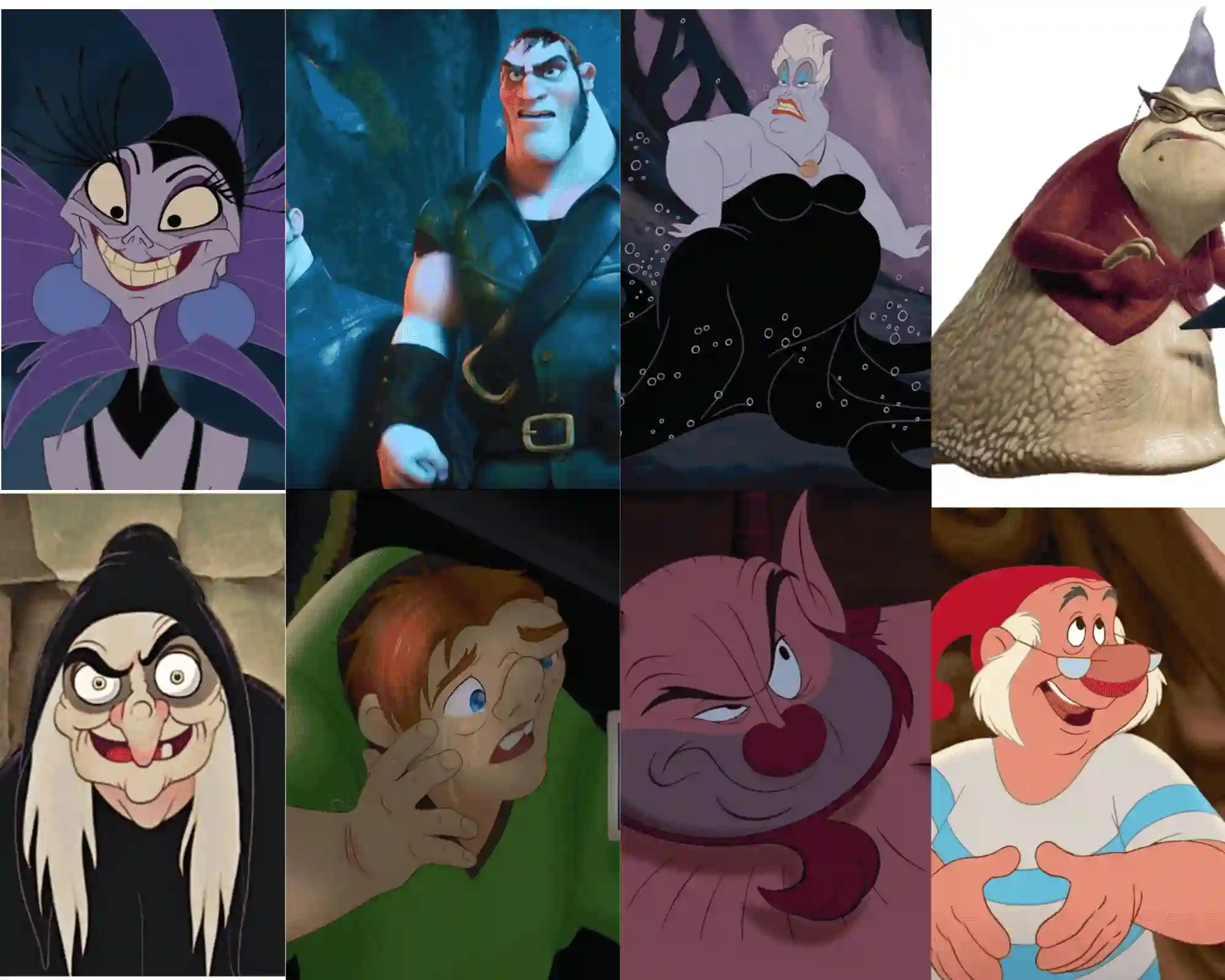
April 29, 2026 .
Lists, Opinions
The Mouse is famous for its princesses and princes. However, the studio’s true genius lies in its embrace of “ugly Disney characters”.
READ MORE

November 27, 2025 .
Lists, Mythology
While this isn’t an exhaustive list, it comprises some of the most popular mythical creatures from around the world.
READ MORE
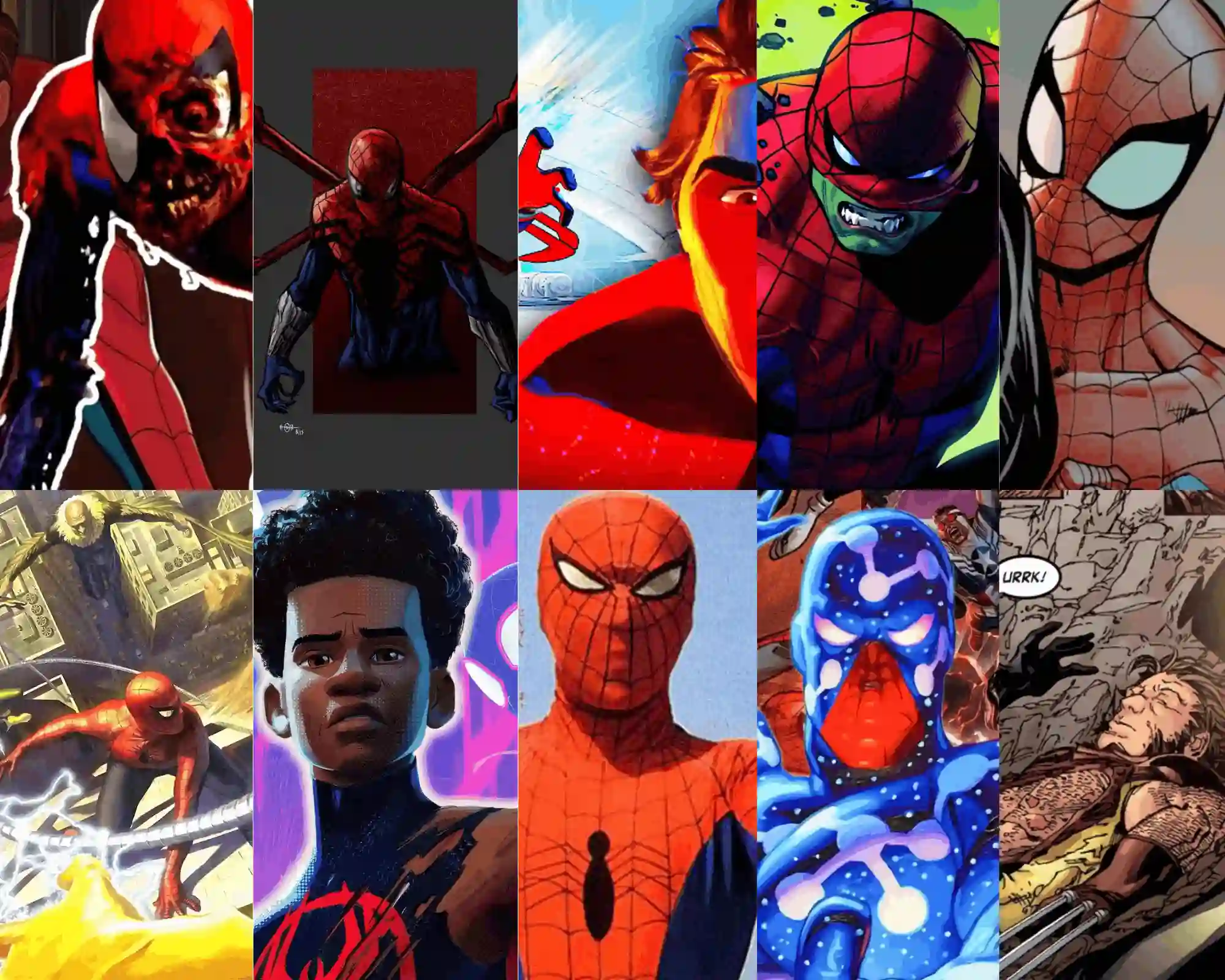
May 6, 2026 .
Lists, MCU
Spider-Man is one of the many superheroes from the Marvel Universe whose stories shaped many childhoods. Who is your strongest Spiderman?
READ MORE

July 20, 2025 .
Essays, Opinions
READ MORE

July 20, 2025 .
Essays, Opinions
READ MORE

July 20, 2025 .
Essays
Except if you have been living under a rock or in outer space since the beginning of time, there is no way you wouldn’t have heard of Wole Soyinka.
READ MORE

July 20, 2025 .
Essays, Opinions
READ MORE
September 12, 2025 .
Essays, Fantasy, Opinions
Fantasy is everything that lies in the realm of the fantastic. And, the more deviant from reality it is, the better.
READ MORE
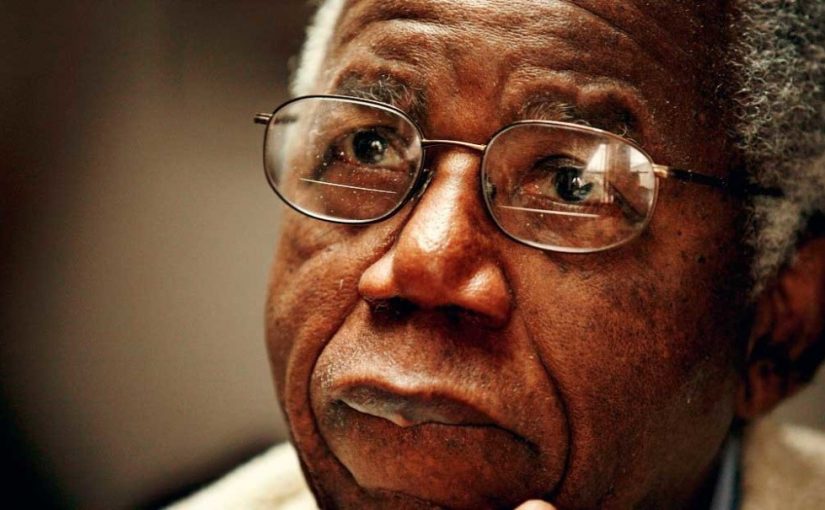
July 20, 2025 .
Essays, Opinions
African literature embraces inclusivity, harnessing words as a medium to impart wisdom, preserve truths, and honor ancestral struggles.
READ MORE

October 22, 2025 .
Essays, Writer Resources
Ever found a book that looks like a comic but tells a complete, well-structured story? Congratulations, it’s a graphic novel.
READ MORE
July 18, 2026 .
Disney, Essays
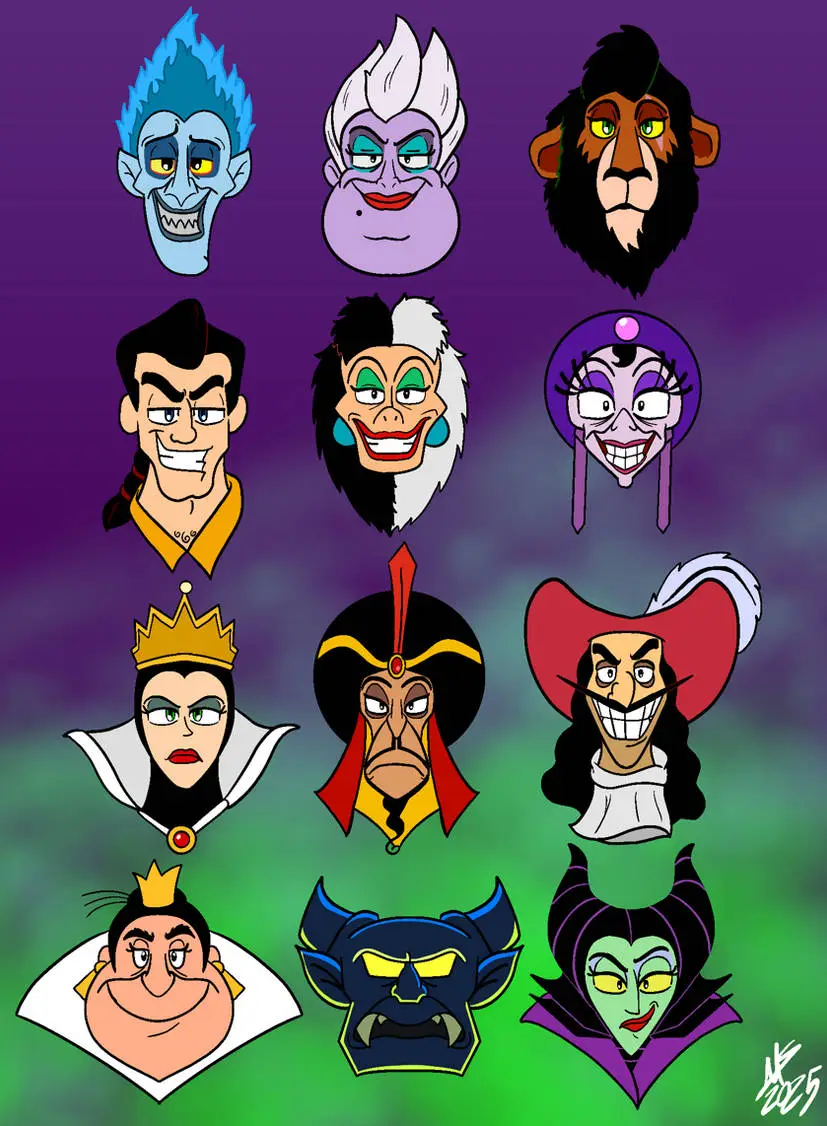
Let’s examine the trend of softening Disney villains, its implications, and viewers’ responses to less sensitive material.
READ MORE
July 24, 2025 .
Essays, Writer Resources
READ MORE
Get our magazine for free!